
Albany, New York, Germany, active in the United States · 1819 – 1898
Charles Fasoldt
Partially verifiedPrecision detached-lever and chronometer watch manufacture
Life & work
Charles Fasoldt was a German-trained watchmaker who emigrated to the United States and worked in Albany, New York, and later Rochester, producing hand-finished precision watches of a quality that distinguished him from the volume industrial manufacturers (Waltham, Elgin) that dominated the American trade of his period, placing him, like Albert Potter later in Geneva, among a small group of American makers pursuing individual high-grade craftsmanship rather than mass production.
Fasoldt is credited with patented refinements to compensation balances and detached escapements intended to improve chronometer-grade timekeeping in a watch format, and his output, produced in very small numbers, is prized by specialist American watch collectors precisely because it represents an alternative, largely commercially unsuccessful path within nineteenth-century American watchmaking, alongside the dominant industrial model.
Fasoldt's business never achieved significant commercial scale, and detailed biographical documentation of his career beyond surviving watches and patent records is comparatively limited in general horological literature, reflecting the difficulty faced by small hand-finishing workshops competing against industrial-scale American manufacturers in this period.
Timeline
Charles Fasoldt's recorded dates, dated events from this profile and its sources, and dated pieces and sales from the object catalogue. Dates are as each record gives them.
1819 · Career
Born
1880'S · Catalogued piece
1898 · Career
Died
Training, contributions & innovations
- Produced small numbers of hand-finished, chronometer-grade precision watches in the United States
- Patented refinements to compensation balances and detached escapements
- Represents an alternative, craft-based path within nineteenth-century American watchmaking distinct from industrial mass production
Inventions & patents
- Fasoldt held United States patents relating to compensation balance and escapement refinements; exact patent numbers are not confirmed across the sources consulted for this entry and are therefore not stated.
Signatures & markings on surviving work
- Watches signed 'C. Fasoldt, Albany' or 'C. Fasoldt, Rochester, N.Y.'
Collecting significance
Genuine Fasoldt watches are rare specialist American collector items, valued precisely for their contrast with mass-produced industrial watches of the same period; authentication benefits from NAWCC specialist literature given the small original output.
Firms, key models & movements
No firm, model or movement in this encyclopedia is yet recorded under this maker's name.
In the object catalogue
1 catalogued object is recorded under Charles Fasoldt. Attributions are as given by each source and are not independent authentication.
- Charles Fasoldt Unfinished Keyless MovementÉbauche & unfinished movement · 1880'S
Provenance
Where the 1 catalogued piece by Charles Fasoldt was recorded, with the collectors, owners and sales their records name.
Provenance map
Each piece is linked to the museum, auction house or dealer whose record it comes from, and to any other house or collection its own provenance names. Select a name to see its pieces.
Dealers & other listings · 1 piece
collectorsquare.com
Dealer · 1 piece
Charles Fasoldt Unfinished Keyless MovementÉbauche & unfinished movement · 1880'S · Record source
The record names no sale, lot or earlier owner.
Each line is copied from the object's source record and is not independently verified. Holders are as recorded when the piece was catalogued: museum objects may not be on display, and sold lots have since changed hands.
Photographs
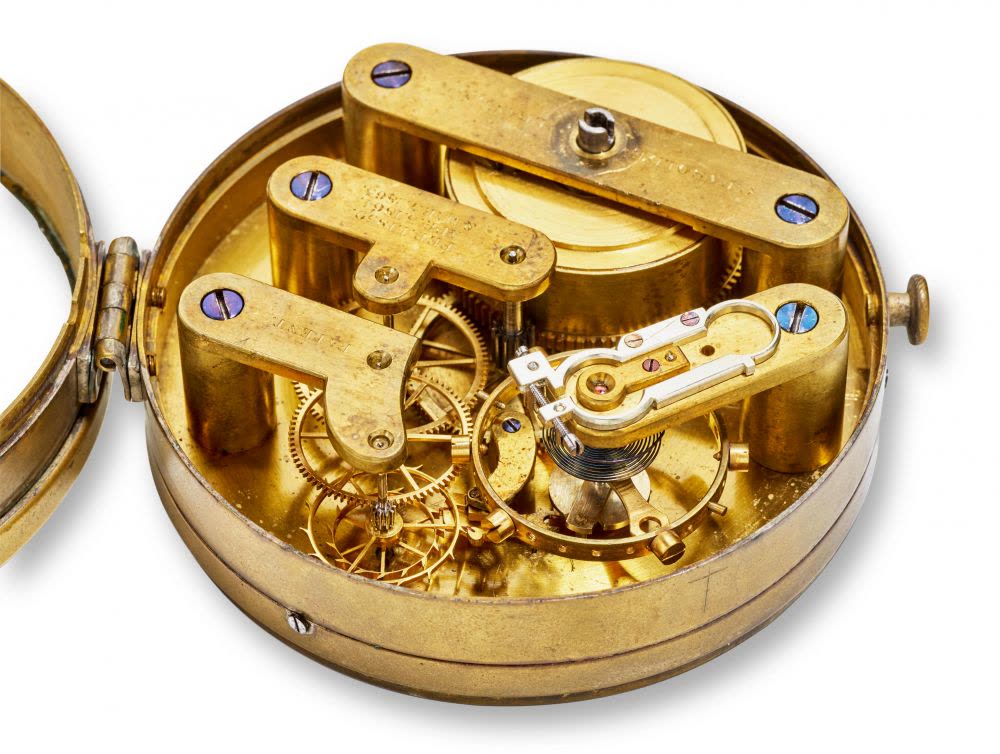
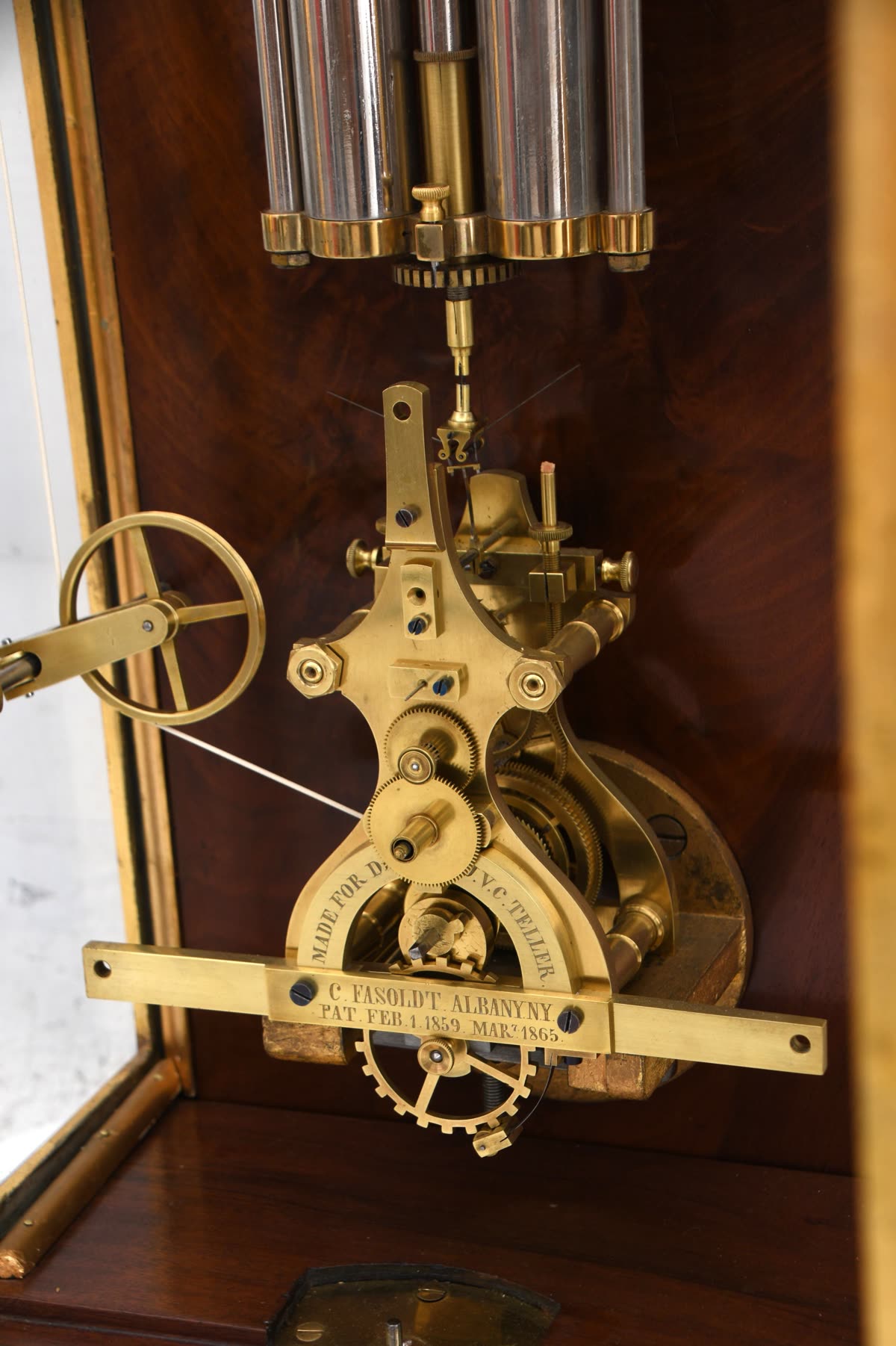
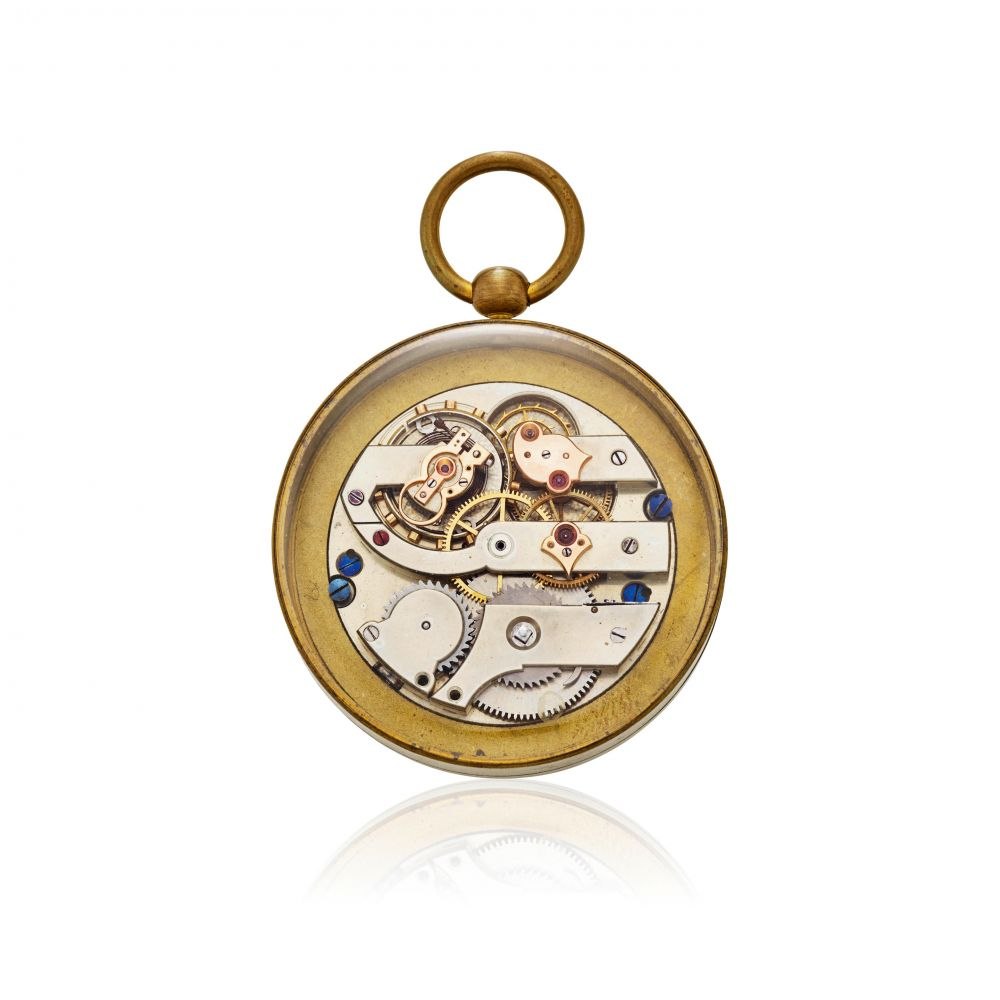
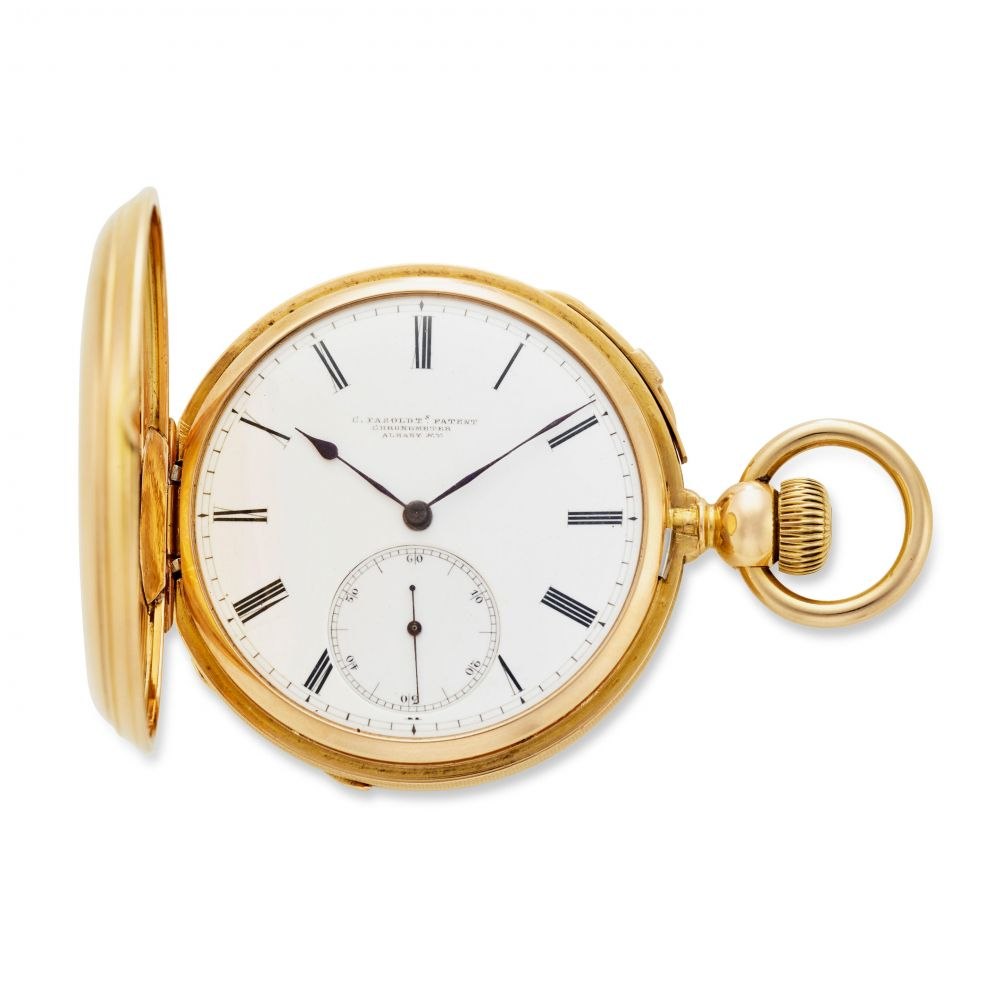
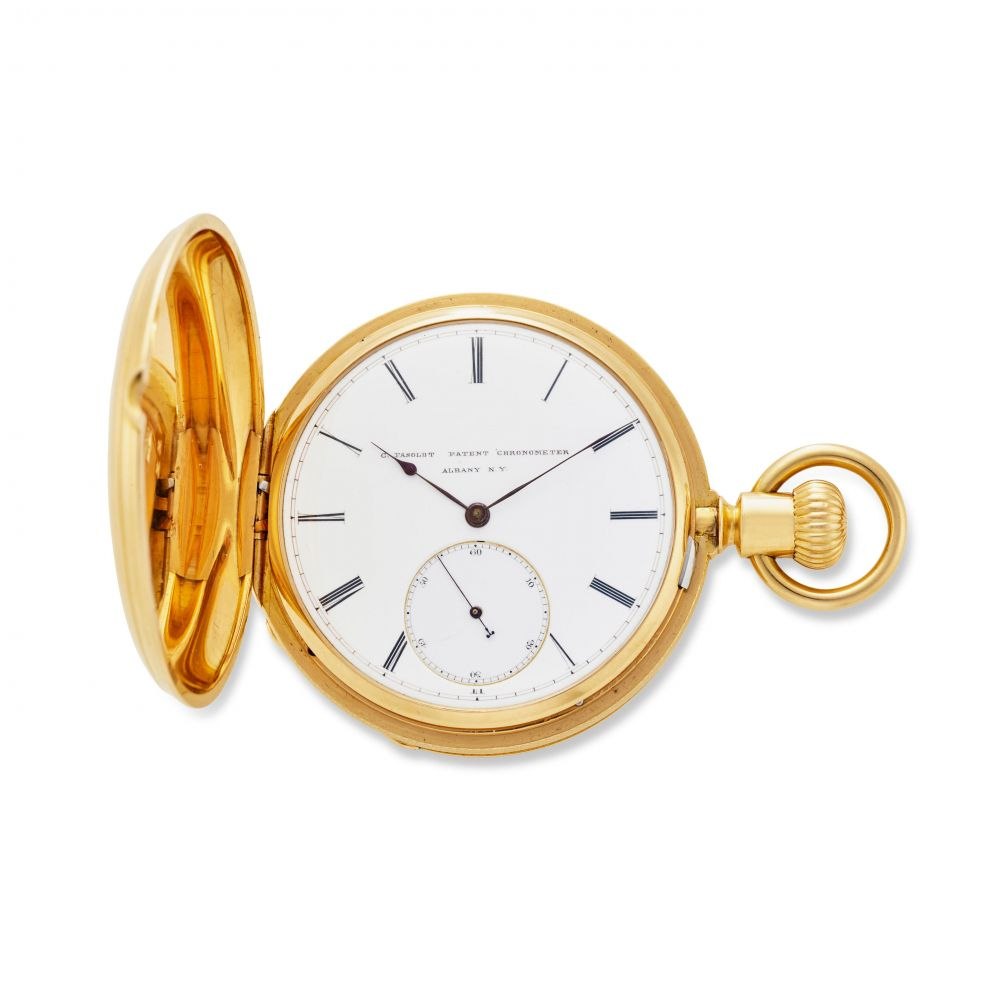
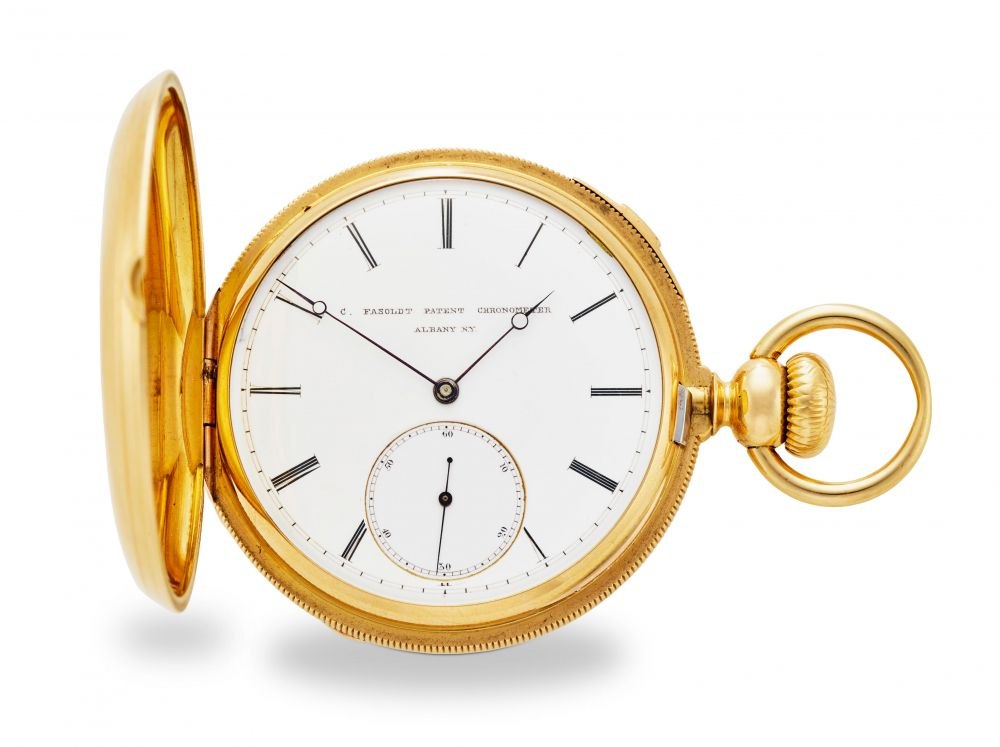
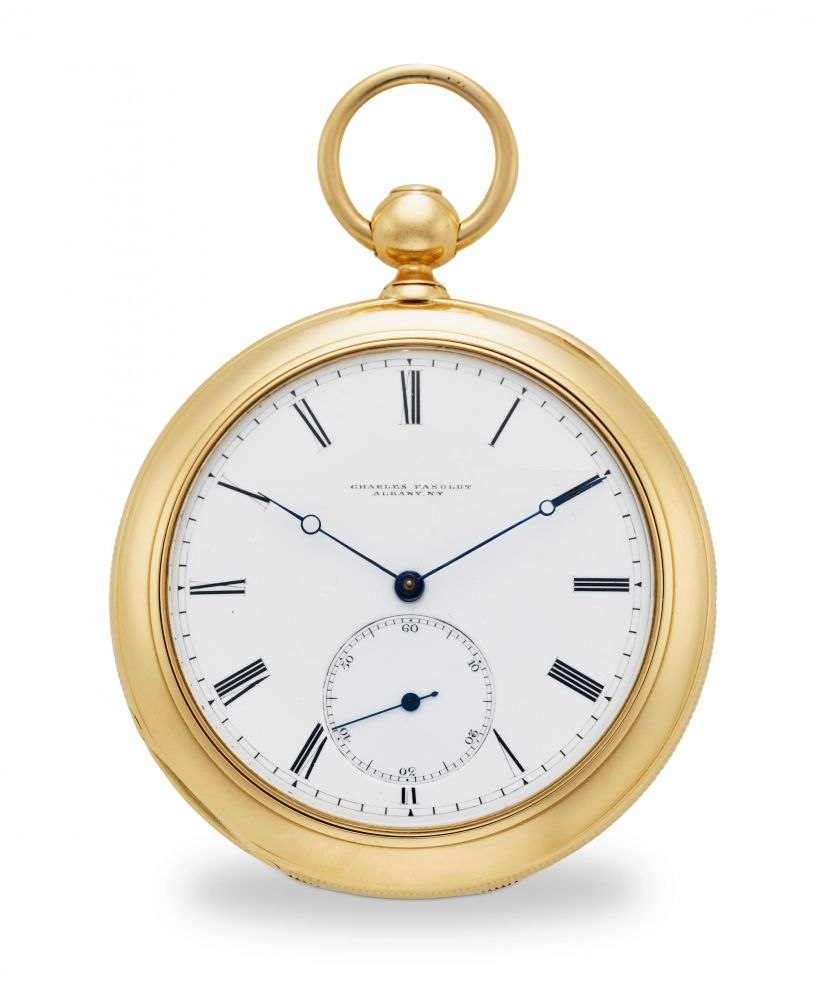
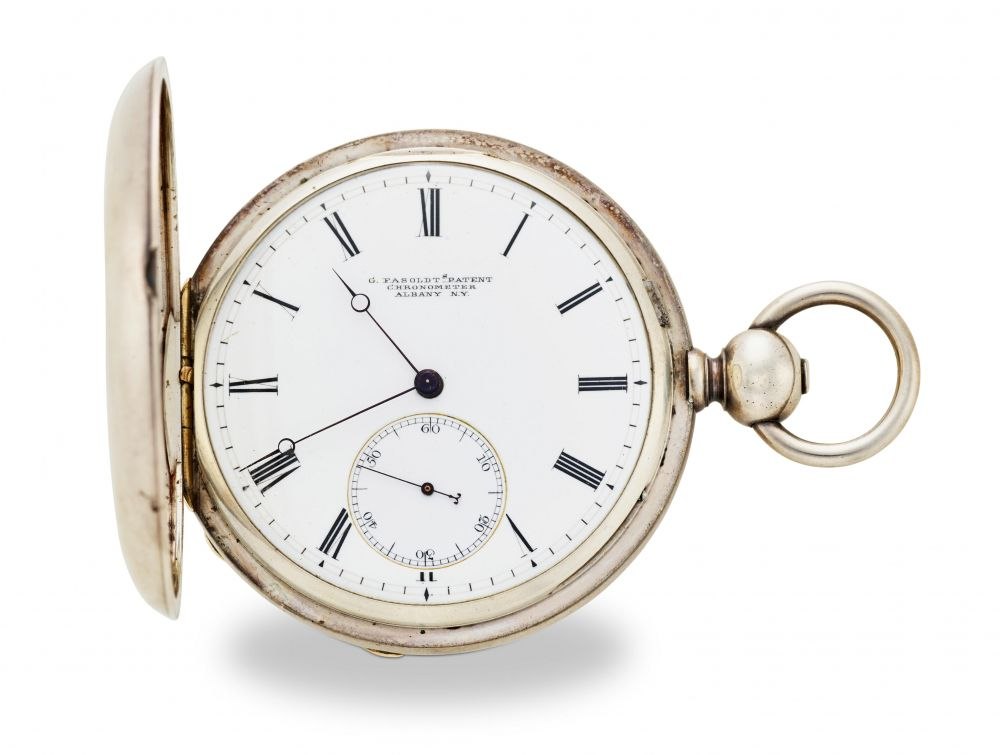
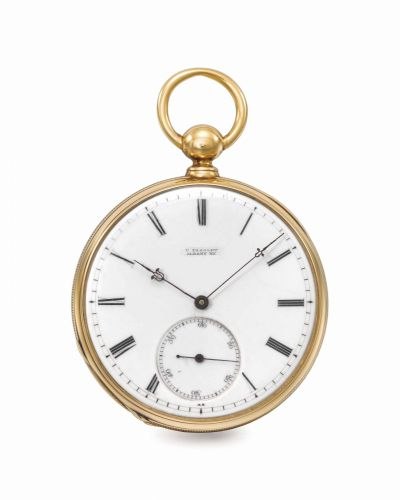
Photographs are illustrative examples of the type, not necessarily the exact object described. Verify details against the source file page.
Sources & references
- NAWCC Bulletin articles on nineteenth-century American hand-finishing watchmakers
Where sources disagree, the disagreement is stated rather than resolved silently.