
Watch family · Style & purpose
Integrated-Bracelet Sports Watches
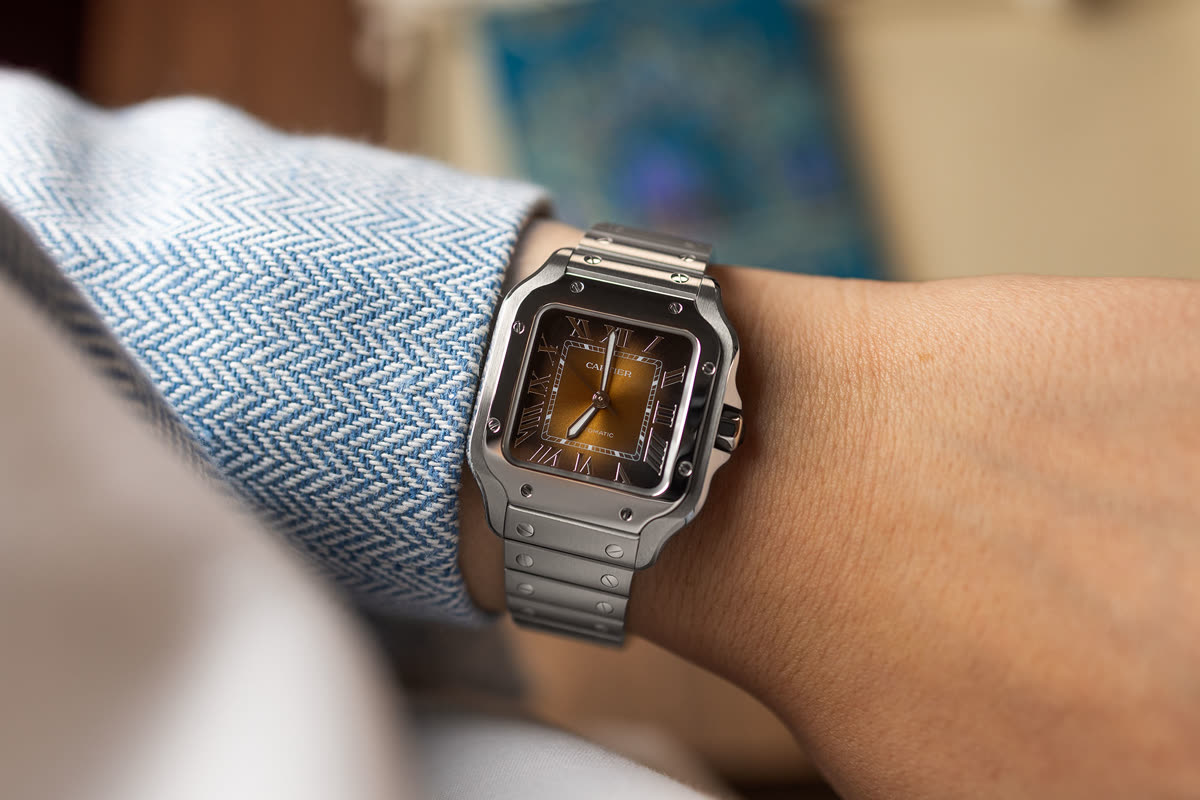
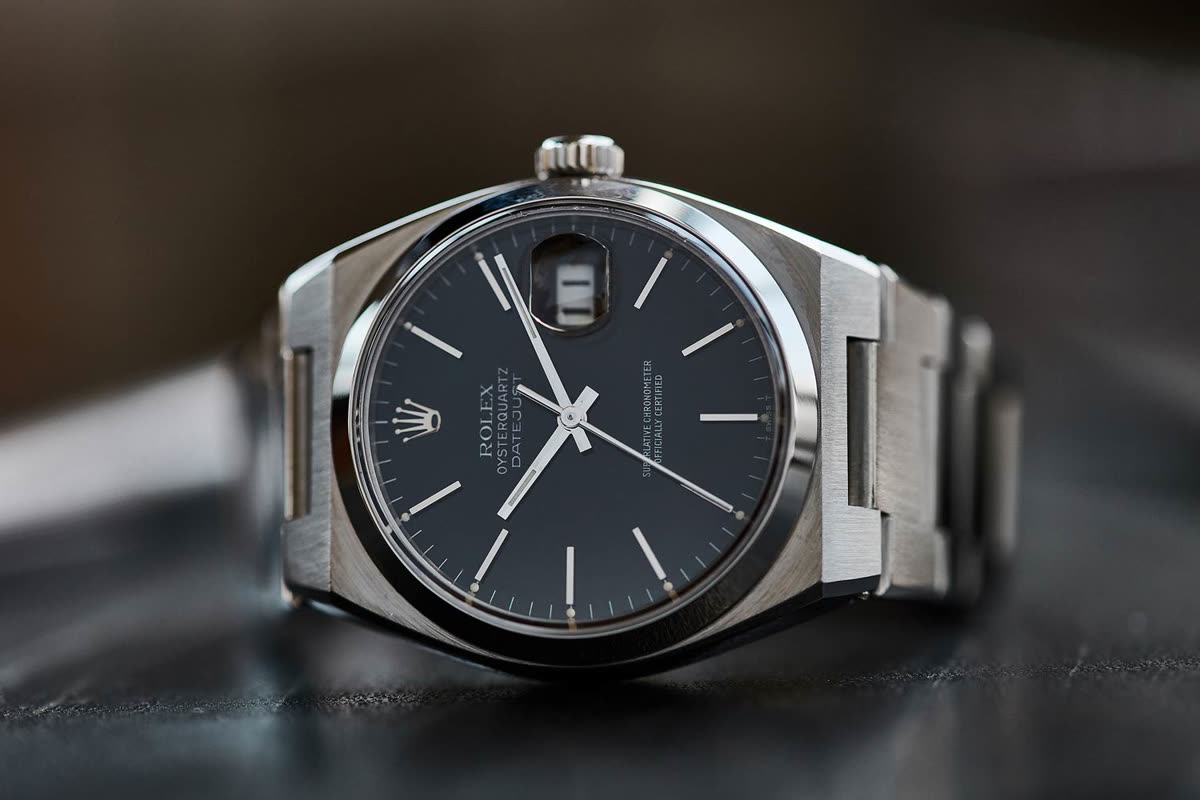
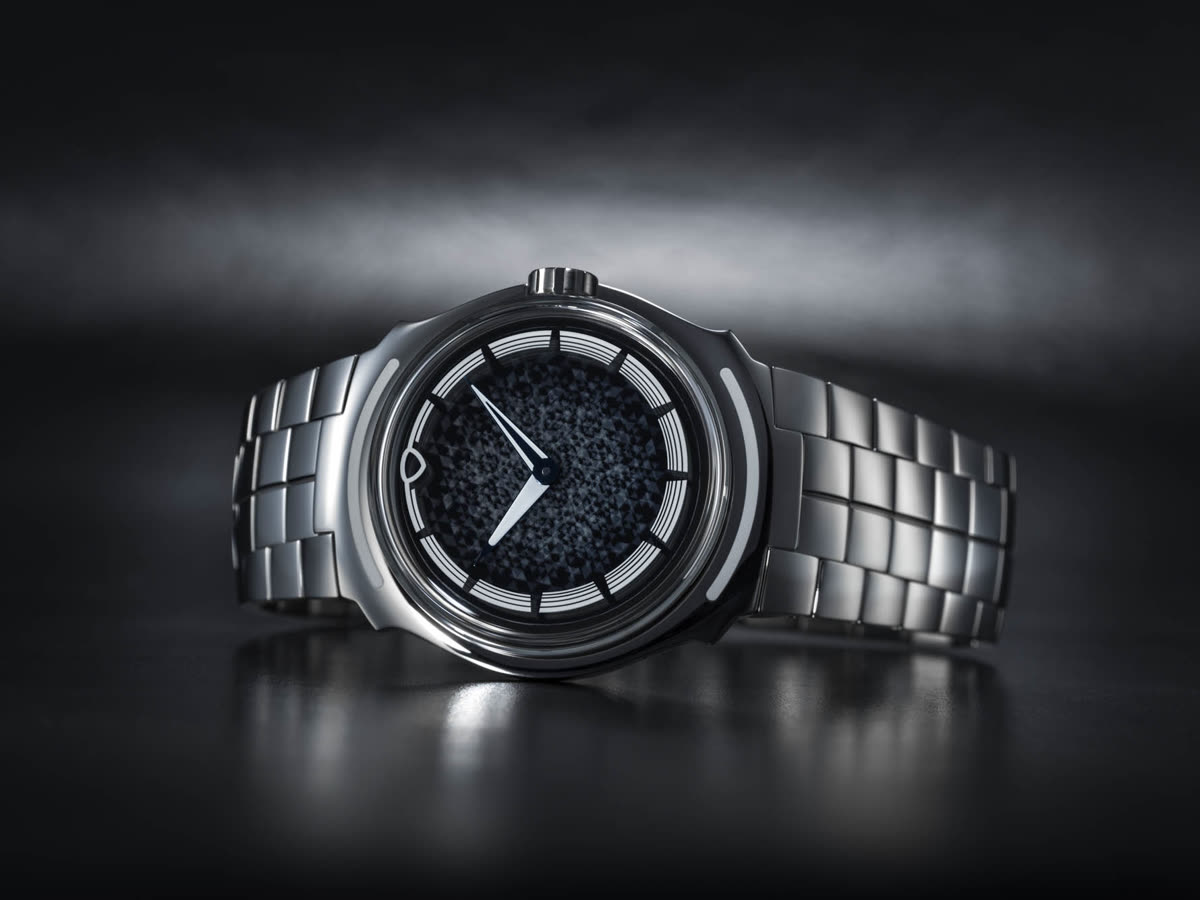
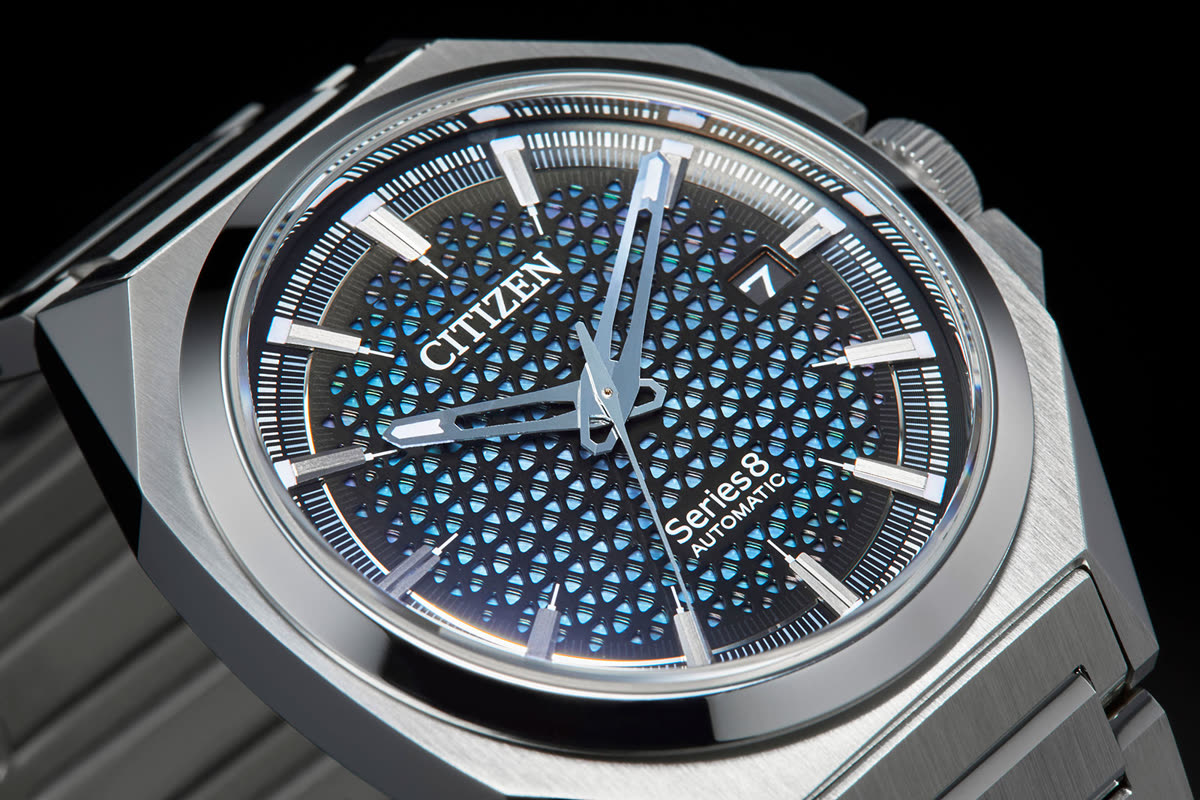
Needs researchSteel luxury sports watches in which the metal bracelet is designed as a single continuous form with the case, its end links flowing directly from the case flanks rather than attaching to separate, generic lugs, a case-and-bracelet design language that emerged in the 1970s.
Movement & mechanism
- Case and bracelet designed and machined as one visual composition, with dedicated end links shaped specifically for that case rather than interchangeable with other models
- Movement generally a standard contemporary automatic or quartz calibre, the innovation being industrial-design rather than mechanical
- Often finished with contrasting brushed and polished surfaces across both case and bracelet as a single design exercise
Identification
- Bracelet end links shaped specifically to continue the case outline, with no visible join or generic lug gap between case and bracelet
- Bracelet not interchangeable with an ordinary strap without substantial modification, unlike a conventional spring-bar lug watch
- Often an octagonal, tonneau or similarly geometric case shape rather than a plain round case
Terminology
- Integrated bracelet — a bracelet designed as a continuous extension of the case rather than attached to separate lugs
- End link — the bracelet component that mates directly against the case
Known variations
- Octagonal-bezel integrated-bracelet watch
- Tonneau-case integrated-bracelet watch
- Round-case integrated-bracelet watch
Pocket-watch ancestry
The integrated bracelet has no pocket-watch precedent whatsoever, since a pocket watch has no bracelet at all; it is a wristwatch-era industrial-design development responding to the wrist-worn format's own possibilities once bracelet and case could be conceived together as a single object.
Collecting notes
A design-history-driven collecting category strongly associated with 1970s steel luxury sports watch design; because the bracelet cannot readily be substituted, condition and stretch of the original bracelet materially affects a given watch's value in a way that is less significant for conventional strap watches.
Background
Revolution describes the early seventies as Gérald Genta's most important era, when he designed three of the most influential integrated-bracelet watches while brands such as Audemars Piguet faced the challenges of the quartz crisis. The Royal Oak, designed by Gérald Genta and released in 1972, is credited by Chronos Japan as a turning point in modern watchmaking history. These watches are defined by a case-and-bracelet integration, often involving complex manufacturing processes to achieve water resistance and specific aesthetics.
Gay Frères became a vital supplier for these models, providing the technical expertise required to manufacture these complicated steel bracelets. Many of these watches featured geometric shapes and were designed for durability, with the Nautilus, for example, being waterproof to 120 meters.
Written from the sources listed under Sources (makers, museums, auction houses and specialist publications are paraphrased, not reproduced); each statement was checked against the cited text, and claims a maker makes about its own work are attributed to it.
Defining features
- The watches often utilize complex case constructions, such as the two-piece monobloc design employed in the Royal Oak.
- Dials frequently feature elaborate patterns, such as the petite tapisserie, which are created using manual guilloching techniques.
Later development
- Chronos Japan reports that the Royal Oak's styling prototype was made in 18k white gold because the design could not at first be realized in steel.
Photographs
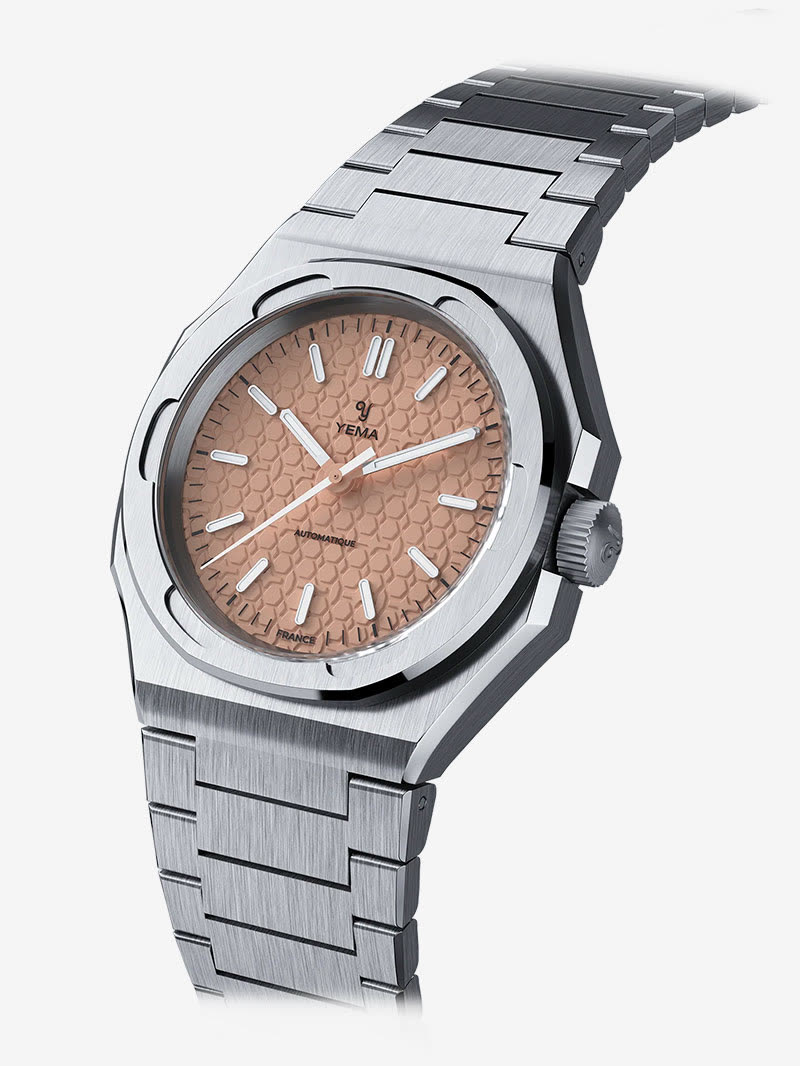
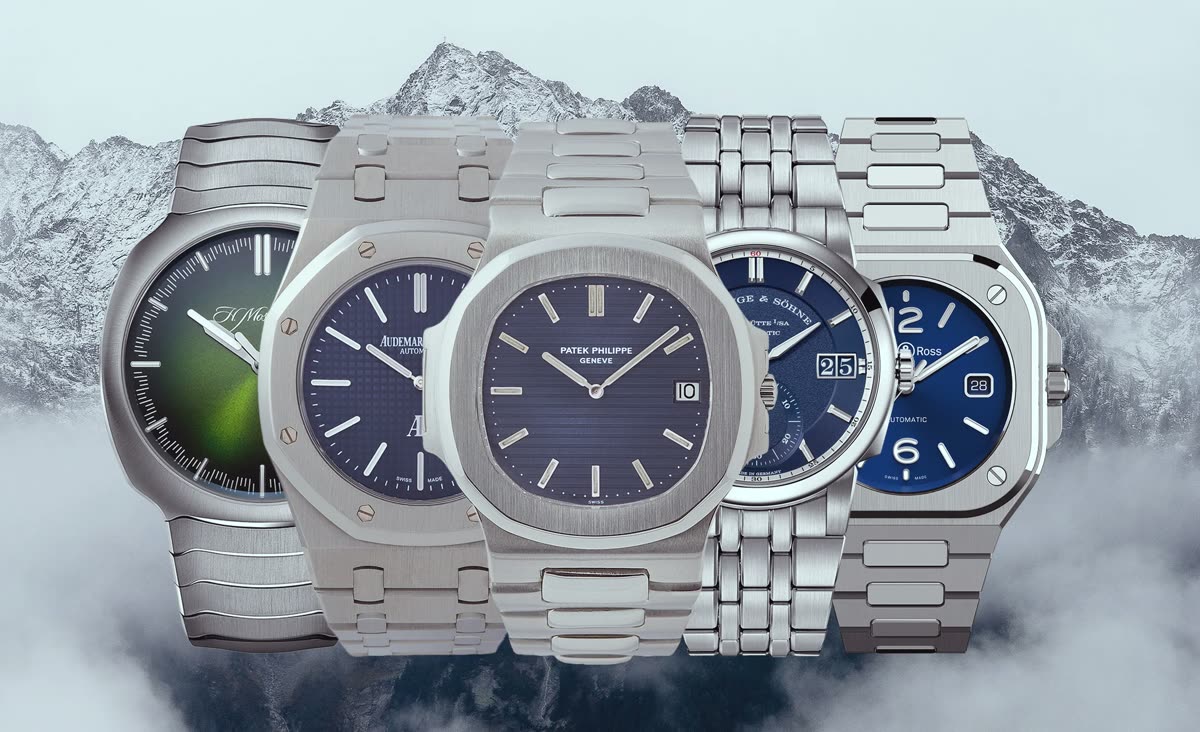
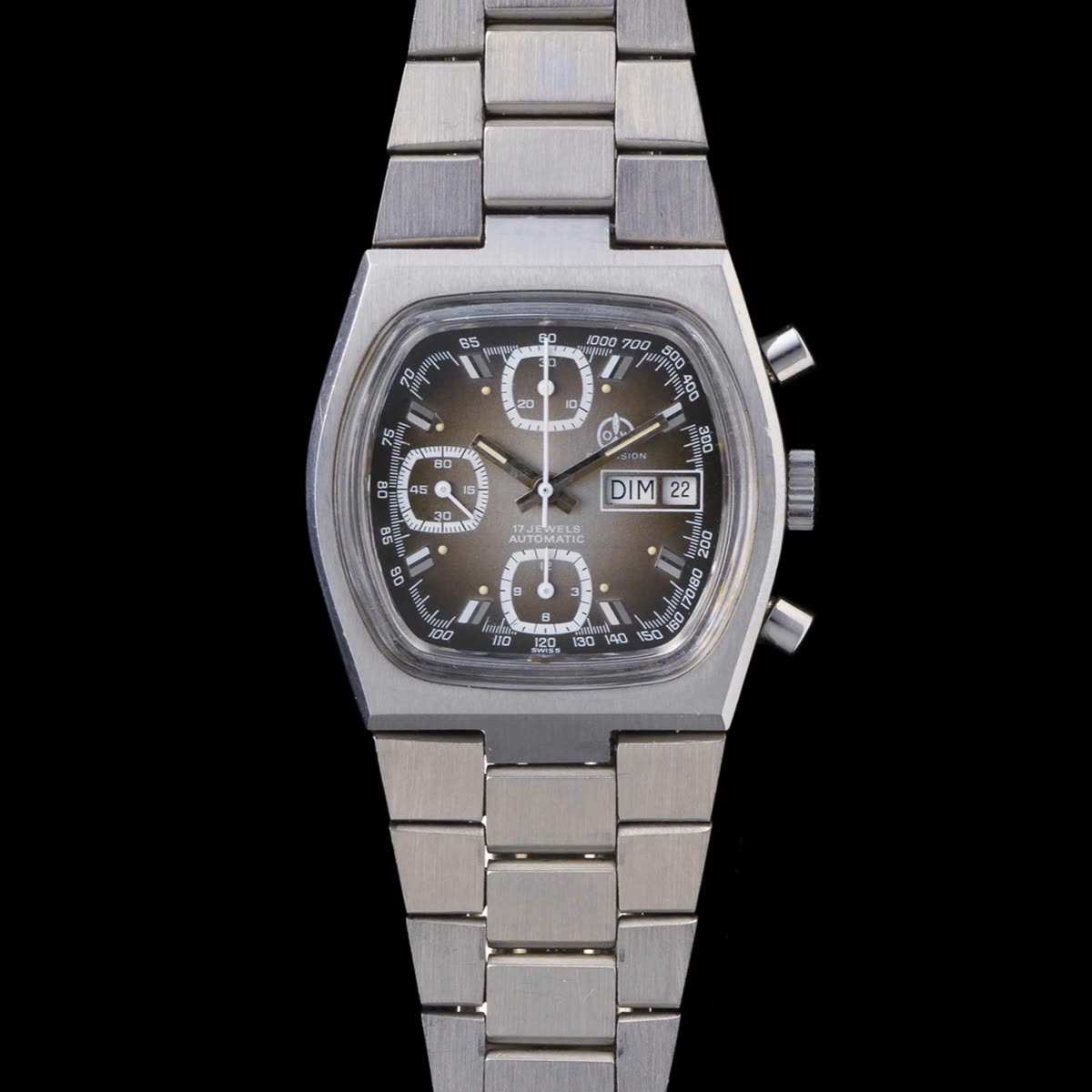
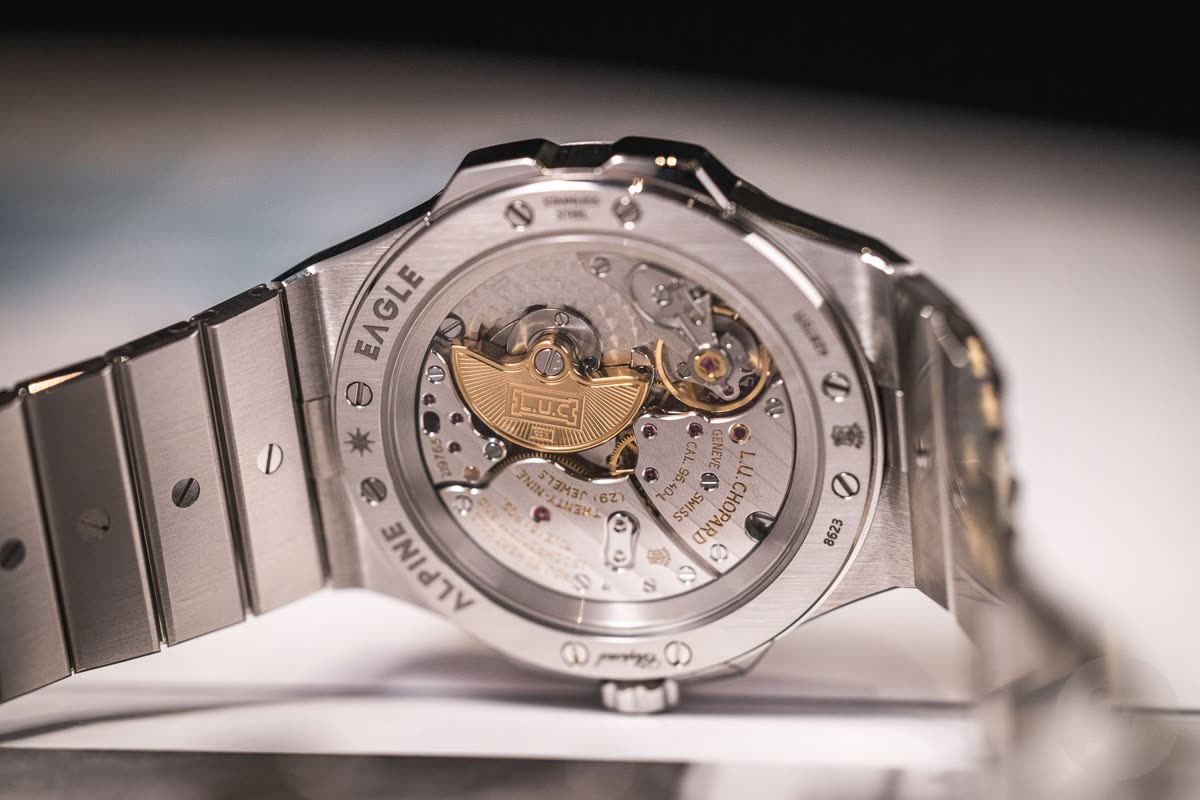
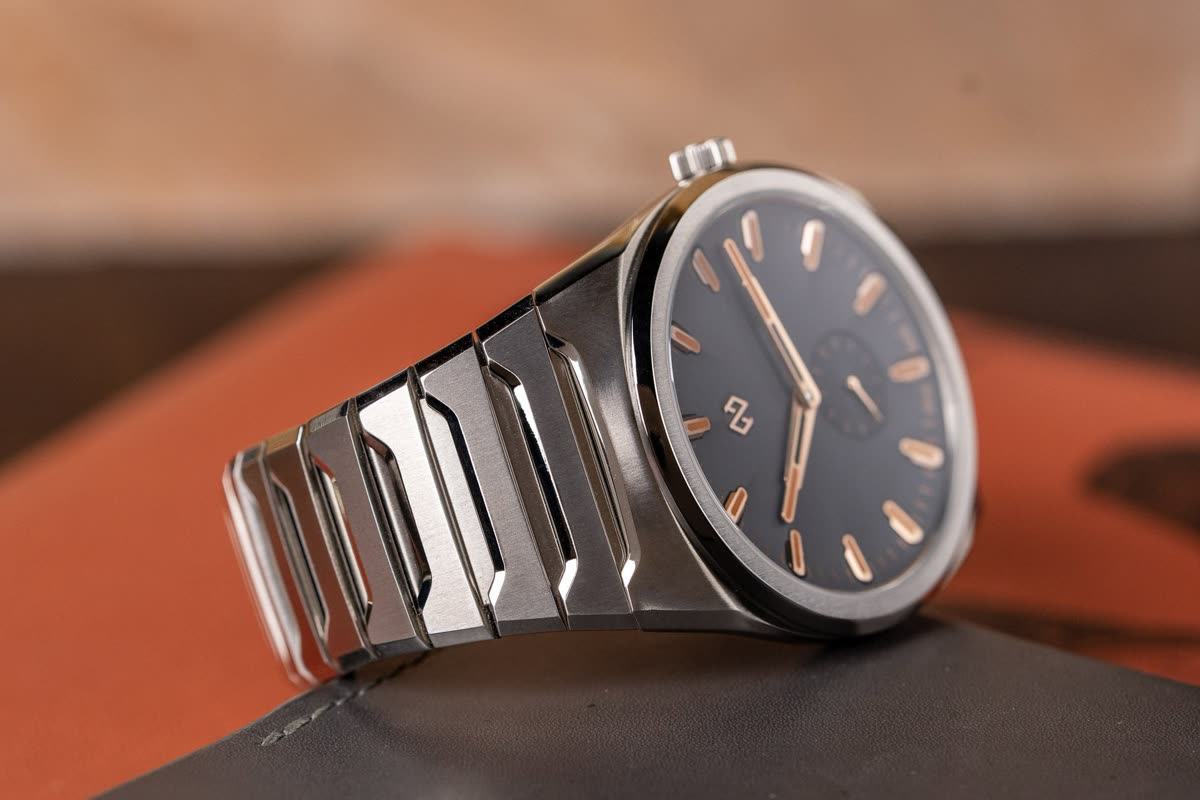
Photographs are illustrative examples of the type, not necessarily the exact object described. Verify details against the source file page.
Sources & references
- We're all one: the integrated bracelet sports watch story, Revolution, retrieved 2026-10-30 (paraphrased; text © the publisher)
- Audemars Piguet Royal Oak: 50 years of innovation (1972-2022), Chronos Japan (webChronos), retrieved 2026-10-30 (paraphrased; text © the publisher)
- General design-history literature on 1970s steel sports watches; individual model priority and dating claims are debated and not resolved here.
Where sources disagree, the disagreement is stated rather than resolved silently.