
Watch family · Style & purpose
Driver's Watches
Needs researchWristwatches with the dial or case rotated, or the crystal cut away, so the time can be read without removing a hand from the steering wheel, typically by glancing down at the wrist while gripping it.
Movement & mechanism
- Conventional wristwatch movement housed in a case shaped or rotated so the dial faces toward the inside of the wrist, or with the case corner cut away to expose the dial at an angle
- No mechanical distinction from an ordinary wristwatch beyond the case and dial orientation
Identification
- Dial rotated roughly 45 degrees relative to the lugs, or set in an asymmetric case shape
- Case designed to be read while the hand grips a wheel or similar object rather than in the conventional face-up position
Terminology
- Driver's case — an asymmetric or rotated case shape designed for at-a-glance reading while driving
Known variations
- Fully rotated dial
- Cut-corner case with angled dial window
- Cushion-case driver's watches
Pocket-watch ancestry
The driver's watch has no direct pocket-watch precedent, since a pocket watch is read by removing it from the pocket rather than glanced at in situ; it is instead a purely wristwatch-era response to a wrist-specific reading problem, though it relies on ordinary pocket-watch-derived wristwatch movements inside its distinctive case.
Collecting notes
A design-led niche within vintage wristwatch collecting, valued chiefly for the distinctiveness of the case shape rather than for movement complication.
Background
These timepieces, often associated with the Roaring Twenties, featured case designs that were rotated or offset to facilitate an easier viewing angle for the wearer. According to Escapement Magazine, the orientation of the dial allowed drivers to read the time without needing to remove their hands from the steering wheel. This configuration was also reportedly appreciated by clergymen, who could surreptitiously check the time without alerting their congregation.
Vacheron Constantin made such models for the American market, in cushion, lozenge and rectangular shapes. The design typically involved a dial rotated relative to the movement or the case lugs to place the dial in a more accessible position.
Written from the sources listed under Sources (makers, museums, auction houses and specialist publications are paraphrased, not reproduced); each statement was checked against the cited text, and claims a maker makes about its own work are attributed to it.
Defining features
- Cases for these watches were frequently designed in cushion, tonneau, or lozenge shapes to suit the prevailing Art Deco trends.
Later development
- Vacheron Constantin produced the American 1921 series specifically for the North American market, beginning with initial pieces in 1919.
Where sources differ
- Period. This record gives: “c. 1930s–1950s”. Vacheron Constantin made the first pieces of its offset-dial American 1921 series in 1919, earlier than the period this page gives.
Photographs
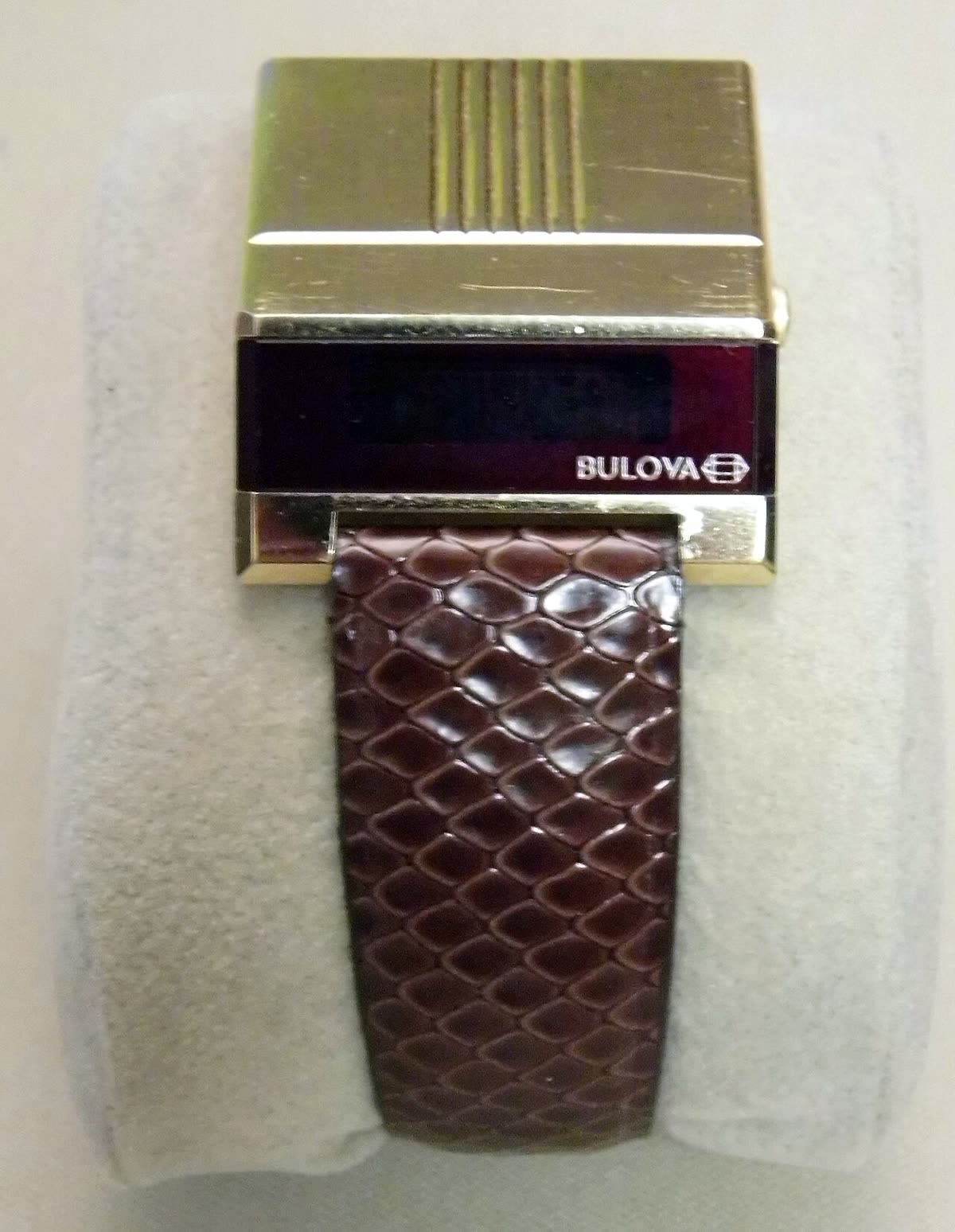
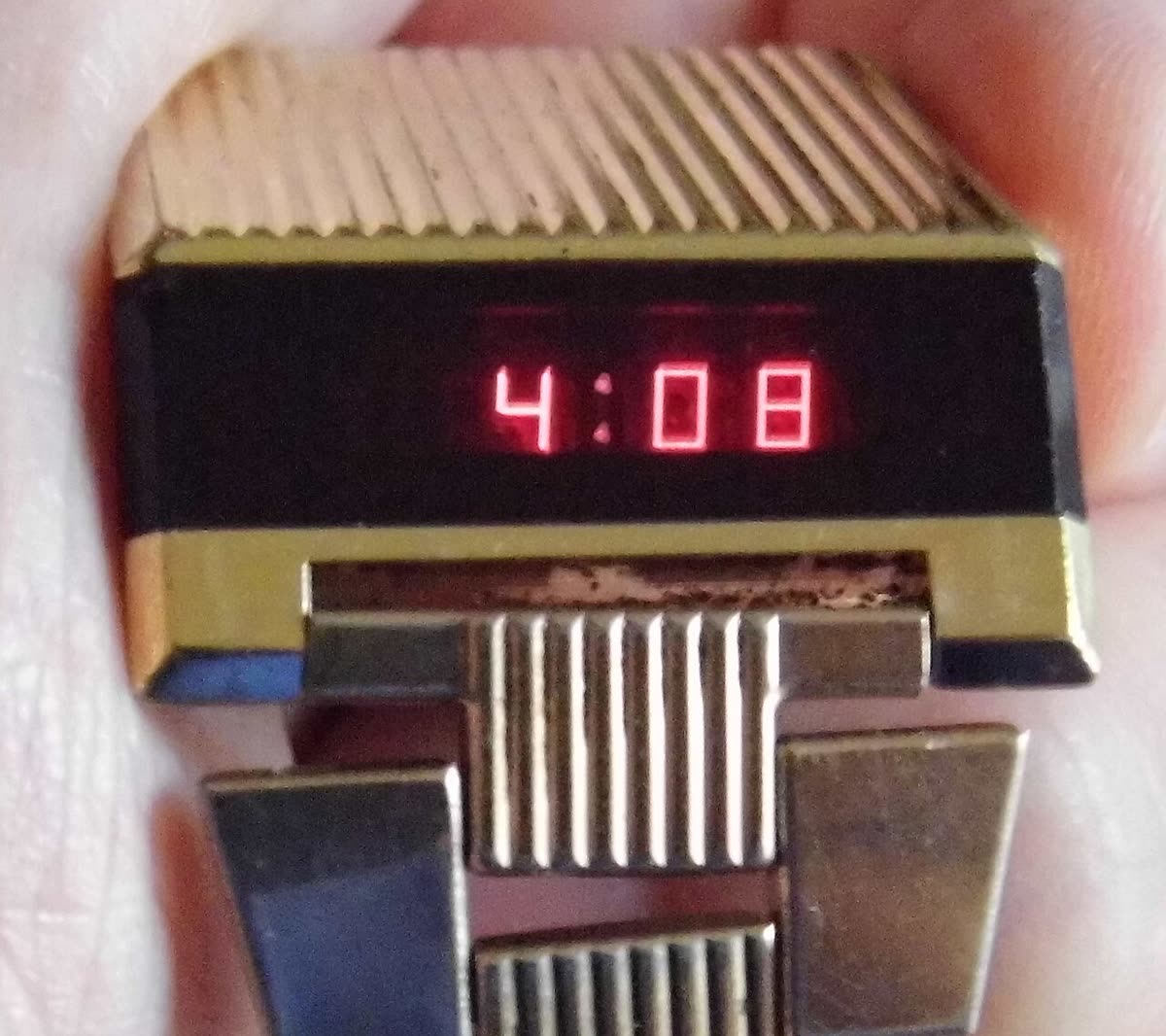
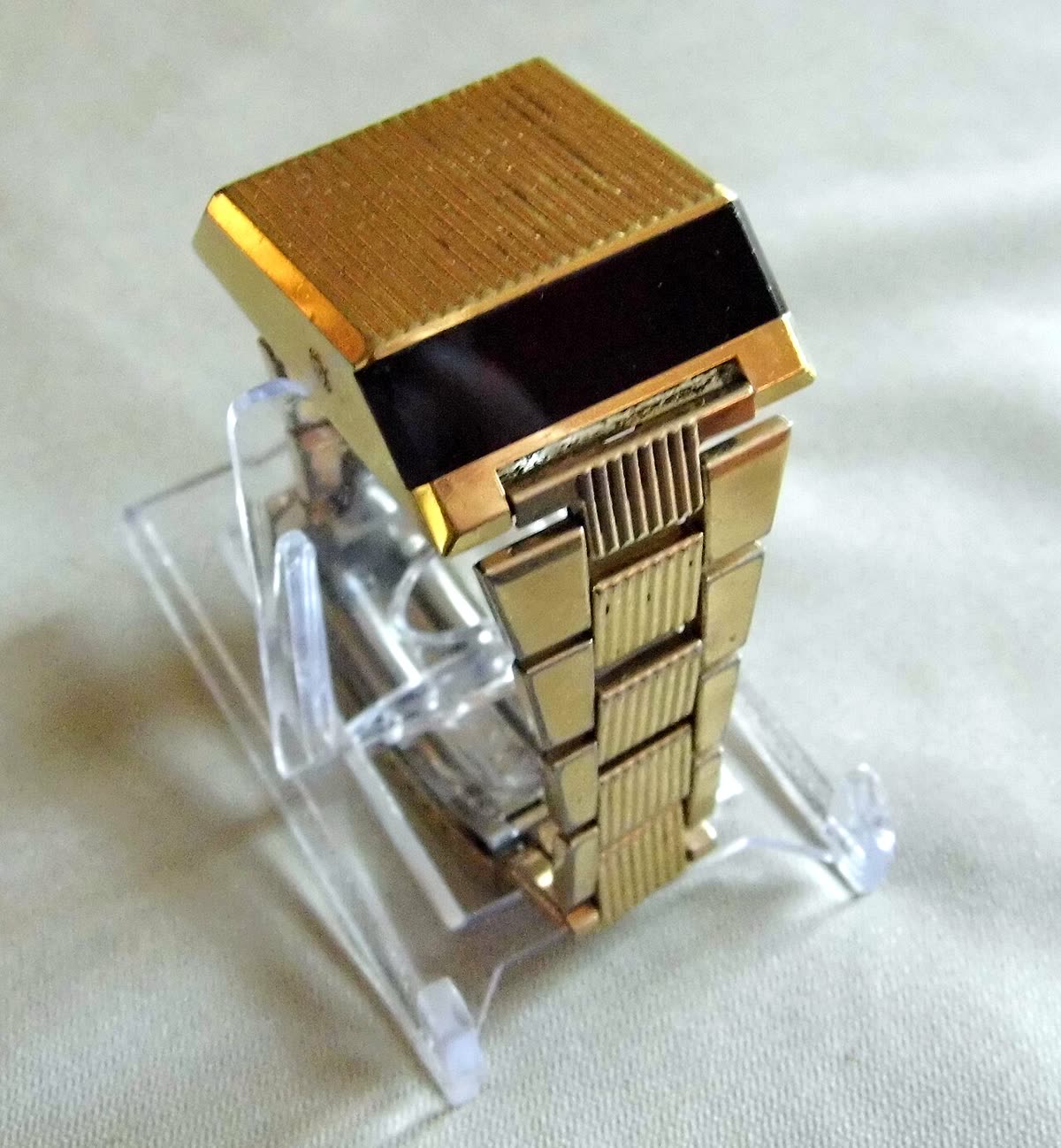
Photographs are illustrative examples of the type, not necessarily the exact object described. Verify details against the source file page.
Sources & references
- An original Vacheron Constantin American 1921 from 1919, Hodinkee, retrieved 2026-10-30 (paraphrased; text © the publisher)
- The Vacheron Constantin American 1921: 100 years of the American, Escapement Magazine, retrieved 2026-10-30 (paraphrased; text © the publisher)
- Patek Philippe & Co.: a fine and rare 18K gold asymmetrical driver's watch, circa 1937, Bonhams, retrieved 2026-10-30 (paraphrased; text © the publisher)
- General design-history literature on 1930s–1950s wristwatch cases; systematic documentation by individual maker is limited.
Where sources disagree, the disagreement is stated rather than resolved silently.