
Watch family · Style & purpose
Dress Watches
VerifiedSlim, understated watches intended for formal wear, prioritising elegance and thinness over legibility features or robustness.
Movement & mechanism
- Thin manual-wind calibres, historically descended directly from slim Lépine-style pocket movements
- Simple dials, often without a seconds subdial in the most minimal designs
- Cases typically in precious metal with minimal water or shock protection
Identification
- Thin case profile
- Simple two- or three-hand dial with minimal text
- Leather strap rather than metal bracelet in most traditional examples
Terminology
- Lépine calibre — a thin pocket-watch movement architecture named after Jean-Antoine Lépine, ancestor of thin dress calibres
Known variations
- Ultra-thin dress watch
- Dress watch with small seconds
Pocket-watch ancestry
Dress wristwatches are the most direct descendants of the pocket watch tradition, essentially continuing the thin Lépine-calibre dress pocket watch in a wrist case with minimal redesign.
Collecting notes
A stable, classic collecting category; value driven by case metal, movement finishing and maker rather than complication count.
Background
Dress watches are a category of wristwatches defined by their focus on understated elegance, slim profiles, and functional simplicity when worn with formal attire. The history of the dress watch is bound up with that of the wristwatch, and by the early 1950s elegant round watches dominated manufacturers' collections. Manufacturers during the 1950s favored flat, simple case lines and uncluttered dials as the standard for this category, a definition that still influences contemporary design.
Written from the sources listed under Sources (makers, museums, auction houses and specialist publications are paraphrased, not reproduced); each statement was checked against the cited text, and claims a maker makes about its own work are attributed to it.
Later development
- Patek Philippe’s Calatrava Reference 96, introduced in 1932, is frequently cited by connoisseurs as the original blueprint for the modern dress watch.
- The Cartier Tank Solo is described as an icon of the dress-watch world, and the Jaeger-LeCoultre Reverso as a refined dress watch that traces its inception to military beginnings.
- Audemars Piguet specialized in the development of ultra-thin movements, such as the 1.64 mm-thick Calibre 2003, to support the industry's shift toward flat watch profiles.
Photographs
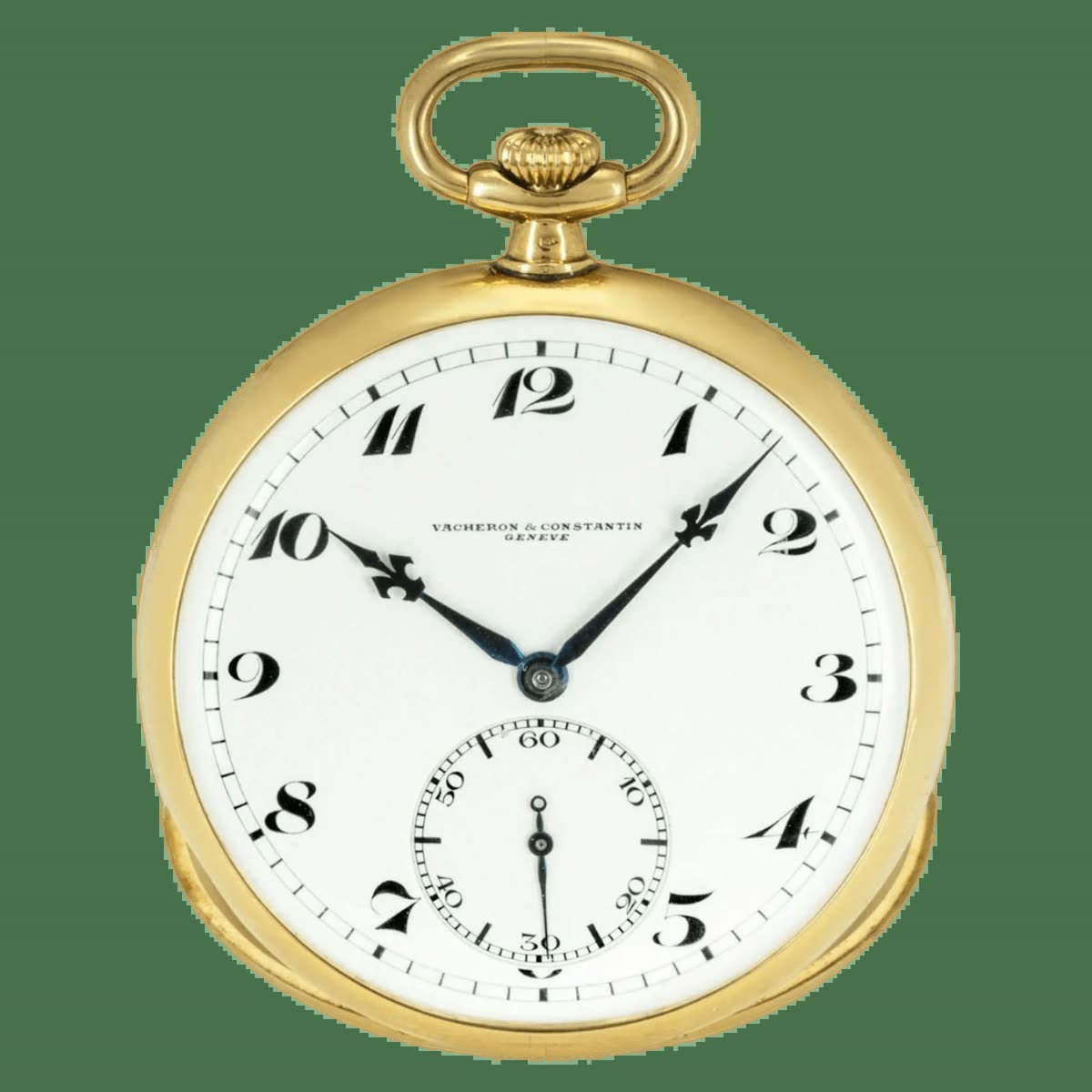
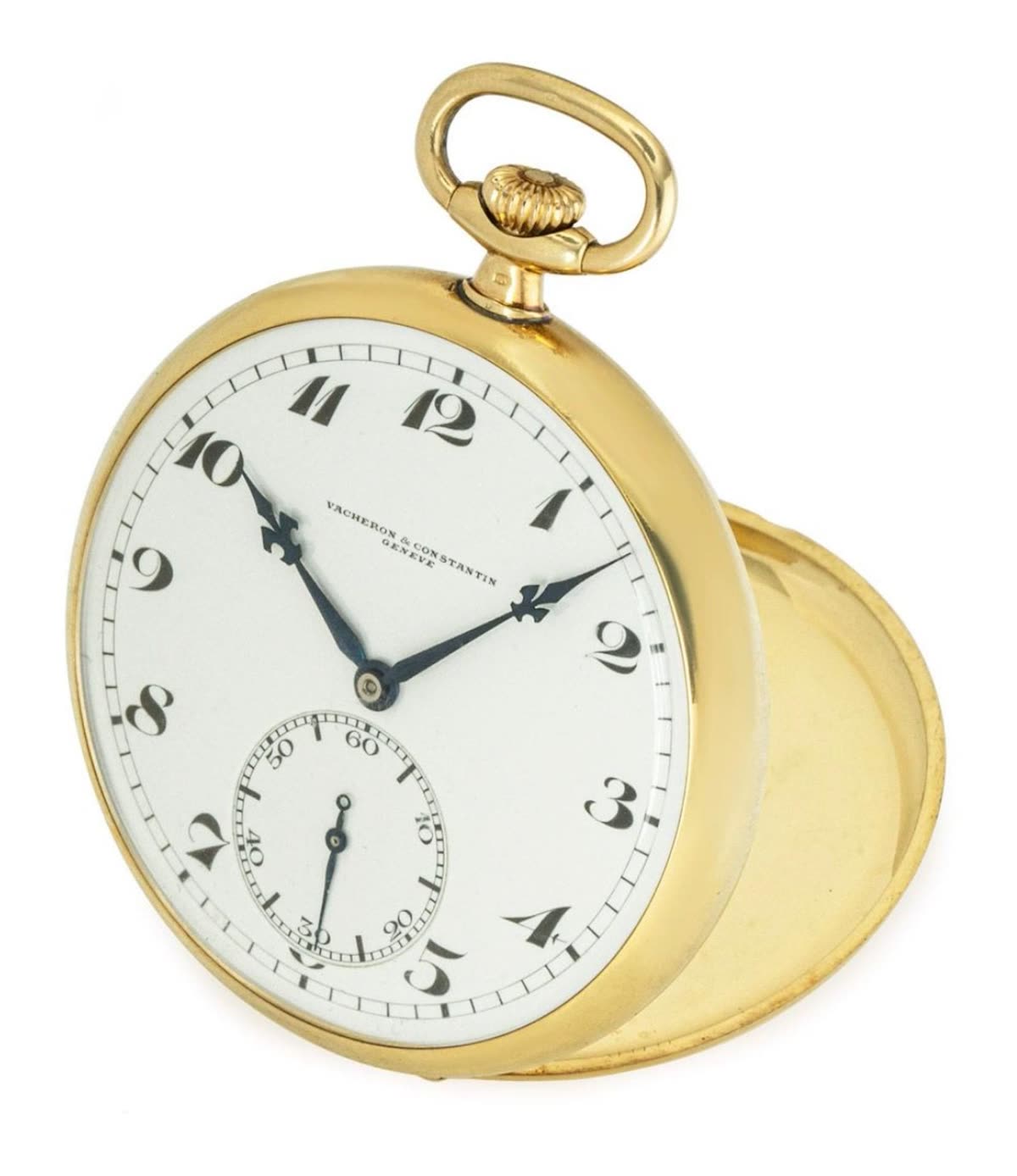
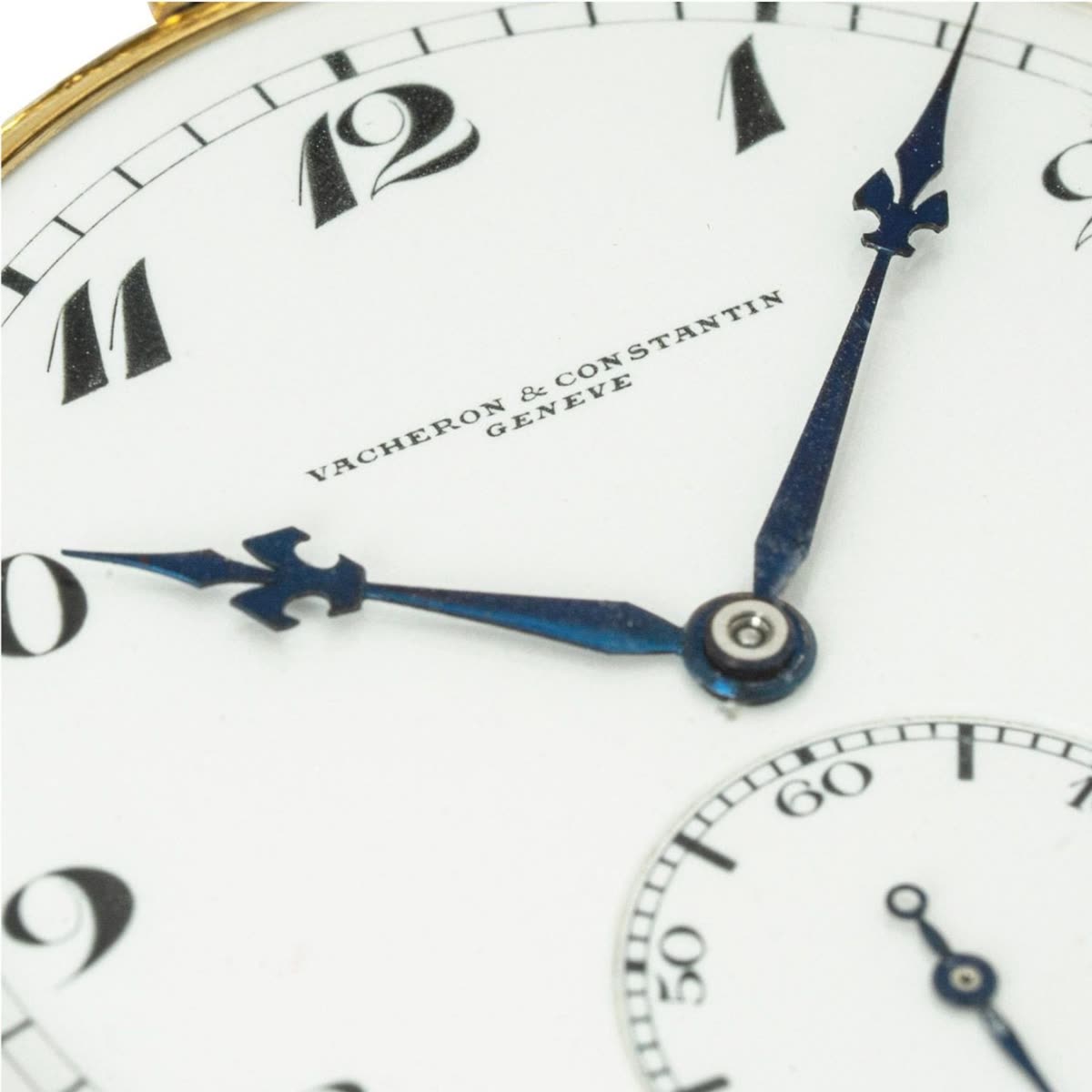
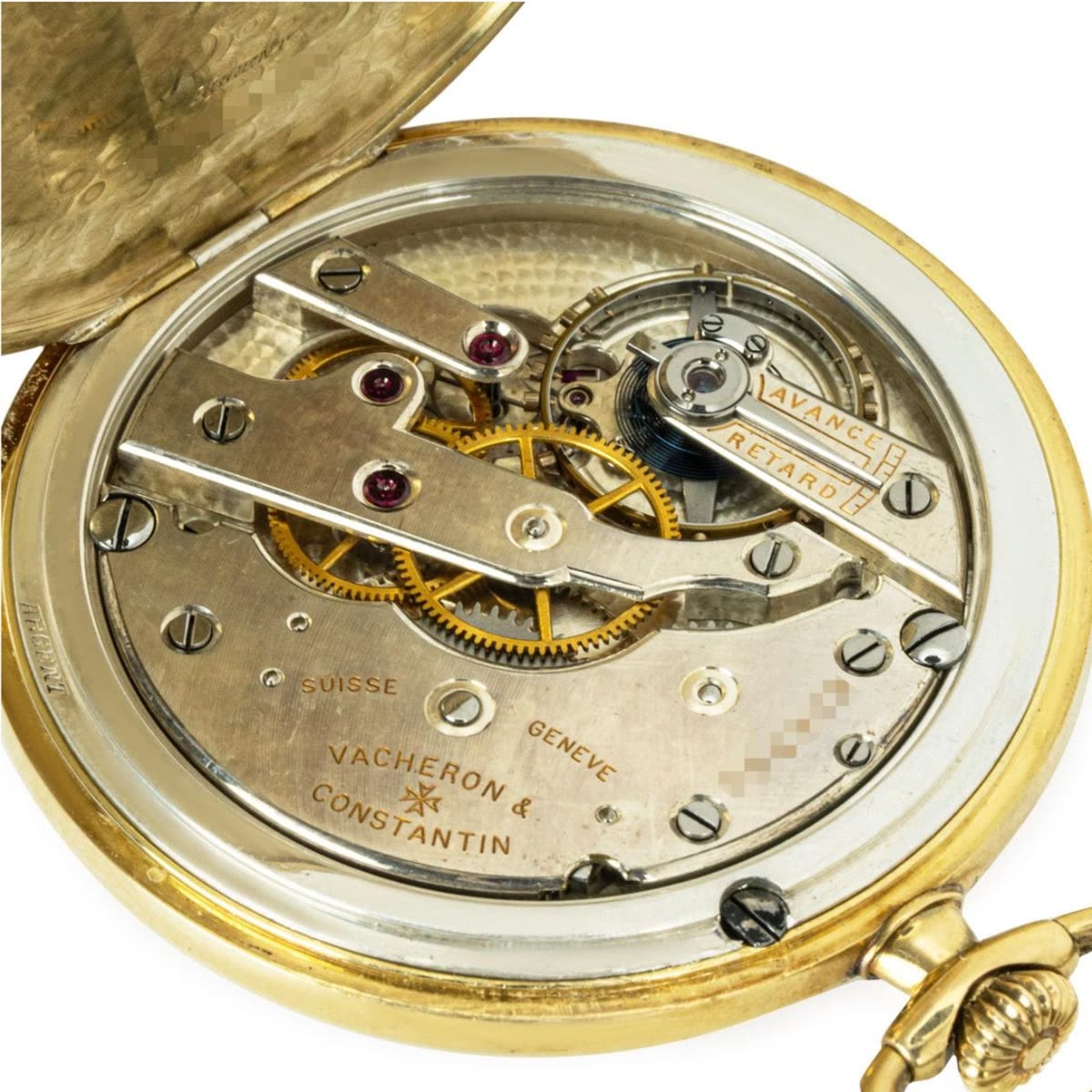
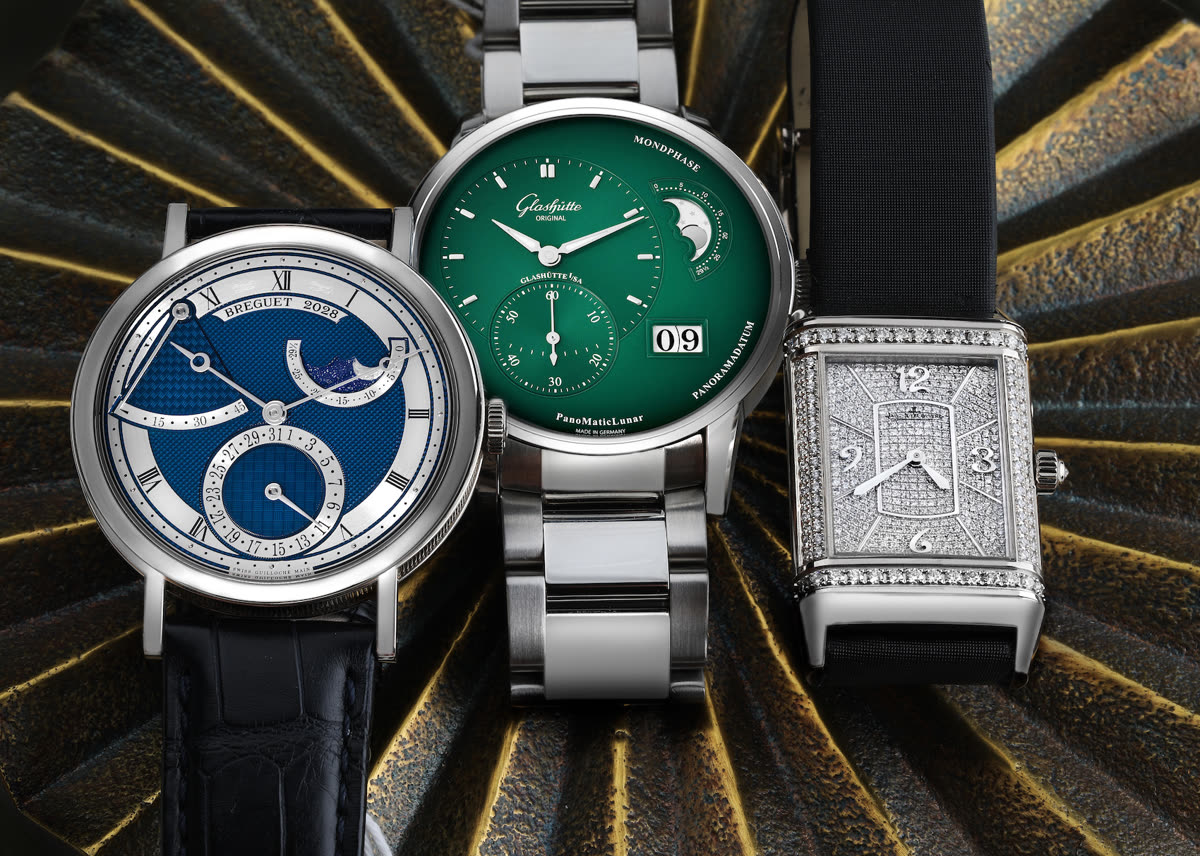
Photographs are illustrative examples of the type, not necessarily the exact object described. Verify details against the source file page.
Sources & references
- All in good time: the birth of the dress watch, Watches of Switzerland (Calibre), retrieved 2026-10-30 (paraphrased; text © the publisher)
- Dress watch: the history of elegant watches, Swisswatches Magazine, retrieved 2026-10-30 (paraphrased; text © the publisher)
- History of the Patek Philippe Calatrava, part 1: the reference 96, Monochrome Watches, retrieved 2026-10-30 (paraphrased; text © the publisher)
- Calibres 2120-2121, Audemars Piguet (AP Chronicles), retrieved 2026-10-30 (paraphrased; text © the publisher)
- Cutmore, M., Watches 1850–1980
Where sources disagree, the disagreement is stated rather than resolved silently.