
Watch family · Style & purpose
Ladies' Cocktail Watches
Needs researchSmall, decorative ladies' wristwatches, often with a covered or folding lid concealing the dial, jewelled or richly finished cases, and a bracelet designed to read as jewellery first and a timepiece second.
Movement & mechanism
- Very small manual-wind movement, prioritising case slimness and dial concealment over any complication
- Hinged or sliding cover concealing the dial in many examples, echoing the protective covers of earlier hunter-case pocket watches
- Case and bracelet frequently set with gemstones or finished in coloured gold or enamel
Identification
- Very small dial relative to overall bracelet width
- Hinged or sliding cover over the dial in covered examples
- Bracelet integrated with the case as a single jewellery composition rather than a separate strap
Terminology
- Cocktail watch — a decorative, jewellery-led ladies' wristwatch, typically worn for evening or formal wear
Known variations
- Covered (secret-dial) cocktail watch
- Open-dial cocktail watch
- Gem-set bracelet cocktail watch
Pocket-watch ancestry
The concealed, hinged cover found on many cocktail watches is a direct descendant of the hunter-case pocket watch's protective lid, adapted to a wrist bracelet format and to fashion rather than protection as its primary purpose.
Collecting notes
Collected largely within jewellery and ladies' watch collecting, where case, bracelet and gem-setting quality generally weigh more heavily than movement specification.
Background
Cocktail watches emerged in the 1920s as a decorative alternative to conventional wristwatches, designed specifically to complement formal evening attire. The delicate silk flapper dresses fashionable in the 1920s and 1930s could not bear the weight of a fob watch and had no pockets to carry one. Early women's jewellery watches often borrowed their construction from jewellery rather than watchmaking, with gold links and decorative settings framing small dials.
In the Art Deco period the flowing ornament of earlier years gave way to sharper geometry, with platinum settings and contrasting materials. By the mid-20th century, aesthetic trends shifted toward bolder gold constructions and the use of hardstone dials, moving beyond the delicate, intricate platinum settings of earlier decades.
Written from the sources listed under Sources (makers, museums, auction houses and specialist publications are paraphrased, not reproduced); each statement was checked against the cited text, and claims a maker makes about its own work are attributed to it.
Defining features
- Cases and bracelets were frequently integrated into a single cohesive piece where the dial appeared incidental to the jewelry design.
- Secret watches within this category utilize hinged or sliding covers to conceal the dial, effectively masquerading the timepiece as a bracelet until the wearer chooses to reveal it.
- Jaeger-LeCoultre says its calibre 101 of 1929 allowed the case to be miniaturised.
Later development
- Jaeger-LeCoultre says its Duoplan movement, invented and patented in 1925, allowed unprecedented miniaturisation without the usual loss of robustness and reliability.
- Notable styles included novelty pieces like the 1937 Boucheron spherical globe watch and Cartier’s tutti-frutti designs inspired by Moghul jewels.
Photographs
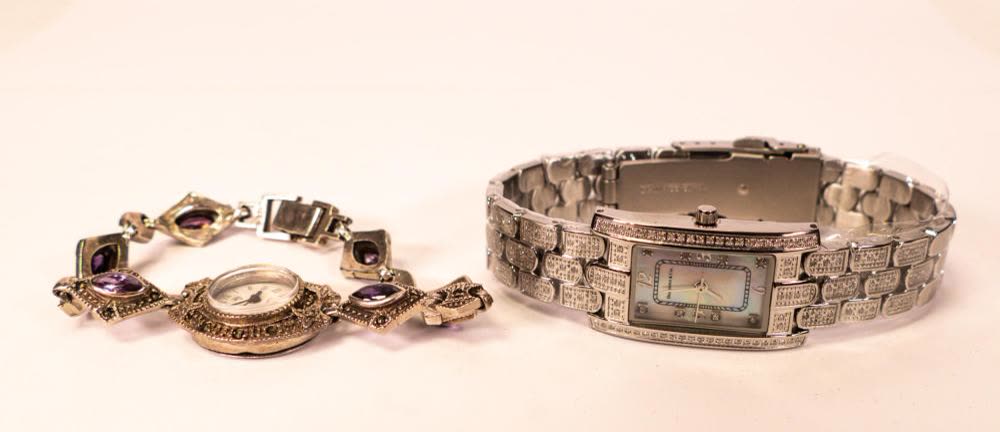
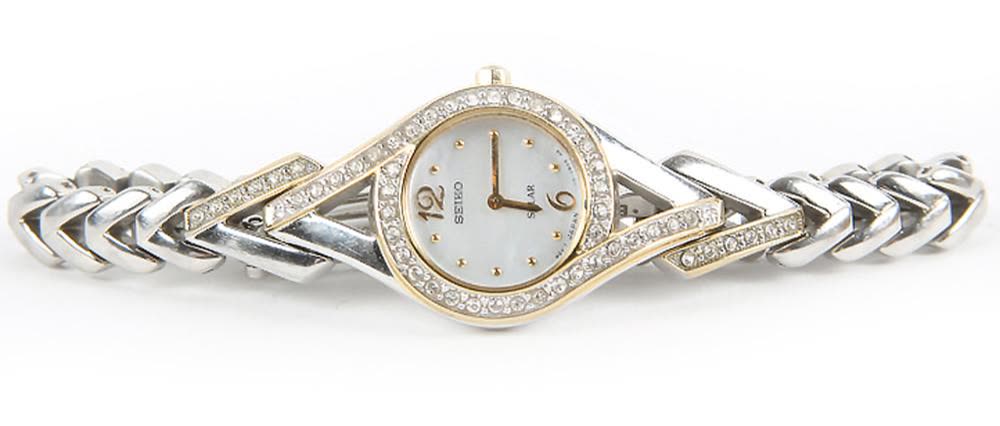
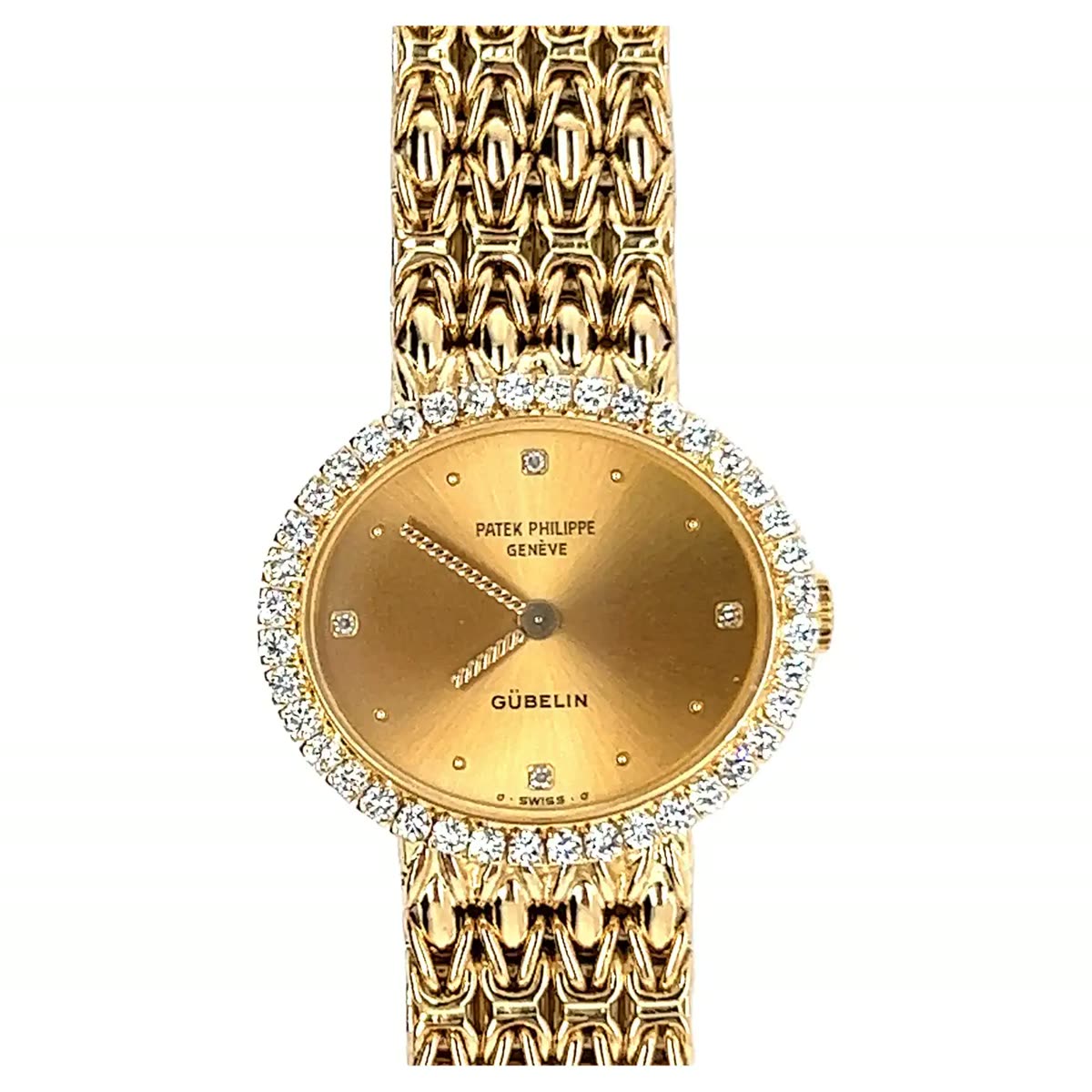
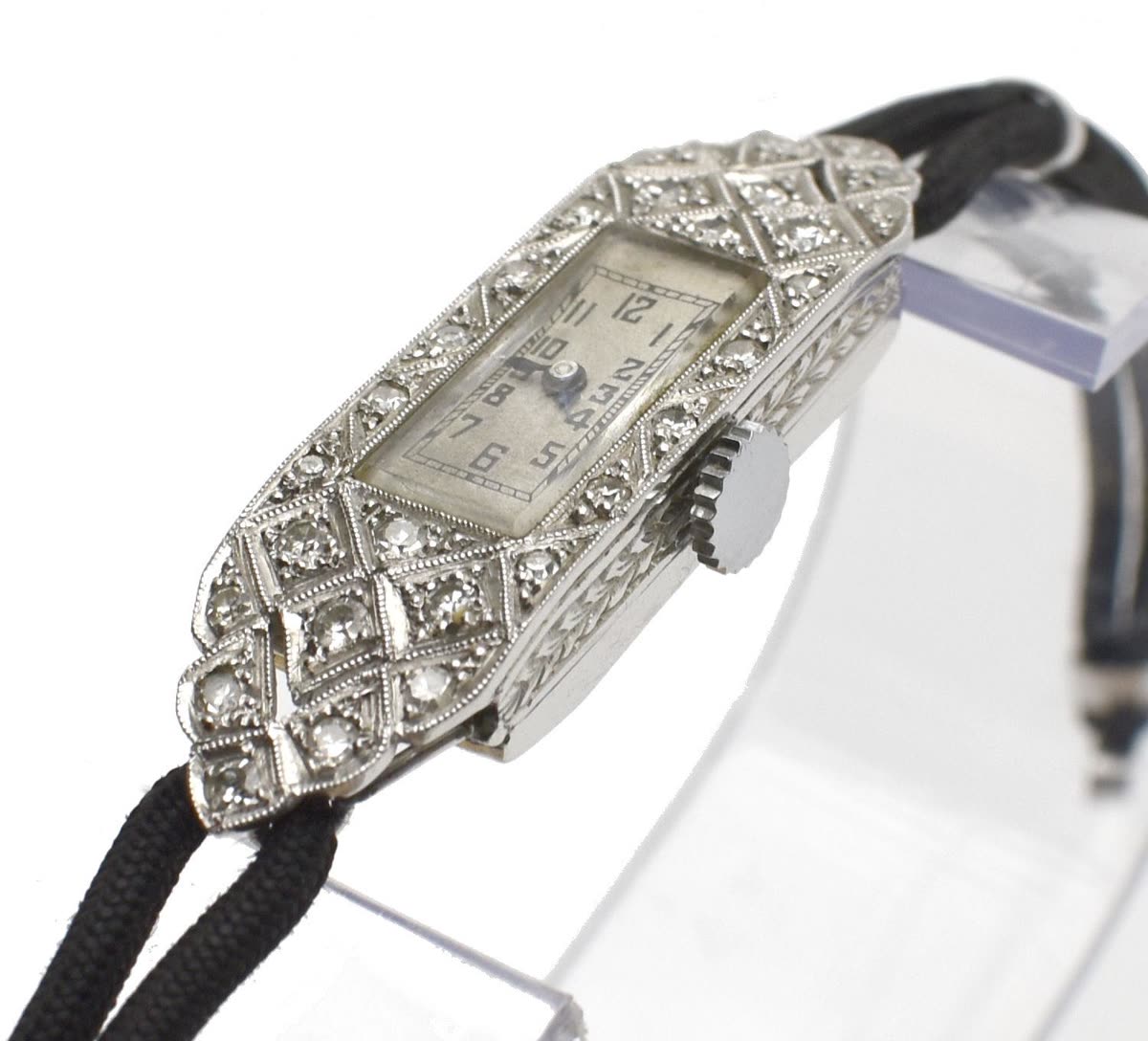
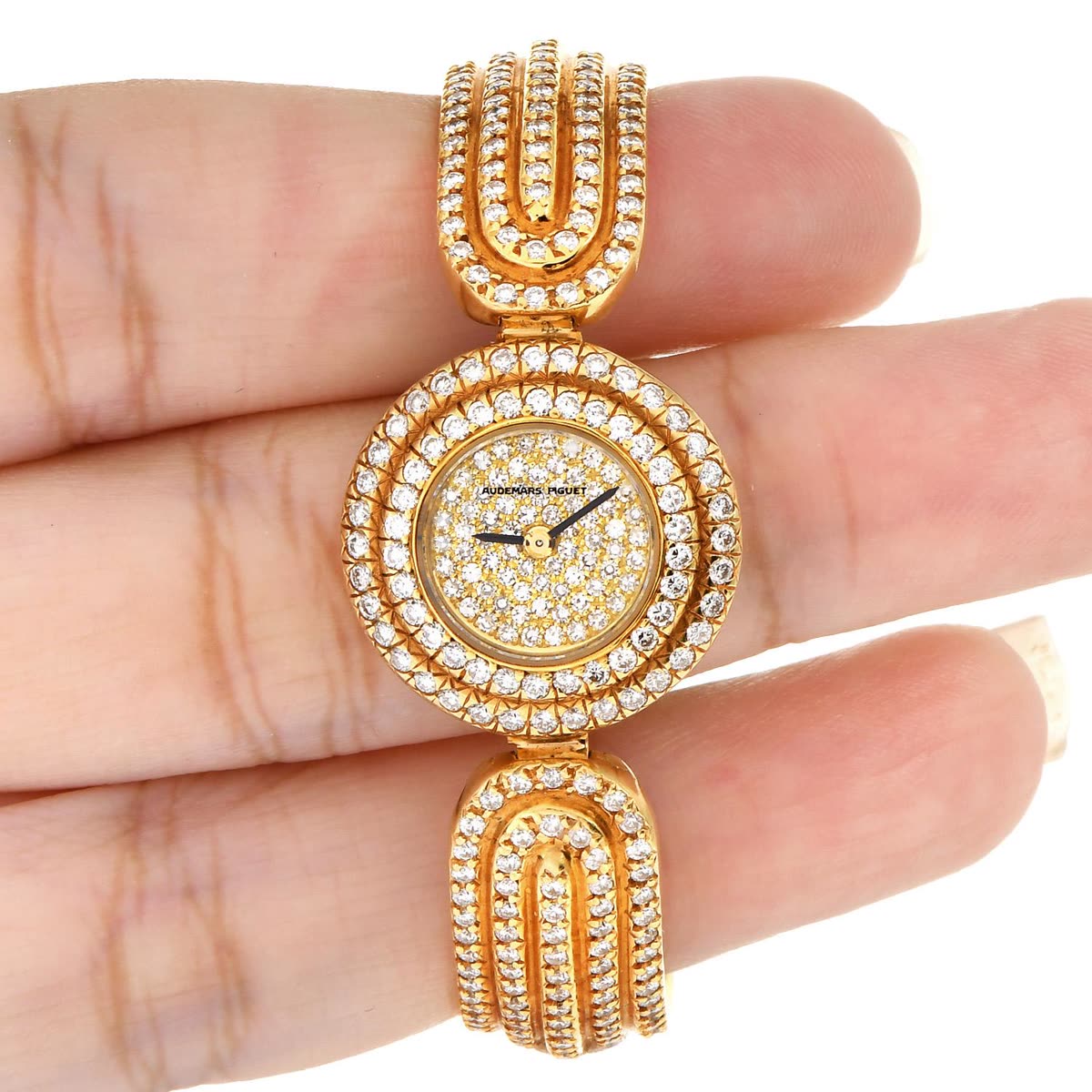
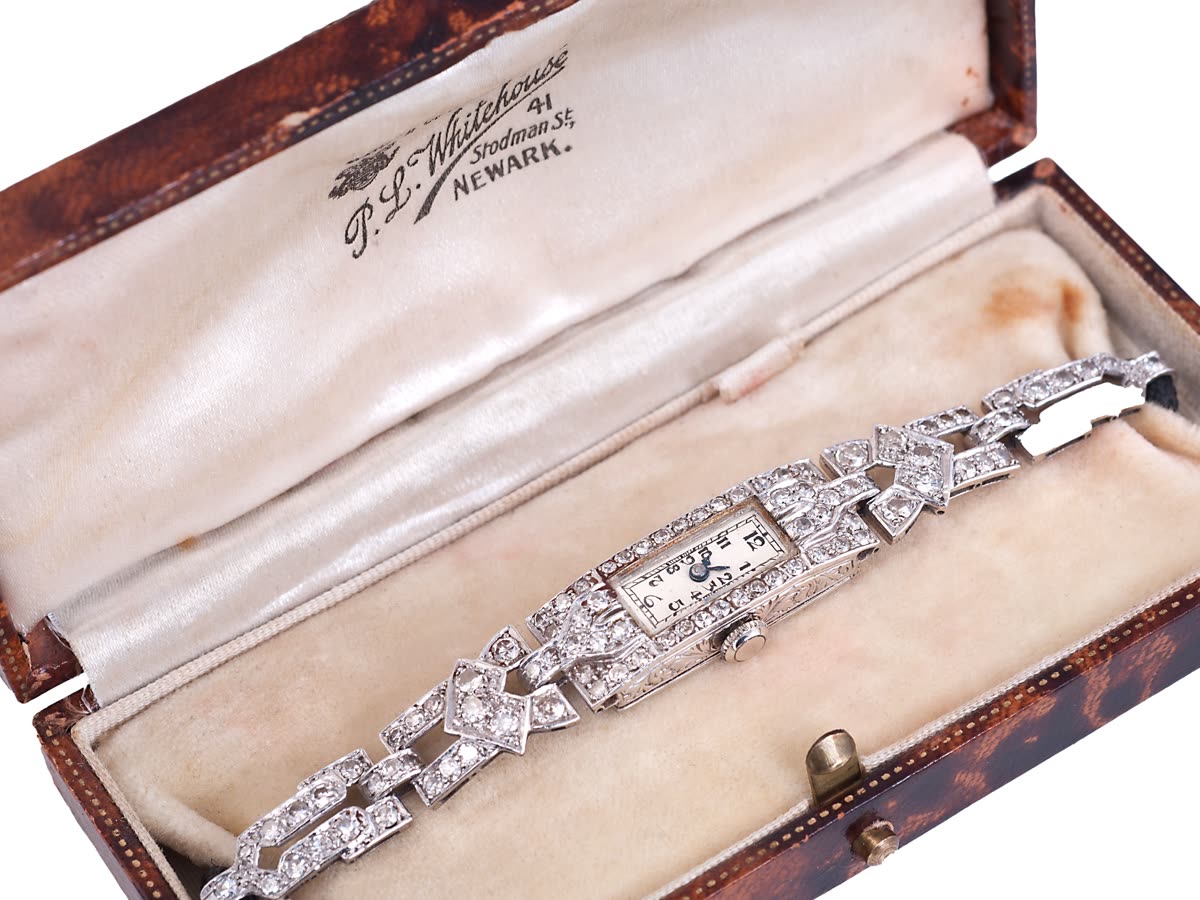
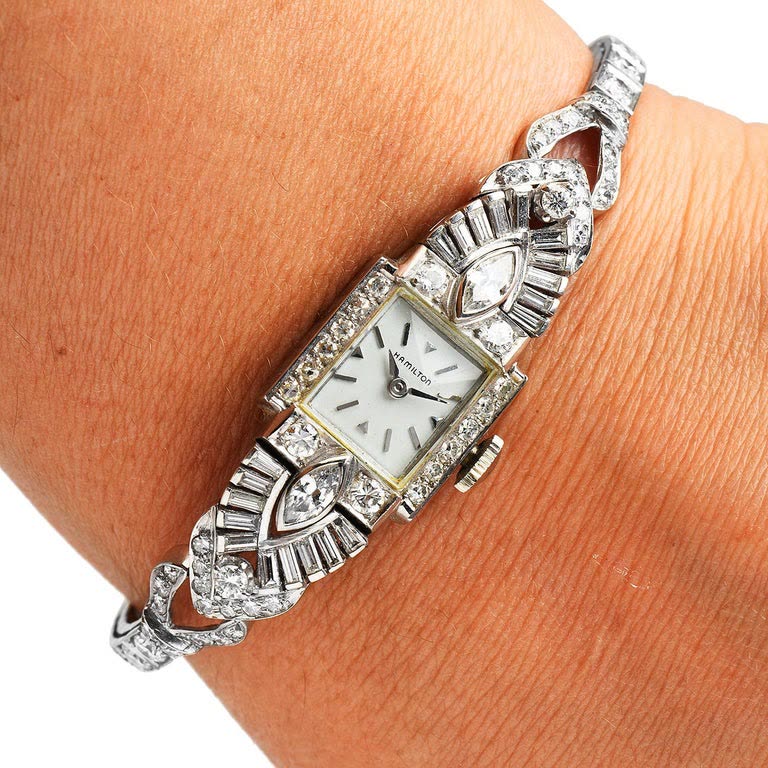
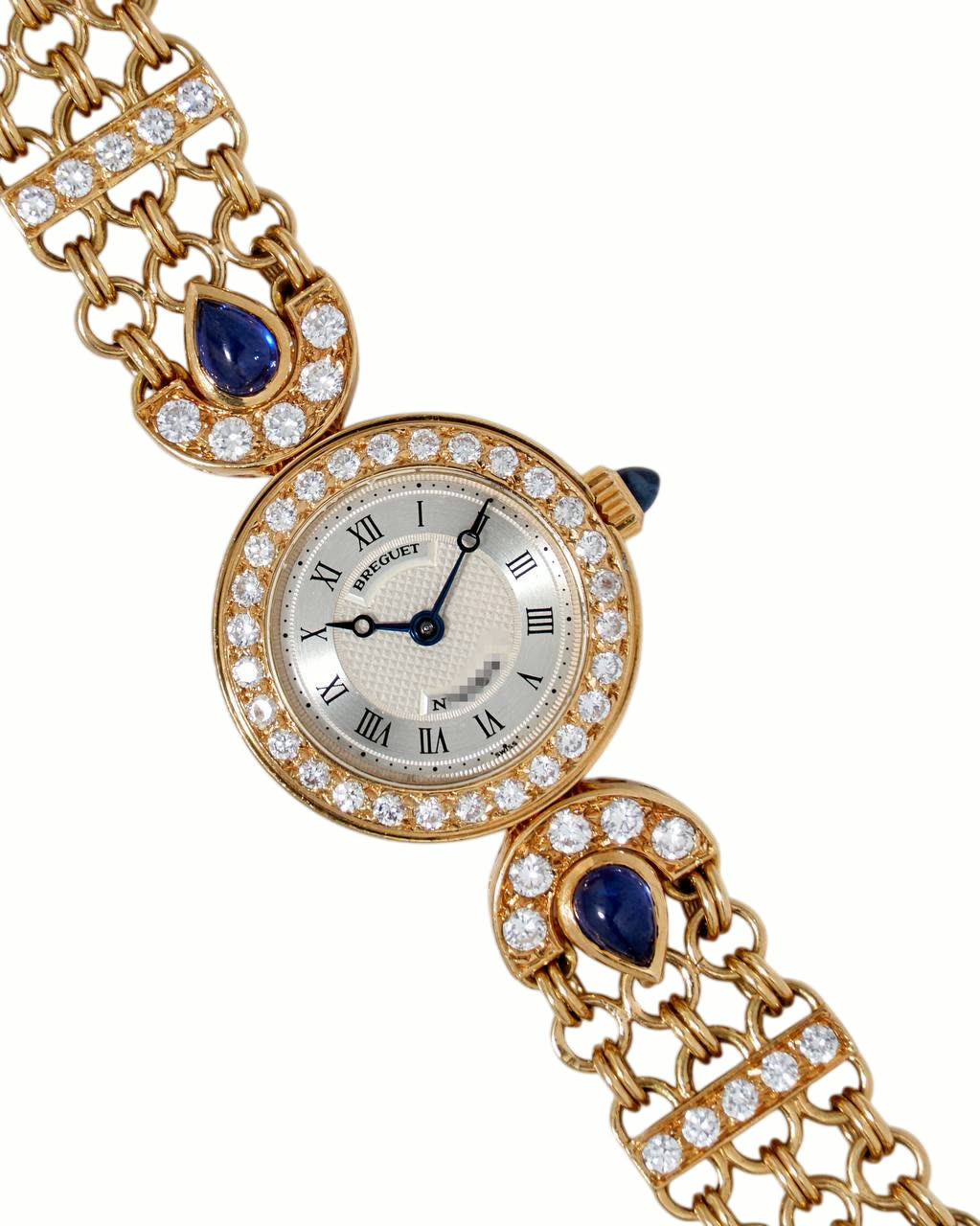
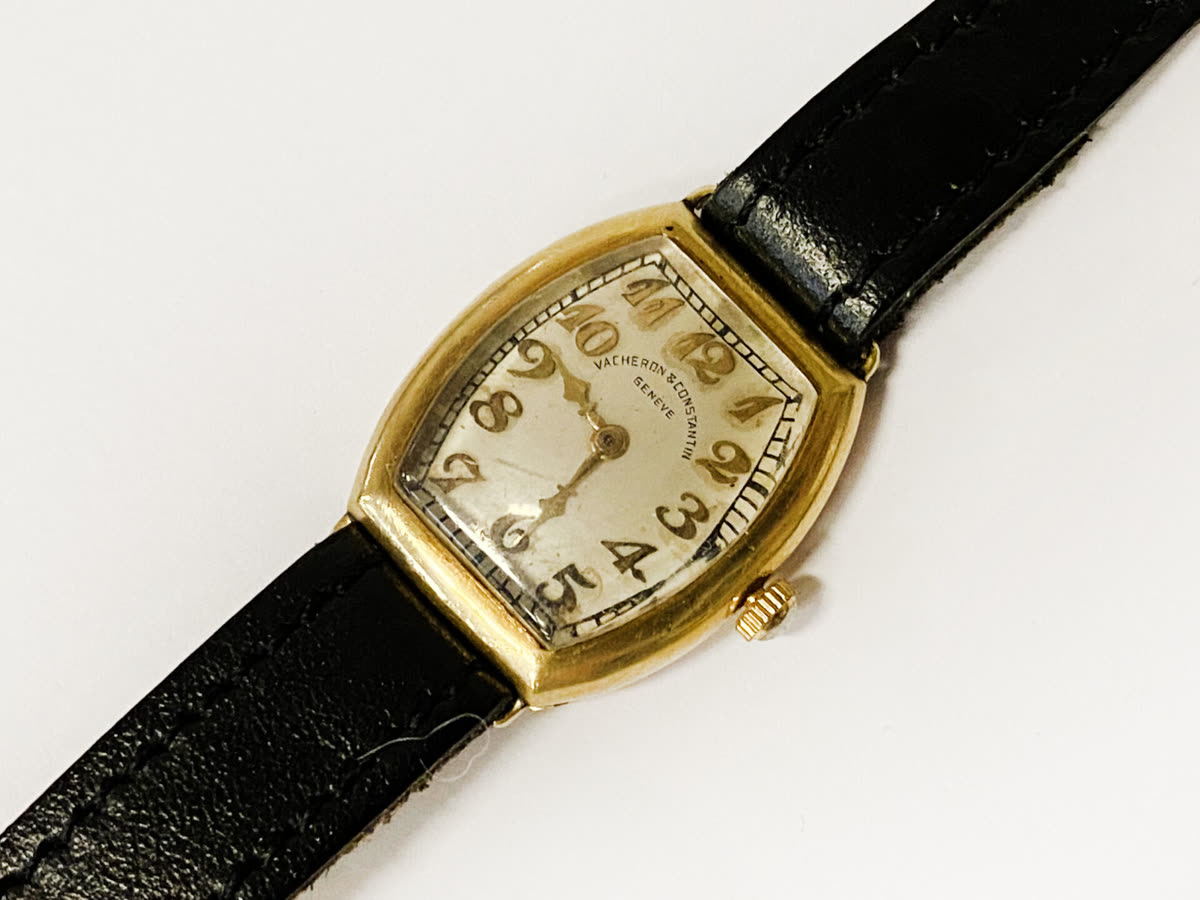
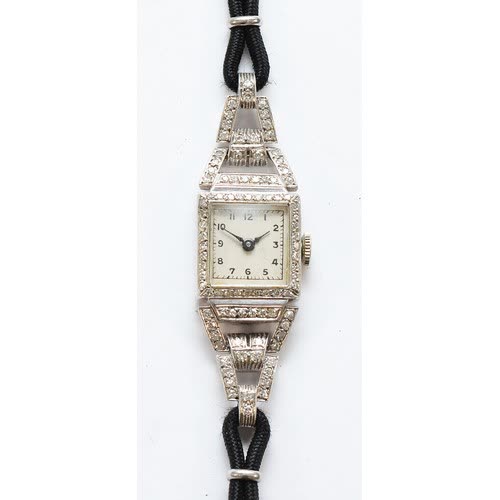
Photographs are illustrative examples of the type, not necessarily the exact object described. Verify details against the source file page.
Sources & references
- When watches became jewelry: the history of the women's jewelry watch, Sotheby's, retrieved 2026-10-30 (paraphrased; text © the publisher)
- Cocktails anyone?, Dupuis Fine Jewellery Auctioneers, retrieved 2026-10-30 (paraphrased; text © the publisher)
- Collecting antique and vintage cocktail watches, Homes & Antiques, retrieved 2026-10-30 (paraphrased; text © the publisher)
- The Collectibles, Jaeger-LeCoultre, retrieved 2026-10-30 (paraphrased; text © the publisher)
- General literature on ladies' jewellery watches of the mid-twentieth century; systematic maker-by-maker documentation is limited.
Where sources disagree, the disagreement is stated rather than resolved silently.