
Pocket watches · Case
Open-Face Watches
VerifiedPocket watches with no hinged cover over the dial, protected only by the bezel and crystal, typically wound and set at 12 o'clock relative to the dial.
Mechanism
A case configuration rather than a movement type; open-face movements are laid out with the seconds train in line with the crown at 12.
Typical characteristics
- Crown at 12 o'clock
- Subsidiary seconds usually at 6 o'clock
- Lighter and thinner than an equivalent hunter case
Construction and interpretation
Open-face describes a case without a metal front lid, not an escapement, adjustment standard or level of finish. The crystal remains exposed while the case back protects the movement. In a conventional Lépine arrangement the pendant is at twelve and small seconds at six; the alignment makes the dial easy to read with the pendant uppermost. A centre-seconds watch need not share that subsidiary-dial layout.
A hunter-layout movement can also be fitted into an open-face case. With its original dial it may put the crown at three, producing the arrangement collectors call a sidewinder. A conversion dial can instead relocate the apparent reading orientation. Consequently, an unusual crown-to-seconds relationship is a reason to examine dial feet, stem alignment and case fit, not proof by itself that the watch is fraudulent or defective.
| Arrangement | Visible distinction | What it establishes |
|---|---|---|
| Conventional open-face | No front lid; pendant at twelve | Case form and dial orientation |
| Hunter-layout sidewinder | Open dial with crown at three | A different movement/case alignment |
| Conversion dial | Numerals orient the dial differently | Dial layout requires separate assessment |
| Railway-service example | Open face plus documented grade | Case form alone does not establish approval |
Do not treat an open-face case as proof of railway approval, original casing or timekeeping performance.
Identification characteristics
- No front lid; crown positioned at 12
- Seconds subdial position relative to the crown distinguishes an open-face-configured movement from a hunter movement re-cased as open-face
Collector significance
The standard configuration for railroad-grade and everyday pocket watches by the twentieth century.
Known variations
- Sunk (recessed) crystal
- Flush crystal
- Wire-lug conversion to wristwatch (see conversion watches)
Photographs
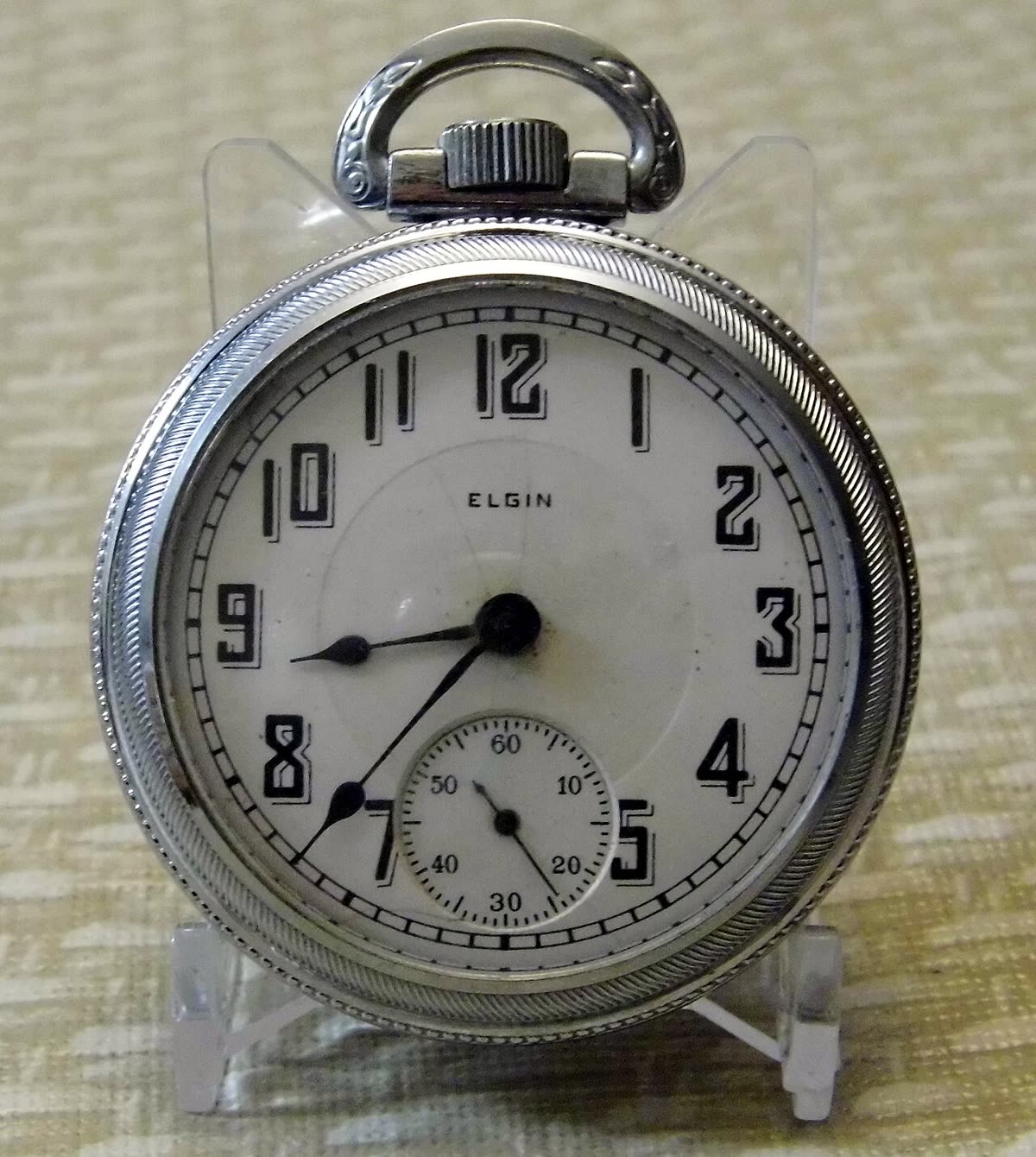
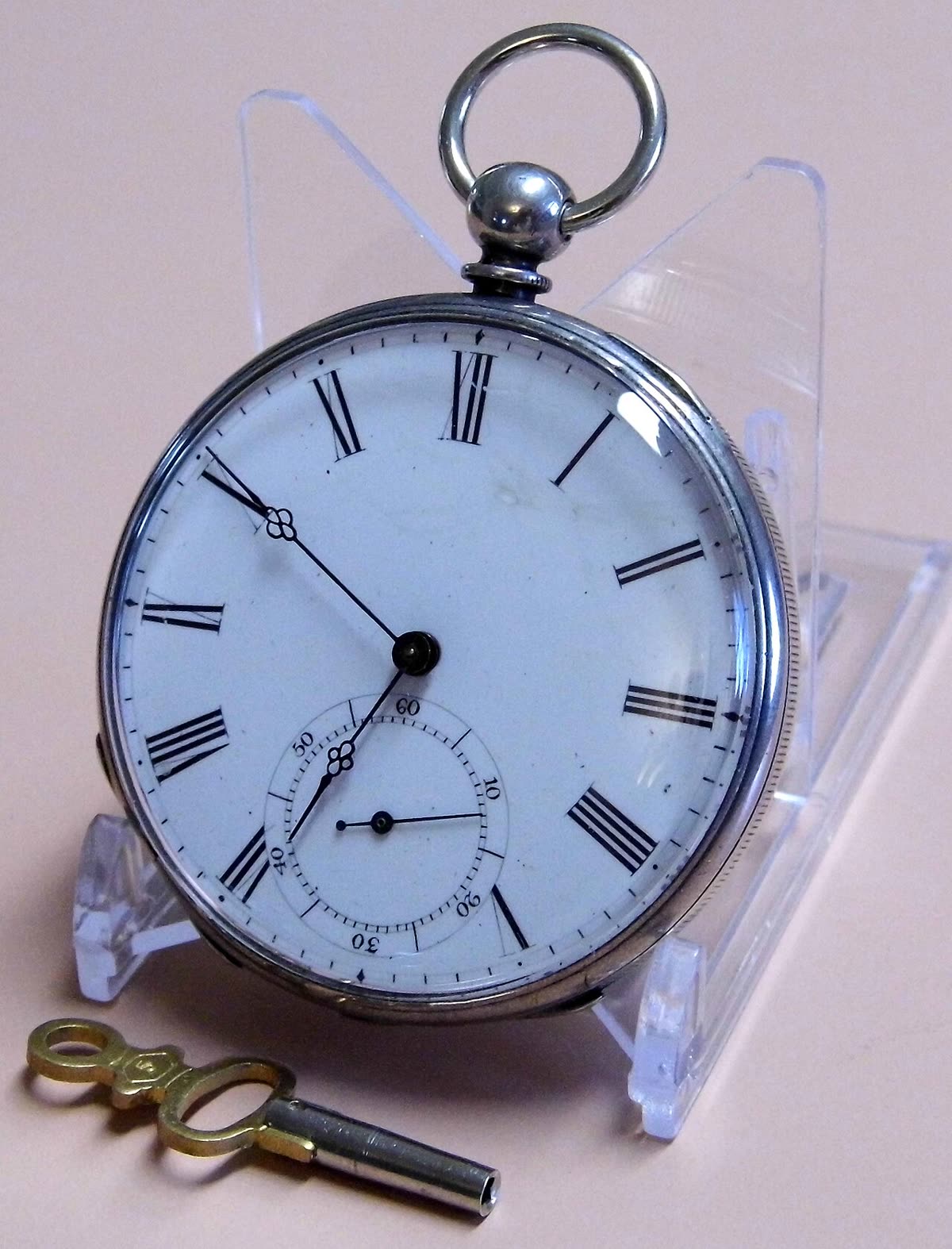
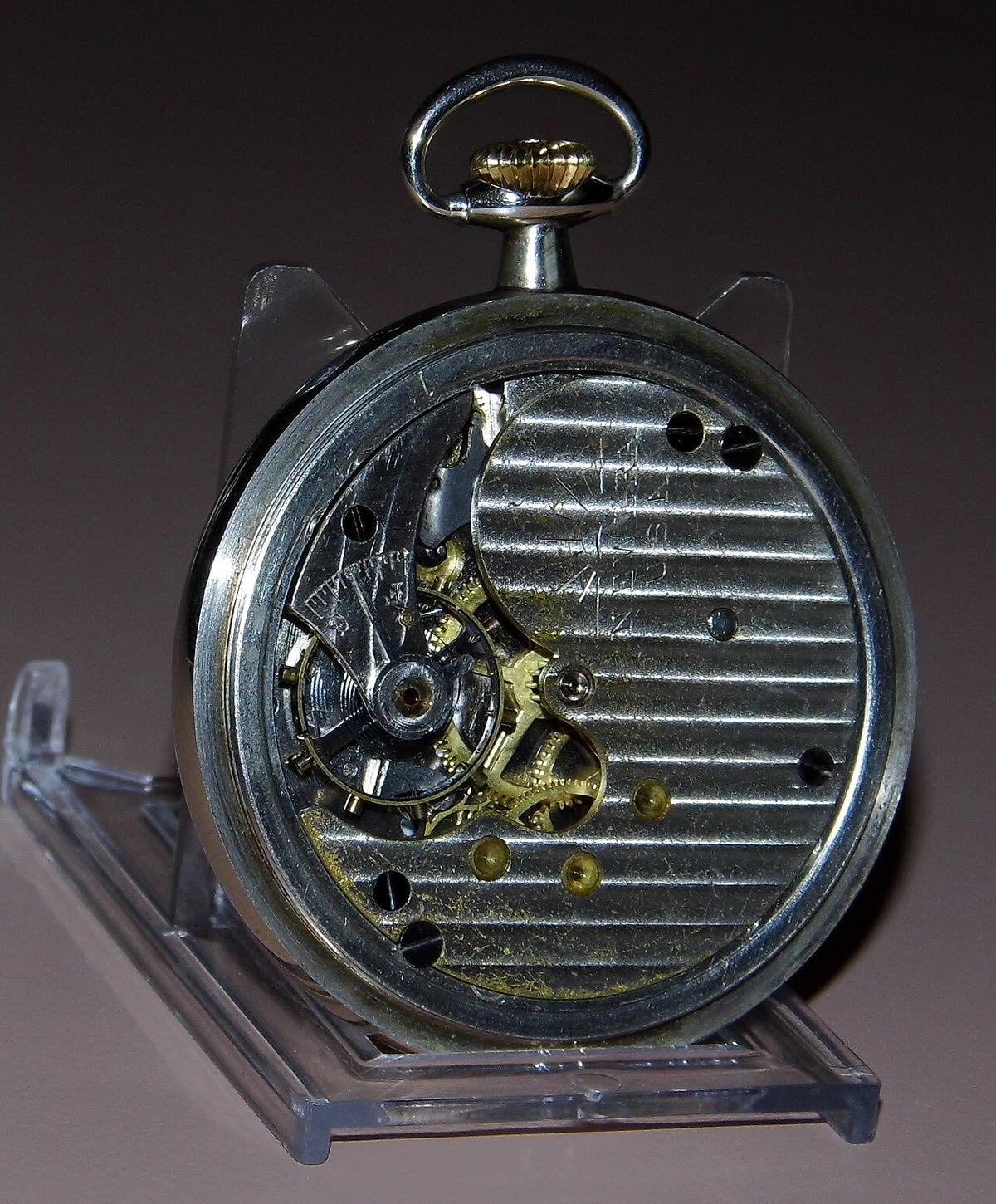
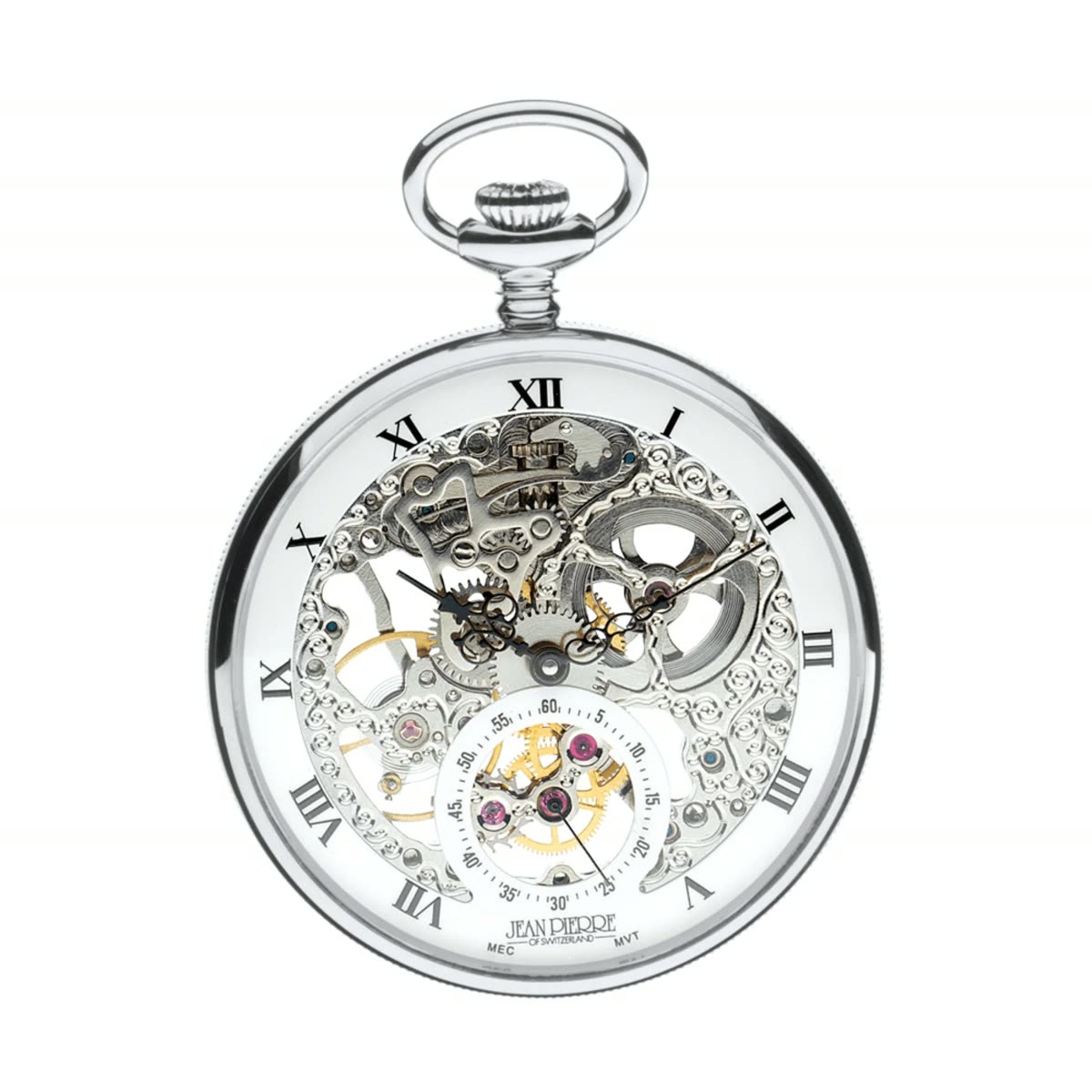
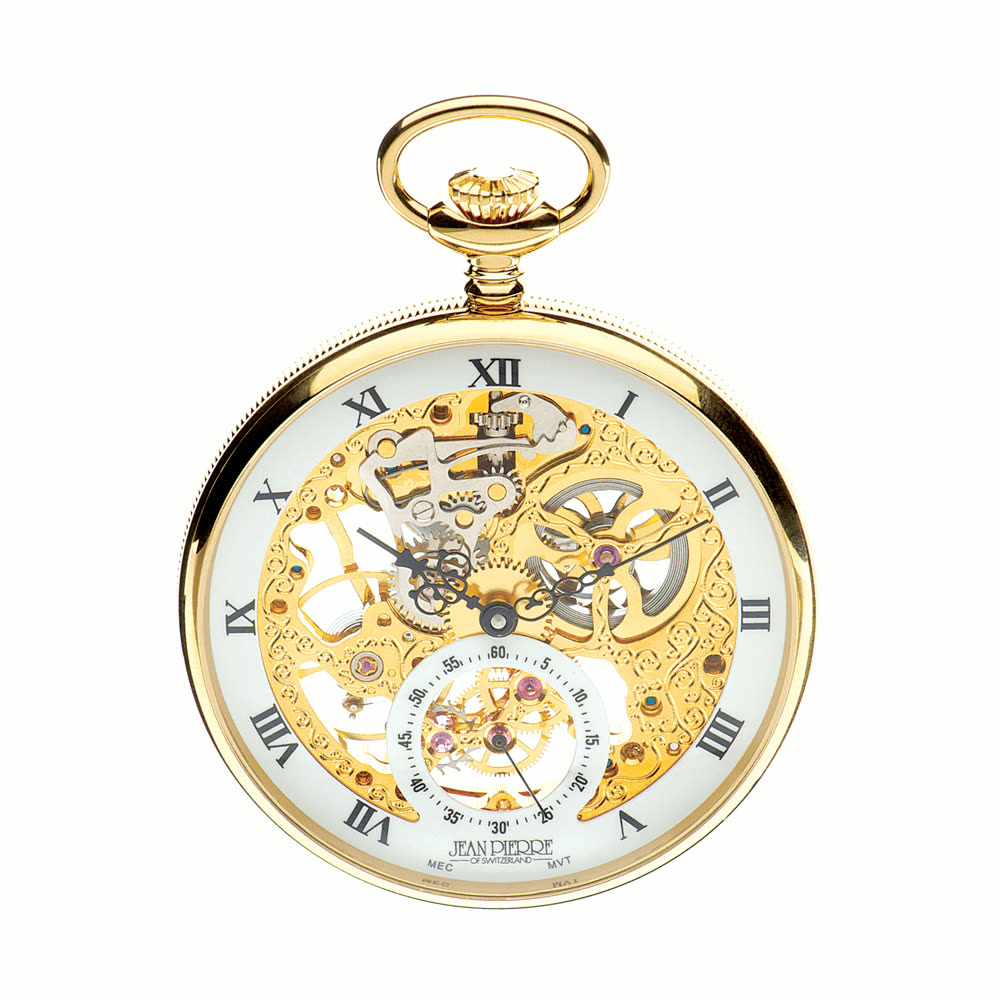
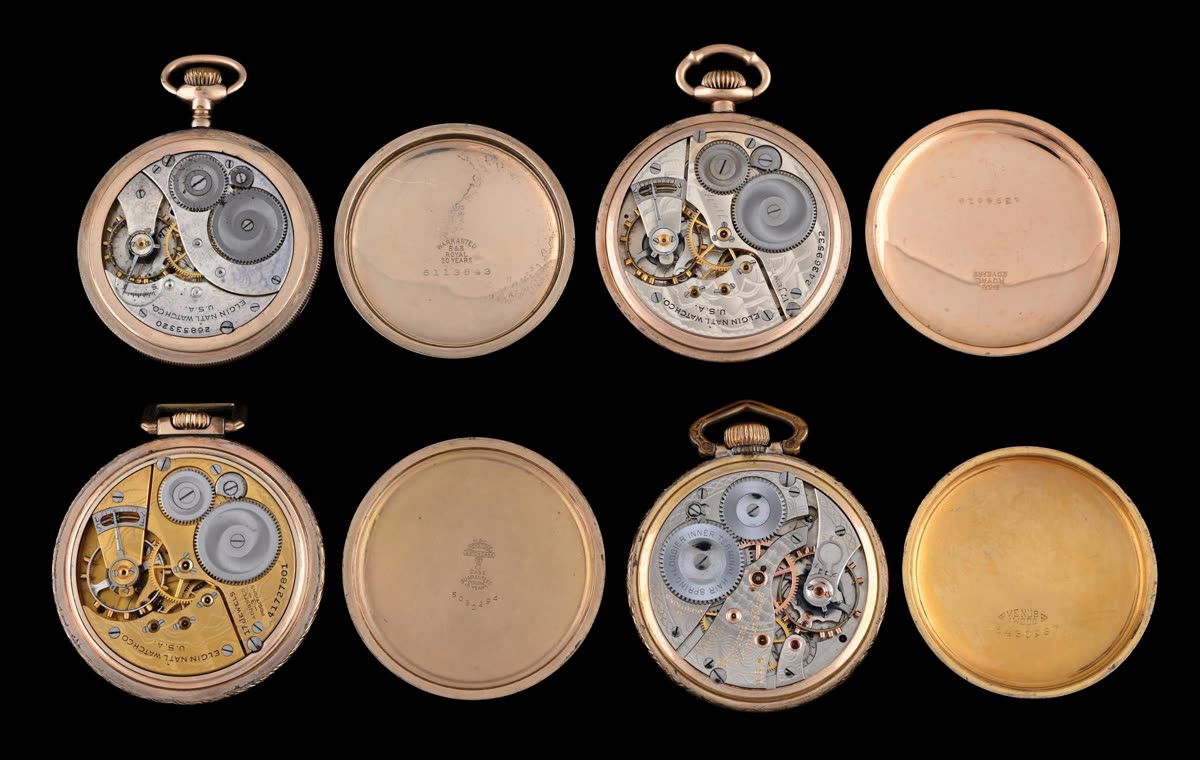
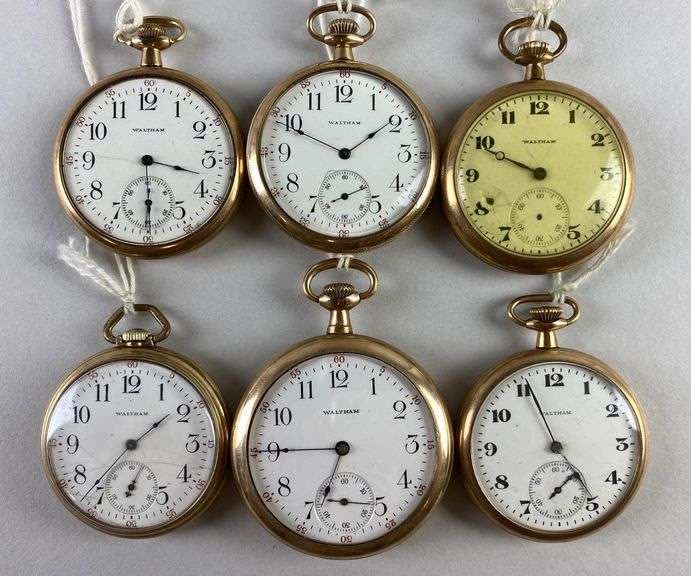
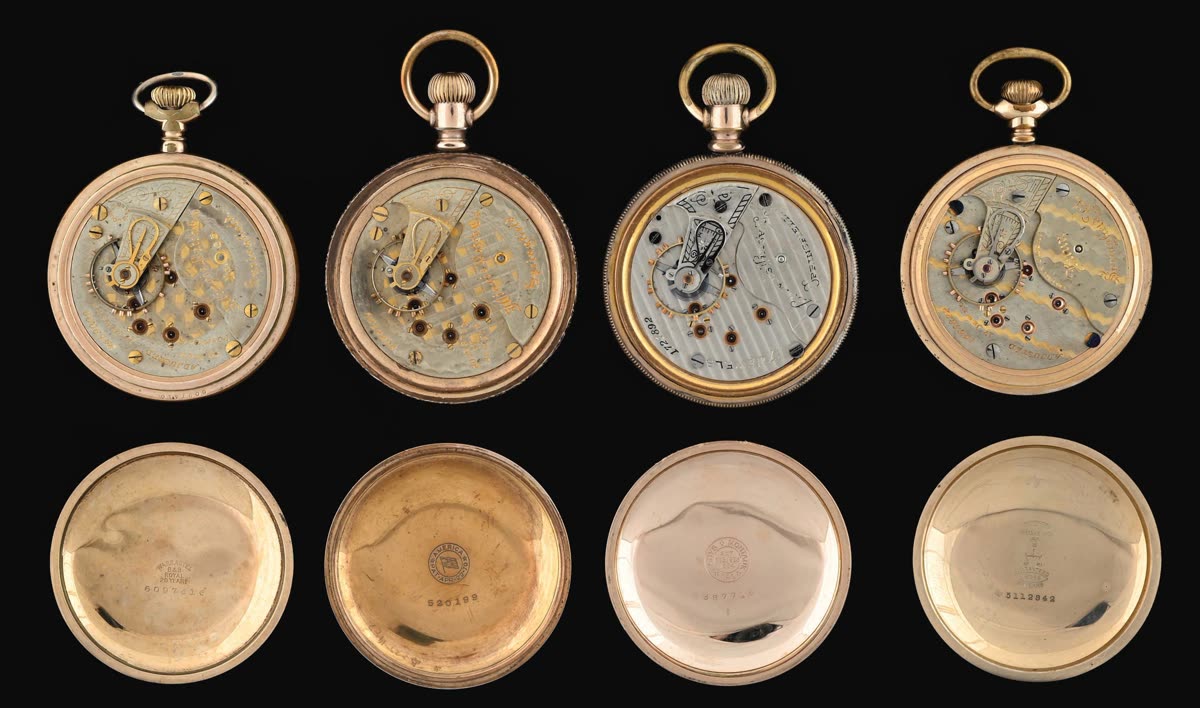
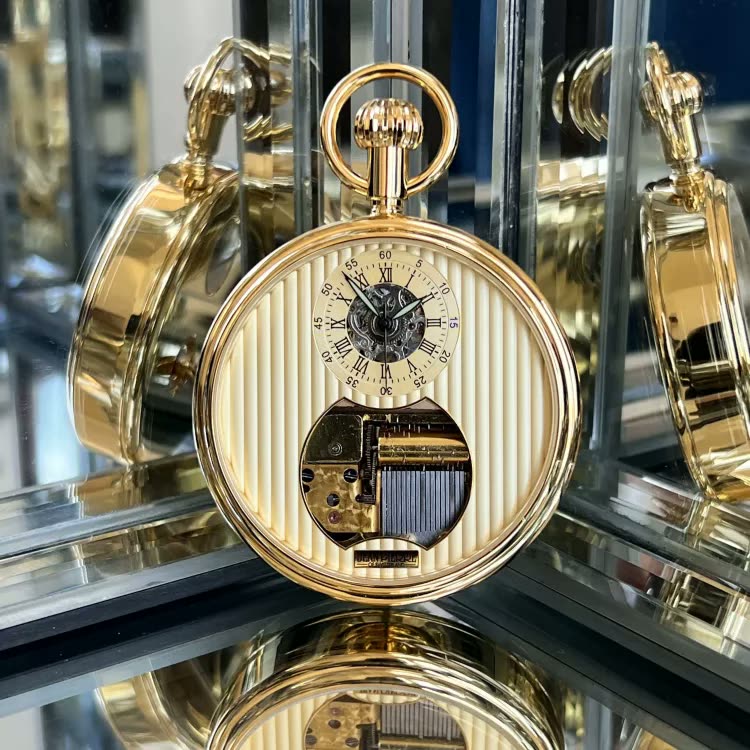
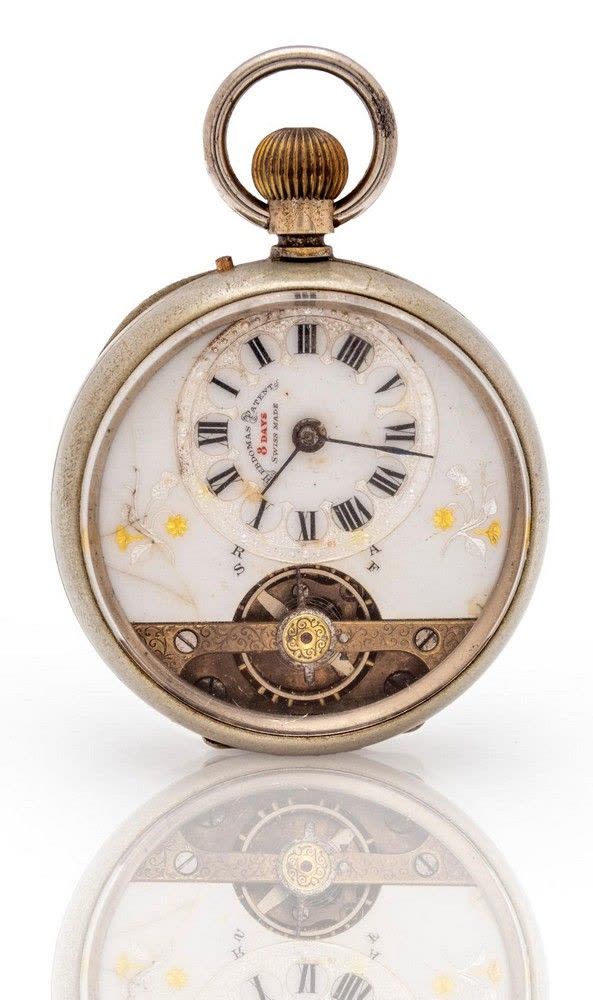
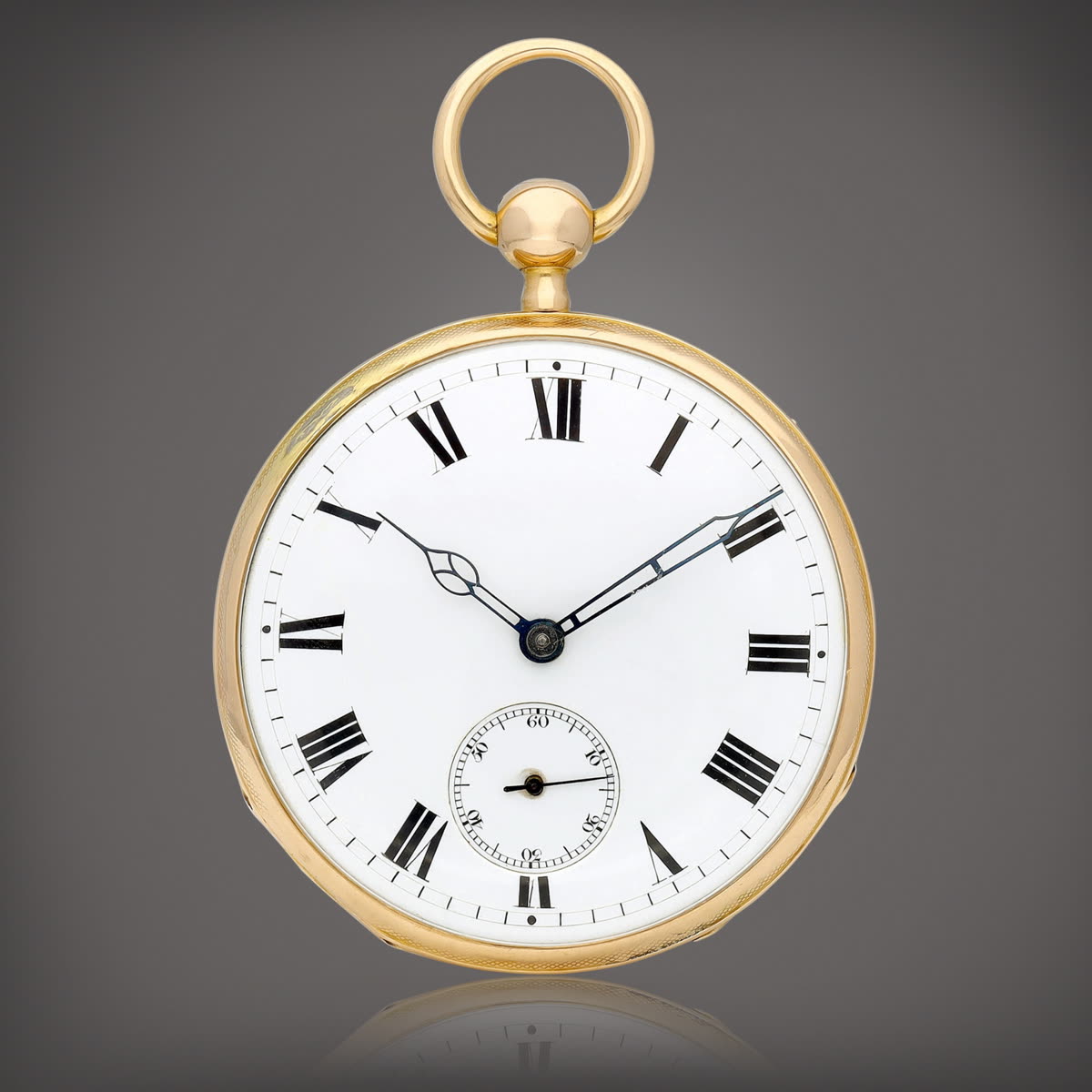
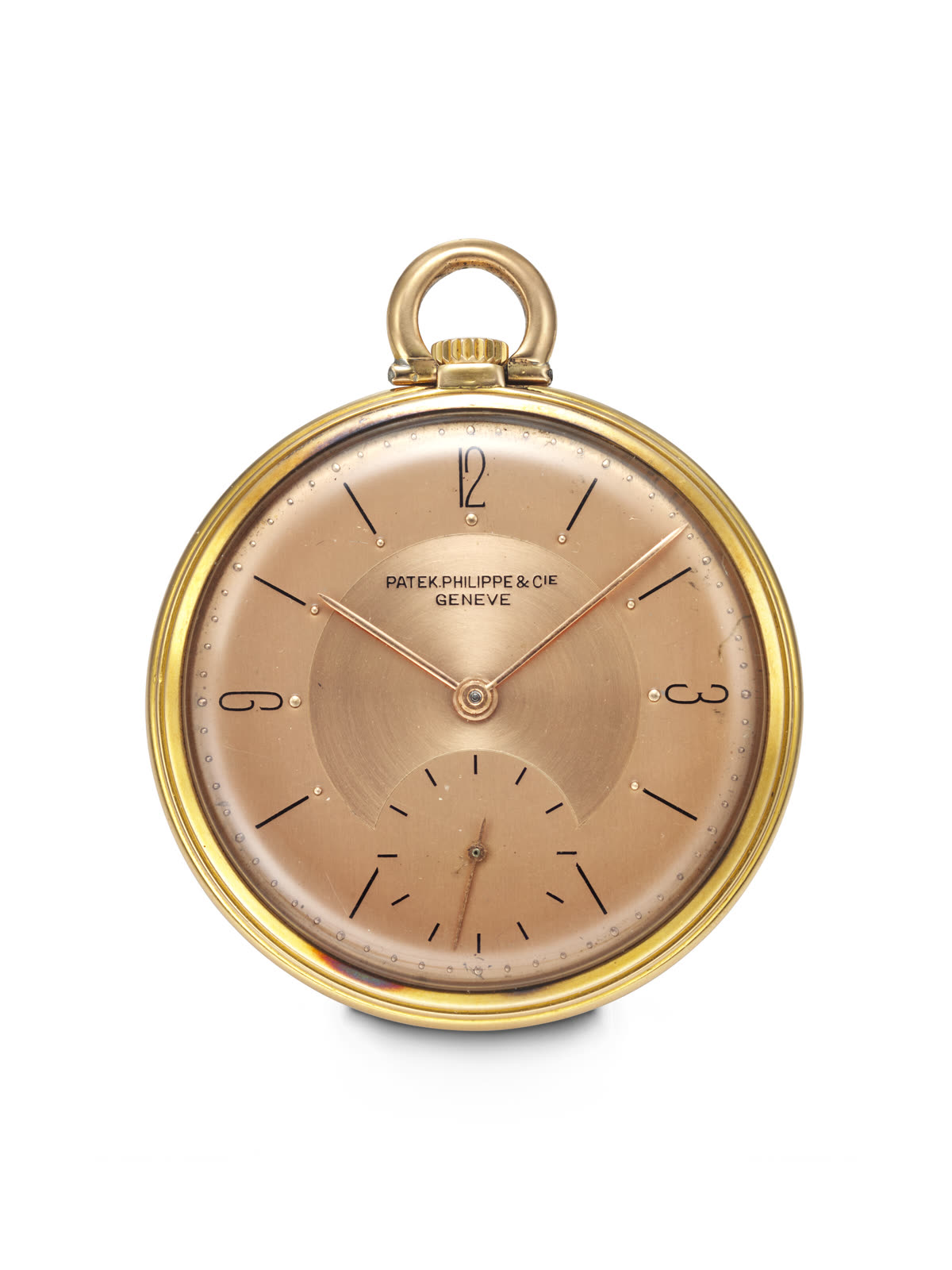
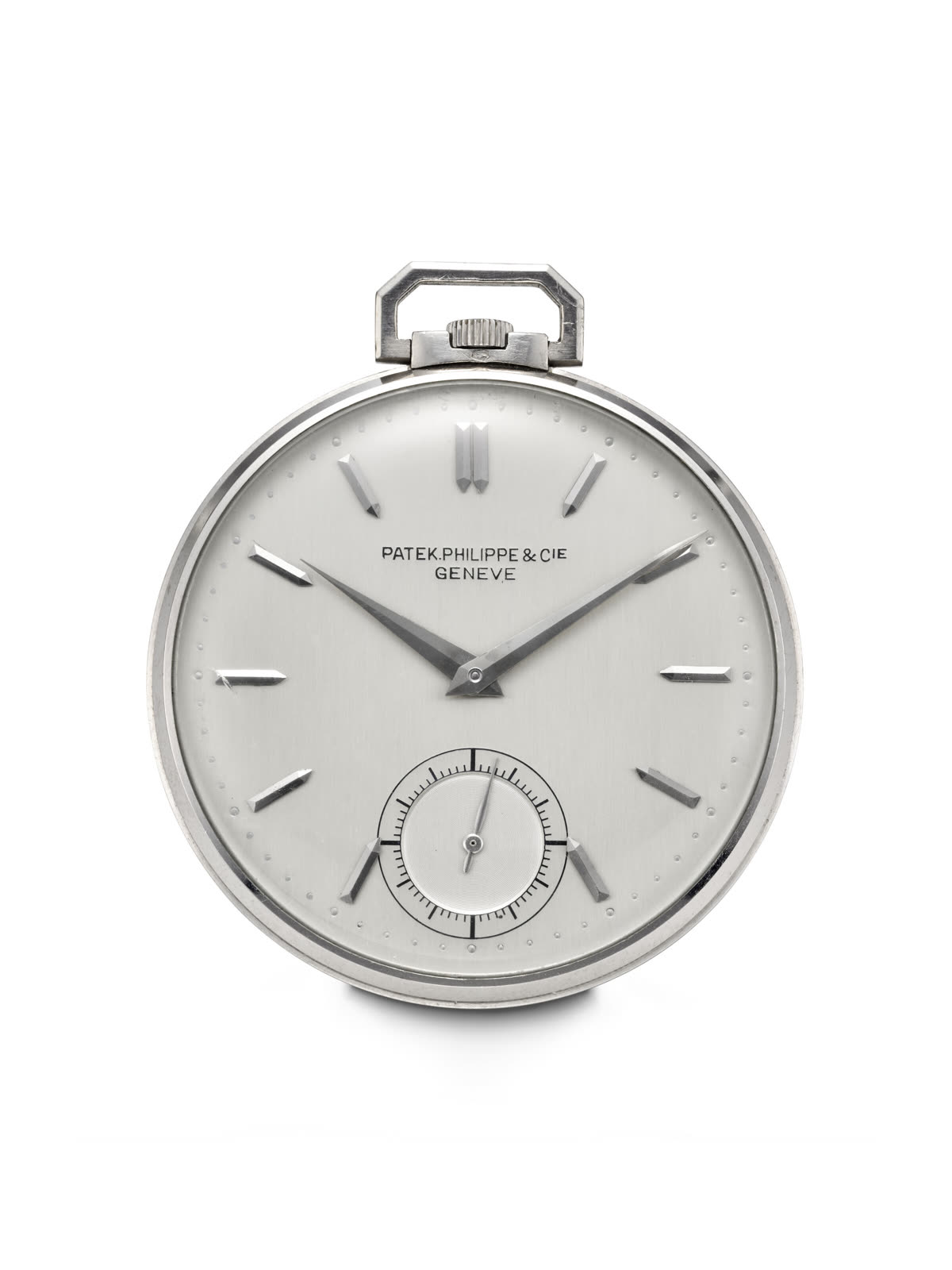
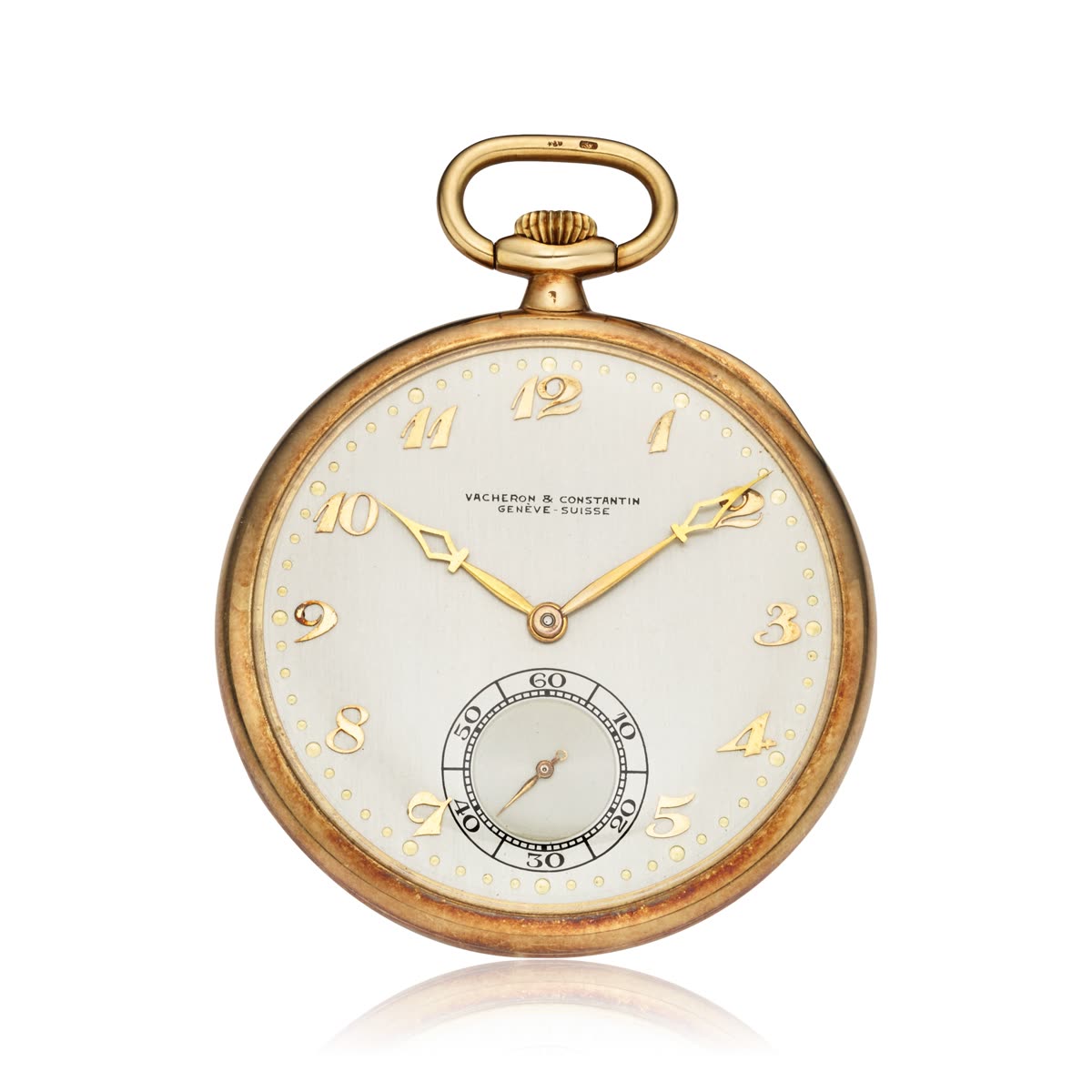
Photographs are illustrative examples of the type, not necessarily the exact object described. Verify details against the source file page.
Sources & references
- Cutmore, M., Watches 1850-1980
- https://en.wikipedia.org/wiki/Pocket_watch
Where sources disagree, the disagreement is stated rather than resolved silently.