
Pocket watches · Complication
Minute Repeater Watches
VerifiedRepeating watches capable of striking hours, quarters and individual minutes elapsed since the last quarter, the most demanding classical striking complication.
Mechanism
Repeating work reads hours, completed quarters and minutes since the last quarter from cams associated with the motion works. Hammers sound the groups in sequence; a regulator controls the striking train's speed. The actuator, regulator and safety mechanisms vary by construction.
Typical characteristics
- Separate counting of hours, quarters and residual minutes
- Regulator to control striking speed; construction varies
- All-or-nothing protection in designs where documented
Construction and interpretation
A conventional minute repeater reports hours, completed quarters and minutes since the last quarter in three consecutive groups. At 2:49 the count is two hours, three quarters and four residual minutes. Two pitches can distinguish all three groups because quarters use a paired high-and-low sound while hours and residual minutes use individual tones. Three separate groups therefore do not necessarily require three gongs.
The count mechanism reads time from the motion works, while a regulator controls the speed of the striking train. Historical regulators are not universally centrifugal, and protective devices differ among designs. An all-or-nothing device, where present, prevents a partly charged actuator from initiating an incomplete sequence; its presence should be verified for the specific watch rather than assumed for the whole category. Acoustic quality also depends on the case, gongs, hammers and their condition, not simply the movement's price or finish.
| Count at 2:49 | Typical sound | Meaning |
|---|---|---|
| 2 | Low notes | Two hours |
| 3 | Paired high/low notes | Three completed quarters |
| 4 | High notes | Four minutes after the last quarter |
| No residual minutes at :45 | No final minute group | Absence of a group can be correct |
Tone conventions vary. An absent group at an exact hour or quarter is not automatically a malfunction.
Identification characteristics
- Three-part strike sequence (hours, quarters, minutes)
- Complex movement architecture visible on the reverse of the dial side
Collector significance
Among the most technically demanding and highly valued of all mechanical complications.
Known variations
- Minute repeater
- Grande sonnerie repeater
- Carillon (three-gong) repeater
Photographs
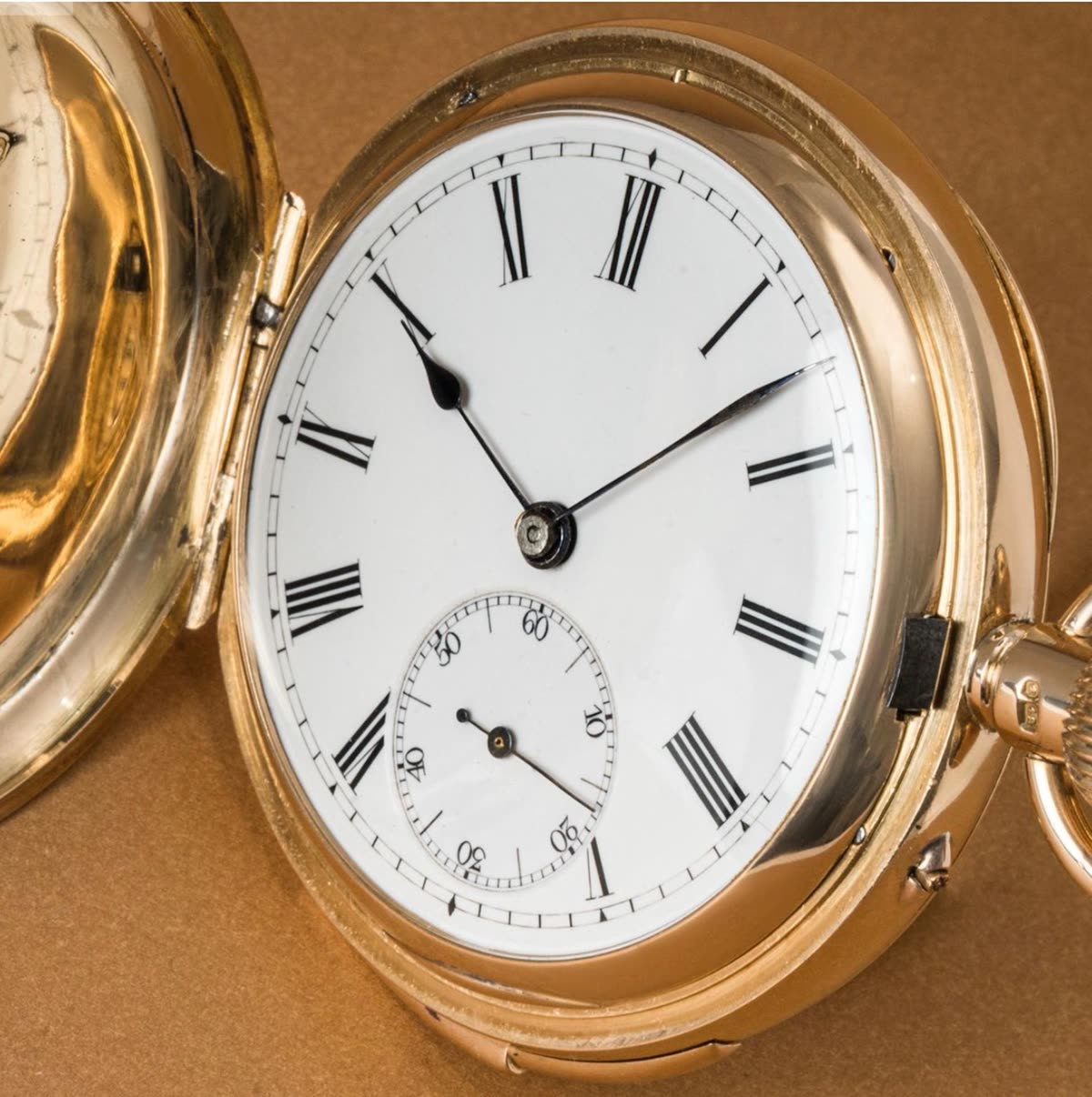
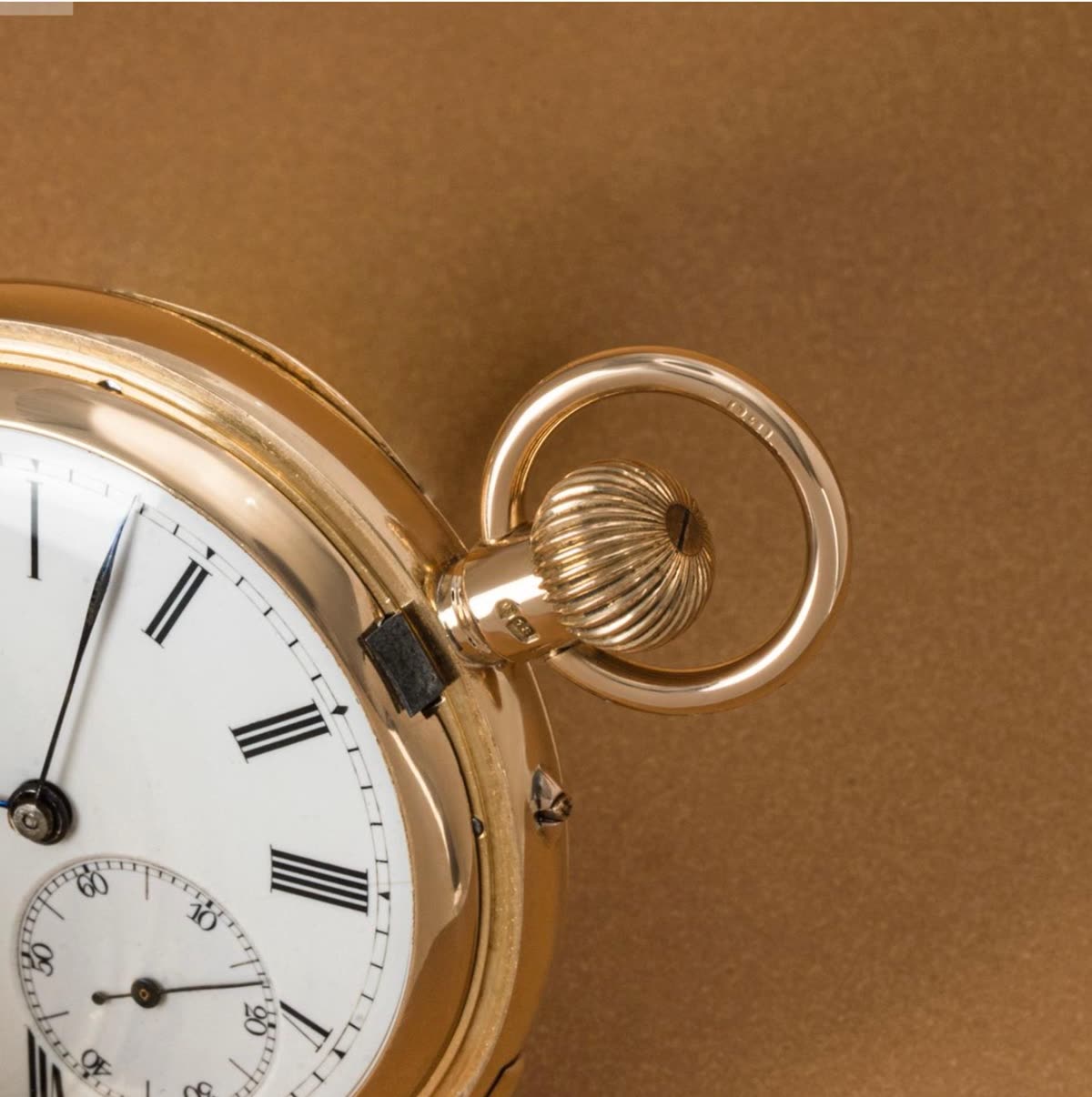
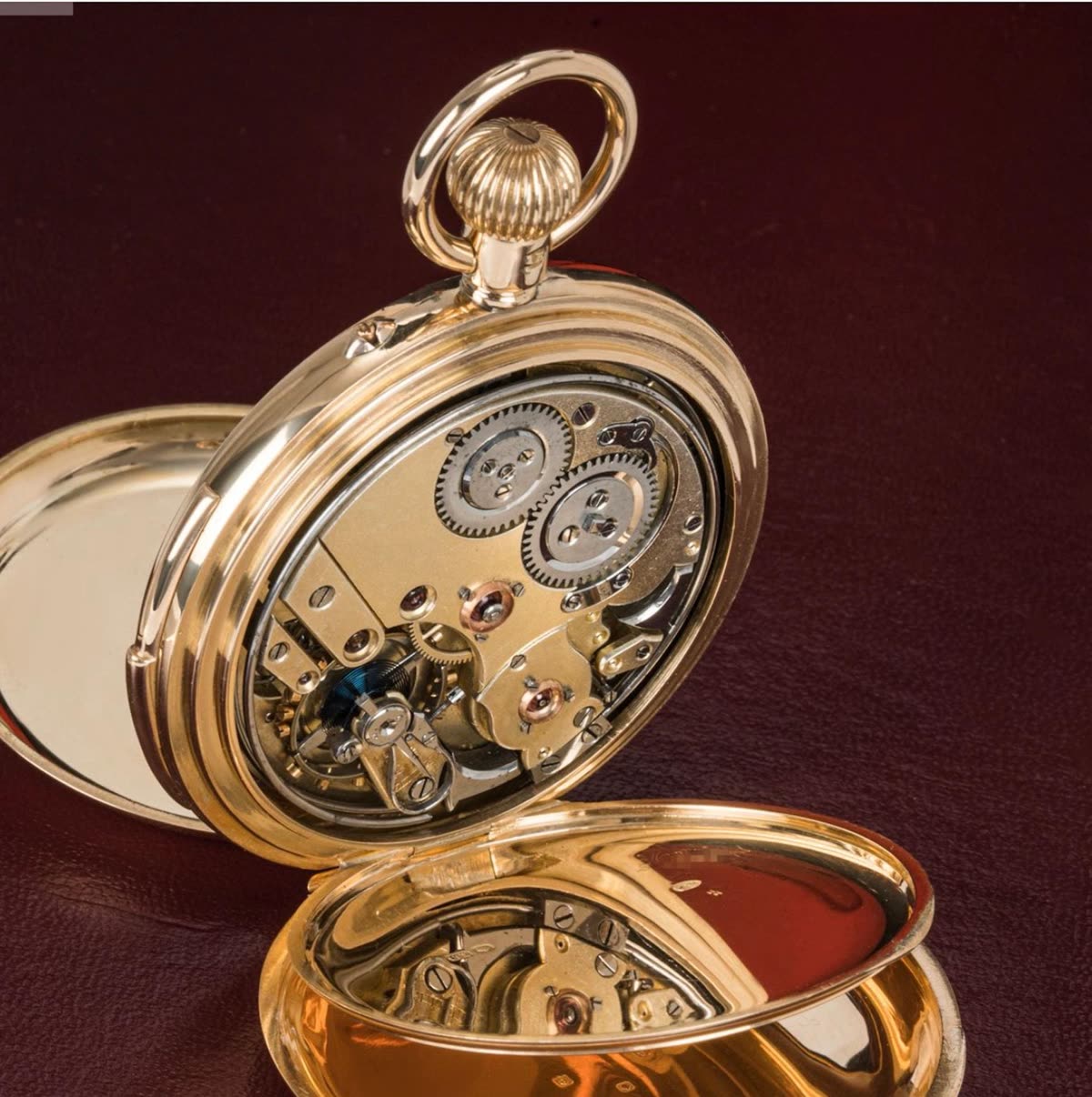
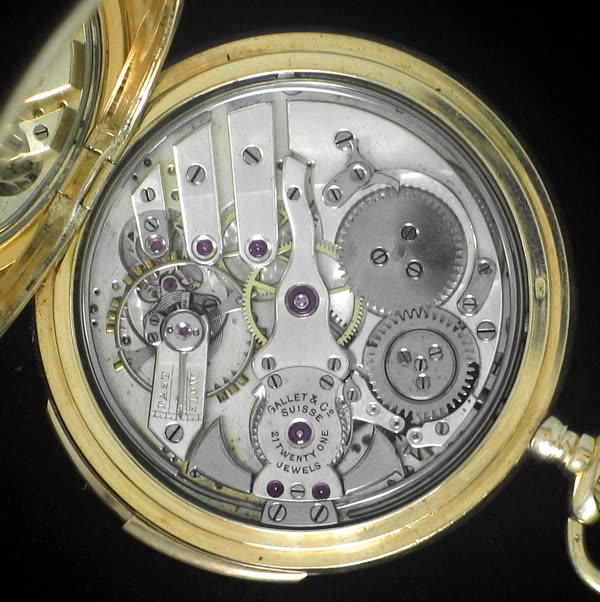
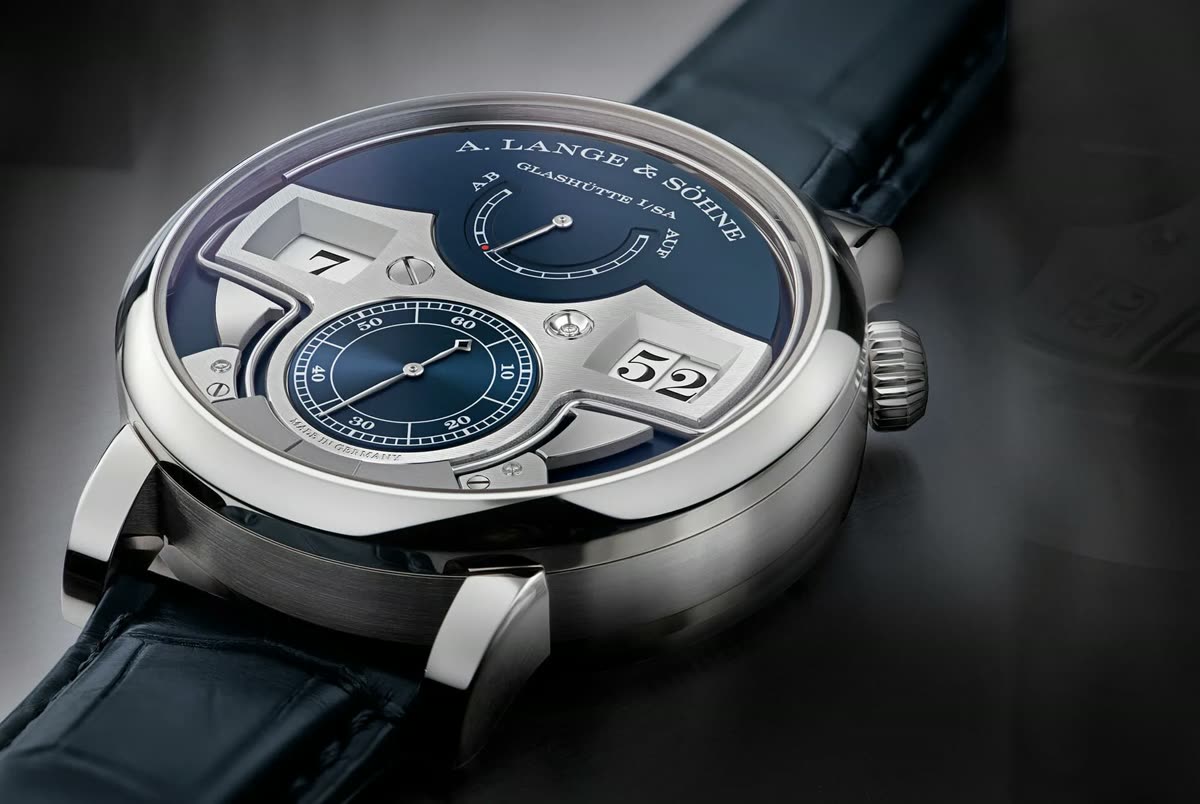
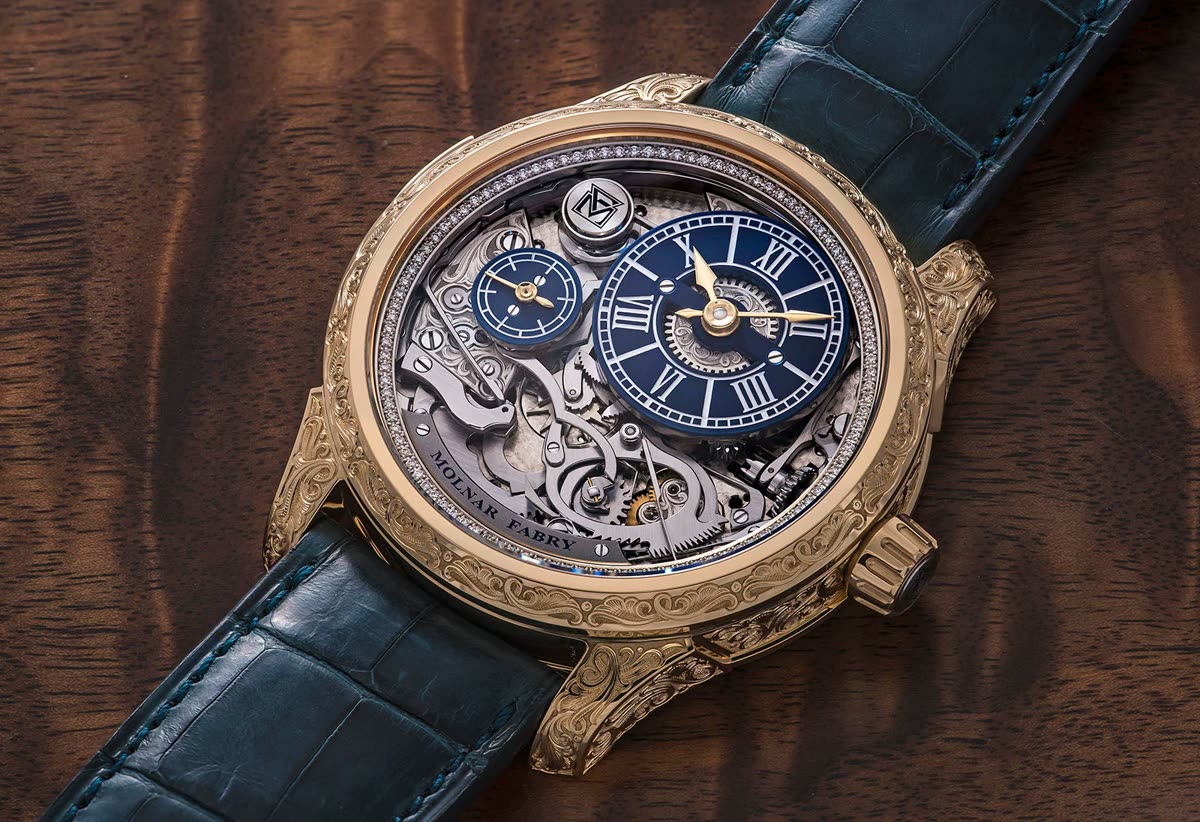

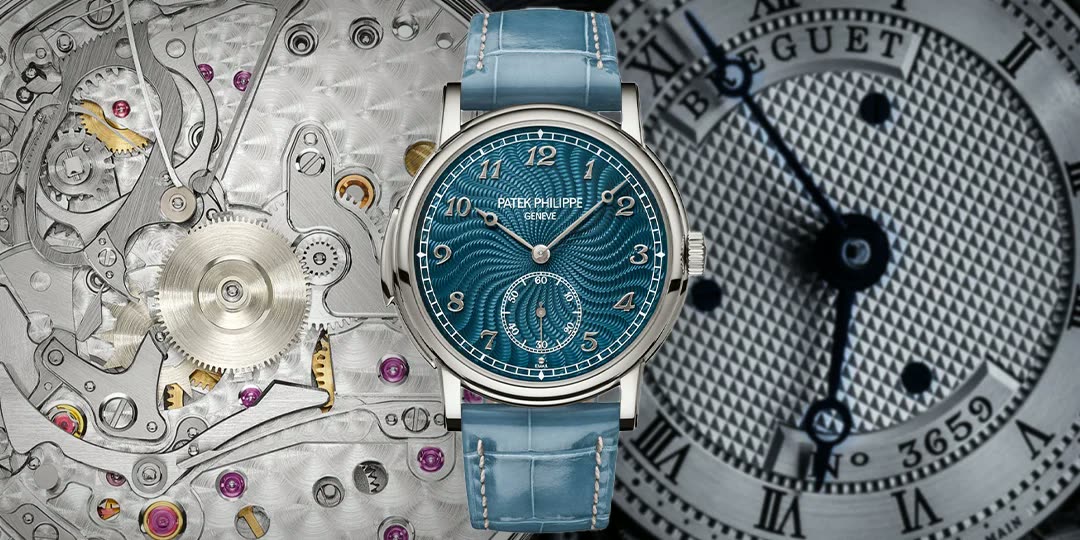
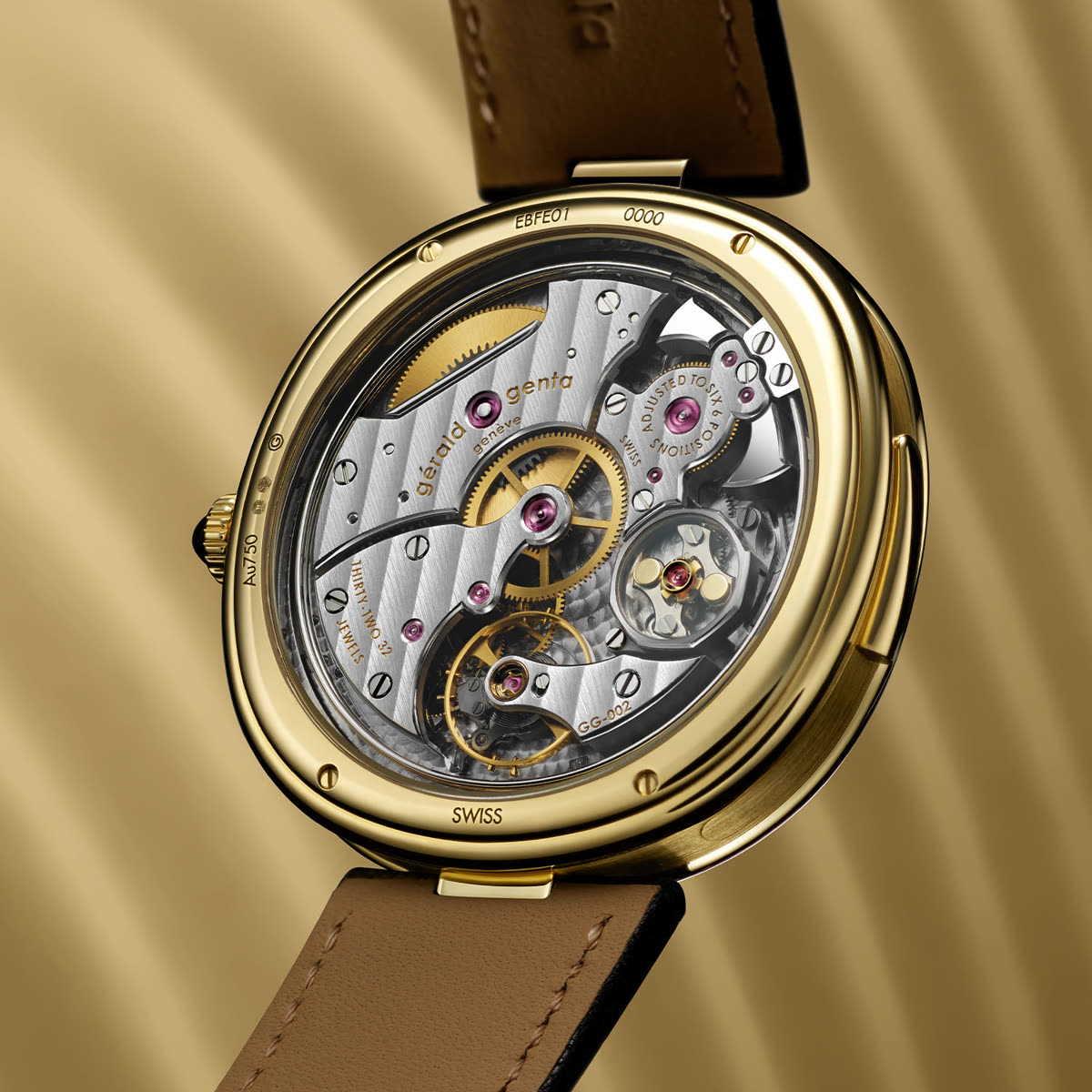
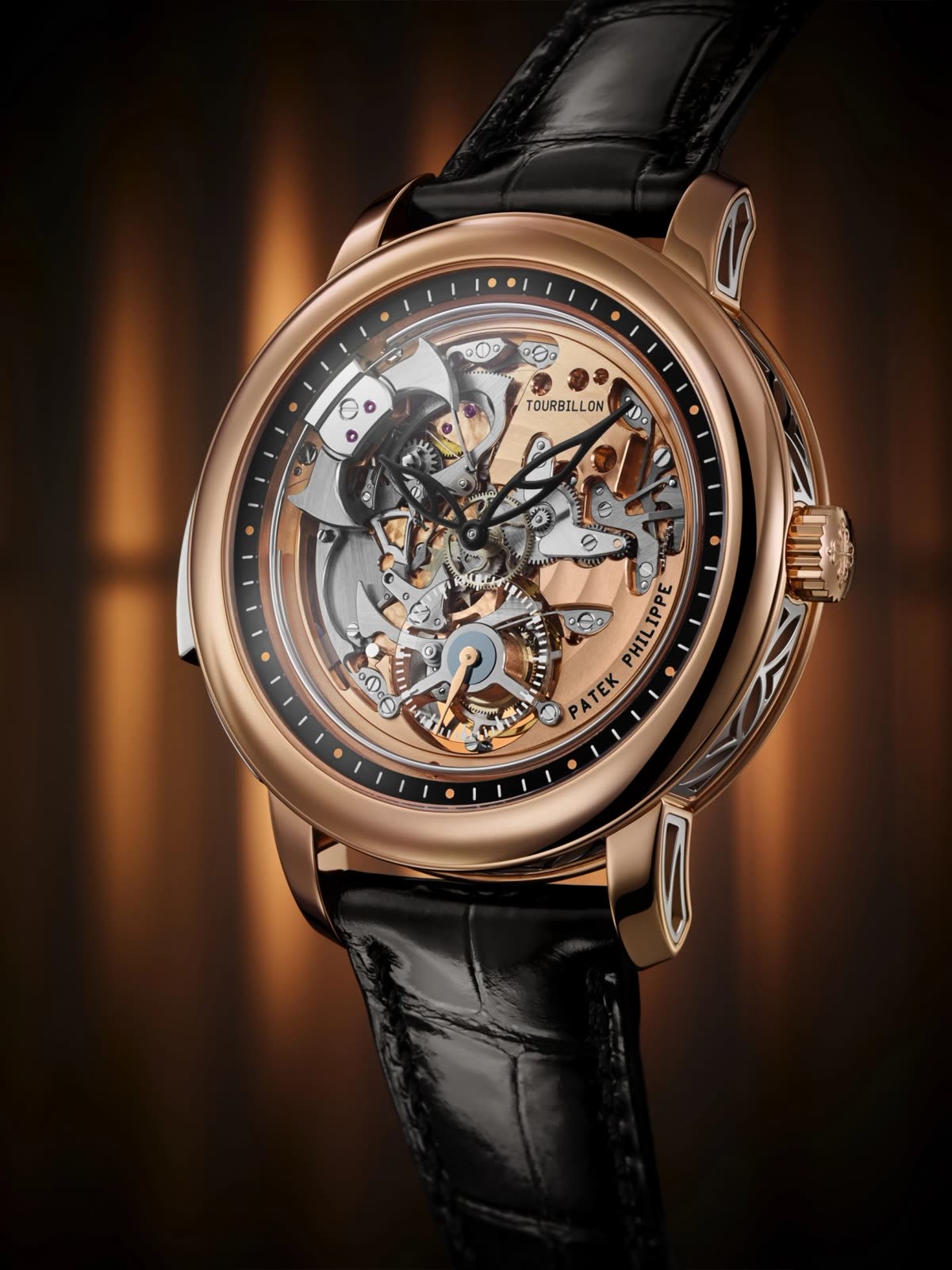

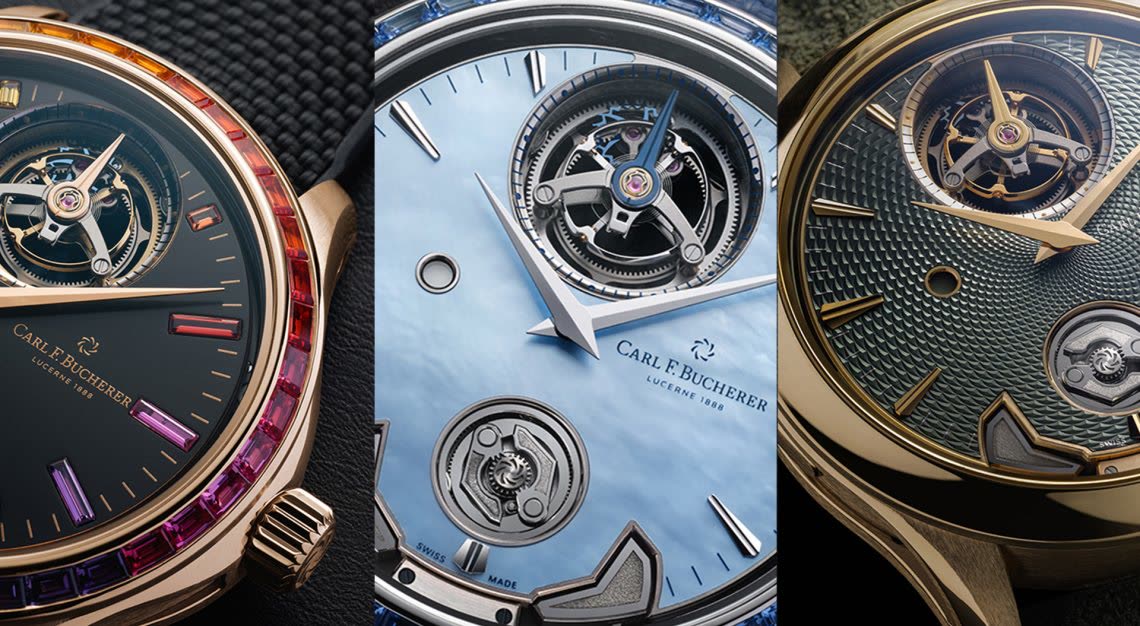

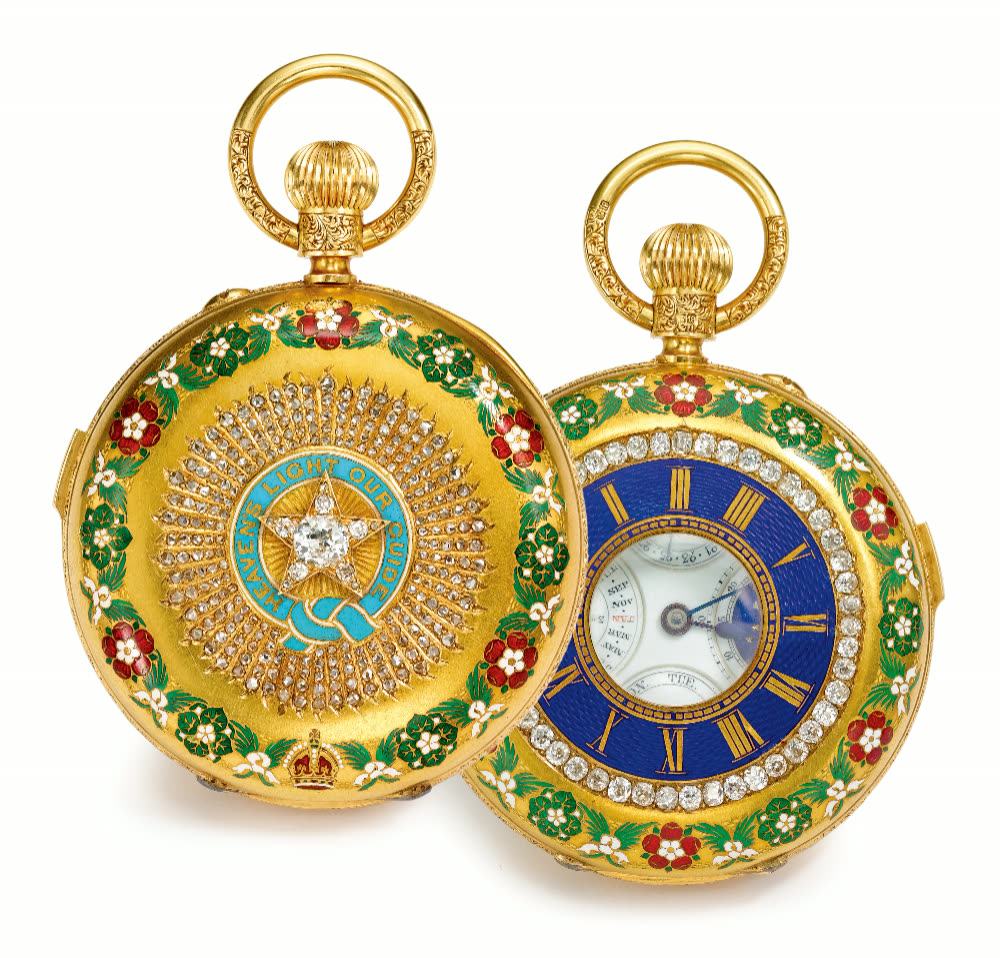
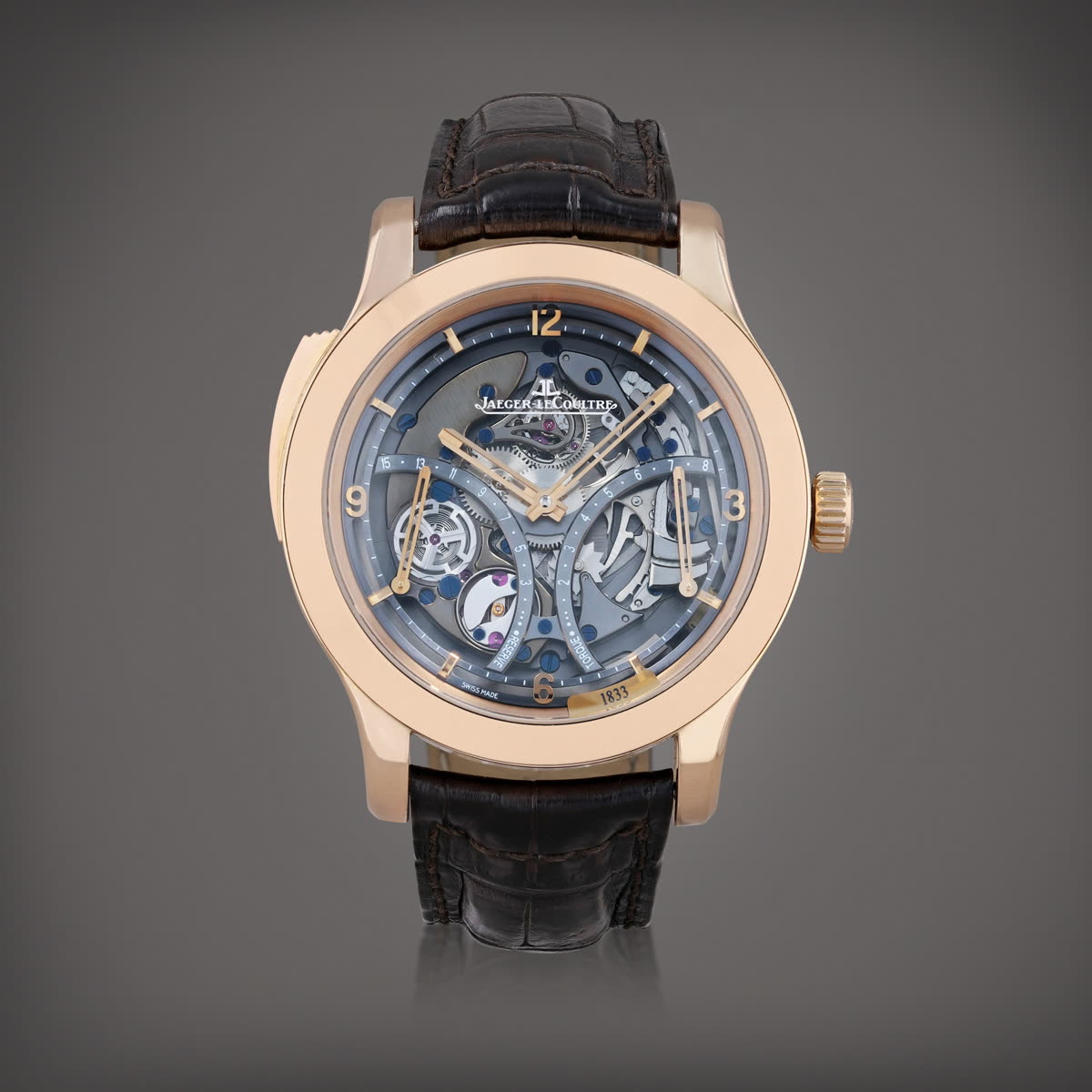
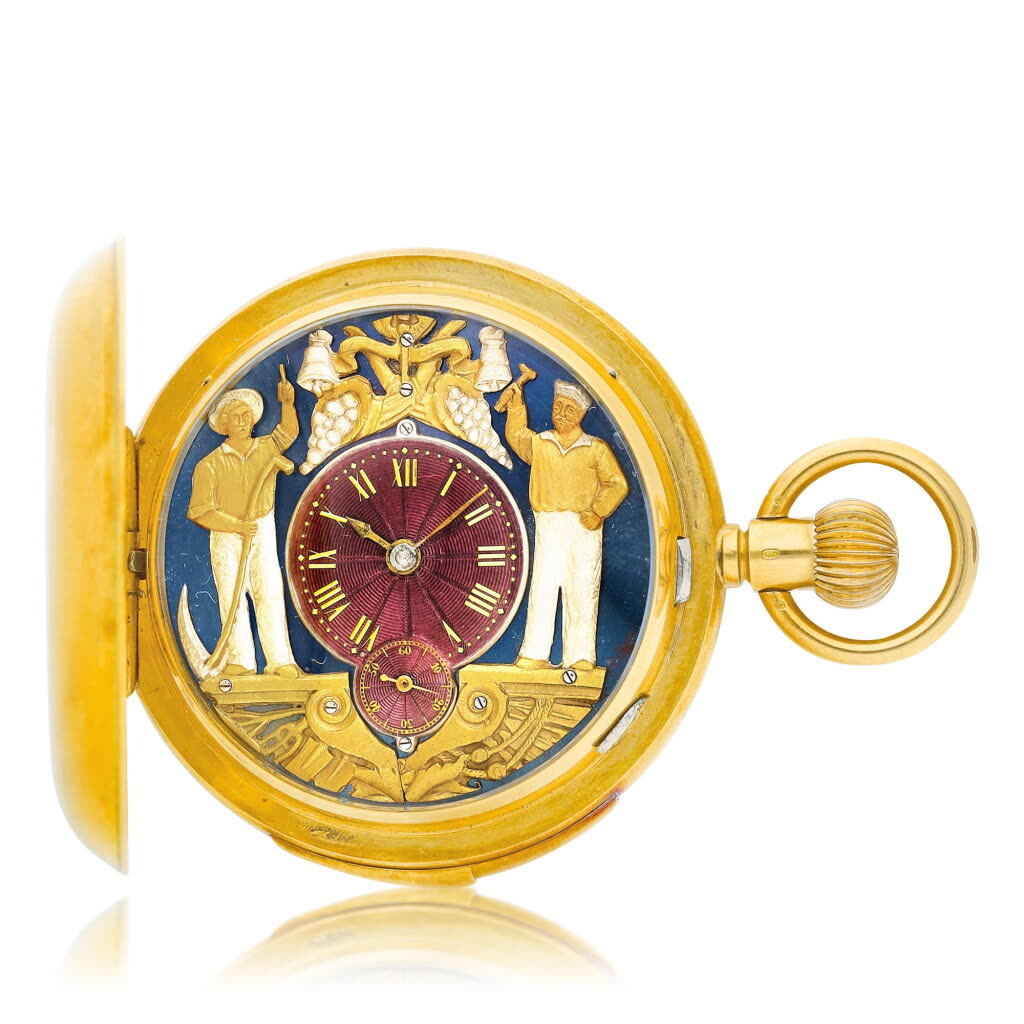
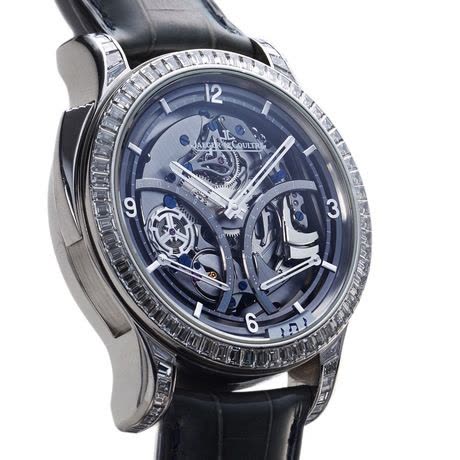
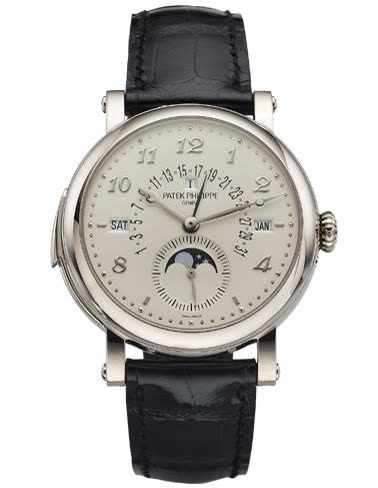
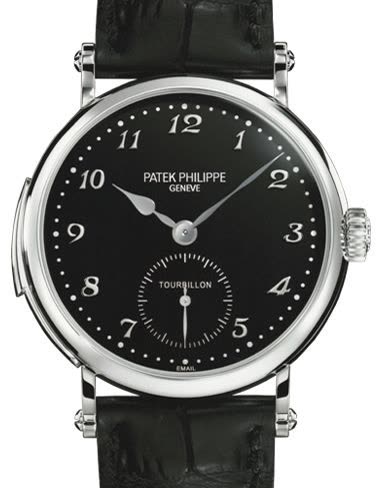
Photographs are illustrative examples of the type, not necessarily the exact object described. Verify details against the source file page.
Sources & references
- Chamberlain, P. M., It's About Time
- https://en.wikipedia.org/wiki/Repeater_(horology)
Where sources disagree, the disagreement is stated rather than resolved silently.