
Netherlands · 1656–1657 (Dutch States-General privilege, 1657)
Pendulum Clock
VerifiedImproved clock accuracy from roughly a quarter-hour per day to around a minute per day or better.
Huygens applied the pendulum as a clock's regulator and obtained a privilege (an early form of patent) from the States of Holland in 1657; Salomon Coster of The Hague built the first examples.
Galileo had studied pendulum isochronism earlier and designed, but did not complete, a pendulum clock.
Background
Christiaan Huygens invented the pendulum clock in 1656. This invention was inspired by Galileo Galilei's earlier investigations into pendulums and their isochronous property. The device addressed the poor accuracy of previous clocks, which lost approximately fifteen minutes per day. By applying the pendulum as a regulator, Huygens improved accuracy to roughly fifteen seconds per day.
Huygens contracted Salomon Coster to construct his designs in The Hague. The inventor later published a comprehensive analysis of pendular motion in his 1673 work titled Horologium Oscillatorium. Huygens attempted to utilize the clock as a marine chronometer, but the rocking motion of ships rendered it ineffective.
Written from the encyclopedia entries listed under Sources; each statement was checked against the cited text.
Later history
- Following its invention, the design was quickly manufactured by clockmakers such as Ahasuerus Fromanteel and Nicolaus Hanet.
How to verify this yourself
The 1657 privilege is documented in Dutch archival sources and Huygens' Horologium (1658).
Manufacturers known to have used it
- Salomon Coster; Fromanteel family (London); later virtually all clockmakers
Photographs
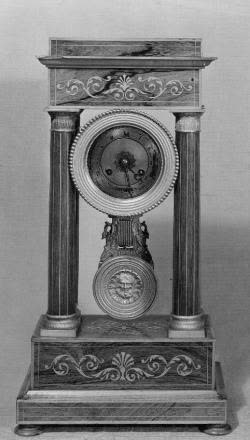
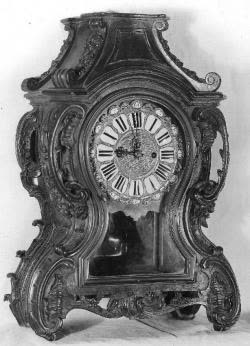
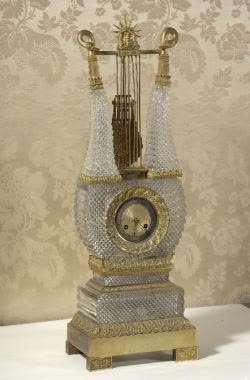
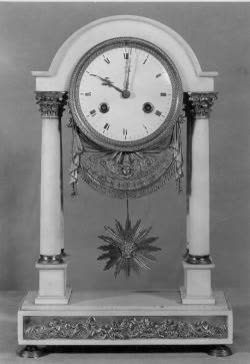
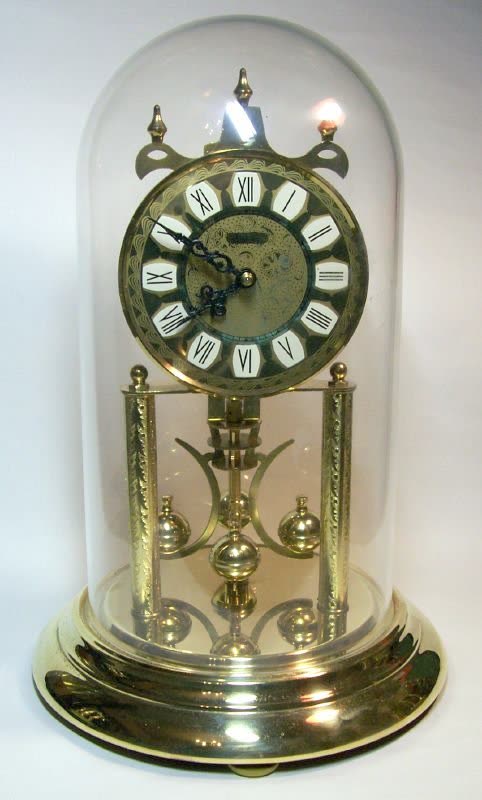
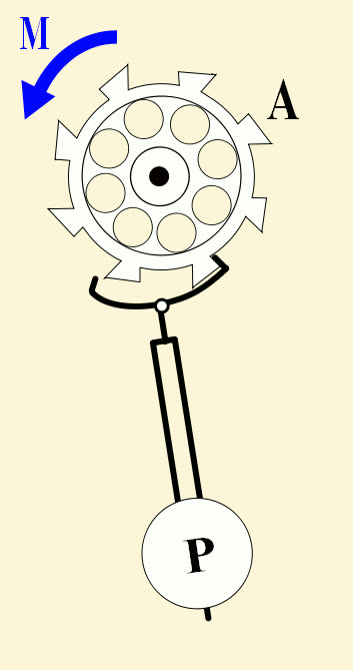
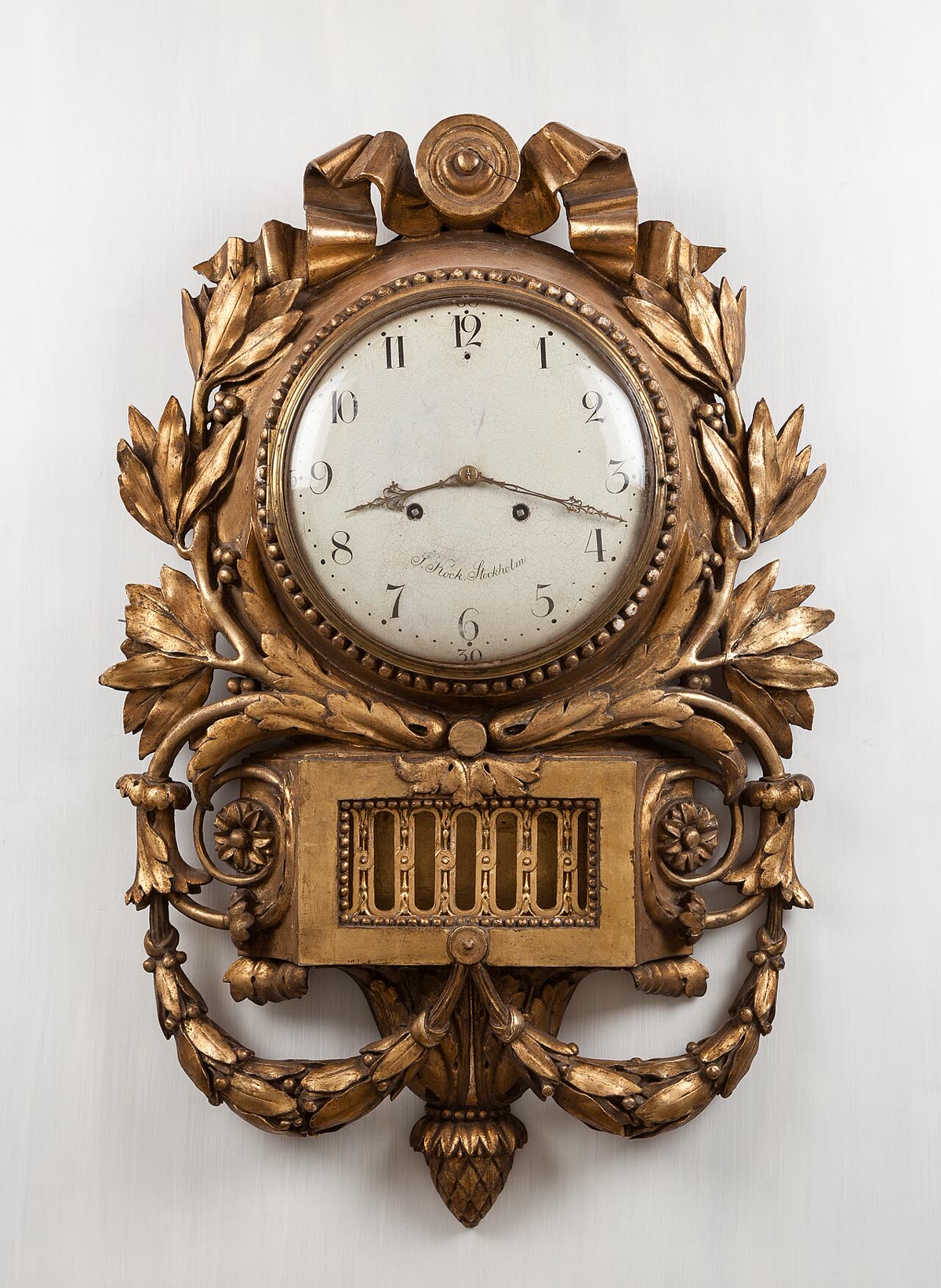
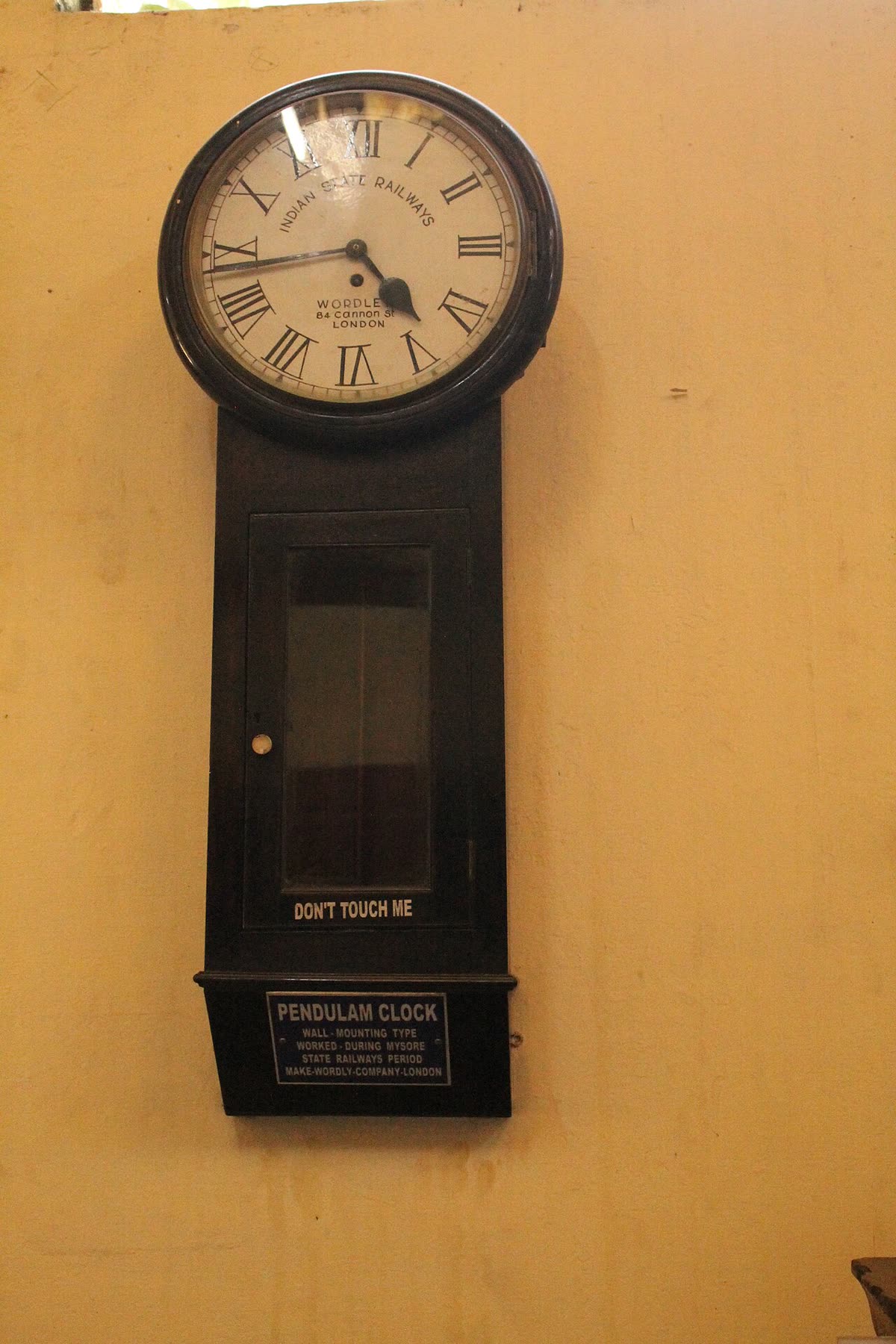
Photographs are illustrative examples of the type, not necessarily the exact object described. Verify details against the source file page.
Sources & references
- Pendulum clock, Wikipedia (English), retrieved 2026-10-28 (text CC BY-SA 4.0)
- Christiaan Huygens, Wikipedia (English), retrieved 2026-10-28 (text CC BY-SA 4.0)
- Huygens, C., Horologium (1658) and Horologium Oscillatorium (1673)
- Museum Boerhaave, Leiden, collection notes on Coster clocks
Where sources disagree, the disagreement is stated rather than resolved silently.