
United States · Announced 1970; sold 1972
The Electronic Digital Watch (LED)
Partially verifiedAs the first all-electronic digital watch, the Pulsar began the line of watches that show the time as digits instead of with hands.
Hamilton's Pulsar, announced in 1970 and sold from 1972, showed the time in light-emitting diodes at the press of a button: the first all-electronic digital watch.
Background
Because the watch lacked a continuous display, a user was required to press a button to activate the screen and view the current time. Pulsar, which its encyclopedia entry calls the world's first electronic digital watch, was created by the Bulgarian engineer and NASA scientist Peter Petroff and launched in the early 1970s. Hamilton first announced in 1970 that it was making the LED watch and bringing it to market; the watch was developed jointly with Electro/Data Inc. The first Pulsar went on sale in the spring of 1972 in an 18-carat gold case, the first all-electronic digital watch and the first with a display of light-emitting diodes.
Written from the encyclopedia entries listed under Sources; each statement was checked against the cited text.
Later history
- In 1978, the Seiko Corporation officially acquired the Pulsar brand to integrate it into their mid-grade product range.
- By 2023, Seiko decided to merge the brand with ALBA and officially ceased the manufacture of Pulsar watches.
- A Hamilton Pulsar P2 2900 appeared in the 1973 James Bond film Live and Let Die.
Impact on watchmaking
- Hamilton Watch Company — The company that launched the Pulsar.
- Seiko — Owner of the Pulsar brand from 1978.
How to verify this yourself
Check the cited museum record or maker's archive first; for patented work, confirm the number and date from the specification itself (Espacenet covers most European, US and Japanese patents) rather than from secondary retellings.
Manufacturers known to have used it
- Hamilton (Pulsar)
- Seiko (owner of Pulsar from 1978)
Related photographs



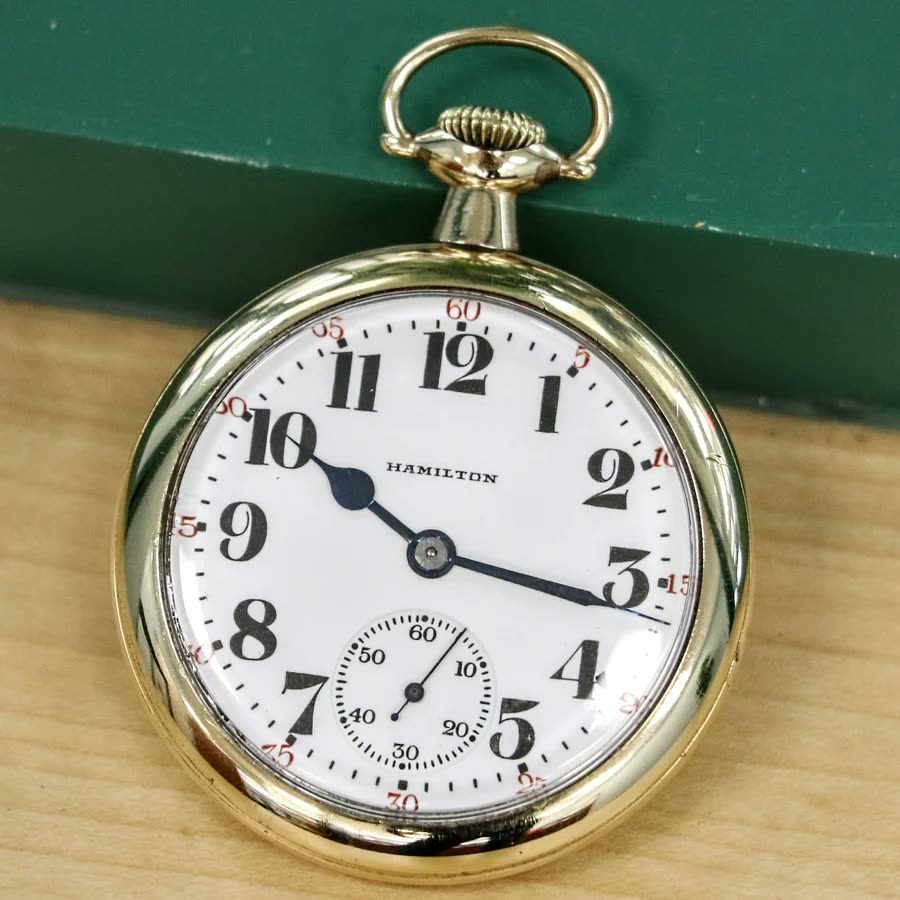
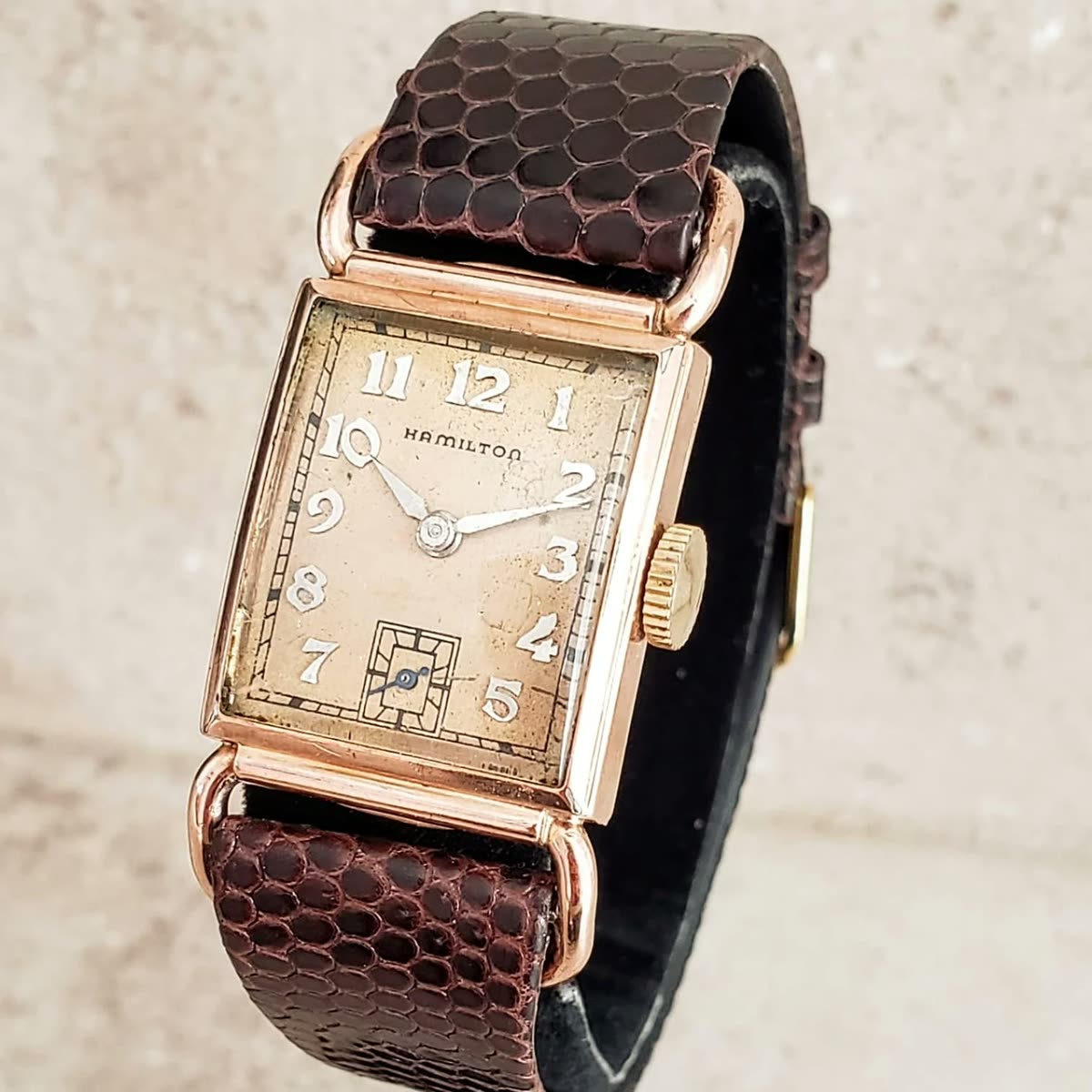
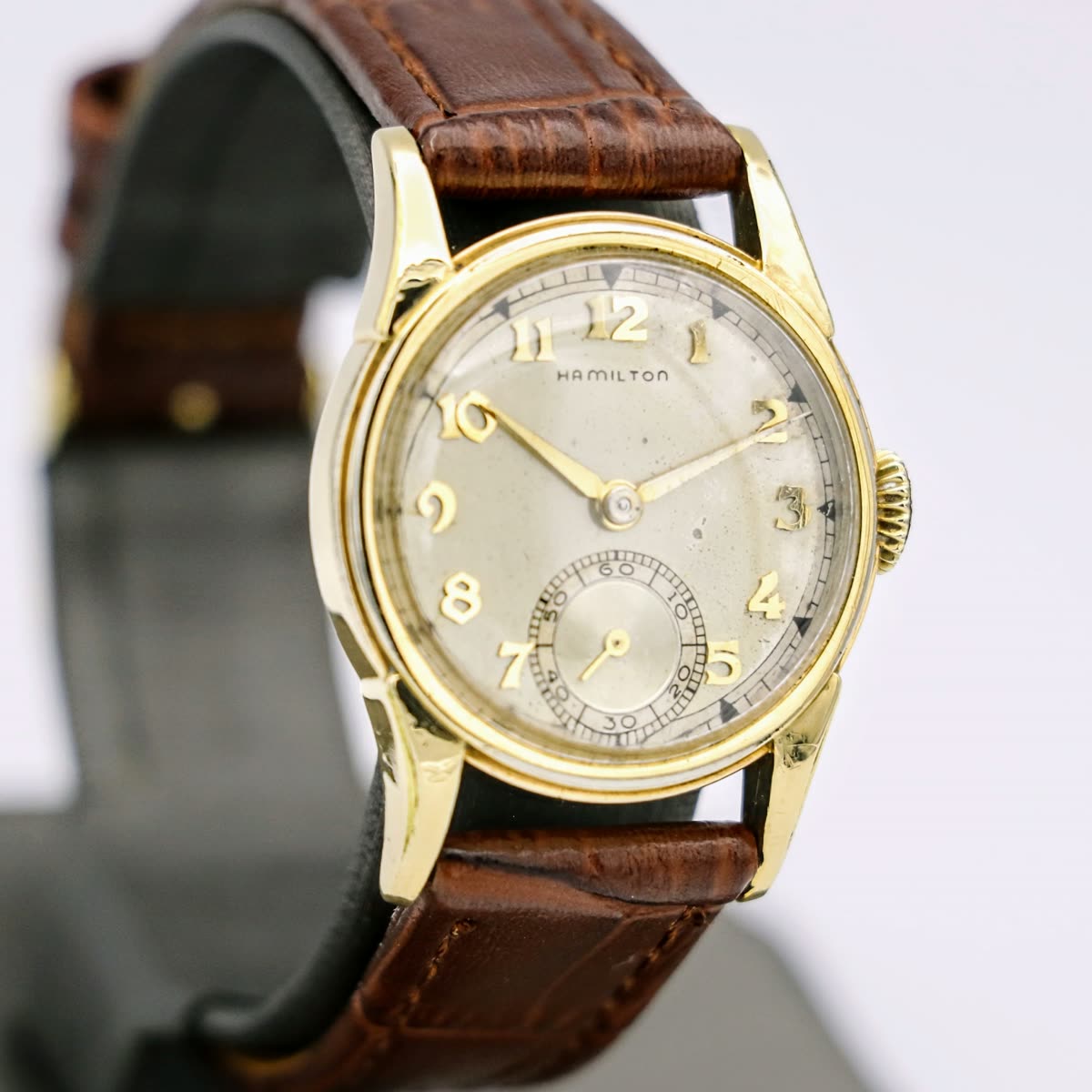

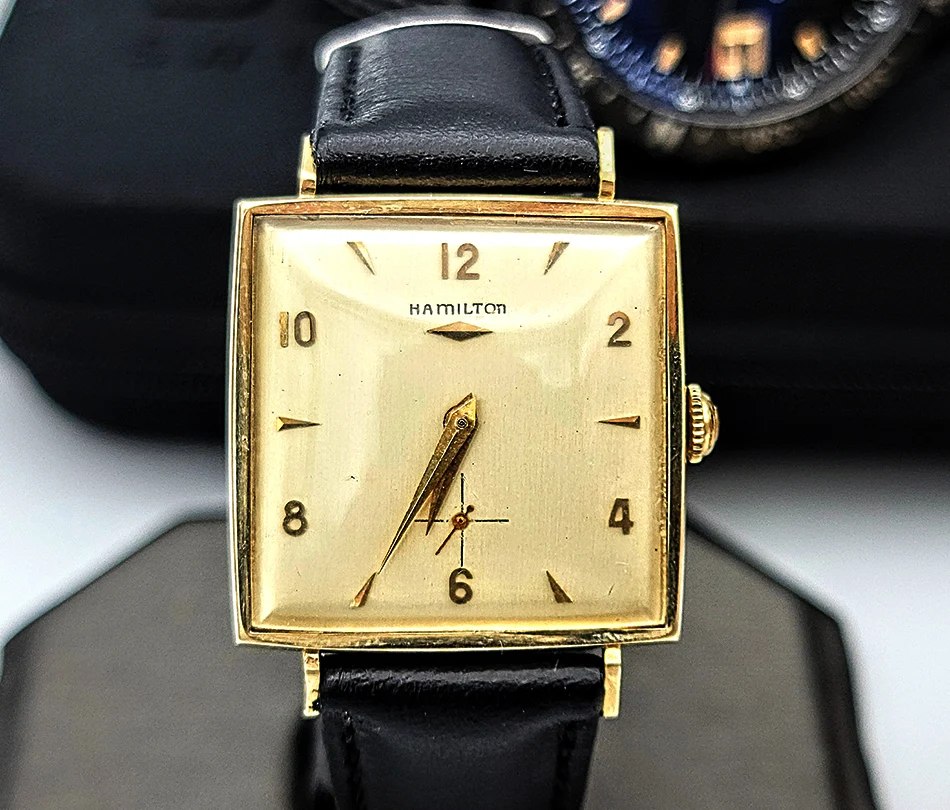
No confidently matched photograph of this subject has been found yet. These photographs show a closely related record, and are not examples of the type described on this page.
Sources & references
- Pulsar (watch), Wikipedia (English), retrieved 2026-11-02 (text CC BY-SA 4.0)
- Watch, Wikipedia (English), retrieved 2026-11-02 (text CC BY-SA 4.0)
- Wikipedia, Pulsar (watch); Watch (revisions cited below)
Where sources disagree, the disagreement is stated rather than resolved silently.