
Japan · Shown 1986; on sale 1988
Automatic Quartz (Seiko AGS / Kinetic)
Partially verifiedIt gave quartz accuracy without battery changes to wearers who move, and its rotor made it look and feel like an automatic watch.
Seiko's automatic quartz movements, shown in 1986 and sold from 1988 as AGS and later as Kinetic, generate electricity with a swinging rotor and keep time with a quartz crystal.
Background
Automatic quartz movements combine a self-winding rotor mechanism with a piezoelectric quartz crystal to generate electricity. This technology aims to provide the benefits of quartz timekeeping while avoiding the need for battery replacements and reducing environmental impact. The Japanese company Seiko pioneered this technique and first unveiled it at the Baselworld 1986 trade show using the trial name AGM.
Inside the watch, a rotating pendulum is attached to a large gear that meshes with a small pinion. As the wearer moves, the pendulum spins the pinion at speeds reaching up to 100,000 rpm, powering a miniature generator. The energy generated is stored in a capacitor or rechargeable battery, which can provide power for up to six months.
Written from the encyclopedia entries listed under Sources; each statement was checked against the cited text.
Later history
- The first watch featuring this movement was released in Germany in January 1988 and subsequently in Japan during April of that same year.
- Early versions of these movements were designated as AGS, while current iterations are marketed under the Kinetic brand.
- By 2007, Seiko had achieved total sales exceeding eight million automatic quartz watches.
Impact on watchmaking
- Seiko — The developer of AGS and Kinetic.
- Automatic (Self-Winding) Watches — The mechanical self-winding watches whose rotor it borrowed.
How to verify this yourself
Check the cited museum record or maker's archive first; for patented work, confirm the number and date from the specification itself (Espacenet covers most European, US and Japanese patents) rather than from secondary retellings.
Manufacturers known to have used it
- Seiko (AGS, Kinetic; also used in Pulsar and Lorus watches)
Related photographs
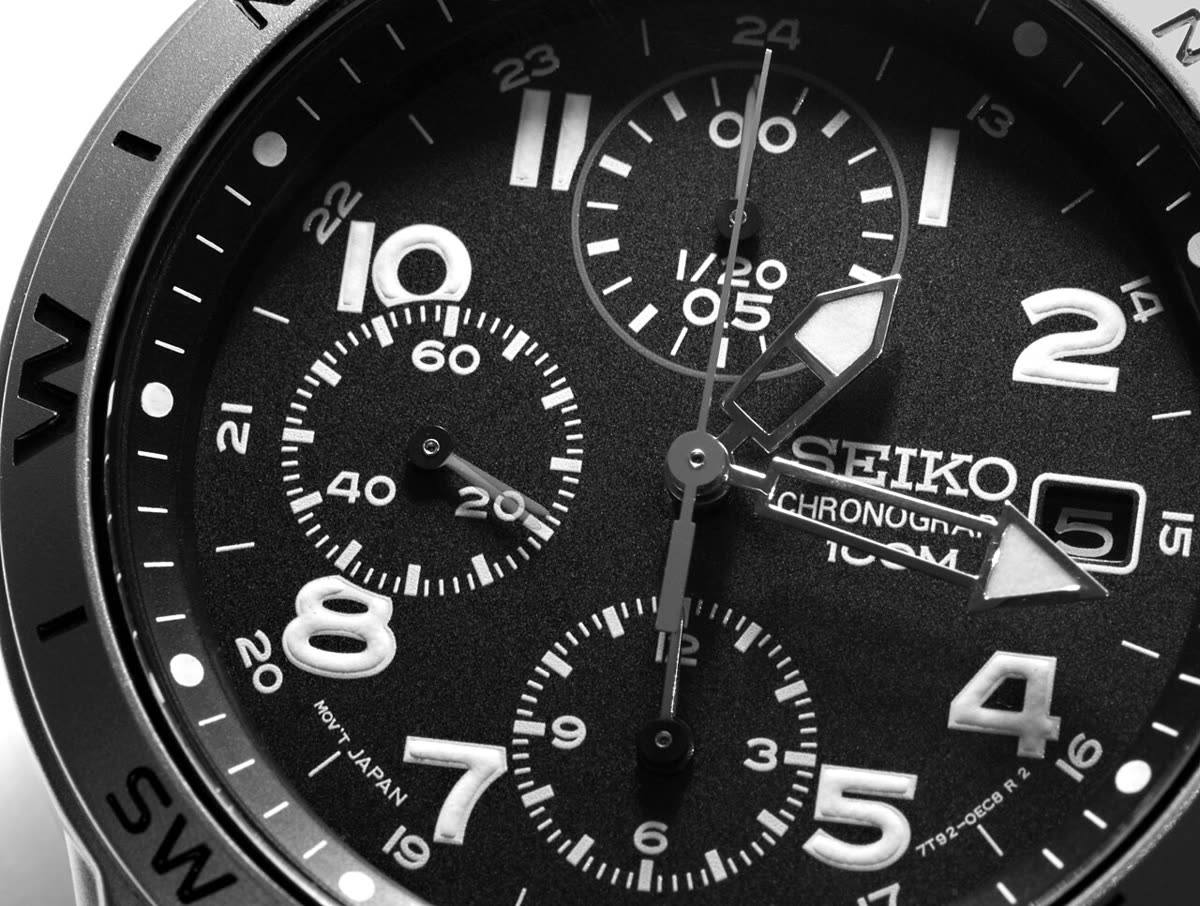
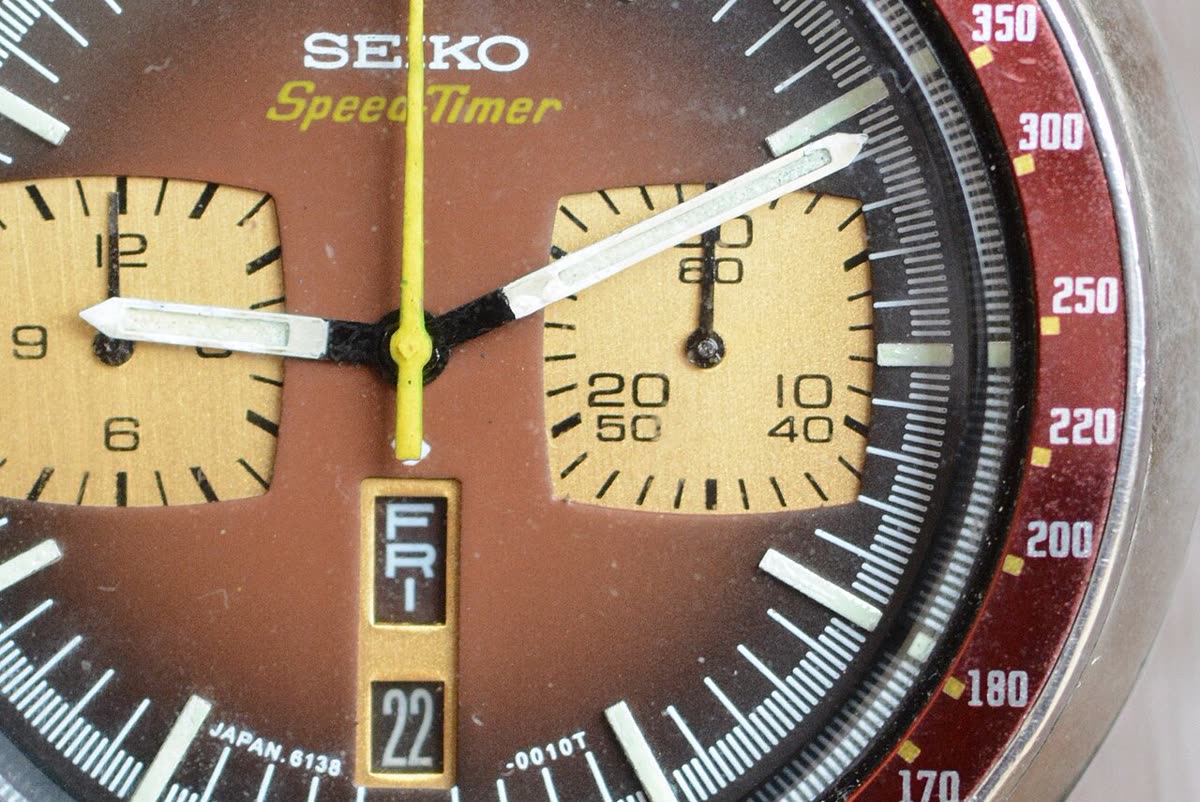
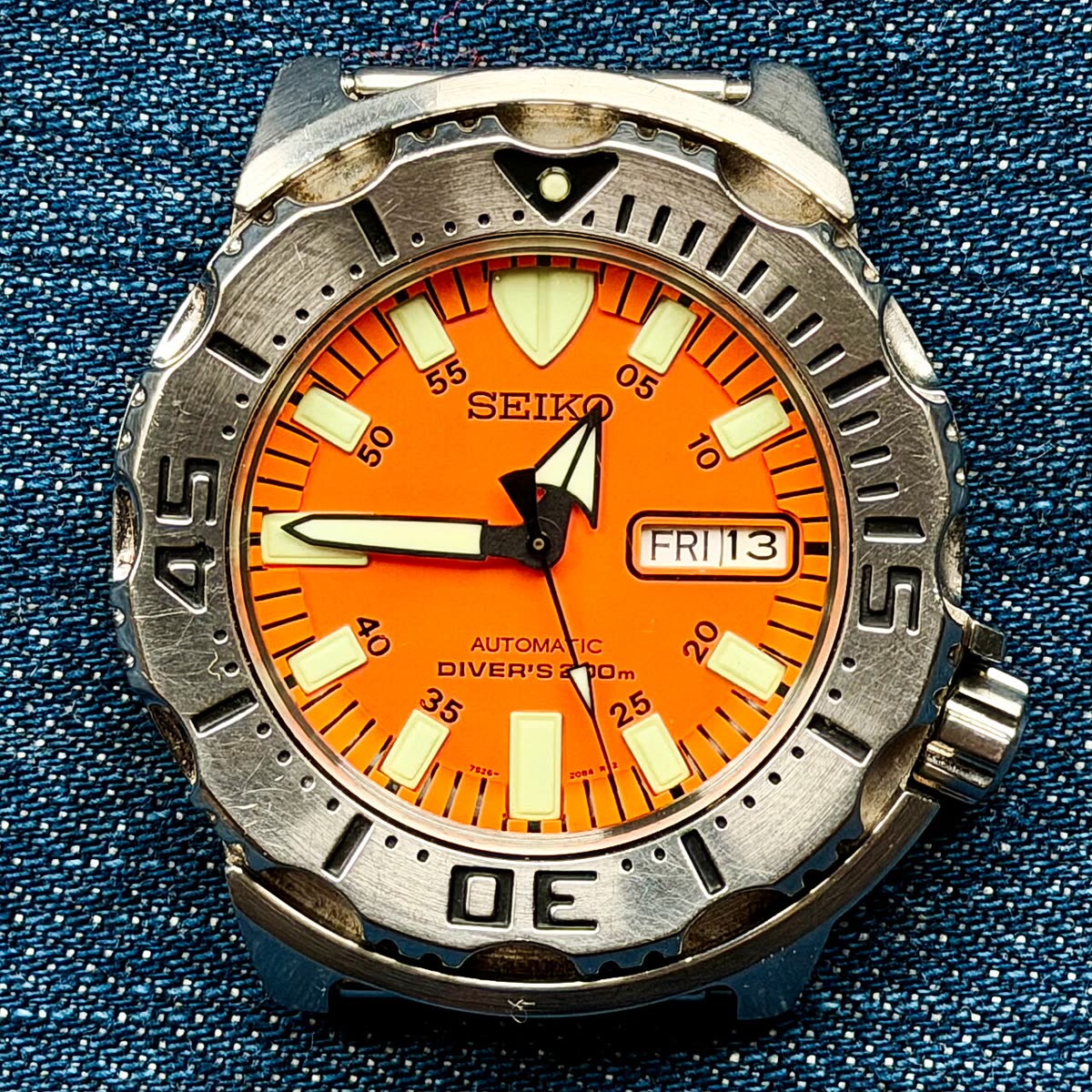
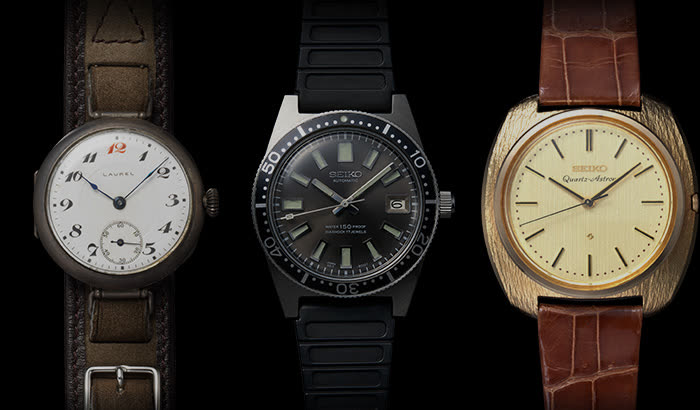
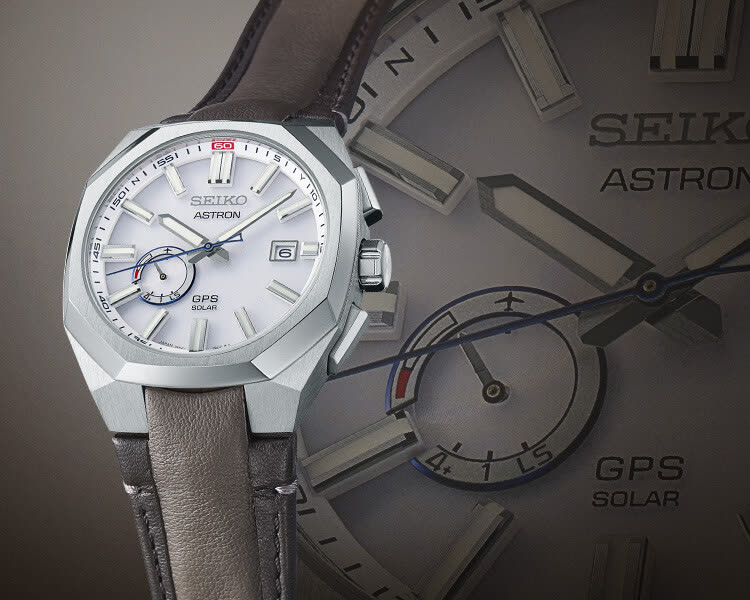
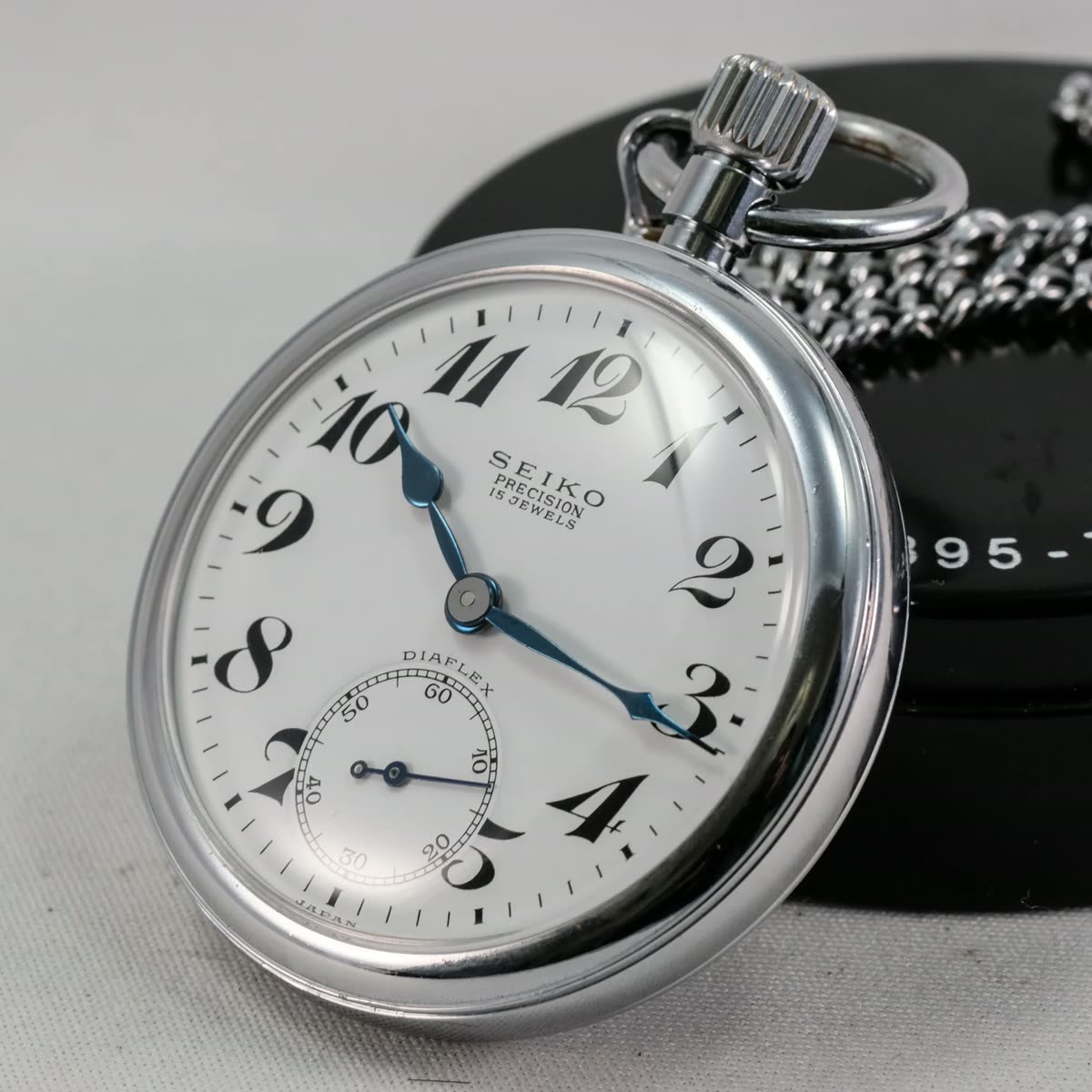
No confidently matched photograph of this subject has been found yet. These photographs show a closely related record, and are not examples of the type described on this page.
Sources & references
- Automatic quartz, Wikipedia (English), retrieved 2026-11-02 (text CC BY-SA 4.0)
- Wikipedia, Automatic quartz (revision cited below)
Where sources disagree, the disagreement is stated rather than resolved silently.