
United States · Planned from c. 1845; factory production from 1850 (Waltham)
Machine-Made Interchangeable Watch Parts (the American System)
Partially verifiedFactory watchmaking with interchangeable parts made reliable watches cheaper and easier to repair, and the American factories it started went on to supply the railroad-watch market.
By around 1845 Aaron Lufkin Dennison had decided to make watches from machine-made interchangeable parts, as Connecticut clockmakers already made clocks. The company he began in 1850 became the Waltham Watch Company, which made about 40 million watches, clocks and instruments before 1957; its nineteenth-century factory buildings in Waltham, Massachusetts are preserved as a historic district.
Background
Aaron Lufkin Dennison was a watchmaker who conceived a plan to manufacture watches using interchangeable parts rather than crafting every watch by hand. Before this, watches in America were typically supplied from England or Switzerland, and watchmaking was generally a handicraft. Dennison sought to apply the principles of mass-produced clocks, which had already moved to a factory basis in the United States, to pocket watch production.
In 1849, Dennison approached clock and scale maker Edward Howard with his plan to manufacture watches. Together with Davis and financial backer Samuel Curtis, they formed a company in 1850 in Roxbury, Massachusetts, to produce watches via this mechanized approach. Dennison traveled to England to purchase supplies and learn manufacturing methods, as the existing watch industry there was not highly mechanized.
Written from the encyclopedia entries listed under Sources; each statement was checked against the cited text.
Later history
- After early production challenges and bankruptcy of the Boston Watch Company in 1857, watch manufacturing continued in Waltham, Massachusetts under Royal E. Robbins.
- The Waltham Watch Company eventually became a major supplier of railroad chronometers after the Civil War.
- In 1876, the company demonstrated automatic screw-making machinery at the Philadelphia Centennial Exposition.
Impact on watchmaking
- American Waltham Watch Company — The company Dennison founded to make watches by machine.
- Aaron Lufkin Dennison — The watchmaker who planned factory production with interchangeable parts.
- Waltham Watch Factory Historic District — The preserved nineteenth-century Waltham factory buildings.
- Waltham Railroad-Grade Movements (Vanguard and related grades) — Railroad grades, the precision market factory production made possible.
How to verify this yourself
Check the cited museum record or maker's archive first; for patented work, confirm the number and date from the specification itself (Espacenet covers most European, US and Japanese patents) rather than from secondary retellings.
Manufacturers known to have used it
- Waltham
- Elgin, Hamilton, Illinois and the other American factories that followed
Related photographs
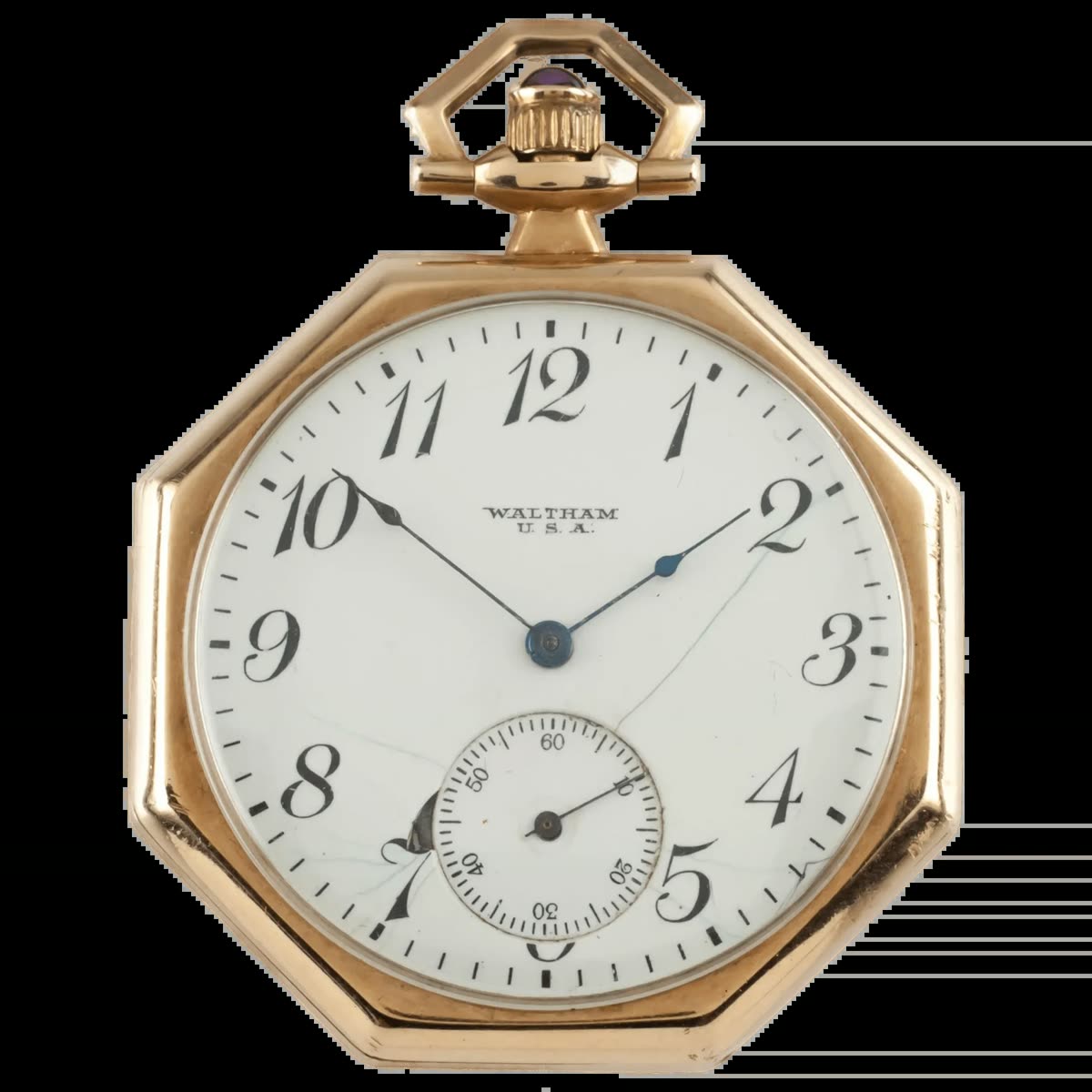
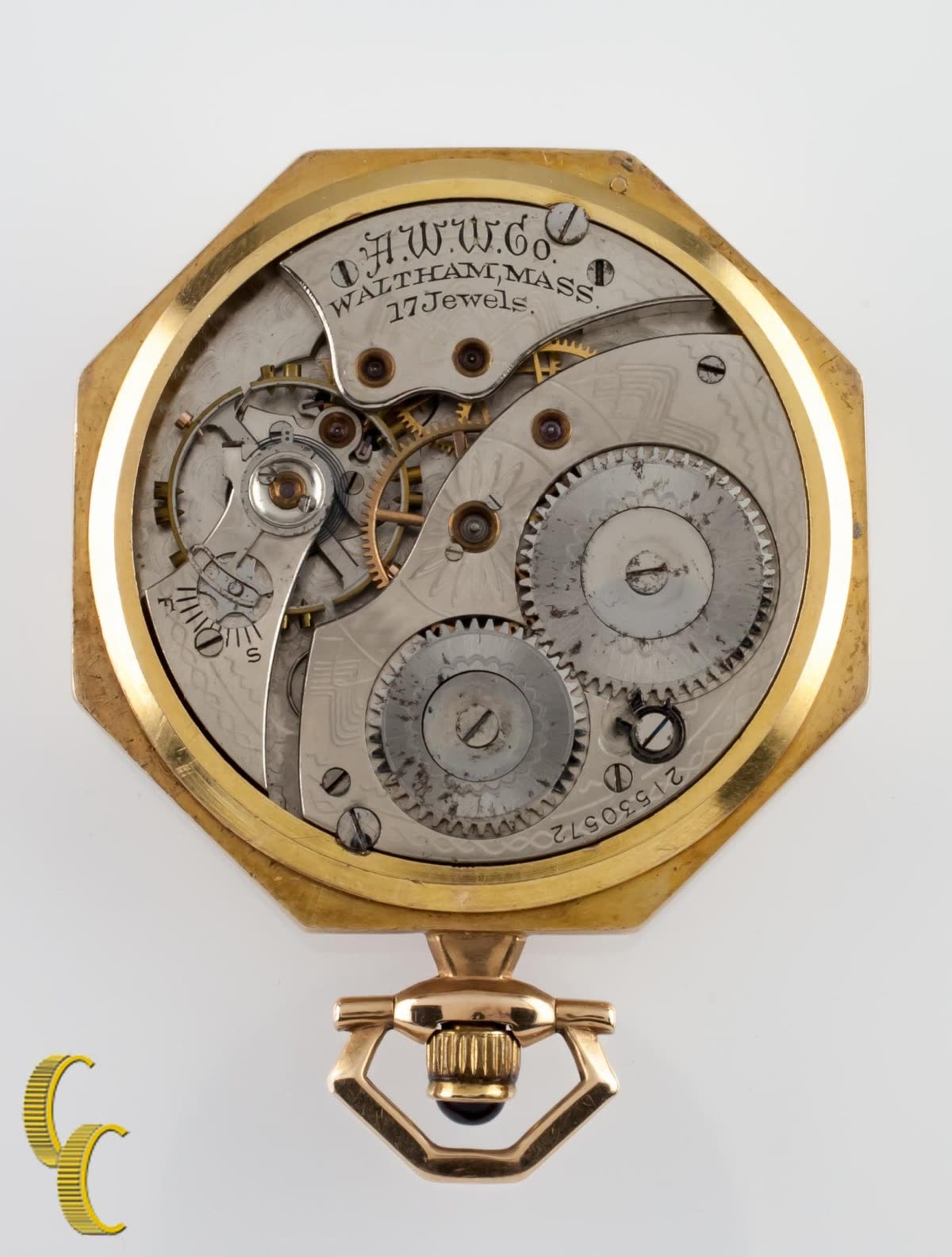
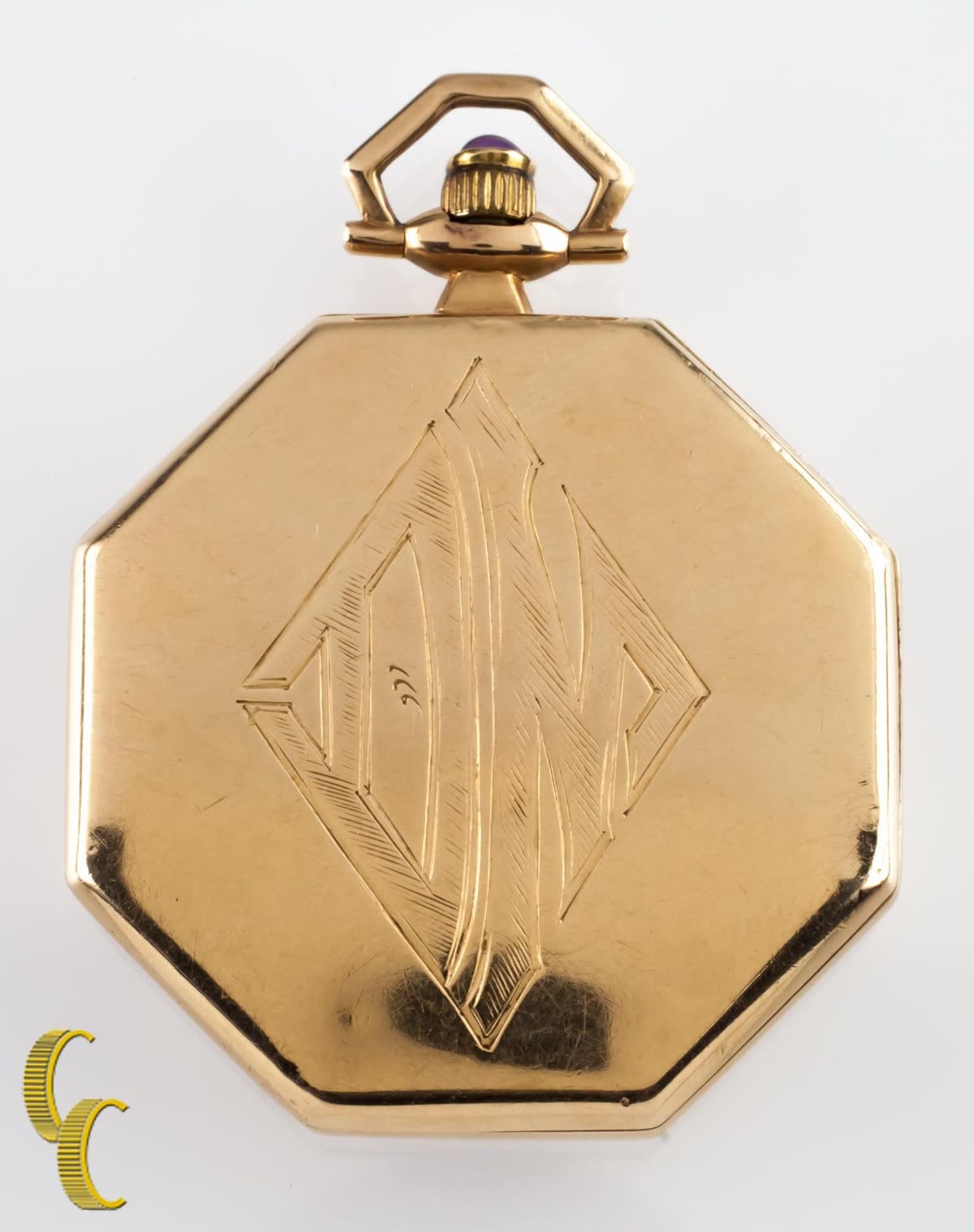
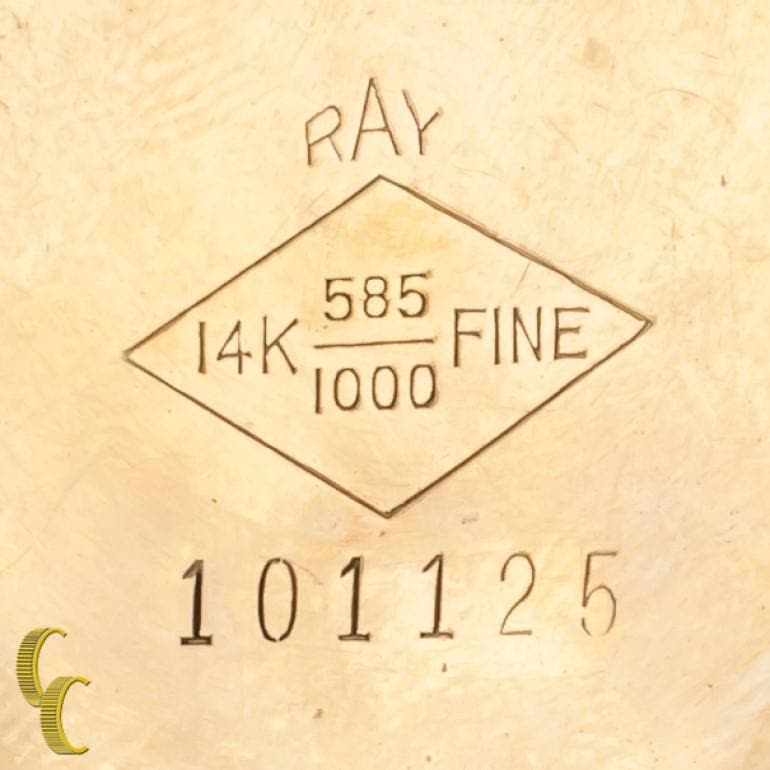
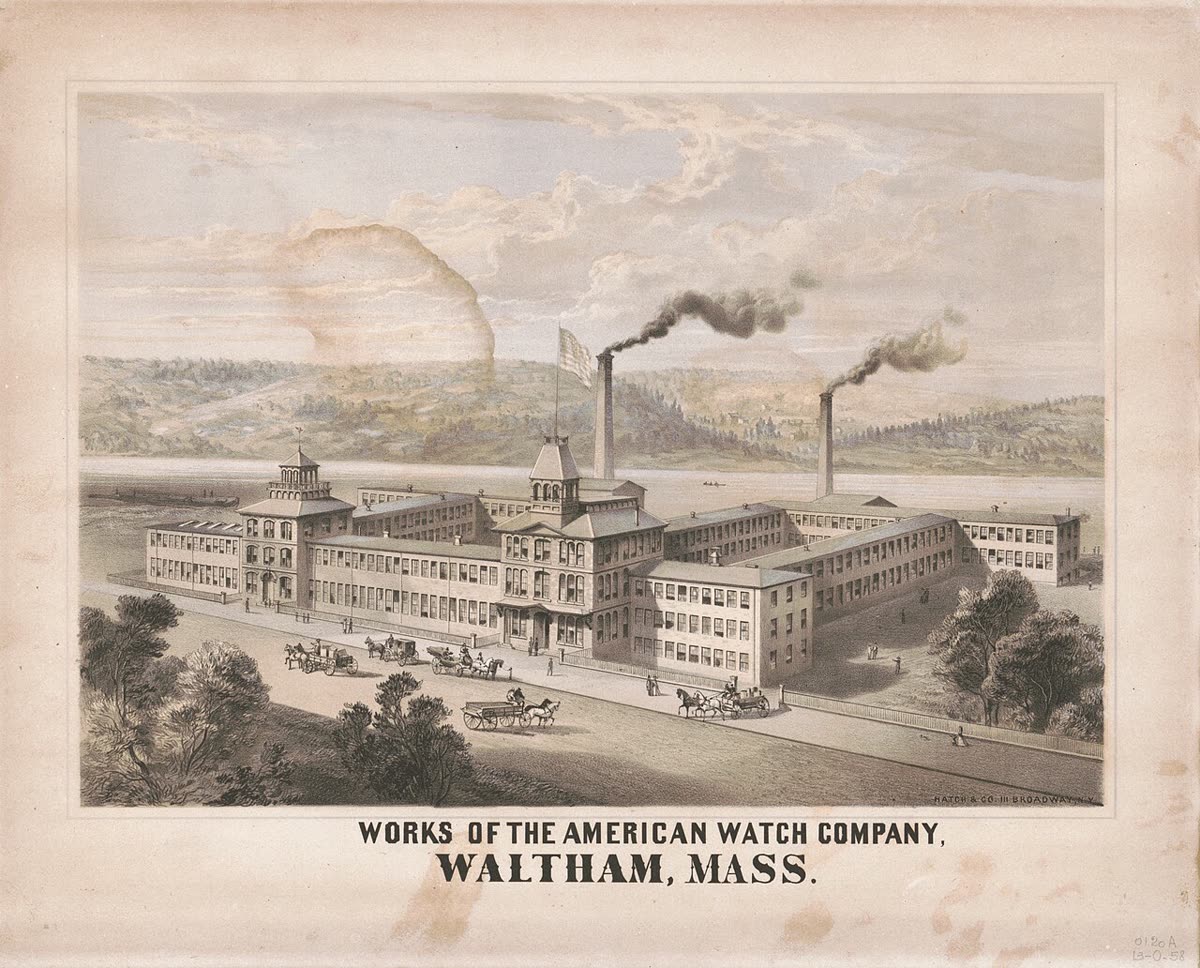
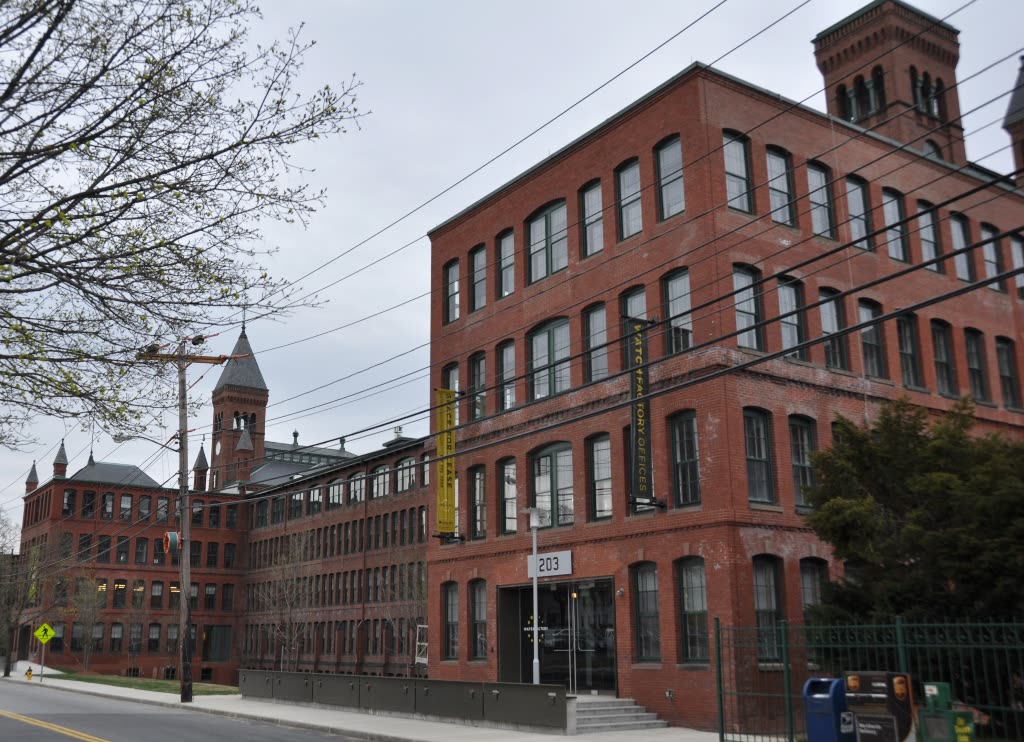
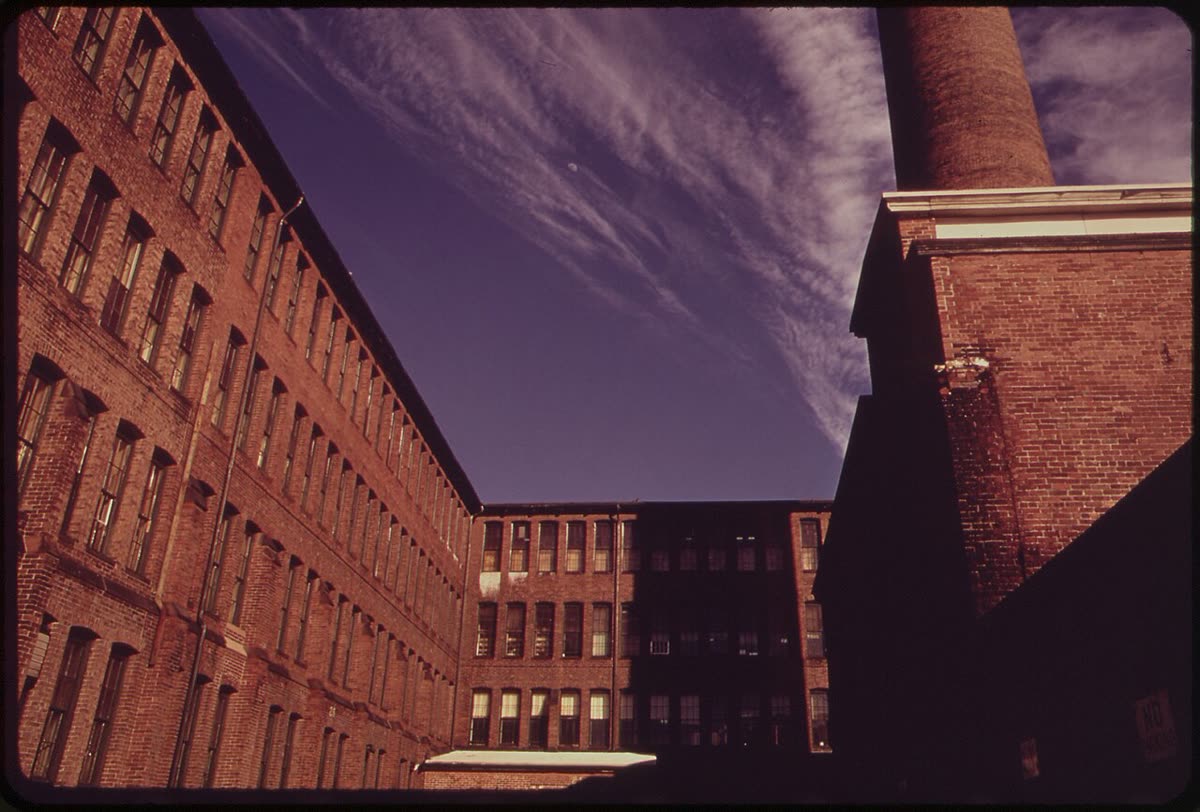
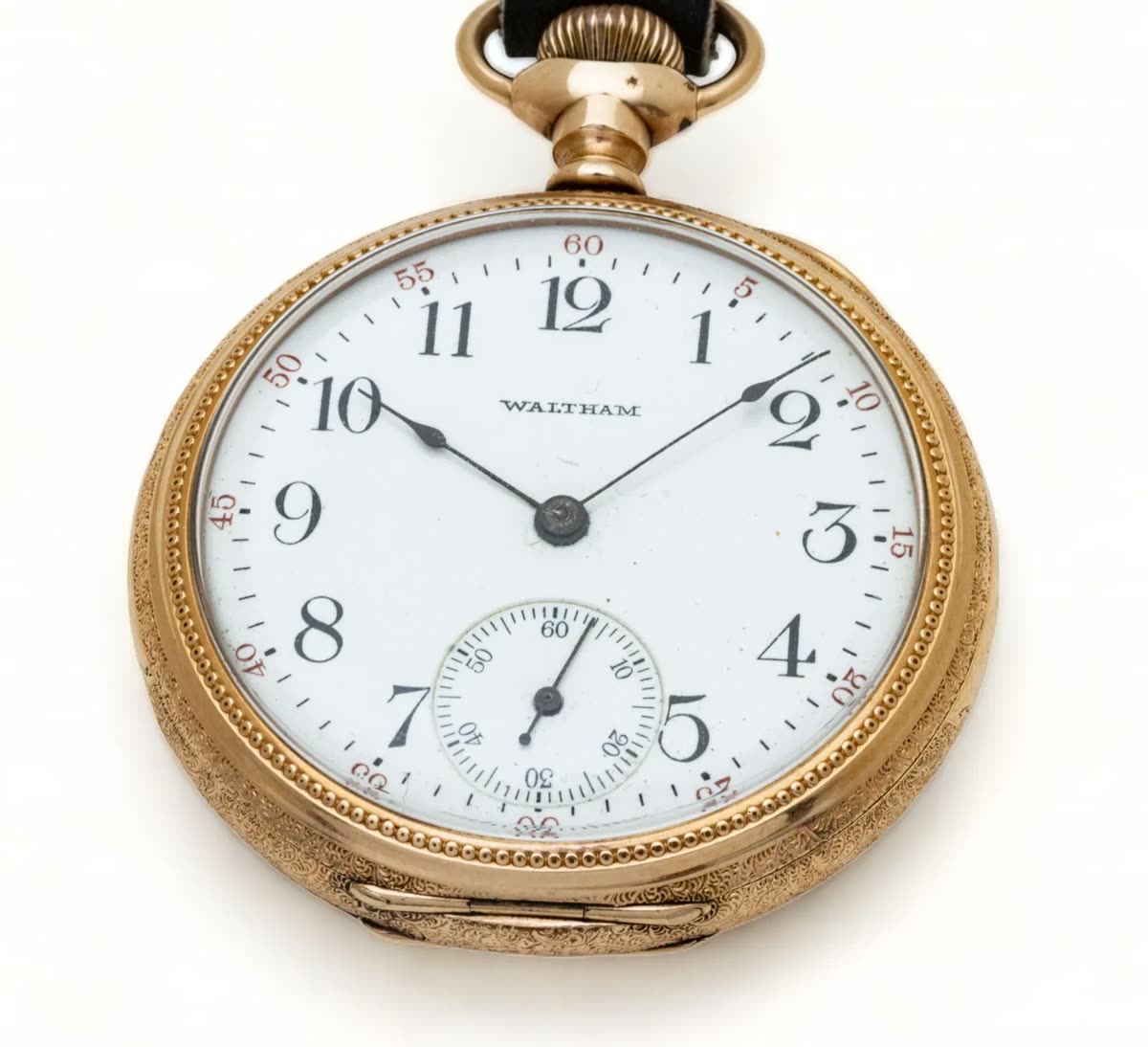
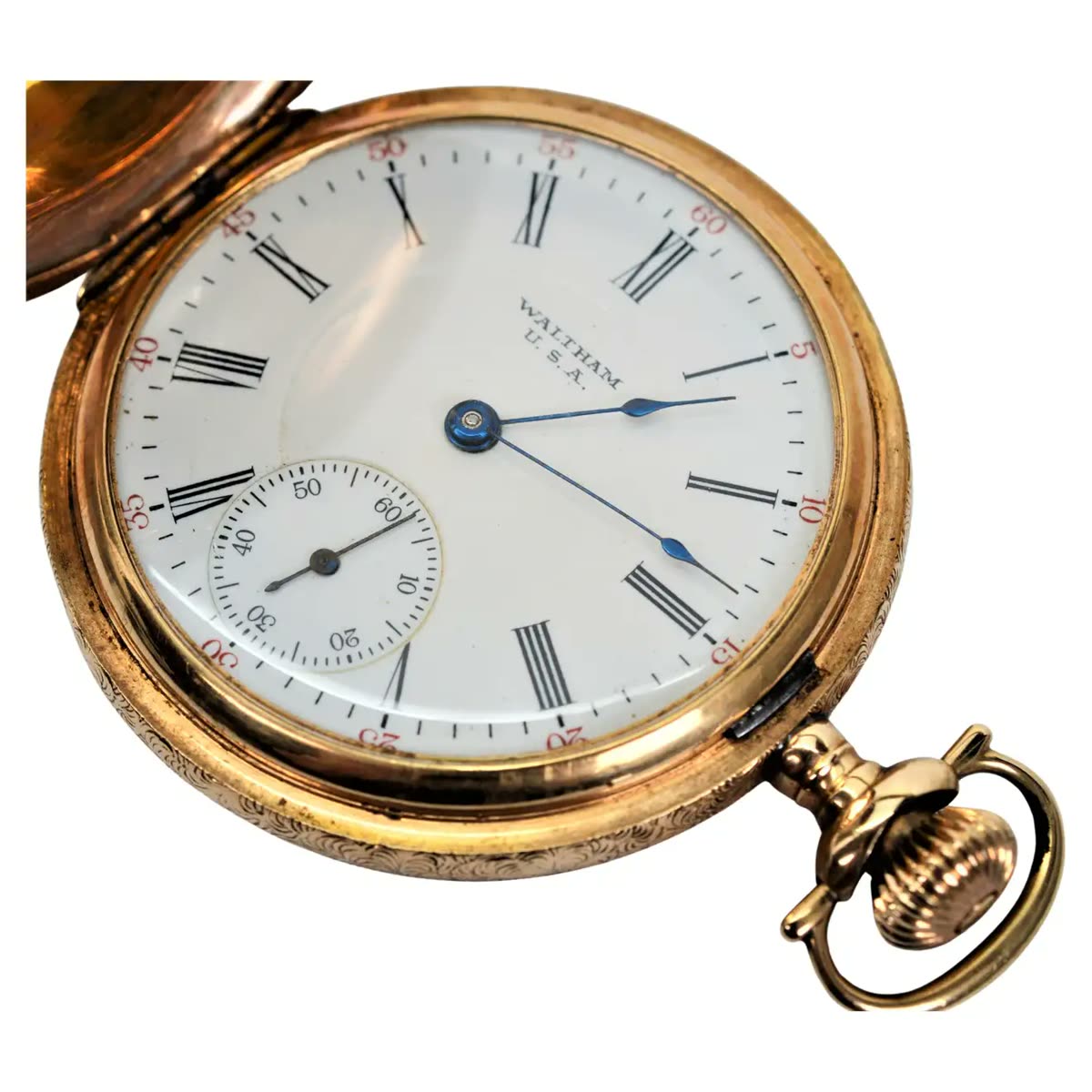
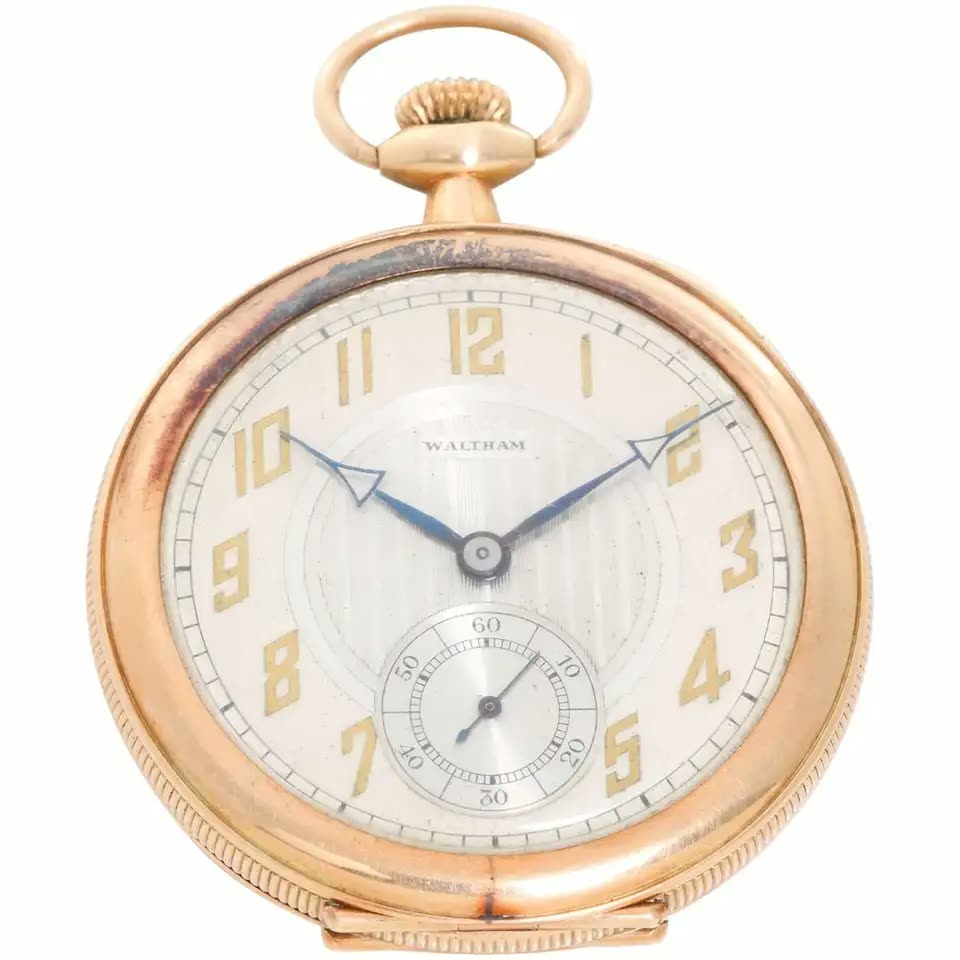
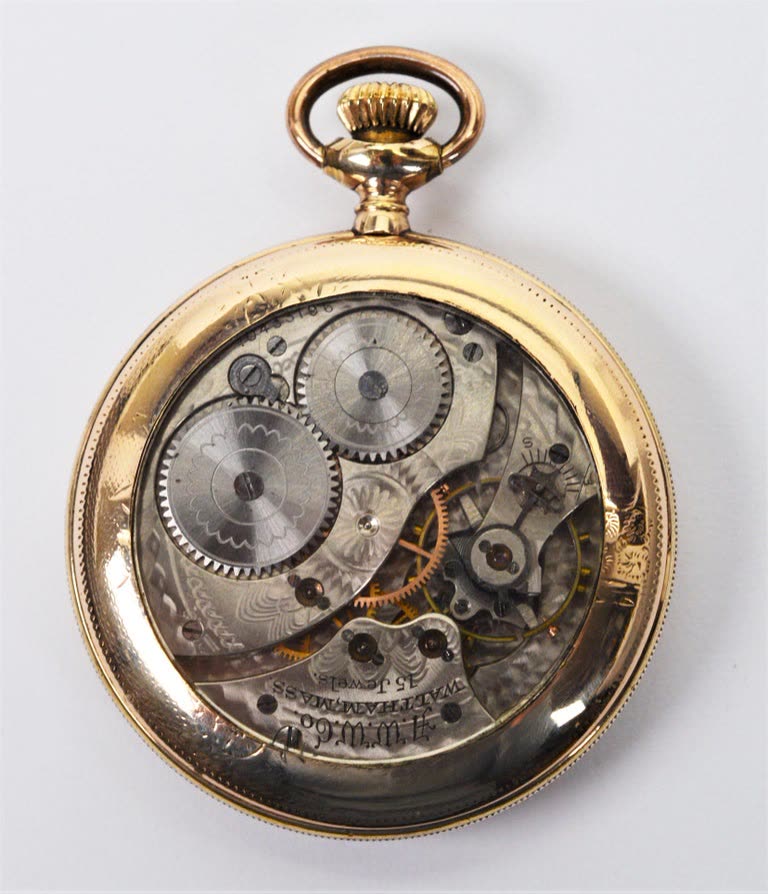
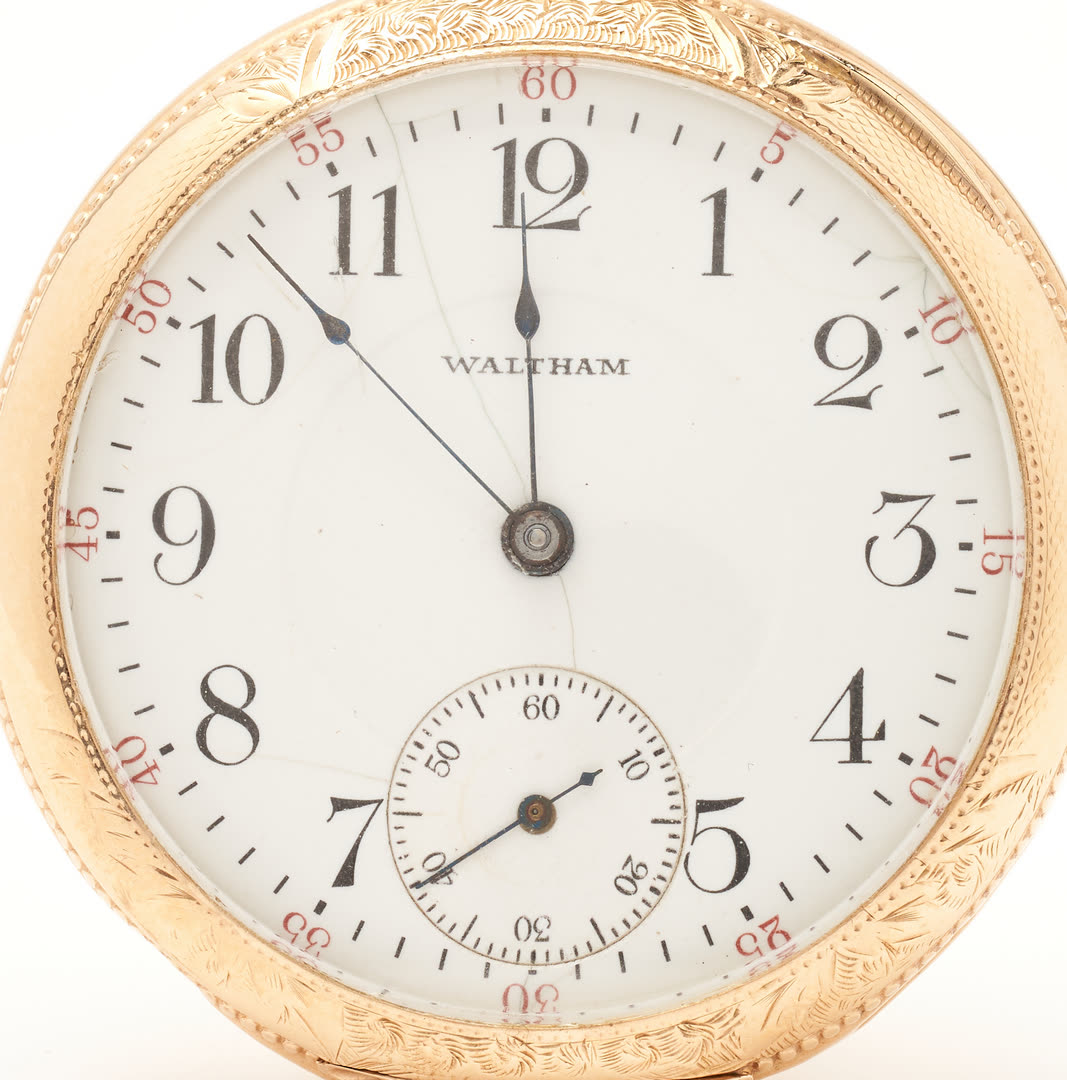
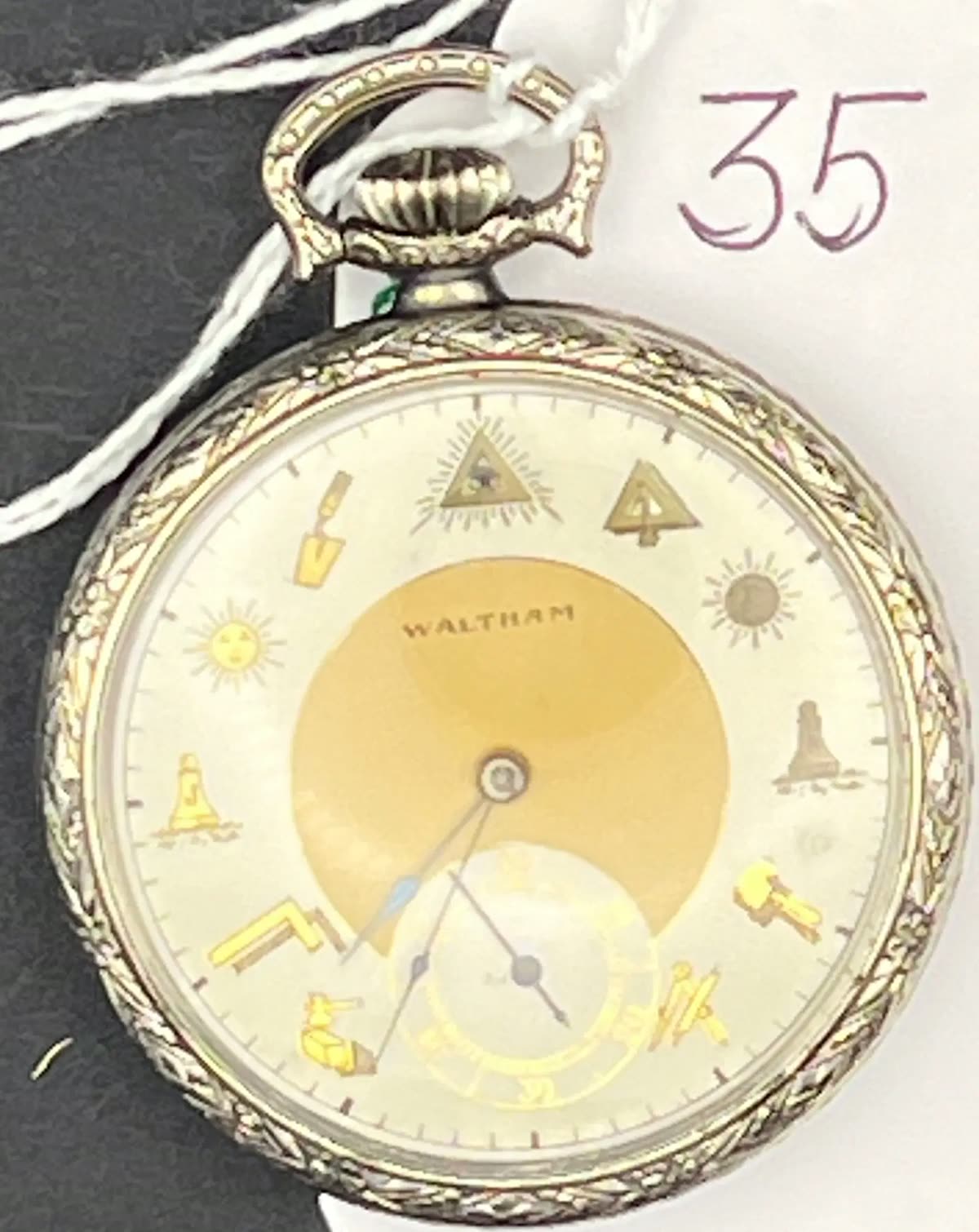
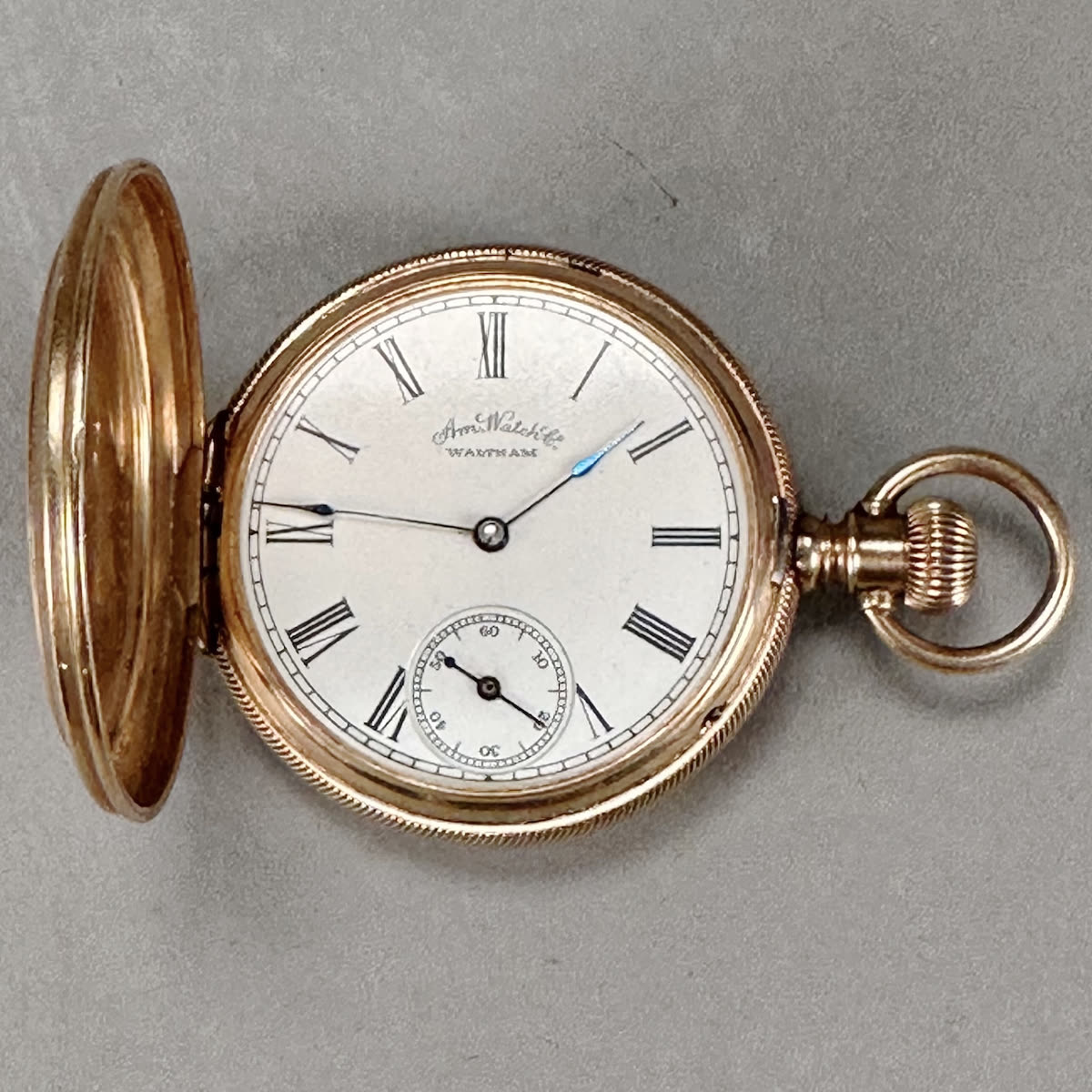
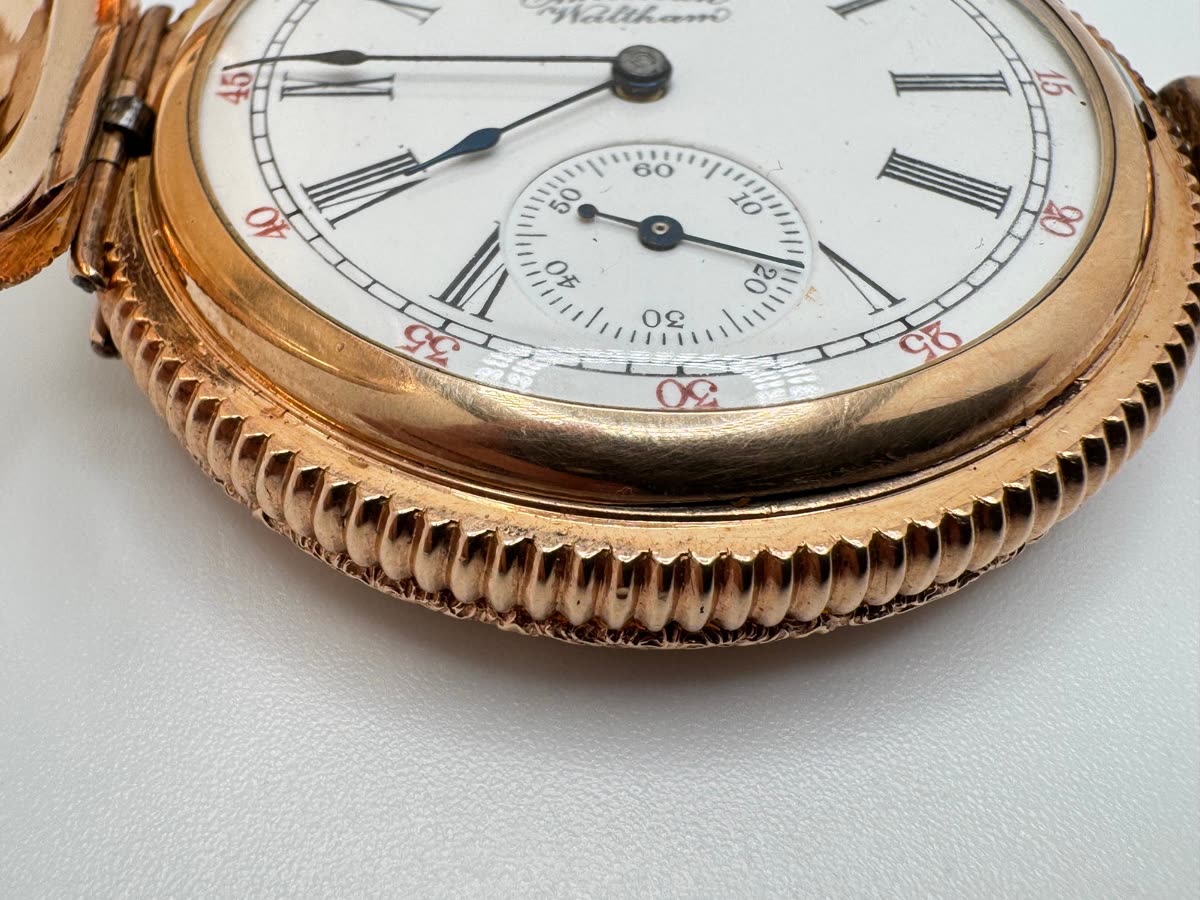
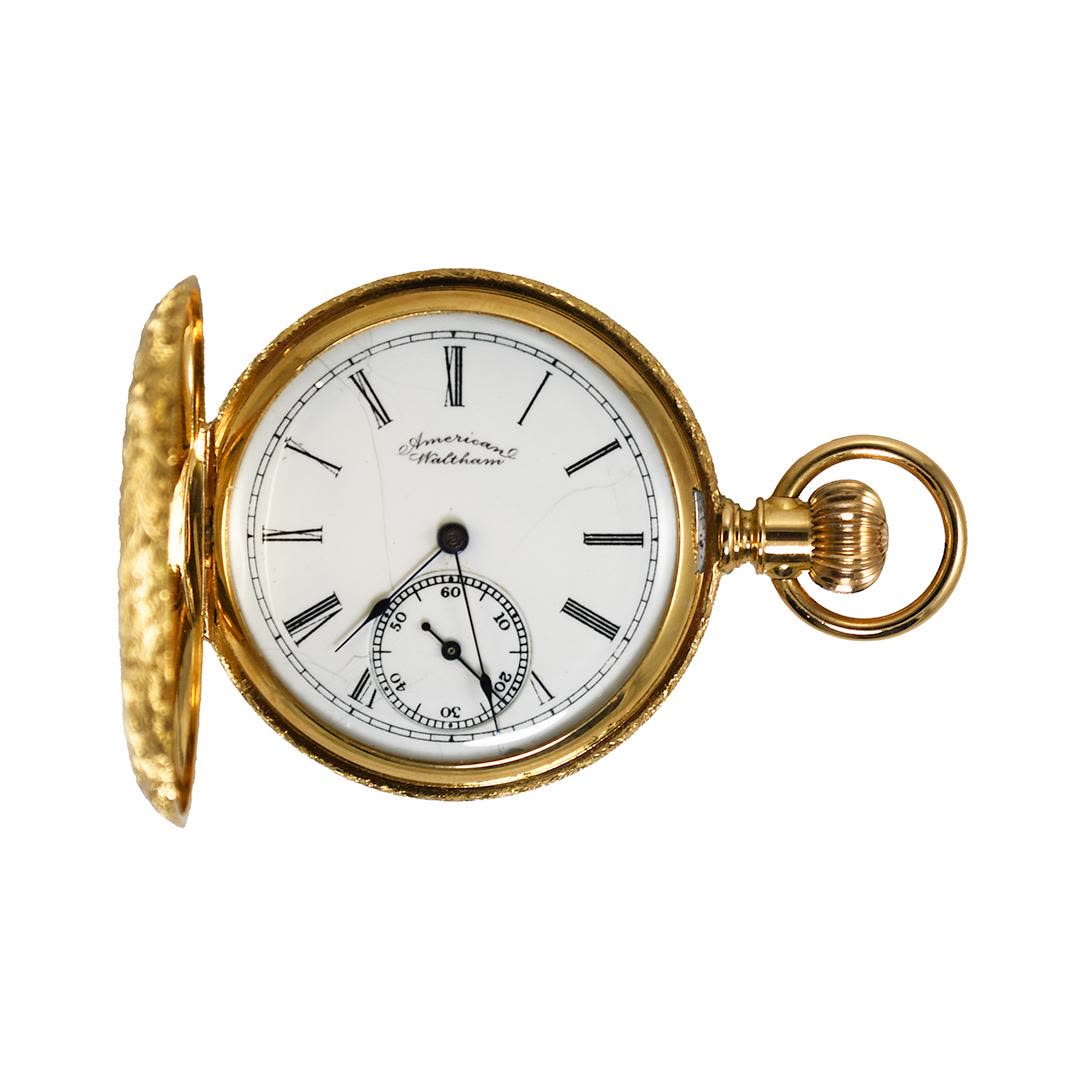
No confidently matched photograph of this subject has been found yet. These photographs show a closely related record, and are not examples of the type described on this page.
Sources & references
- Aaron Lufkin Dennison, Wikipedia (English), retrieved 2026-11-02 (text CC BY-SA 4.0)
- Waltham Watch Company, Wikipedia (English), retrieved 2026-11-02 (text CC BY-SA 4.0)
- Wikipedia, American system of manufacturing; Aaron Lufkin Dennison; Waltham Watch Company (revisions cited below)
Where sources disagree, the disagreement is stated rather than resolved silently.