
Marine timekeeper (copy of H4) · England
Kendall K1
VerifiedCommissioned by the Board of Longitude as a copy of H4; carried by James Cook on his second and third voyages, and praised by him.
Technical facts
- Basis
- Harrison H4 design
Historical significance
- Commissioned by the Board of Longitude as a copy of H4; carried by James Cook on his second and third voyages, and praised by him.
Background
Larcum Kendall constructed the K1 chronometer as an accurate copy of John Harrison's H4 design following a request from the Board of Longitude. The instrument was officially presented to the Board of Longitude in January 1770. James Cook carried the chronometer on his second South Seas voyage aboard the Resolution, where it was used by William Wales to calculate longitude.
Cook reported that the watch exceeded the expectations of its most zealous advocate and relied upon it for the second and third voyages. It proved to the scientific establishment that the success of Harrison's H4 was not merely a coincidence.
Written from the encyclopedia entries listed under Sources; each statement was checked against the cited text.
Construction and mechanism
- The K1 chronometer was built with a diameter of 13 centimetres and weighed 1.45 kilograms.
Later history
- The watch was taken on the First Fleet to Australia in 1787 and later returned to England in 1792.
- Following service with Admiral Sir John Jervis, it was retired to the Royal Observatory at Greenwich in 1802.
Photographs
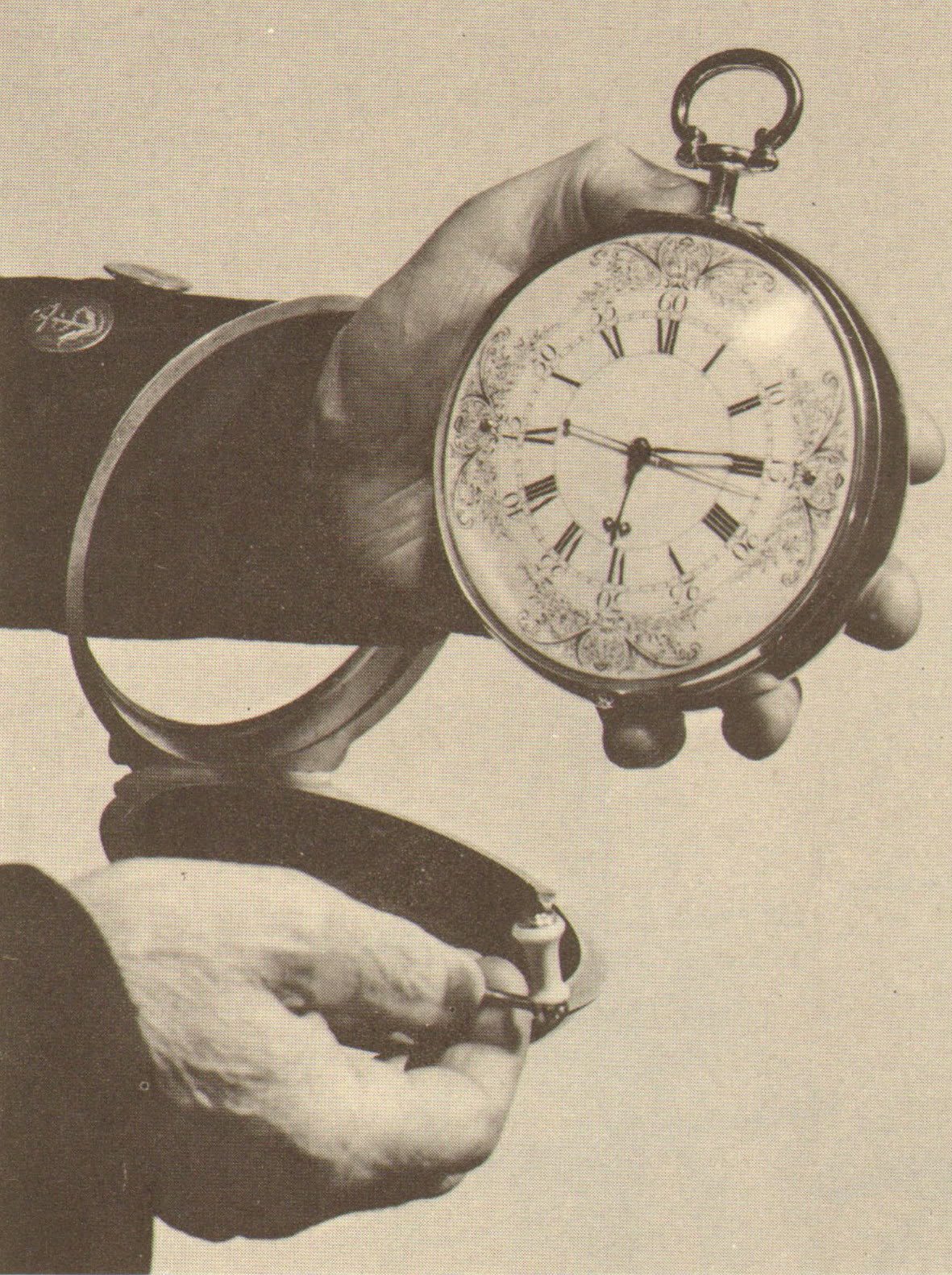
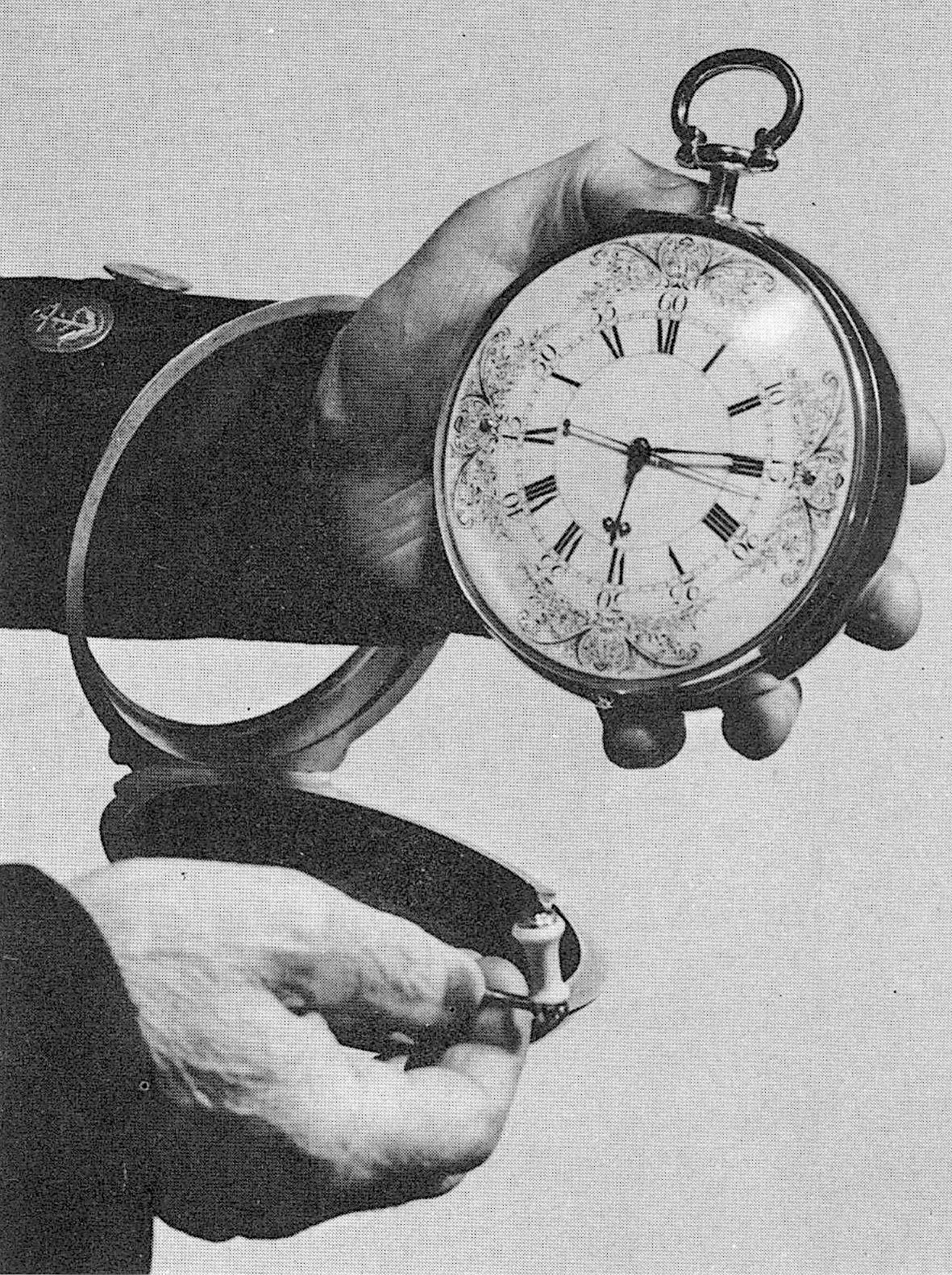
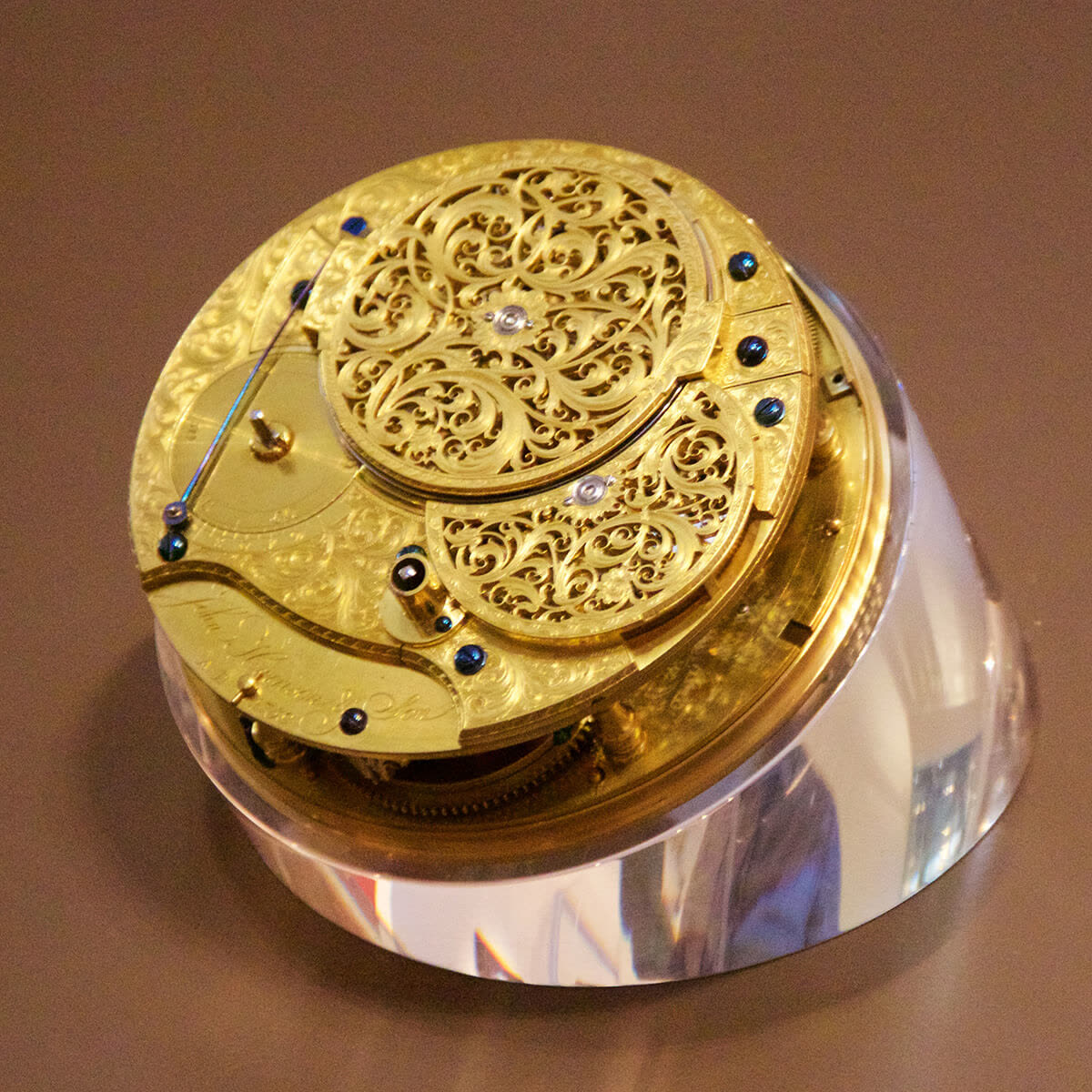
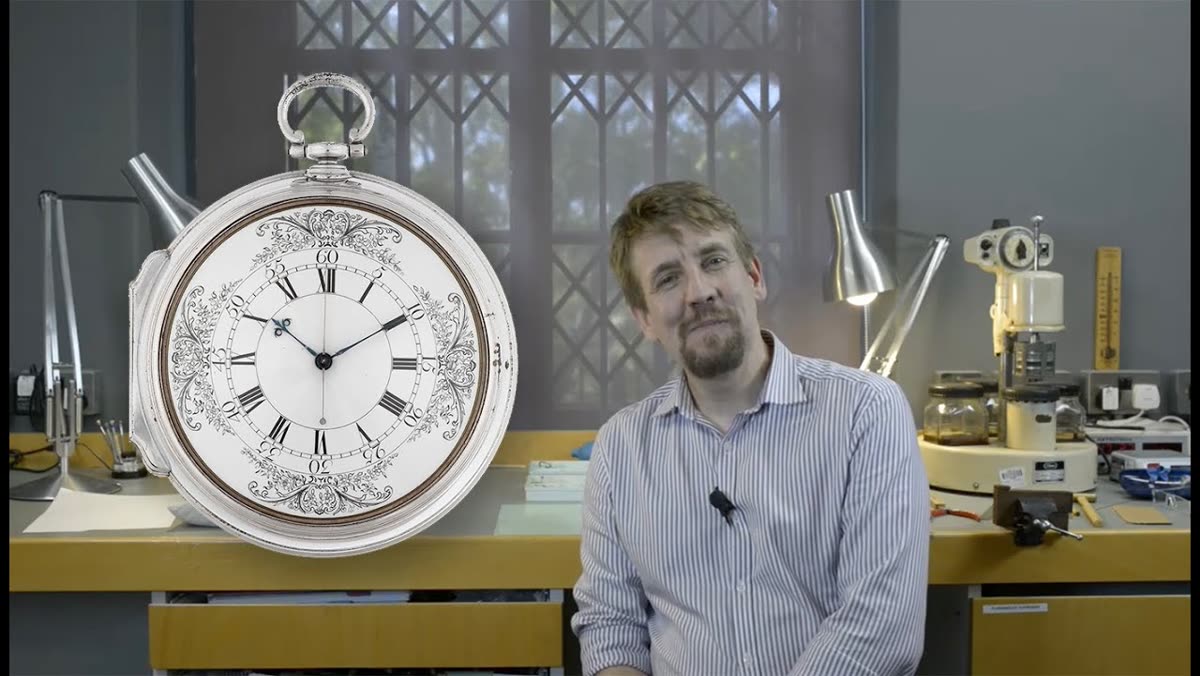
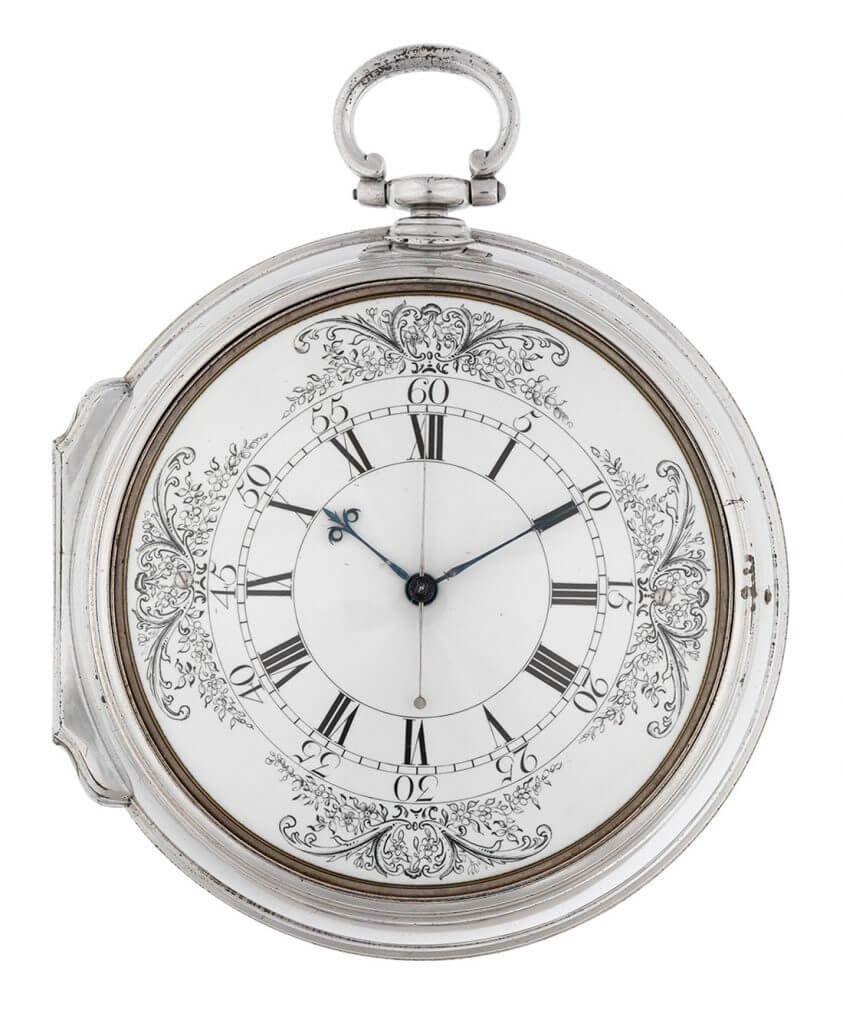
Photographs are illustrative examples of the type, not necessarily the exact object described. Verify details against the source file page.
Sources & references
- Larcum Kendall, Wikipedia (English), retrieved 2026-10-28 (text CC BY-SA 4.0)
- Second voyage of James Cook, Wikipedia (English), retrieved 2026-10-28 (text CC BY-SA 4.0)
- Royal Museums Greenwich catalogue notes
- Sobel, D. & Andrewes, W., The Illustrated Longitude
Where sources disagree, the disagreement is stated rather than resolved silently.