
London, United Kingdom
Synchronome Company
Partially verifiedElectric master clocks
History
Frank Hope-Jones's company; with W. H. Shortt it produced the Shortt-Synchronome free-pendulum clock.
The Synchronome Company, Ltd., was established in London and famously produced the Shortt-Synchronome free pendulum clock. These clocks represented the highest standard for timekeeping between the 1920s and the 1940s before being superseded by quartz technology. Approximately 100 of these precision units were manufactured by the company between 1922 and 1956.
The extended history summarises the open references listed under Sources; each statement was checked against the cited passage. Confirm key dates in period documents before relying on them.
Timeline
Synchronome Company's recorded dates, dated events from this profile and its sources, and dated pieces and sales from the object catalogue. Dates are as each record gives them.
1897 · Career
Founded (London)
1922 · Career
Approximately 100 of these precision units were manufactured by the company between 1922 and 1956.
Key models
- Shortt–Synchronome free pendulum clock
- Invented in 1921 by William Hamilton Shortt and Frank Hope-Jones, the Shortt–Synchronome was a highly accurate electromechanical pendulum clock produced by the Synchronome Company.
Major innovations
- The company manufactured the Shortt-Synchronome free pendulum clock, which utilized a primary pendulum in a vacuum tank synchronized to a secondary pendulum.
Known markings
- 'Synchronome'
- The company utilized the 'Synchronome' name on its products.
Serial numbers
This archive holds no verified serial-number table for this maker. Do not date a piece from its serial number alone; use case hallmarks, movement design and documented comparison examples.
Collecting significance
Originality of dial, hands, case and movement is the main consideration. Check that the movement belongs to the case and that the dial has not been refinished.
In the object catalogue
2 catalogued objects are recorded under Synchronome Company. Attributions are as given by each source and are not independent authentication.
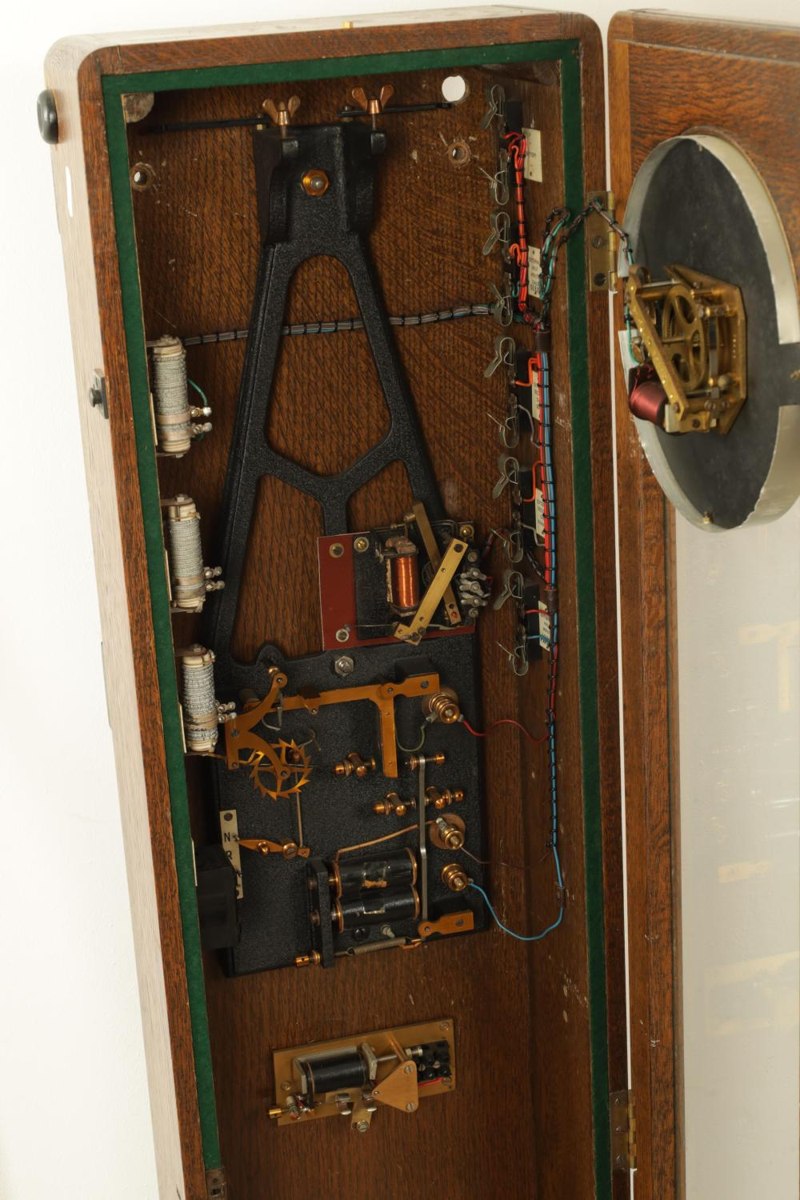
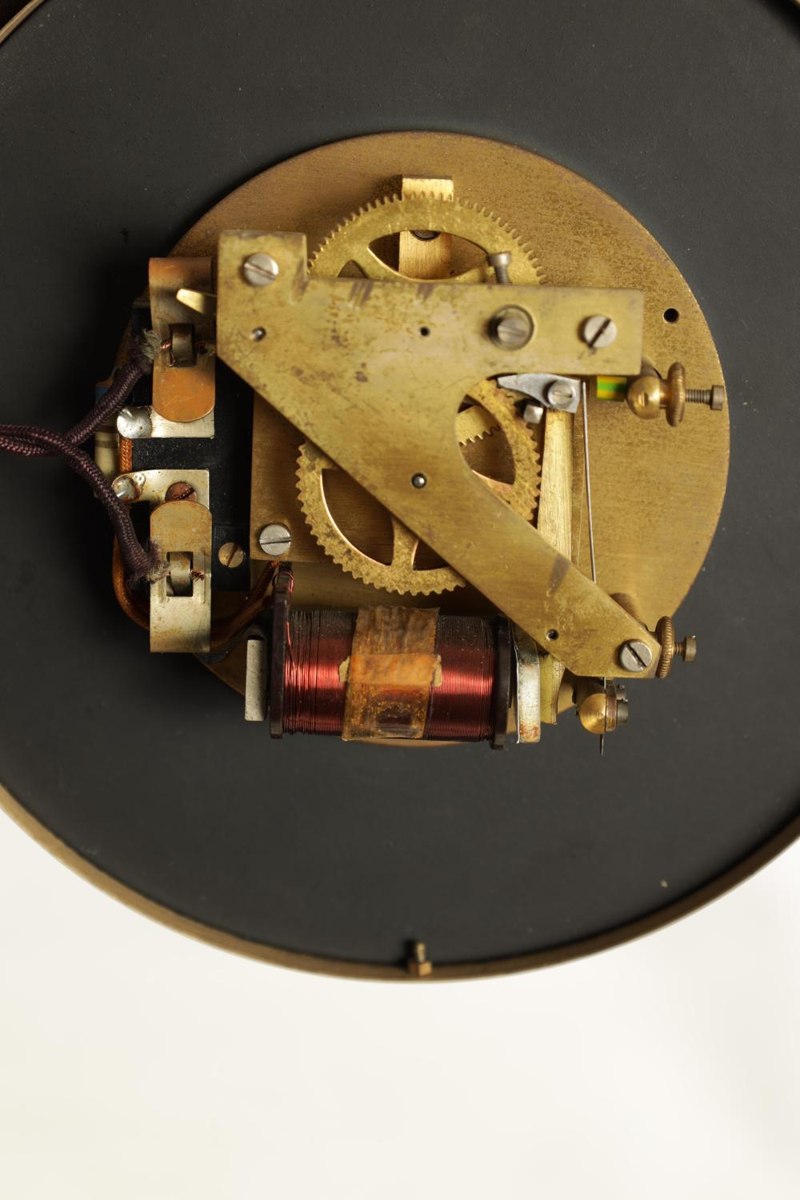
- Synchronome Electric Master ClockElectric clock · Early 20th century
- Synchronome Master Clock with Seconds Pilot DialRegulator
Provenance
Where the 2 catalogued pieces by Synchronome Company were recorded, with the collectors, owners and sales their records name.
Provenance map
Each piece is linked to the museum, auction house or dealer whose record it comes from, and to any other house or collection its own provenance names. Select a name to see its pieces.
Auction houses · 2 pieces
Invaluable (auction platform)
Auction house · 2 pieces
Synchronome Electric Master ClockElectric clock · Early 20th century · Record source
Invaluable (auction platform): lot 1216
Synchronome Master Clock with Seconds Pilot DialRegulator · Record source
Invaluable (auction platform): lot 2
Auction history
| House | Sale & lot | Object |
|---|---|---|
| Invaluable (auction platform) | lot 1216 | Synchronome Electric Master Clock |
| Invaluable (auction platform) | lot 2 | Synchronome Master Clock with Seconds Pilot Dial |
Each line is copied from the object's source record and is not independently verified. Holders are as recorded when the piece was catalogued: museum objects may not be on display, and sold lots have since changed hands.
Photographs
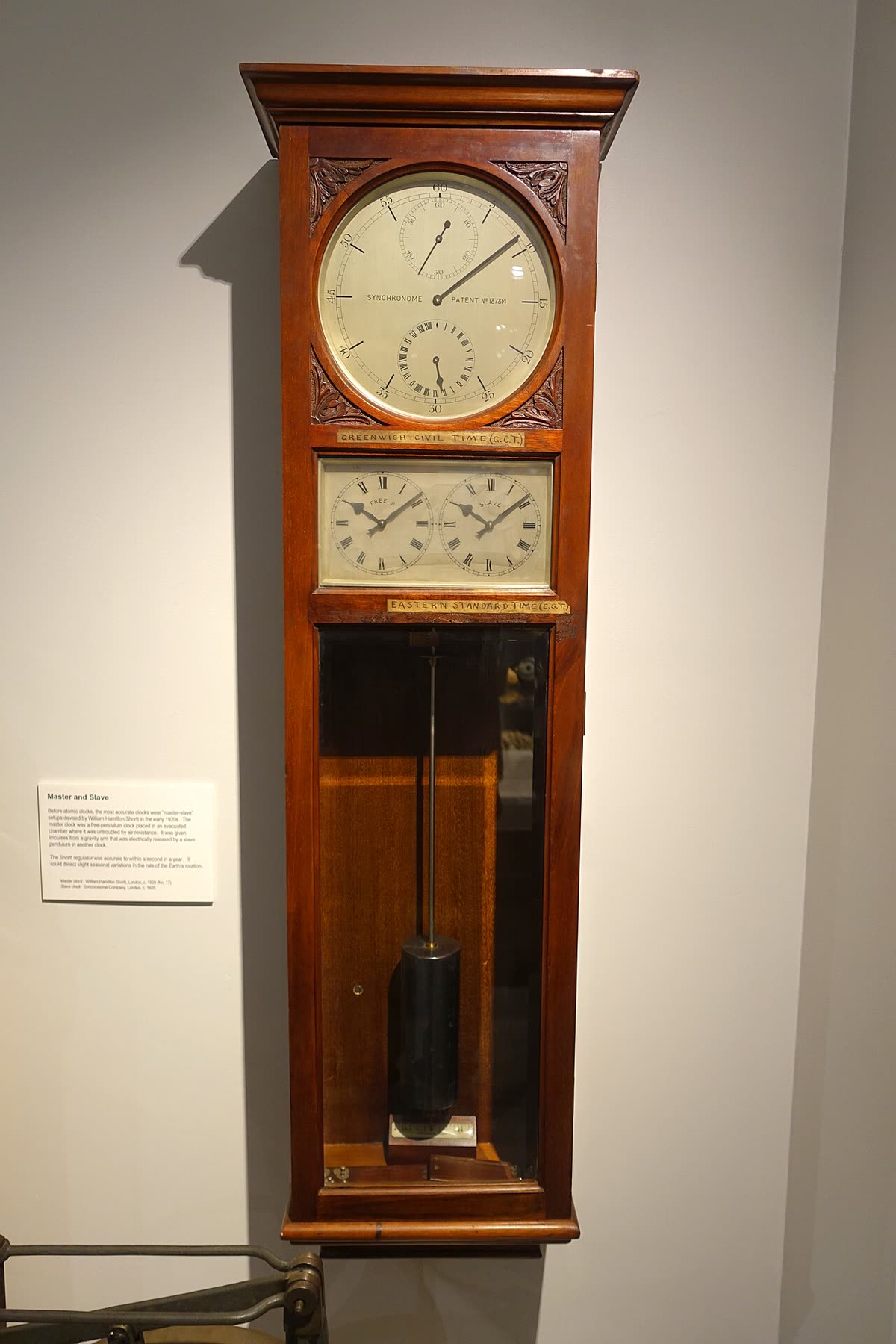
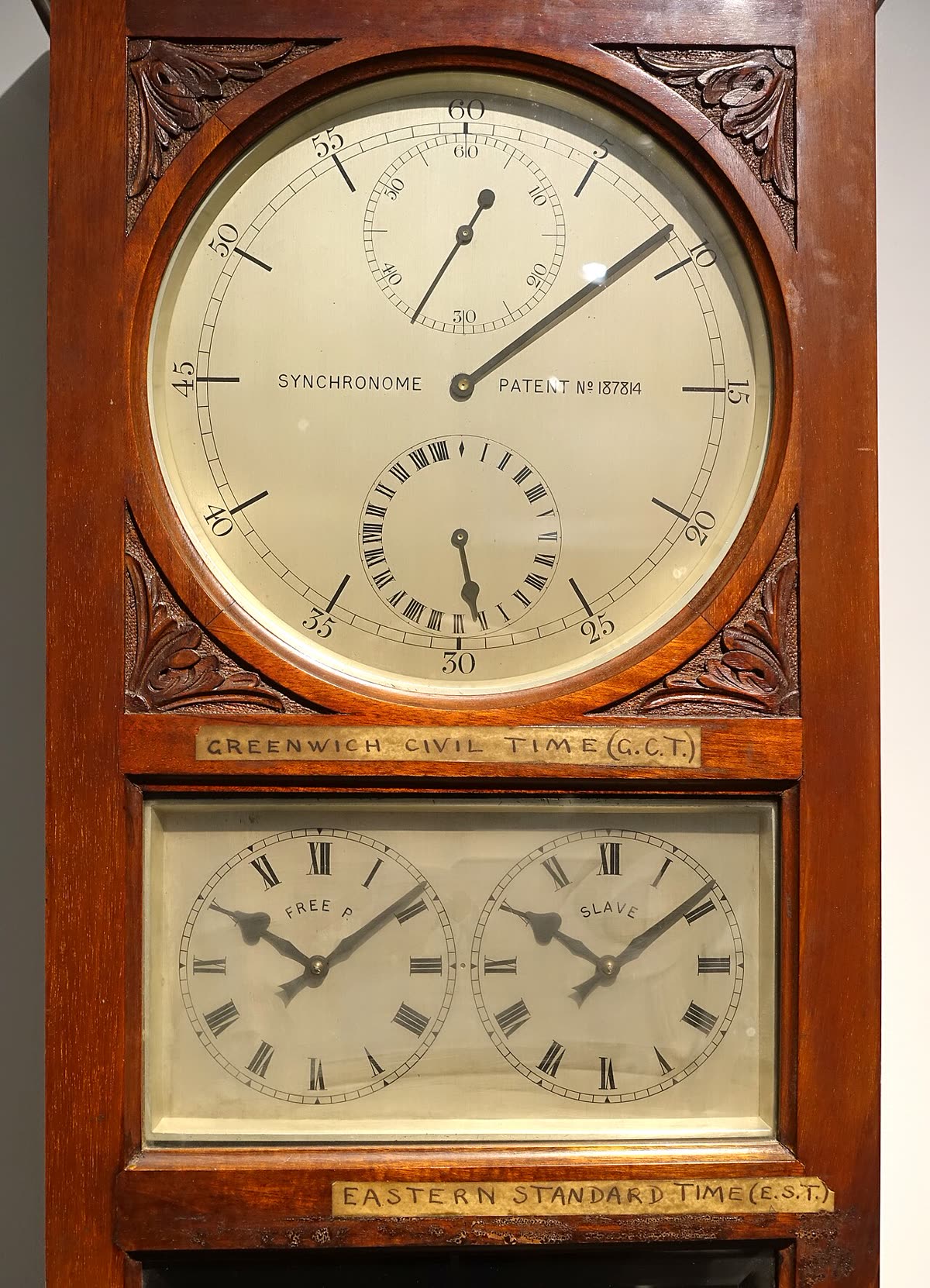
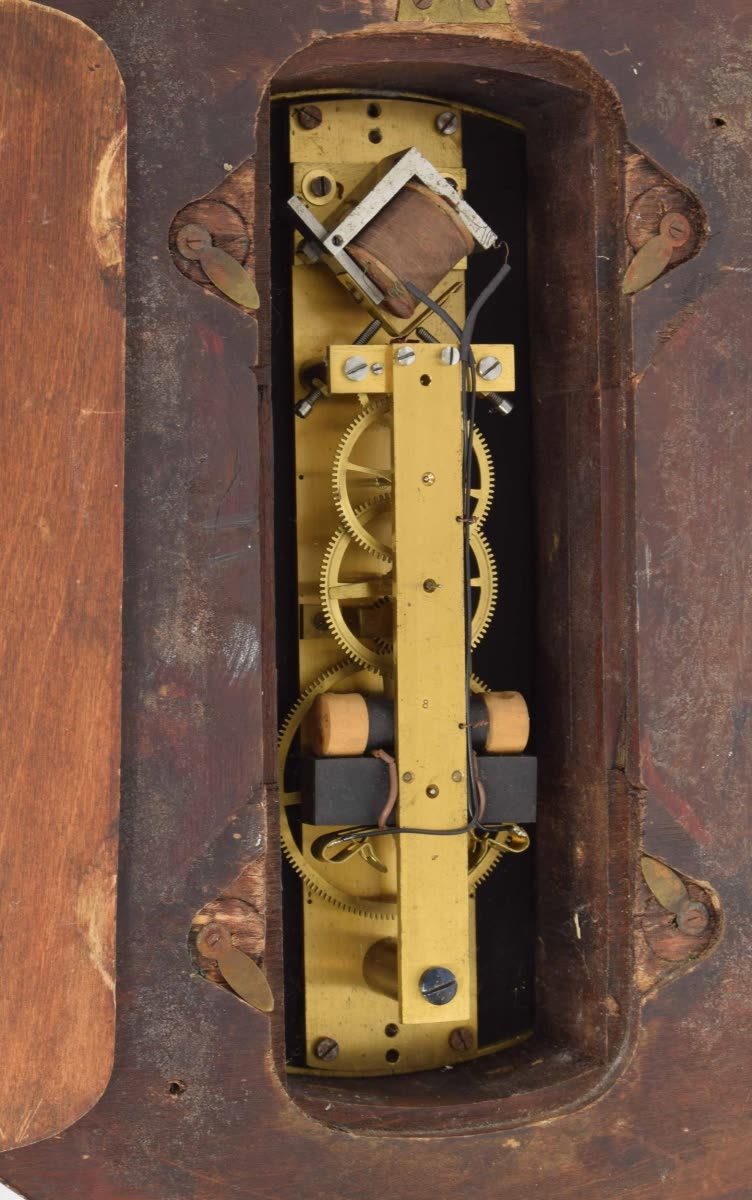
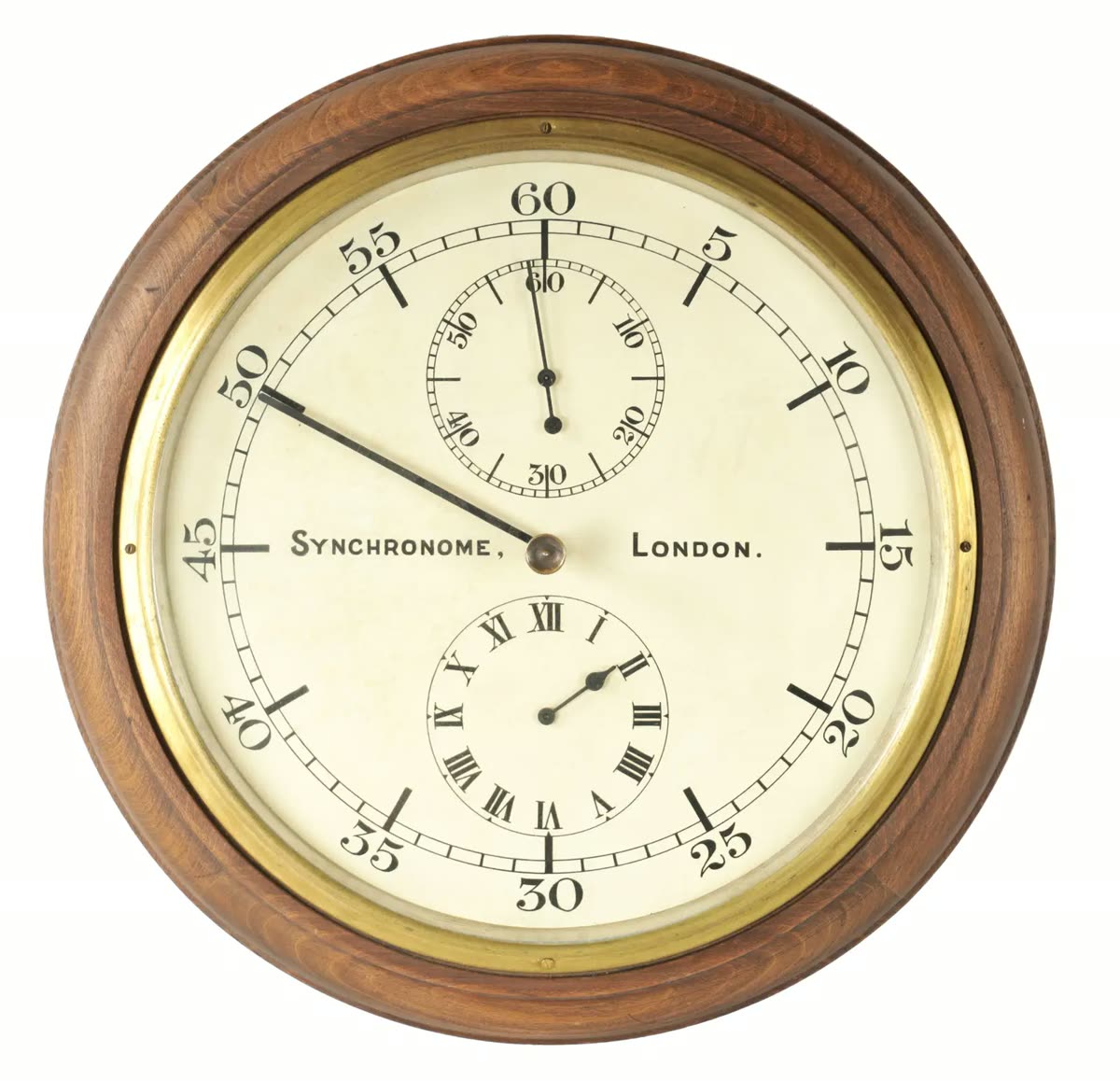
Photographs are illustrative examples of the type, not necessarily the exact object described. Verify details against the source file page.
Sources & references
- Shortt–Synchronome clock, Wikipedia (English), retrieved 2026-10-27 (text CC BY-SA 4.0)
- Brian Loomes, Watchmakers and Clockmakers of the World
- Mikrolisk trademark and maker index
Where sources disagree, the disagreement is stated rather than resolved silently.