
Component record · Keyless work
Date Jumper
Partially verifiedThe sprung lever that drops between the teeth of the date ring to position it exactly and hold it there between changes.
What it does
Centres each numeral in the date aperture and prevents the ring from drifting or being moved by shocks.
How it works
Each night the calendar finger pushes the date ring forward. As the ring turns, the jumper's beak rides up over a tooth and then snaps down into the next space, completing the change and locking the ring.
In instantaneous calendars the energy for the change is stored in a spring over several hours and released at midnight, with the jumper locating the ring at the end of the jump.
The jumper's strength is a balance: too weak and the date sits between numerals, too strong and the calendar finger loads the movement heavily during the change.
Evolution
Calendar work evolved from slow-changing dates to semi-instantaneous and instantaneous changes, each needing a precisely shaped jumper.
Known variations
- Jumper with separate spring
- One-piece spring jumper
- Jumpers for day, date and month rings in multi-indication calendars
Identification for collectors
- A date that changes slowly or sits between positions points to jumper or spring problems
Common failure modes
- Broken jumper spring
- Worn jumper tip
- Jumper lost or misplaced during dial removal
Photographs
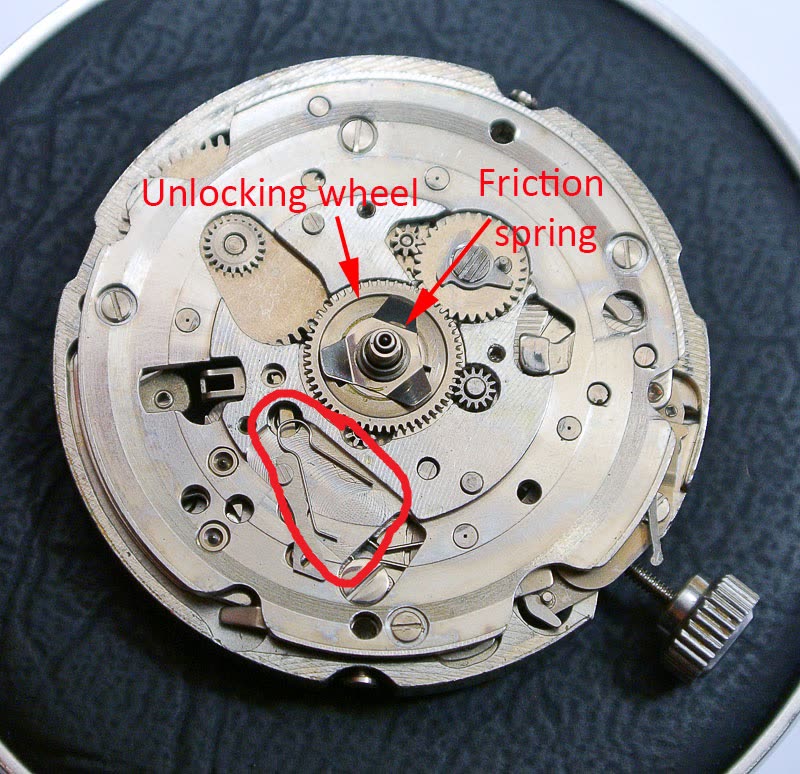
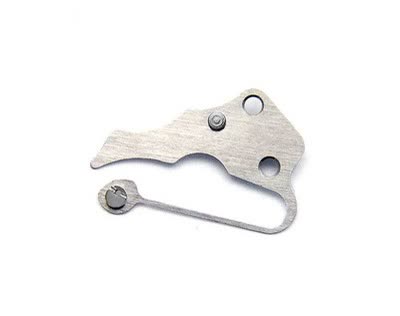
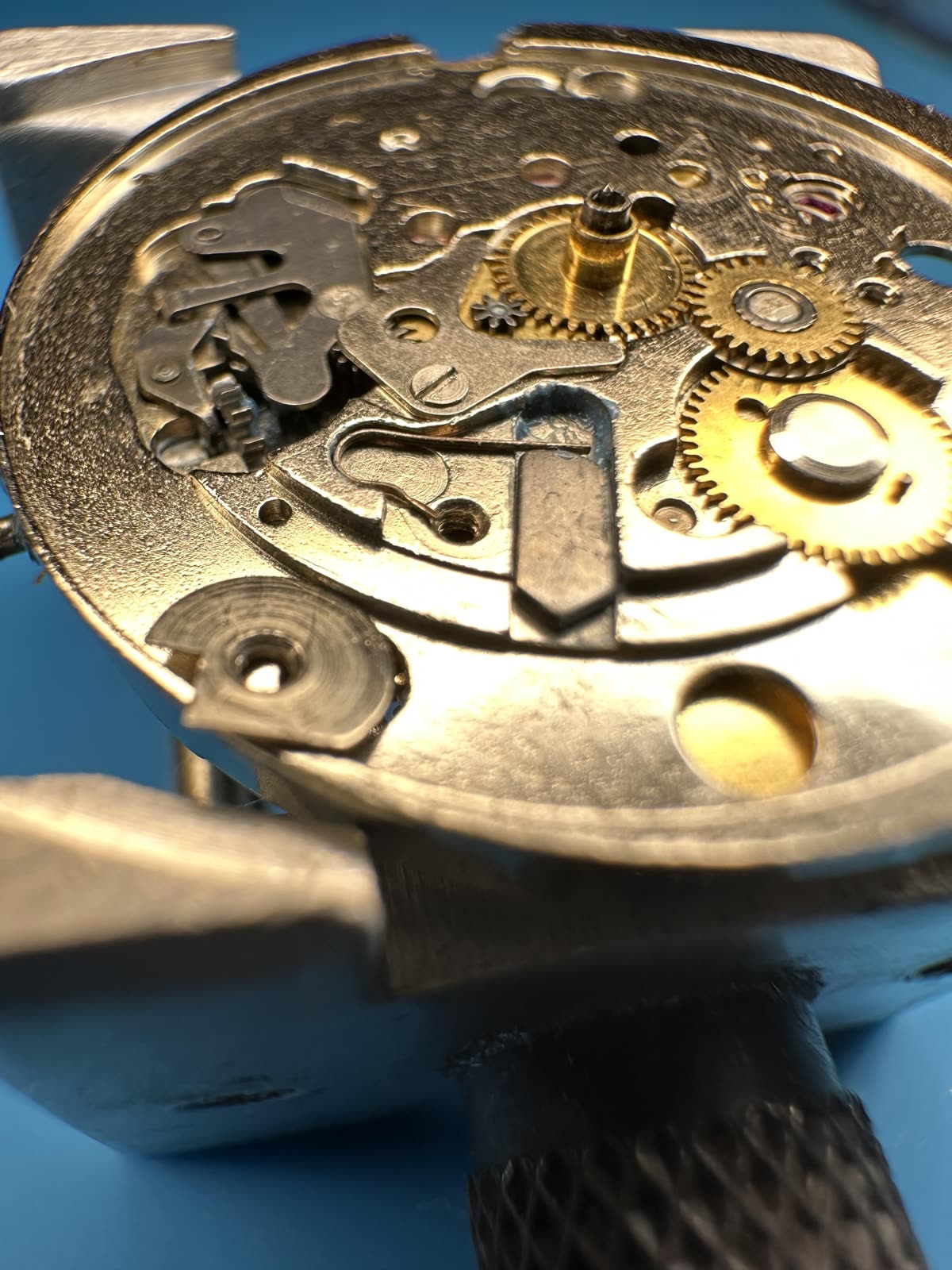
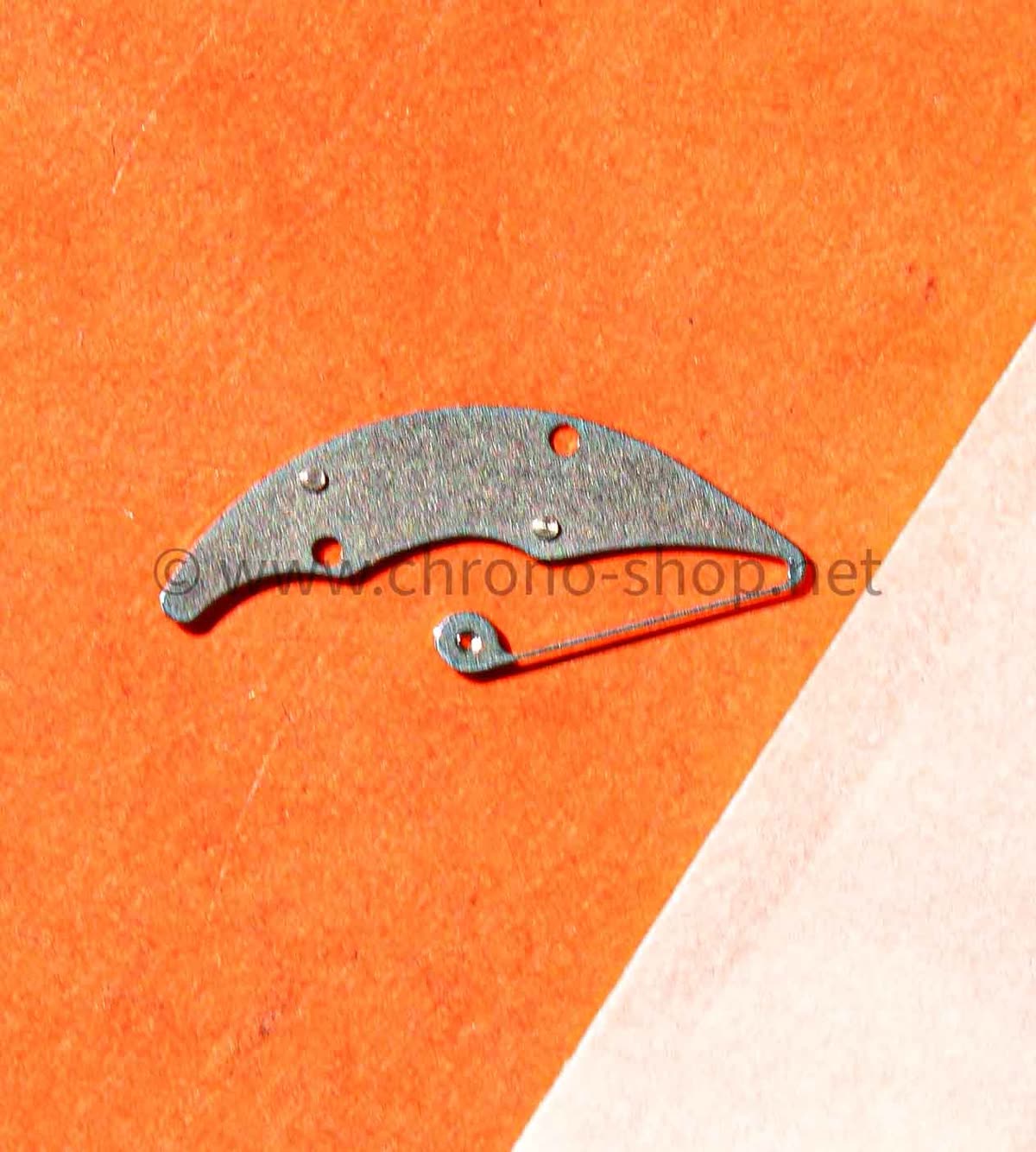
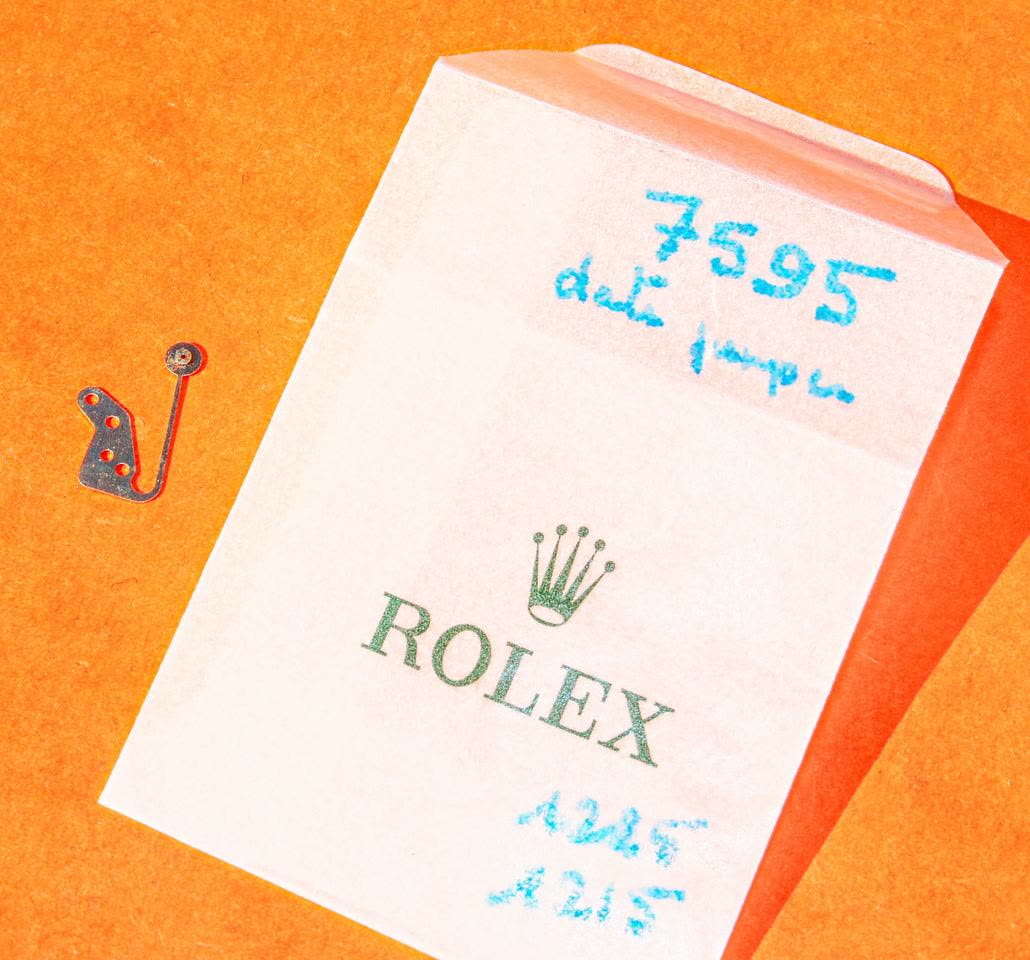
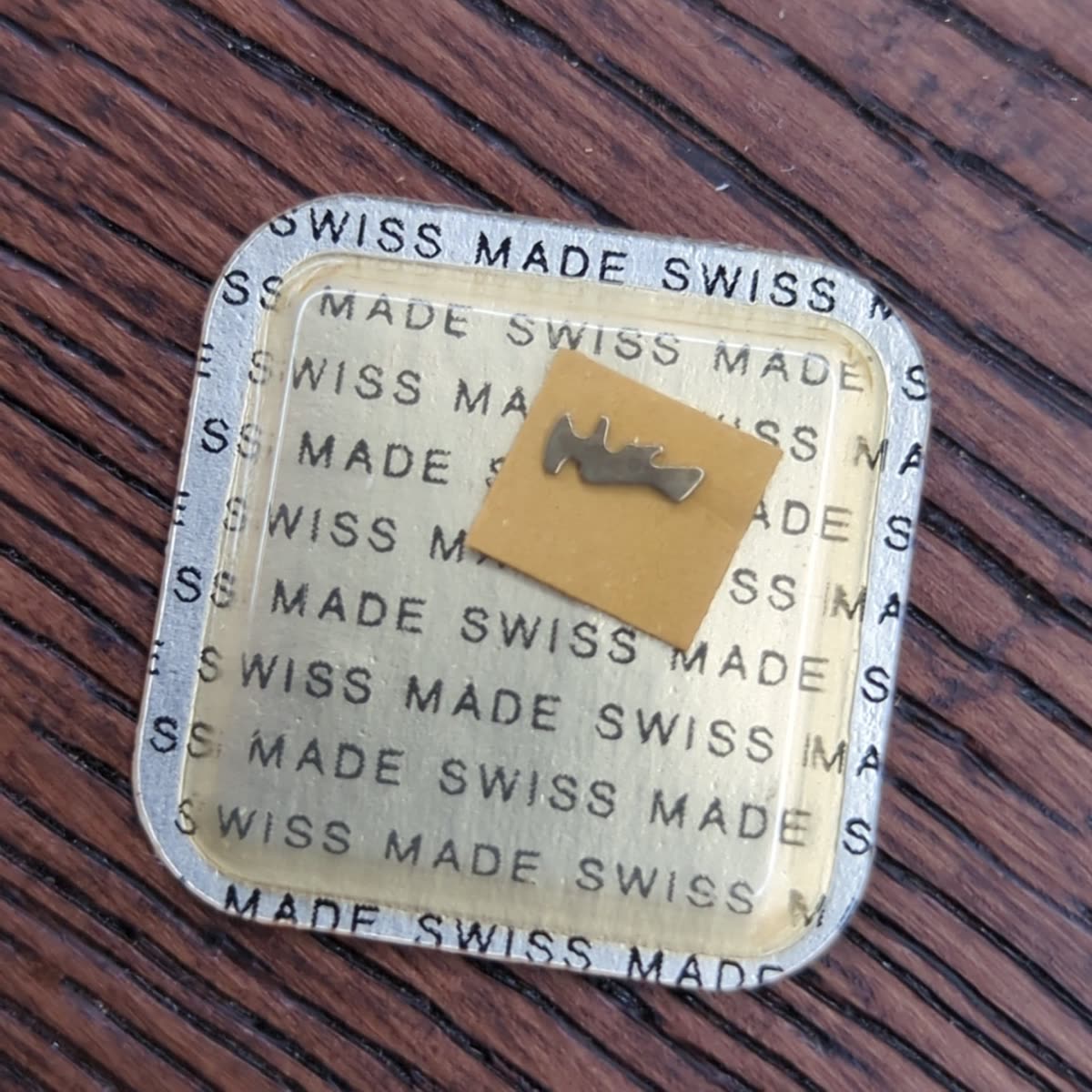
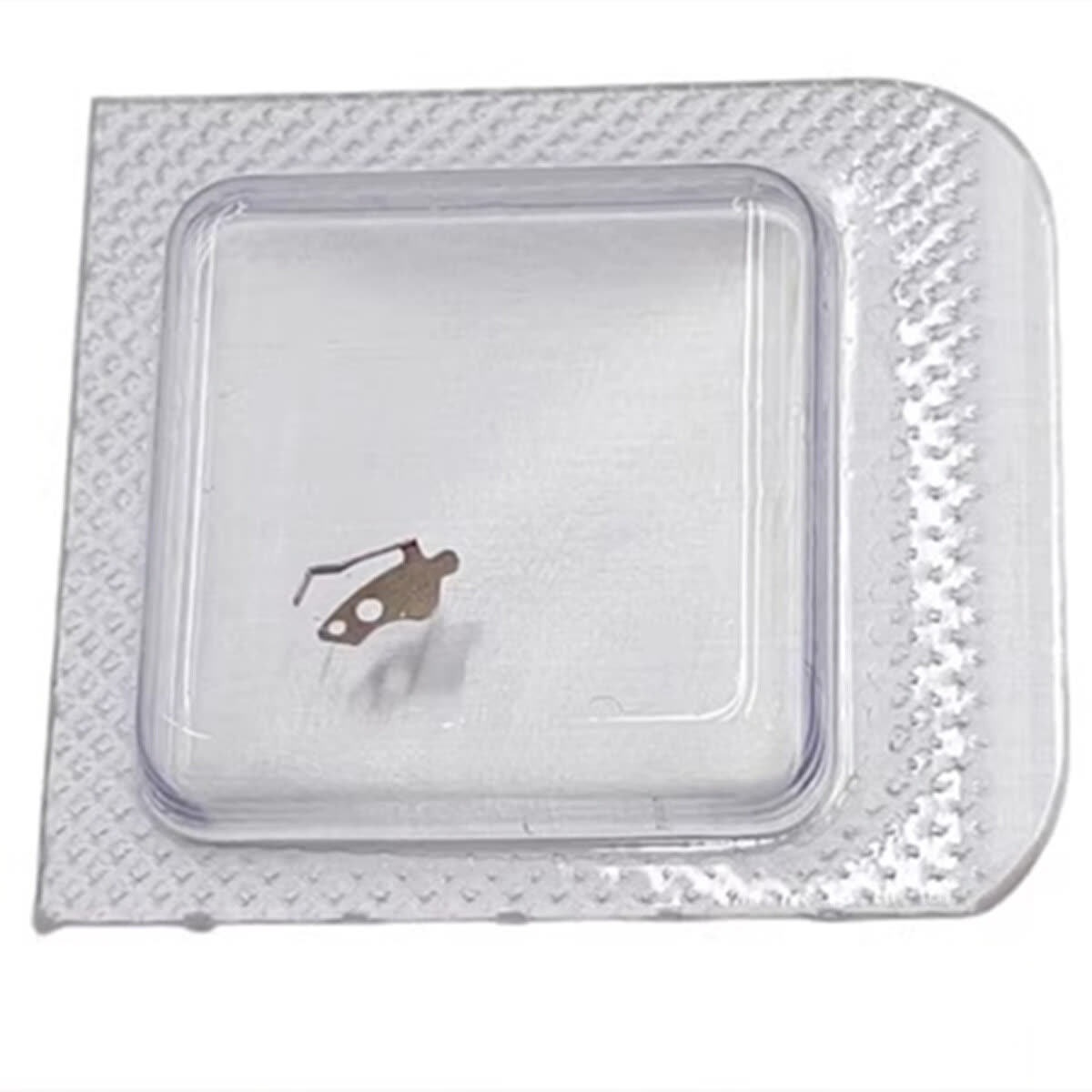
Photographs are illustrative examples of the type, not necessarily the exact object described. Verify details against the source file page.
Sources & references
- de Carle, D., Practical Watch Repairing
- de Carle, D., Watch and Clock Encyclopedia
- Fried, H. B., The Watch Repairer's Manual
- Daniels, G., Watchmaking
Where sources disagree, the disagreement is stated rather than resolved silently.