
Complication · Timing
Vertical Clutch Chronograph
Partially verifiedA method of engaging the chronograph train using vertical friction instead of lateral gears.
Definition
A method of engaging the chronograph train using vertical friction instead of lateral gears.
Historical origin
Developed to eliminate the 'jump' of the seconds hand when the chronograph is started.
How it works
Two discs are pressed together vertically to transmit power.
Eliminates the backlash associated with horizontal meshing gears.
Pocket watch context
None.
Wristwatch context
The modern standard for high-end automatic chronographs (e.g., Rolex 4130, Patek Philippe CH 28-520).
Identification
- Chronograph seconds hand starts perfectly smoothly
- No visible horizontal engagement lever
Servicing notes
Requires precise adjustment of the clutch tension; specialized tools often needed.
General guidance only. Complicated mechanisms should be assessed and serviced by a qualified watchmaker or clockmaker specialist, not adjusted at home.
Background
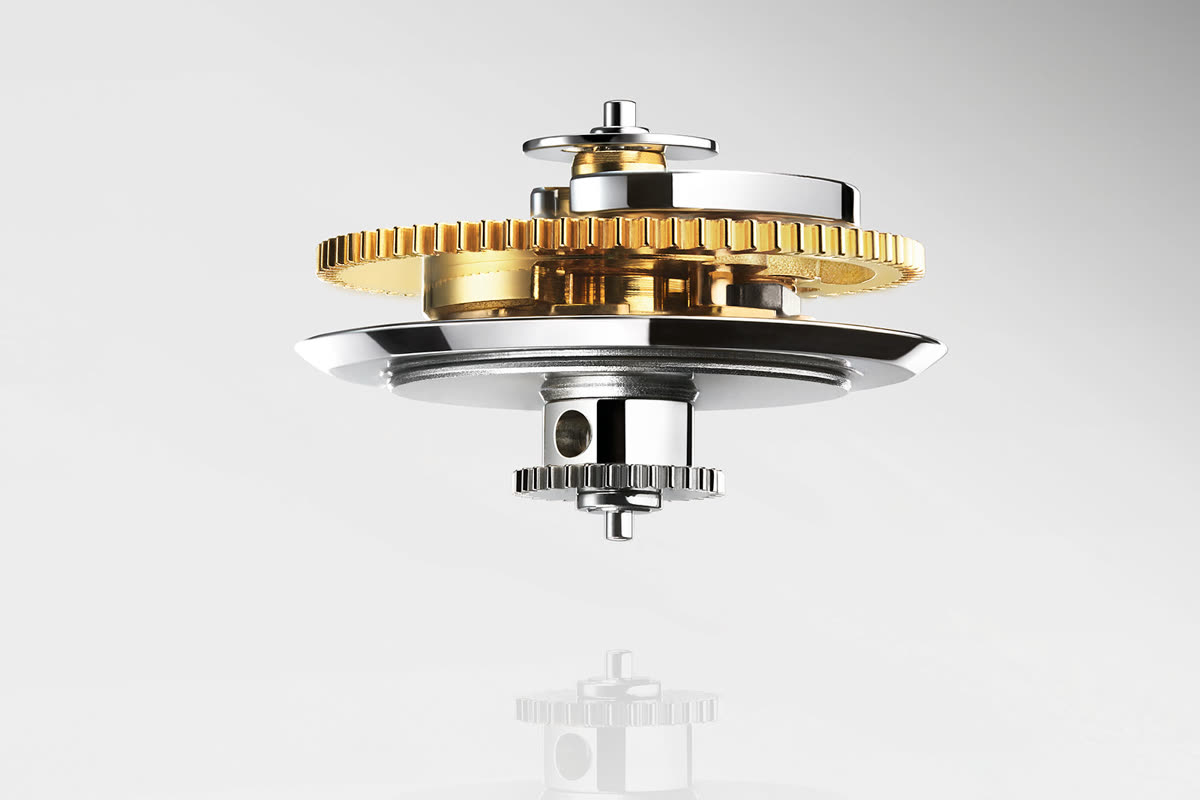
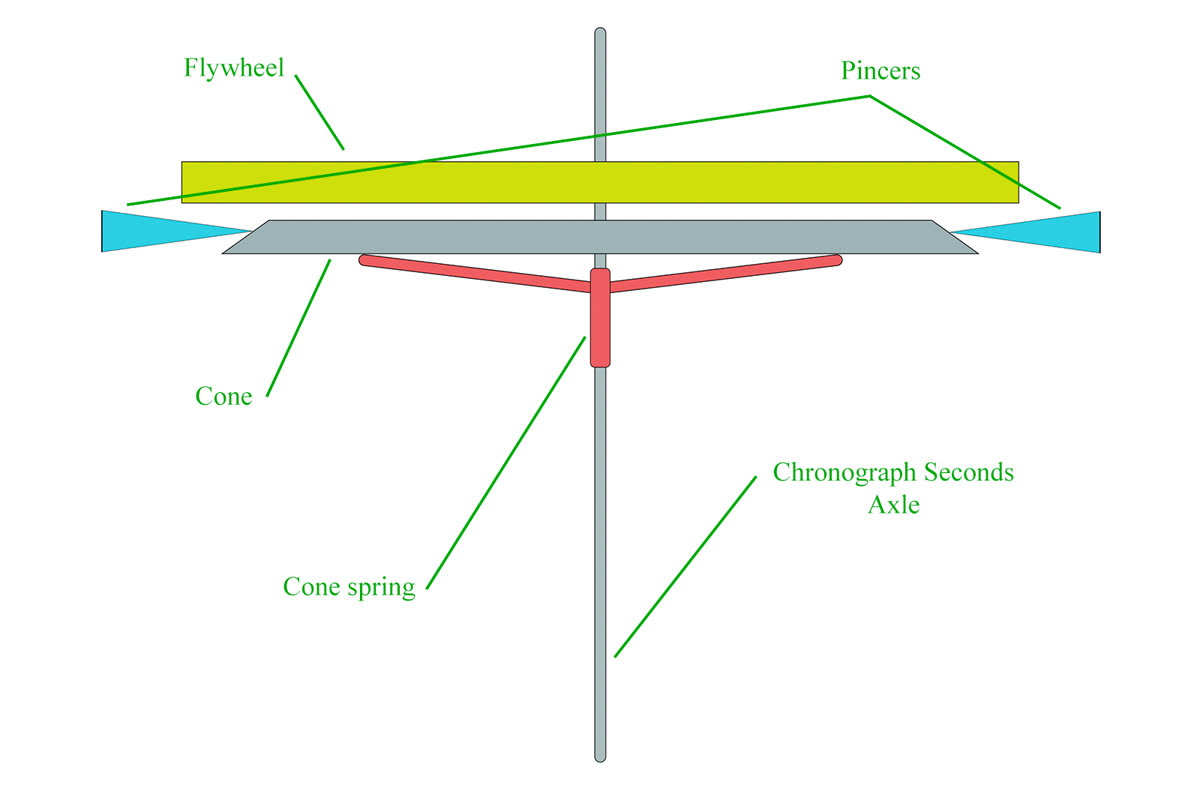
The vertical clutch serves as a mechanical link that facilitates an on-demand connection between a movement's going train and its chronograph mechanism. According to SJX Watches, the vertical clutch was debuted in 1969 by Seiko in the 6139 chronograph, though the concept exists in late 19th-century pocket watches. The mechanism is comprised of a flywheel geared to the going train, a cone linked to the chronograph seconds mobile, and a spring providing vertical tension.
When engaged, a control organ such as a column wheel allows the cone to rise and make contact with the flywheel, transferring energy to run the chronograph. When stopped, pincers push the cone down to break contact with the flywheel, which SJX Watches states eliminates the need for a dedicated braking lever.
Written from the sources listed under Sources (makers, museums, auction houses and specialist publications are paraphrased, not reproduced); each statement was checked against the cited text, and claims a maker makes about its own work are attributed to it.
Construction and action
- Vertical clutches are co-axial structures where the chronograph seconds wheel and drive wheel are located on the same axis.
- The flywheel and cone surfaces may be coated in abrasive materials to increase the security of the engagement and prevent slipping.
Use and later history
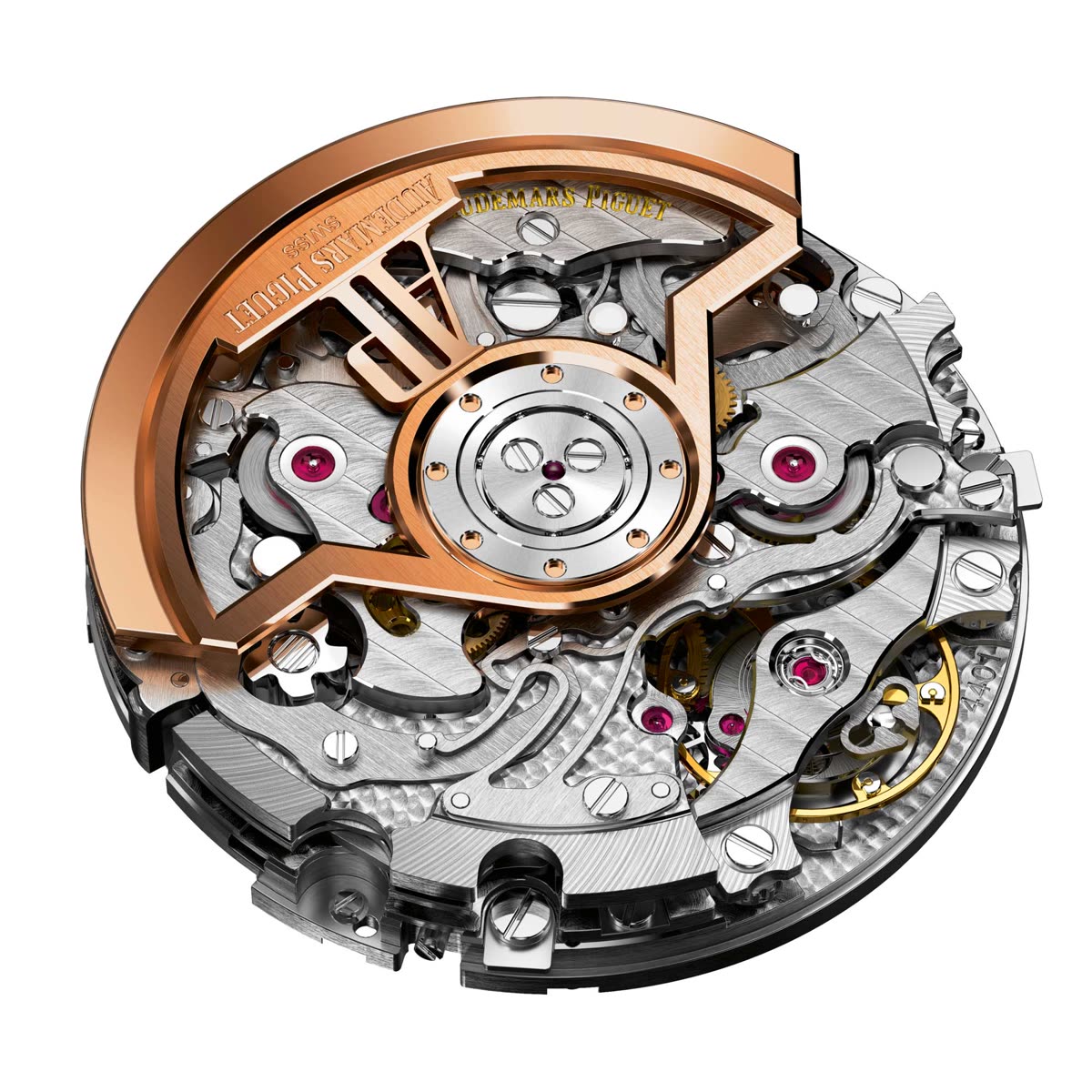
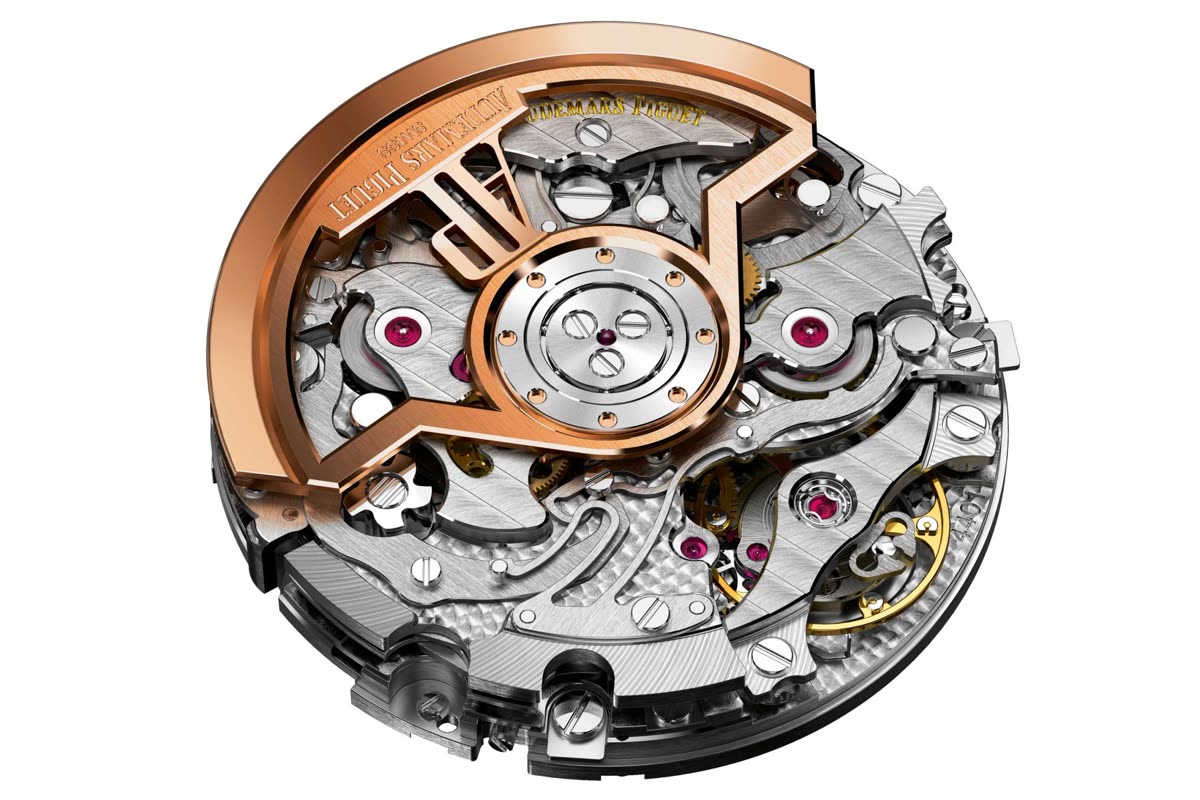
- Contemporary examples include the Rolex caliber 4130, the Patek Philippe CH 28-520, and the Audemars Piguet caliber 4401.
Where sources differ
- Origin. This record gives: “Developed to eliminate the 'jump' of the seconds hand when the chronograph is started”. SJX Watches traces the vertical clutch to late-19th-century pocket watches, and Revolution notes that it removes the stutter of the seconds hand at start-up only in certain ideal configurations.
Photographs
Photographs are illustrative examples of the type, not necessarily the exact object described. Verify details against the source file page.
Sources & references
- Explained: The Vertical Clutch of a Chronograph, SJX Watches, retrieved 2026-10-30 (paraphrased; text © the publisher)
- The Varied Constructions of Vertical Clutch Chronographs, Revolution, retrieved 2026-10-30 (paraphrased; text © the publisher)
- de Carle, D., Watch and Clock Encyclopedia
- Britten, F. J., Old Clocks and Watches and Their Makers
- Horological Journal (British Horological Institute), technical articles
Where sources disagree, the disagreement is stated rather than resolved silently.