
Complication · Calendar & astronomy
Spherical Moon Phase
Partially verifiedA three-dimensional representation of the moon's phase using a rotating ball.
Definition
A three-dimensional representation of the moon's phase using a rotating ball.
Historical origin
A more realistic and visually striking alternative to the traditional flat disc.
How it works
A small sphere, half dark and half light (or gold), rotates on its axis to show the lunar phase.
Often uses high-precision gearing for accuracy over hundreds of years.
Pocket watch context
Very rare; found in some exceptional French clocks.
Wristwatch context
Showcased by makers like De Bethune and Christiaan van der Klaauw.
Identification
- A 3D ball on the dial that rotates
- No flat moon phase window
Servicing notes
The sphere must be perfectly balanced to not disturb the gear train.
General guidance only. Complicated mechanisms should be assessed and serviced by a qualified watchmaker or clockmaker specialist, not adjusted at home.
Related photographs
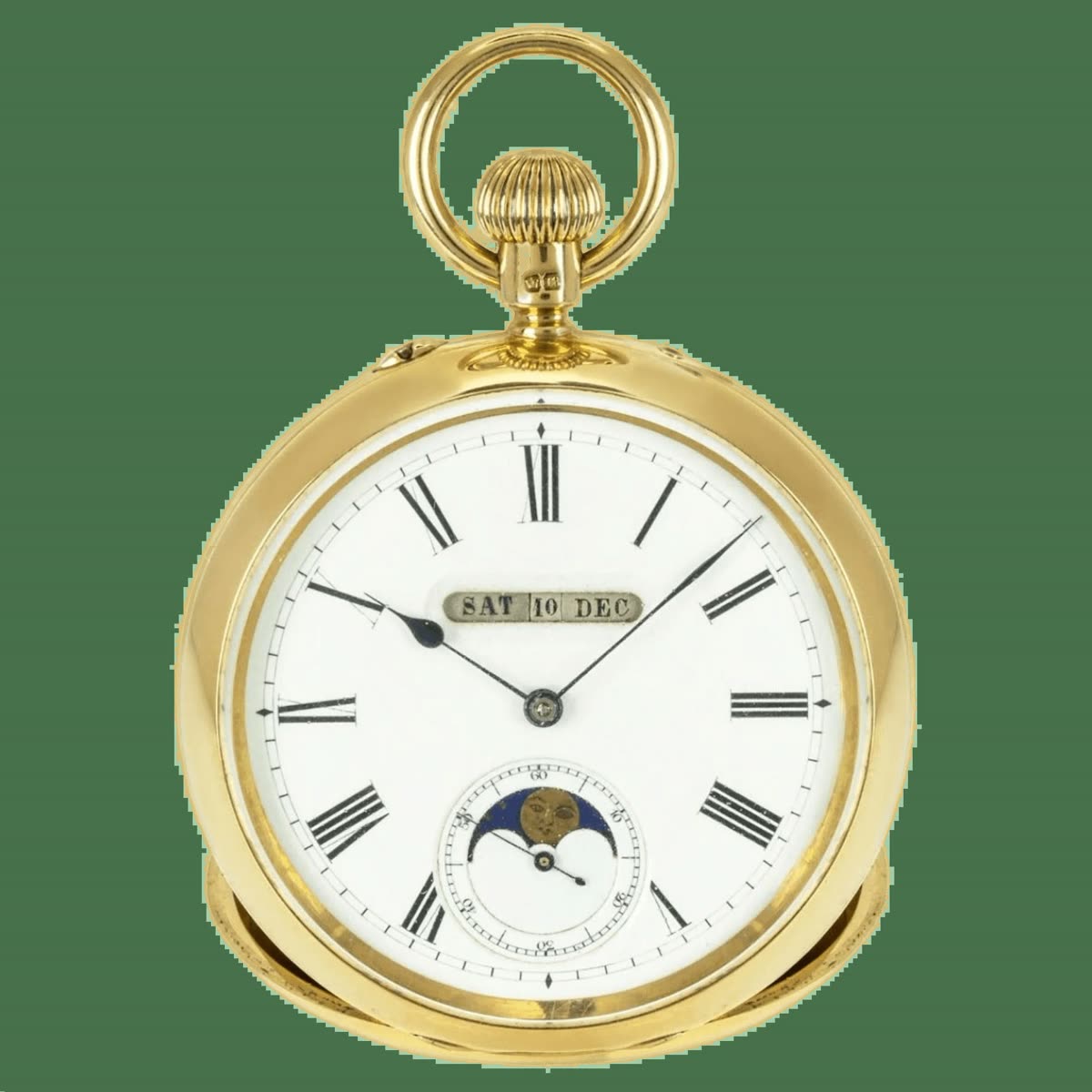
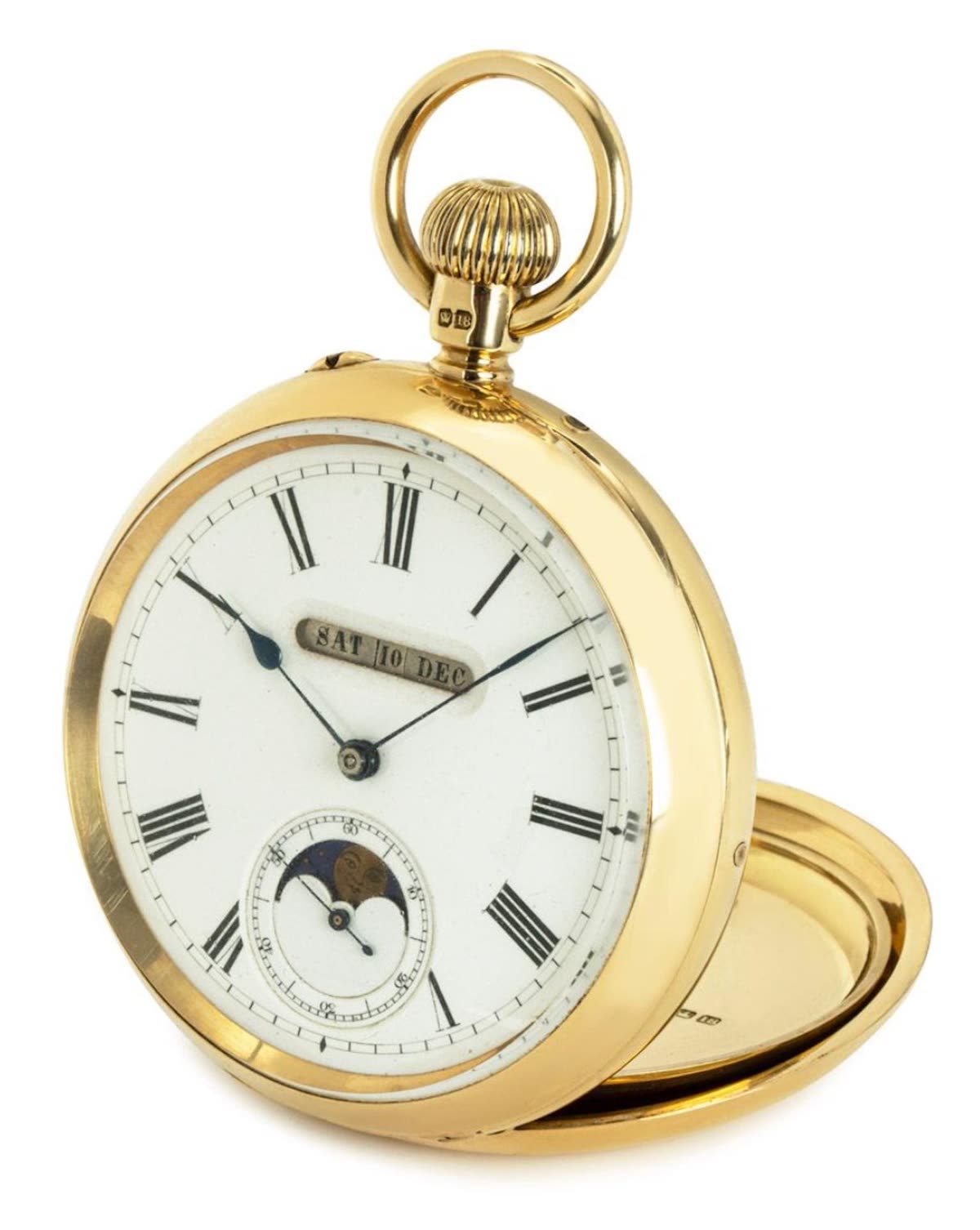
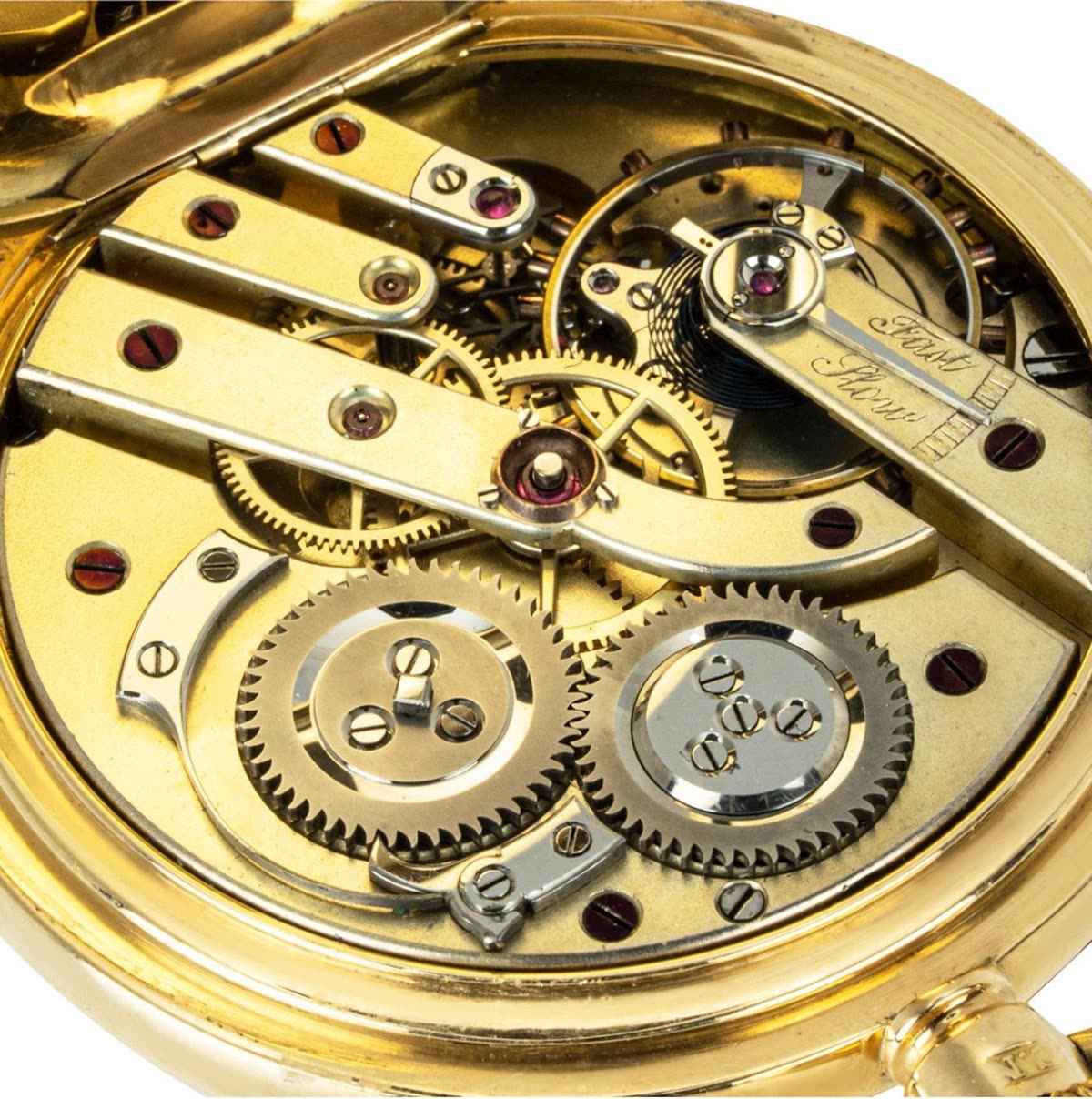
No confidently matched photograph of this subject has been found yet. These photographs show a closely related record, and are not examples of the type described on this page.
Sources & references
- de Carle, D., Watch and Clock Encyclopedia
- Britten, F. J., Old Clocks and Watches and Their Makers
- Horological Journal (British Horological Institute), technical articles
Where sources disagree, the disagreement is stated rather than resolved silently.