
Complication · Calendar & astronomy
Secular Perpetual Calendar
Partially verifiedA calendar complication that accounts for the century-year exceptions in the Gregorian calendar.
Definition
A calendar complication that accounts for the century-year exceptions in the Gregorian calendar.
Historical origin
Developed in the nineteenth century for high-grade clocks and later adapted to pocket watches; extremely rare due to the 400-year cycle.
How it works
Uses a specialized wheel that rotates once every 400 years.
Correctly skips the leap year in years like 1800, 1900, and 2100, which are normally leap years but for the Gregorian secular rule.
Pocket watch context
Found only in the most prestigious grand complications from makers like Patek Philippe.
Wristwatch context
An ultra-high complication, showcased in watches like the Patek Philippe Calibre 89 and recent Vacheron Constantin masterpieces.
Identification
- Indicator for the century or a 400-year wheel visible
- Manual adjustment not required for 400 years
Servicing notes
Extremely complex; requires a specialist with experience in secular gearing.
General guidance only. Complicated mechanisms should be assessed and serviced by a qualified watchmaker or clockmaker specialist, not adjusted at home.
Background
The secular perpetual calendar complication is designed to account for the irregularities of the Gregorian calendar system. It specifically tracks the cycles of one hundred years in which leap years are skipped. While a standard perpetual calendar accounts for four-year leap cycles, the secular version addresses the centuries where the leap day is omitted.
These skipped years occur three times every four hundred years, such as in the years 2100, 2200, and 2300. As a result, the date needs setting only once every four hundred years.
Written from the encyclopedia entries listed under Sources; each statement was checked against the cited text. Passages from sources in other languages are given in English translation.
Photographs
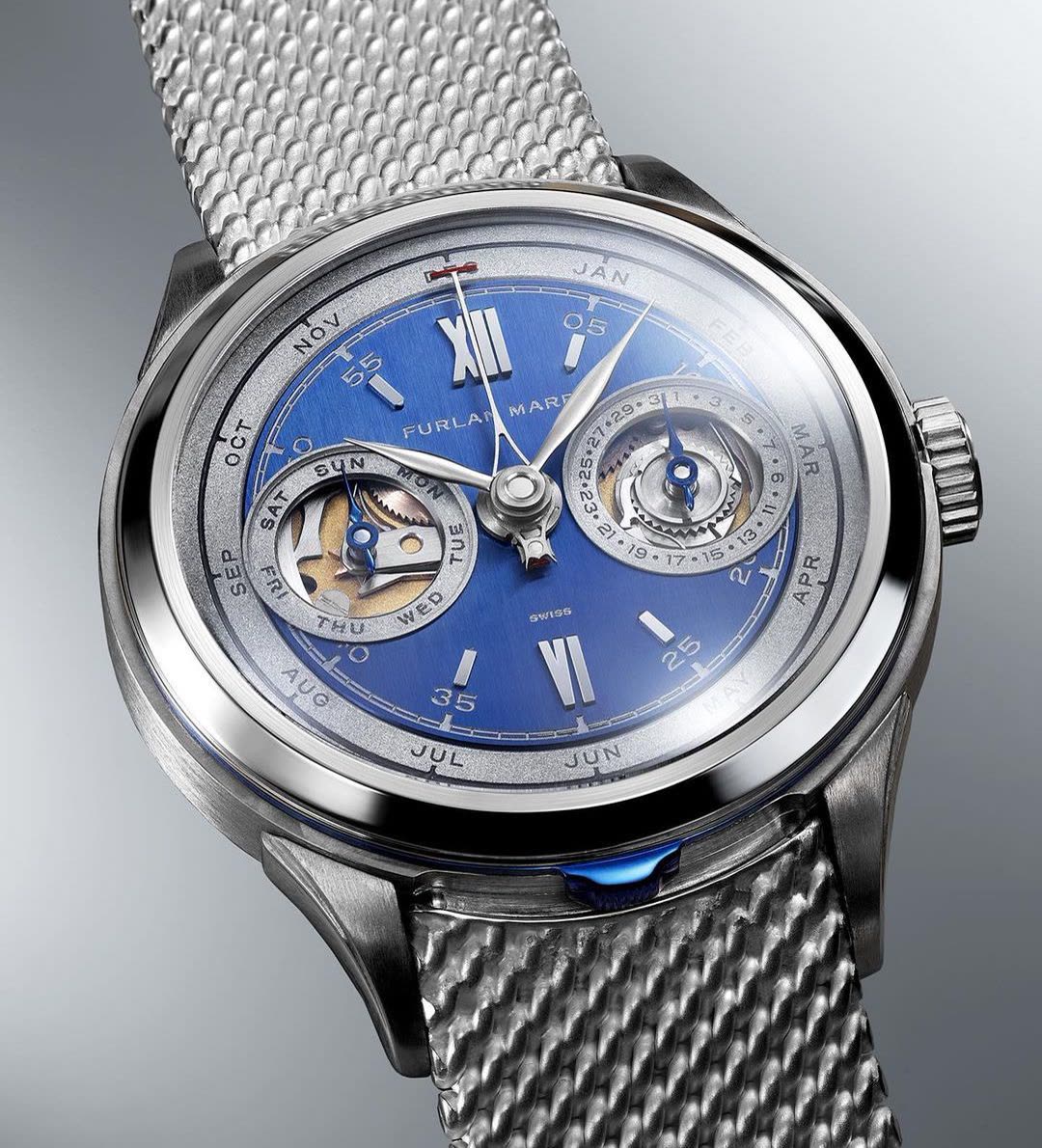
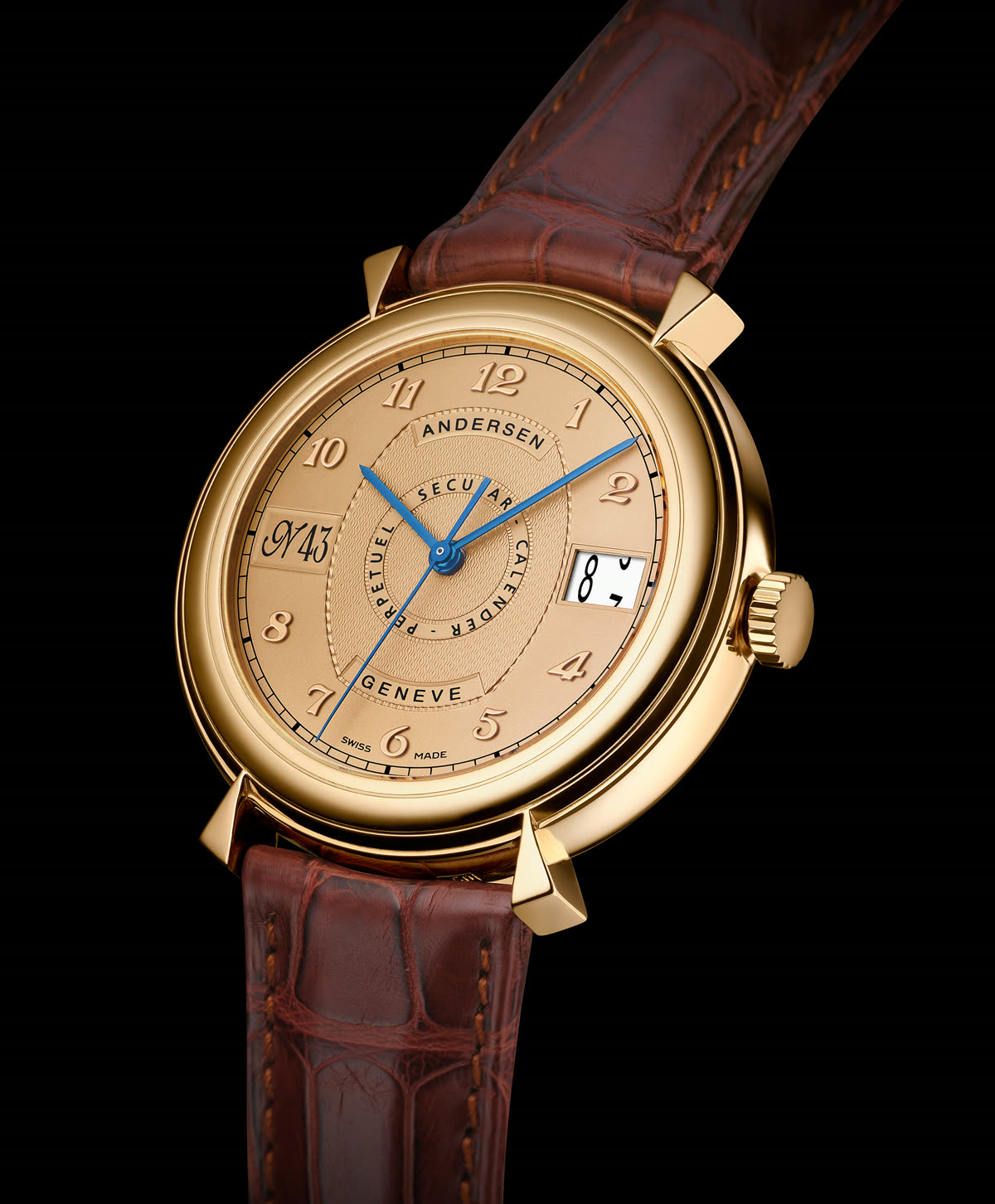
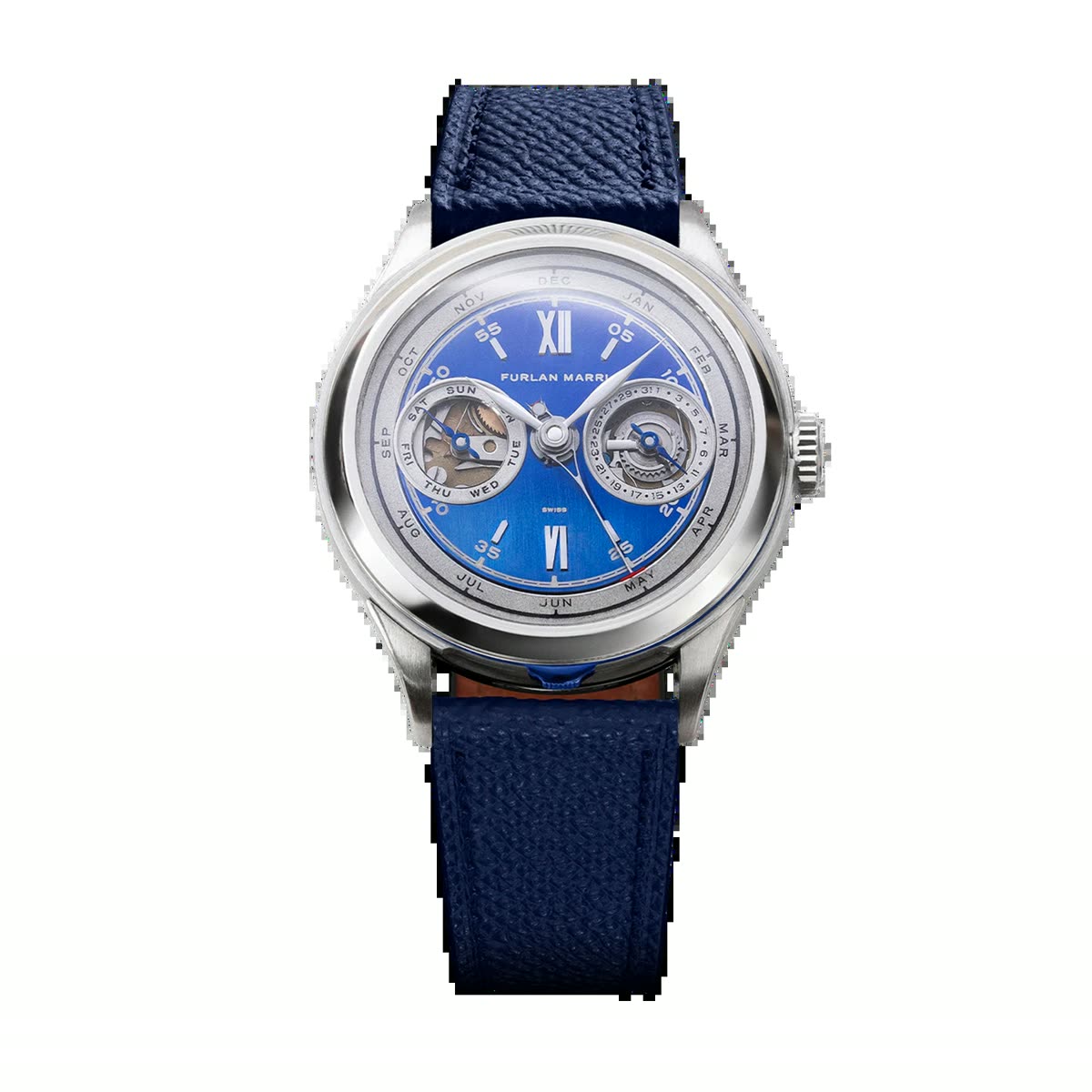
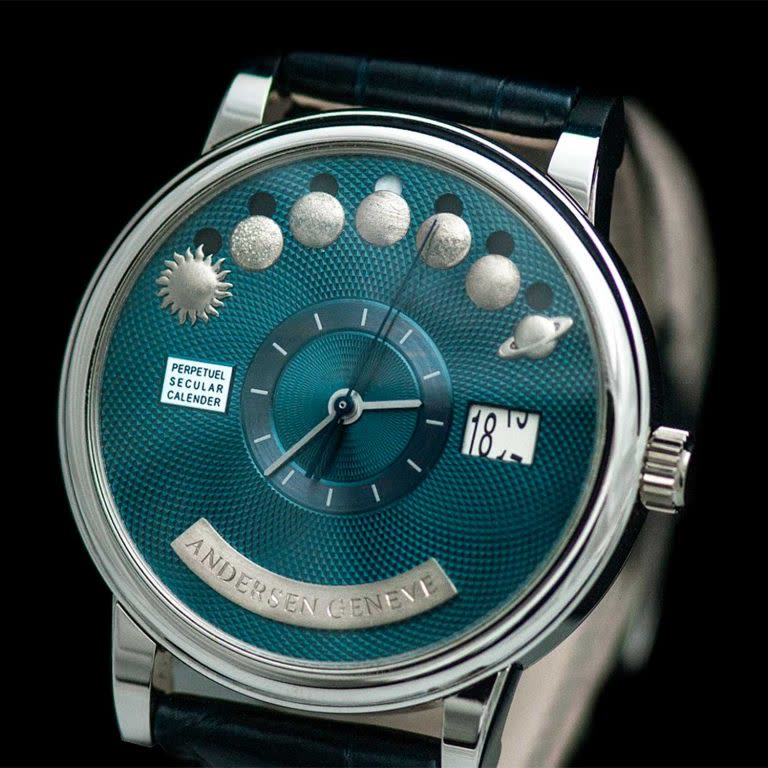
Photographs are illustrative examples of the type, not necessarily the exact object described. Verify details against the source file page.
Sources & references
- Complication (horlogerie), Wikipedia (French), retrieved 2026-10-28 (text CC BY-SA 4.0)
- de Carle, D., Watch and Clock Encyclopedia
- Britten, F. J., Old Clocks and Watches and Their Makers
- Horological Journal (British Horological Institute), technical articles
Where sources disagree, the disagreement is stated rather than resolved silently.