
Complication · Display
Pulsometer Scale
Partially verifiedA dial scale converting a counted number of pulse beats into a rate per minute.
Definition
A dial scale converting a counted number of pulse beats into a rate per minute.
Historical origin
A nineteenth and twentieth-century medical timing convention, widely used by physicians before electronic monitoring.
How it works
The scale is graduated for a stated number of beats, so the position of the chronograph hand after counting that many beats reads the rate directly.
The base number, commonly fifteen or thirty beats, must be printed on the dial for the scale to be usable.
Pocket watch context
Pocket stop watches with pulse scales were made for medical use.
Wristwatch context
A recognised doctor's chronograph convention in the twentieth century.
Identification
- A dial marked with a graduated pulse scale and a stated base count
Servicing notes
This is specialist work. Levers, springs and cam profiles in complicated work are calibre-specific, and incorrect reassembly commonly damages parts that cannot be bought. Refer the movement to a watchmaker experienced with this mechanism.
General guidance only. Complicated mechanisms should be assessed and serviced by a qualified watchmaker or clockmaker specialist, not adjusted at home.
Related photographs
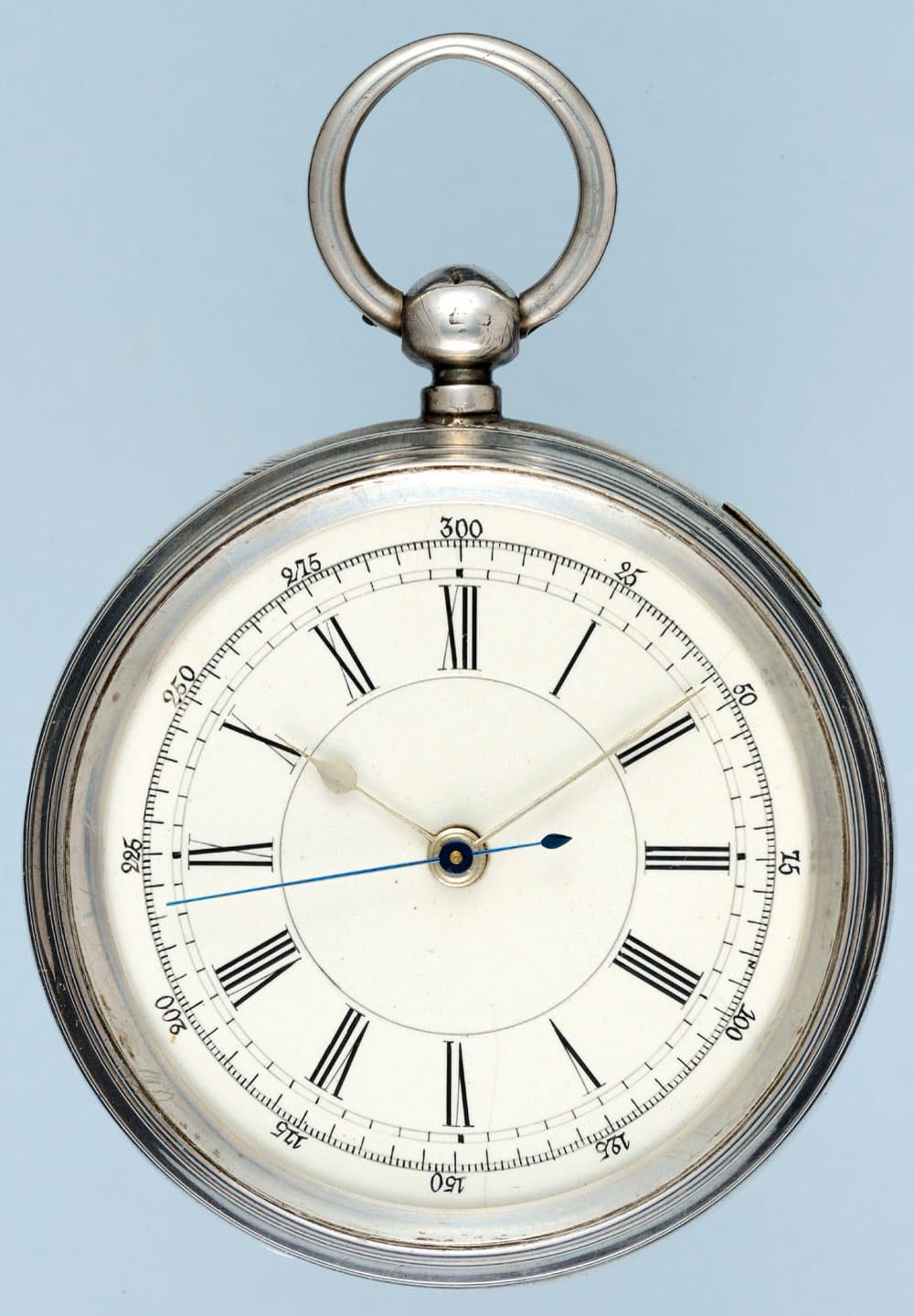
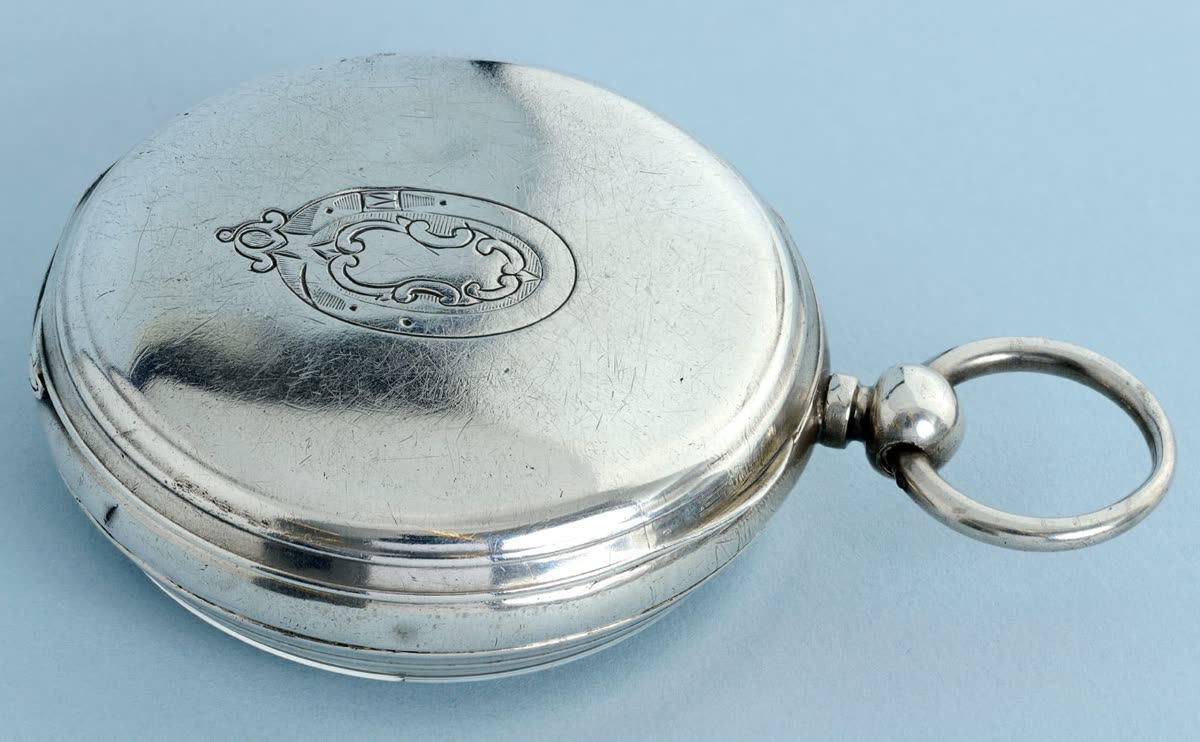
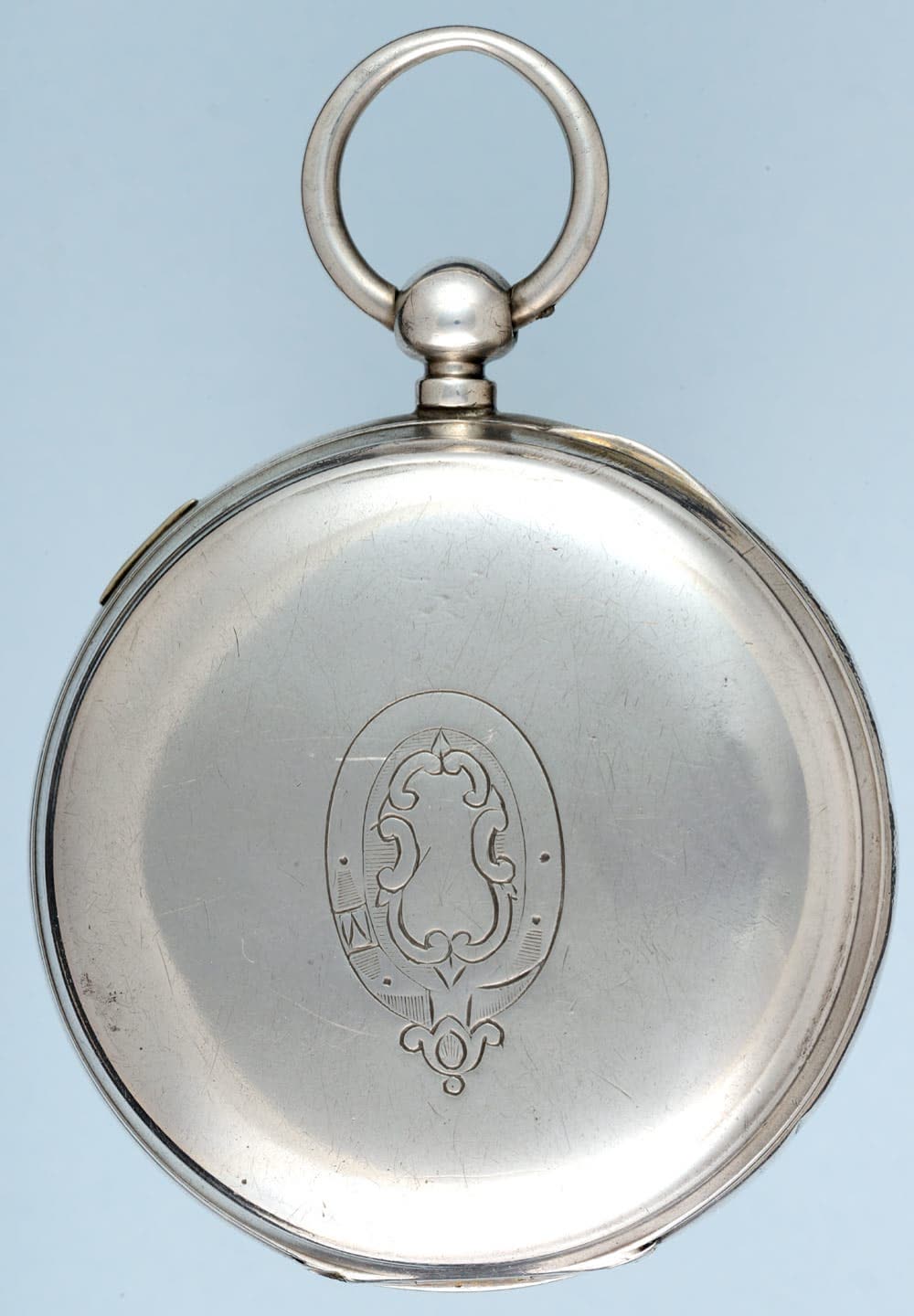
No confidently matched photograph of this subject has been found yet. These photographs show a closely related record, and are not examples of the type described on this page.
Sources & references
- de Carle, D., Watch and Clock Encyclopedia
- Britten, F. J., Old Clocks and Watches and Their Makers
- Horological Journal (British Horological Institute), technical articles
Where sources disagree, the disagreement is stated rather than resolved silently.