
Complication · Display
Mystery Dial
Partially verifiedA display where the hands appear to float in mid-air without connection to the movement.
Definition
A display where the hands appear to float in mid-air without connection to the movement.
Historical origin
Invented by Jean-Eugène Robert-Houdin in the nineteenth century; famously refined by Cartier.
How it works
The hands are mounted on transparent discs, typically of glass or rock crystal, so they appear unconnected to any mechanism.
Hidden gears engage the edges of the discs and drive them from a movement usually housed in the base.
Pocket watch context
Mostly found in high-end clocks and some novelty pocket watches.
Wristwatch context
A signature style for Cartier and some independent makers.
Identification
- Hands with no visible central arbor
- Transparent dial space
Servicing notes
The discs must be kept perfectly clean; any dust is highly visible.
General guidance only. Complicated mechanisms should be assessed and serviced by a qualified watchmaker or clockmaker specialist, not adjusted at home.
Background
Mystery Clocks display time through hands that appear to float, unconnected to any visible mechanism. The 19th-century French illusionist Jean-Eugène Robert-Houdin originally created clocks based on this principle, a design later adapted by Maurice Couët for Cartier. Cartier's version was introduced in 1912, utilizing hands mounted to transparent discs, typically made of glass or crystal.
Hidden gears, connected to the perimeter of these discs, drive the motion from a movement typically housed in the clock's base. Early designs by Robert-Houdin utilized a vertical glass column containing an inner rotating tube to drive the mechanism.
Written from the sources listed under Sources (makers, museums, auction houses and specialist publications are paraphrased, not reproduced); each statement was checked against the cited text, and claims a maker makes about its own work are attributed to it.
Construction and action
- The transparent discs revolve to move the hands while a stationary plate displays the numerals.
Use and later history
- While primarily a clock complication, Cartier produced a limited number of Mystery pocket watches in the 1930s.
- Cartier introduced Mystery wristwatches into their collection in 2013, often featuring skeletonized dials.
Photographs
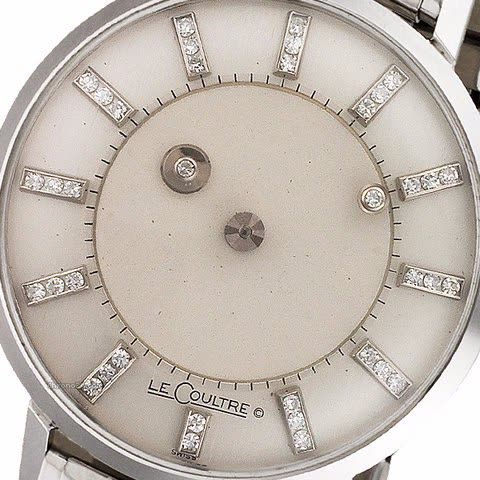
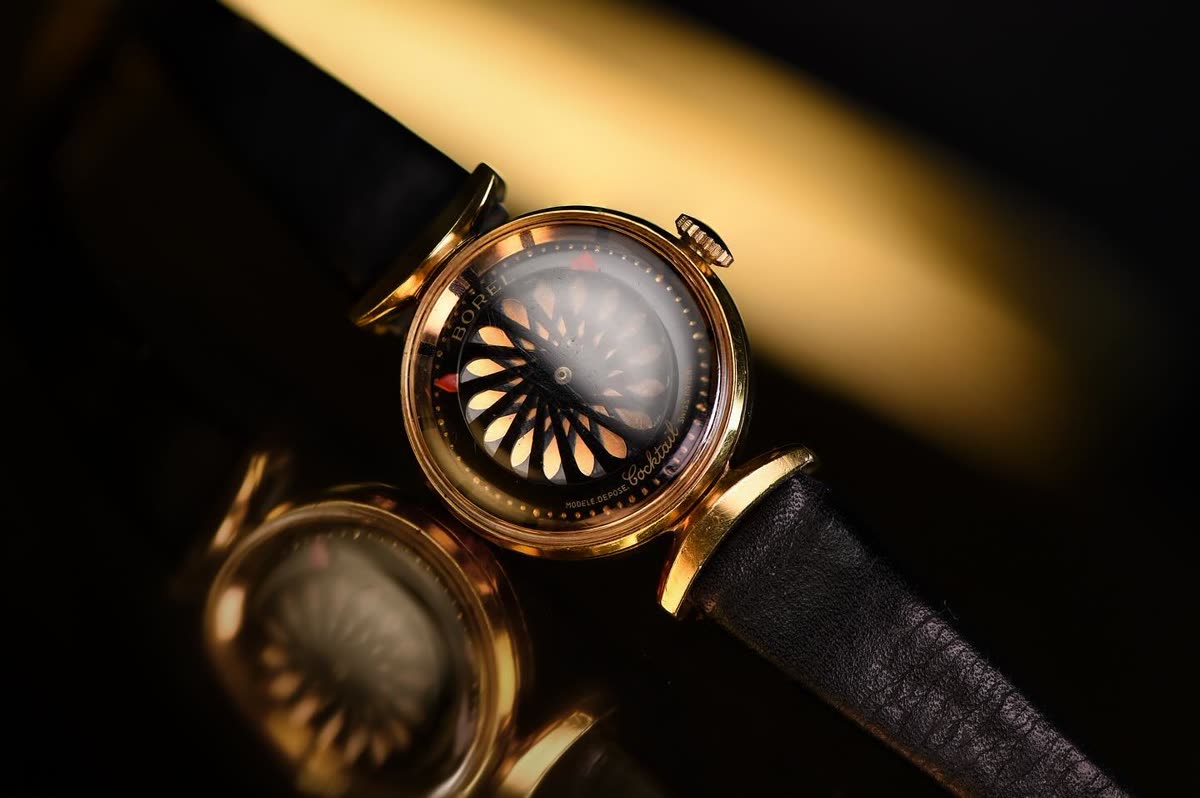
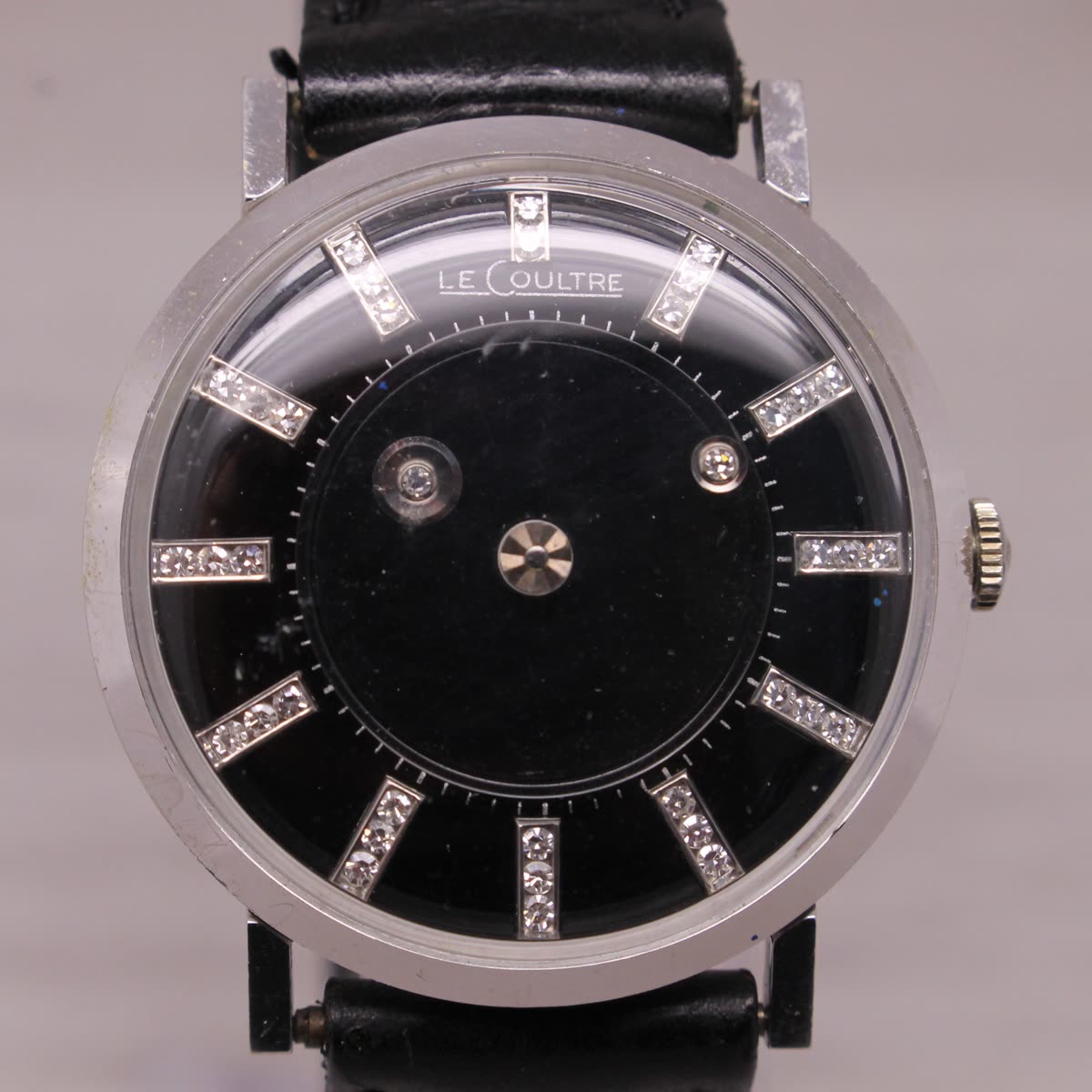
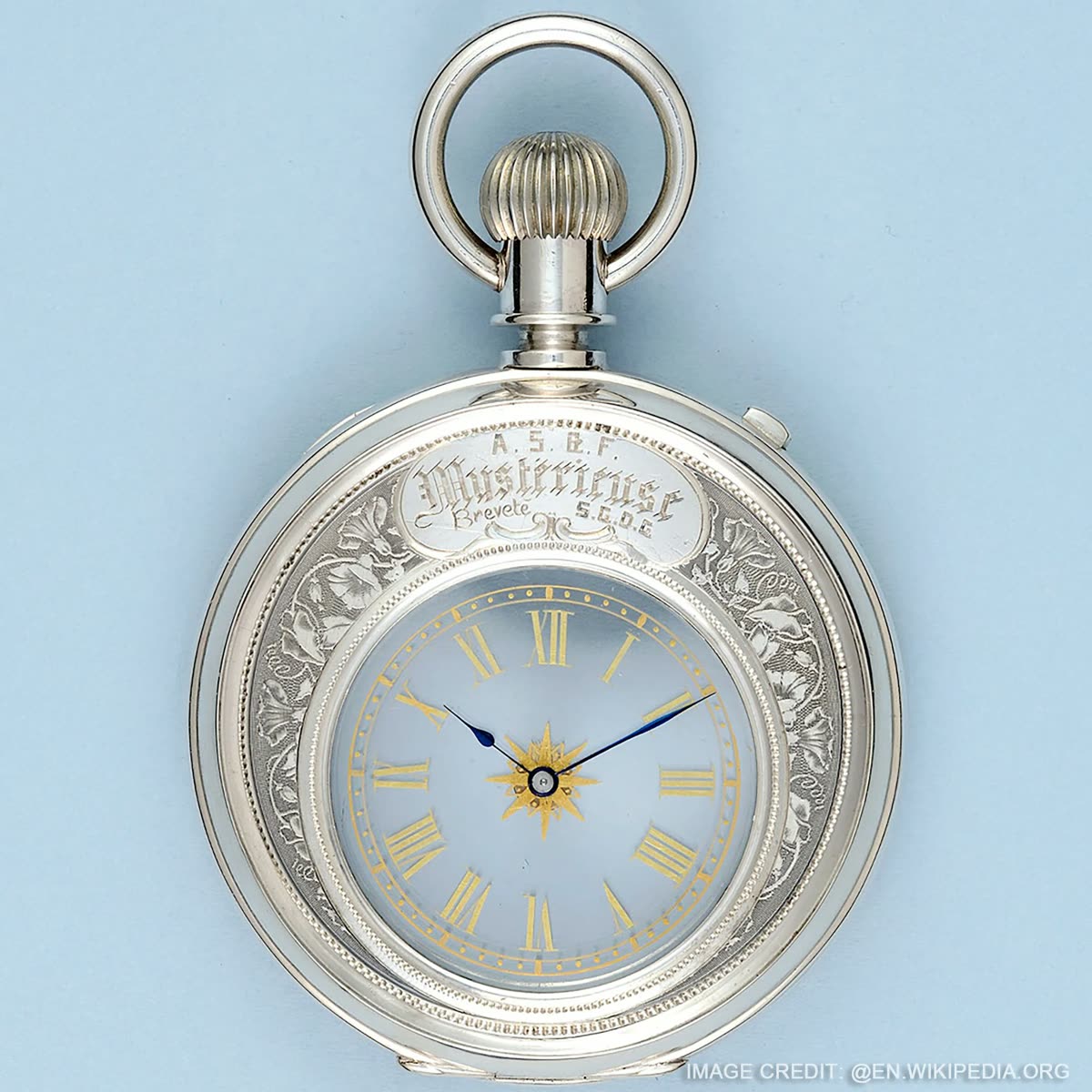
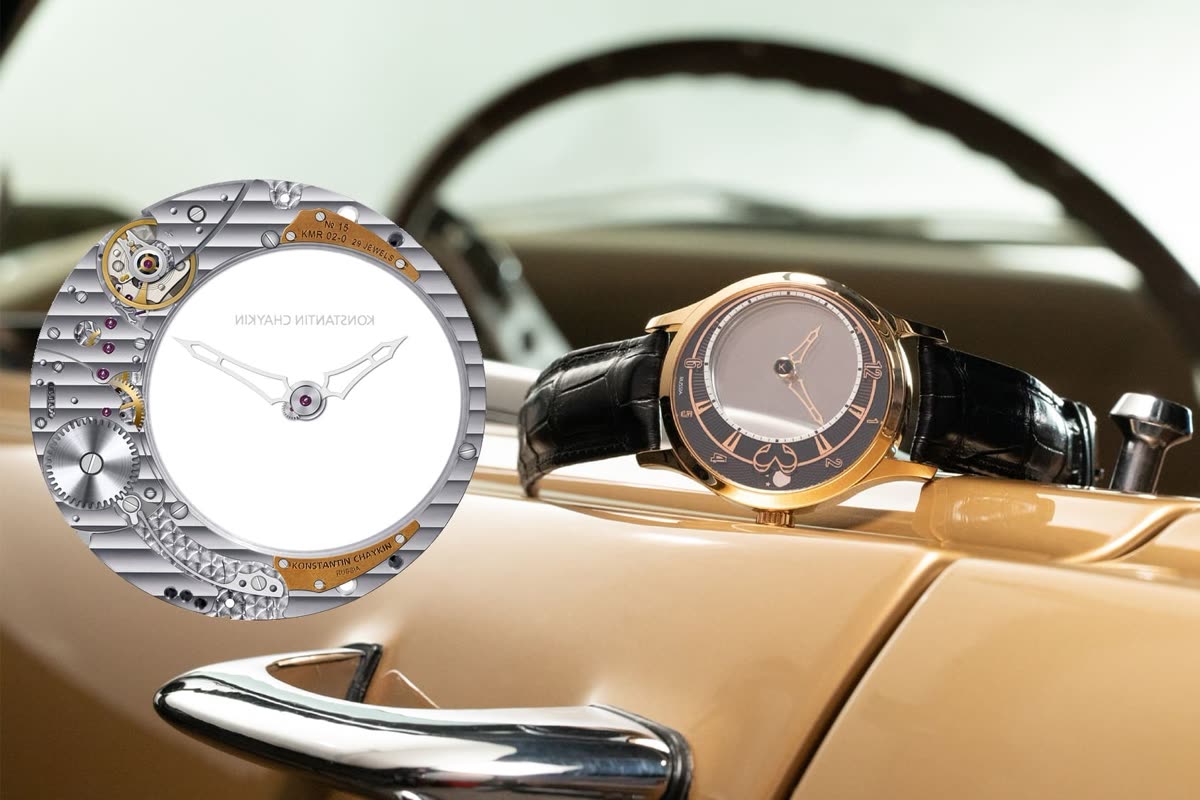
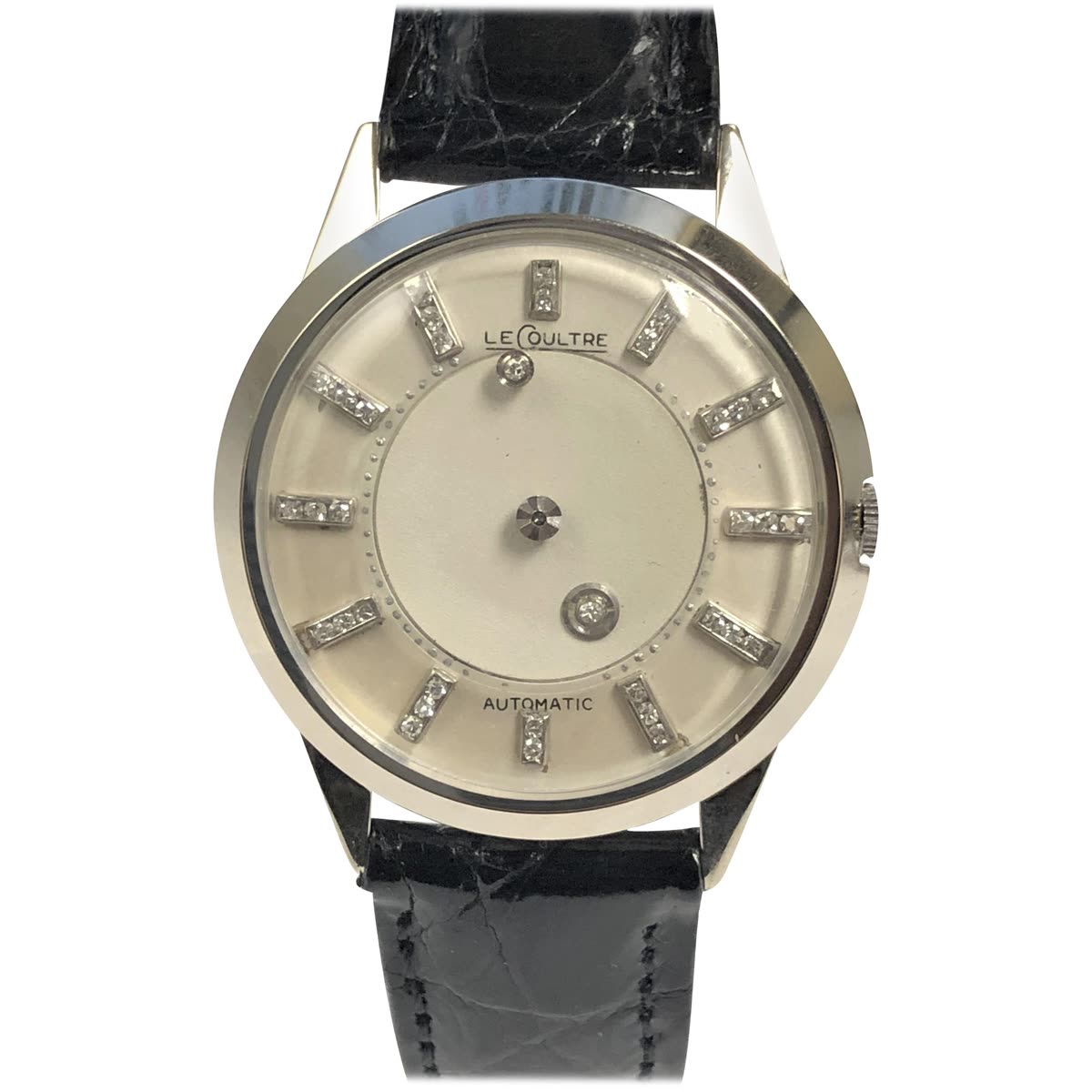
Photographs are illustrative examples of the type, not necessarily the exact object described. Verify details against the source file page.
Sources & references
- The Enchanting Allure of Cartier's Mystery Clocks, Sotheby's, retrieved 2026-10-30 (paraphrased; text © the publisher)
- Cartier's Mystery Clocks: Now You See Me, Now You Don't, Quill & Pad, retrieved 2026-10-30 (paraphrased; text © the publisher)
- A Napoleon III ormolu and glass striking mystery clock, Jean Eugène Robert-Houdin, Paris, circa 1850, Christie's, retrieved 2026-10-30 (paraphrased; text © the publisher)
- Watchmaking: the Cartier Collection, Cartier, retrieved 2026-10-30 (paraphrased; text © the publisher)
- de Carle, D., Watch and Clock Encyclopedia
- Britten, F. J., Old Clocks and Watches and Their Makers
- Horological Journal (British Horological Institute), technical articles
Where sources disagree, the disagreement is stated rather than resolved silently.