
Complication · Display
Jumping Hour
Partially verifiedAn hour indication that changes instantaneously rather than creeping.
Definition
An hour indication that changes instantaneously rather than creeping.
Historical origin
Associated with late nineteenth and early twentieth-century 'digital' display watches, and revived periodically since.
How it works
Energy is stored in a spring and released by a jumper once per hour, snapping a numeral disc to the next position.
Because the jump demands a burst of energy, the design must not disturb the going train's rate.
Pocket watch context
Found in decorative and novelty pocket watches with window displays.
Wristwatch context
A recurring design choice in art-deco and modern minimalist watches.
Identification
- Hours read through a window rather than by a hand
- An audible click at the hour change
Servicing notes
This is specialist work. Levers, springs and cam profiles in complicated work are calibre-specific, and incorrect reassembly commonly damages parts that cannot be bought. Refer the movement to a watchmaker experienced with this mechanism.
General guidance only. Complicated mechanisms should be assessed and serviced by a qualified watchmaker or clockmaker specialist, not adjusted at home.
Related photographs
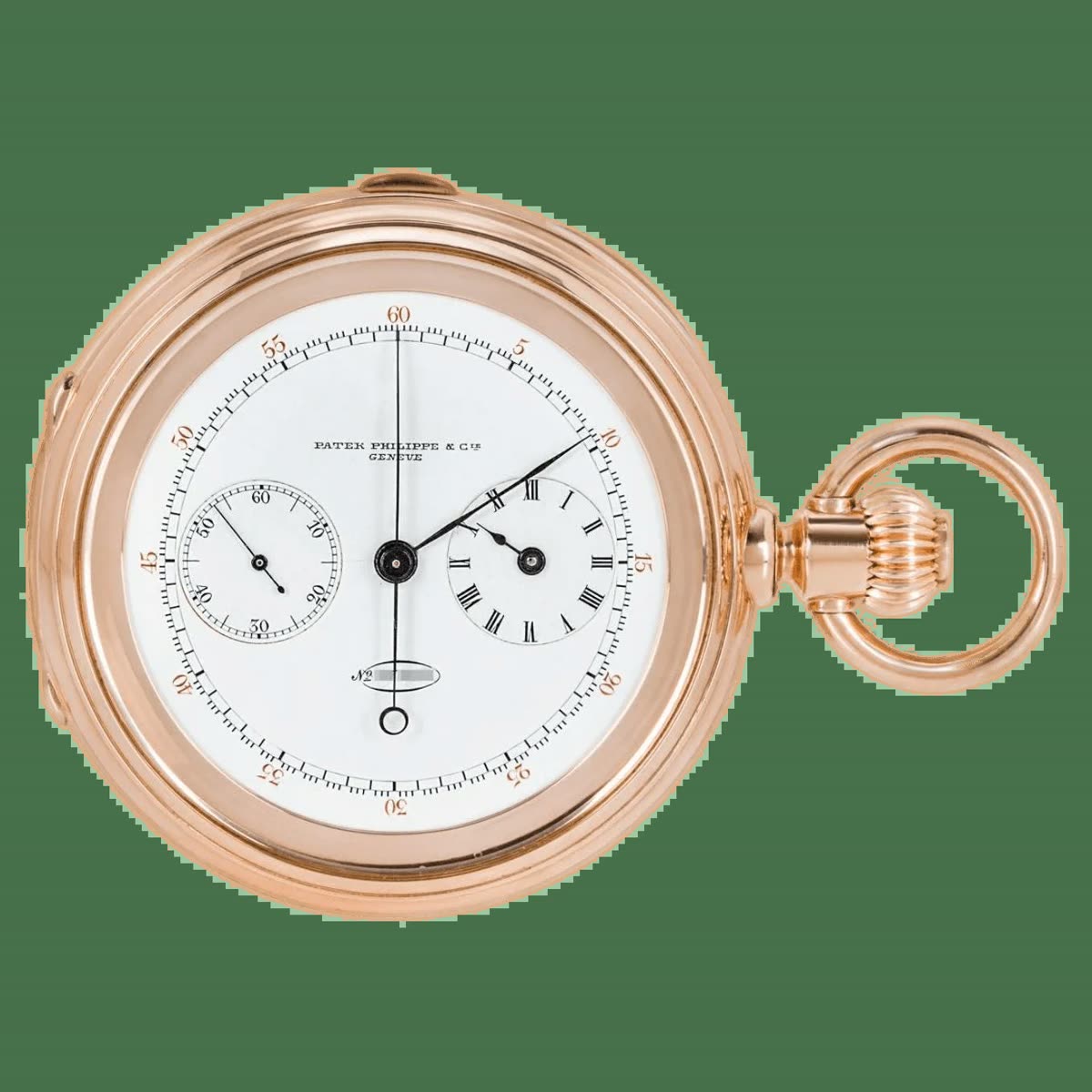
No confidently matched photograph of this subject has been found yet. These photographs show a closely related record, and are not examples of the type described on this page.
Sources & references
- de Carle, D., Watch and Clock Encyclopedia
- Britten, F. J., Old Clocks and Watches and Their Makers
- Horological Journal (British Horological Institute), technical articles
Where sources disagree, the disagreement is stated rather than resolved silently.