
Complication · Timing
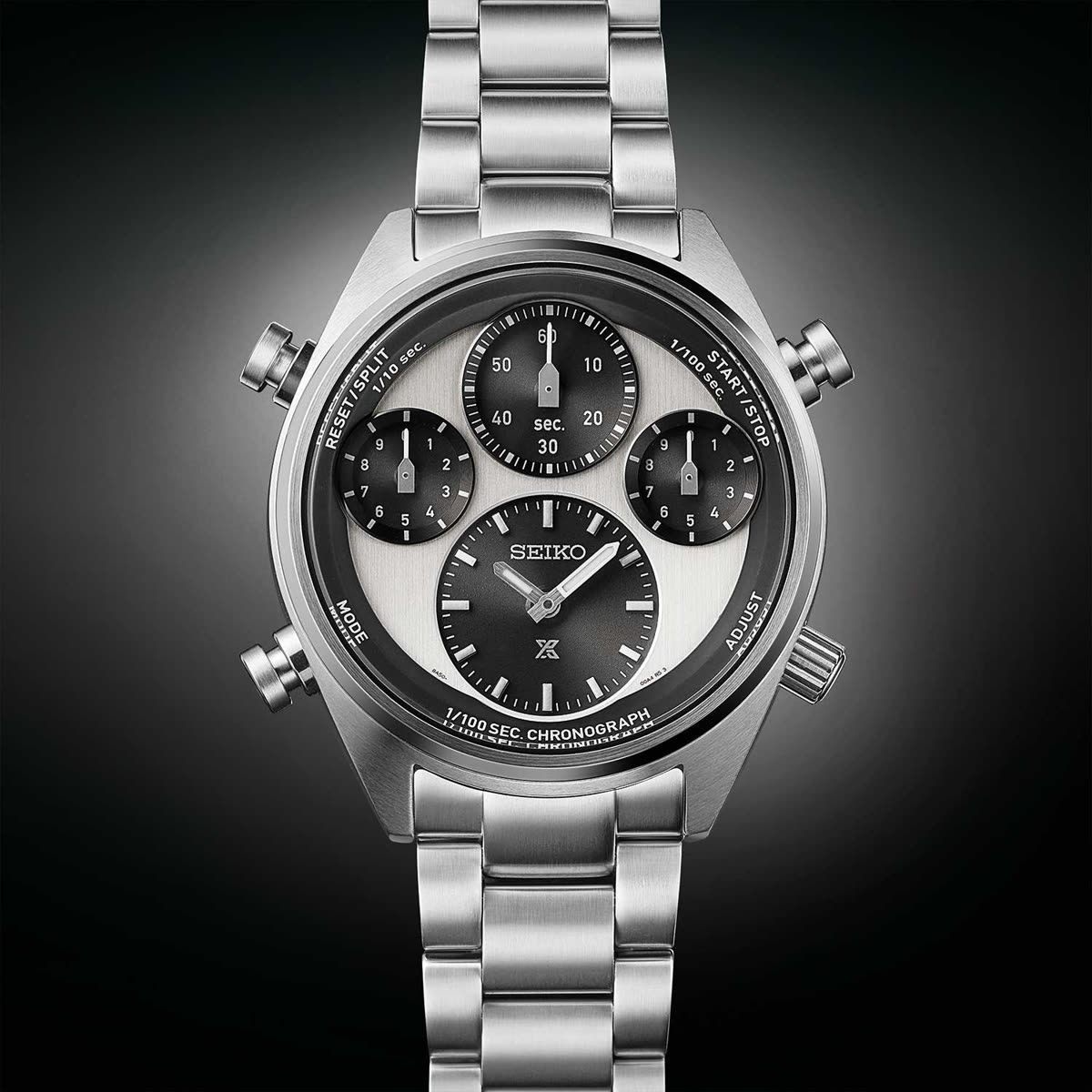
1/100th Second Chronograph
Partially verifiedA chronograph capable of measuring and displaying intervals as small as one-hundredth of a second.
Definition
A chronograph capable of measuring and displaying intervals as small as one-hundredth of a second.
Historical origin
Pushes the limits of mechanical frequency and energy management.
How it works
Usually requires a very high-frequency escapement (360,000 vph) or a secondary high-speed train for the chronograph.
The central hand often rotates once per second.
Pocket watch context
None.
Wristwatch context
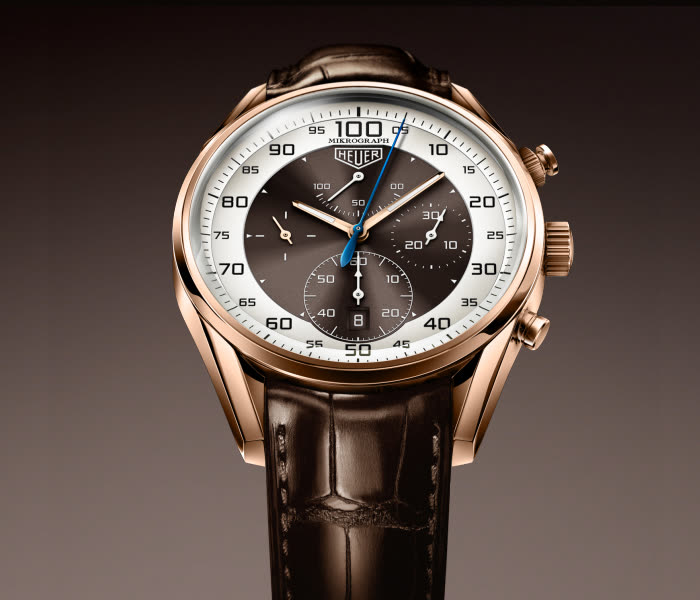
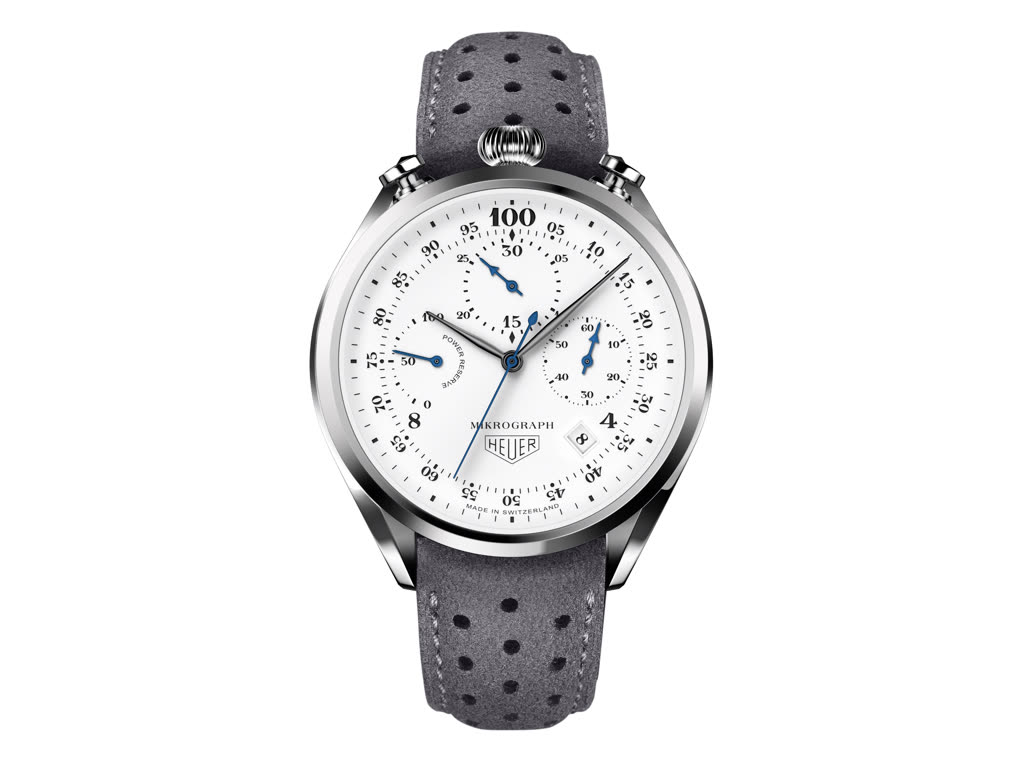
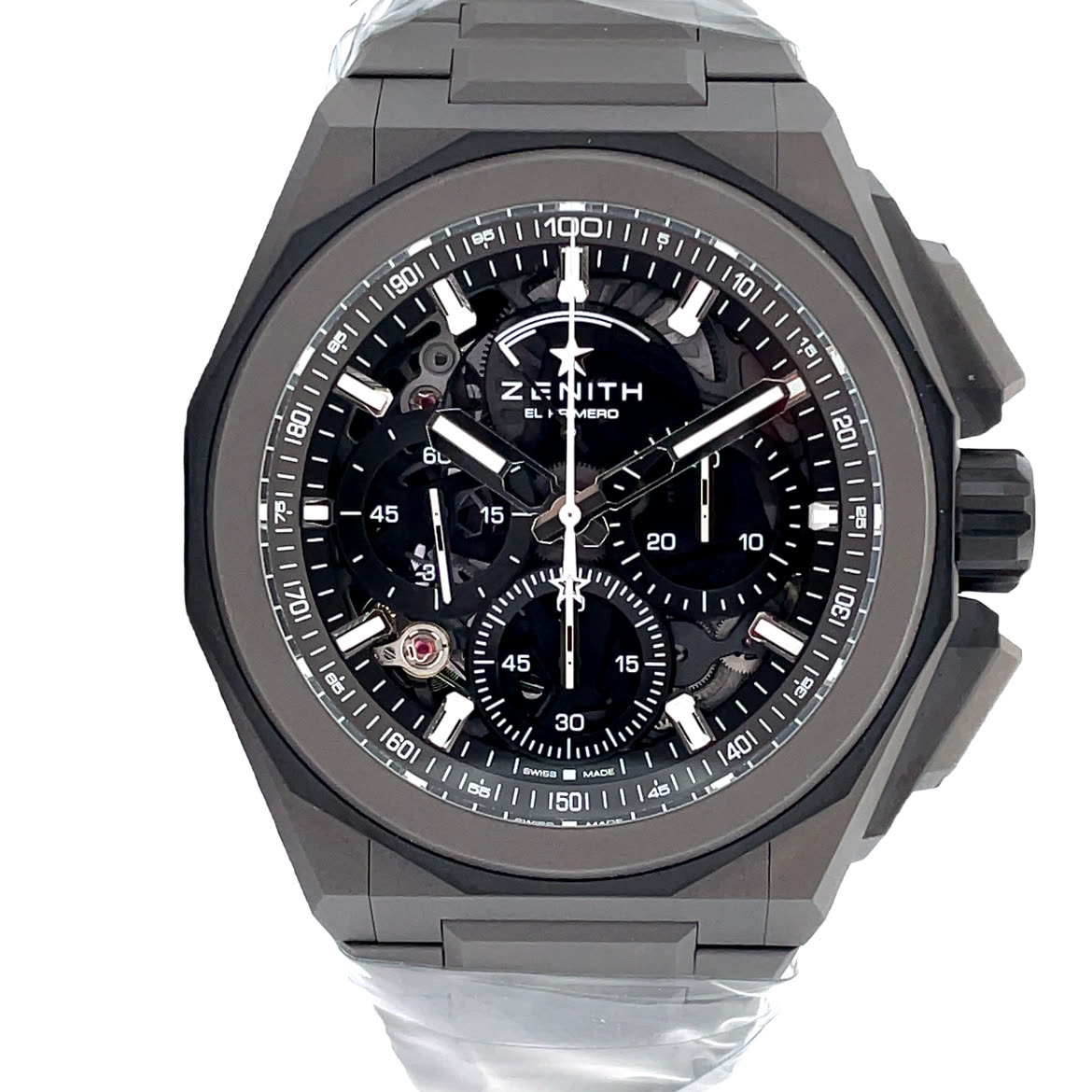
Produced by Zenith (El Primero 21) and TAG Heuer.
Identification
- A central hand that spins at a blurring speed (1 rps)
- Scale graduated to 100
Servicing notes
Extremely high energy consumption; usually has a very short power reserve for the chronograph train.
General guidance only. Complicated mechanisms should be assessed and serviced by a qualified watchmaker or clockmaker specialist, not adjusted at home.
Background
Chronographs specialized for sports timing often incorporate a high-frequency resonator to improve temporal resolution. These instruments typically operate at a frequency of 50 Hz to achieve the capability of displaying intervals at one-hundredth of a second. The accuracy of such a chronograph is fundamentally related to human reaction time and the consistency of that reaction.
If the reaction time remains consistent at both the start and stop of a measurement, the timing achieves the precision inherent to the chronograph itself. Hybrid display methods are also observed in these instruments, where measured times are presented through a combination of analog and digital indicators.
Written from the encyclopedia entries listed under Sources; each statement was checked against the cited text. Passages from sources in other languages are given in English translation.
Photographs
Photographs are illustrative examples of the type, not necessarily the exact object described. Verify details against the source file page.
Sources & references
- Chronographe, Wikipedia (French), retrieved 2026-10-28 (text CC BY-SA 4.0)
- de Carle, D., Watch and Clock Encyclopedia
- Britten, F. J., Old Clocks and Watches and Their Makers
- Horological Journal (British Horological Institute), technical articles
Where sources disagree, the disagreement is stated rather than resolved silently.