
Complication · Striking & chiming
Dumb Repeater
Partially verifiedA repeater whose hammers strike a block or the case rather than a bell or gong.
Definition
A repeater whose hammers strike a block or the case rather than a bell or gong.
Historical origin
Developed for discretion, so the time could be felt rather than heard; associated with nineteenth-century practice.
How it works
The hammers fall on a metal block or the case interior, producing a dull thud felt through the hand.
The counting mechanism is otherwise that of a conventional repeater.
Pocket watch context
A recognised variant of pocket repeating work, sometimes described as a silent repeater in period catalogues.
Wristwatch context
Very rare in wristwatches.
Identification
- A repeater with no bell or gong visible
- A muted thud rather than a ring when operated
Servicing notes
This is specialist work. Levers, springs and cam profiles in complicated work are calibre-specific, and incorrect reassembly commonly damages parts that cannot be bought. Refer the movement to a watchmaker experienced with this mechanism.
General guidance only. Complicated mechanisms should be assessed and serviced by a qualified watchmaker or clockmaker specialist, not adjusted at home.
Related photographs
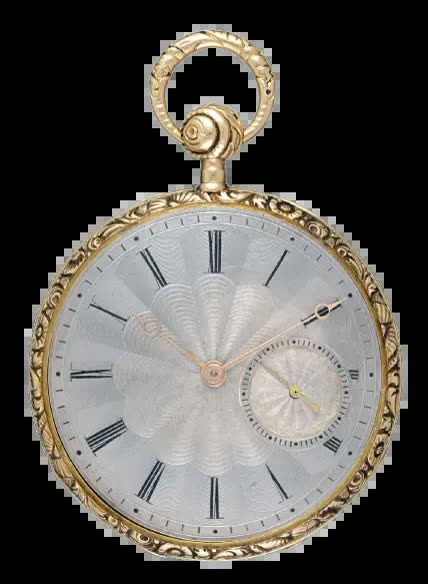
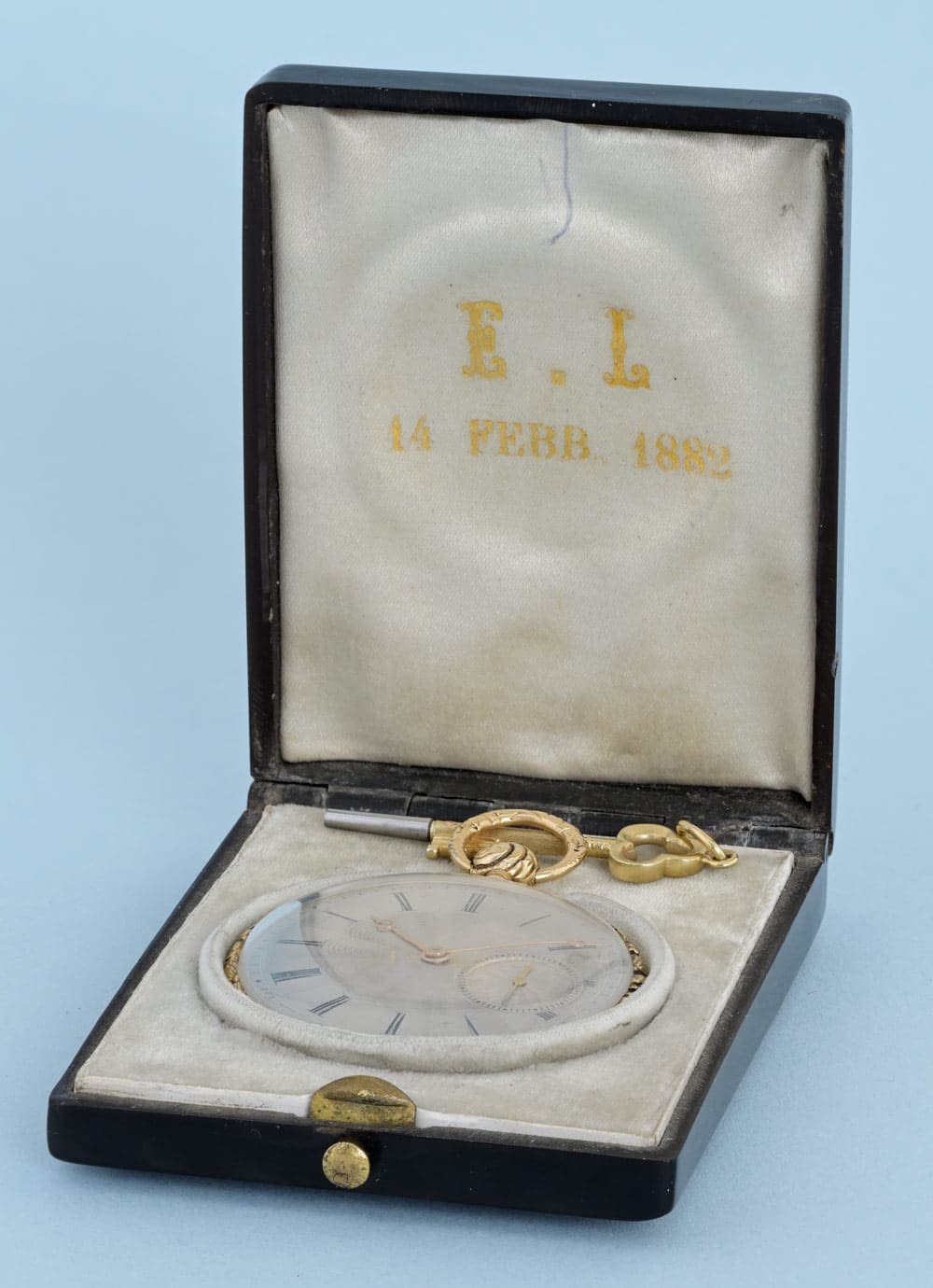
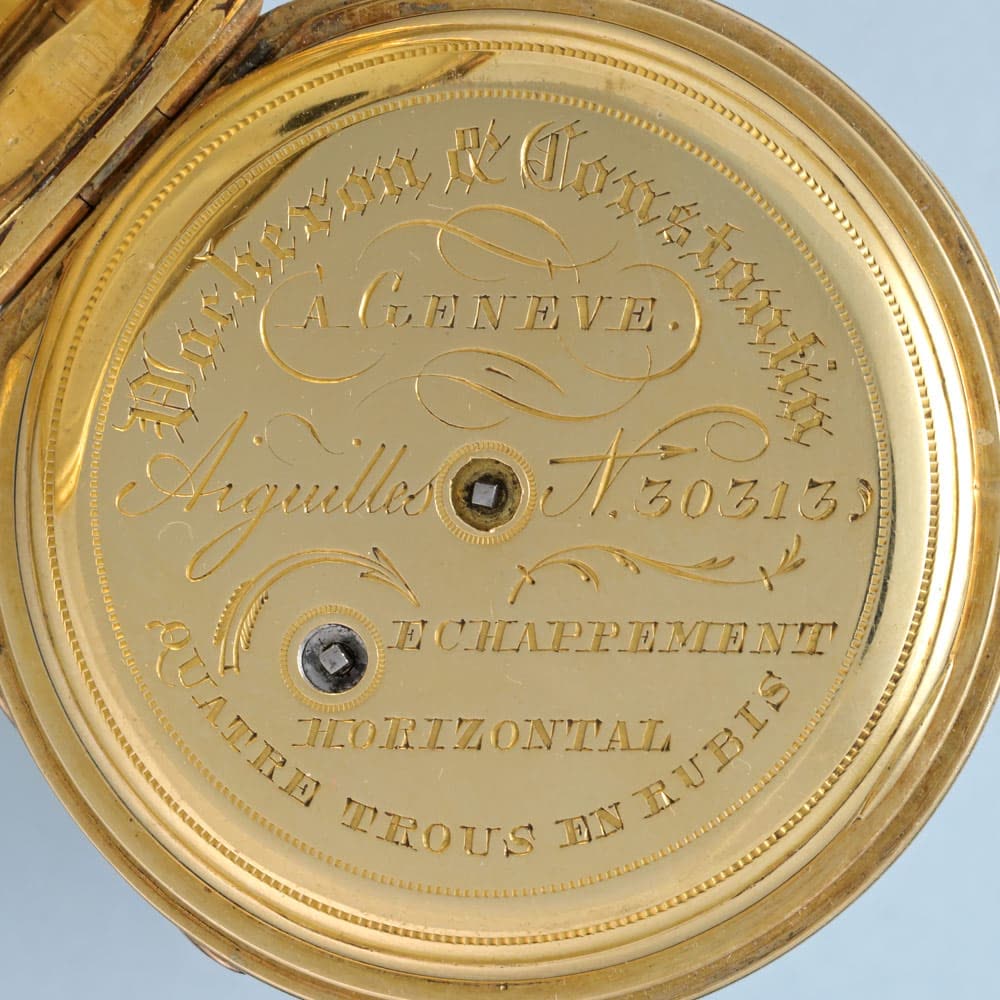
No confidently matched photograph of this subject has been found yet. These photographs show a closely related record, and are not examples of the type described on this page.
Sources & references
- de Carle, D., Watch and Clock Encyclopedia
- Britten, F. J., Old Clocks and Watches and Their Makers
- Horological Journal (British Horological Institute), technical articles
Where sources disagree, the disagreement is stated rather than resolved silently.