
Complication · Striking & chiming
Carillon (Repeater)
Needs researchA repeating or striking watch using three (or more) gongs and hammers to strike the quarters in a melodic, multi-tone sequence rather than the simple two-tone pattern of a standard quarter repeater.
Definition
A repeating or striking watch using three (or more) gongs and hammers to strike the quarters in a melodic, multi-tone sequence rather than the simple two-tone pattern of a standard quarter repeater.
Historical origin
A refinement of repeating-watch acoustics developed to give the quarter-striking sequence a richer, chime-like character, drawing on the same 'carillon' terminology used for tuned bell chimes in tower clocks; specific date of introduction to watches is not well documented in sources consulted.
How it works
Where a standard repeater uses two gongs (for a two-tone ding-dong quarter sequence), a carillon repeater adds a third gong tuned to a different pitch, along with a corresponding third hammer, so the quarter sequence can be struck in a more elaborate three-note pattern.
The rack-and-snail reading of hours, quarters and minutes works exactly as in an ordinary minute or quarter repeater; the added complexity is confined to the hammer/gong arrangement and the cam profile that sequences which hammer strikes in what order for each quarter.
Fitting a third gong within the case, each tuned to a distinct and pleasing pitch without interfering with the other gongs' resonance, is largely an acoustic engineering challenge on top of the existing striking-train mechanics.
Carillon Striking: Striking work sounding a melody on three or more gongs or bells.
Additional hammers and gongs allow a melodic sequence rather than a simple count.
A chime barrel or a programmed cam sequence sets the order in which hammers fall.
Pocket watch context
An occasional refinement on high-grade nineteenth-century repeating pocket watches, valued for its more musical quarter-striking sound.
Wristwatch context
Extremely rare in wristwatches, offered by a small number of specialist high-complication makers as an ultra-premium variant of the minute repeater.
Identification
- Three (or more) distinct gong tones during the quarter-striking sequence, rather than two
- Movement shows three hammers and three coiled gongs rather than the usual two
- Three or more gongs or bells
- A recognisable melody rather than counted blows
Servicing notes
As with all repeating and striking mechanisms, carillon repeaters require a specialist watchmaker experienced with multi-gong striking work; this is not general repair territory.
General guidance only. Complicated mechanisms should be assessed and serviced by a qualified watchmaker or clockmaker specialist, not adjusted at home.
Photographs




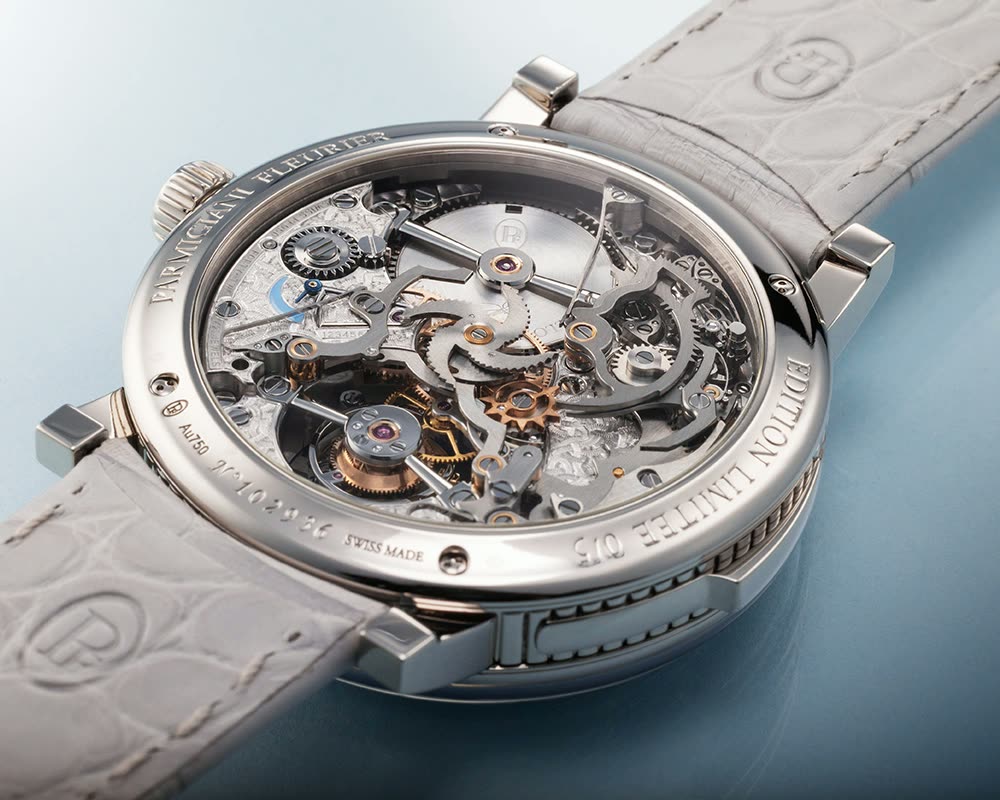
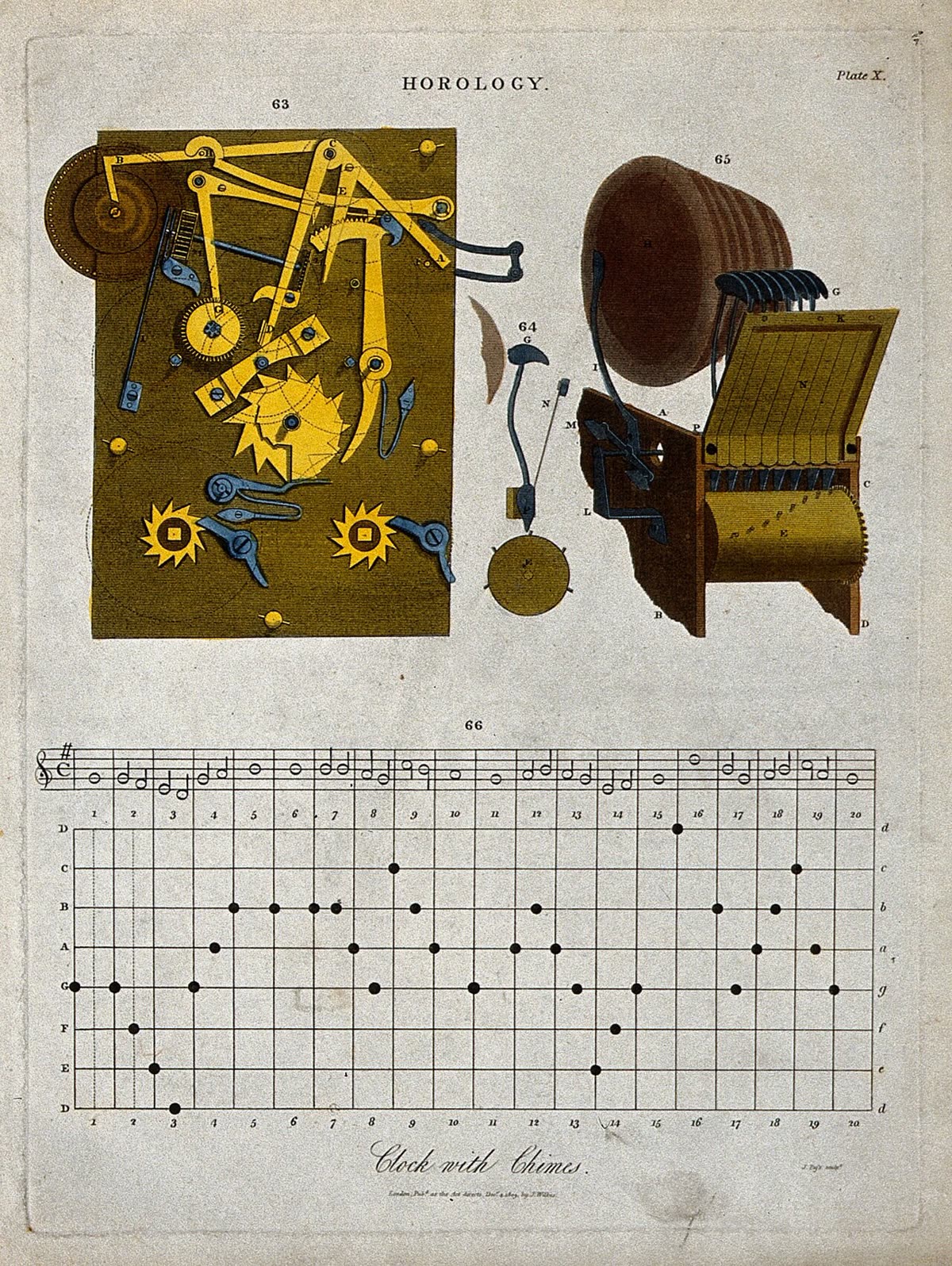
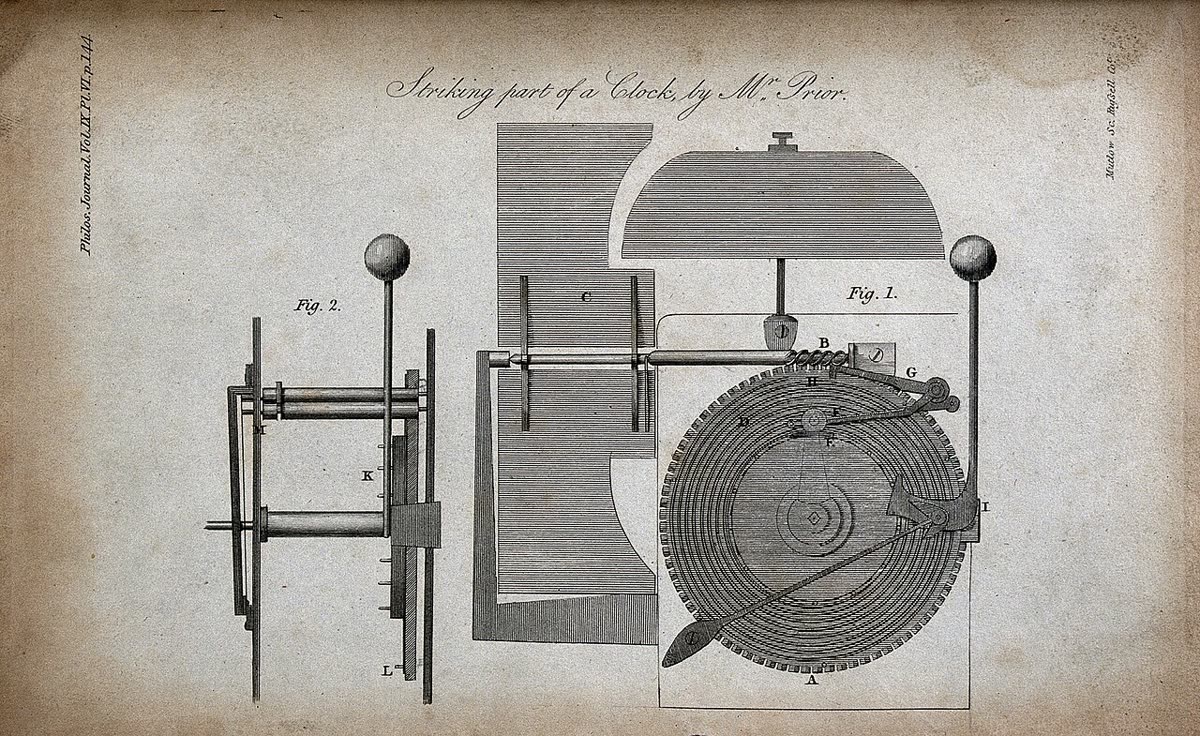
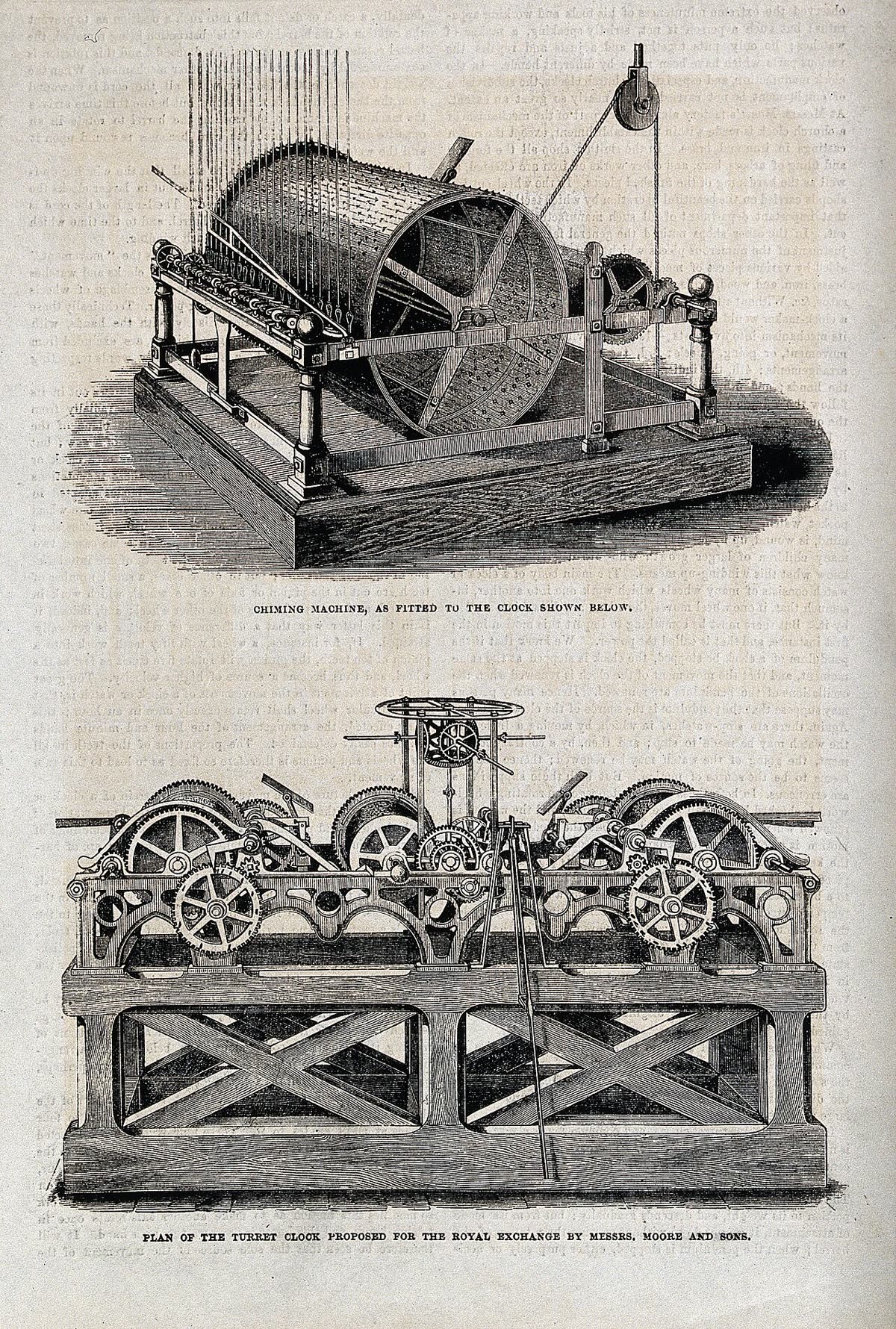
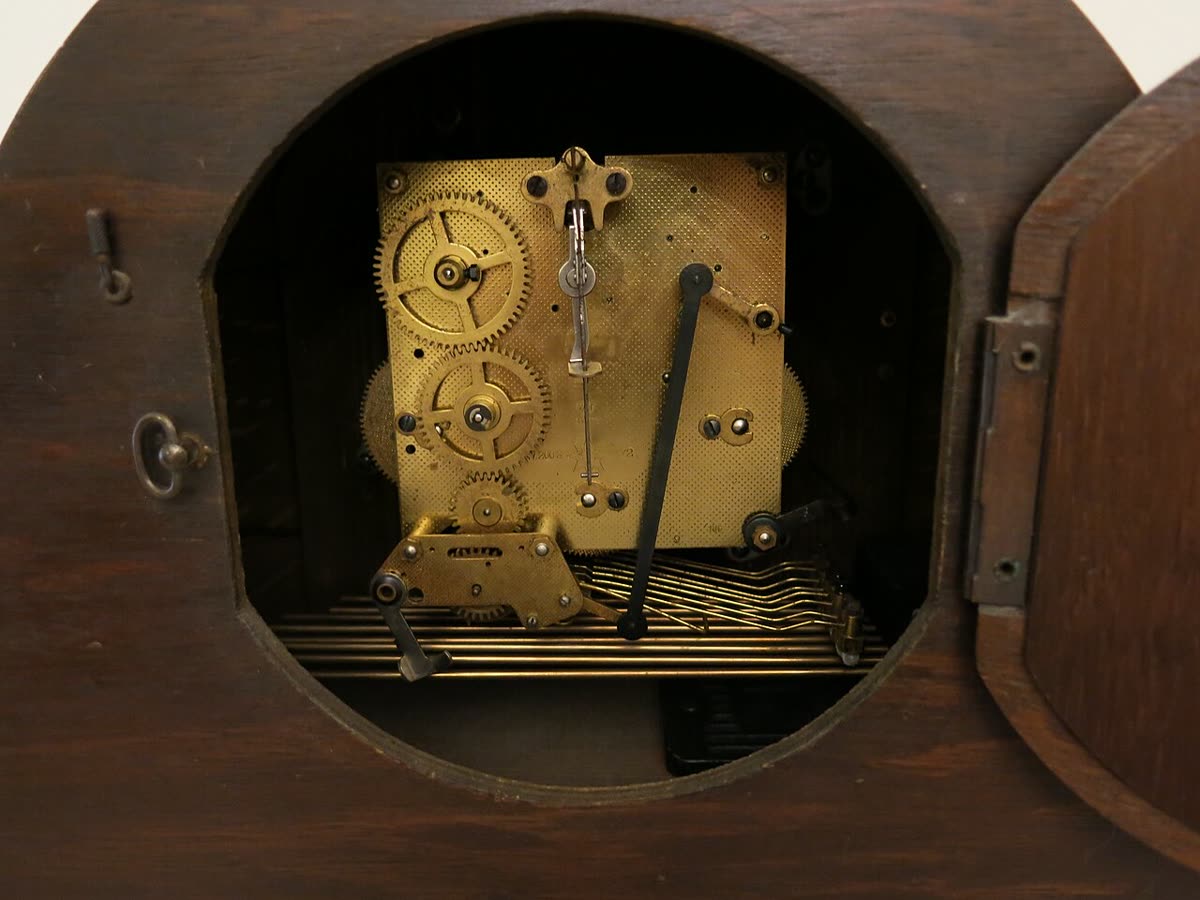
Photographs are illustrative examples of the type, not necessarily the exact object described. Verify details against the source file page.
Sources & references
- de Carle, D., Watch and Clock Encyclopedia
- Specific origin and dating of carillon repeating watches not established from sources consulted; flagged for further research.
- Britten, F. J., Old Clocks and Watches and Their Makers
- Horological Journal (British Horological Institute), technical articles
Where sources disagree, the disagreement is stated rather than resolved silently.