
Clock type · Precision
Year-Going Clocks
Partially verifiedClocks running for a year or more on a single winding.
Background
Year-going clocks, often referred to as one-year clocks, are designed to run for extended durations on a single winding. Notable English makers such as Thomas Tompion and Daniel Quare produced these specialized timepieces during the late 17th and early 18th centuries.
Construction of these clocks requires precise engineering to maintain force for over twelve months, often utilizing light swing wheels, balanced hands, and shortened arbors. These clocks were used in significant locations, including the Royal Observatory and royal residences like Hampton Court Palace and Buckingham Palace.
Written from the sources listed below; each statement was checked against the cited text.
Recognising one
- A year-going clock may be housed in a tall case, such as the one described at Hampton Court Palace which stands over ten feet high.
- Some year-going clocks by prominent makers like Tompion were marked with a serial numbering system.
Movement & mechanism
- Very large going barrels or long weight drops with multiple pulleys
- Additional train wheels to extend duration
- Maintaining power so the clock is not stopped while winding
Identification
- Unusually large barrels or heavy weights with compound pulleys
- Extra wheels in the going train
- Claims of year-going duration should be verified against the train count
Terminology
- Going barrel
- Maintaining power
- Duration
Known variations
- Month, three-month and year-going versions
Collecting notes
Originality decides value and interest: check that movement, dial and case belong together, and prefer honest wear over refinishing. Movement work belongs with a clockmaker; cleaning a dial or case yourself commonly destroys the evidence that dates the clock.
Photographs
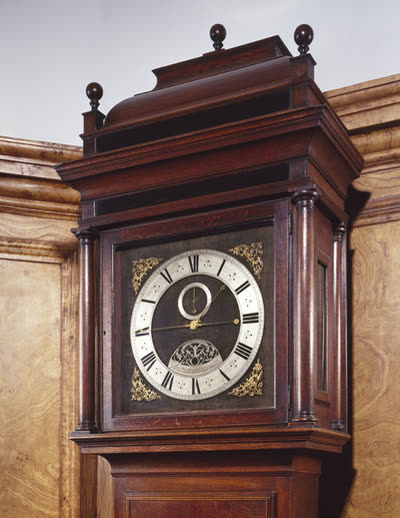
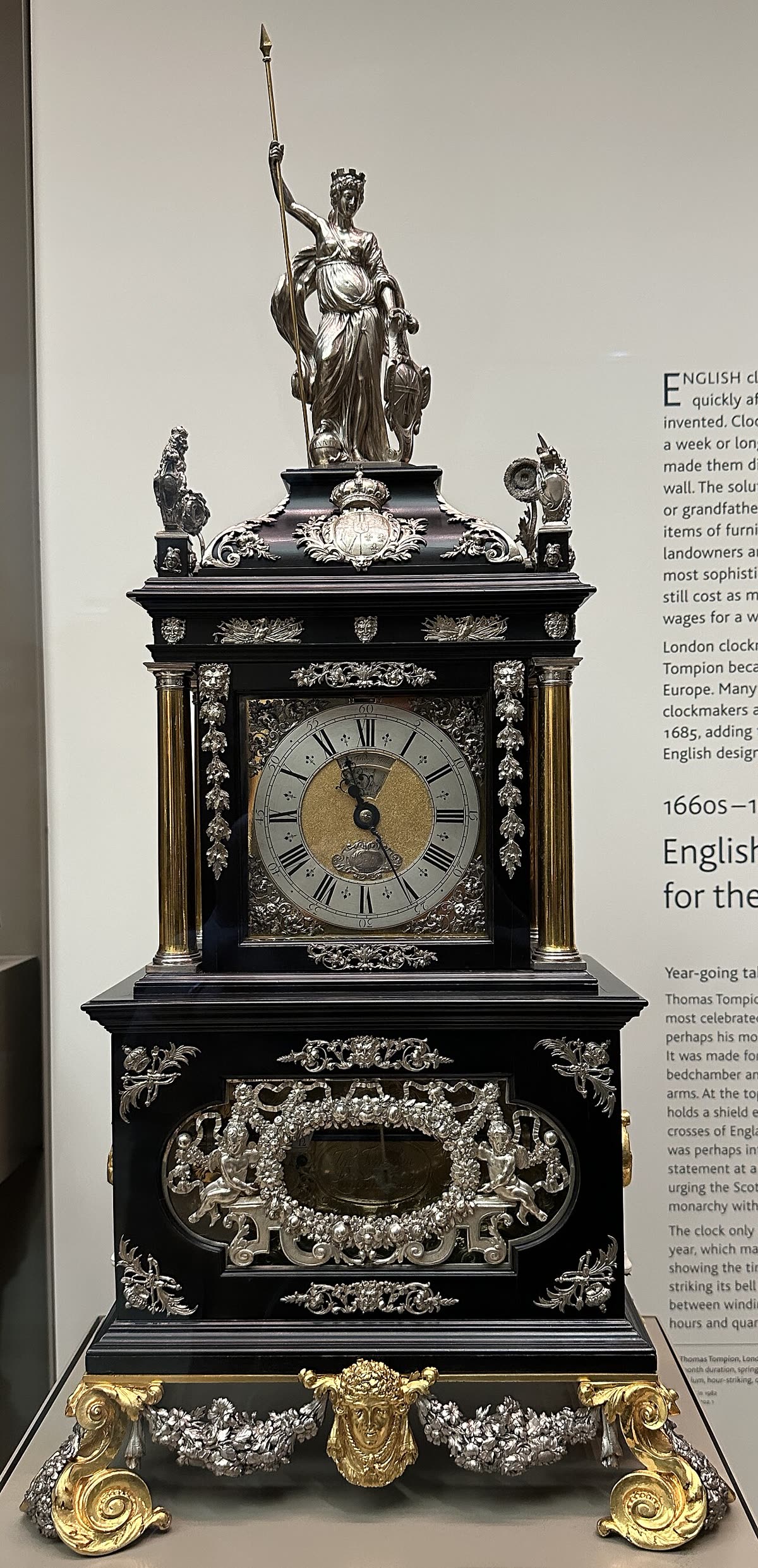
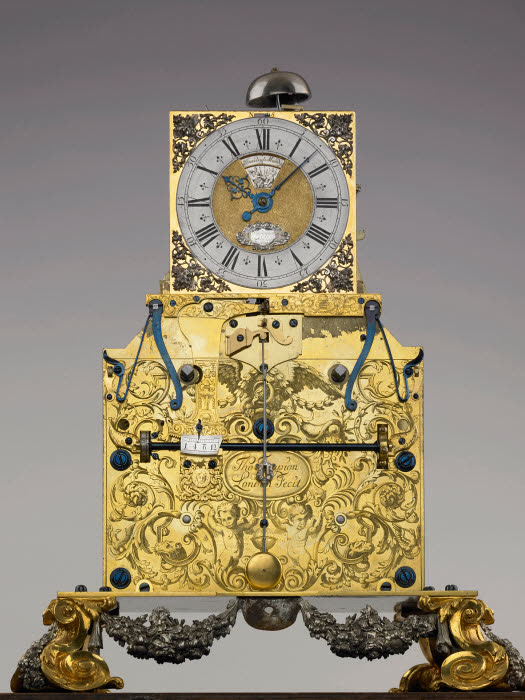
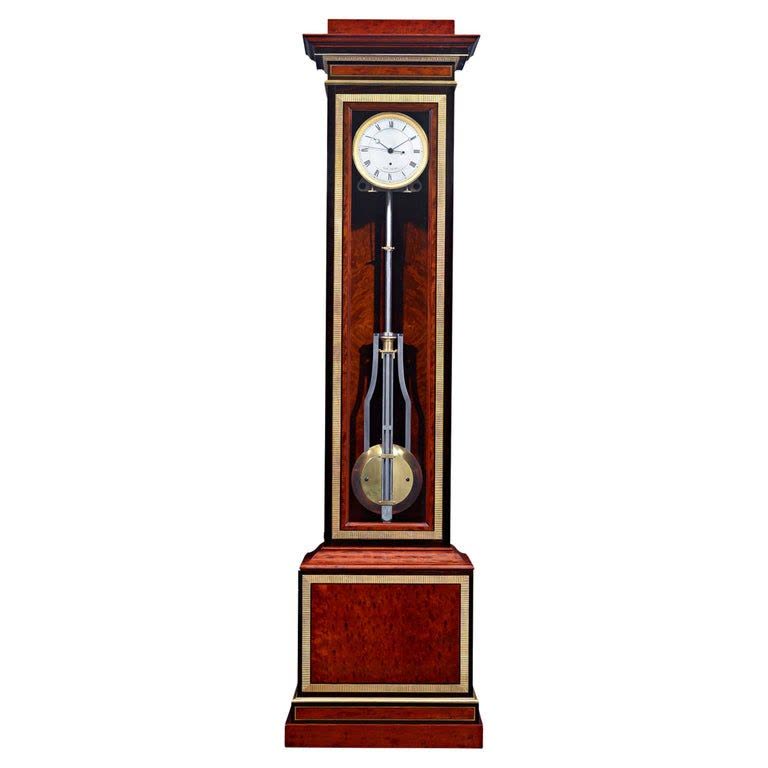
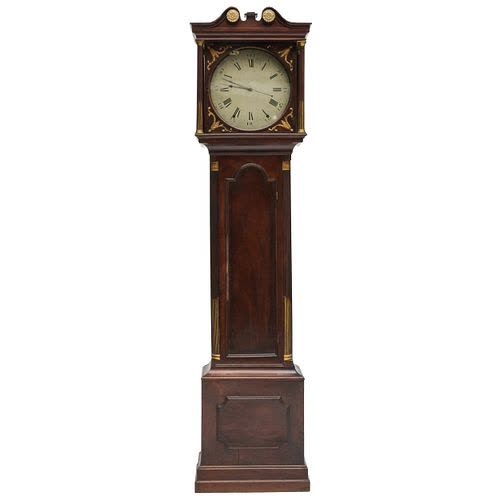
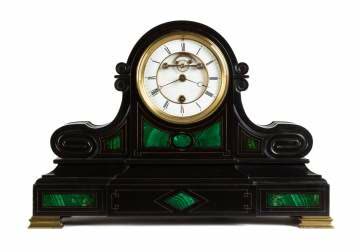
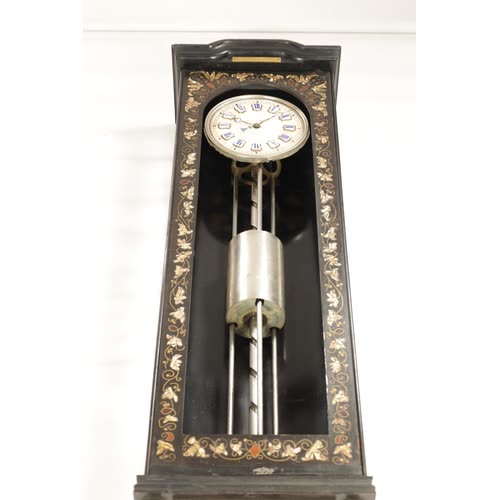
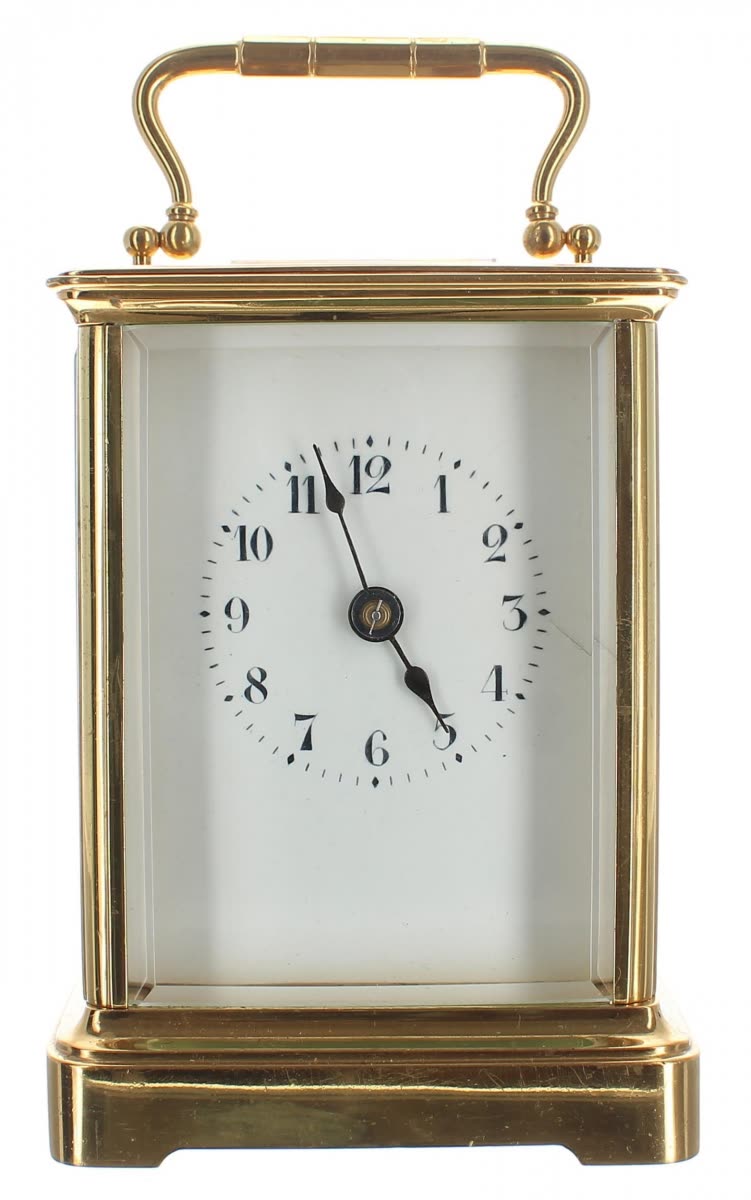
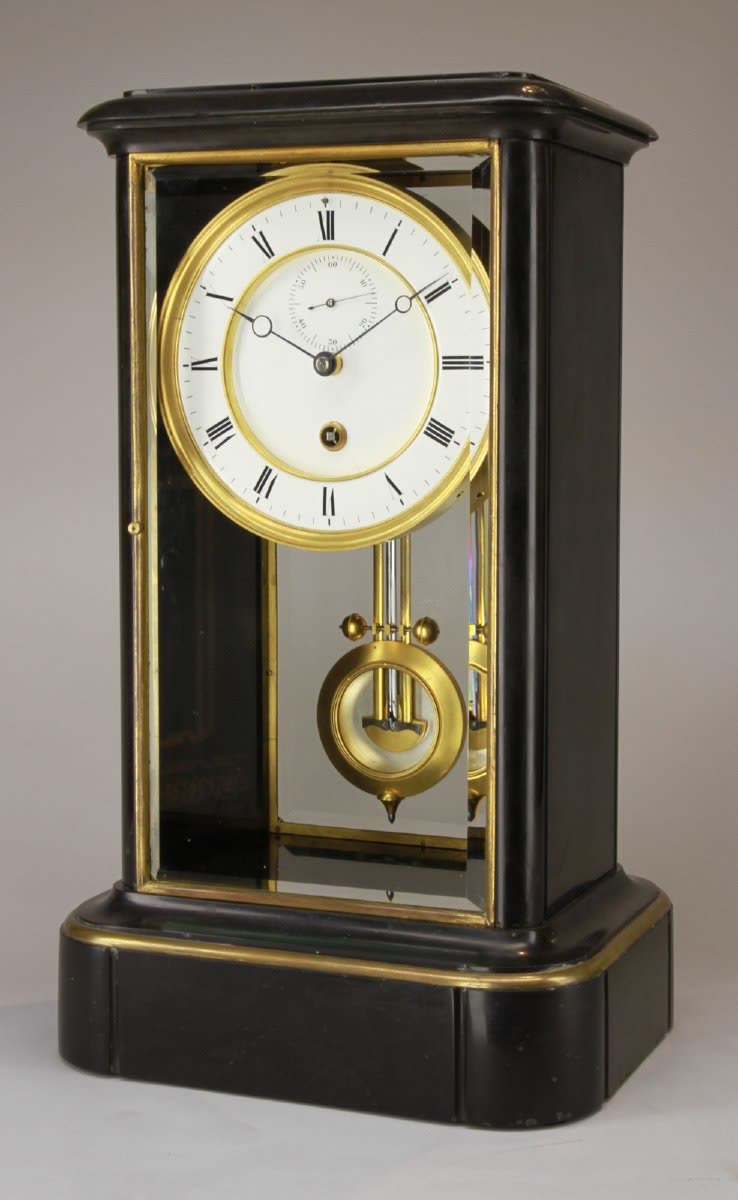
Photographs are illustrative examples of the type, not necessarily the exact object described. Verify details against the source file page.
Sources & references
- Thomas Tompion, Wikipedia (English), retrieved 2026-10-28 (text CC BY-SA 4.0)
- Daniel Quare, Wikipedia (English), retrieved 2026-10-28 (text CC BY-SA 4.0)
- Britten, F. J., Old Clocks and Watches and Their Makers
- Loomes, B., reference works on British clockmakers (edition-dependent)
- Museum catalogue descriptions of comparable examples
Where sources disagree, the disagreement is stated rather than resolved silently.