
Clock type · Domestic
Lighthouse Clocks
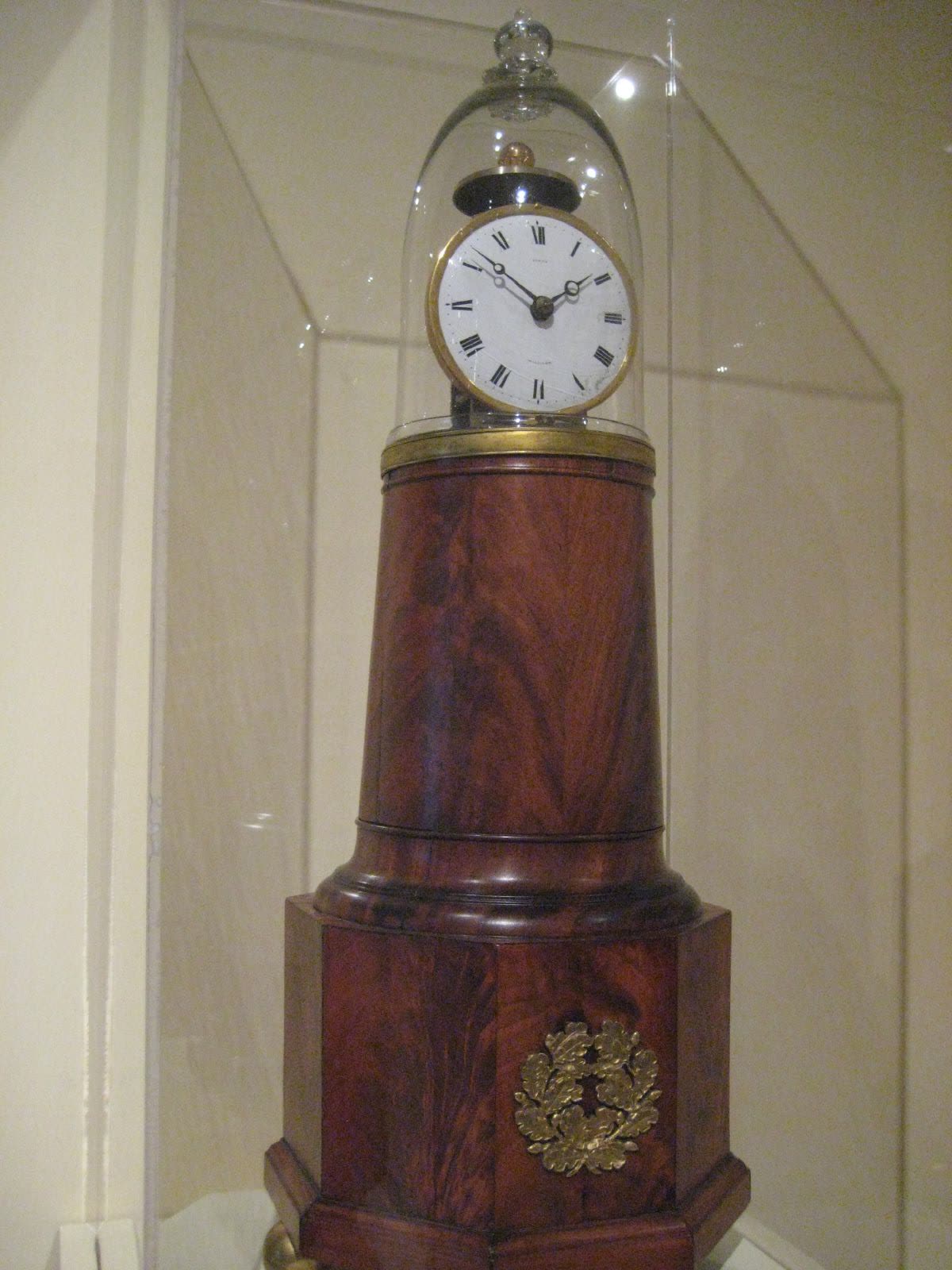
Partially verifiedAmerican shelf clocks shaped like a lighthouse, featuring a glass dome at the top.
Background
Lighthouse clocks were manufactured in the United States from 1818 through the 1830s by clockmaker Simon Willard and his partnership with his son, Simon Willard Jr. These timepieces are constructed with a round, square, or octagonal wooden base that transitions into a tapered column, topped by a mechanism protected by a glass dome. The internal movement is weight-driven and pendulum-regulated, with some examples featuring an alarm mechanism powered by a separate weight.
Although designed as high-style shelf clocks, the cases vary significantly in quality, ranging from simple paint and stencil decorations to mahogany with ormolu brass mounts. These clocks are considered to be the first alarm clocks produced in America, though many later examples were built without the alarm feature.
Written from the sources listed below; each statement was checked against the cited text.
Recognising one
- The clock stands between 24 and 30 inches tall, although shorter examples exist where the column is only a few inches high.
- Dials are typically made of porcelain with brass backs or painted iron, often bearing inscriptions such as "Simon Willard" or "Willard Patent."
- The visual design of the cases is influenced by Neoclassical and Empire styles, with some featuring classical pictorial motifs.
Condition and survival
- Only about 200 to 300 original examples of these highly sought-after timepieces are estimated to remain.
- Modern reproductions of this mantel clock have been produced throughout the 20th century to satisfy collector interest.
Where sources differ
- Period. This guide records: “c. 1820 – 1830”. Evidence indicates production began in 1818 and continued into the mid-1830s.
Movement & mechanism
- Weight-driven movement in a tapered wooden case
- The clock mechanism is at the top under a glass dome
- Invented by Simon Willard
Identification
- Tapered cylindrical or octagonal case
- Glass dome at the top
- Very rare and highly sought after
Terminology
- Willard lighthouse clock
- Patent clock
- Dome clock
Known variations
- Various wood and painted variants
Collecting notes
Condition and originality are paramount. For technical clocks like regulators or atmospheric clocks, the completeness of the original mechanism is more important than case condition. For decorative clocks (Boulle, Empire), the quality of the case craft is central.
Photographs
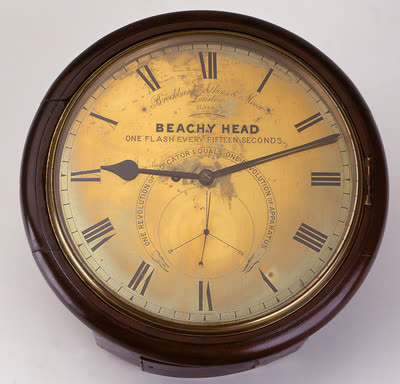
Photographs are illustrative examples of the type, not necessarily the exact object described. Verify details against the source file page.
Sources & references
- Lighthouse clock, Wikipedia (English), retrieved 2026-10-28 (text CC BY-SA 4.0)
- Simon Willard, Wikipedia (English), retrieved 2026-10-28 (text CC BY-SA 4.0)
- Britten, F. J., Old Clocks and Watches and Their Makers
- Museum catalogue records
Where sources disagree, the disagreement is stated rather than resolved silently.