
Source catalogue · individual objects
Object Catalogue
Individual objects described by auction houses, specialist dealers and collection catalogues. Attribution, dates and specifications remain source-reported unless independently established; rights clearance is pending.
Browse makers and their key pieces · Julien Le Roy profile
8 of 5699 objects · Page 1 of 1
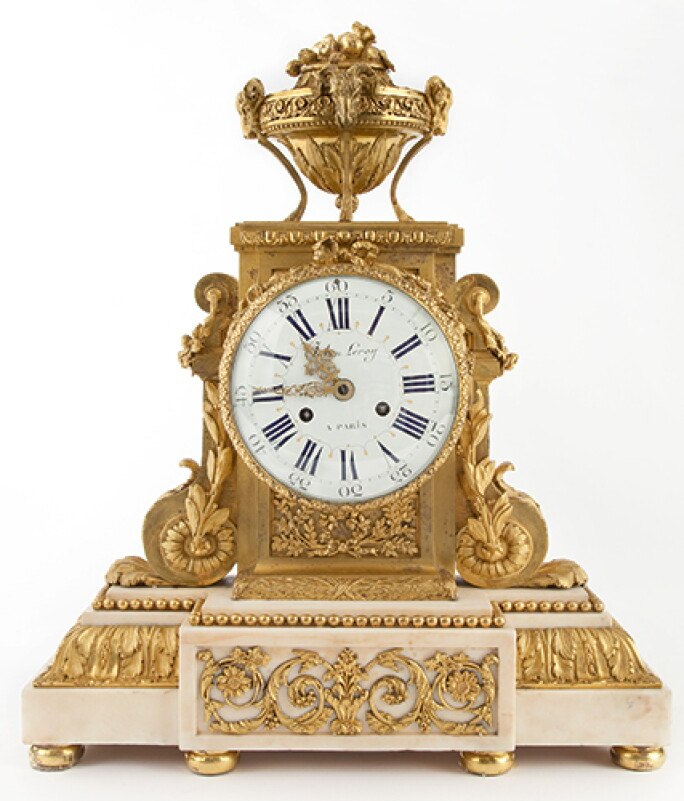
Clock · Mantel clock
Louis XVI ormolu and white marble mantel clock
This Louis XVI ormolu and white marble mantel clock features an architectural case surmounted by an ornamental classical urn draped with ram's head masks and fruit finials. The central white enamel dial is inscribed in cursive script 'Julien Le Roy A PARIS' with black Roman hour numerals and Arabic five-minute intervals. The dial includes two winding apertures and pierce-worked gilt hands. Flanking the dial housing are scrolling volutes and leaf sprays, set upon a stepped white marble plinth adorned with gilt-bronze beaded edging and foliate scrollwork mounts, raised on turned gilt feet. Sotheby's noted its inclusion in a Collections: European Decorative Arts auction.
Full description
www.sothebys.com
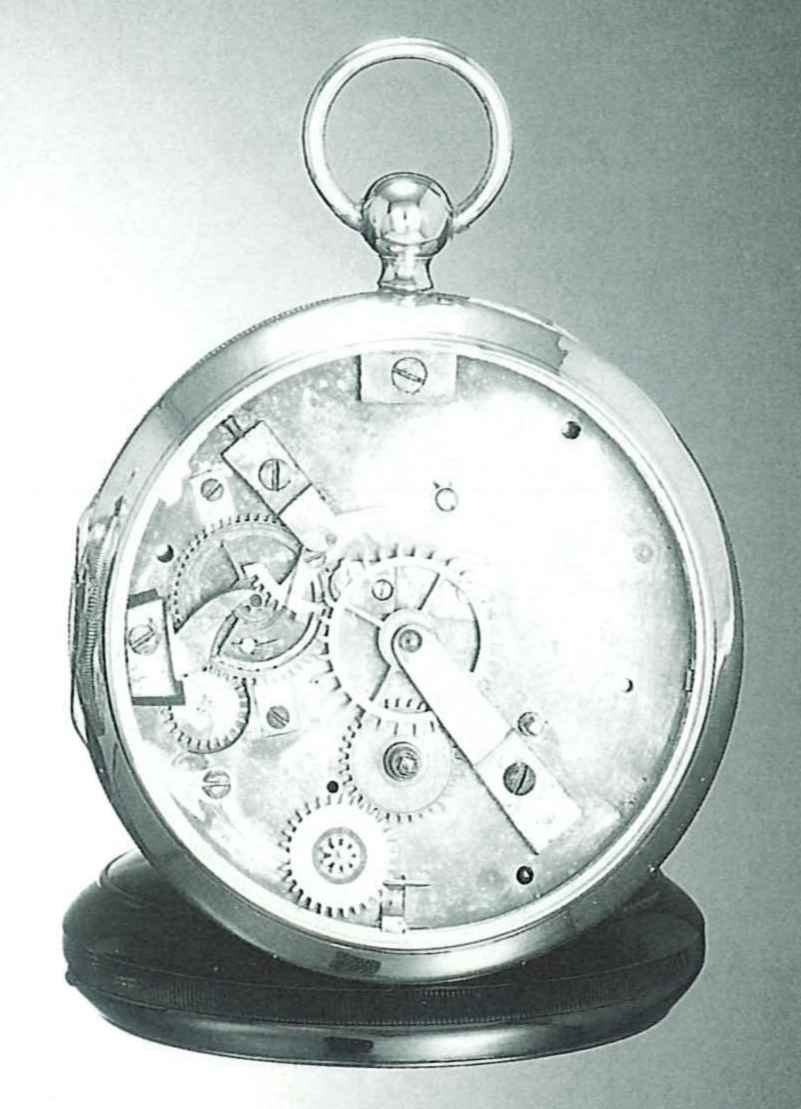
Pocket watch · Open-face watch
Julien Le Roy Centre Seconds Rack-Lever Watch
This centre seconds pocket watch, attributed to Julien Le Roy à Paris, dates to circa 1800 and is of Swiss origin. The 58 mm diameter timepiece is housed in a contemporary gilt brass case featuring a polished finish and a reeded band. Its dial is white enamel and eccentric, displaying Arabic numerals for the hours and an outer Arabic seconds track. The hinged, full-plate movement is constructed of gilt brass and utilizes a fusee with chain drive. Its primary technical feature is an early form of continental rack-lever escapement incorporating a pirouette, with the spiral spring mounted directly onto the pirouette wheel. This specific mechanical arrangement allows the escapement to beat seconds. The watch is documented in horological literature, including appearances in A.F.A.H.A. bulletin No. 13 and the Uhren Journal für Sammler Klassischer Zeitmesser.
Full description
catalog.antiquorum.swiss · 18
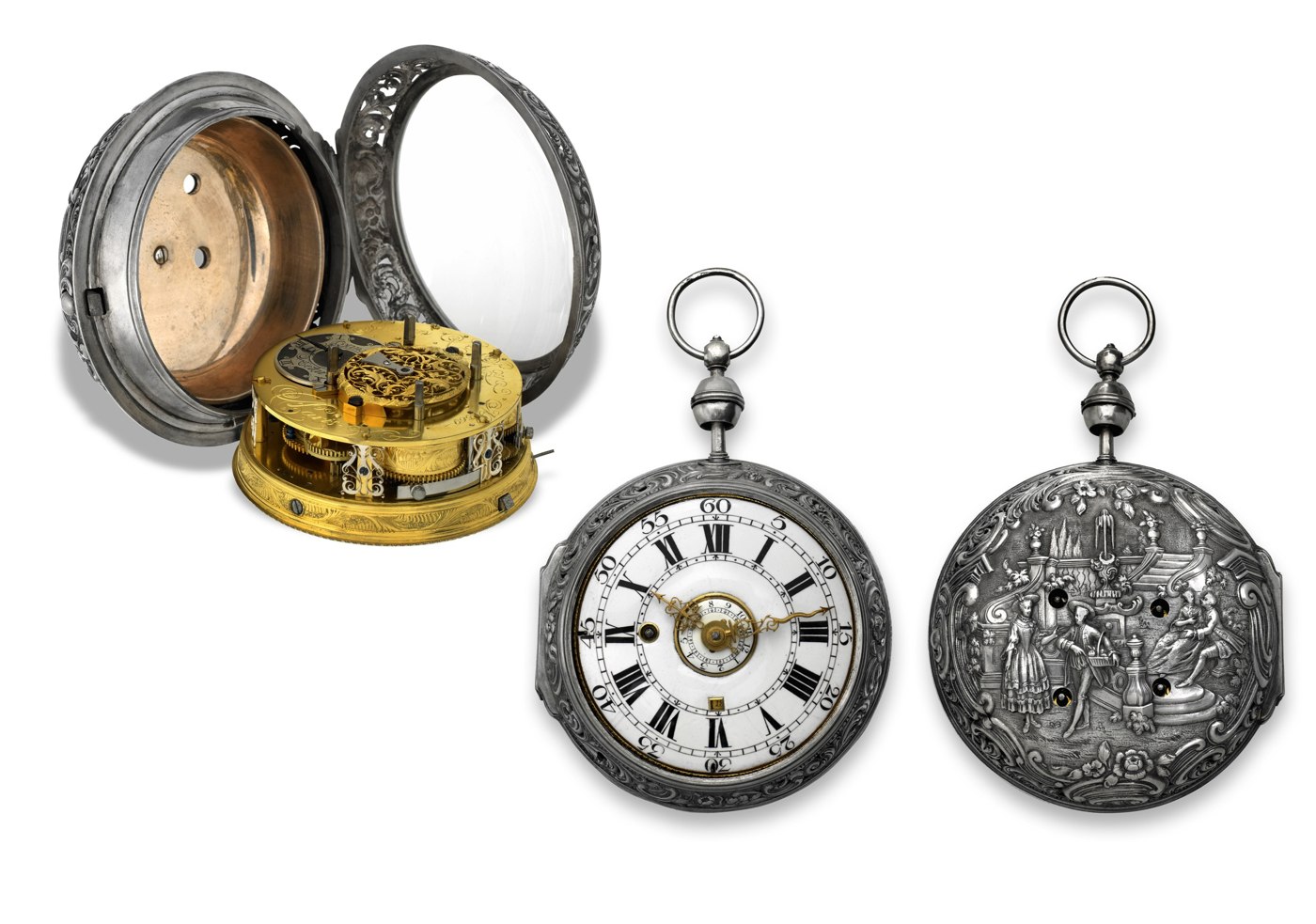
Pocket watch · Musical & automaton watch
Julien Le Roy Four-Train Coach Watch
This four-train silver coach watch is signed by Julien Le Roy of Paris, though the source attributes its manufacture to Friedberg, Germany, circa 1740. It features a repoussé silver two-body case measuring 115 mm in diameter, heavily decorated with pierced, chased, and engraved scrollwork. The back of the case depicts a scene featuring courting couples within a rococo garden setting. The white enamel dial incorporates radial Roman numerals for hours and an outer track for Arabic five-minute intervals, with a date aperture positioned above the six o'clock mark. An inner enamel disc serves the alarm function. The movement measures 83 mm, utilizing a gilt, full-plate architecture with rectangular pillars and foliate silver frets. Equipped with a fusee and chain, it performs hour and quarter striking, repeating, and alarm functions on an internal bell, incorporating a strike/silent lever.
Full description
catalog.antiquorum.swiss · 365
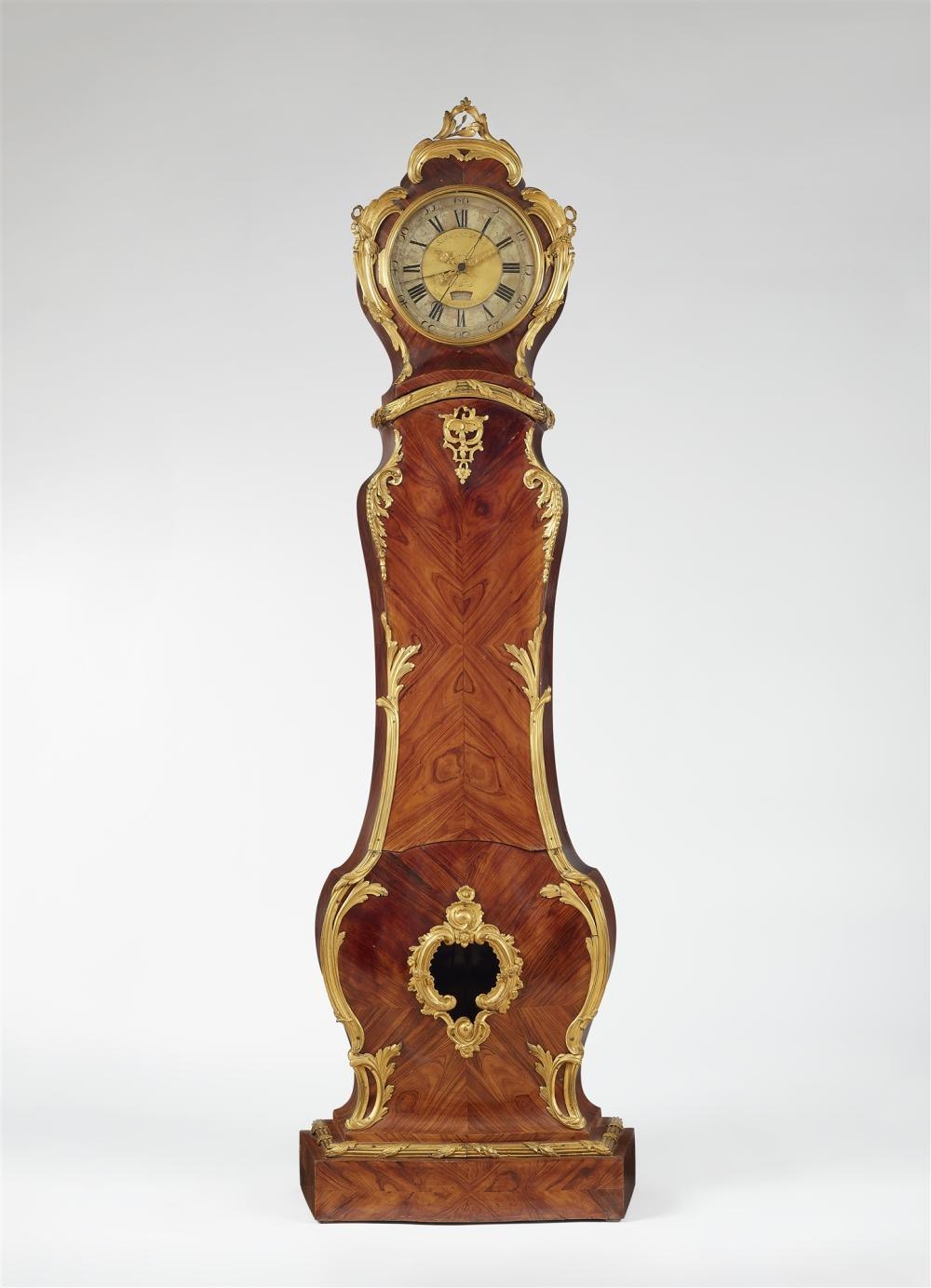
Clock · Regulator
Louis XV style regulator clock
This floor-standing regulator clock is attributed to cabinetmaker Balthazar Lieutaud, featuring a case crafted from rosewood veneer on oak with ormolu mountings. The silver and gold-plated dial is signed by the watchmaker Julien Le Roy. The dial displays black Roman hour numerals and Arabic minute numerals, along with a date and month aperture. The movement, which sits within the case, is a 19th-century replacement, as are the pendulum and the current driving mechanism. The clock has a height of 223 cm, width of 68 cm, and depth of 34 cm. It incorporates a pierced sun aperture for the indication of hours and minutes, a blued second hand, and a subsidiary second hand. The piece includes spring suspension of the pendulum and uses a rope drive.
Full description
www.invaluable.com · 1685
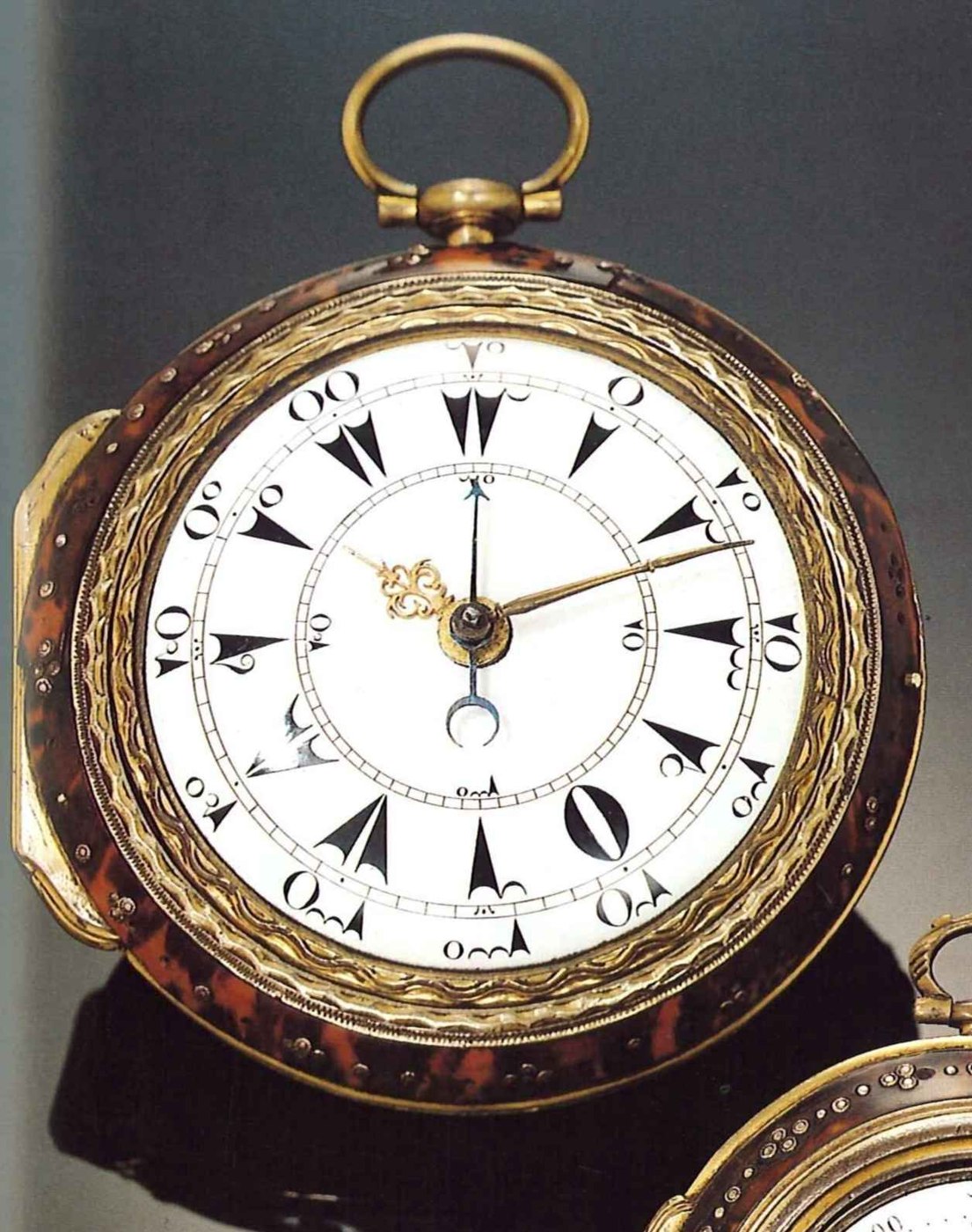
Pocket watch · Verge & pair-cased watch
Julien Le Roy Pair Cased Center Seconds Watch
This extra large center seconds watch by Julien Le Roy, numbered 22615, dates to approximately 1780 and is identified as being made for the Turkish market. It is a pair cased horological object measuring 95 mm in diameter. The outer case is a double body construction finished with tortoise-shell, while the inner double body case features an engine-turned basket work pattern. The dial is white enamel and displays Turkish numerals with an inner seconds ring, complemented by gilt brass hands. The movement is a gilt brass full plate construction, containing pierced Egyptian pillars and a fusee with chain mechanism. It utilizes a verge escapement with a plain brass three-arm balance and a flat balance spring. The movement includes a gilt brass continental cock fitted with a diamond endstone. The movement is signed on the back plate.
Full description
catalog.antiquorum.swiss · 15
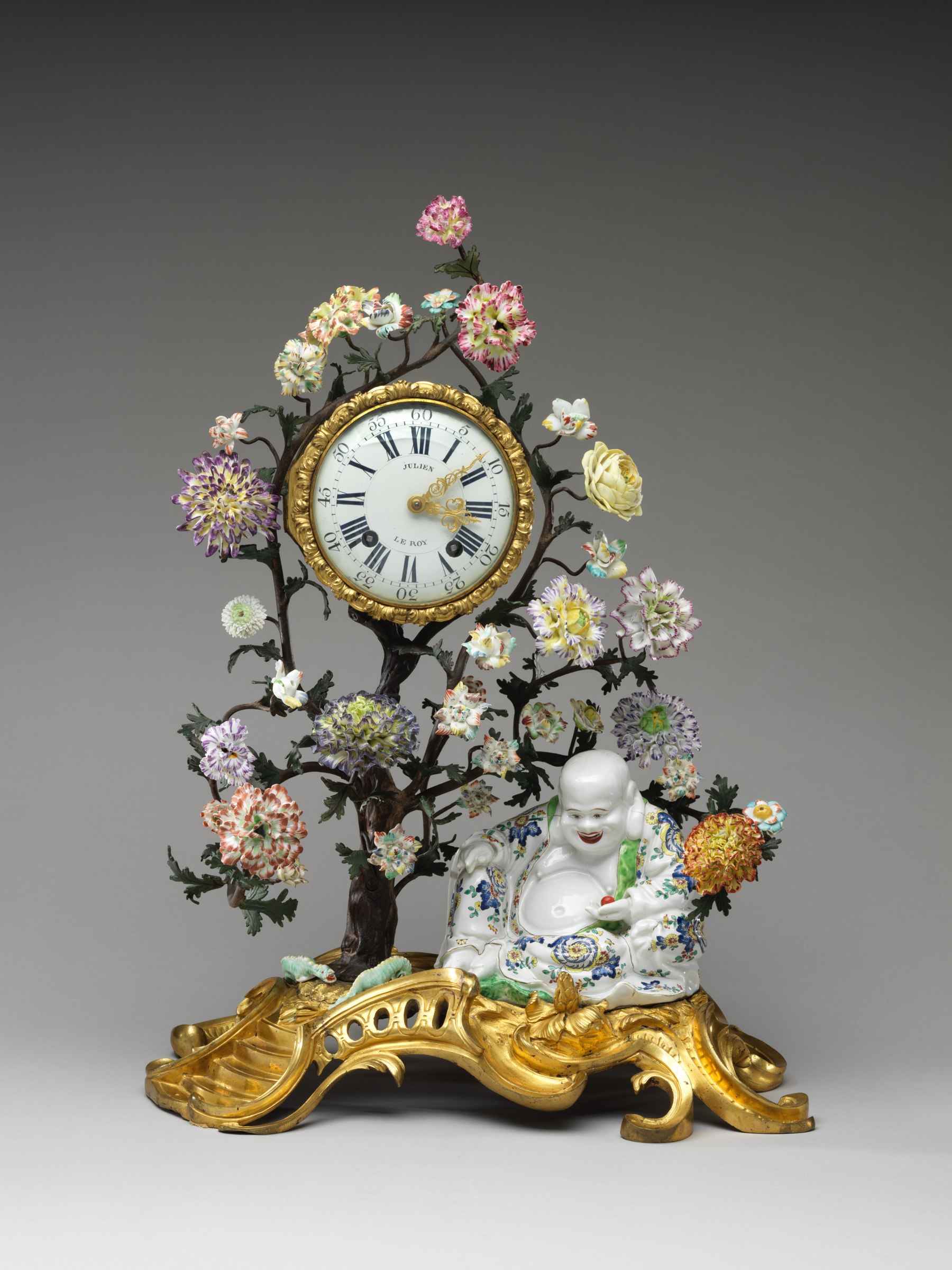
Clock · Mantel clock
Mantel clock
This mantel clock, created circa 1745–1749, is the work of Parisian clockmaker Julien Le Roy. The object consists of a clock movement housed within a drum-shaped case, which is integral to a larger decorative structure. The case and surrounding elements are constructed from Chantilly soft-paste porcelain mounted on a gilt bronze base. The aesthetic design incorporates numerous flowers rendered in both soft- and hard-paste porcelain, interspersed throughout the bronze branches that support the clock housing. The assembly rests on a stylized gilt bronze base and features a porcelain figure of a seated deity. The integration of Parisian horological mechanics with Chantilly decorative ceramics reflects the production environment of mid-eighteenth-century France. The clock measures 21 1/2 inches in height. The museum attribution identifies the movement as the work of Julien Le Roy.
Full description
Source listing · 1982.60.68
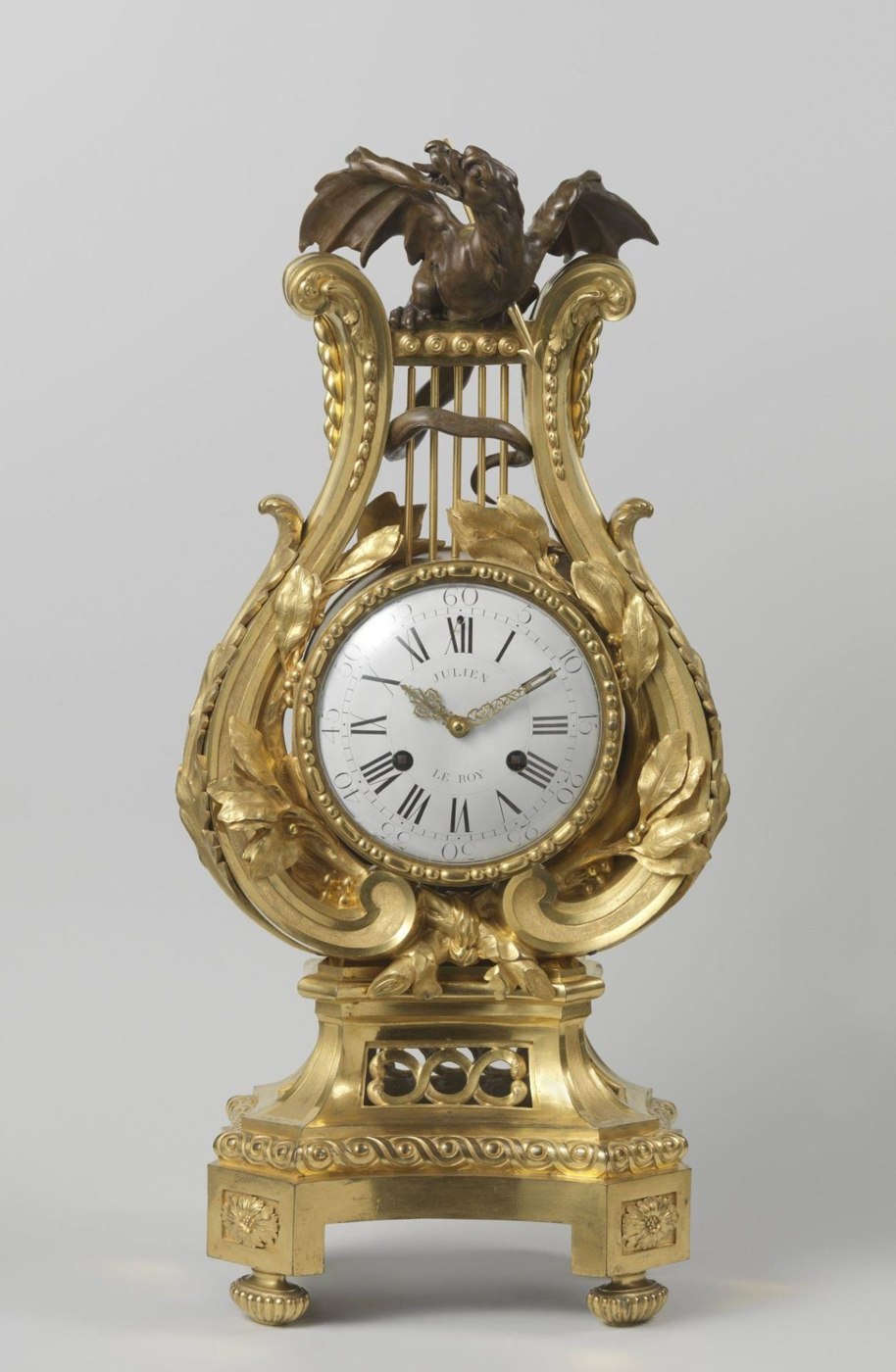
Clock · Mantel clock
Lyre-form Mantel Clock
This lyre-shaped mantel clock, dated circa 1768, is constructed from gilded and patinated bronze, featuring an enamel dial. The clock stands 87 cm high, 42 cm wide, and 26.5 cm deep. The dial, finished in white enamel, bears the signature 'JULIEN LE ROY' in black ink. Internal inscriptions confirm production details, including references to 'Buzot' and the date October 1768 on the springs for both the striking and going trains. The piece was acquired by the Rijksmuseum in 2011 through the support of the H.B. van der Ven fund, the BankGiro Loterij, and the Jaffé-Pierson Stichting.
Full description
www.rijksmuseum.nl · BK-2011-55
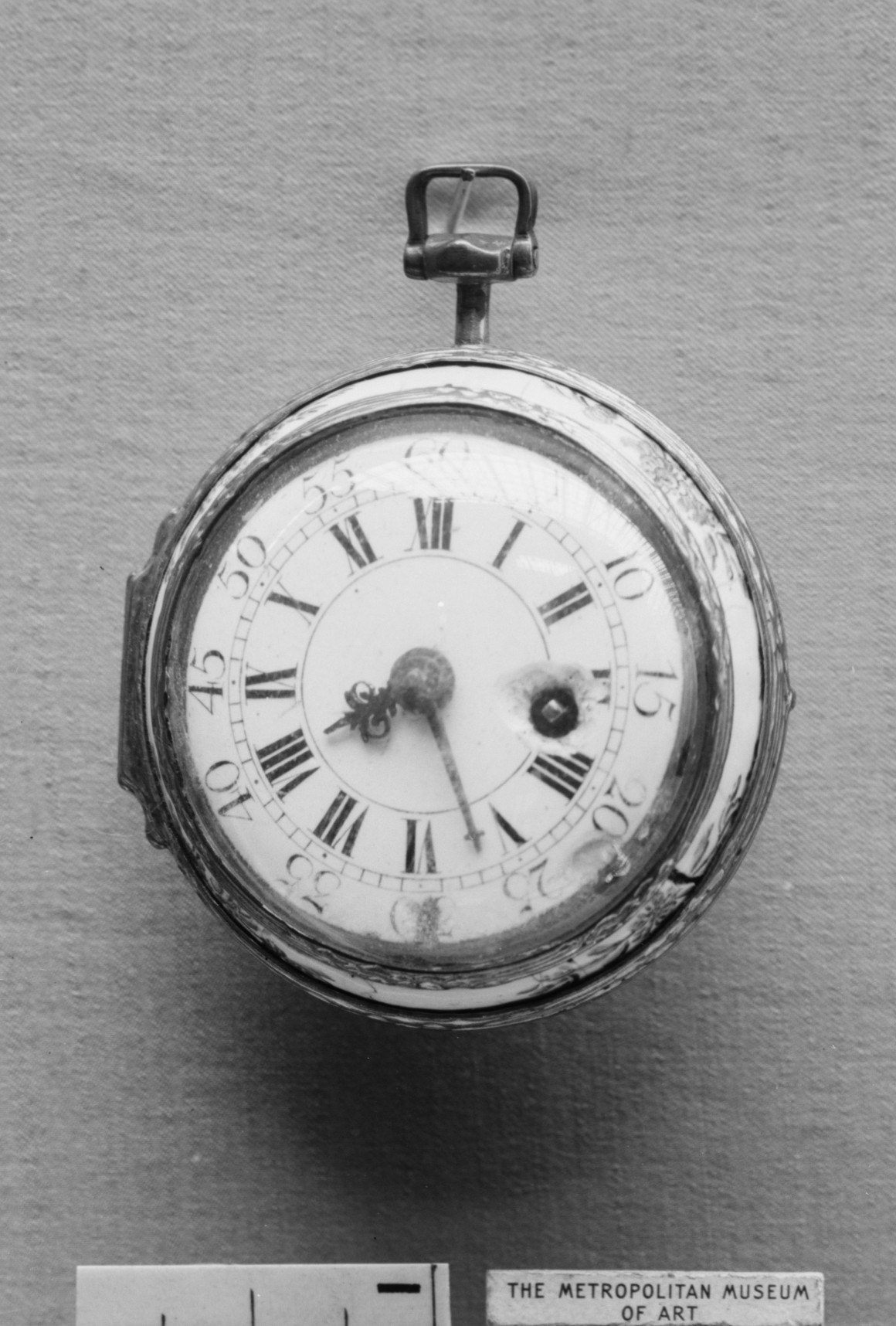
Pocket watch · Enamel, form & pendant watch
Watch by Julien Le Roy
This watch, held in the collection of The Metropolitan Museum of Art under accession number 89.2.70, is attributed to the French horologist Julien Le Roy. Dating to the 18th century, the object is constructed from gold, enamel, and copper. It measures 1 7/8 inches (4.8 cm) in diameter. The piece is part of the European Sculpture and Decorative Arts collection at the museum and was acquired through the gift of Joseph W. Drexel in 1889. Julien Le Roy, born in 1686 in Tours and active in Paris until his death in 1759, was a prominent maker who served as Horloger Ordinaire du Roi to King Louis XV.
Full description
Source listing · 89.2.70