
Related photographs
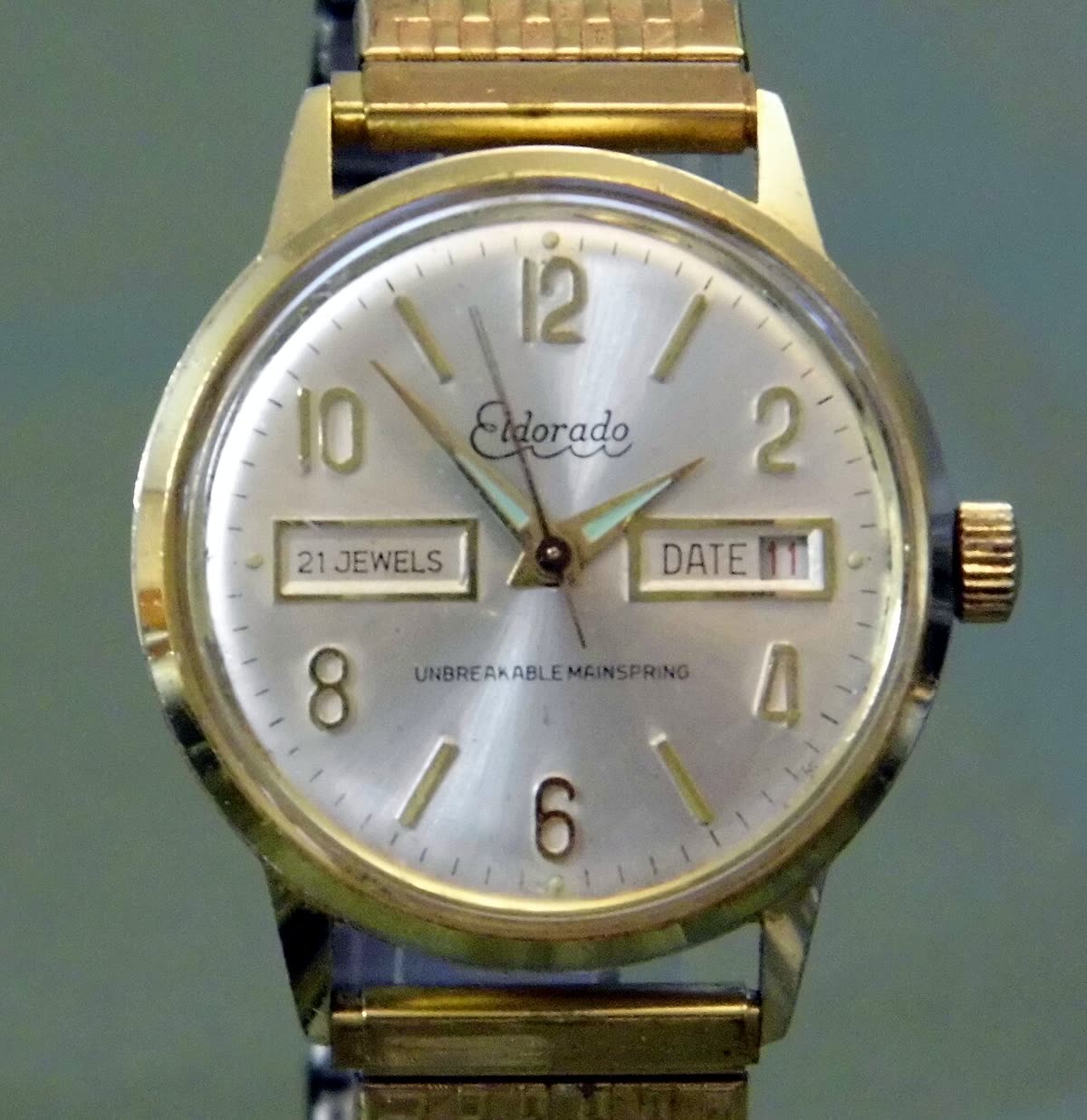
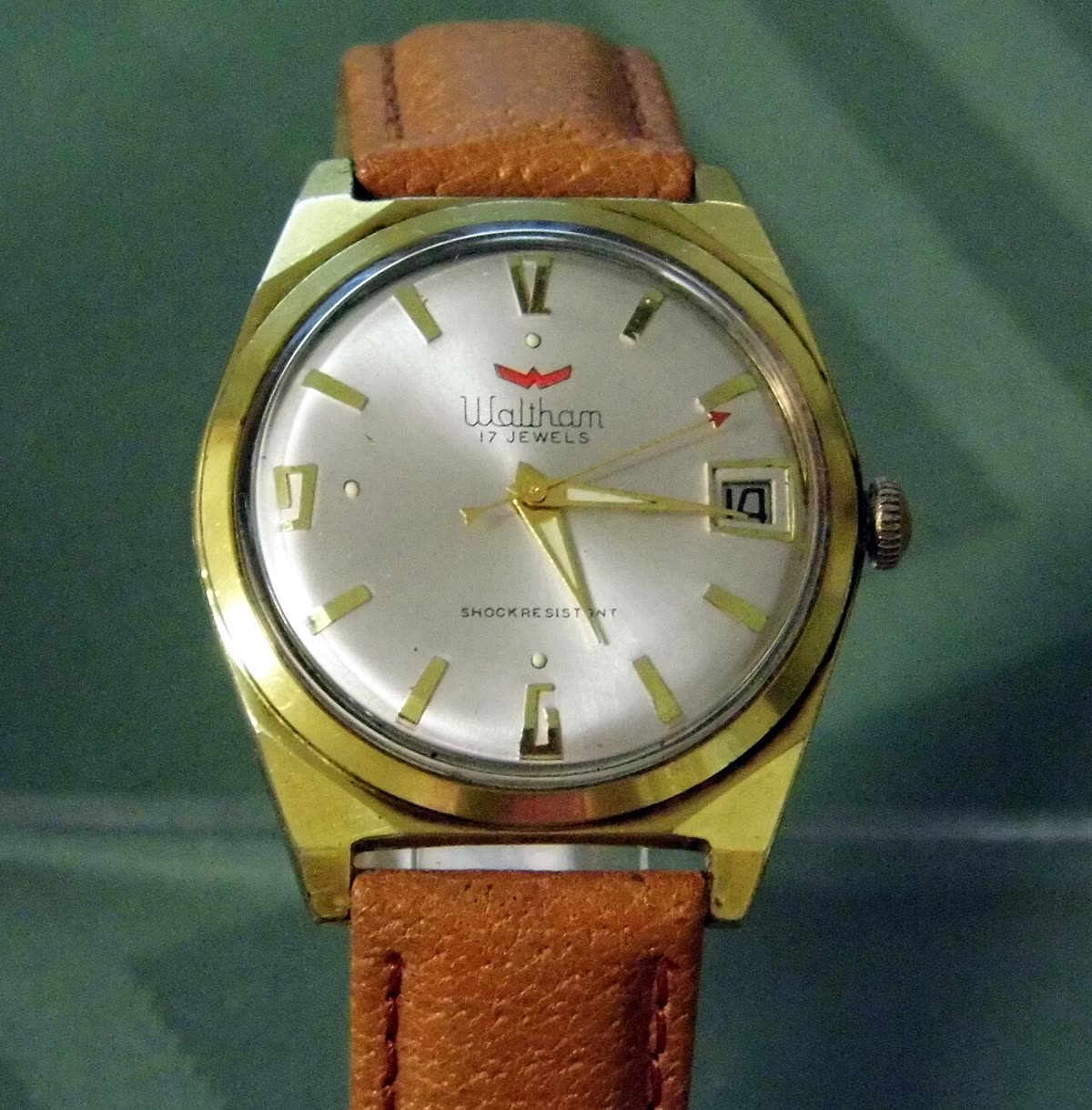
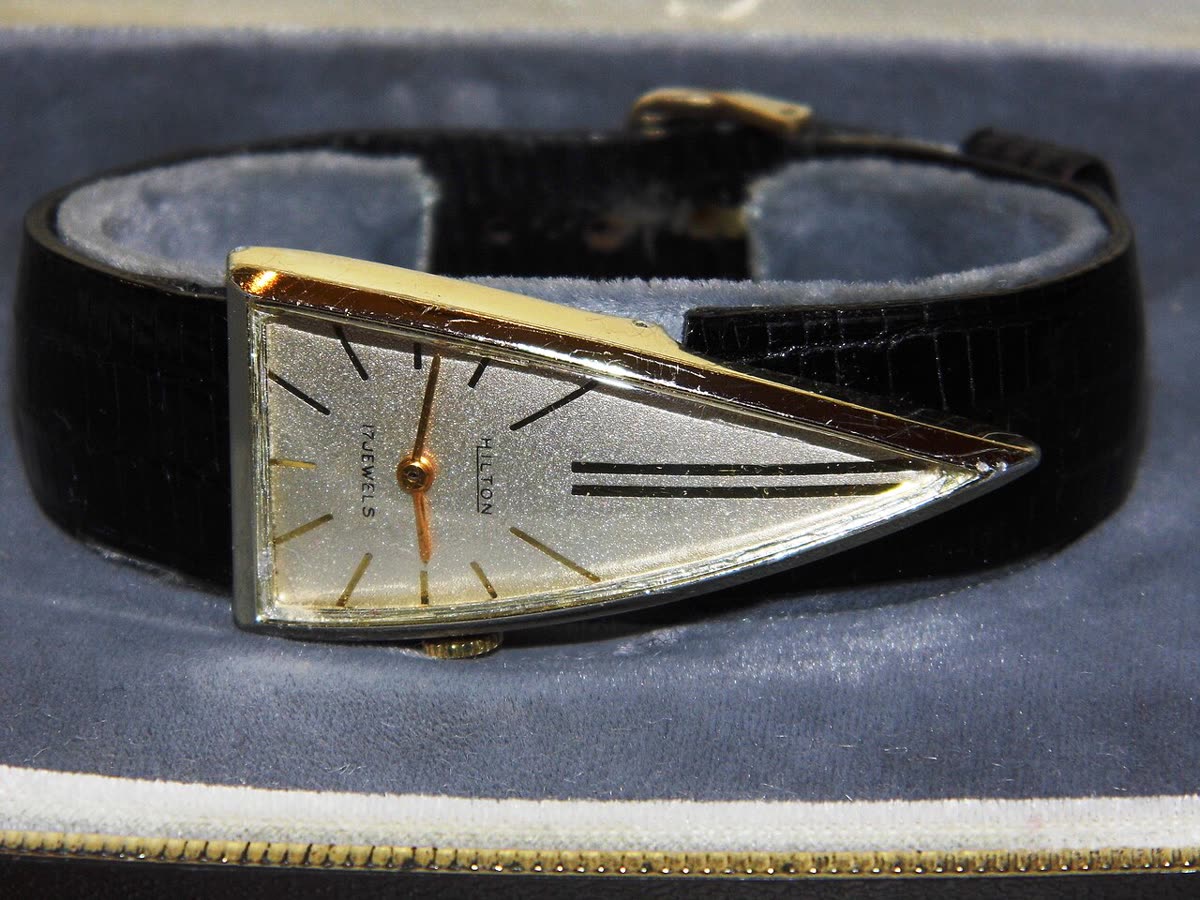
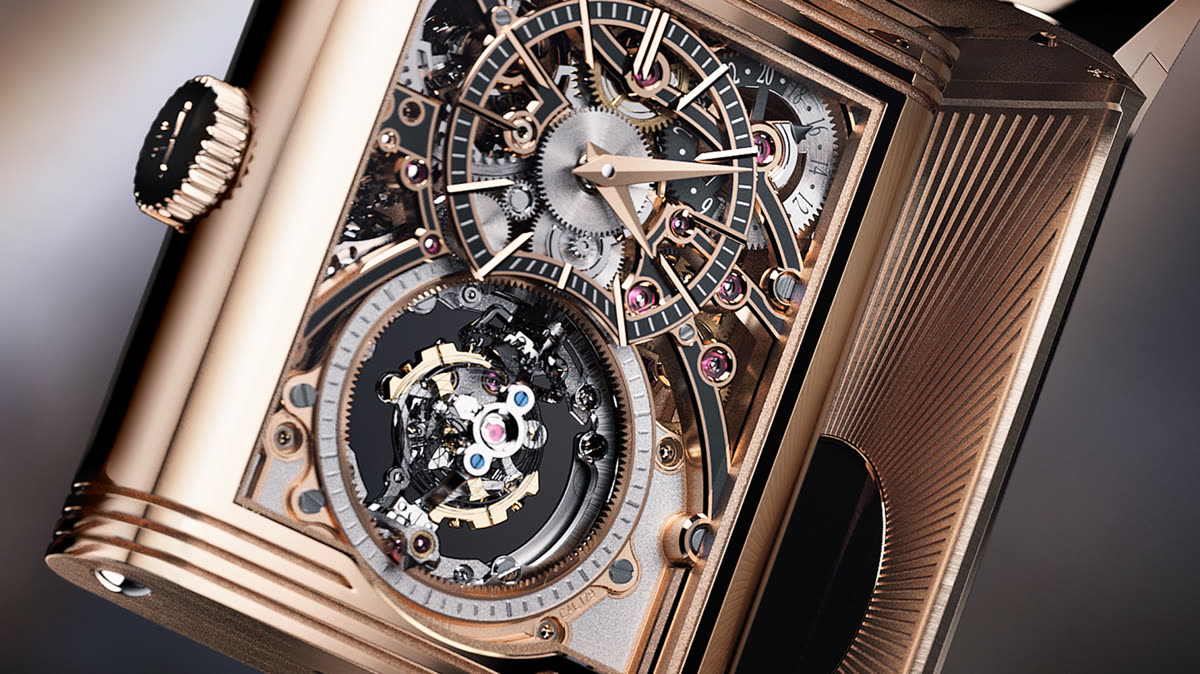
No confidently matched photograph of this subject has been found yet. These photographs show a closely related record, and are not examples of the type described on this page.
Jewels in a mechanical watch are bearings and contact surfaces, not decorative gemstones. Most modern movement jewels are synthetic corundum, commonly coloured red and called ruby. Their hardness and smooth finish help reduce wear at small, heavily loaded contacts. A jewel does not make a watch frictionless, and a jewelled movement still needs appropriate cleaning, inspection and lubrication by a watchmaker.
A hole jewel supports a rotating pivot. An endstone, also called a cap jewel, limits axial movement and provides a controlled contact at the end of a pivot. In a lever escapement, two pallet stones receive locking and impulse from the escape wheel, while the roller jewel on the balance interacts with the fork. Those escapement stones have different jobs from the bearings, although both contribute to the advertised total.
Seven jewels in a conventional lever watch often comprise two balance hole jewels, two balance endstones, two pallet stones and a roller jewel. A familiar seventeen-jewel layout adds train bearings, but this is a construction example, not a universal counting rule. Makers could jewel different positions, and centre-wheel arrangements varied. A cylinder watch, chronograph or automatic calibre cannot be assessed by applying a simple lever-watch template without checking its design.
More jewels can be useful when they serve more working contacts. Chronographs, automatic winding mechanisms and complications may legitimately need additional bearings. Some historic high-count watches also used jewels in positions of little practical benefit. Neither a large number nor a small number establishes quality on its own: finishing, pivot condition, escapement geometry, adjustment and service history matter as well.
To read a marking such as '17 jewels', first identify the movement and find a maker's specification for that exact calibre and variant. Do not try to confirm the count by counting red dots visible through the back. Several jewels are hidden beneath the dial or under bridges, and the visible movement may have replaced parts. Record the stated count separately from any count actually verified during professional inspection.
Jewelling is also useful identification evidence. Screwed chatons, rubbed-in settings and friction-fitted jewels reflect different manufacturing practices, but none is a reliable date stamp by itself. A damaged jewel may have been replaced using a different setting. Comparison with a documented movement of the same grade is more informative than assigning a date from setting style alone.
For a collection record, write the movement signature, calibre, stated jewel count, visible setting style and the source of the specification. Leave uncertain positions unconfirmed. A useful conclusion is 'seventeen jewels stated on the movement; layout not independently checked', rather than treating the number as proof of accuracy, originality or value. If a watch stops or performs poorly, additional jewels are not a diagnosis; worn pivots, contamination and damaged bearings require a professional examination.
Natural stones to synthetic corundum
The implementation of jewels in horology traces back to 1704, when Nicolas Fatio de Duillier and the brothers Peter and Jacob Debaufre secured the first English patent for the invention of the jewel bearing. These early bearings initially utilized natural stones, such as diamonds, sapphires, rubies, and garnets, to support rotating spindles. In 1902 Auguste Verneuil introduced a commercial flame-fusion process that allowed artificial corundum to be produced on a large scale.
Technically, the use of these bearings is rooted in their predictable friction characteristics and physical properties, such as high hardness and temperature stability. While these bearings are standard in mechanical horology, they offer little functional benefit in quartz timepieces, where the low torque of the stepper motor negates the advantages of reduced friction. Modern fabrication techniques for these components have also evolved to include high-powered lasers and ultrasonic milling.
Written from the encyclopedia entries listed under Sources; each statement was checked against the cited text.
Different jewels, different jobs
| Jewel type | Working contact | What the total cannot tell you |
|---|---|---|
| Hole jewel | Supports a rotating pivot. | Which wheels are jewelled in an unidentified calibre. |
| Endstone | Provides axial contact at a pivot end. | Whether that contact is clean, lubricated or unworn. |
| Pallet stone | Locks and receives impulse from the escape wheel in a lever escapement. | Whether the escapement is correctly adjusted. |
| Roller jewel | Interacts with the lever fork at the balance. | The watch's present accuracy or service condition. |
Evidence checklist
- Transcribe the stated count.
- Compare with the exact calibre and variant specification.
- Keep advertised count and professionally verified layout separate.
A seven- or seventeen-jewel lever layout is an example, not a universal diagram for all watches.