
London, England · fl. 1769 – 1788
Timothy Williamson
Partially verifiedClocks
Life & work
Fine clockmaker.
Timothy Williamson was an English clockmaker and goldsmith who operated in London between 1769 and 1788. Initially located on Fleet Street, he later moved his workshop to Great Russell Street. Trained as a goldsmith, Williamson often performed the design and engraving of his distinct cases himself.
His clock movements were likely supplied by William Hughes, a maker with whom he maintained a close professional connection. Williamson produced high-quality timepieces and musical automata, notably for the Emperor of China.
The fuller biography summarises the open references listed under Sources; each statement was checked against the cited passage. Confirm key dates in period documents before relying on them.
Timeline
Timothy Williamson's recorded dates, dated events from this profile and its sources, and dated pieces and sales from the object catalogue. Dates are as each record gives them.
1769 · Career
First recorded as working
1769 · Career
Timothy Williamson was an English clockmaker and goldsmith who operated in London between 1769 and 1788.
1788 · Career
Last recorded as working
Training, contributions & innovations
- Clocks
- Williamson focused on creating sophisticated decorative cases for his timepieces, performing the engraving and design work personally.
Inventions & patents
- N/A
Signatures & markings on surviving work
- Signed work
Documented works
- Examples of his work, such as the Doppelgehäuse-Karossenuhr, are held at the Carnegie Museum in Pennsylvania and the Palace Museum in Beijing.
Where sources differ
- Dates corrected to “fl. 1769 – 1788” from the cited sources (previously recorded as “18th century”).
Collecting significance
Signatures on historic work were applied by retailers and by later hands; attribution should rest on the movement's construction and provenance.
Firms, key models & movements
No firm, model or movement in this encyclopedia is yet recorded under this maker's name.
Photographs



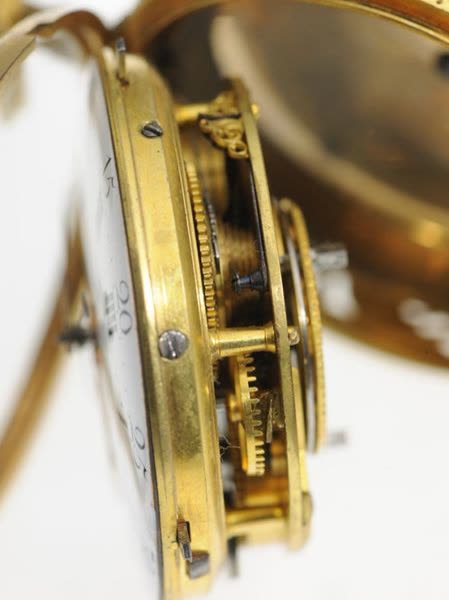
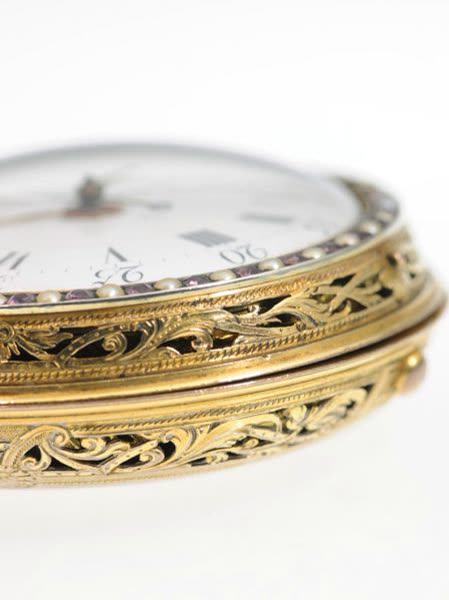
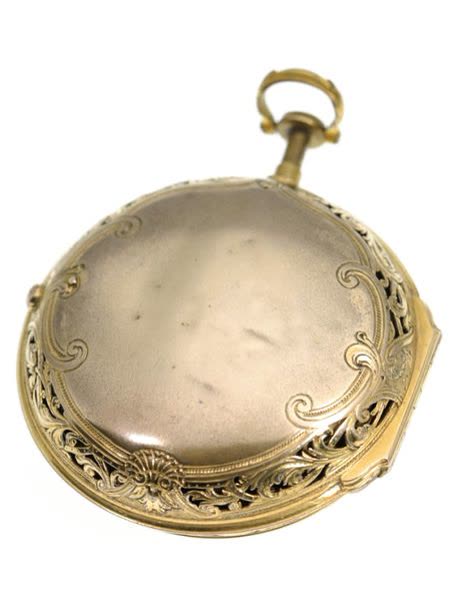
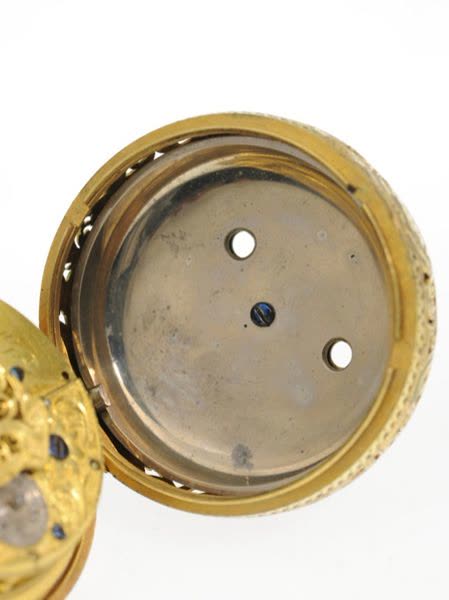
Photographs are illustrative examples of the type, not necessarily the exact object described. Verify details against the source file page.
Sources & references
- Williamson, Timothy, Watch-Wiki, retrieved 2026-10-27
- Britten, F. J., Old Clocks and Watches and Their Makers
- Loomes, B., reference works on British and European clockmakers
Where sources disagree, the disagreement is stated rather than resolved silently.