
Völkermarkt, Austria · born 1964
Richard Habring
Partially verifiedIndependent watchmaking
Life & work
Co-founder of Habring²; developer of the Doppelchronograph (split-seconds).
Richard Habring began his formal horological training at the prestigious Uhrmacherschule Karlstein in 1985. He completed his master examination shortly after his initial training, showcasing a self-designed minute tourbillon in a slim rod movement. Starting in 1989, he began producing hand-selected individual pieces, typically tourbillons or complicated chronographs, under his own name. His innovative work continued into the late 1990s when he developed the first two-axis tourbillon in pocket watch size.
The fuller biography summarises the open references listed under Sources; each statement was checked against the cited passage. Confirm key dates in period documents before relying on them.
Timeline
Richard Habring's recorded dates, dated events from this profile and its sources, and dated pieces and sales from the object catalogue. Dates are as each record gives them.
1964 · Career
Born
1985 · Career
Richard Habring began his formal horological training at the prestigious Uhrmacherschule Karlstein in 1985.
1989 · Career
Starting in 1989, he began producing hand-selected individual pieces, typically tourbillons or complicated chronographs, under his own name.
1990 · Career
In 1990, he produced a pocket watch featuring a minute tourbillon and a rod movement, currently identified as number two.
1996 · Career
He engineered the world's first two-axis tourbillon in a pocket watch format in 1996.
Training, contributions & innovations
- Simplified the split-seconds chronograph mechanism
- He engineered the world's first two-axis tourbillon in a pocket watch format in 1996.
Inventions & patents
- Patents for chronograph modules
Signatures & markings on surviving work
- Habring²
Documented works
- In 1990, he produced a pocket watch featuring a minute tourbillon and a rod movement, currently identified as number two.
Collecting significance
Authenticity depends on signatures and movement quality. For 19th-century makers, serial numbers often allow for precise dating. For modern independents, documentation from the maker is key.
Firms, key models & movements
No firm, model or movement in this encyclopedia is yet recorded under this maker's name.
Photographs

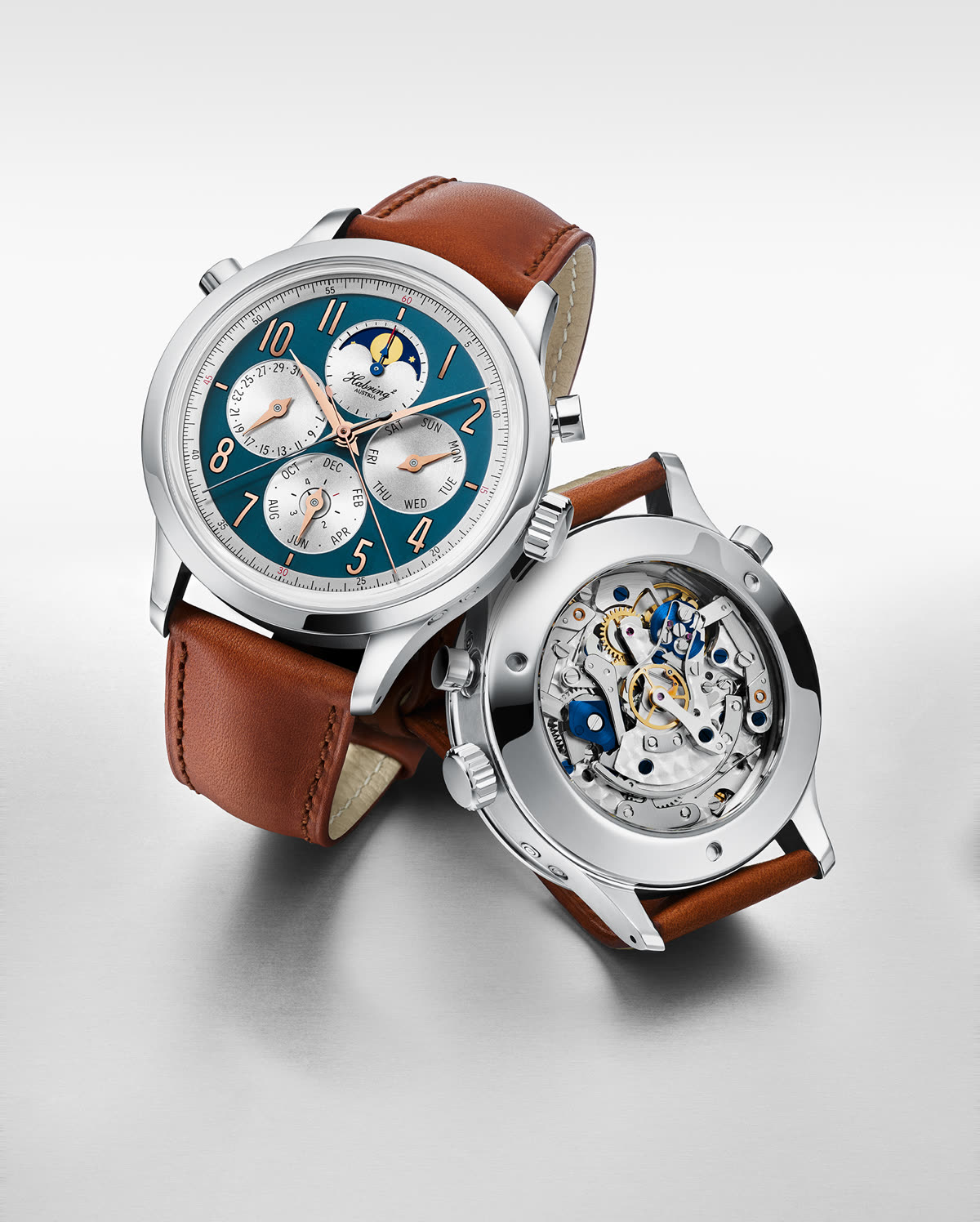
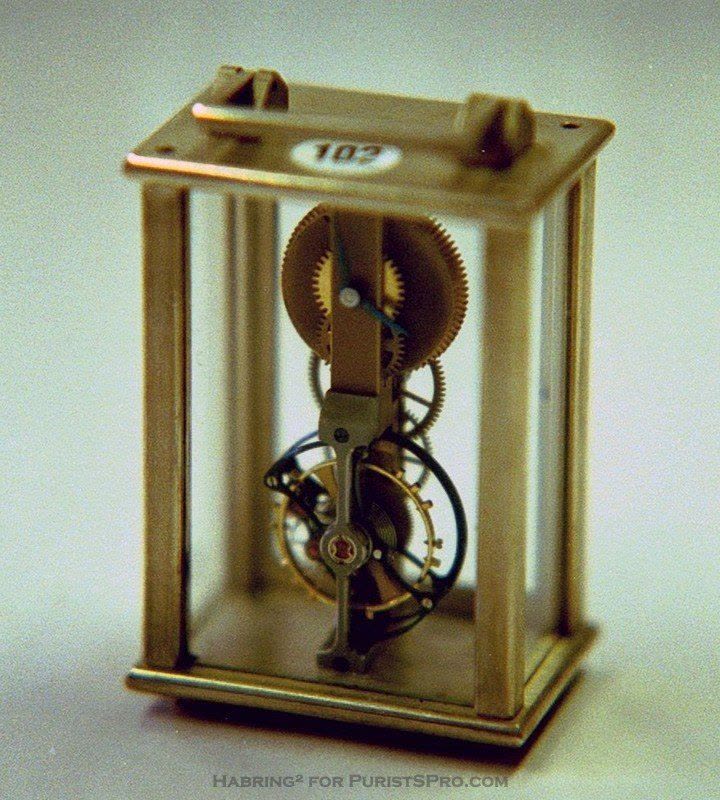
Photographs are illustrative examples of the type, not necessarily the exact object described. Verify details against the source file page.
Sources & references
- Habring, Richard, Watch-Wiki, retrieved 2026-10-27
- Britten, F. J., Old Clocks and Watches and Their Makers
- Loomes, B., The Early Clockmakers of Great Britain
- Ehrhardt, R., American Pocket Watch Identification and Price Guide
- Museum catalogue records
Where sources disagree, the disagreement is stated rather than resolved silently.