
Paris, France · 1750 – 1843
Pierre-Basile Lepaute
Partially verifiedClocks
Life & work
Family firm.
Born in Thonne-le-Thil in 1750, Pierre-Basile Lepaute moved to Paris where he eventually took over the renowned family firm originally founded in the 1740s. He managed the business with various partners, including Pierre Henry-Lepaute and later his own son, Pierre-Michel Lepaute. Lepaute served as a primary clock supplier to the imperial court and held official titles during the Kaiserzeit, the Restoration, and the July Monarchy.
Throughout his career, he participated in Parisian industrial exhibitions, earning silver medals in 1819 and 1834. Pierre-Basile Lepaute died in 1843 at the age of 93.
The fuller biography summarises the open references listed under Sources; each statement was checked against the cited passage. Confirm key dates in period documents before relying on them.
Timeline
Pierre-Basile Lepaute's recorded dates, dated events from this profile and its sources, and dated pieces and sales from the object catalogue. Dates are as each record gives them.
1750 · Career
Born
1750 · Career
Born in Thonne-le-Thil in 1750, Pierre-Basile Lepaute moved to Paris where he eventually took over the renowned family firm originally founded in the 1740s.
1819 · Career
Throughout his career, he participated in Parisian industrial exhibitions, earning silver medals in 1819 and 1834.
1843 · Career
Died
1843 · Career
Pierre-Basile Lepaute died in 1843 at the age of 93.
Training, contributions & innovations
- Clockmaking
Inventions & patents
- N/A
Signatures & markings on surviving work
- Signed work
Documented works
- Notable creations include clocks for the Tuileries Palace, the Palais-Royal, and the Muséum d'histoire naturelle.
- He also produced timepieces for the châteaux of Saint-Cloud, Trianon, and Fontainebleau.
- The astronomical clock he built for the Bureau des longitudes is located at the Observatoire de Paris.
Collecting significance
Signatures on historic work were applied by retailers and by later hands; attribution should rest on the movement's construction and provenance.
Firms, key models & movements
Firms
- Lepaute · 1750
Photographs
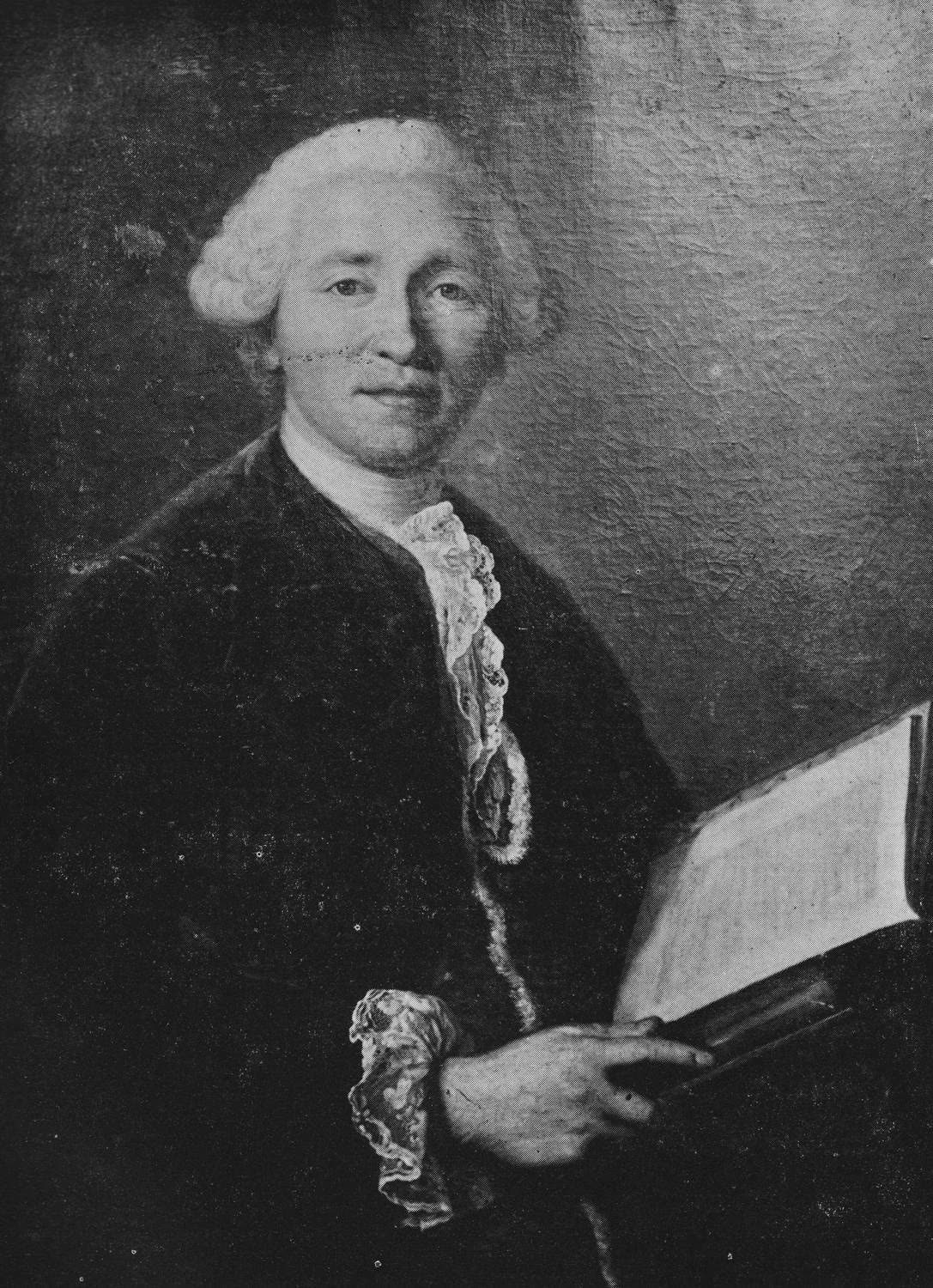
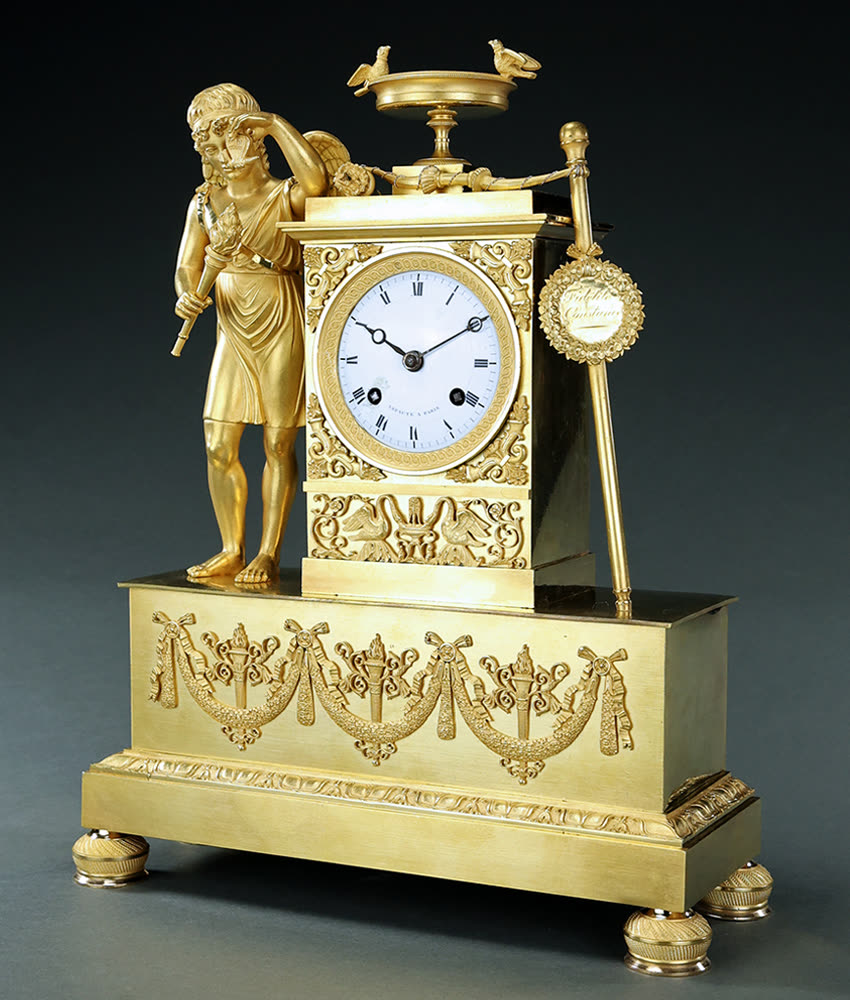
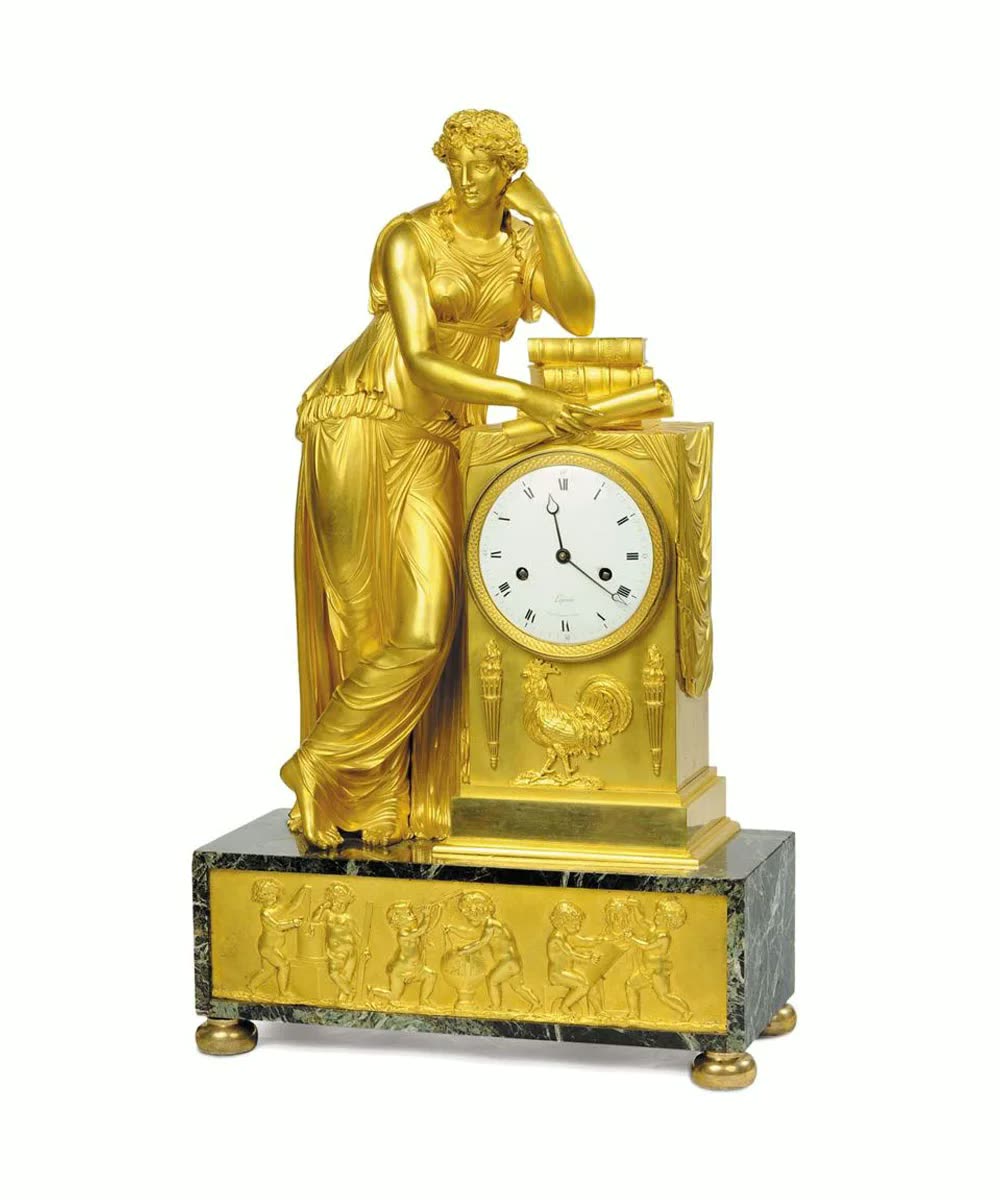
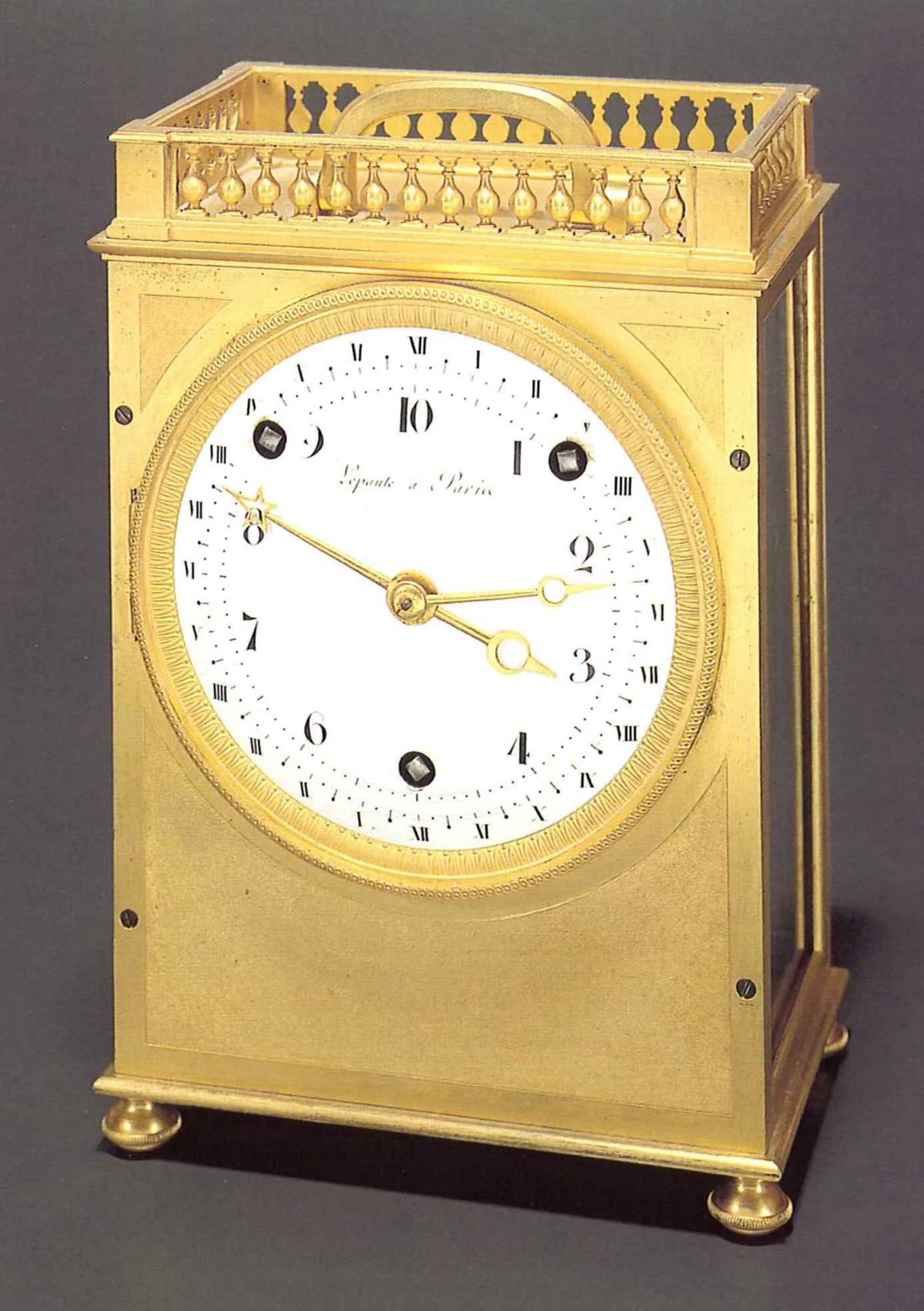
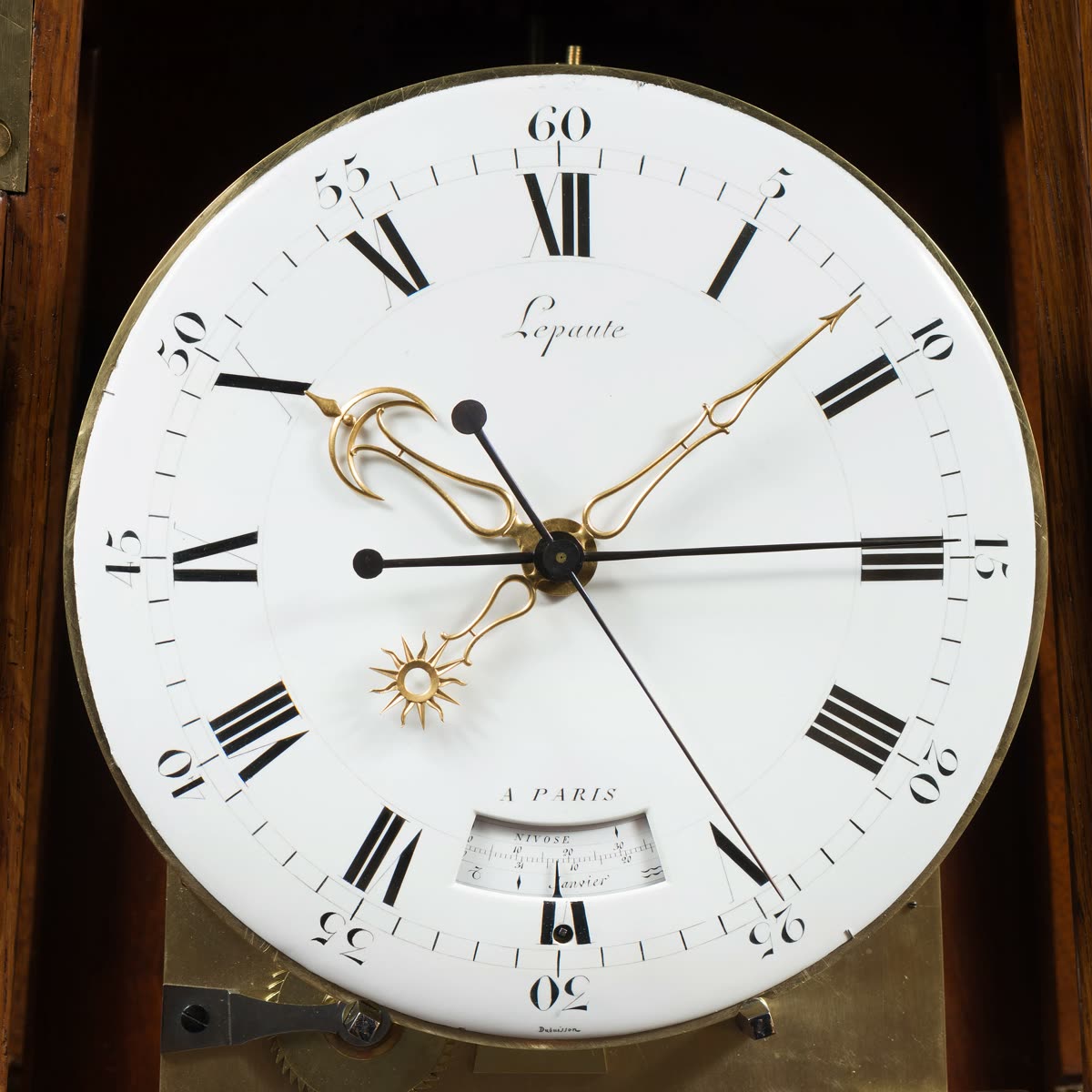
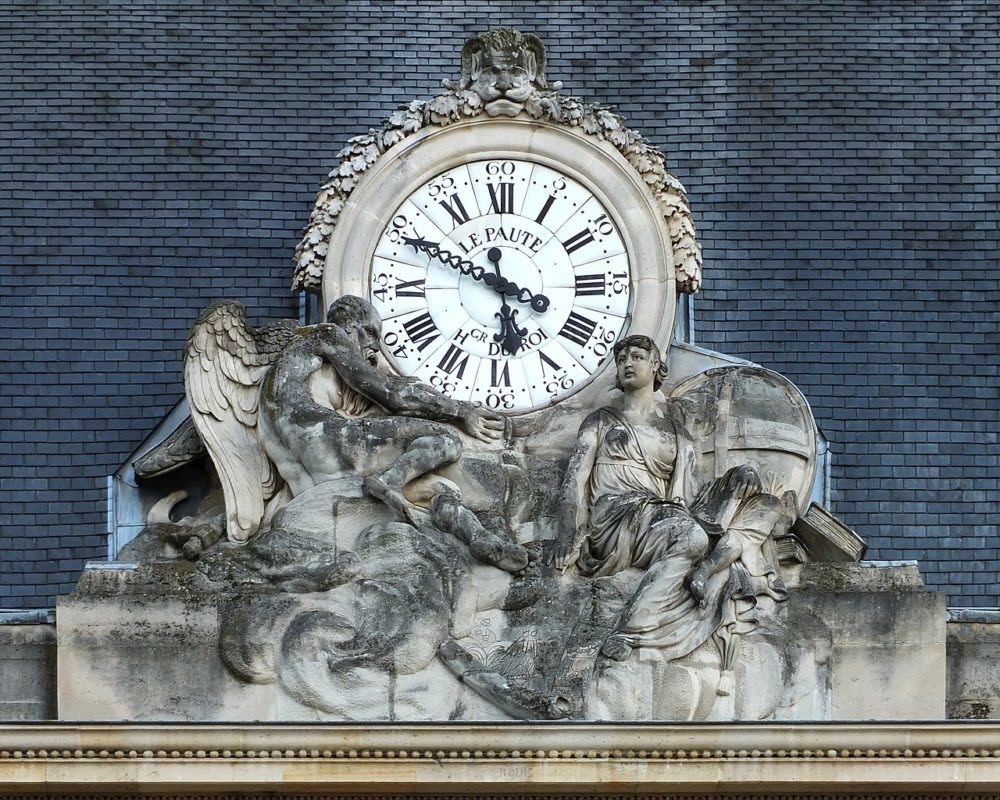
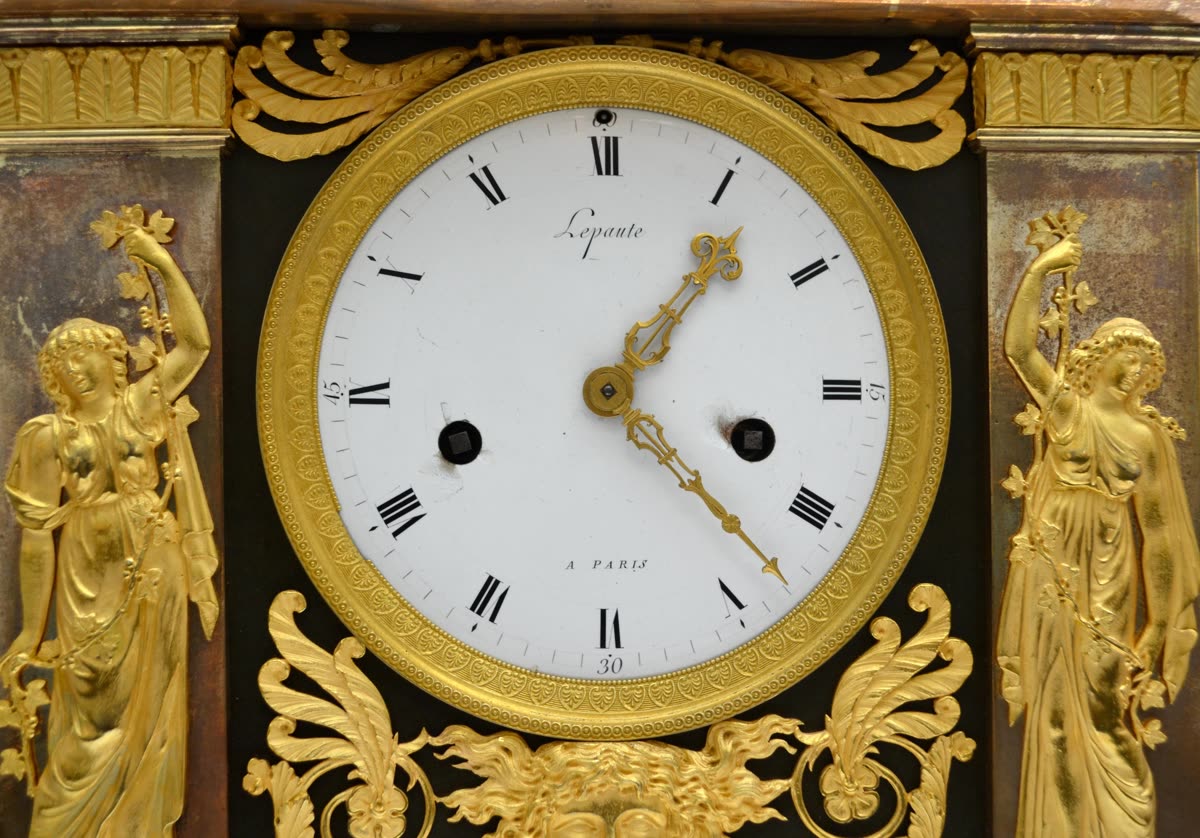
Photographs are illustrative examples of the type, not necessarily the exact object described. Verify details against the source file page.
Sources & references
- Pierre-Basile Lepaute, Wikipedia (French), retrieved 2026-10-27 (text CC BY-SA 4.0)
- Lepaute, Pierre Basile, Watch-Wiki, retrieved 2026-10-27
- Britten, F. J., Old Clocks and Watches and Their Makers
- Loomes, B., reference works on British and European clockmakers
Where sources disagree, the disagreement is stated rather than resolved silently.