
London, England · 1811 – 1860
Frederick Dent
Partially verifiedClocks
Life & work
Son of E.J. Dent.
He took the name Dent in accordance with the wishes of his stepfather, from whom he inherited the workshops at The Strand and the Royal Exchange following Edward's death in 1853. His most prominent achievement was the completion of the clock for the Westminster Parliament, famously known as Big Ben, in 1854. Following his death in 1860, the business was embroiled in a legal dispute, eventually being continued by his mother, Elizabeth Dent, under the name E. Dent and Co.
The fuller biography summarises the open references listed under Sources; each statement was checked against the cited passage. Confirm key dates in period documents before relying on them.
Timeline
Frederick Dent's recorded dates, dated events from this profile and its sources, and dated pieces and sales from the object catalogue. Dates are as each record gives them.
1811 · Career
Born
1853 · Career
He took the name Dent in accordance with the wishes of his stepfather, from whom he inherited the workshops at The Strand and the Royal Exchange following Edward's death in 1853.
1854 · Career
His most prominent achievement was the completion of the clock for the Westminster Parliament, famously known as Big Ben, in 1854.
1854 · Career
He is credited with finishing the clock for the Westminster Parliament in 1854.
1860 · Career
Died
1860 · Career
Following his death in 1860, the business was embroiled in a legal dispute, eventually being continued by his mother, Elizabeth Dent, under the name E.
Training, contributions & innovations
- Clocks
Inventions & patents
- N/A
Signatures & markings on surviving work
- Signed work
Documented works
- He is credited with finishing the clock for the Westminster Parliament in 1854.
Collecting significance
Signatures on historic work were applied by retailers and by later hands; attribution should rest on the movement's construction and provenance.
Firms, key models & movements
Firms
- Geneva & Vallée de Joux Trade (collective) · Sixteenth century onward
- English Provincial Trade (collective) · Seventeenth century onward
Key models (as recorded for the firm)
- lepine-calibre
- Unsigned Swiss cylinder and lever watches
- fusee-pocket-watches
- pair-cased-watches
Photographs

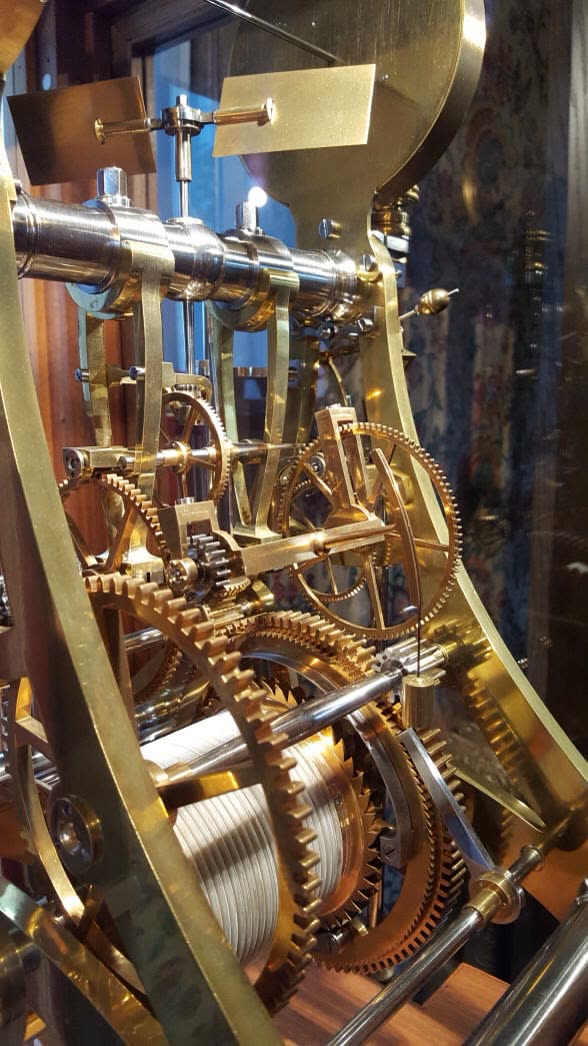
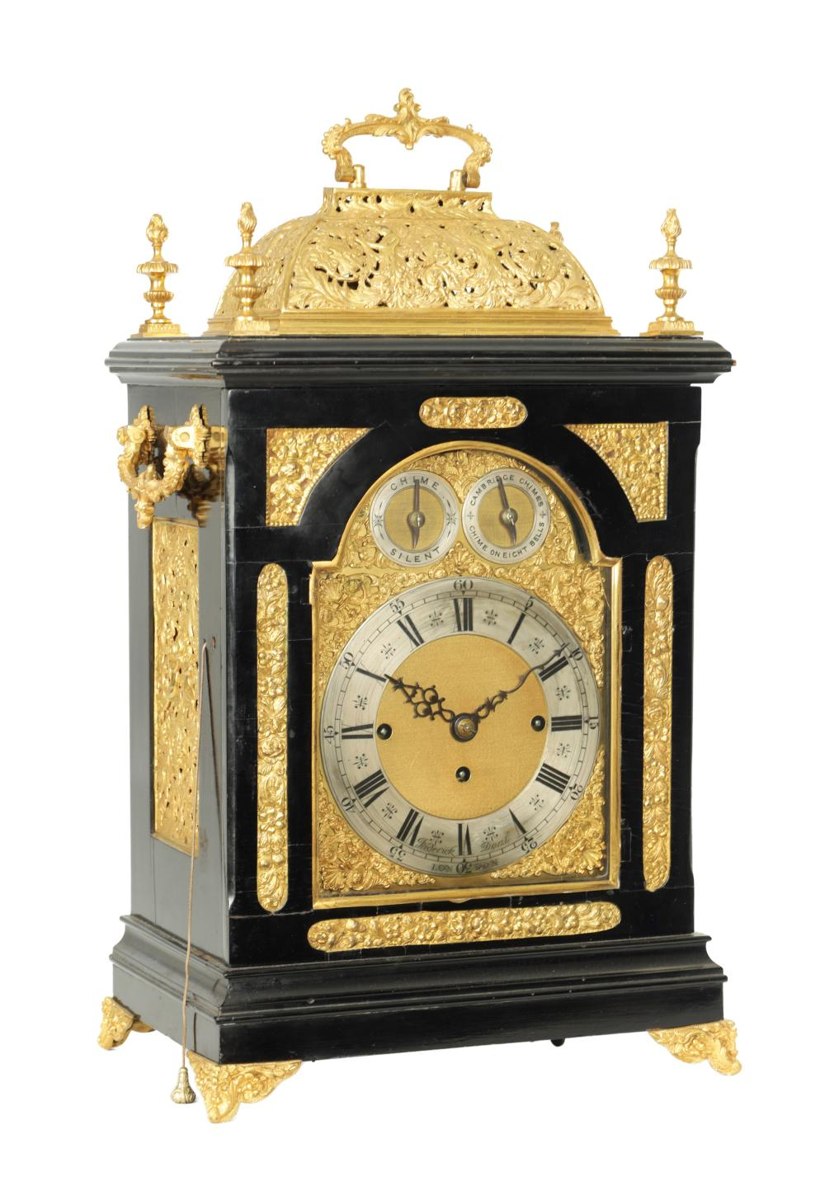
Photographs are illustrative examples of the type, not necessarily the exact object described. Verify details against the source file page.
Sources & references
- Dent, Frederick William, Watch-Wiki, retrieved 2026-10-27
- Britten, F. J., Old Clocks and Watches and Their Makers
- Loomes, B., reference works on British and European clockmakers
Where sources disagree, the disagreement is stated rather than resolved silently.