
London, England · 1670 – 1732
Christopher Pinchbeck
Partially verifiedWatches
Life & work
Clock and watchmaker.
Born in Clerkenwell around 1670, Christopher Pinchbeck was a renowned English clockmaker, watchmaker, and manufacturer of musical automata. He operated a workshop in St. George's Court before moving his business to Fleet Street near St. Dunstan's Church in 1721. In addition to his horological work, he created a famous copper-zinc alloy that served as a gold substitute in jewelry and watch cases.
Pinchbeck secured prestigious commissions, including an exquisite musical clock for Louis XIV and a pipe organ for the Grand Mogul. He died on November 18, 1732, and was interred at St. Dunstan's Church, with his business legacy continued by his sons and later generations.
The fuller biography summarises the open references listed under Sources; each statement was checked against the cited passage. Confirm key dates in period documents before relying on them.
Timeline
Christopher Pinchbeck's recorded dates, dated events from this profile and its sources, and dated pieces and sales from the object catalogue. Dates are as each record gives them.
1670 · Career
Born
1670 · Career
Born in Clerkenwell around 1670, Christopher Pinchbeck was a renowned English clockmaker, watchmaker, and manufacturer of musical automata.
1721 · Career
He operated a workshop in St. George's Court before moving his business to Fleet Street near St. Dunstan's Church in 1721.
1732 · Career
Died
1732 · Career
He died on November 18, 1732, and was interred at St. Dunstan's Church, with his business legacy continued by his sons and later generations.
Training, contributions & innovations
- Metal alloys
- He developed a specific alloy consisting of approximately 89 to 93 percent copper and 7 to 11 percent zinc to mimic the appearance of gold.
Inventions & patents
- N/A
Signatures & markings on surviving work
- Signed work
Documented works
- A notable musical clock was crafted for Louis XIV with an estimated value of 500 pounds.
- He produced an organ for the Grand Mogul valued at 300 pounds.
Collecting significance
Signatures on historic work were applied by retailers and by later hands; attribution should rest on the movement's construction and provenance.
Firms, key models & movements
No firm, model or movement in this encyclopedia is yet recorded under this maker's name.
Photographs
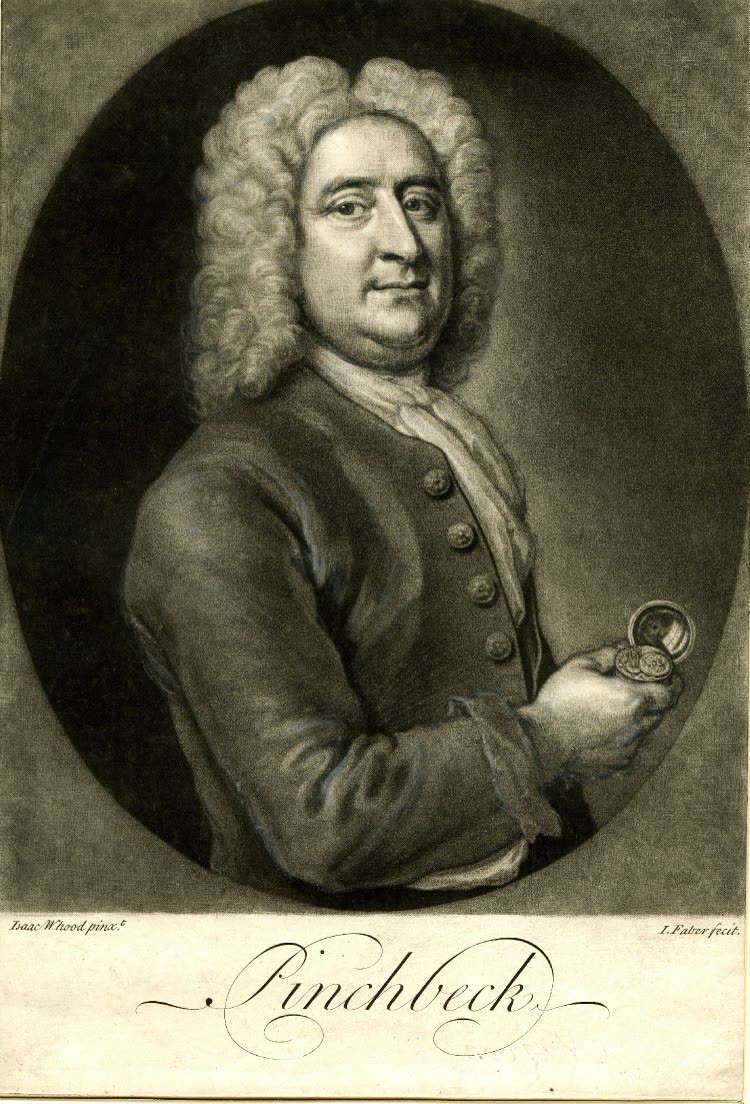
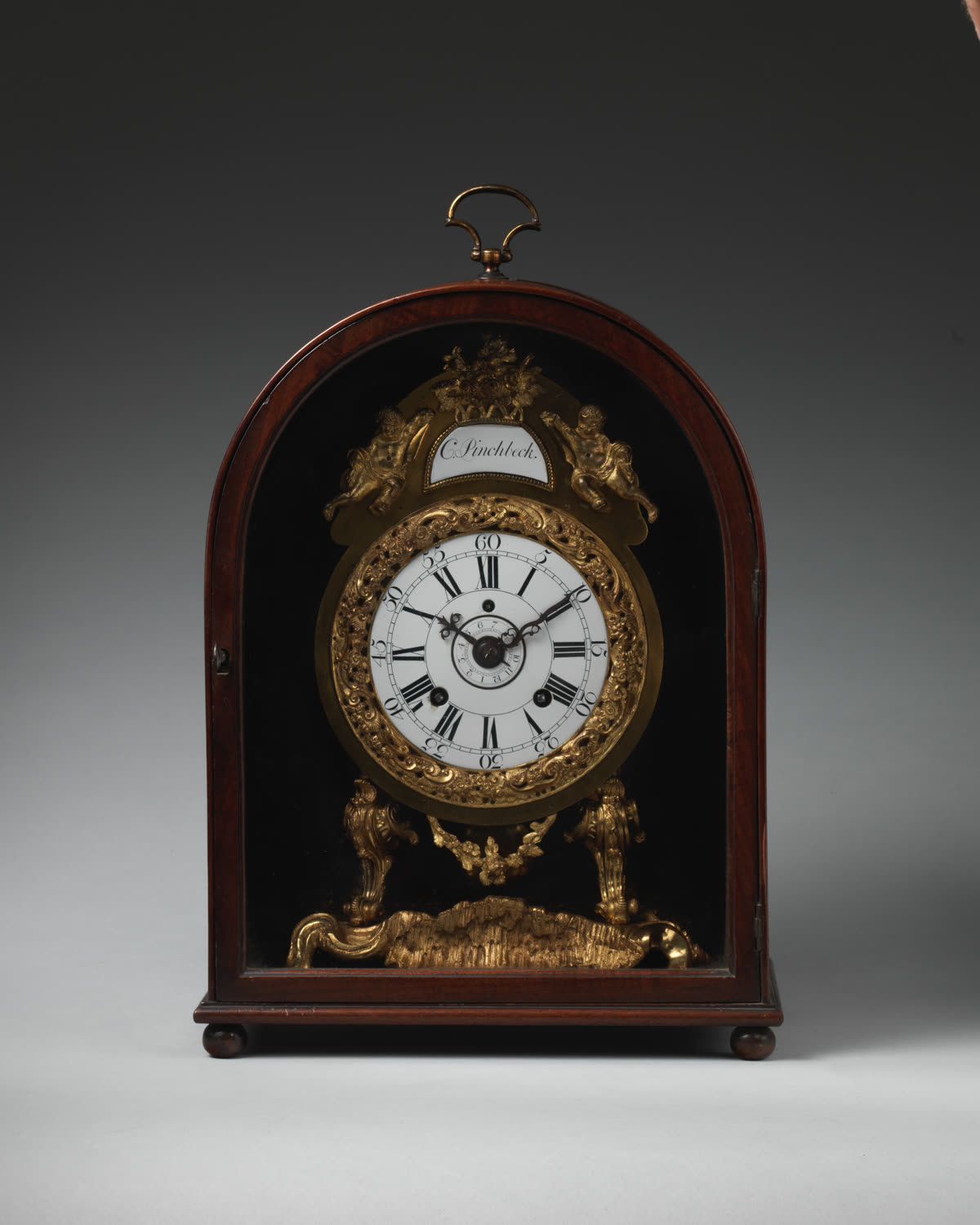
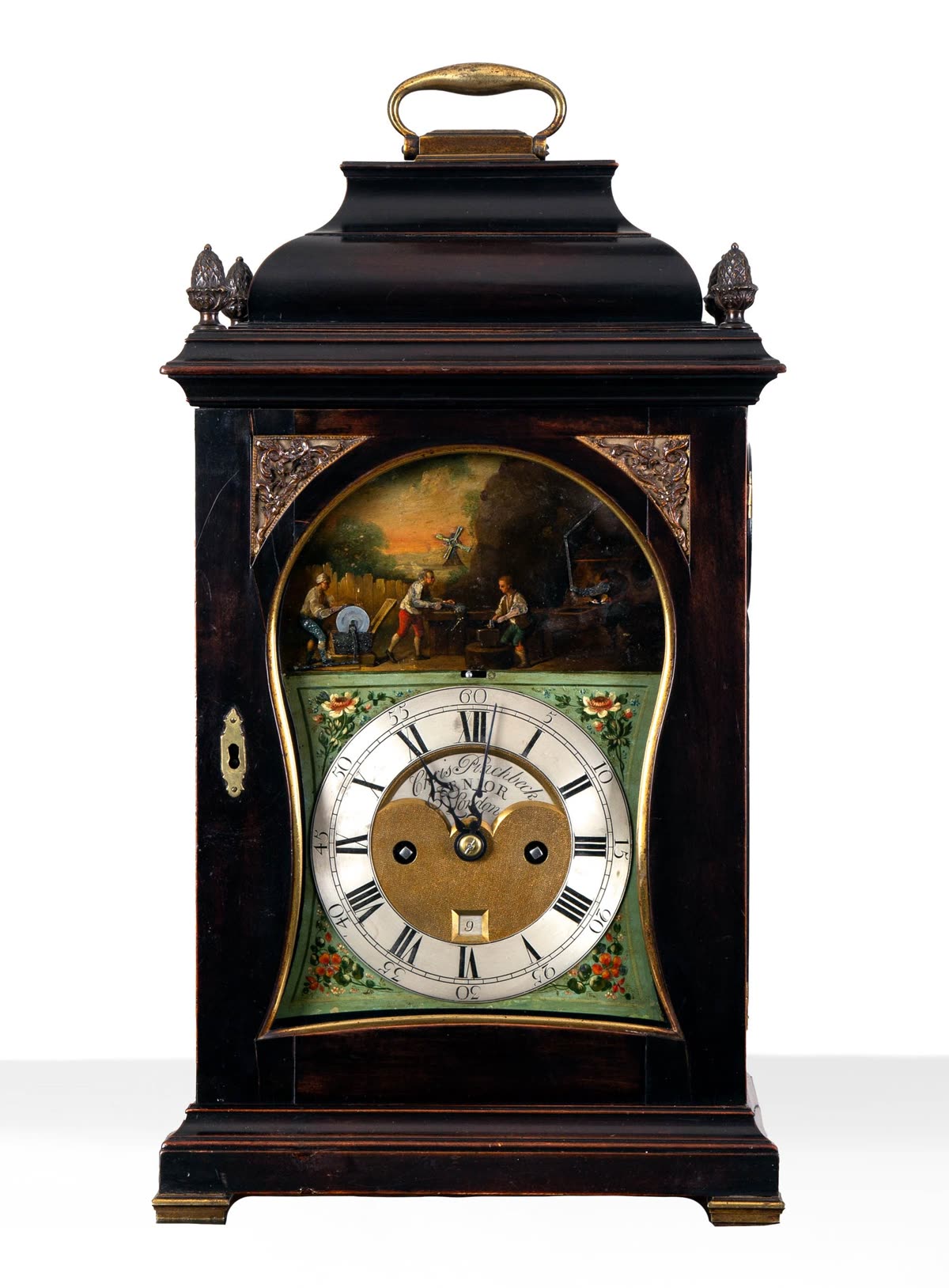
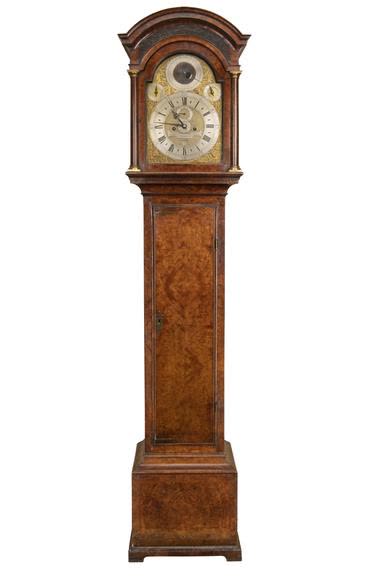
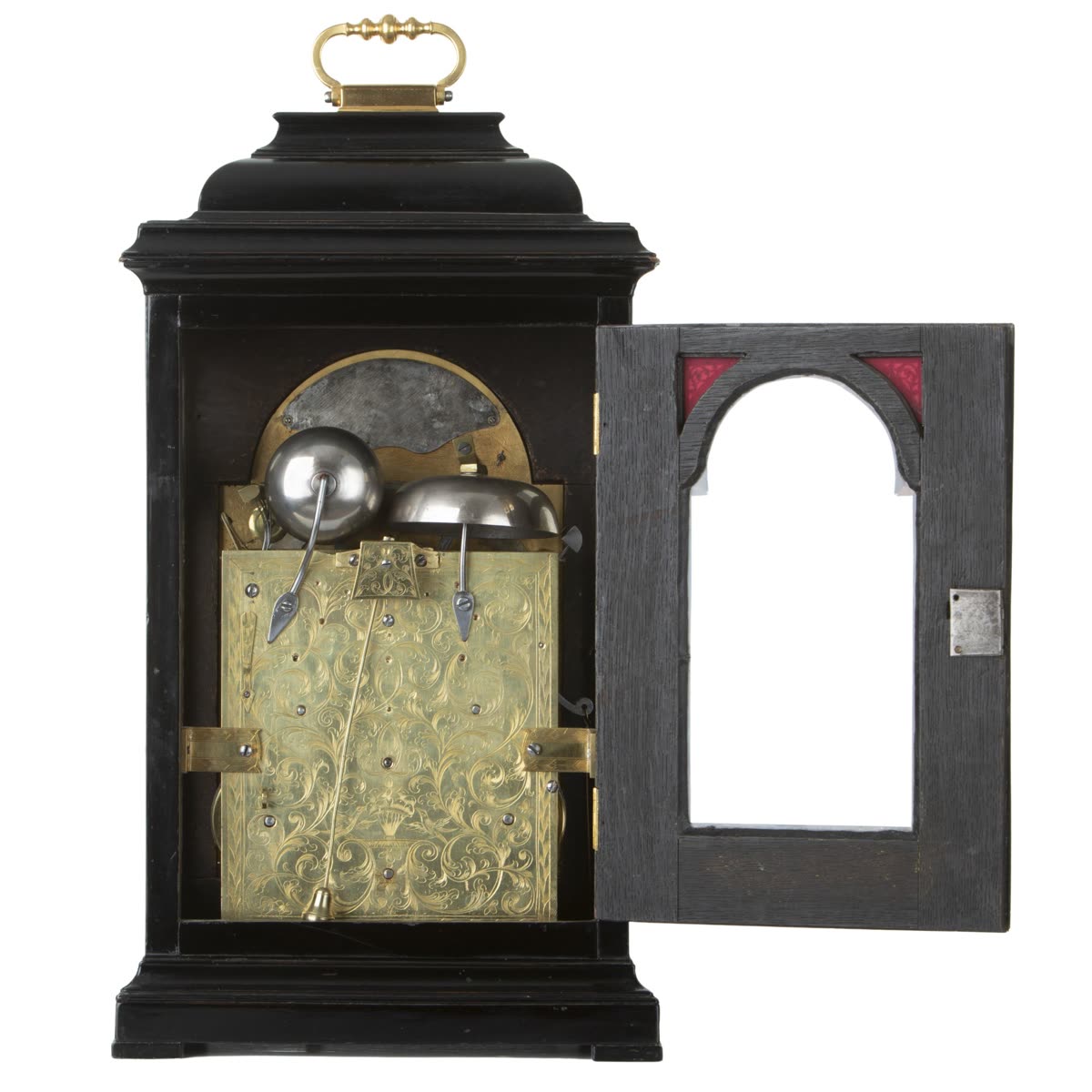
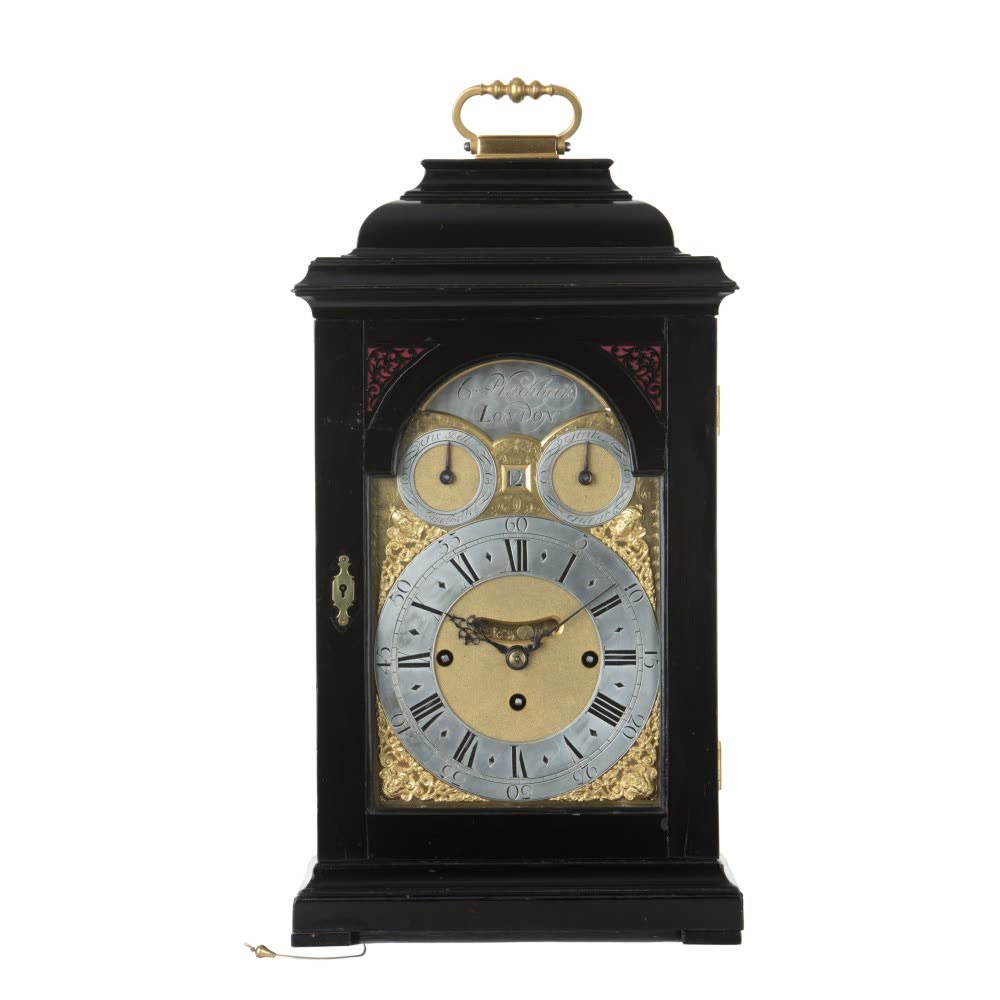
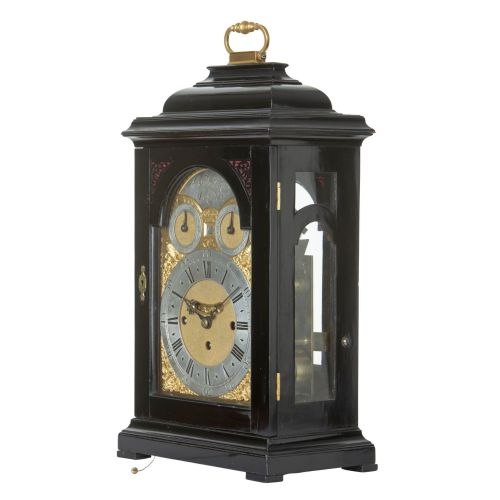
Photographs are illustrative examples of the type, not necessarily the exact object described. Verify details against the source file page.
Sources & references
- Pinchbeck (alloy), Wikipedia (English), retrieved 2026-10-27 (text CC BY-SA 4.0)
- Pinchbeck, Christopher (1), Watch-Wiki, retrieved 2026-10-27
- Britten, F. J., Old Clocks and Watches and Their Makers
- Loomes, B., reference works on British and European clockmakers
Where sources disagree, the disagreement is stated rather than resolved silently.