
London, England · 1780 – 1854
Benjamin Lewis Vulliamy
Partially verifiedPublic and royal clocks
Life & work
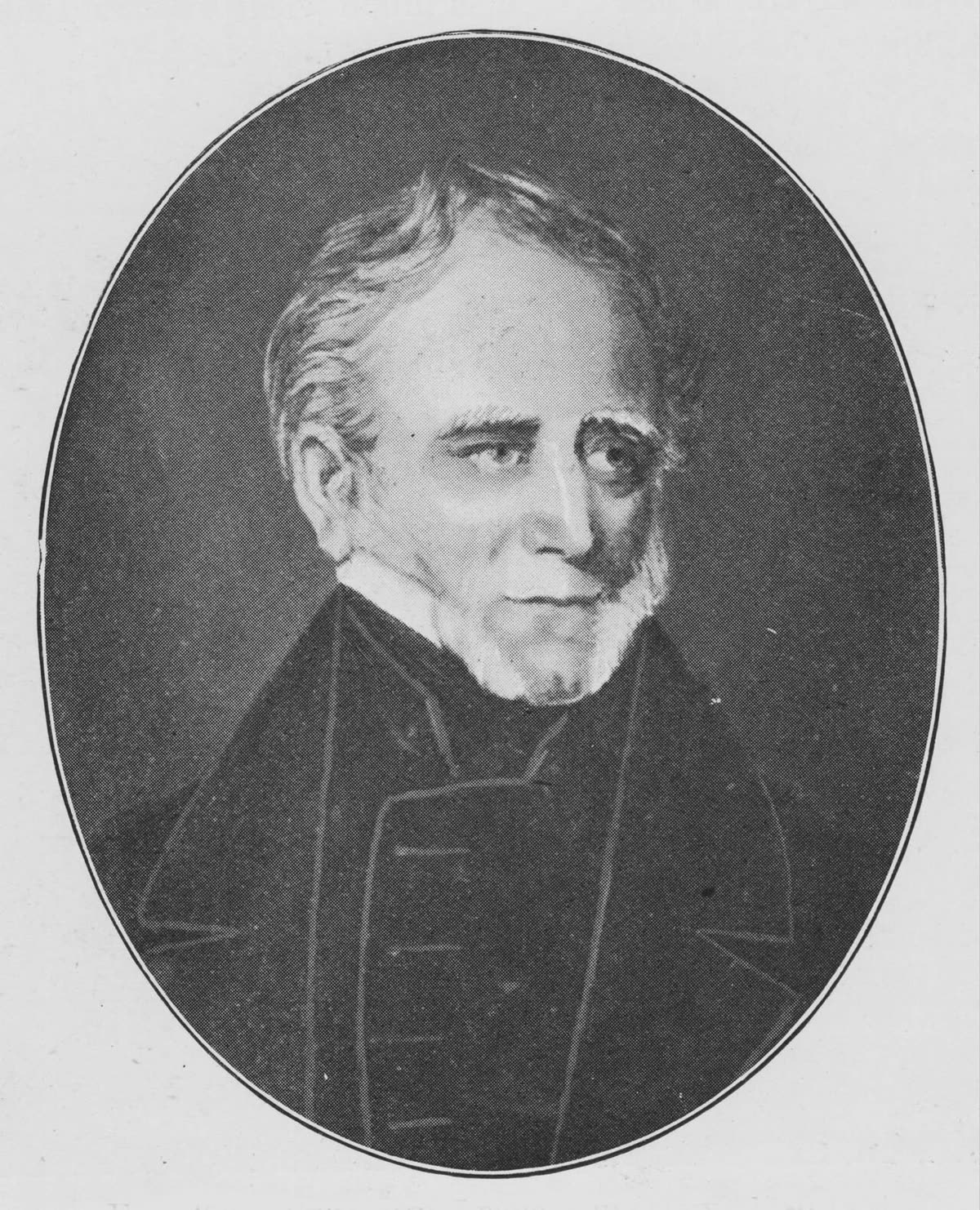
Son of Benjamin Vulliamy; five-time Master of the Clockmakers' Company.
He specialized in the production of turret clocks and succeeded to the family business in 1811, holding the appointment of Clockmaker to the Crown. Known for his ingenuity, Vulliamy introduced several technical improvements to public horology, including the use of a dead pinwheel escapement and a 2-second pendulum to enhance accuracy. Beyond his workshop, he was an active member of the Institution of Civil Engineers and the Royal Astronomical Society, contributing significantly to professional horological literature. Following his death in 1854, the business was acquired by Charles Frodsham as none of Vulliamy's children continued the trade.
The fuller biography summarises the open references listed under Sources; each statement was checked against the cited passage. Confirm key dates in period documents before relying on them.
Timeline
Benjamin Lewis Vulliamy's recorded dates, dated events from this profile and its sources, and dated pieces and sales from the object catalogue. Dates are as each record gives them.
1780 · Career
Born
1810-1823, hallmarked 1823 · Catalogued piece
1811 · Career
He specialized in the production of turret clocks and succeeded to the family business in 1811, holding the appointment of Clockmaker to the Crown.
1816 · Career
The turret clock he constructed for the Horse Guards in 1816 featured significant improvements to the going train.
1827 · Career
He developed the earliest example of a 'flat-bed' turret clock in the United Kingdom, which was installed in 1827.
1829 · Career
Vulliamy's work is also preserved at Windsor Castle, where a quadrangle clock was installed in 1829.
circa 1850 · Catalogued piece
1854 · Career
Died
1854 · Career
Following his death in 1854, the business was acquired by Charles Frodsham as none of Vulliamy's children continued the trade.
Training, contributions & innovations
- Constructed the clock for the Royal Exchange
- He developed the earliest example of a 'flat-bed' turret clock in the United Kingdom, which was installed in 1827.
- Vulliamy pioneered the use of a degree-plate on the movement to measure the pendulum arc and a ratchet system to maintain power during winding.
- He served five terms as Master of the Clockmakers' Company, further cementing his influence within the professional guild.
Inventions & patents
- N/A
Signatures & markings on surviving work
- Vulliamy, London
Documented works
- The turret clock he constructed for the Horse Guards in 1816 featured significant improvements to the going train.
- Vulliamy's work is also preserved at Windsor Castle, where a quadrangle clock was installed in 1829.
Collecting significance
Authenticity depends on signatures and movement quality. For 19th-century makers, serial numbers often allow for precise dating. For modern independents, documentation from the maker is key.
Firms, key models & movements
Firms
- Vulliamy · 1730s
In the object catalogue
2 catalogued objects are recorded under Benjamin Lewis Vulliamy. Attributions are as given by each source and are not independent authentication.
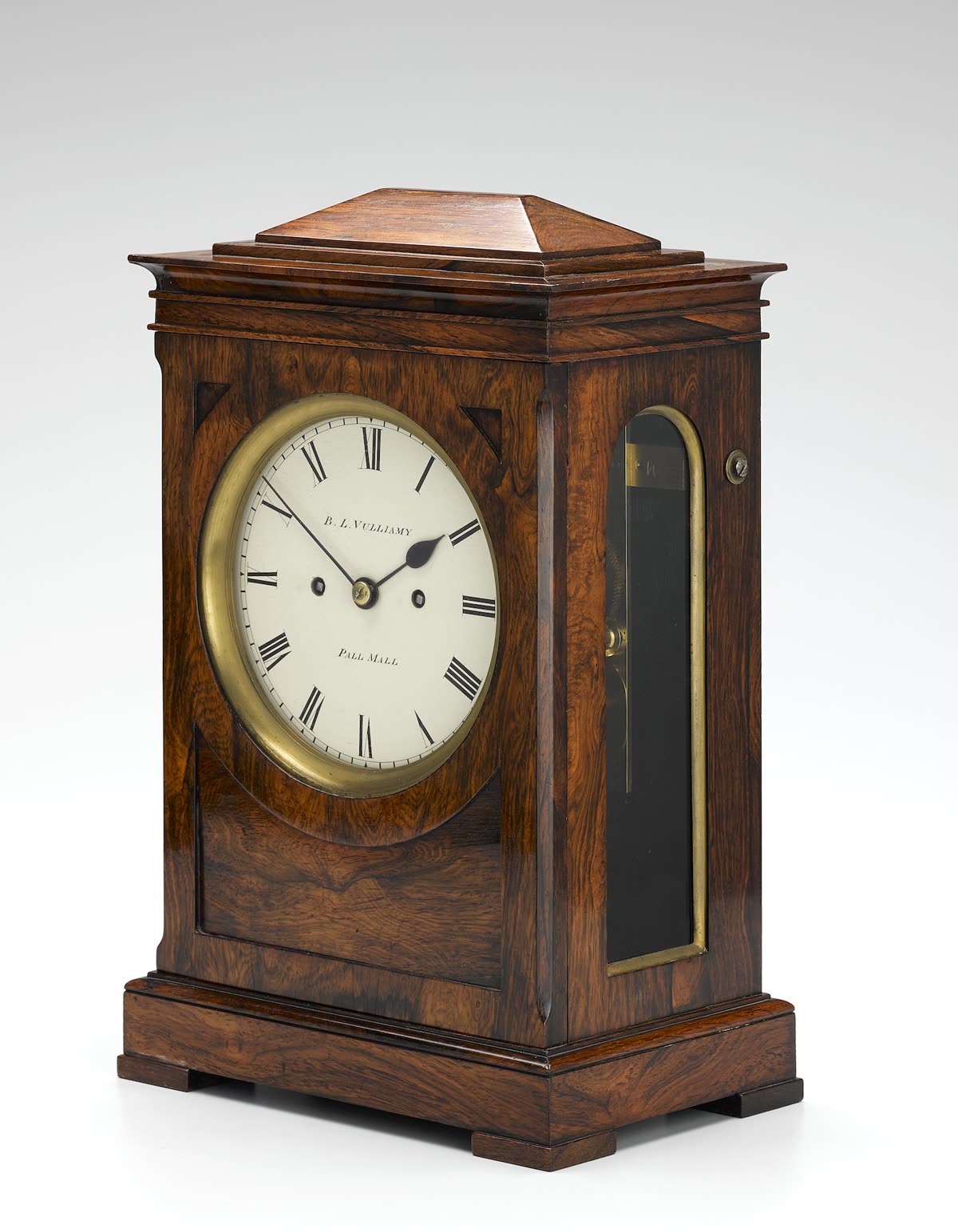
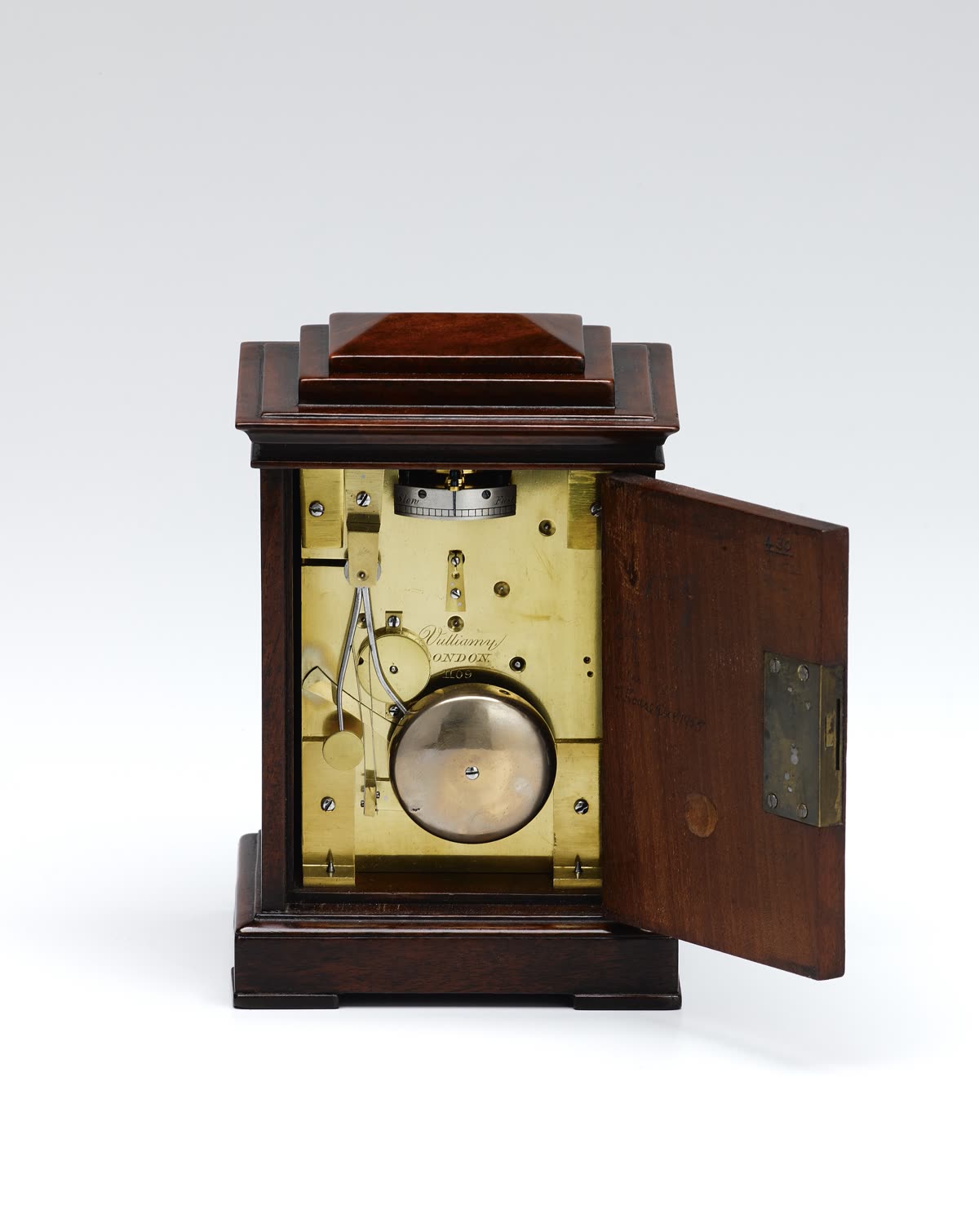
- Benjamin Lewis Vulliamy Fusee Mantel Clock, No. 1874Mantel clock · circa 1850
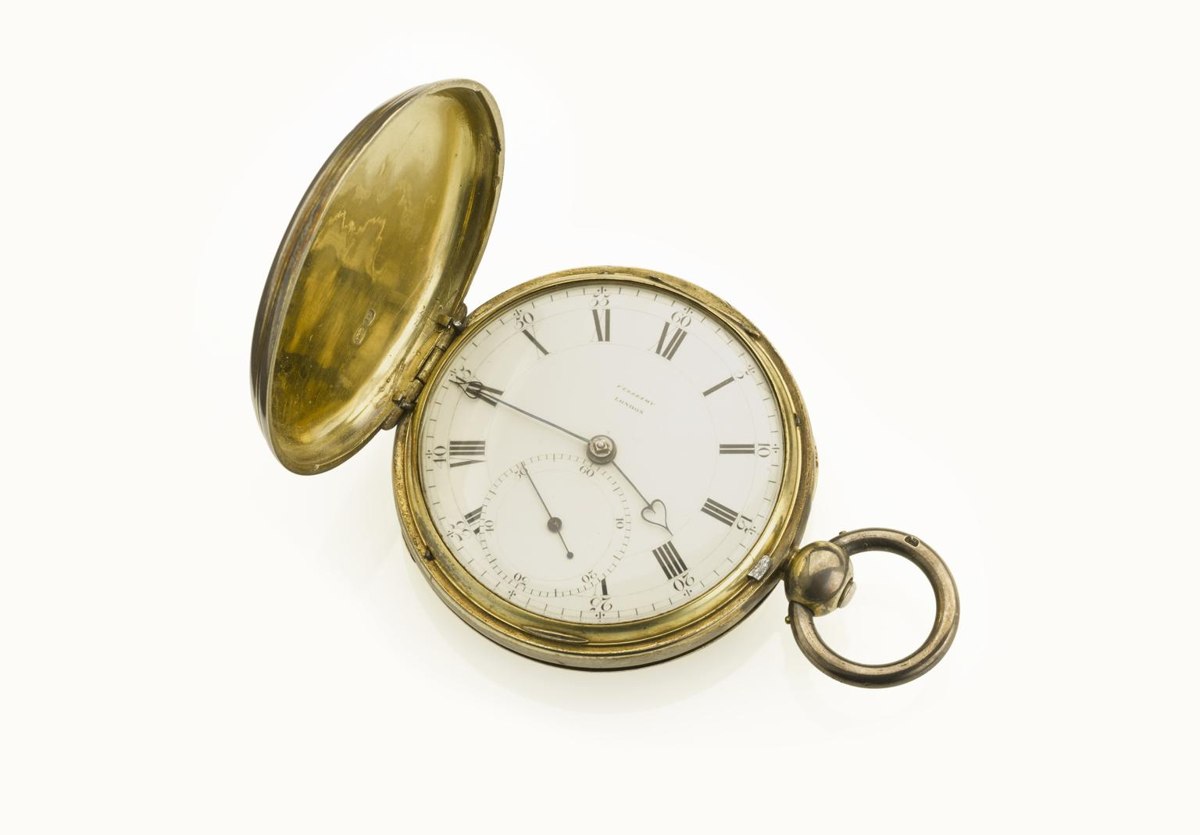
- Duplex Pocket Watch in Gilt Silver Case by VulliamyHunter-case watch · 1810-1823, hallmarked 1823
Provenance
Where the 2 catalogued pieces by Benjamin Lewis Vulliamy were recorded, with the collectors, owners and sales their records name.
Provenance map
Each piece is linked to the museum, auction house or dealer whose record it comes from, and to any other house or collection its own provenance names. Select a name to see its pieces.
Museums · 1 piece
Dealers & other listings · 1 piece
Science Museum Group
Museum · 1 piece
Duplex Pocket Watch in Gilt Silver Case by VulliamyHunter-case watch · 1810-1823, hallmarked 1823 · Record source
The record names no sale, lot or earlier owner.
Each line is copied from the object's source record and is not independently verified. Holders are as recorded when the piece was catalogued: museum objects may not be on display, and sold lots have since changed hands.
Photographs
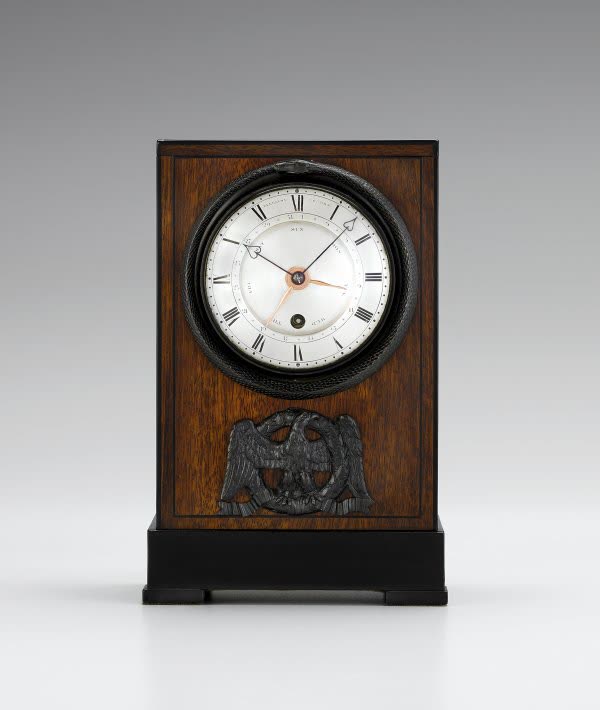
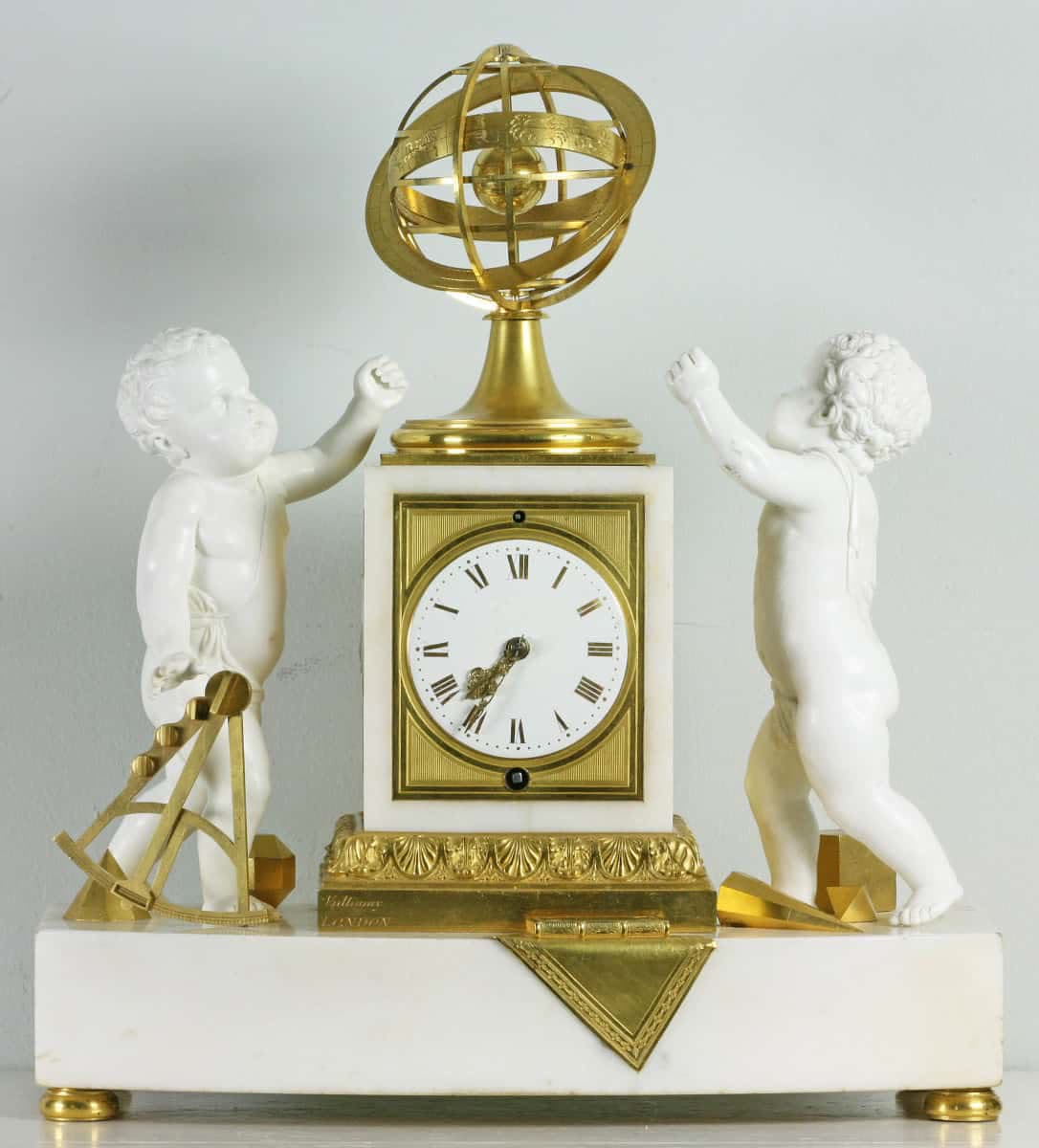
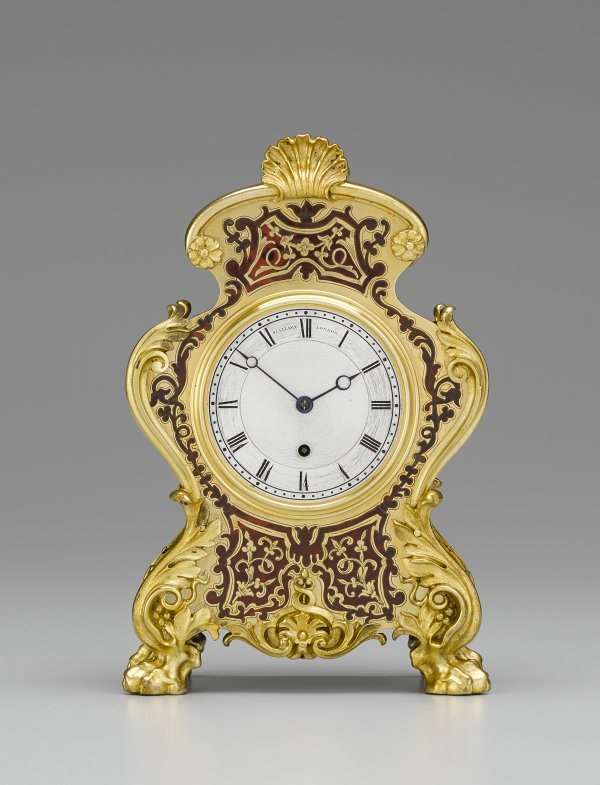
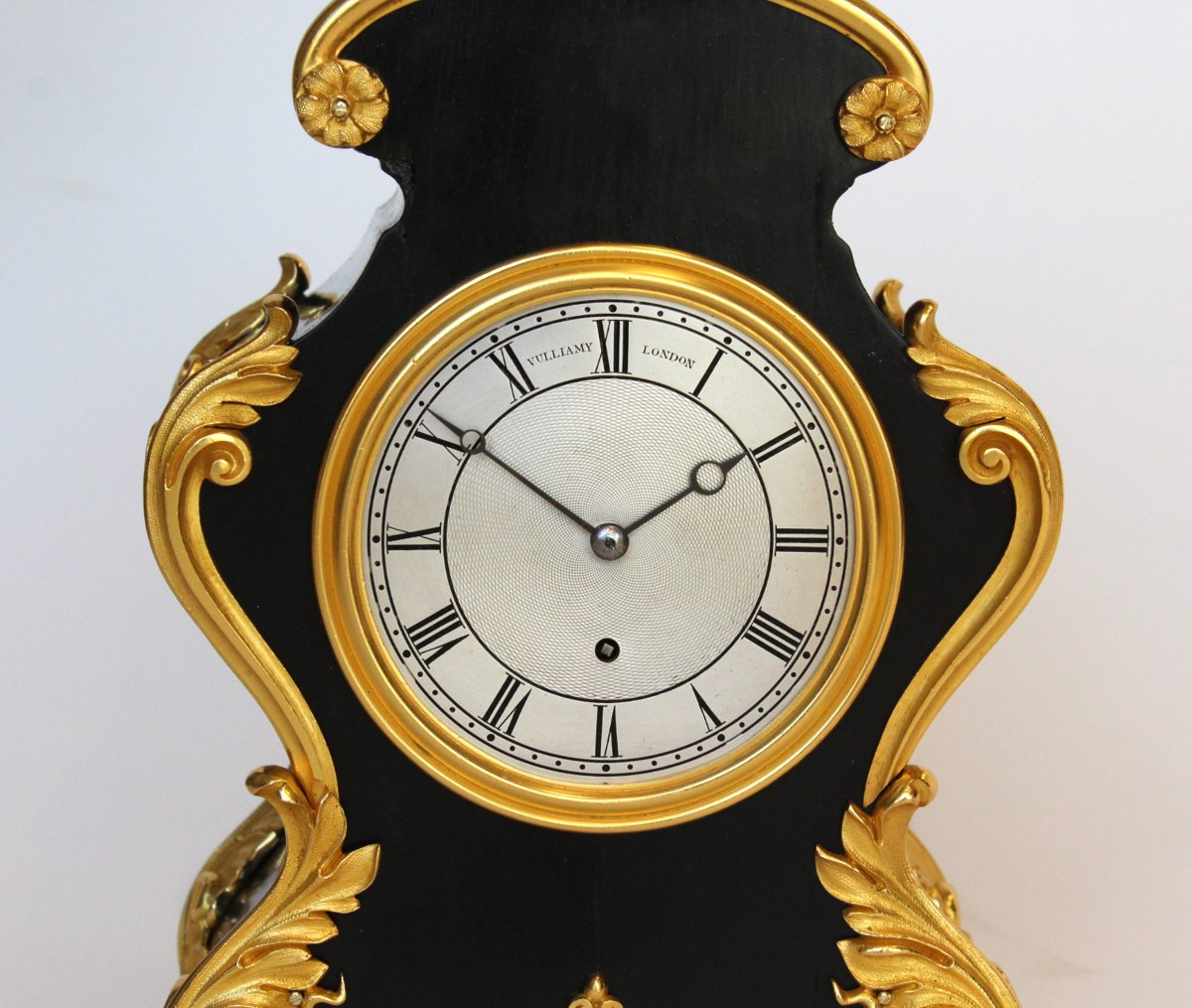
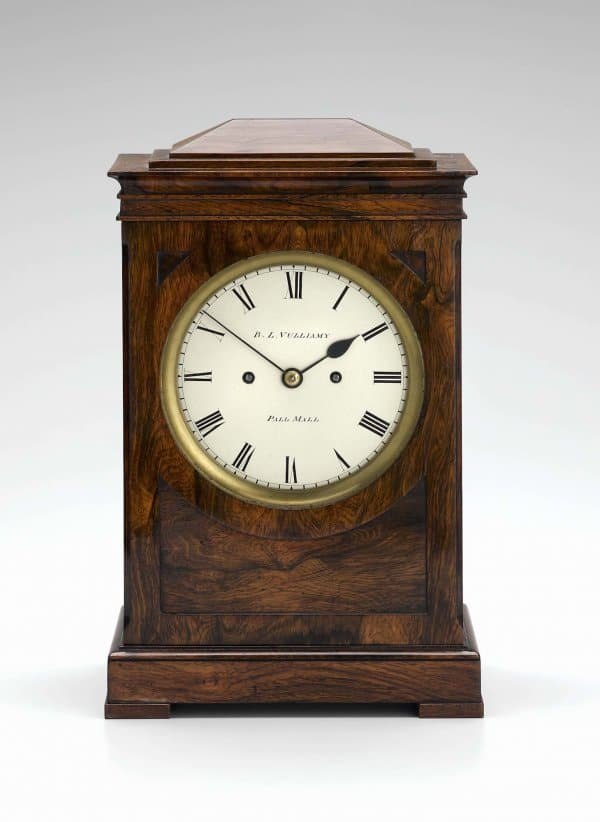
Photographs are illustrative examples of the type, not necessarily the exact object described. Verify details against the source file page.
Sources & references
- Benjamin Lewis Vulliamy, Wikipedia (English), retrieved 2026-10-27 (text CC BY-SA 4.0)
- Britten, F. J., Old Clocks and Watches and Their Makers
- Loomes, B., The Early Clockmakers of Great Britain
- Ehrhardt, R., American Pocket Watch Identification and Price Guide
- Museum catalogue records
Where sources disagree, the disagreement is stated rather than resolved silently.