
Watch family · Style & purpose
Mystery Watches
Needs researchWatches designed so the hands appear to move with no visible connection to a movement, following the same illusionist principle as mystery clocks, applied to a much smaller wrist-worn case.
Movement & mechanism
- Hands mounted on a transparent disc geared invisibly at its rim, exactly as in mystery clocks, rather than from a visible central arbor
- Movement and true drive point concealed within the case or dial structure
- Requires very precise construction given the far smaller scale than a mystery clock
Identification
- A dial with no visible connection between the centre and the hands
- Often marketed explicitly by maker name as a 'mystery' model
Terminology
- Mystery dial — as in mystery clocks, a dial geared at its rim rather than centre
Known variations
- Mystery dial wristwatch
- Mystery dial pocket-to-wrist transitional pieces
Pocket-watch ancestry
The mystery-dial principle was developed for clocks (and to a lesser extent pocket watches) before being adapted, with considerable additional miniaturisation difficulty, to the wristwatch format.
Collecting notes
A niche, technically demanding style watched for by specialist collectors interested in mechanical novelty rather than complication in the conventional sense.
Background
Mystery watches are timepieces designed so the working is not easily deducible to the observer. These watches create the impression that the hands have no visible connection to any movement. Inventors linked to the early development of these watches include Hugues Rime and Jean-Eugène Robert-Houdin. Historical versions of the mystery watch are currently preserved in various museum collections globally.
Written from the encyclopedia entries listed under Sources; each statement was checked against the cited text.
Defining features
- Movement is transmitted to the hands through a transparent crystal toothed wheel.
Later development
- Hugues Rime held a patent for the watch in the late 19th century.
- Armand Schwob et frère marketed the early mystery watches invented by Rime.
Photographs
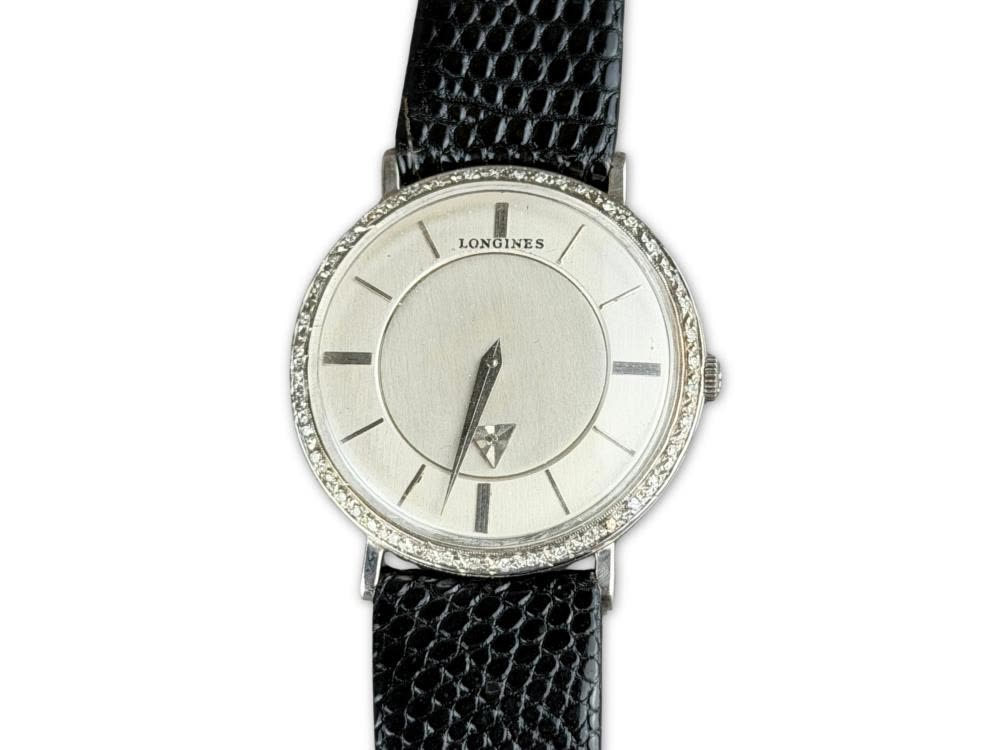
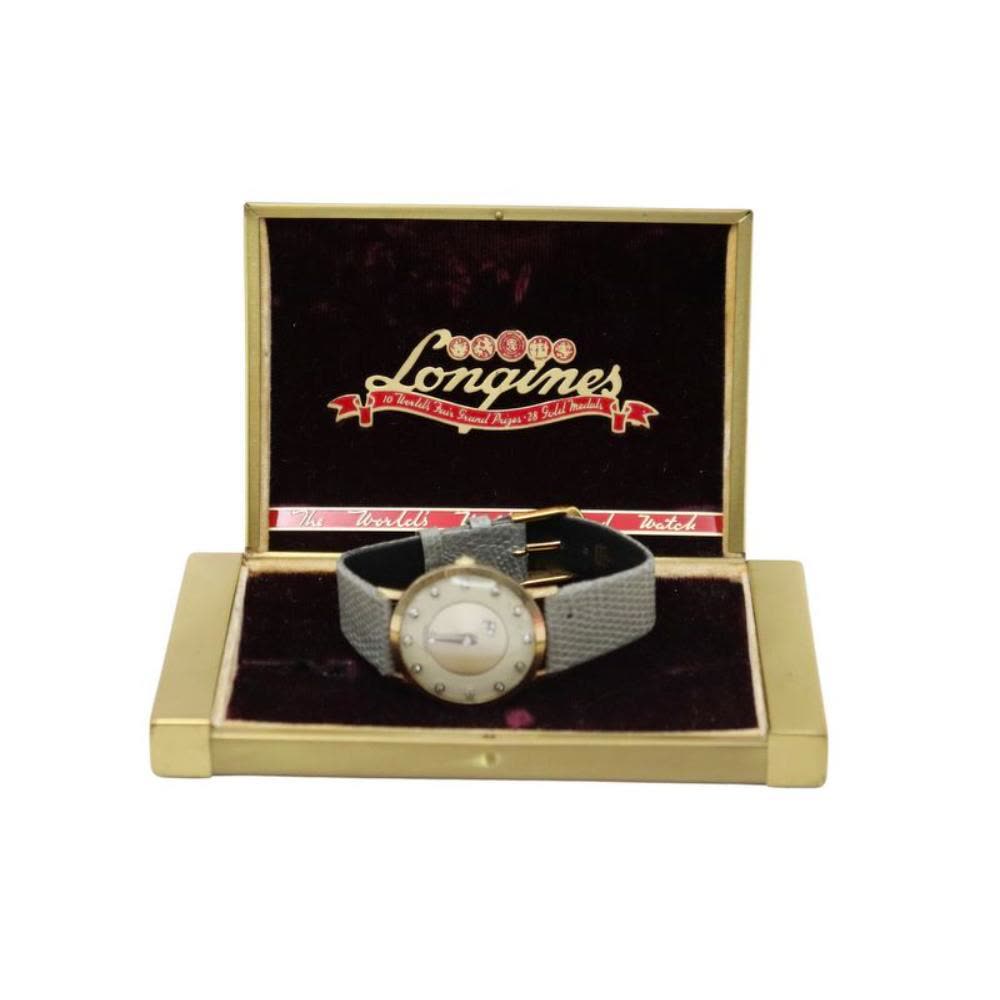
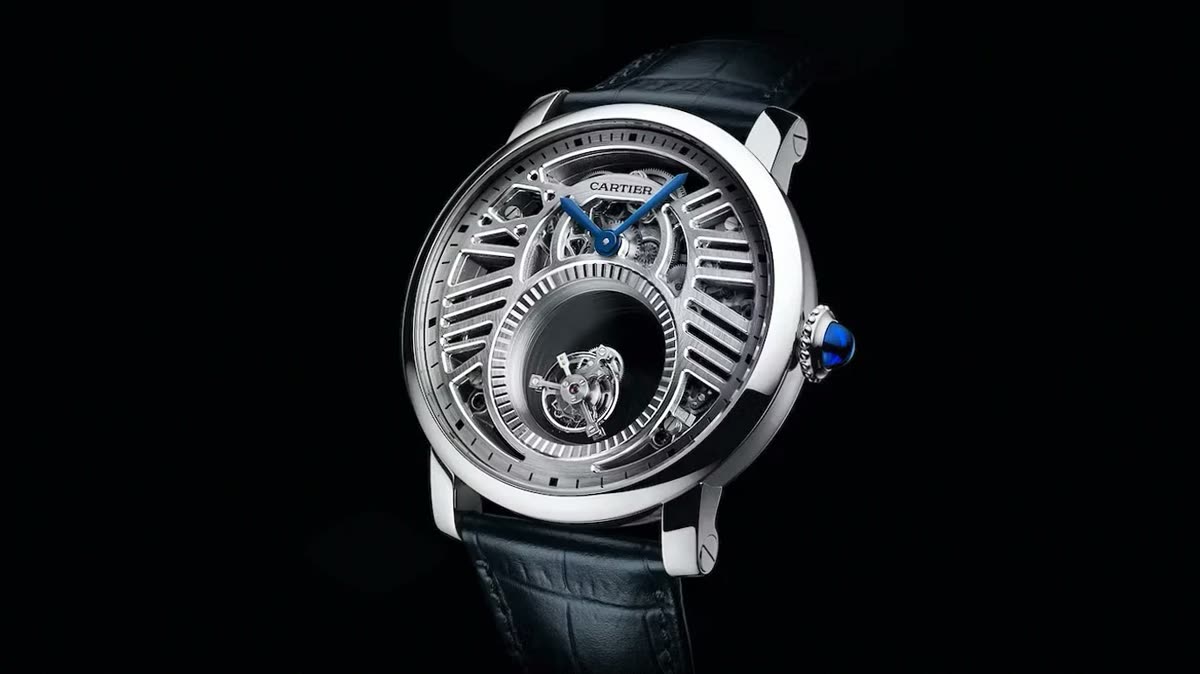
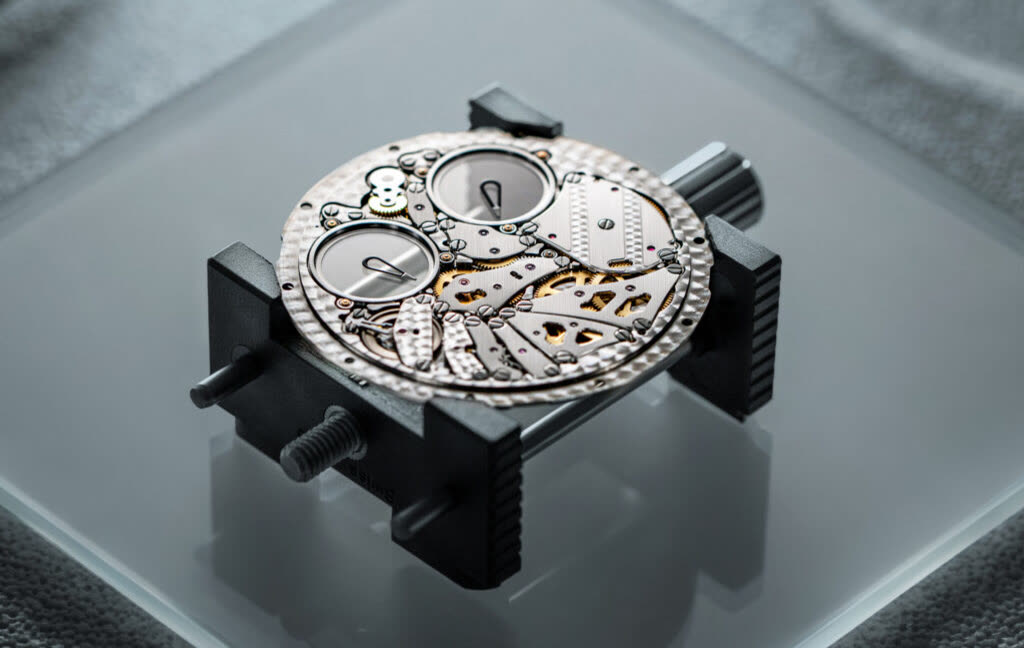
Photographs are illustrative examples of the type, not necessarily the exact object described. Verify details against the source file page.
Sources & references
- Mystery watch, Wikipedia (English), retrieved 2026-10-28 (text CC BY-SA 4.0)
- General decorative watch literature; detailed manufacturer histories of wrist-format mystery watches are not yet compiled here.
Where sources disagree, the disagreement is stated rather than resolved silently.