
Watch family · Precision & certification
Chronometer-Certified Watches
VerifiedWatches whose movements have been independently tested and certified to meet defined precision standards over multiple days and positions, most commonly by the Swiss COSC (Contrôle Officiel Suisse des Chronomètres).
Movement & mechanism
- No specific mechanism is mandated; certification tests an assembled movement's rate stability across positions and temperatures over a set period
- High-grade regulating organs (free-sprung balances, adjusted escapements) are typical of movements submitted for certification
- A certificate or serial-numbered certification mark accompanies a genuinely certified movement
Identification
- Dial or case marking reading 'Chronometer' alongside a certifying body's mark, properly used only for tested movements
- Certification number that can, for COSC-tested movements, in principle be checked against official records
Terminology
- COSC — Contrôle Officiel Suisse des Chronomètres, the principal Swiss chronometer certification body
- Observatory trials — historical precision competitions among individual regulated movements, predating mass-certification schemes
Known variations
- COSC-certified wristwatch chronometer
- In-house certified chronometer (tested to a manufacturer's own, sometimes stricter, standard)
Pocket-watch ancestry
Chronometer testing began with marine chronometers and later extended to observatory trials for pocket watch movements competing for precision records; wristwatch certification is a direct continuation of this testing culture, adapted to smaller calibres.
Collecting notes
Collectors should note that 'chronometer' is a protected, tested designation; loose marketing use of the word for uncertified watches is common and should not be relied upon without a verifiable certificate.
Background
Chronometer wristwatches are high-precision mechanical timekeepers that house movements tested for accuracy by neutral, official bodies. The term chronometer originated from maritime navigation needs where accurate mechanical timepieces were essential for determining longitude. Before modern certification standards, astronomical observatories conducted rigorous accuracy competitions for mechanical movements over extended periods.
These observatory competitions concluded with the emergence of quartz technology, though the practice of certifying mechanical movements persists today. Most mechanical chronometers are now luxury items that symbolize fine craftsmanship rather than serving as primary scientific time standards.
Written from the encyclopedia entries listed under Sources; each statement was checked against the cited text.
Defining features
- Chronometer movements historically incorporated jewel bearings such as diamond, ruby, and sapphire to reduce friction and wear.
Photographs
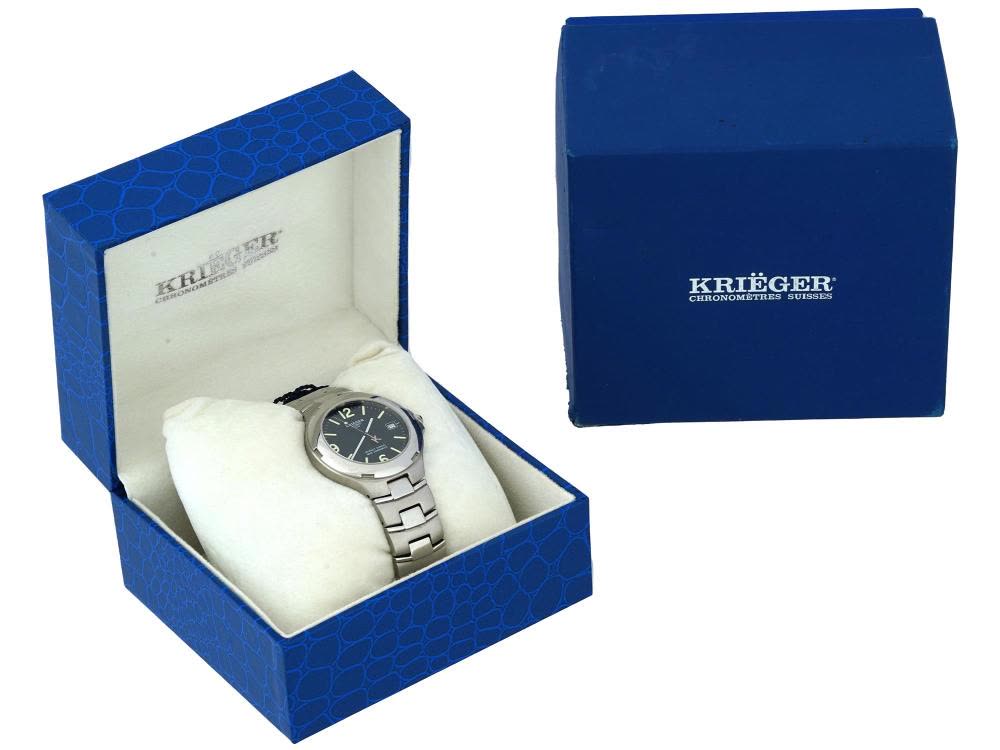
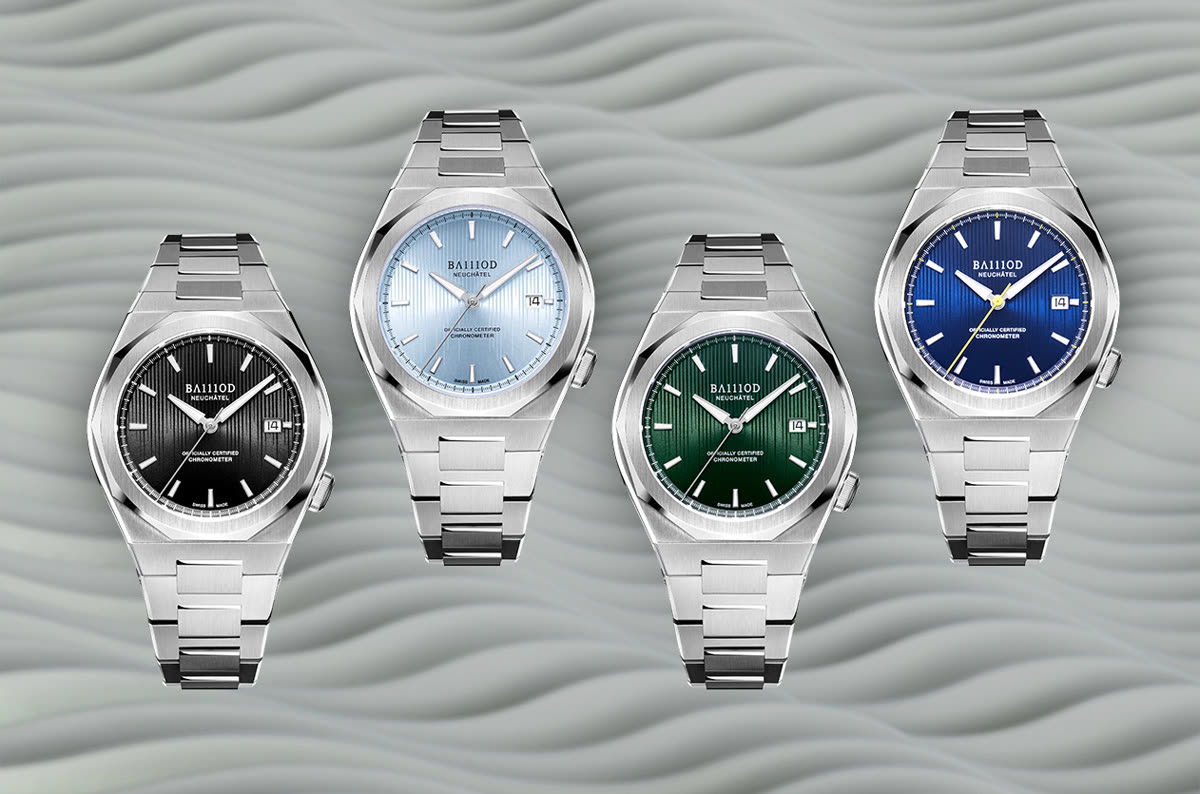
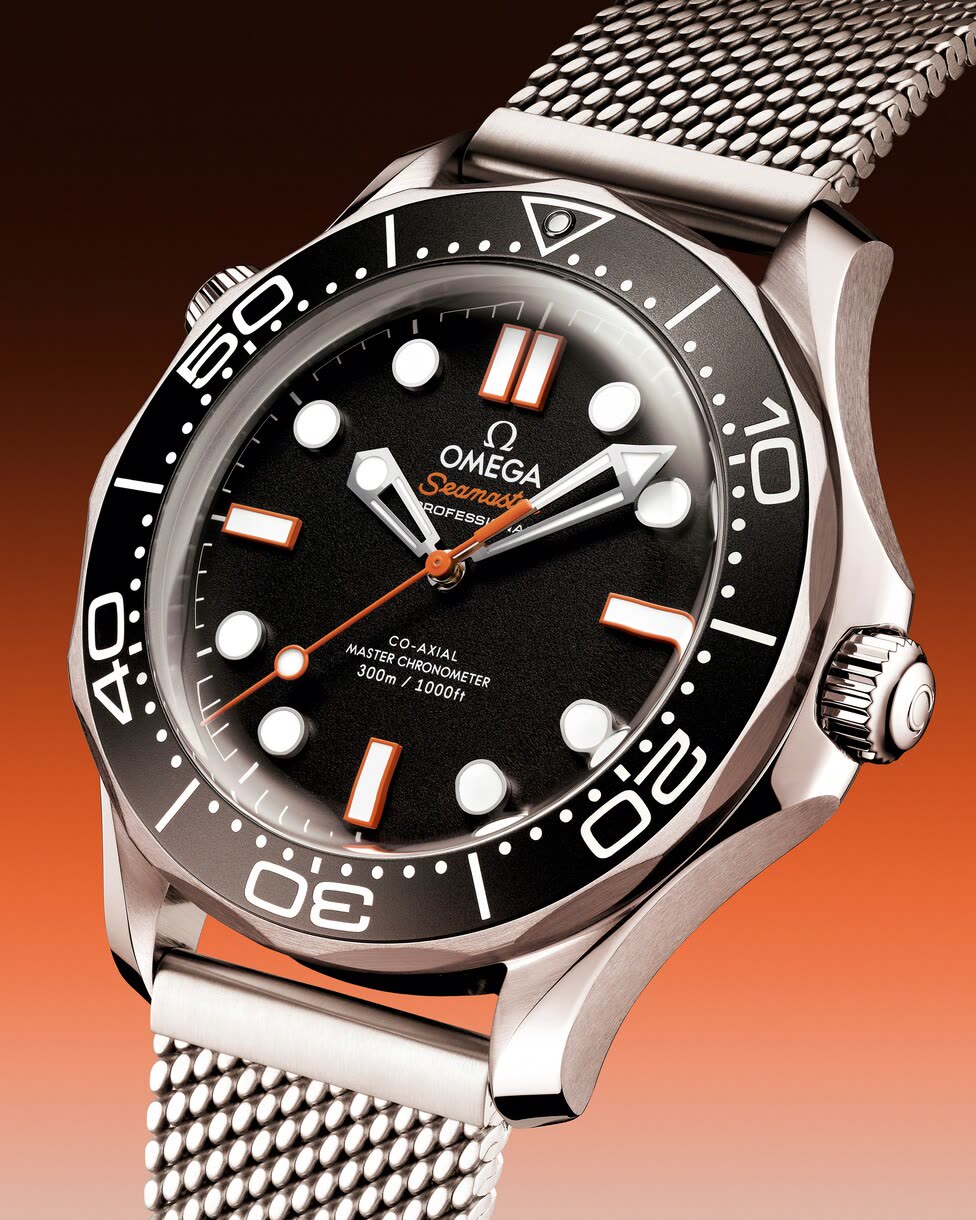
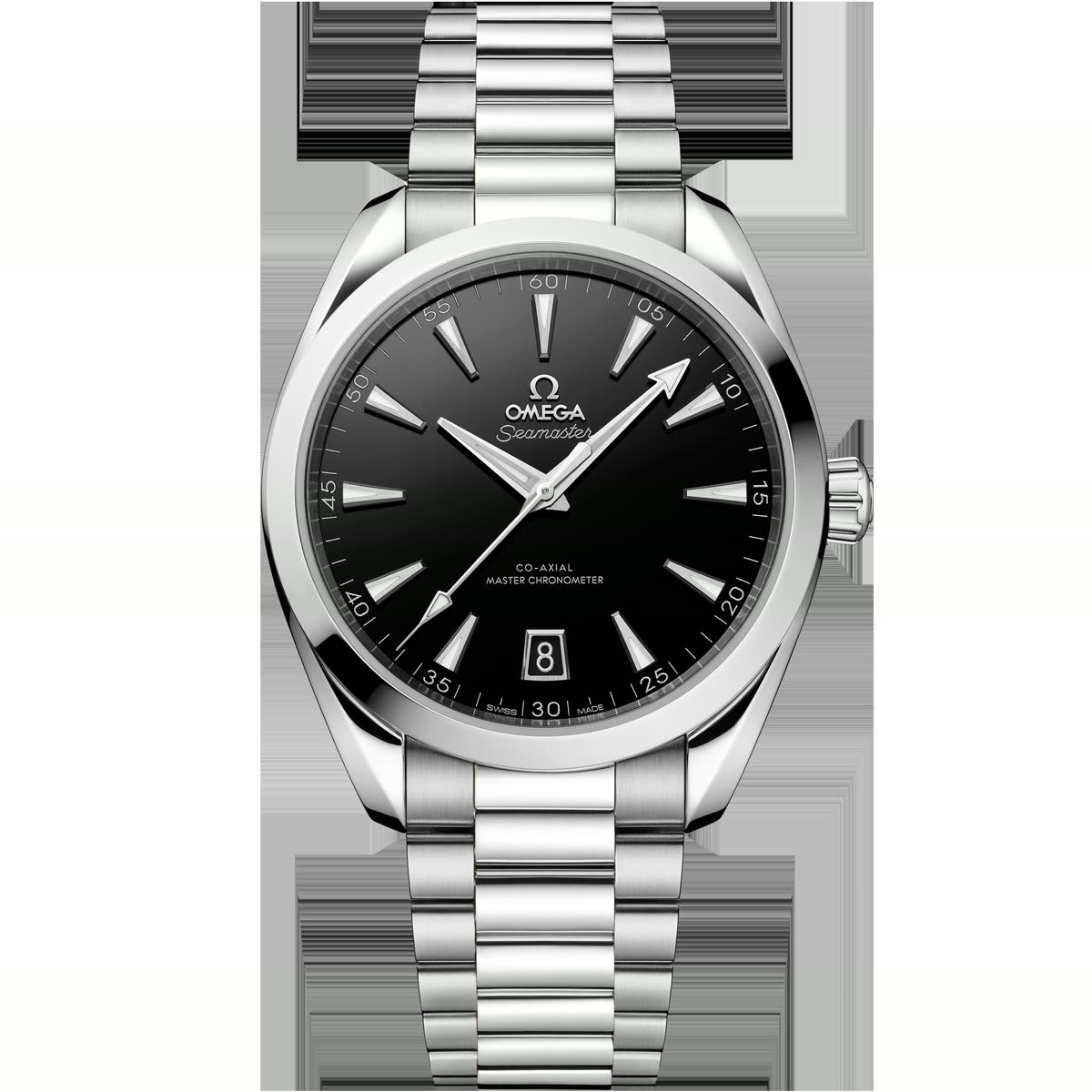
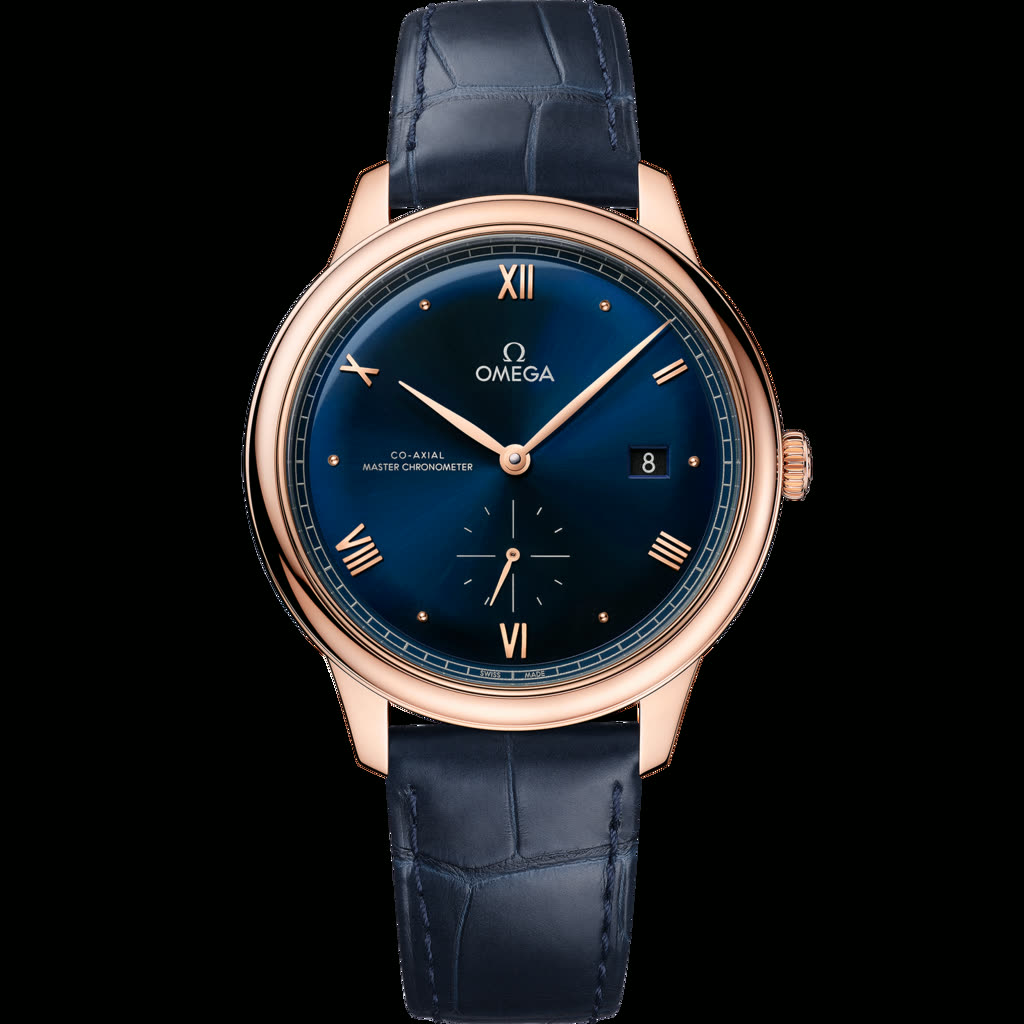
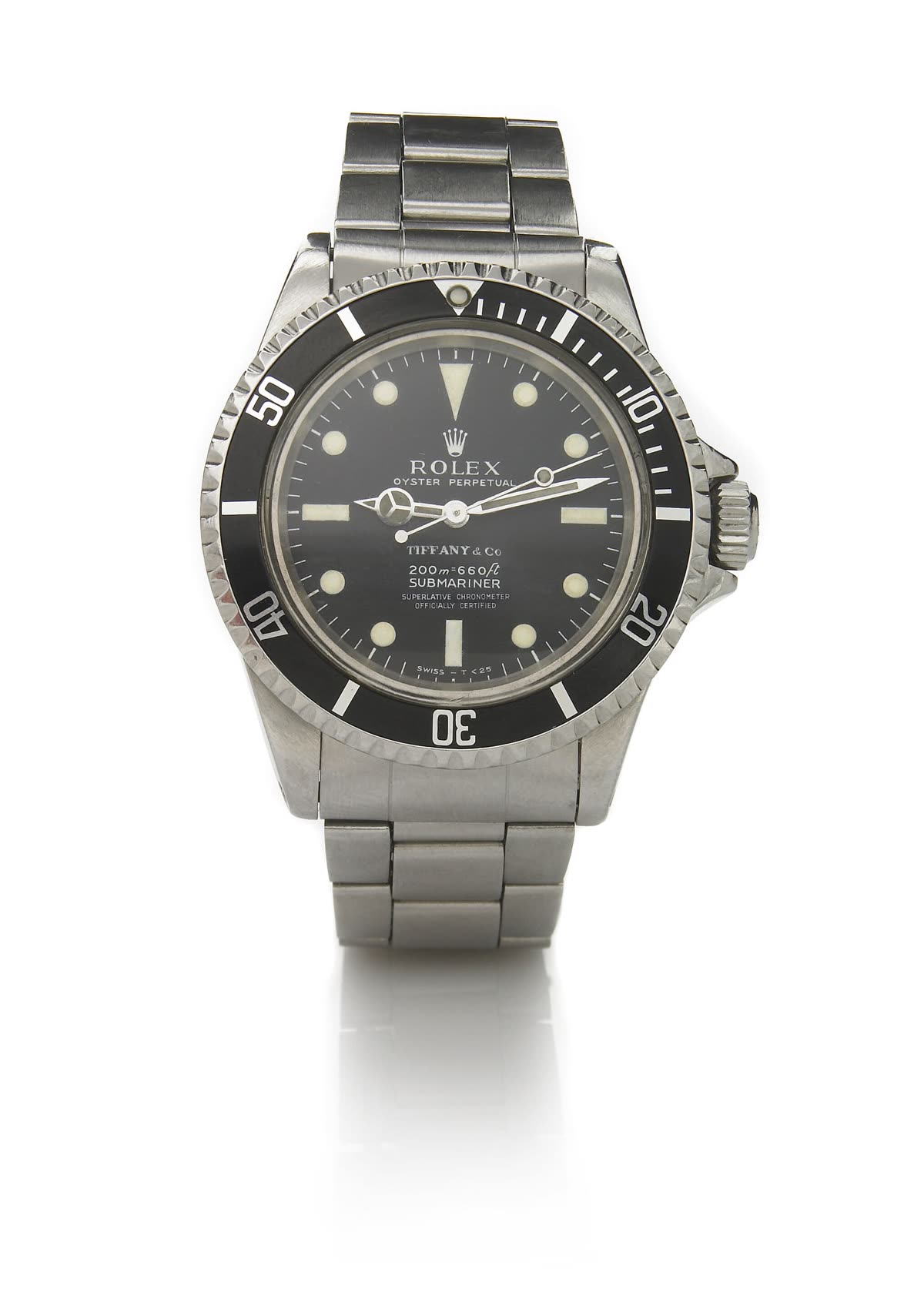
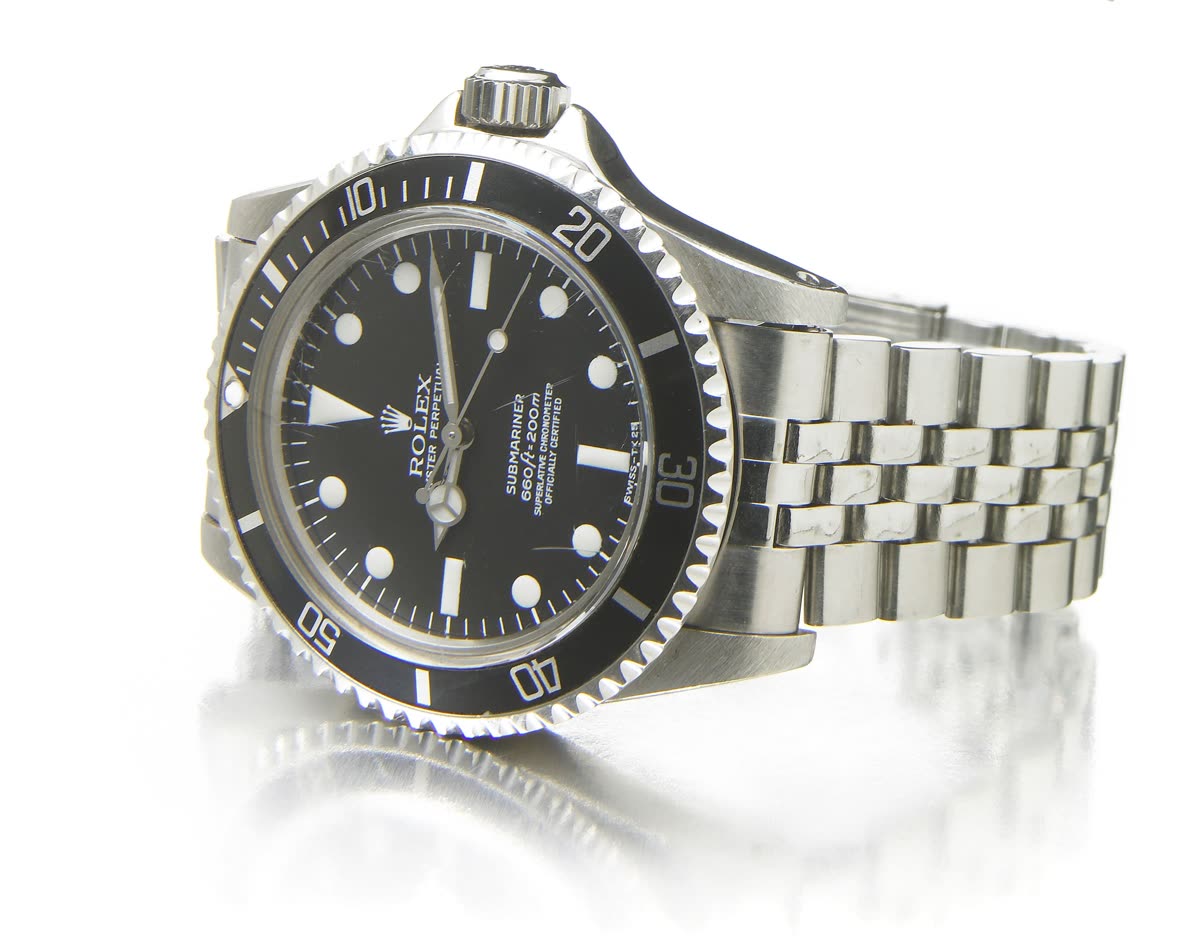
Photographs are illustrative examples of the type, not necessarily the exact object described. Verify details against the source file page.
Sources & references
- Chronometer watch, Wikipedia (English), retrieved 2026-10-28 (text CC BY-SA 4.0)
- COSC published testing criteria (general description; specific numeric tolerances vary by era and are not restated here without a dated source)
Where sources disagree, the disagreement is stated rather than resolved silently.