
Pocket watches · Complication
Split-Seconds (Rattrapante) Pocket Watches
Needs researchChronograph watches with two superimposed elapsed-time hands that can be stopped independently, allowing intermediate ('split') times to be read while the timing continues.
Mechanism
A clamp can grip the split hand's wheel, halting it for a reading while the main chronograph hand continues; releasing the clamp allows the split hand to fly back and rejoin the main hand.
Typical characteristics
- Two coaxial chronograph seconds hands
- Additional pusher to split and rejoin the hands
- A split-seconds clamp mechanism acting on the secondary hand's heart cam
Construction and interpretation
Split-seconds, or rattrapante, work adds a second elapsed-seconds hand travelling with the principal chronograph hand. One hand can be held for an intermediate reading while the other continues timing. Releasing the held hand makes it catch up with the still-running recorder. This permits comparison of intermediate events without ending the main timing interval; it is not the same operation as stopping and resetting an ordinary chronograph.
The additional hand requires its own holding and return mechanism. Two superimposed hands may look like one when aligned, so a still photograph of the dial can understate the complication. Conversely, a pair of central hands does not establish split-seconds functionality without mechanism or operating evidence. Describe the separate controls, the available recorder displays and any documented limitations, rather than assuming every elaborate chronograph is a rattrapante.
| Stage | Main timing hand | Split hand |
|---|---|---|
| Start | Runs | Runs aligned with main hand |
| Take a split | Continues | Held for intermediate reading |
| Release split | Continues | Catches up to main hand |
| End and reset | Sequence depends on construction | Follow the documented control sequence |
A rattrapante hand catching up is not a flyback chronograph resetting and restarting a new timing interval.
Identification characteristics
- Two fine seconds hands sharing a common pivot
- Extra pusher, usually in the pendant crown
Collector significance
One of the more mechanically demanding chronograph variants, valued for its complexity and rarity.
Known variations
- Rattrapante chronograph
- Double rattrapante (rare)
Photographs
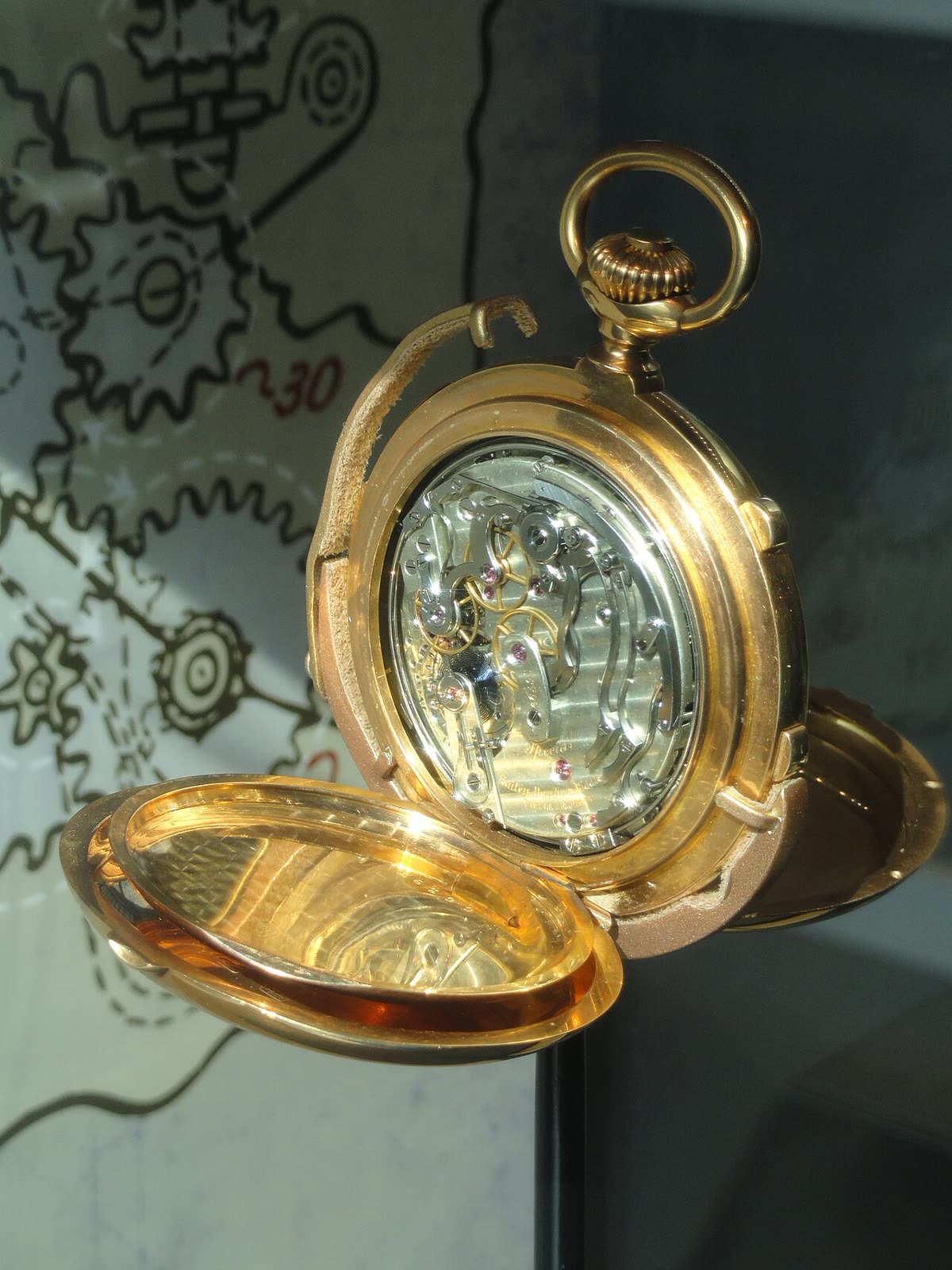
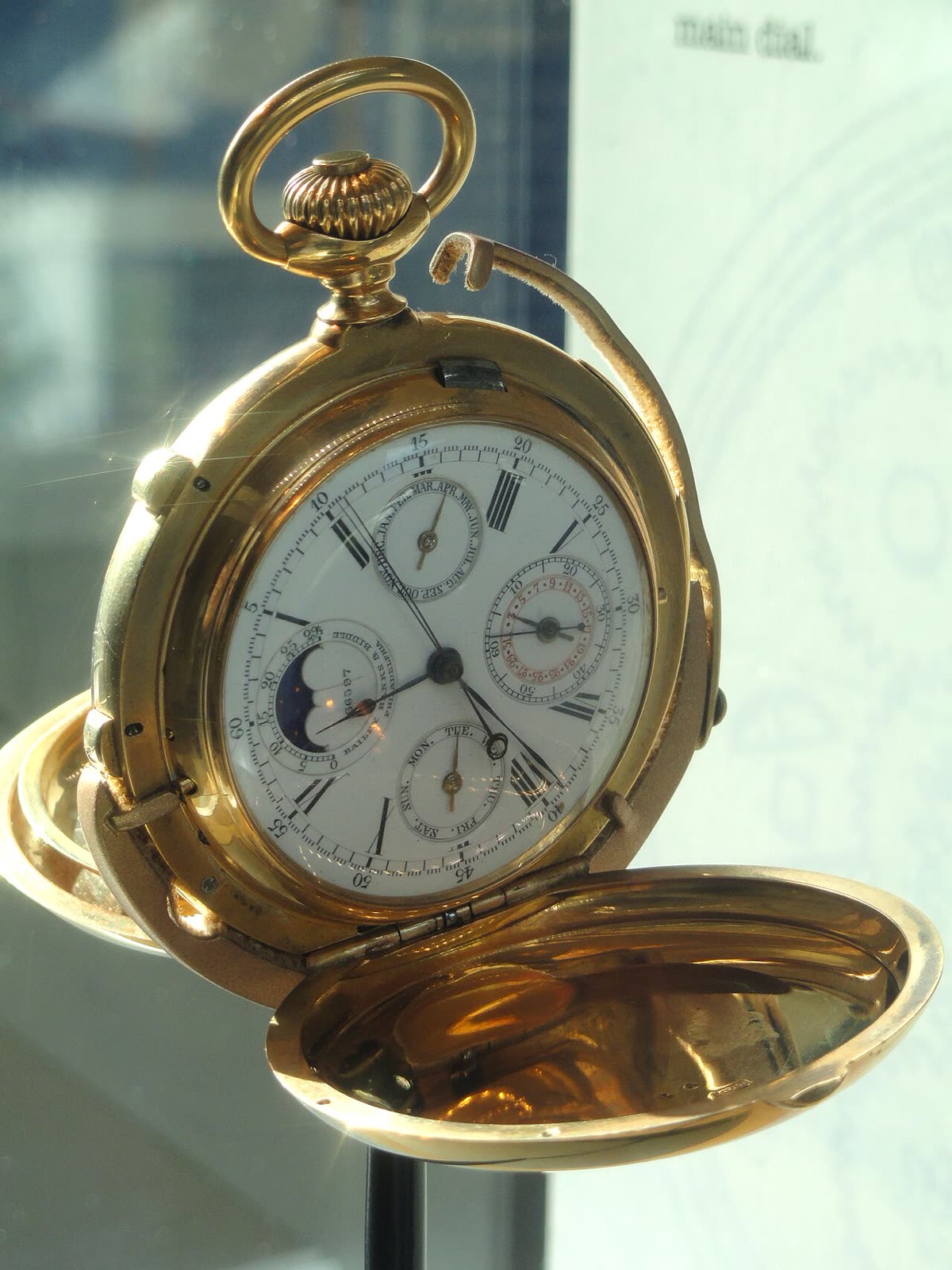
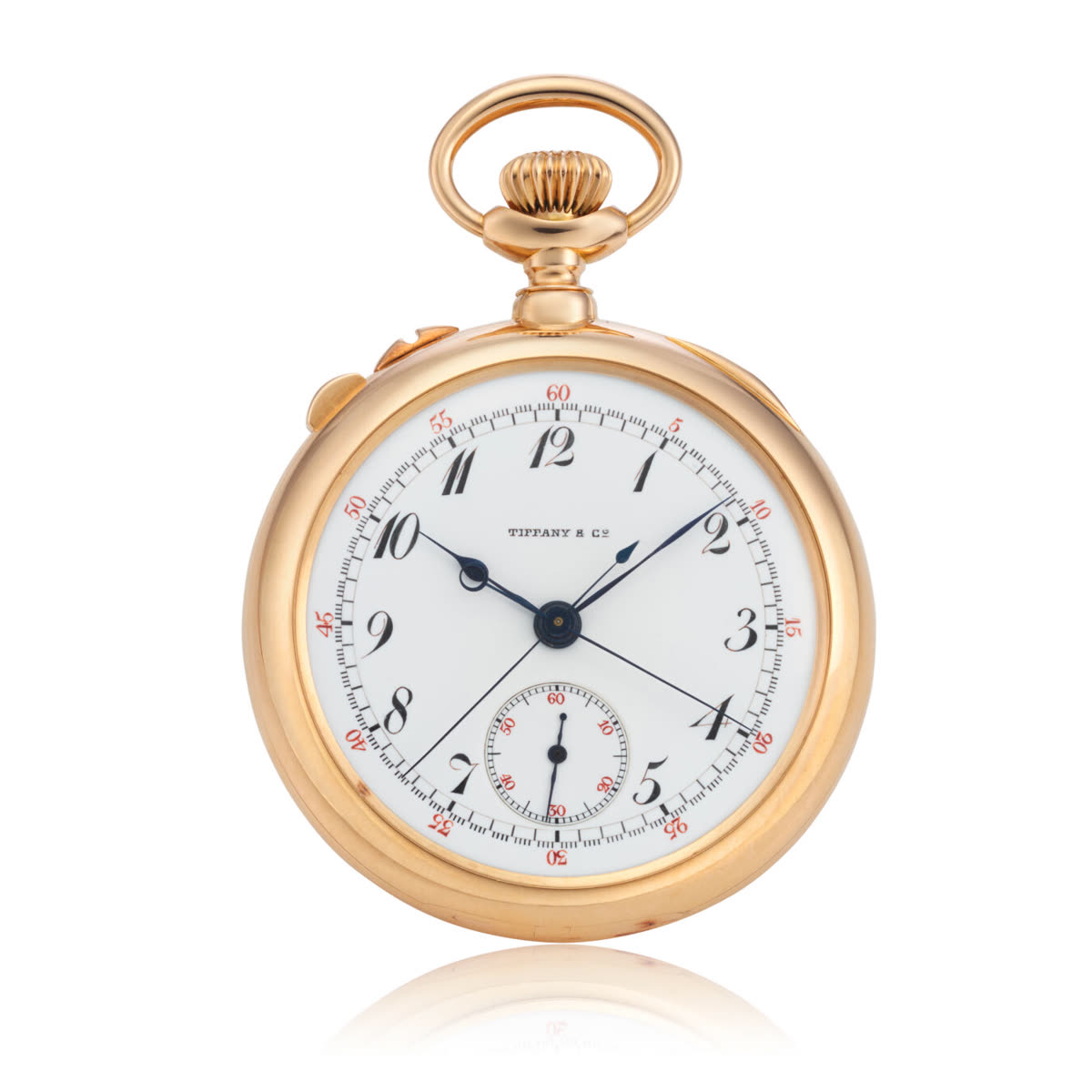
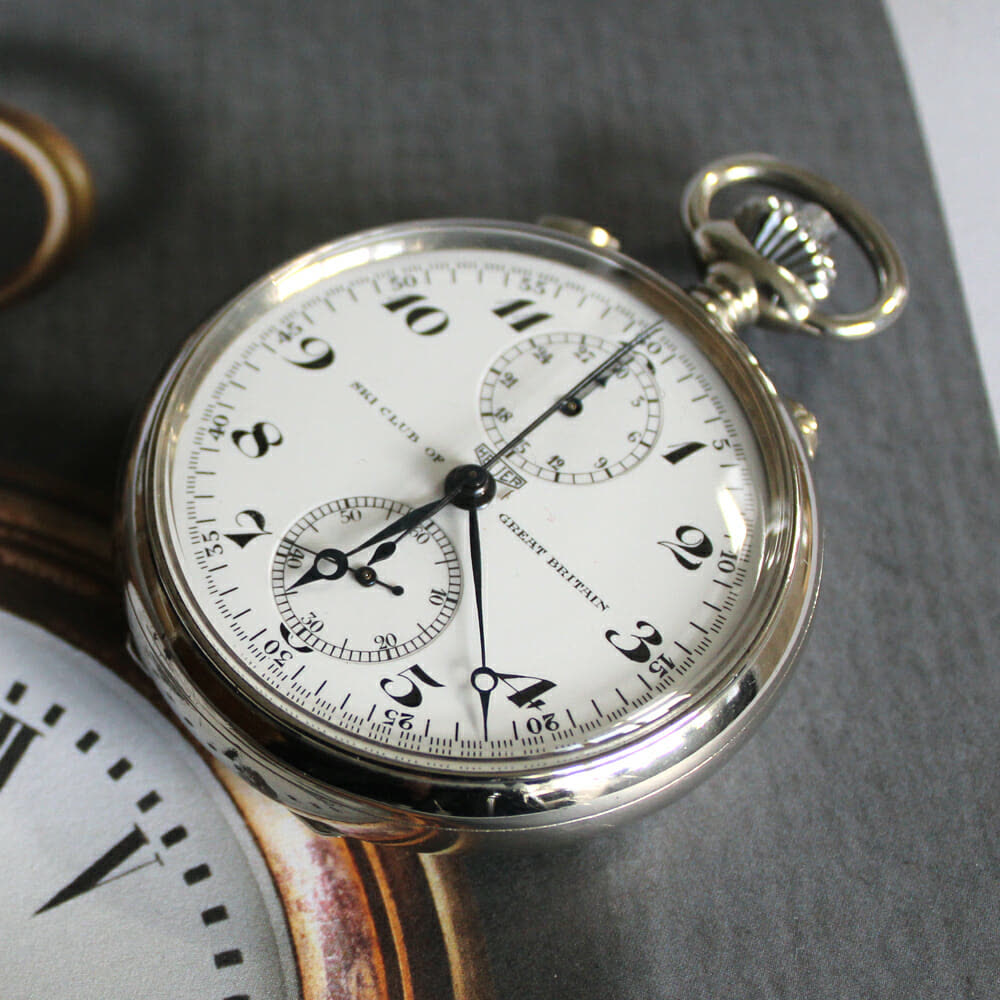
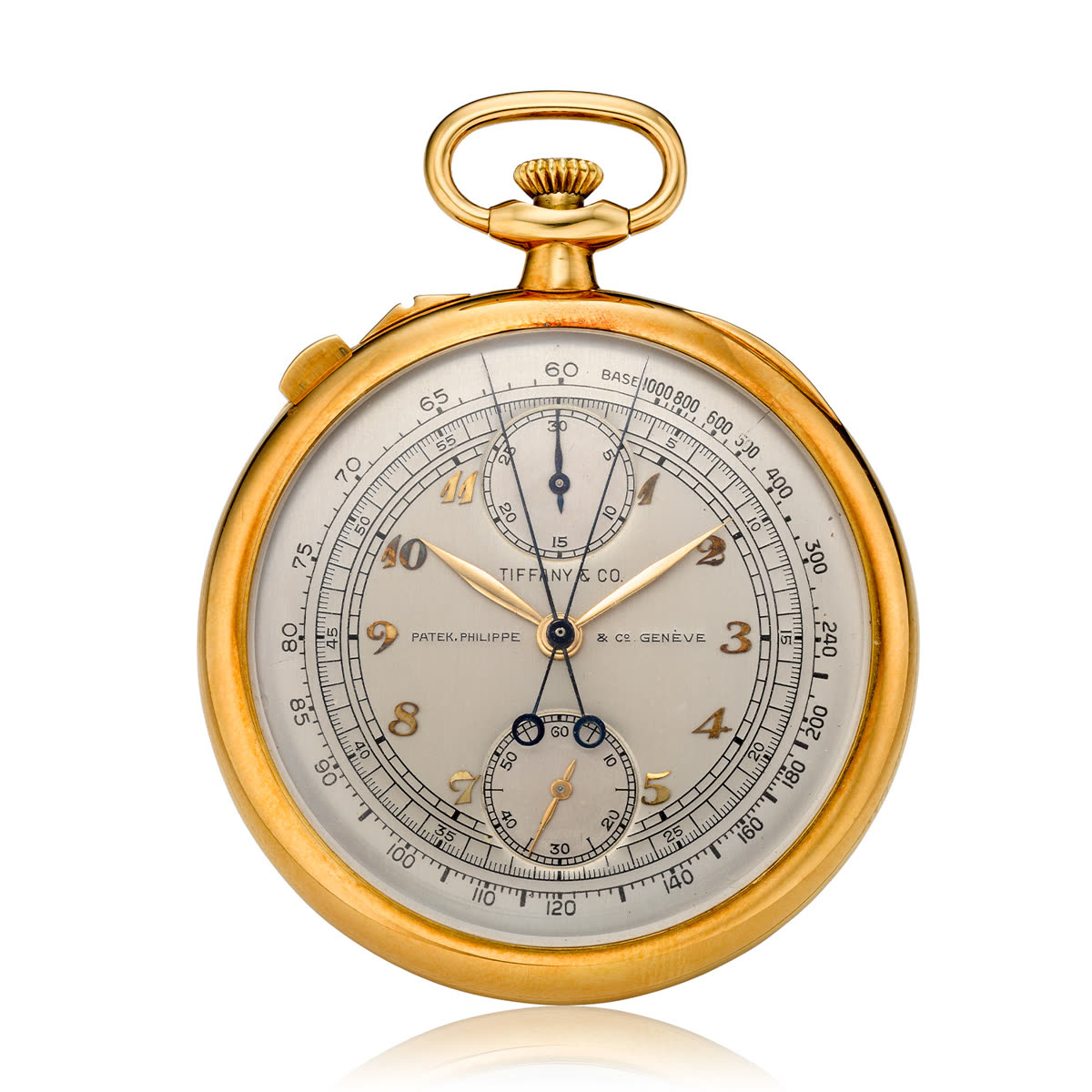
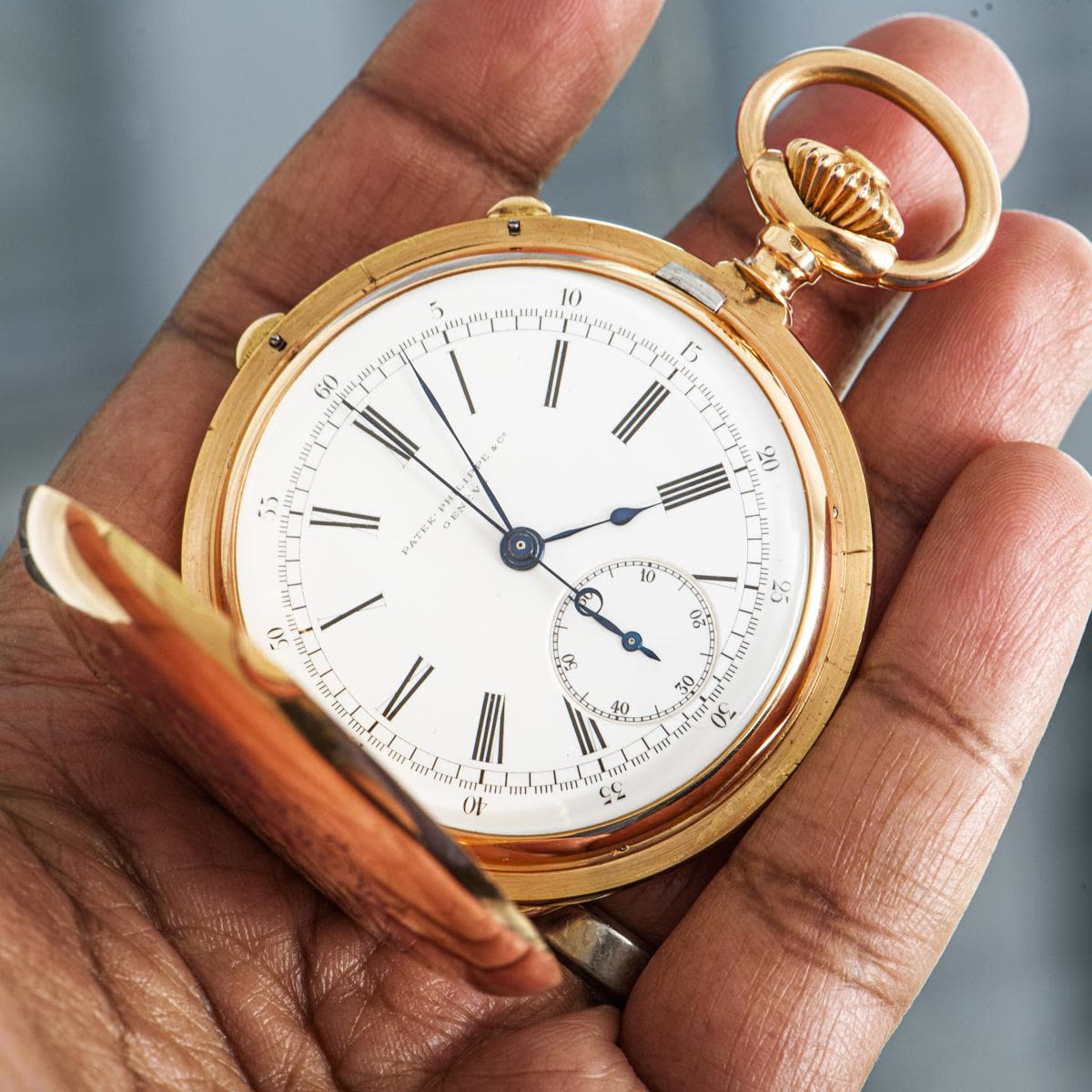
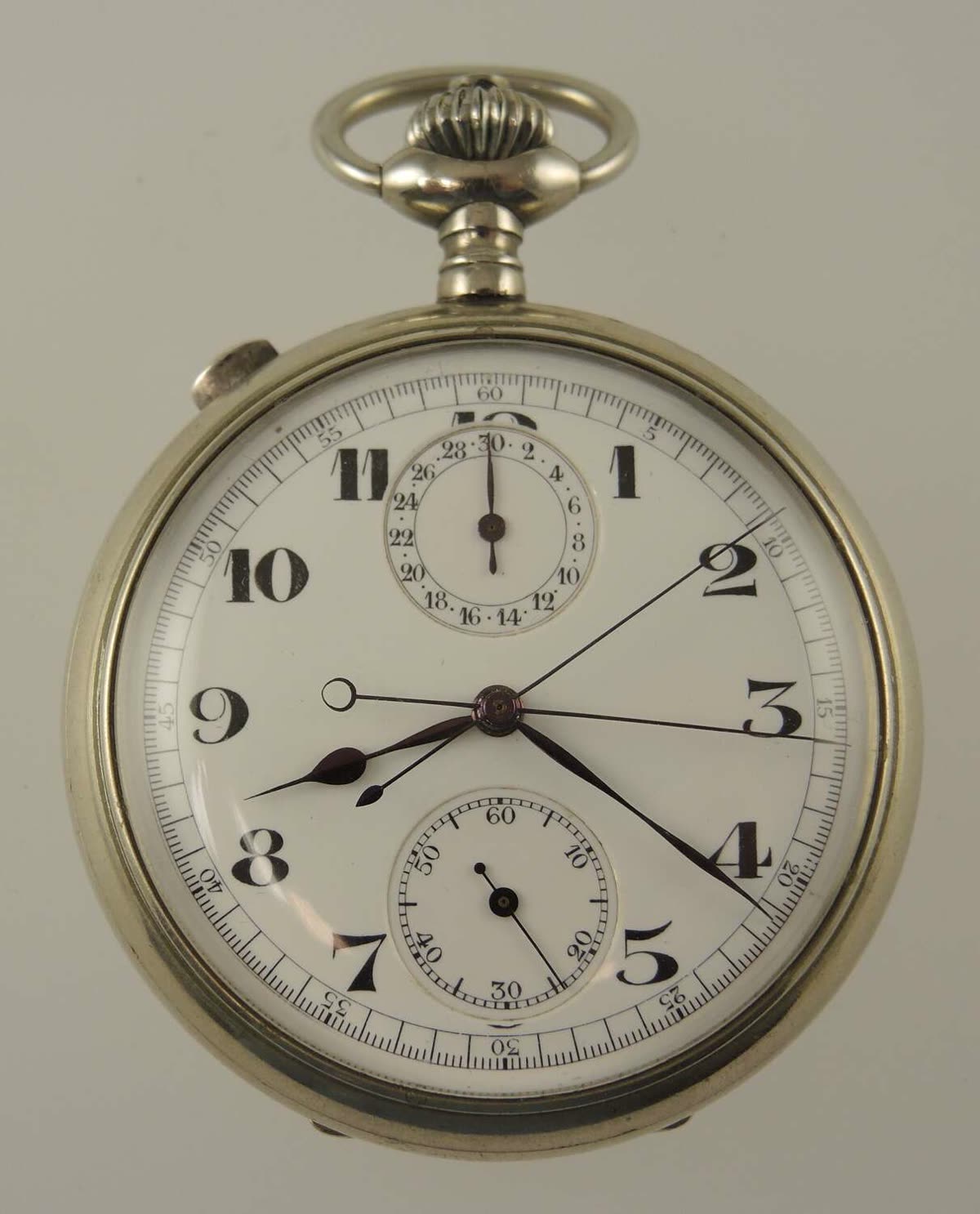
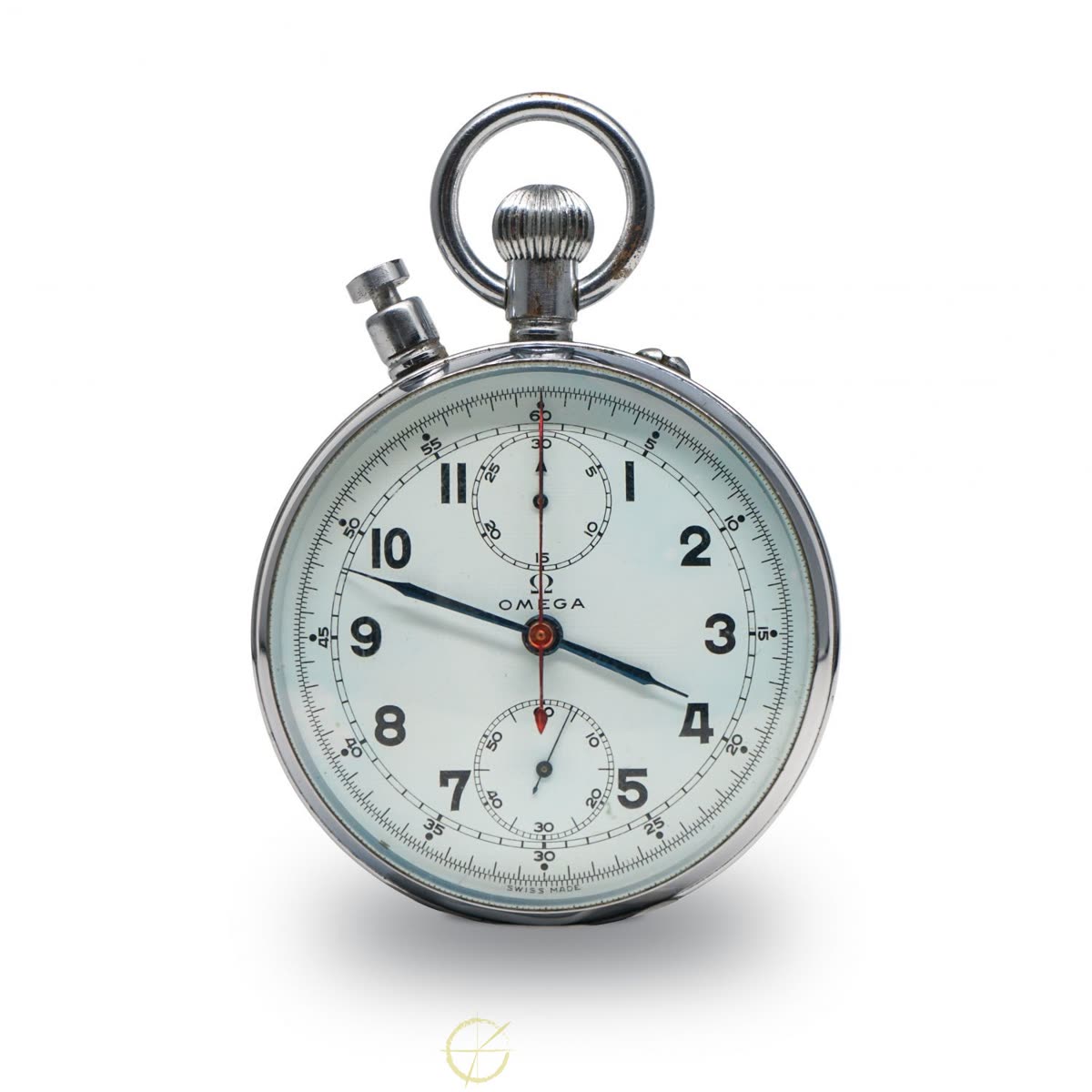
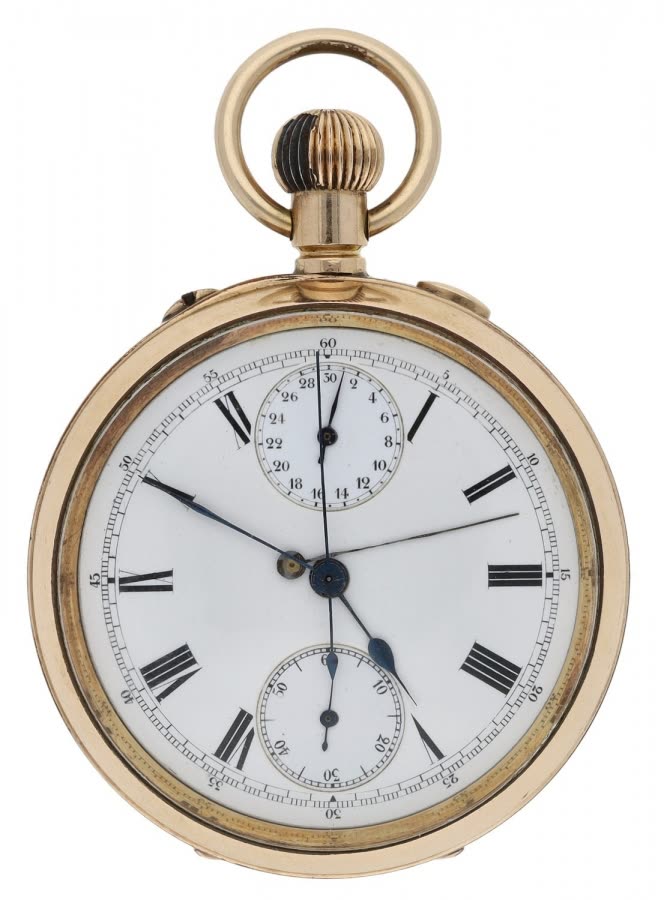
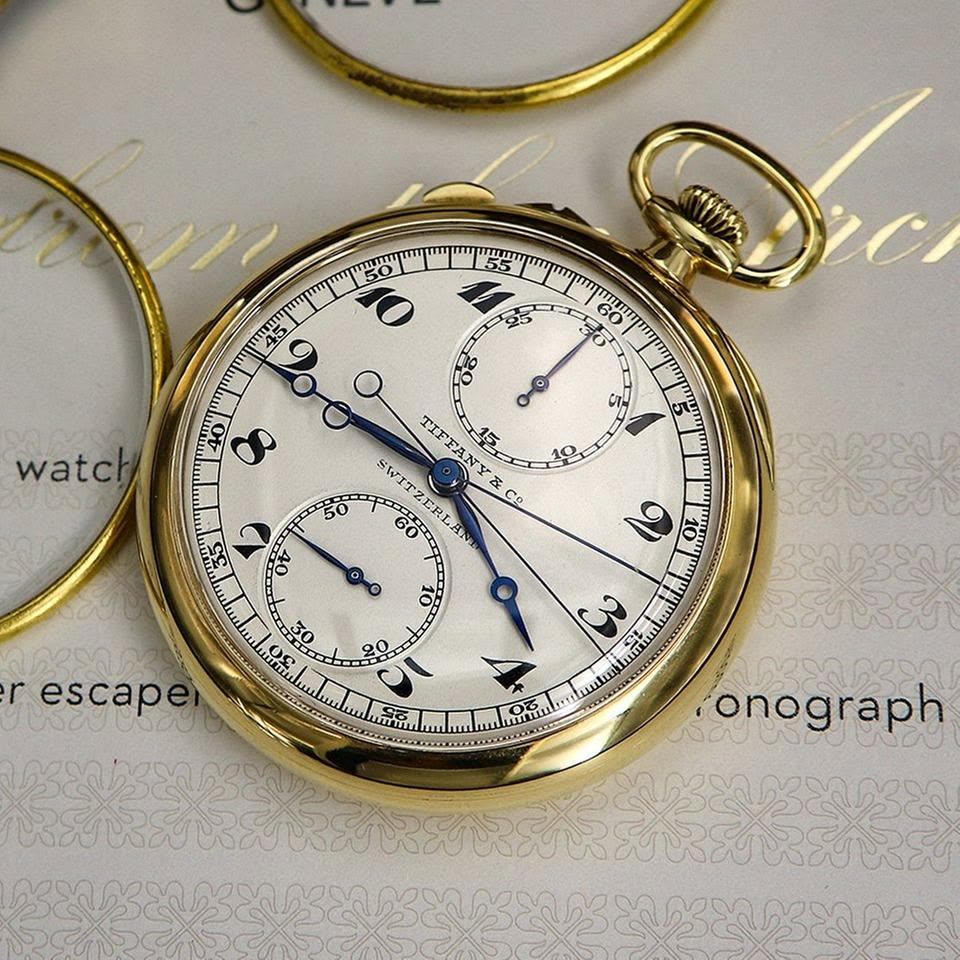
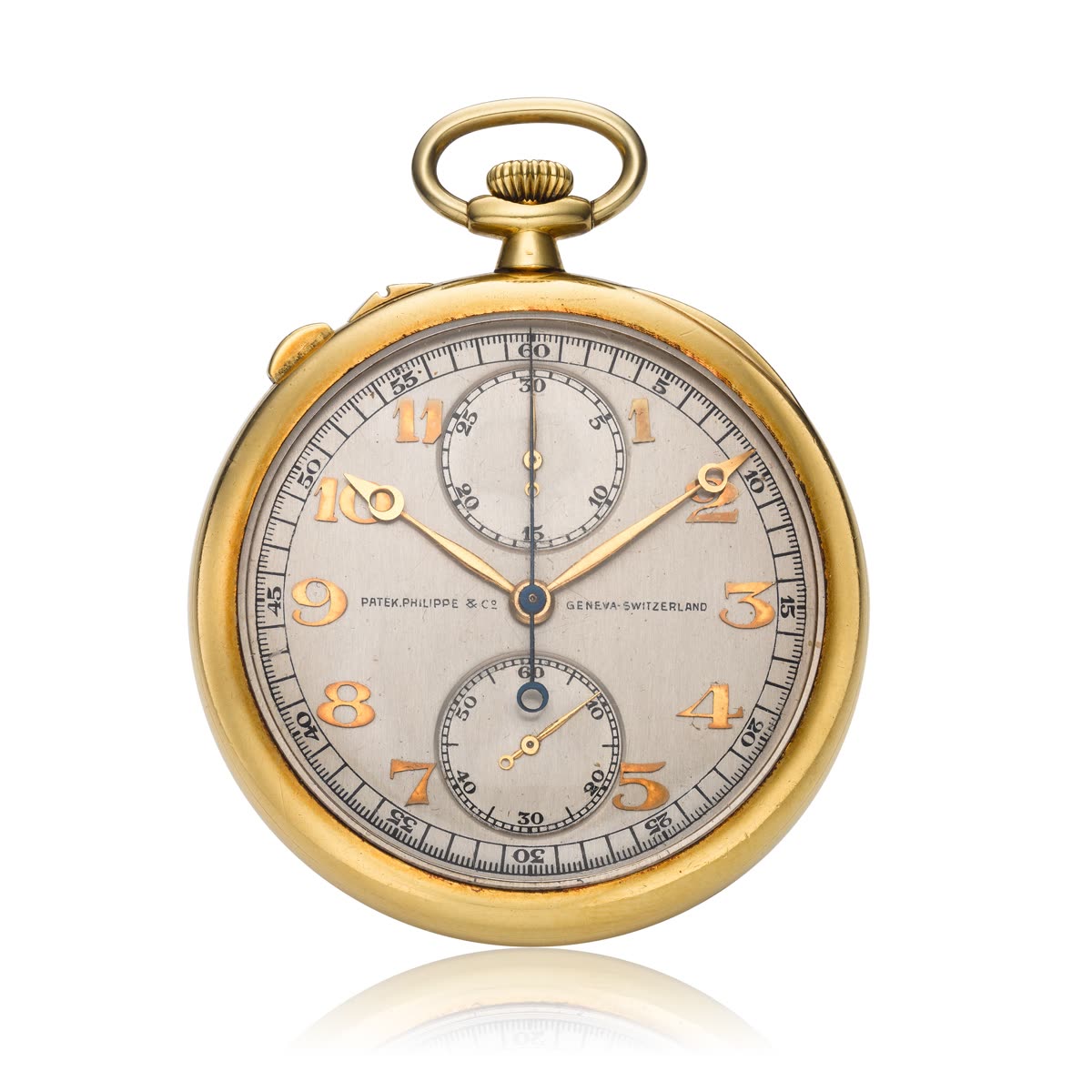
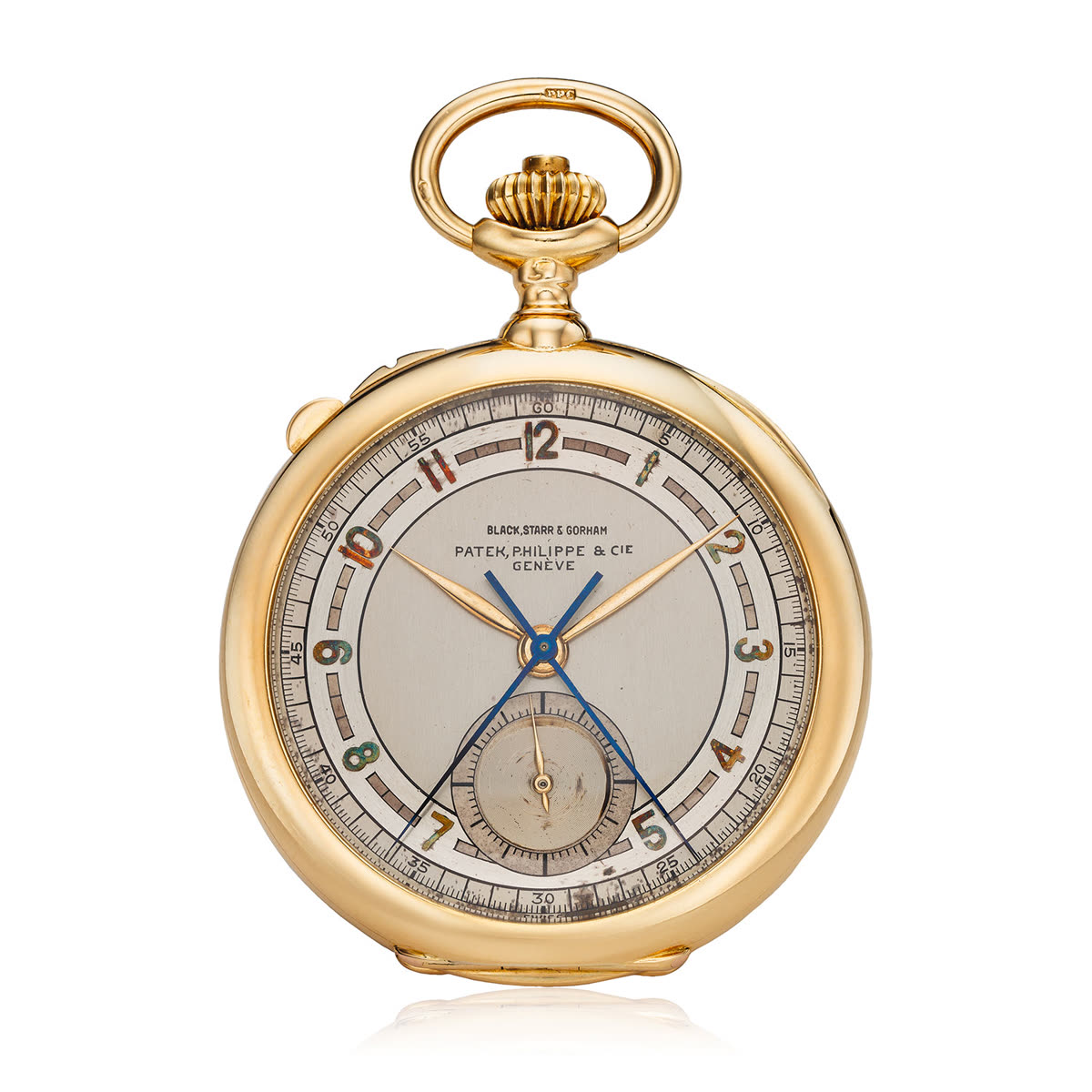
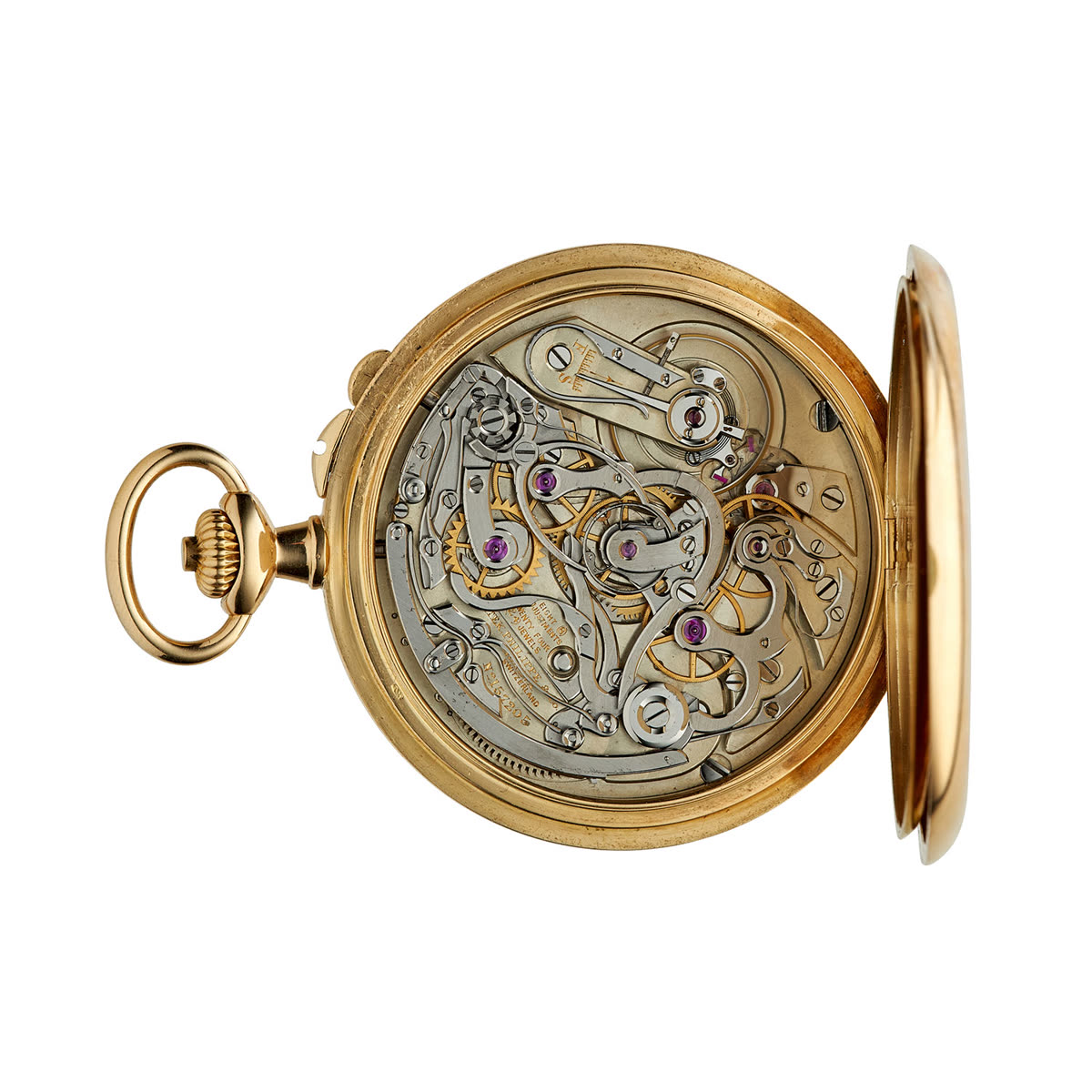
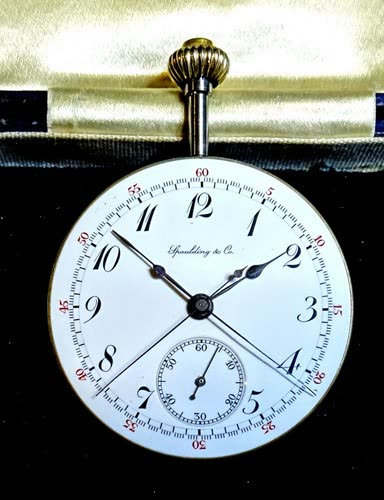
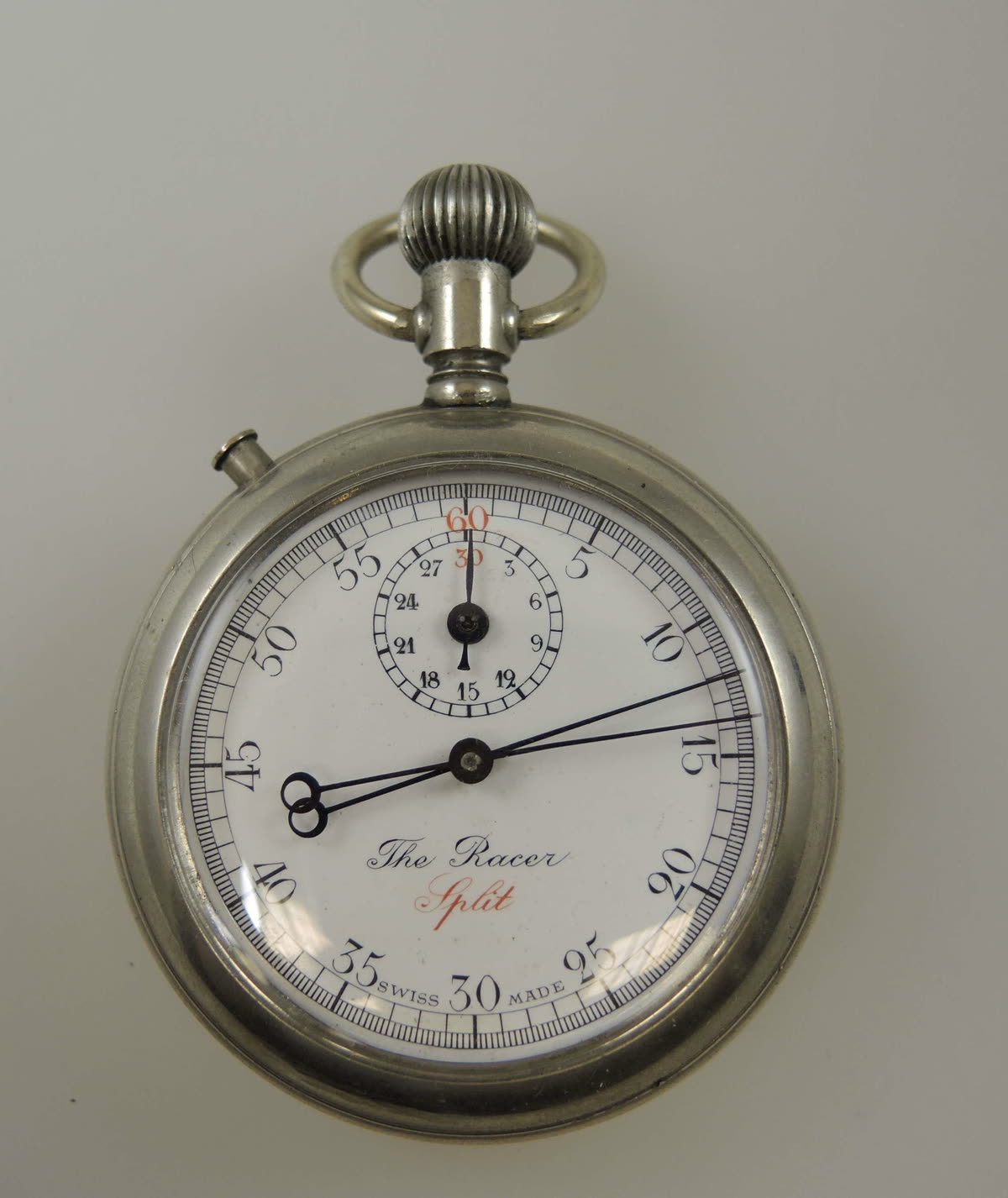
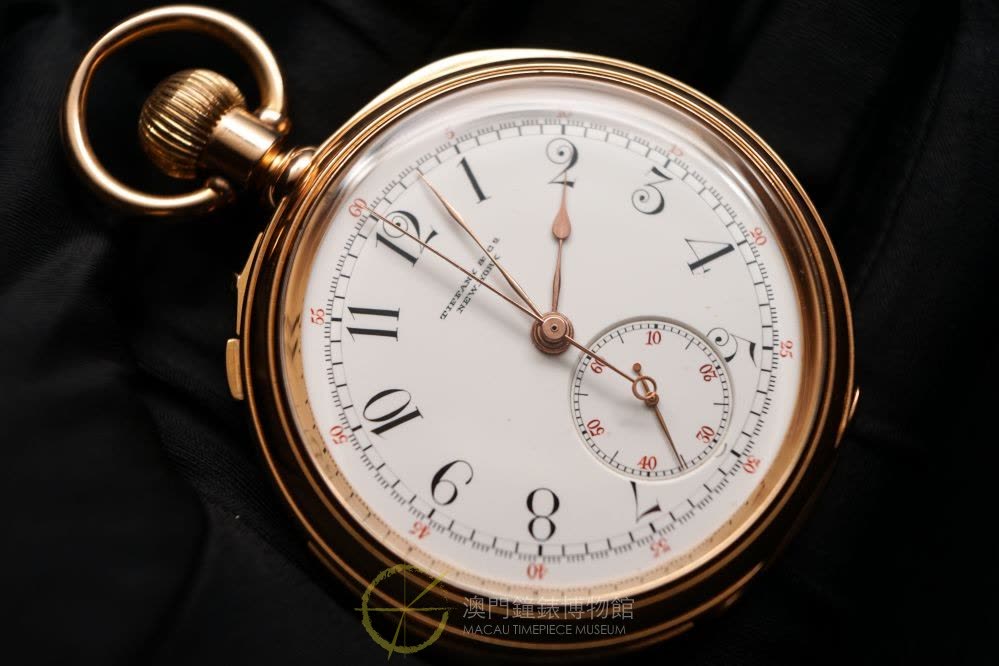
Photographs are illustrative examples of the type, not necessarily the exact object described. Verify details against the source file page.
Sources & references
- General horological surveys; detailed early production history requires further sourcing.
- https://en.wikipedia.org/wiki/Chronograph
Where sources disagree, the disagreement is stated rather than resolved silently.