
Switzerland · Incabloc system introduced and trademarked from 1934
Shock Protection Systems (e.g. Incabloc)
Needs researchMade mechanical wristwatches dramatically more durable for daily wear, and is a standard inspection point when assessing a vintage watch's originality and condition.
Shock-protection systems suspend the balance-staff pivot jewels in a spring-loaded setting so that an impact displaces the jewel assembly briefly rather than transmitting full force to the delicate pivot, which is the most fracture-prone part of a mechanical watch.
Incabloc is the best-known trademarked system and the term is often used generically, but several competing systems (e.g. Kif, Novodiac) were developed by other Swiss suppliers around the same period; care should be taken not to treat 'Incabloc' as a synonym for all shock protection.
In the Incabloc system a spring-loaded, lyre-shaped retaining spring holds the jewel settings, so the balance staff can move under shock and then recentre; the lyre is often visible on the balance cock.
Background
The Incabloc shock protection system is a spring-loaded mounting mechanism designed for the jewel bearings that support the balance wheel of a mechanical watch. The invention was created in 1934 by Swiss engineers Georges Braunschweig and Fritz Marti at Universal Escapements, Ltd, located in La Chaux-de-Fonds, Switzerland. This mechanism addresses the vulnerability of delicate balance wheel pivots, which were frequently damaged by physical impacts before the invention of shock protection.
To protect these components, the system uses a lyre-shaped spring that allows the bearing assembly to shift within its metal bushing during an impact. When the impact force subsides, the springs guide the shifted parts back to their original positions. This process ensures that the force of an impact is not transmitted directly to the pivots, as the staff contacts a stronger metal endpiece instead.
Written from the encyclopedia entries listed under Sources; each statement was checked against the cited text.
How it works
- A metal bushing carries the bearing and moves within a metal endpiece to absorb the shock.
Later history
- The adoption of shock-resistant balance pivots became widespread during the 1950s.
- Modern standards such as ISO 1413 have since been established to define requirements and testing methods for shock-resistant watches.
How to verify this yourself
Search the Swiss Federal Institute of Intellectual Property (IPI) trademark and patent registers under 'Incabloc' and its manufacturer name for the specific granted patent and trademark numbers; this project has not independently verified a specific patent number and none should be assumed from marketing material.
Manufacturers known to have used it
- Most Swiss mechanical-watch manufacturers from the mid-1930s onward, across many brands, under Incabloc or a competing licensed system
Photographs
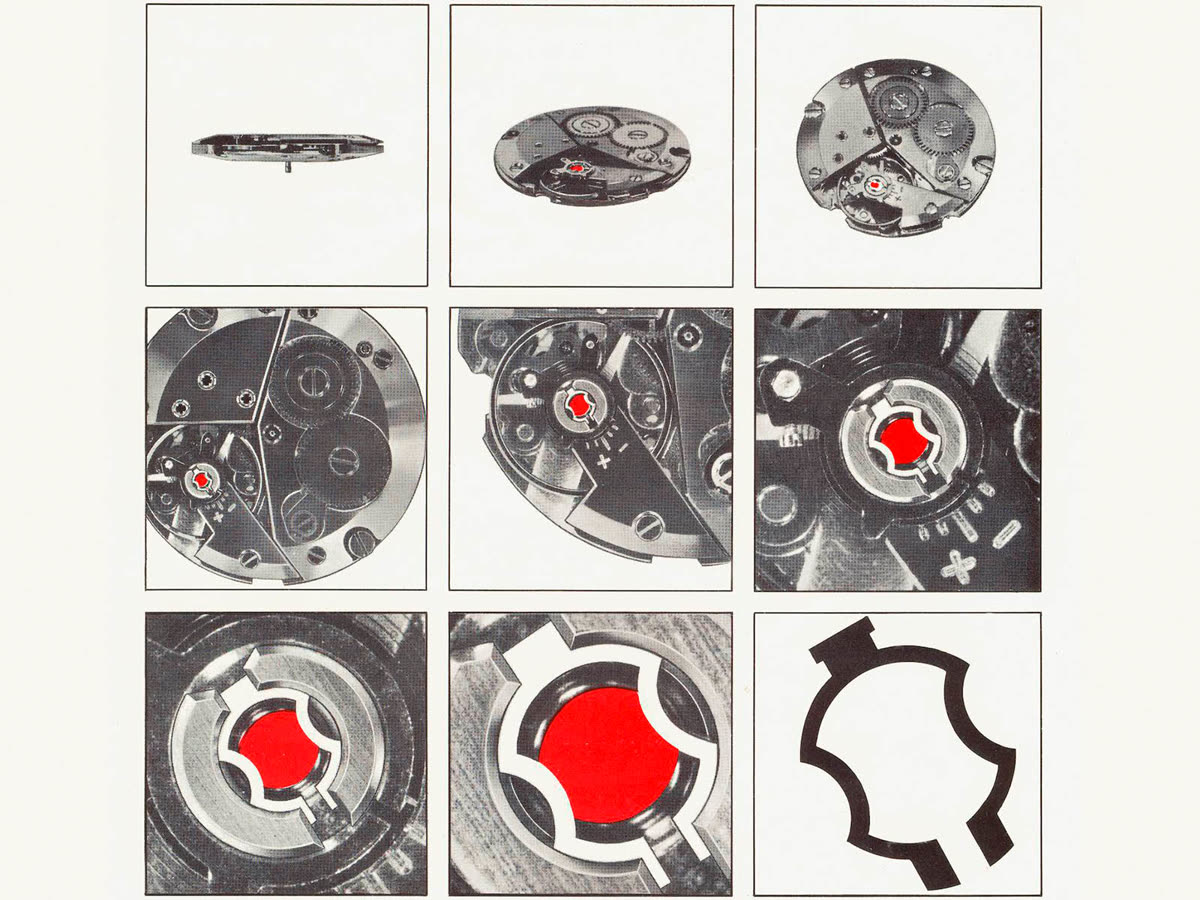
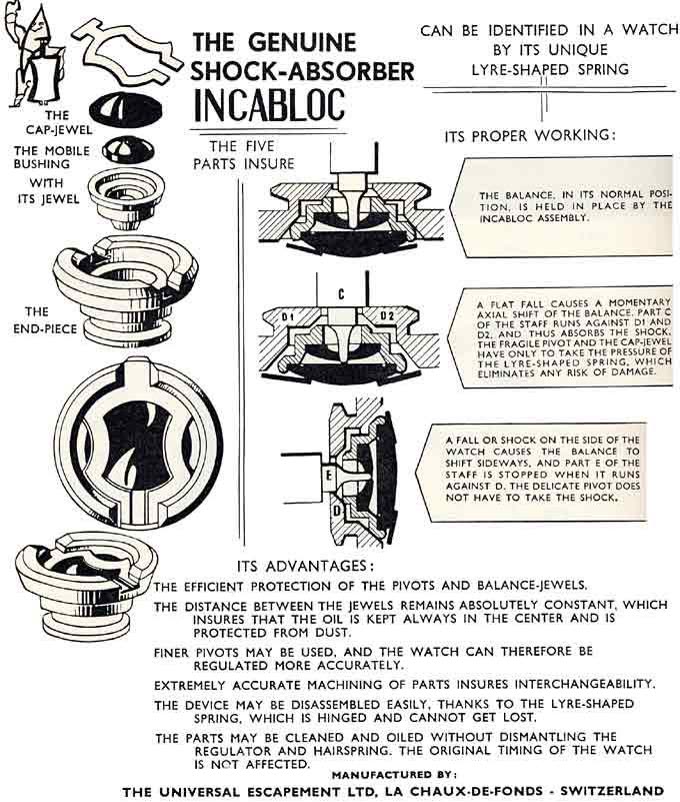
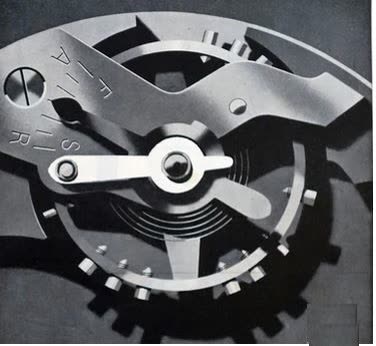
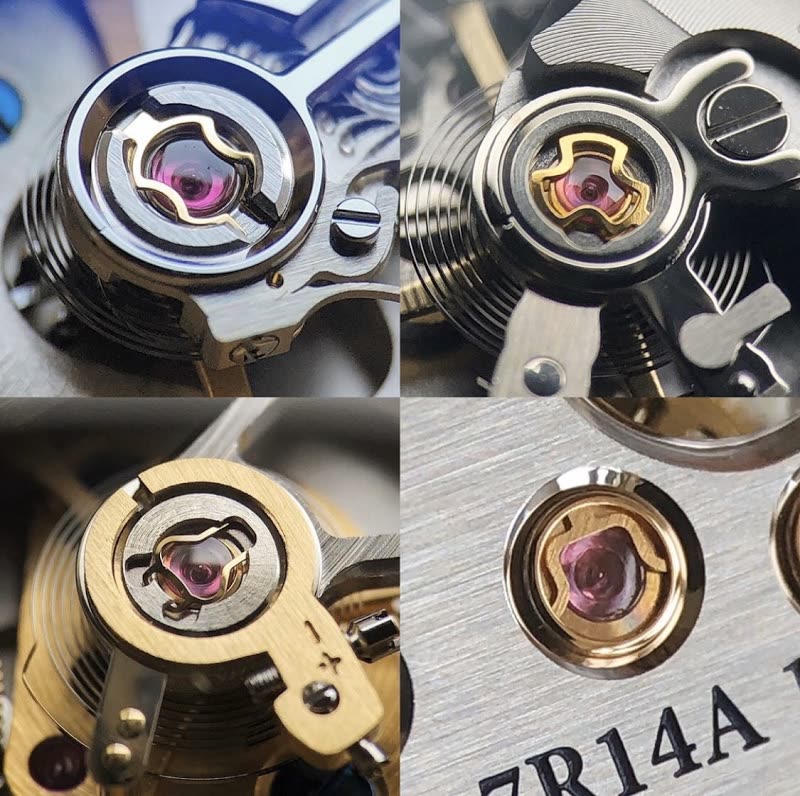
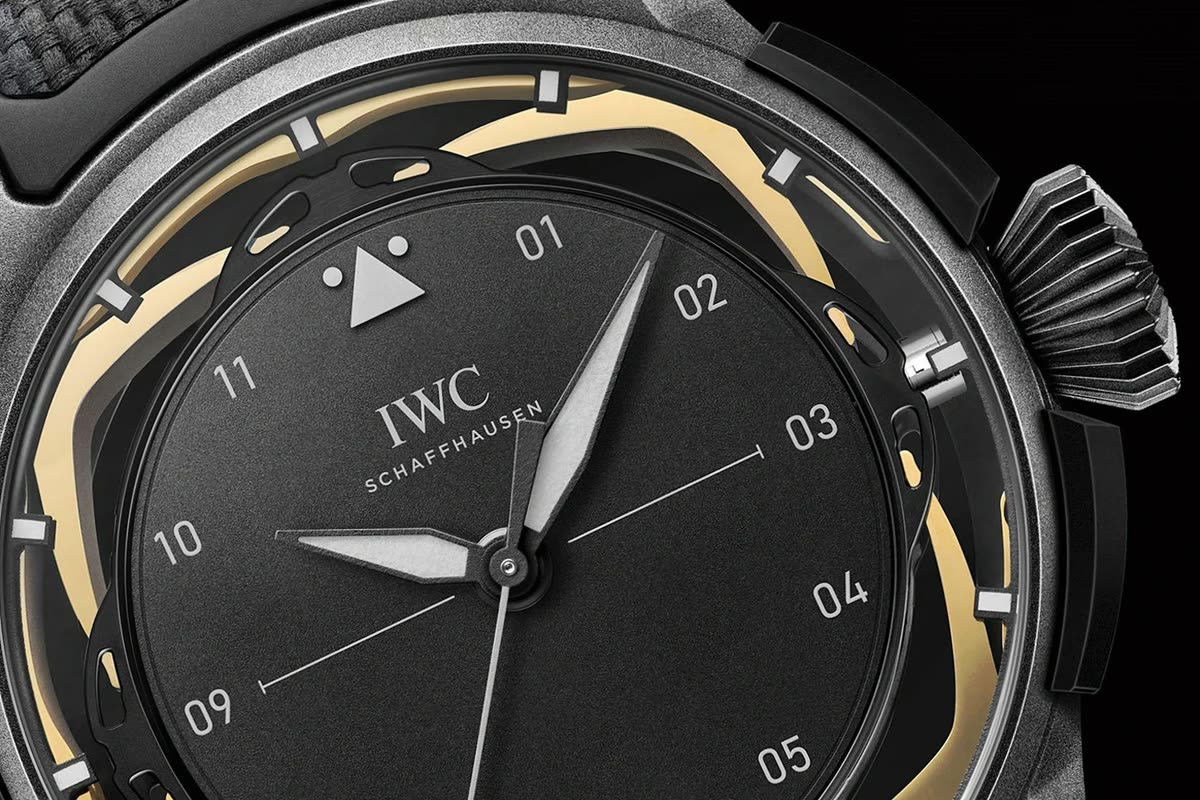
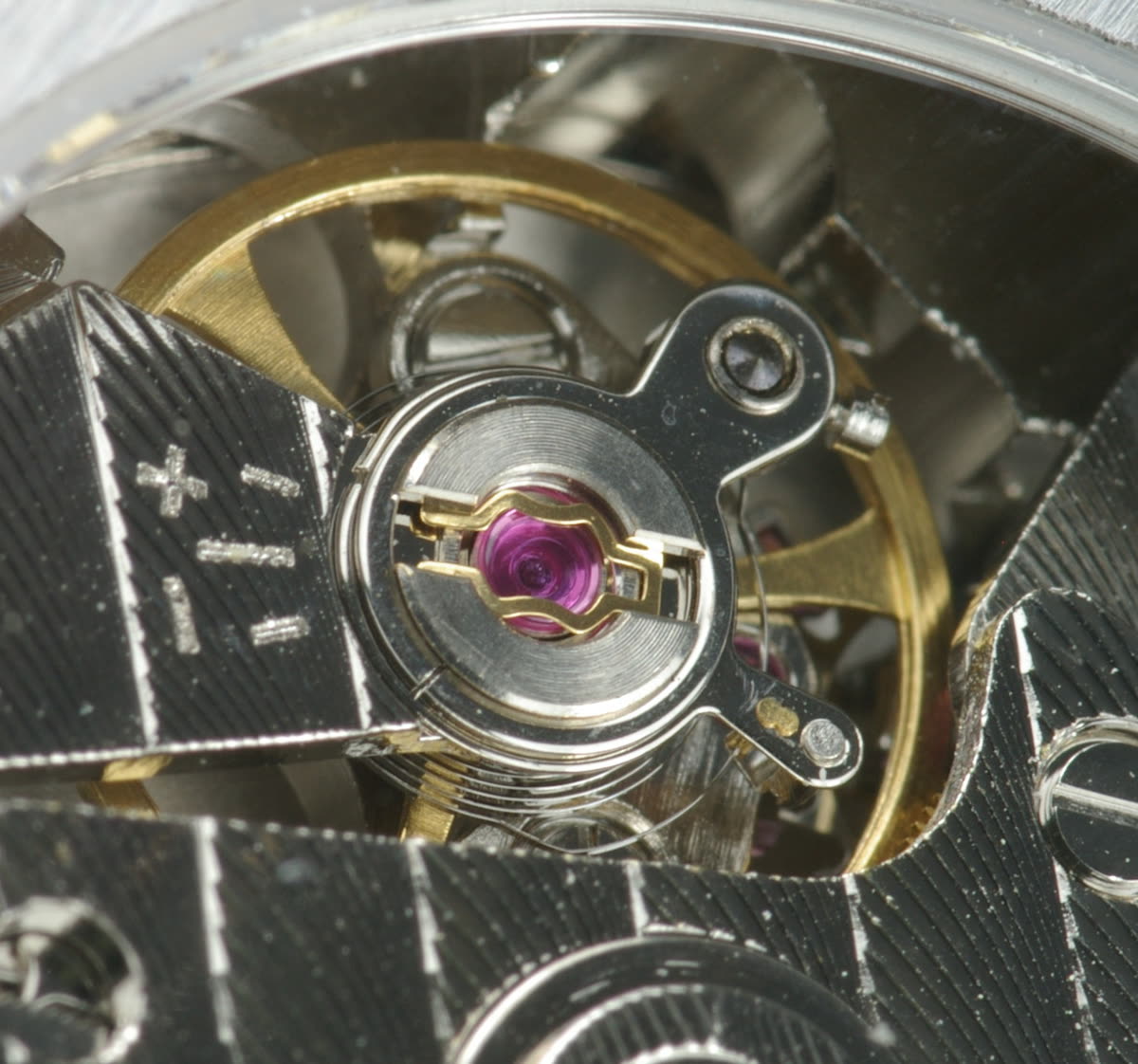
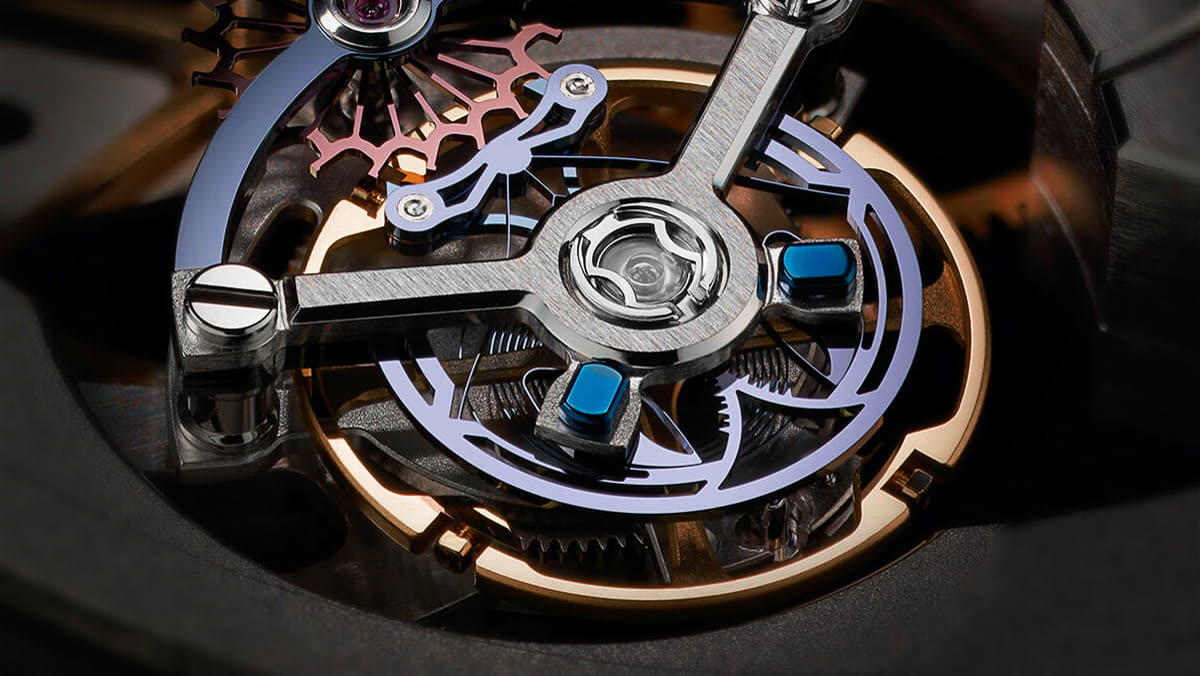
Photographs are illustrative examples of the type, not necessarily the exact object described. Verify details against the source file page.
Sources & references
- Incabloc shock protection system, Wikipedia (English), retrieved 2026-10-28 (text CC BY-SA 4.0)
- Shock-resistant watch, Wikipedia (English), retrieved 2026-10-28 (text CC BY-SA 4.0)
- NAWCC Bulletin, articles on the history of shock-protection systems
- Swiss Federal Institute of Intellectual Property register (existence of relevant trademark class noted, not directly queried here)
- Incabloc SA company history
- Watch reference catalogues (Bestfit / Flume) for part identification
Where sources disagree, the disagreement is stated rather than resolved silently.