
Japan · 1976 (Crystron Solar Cell); Eco-Drive from 1995
The Light-Powered Analogue Watch
VerifiedLight power removed the routine battery change from quartz watches and became a standard option across the industry.
Citizen's Crystron Solar Cell of 1976 was the first analogue quartz watch powered by light; the Eco-Drive range from 1995 put the solar cells under the dial.
Background
Following the 1973 Oil Crisis, Citizen sought to develop new energy sources for horology to replace traditional battery-powered quartz watches, which required regular, inconvenient battery changes. In 1976, Citizen released the Crystron Solar Cell, which the manufacturer states was the world's first analogue quartz watch powered by light. Early models faced technical limitations, as solar cells were thick and visually conspicuous, requiring them to be placed directly on the dial.
Citizen later developed the Eco-Drive system, which allowed solar cells to be positioned underneath a translucent dial to improve aesthetic appeal. This evolution was enabled by the development of more efficient thin film amorphous silicon solar cells and improved energy storage in secondary lithium-ion batteries.
Written from the sources listed under Sources (makers, museums, auction houses and specialist publications are paraphrased, not reproduced); each statement was checked against the cited text, and claims a maker makes about its own work are attributed to it.
How it works
- The system utilizes a solar cell to convert natural or artificial light into electrical energy stored in a rechargeable secondary battery.
- Many Eco-Drive movements feature a power save function that halts the movement of the hands to conserve energy when the watch is not exposed to light.
- An insufficient charge warning is indicated by the second hand moving in two-second intervals.
- Designers utilize translucent materials such as sapphire glass or washi paper for dials to allow light to reach the solar cell while concealing it.
Later history
- Citizen introduced the Eco-Drive line to Asia, Latin America, and Europe in 1995, and to the United States in 1996.
- In 2002, Citizen introduced VITRO technology, which rendered solar cells beneath the dial completely invisible.
- Citizen released the Eco-Drive One in 2016 to mark the 40th anniversary of its light-powered technology, featuring a 1.00 mm thick movement.
Impact on watchmaking
- Citizen — The maker of the Crystron Solar Cell and Eco-Drive.
- National Science Museum of Japan — Registered the Crystron Solar Cell as Future Technology Heritage in fiscal 2019, according to Citizen.
How to verify this yourself
Check the cited museum record or maker's archive first; for patented work, confirm the number and date from the specification itself (Espacenet covers most European, US and Japanese patents) rather than from secondary retellings.
Manufacturers known to have used it
- Citizen (Eco-Drive)
- Other quartz-watch makers
Related photographs
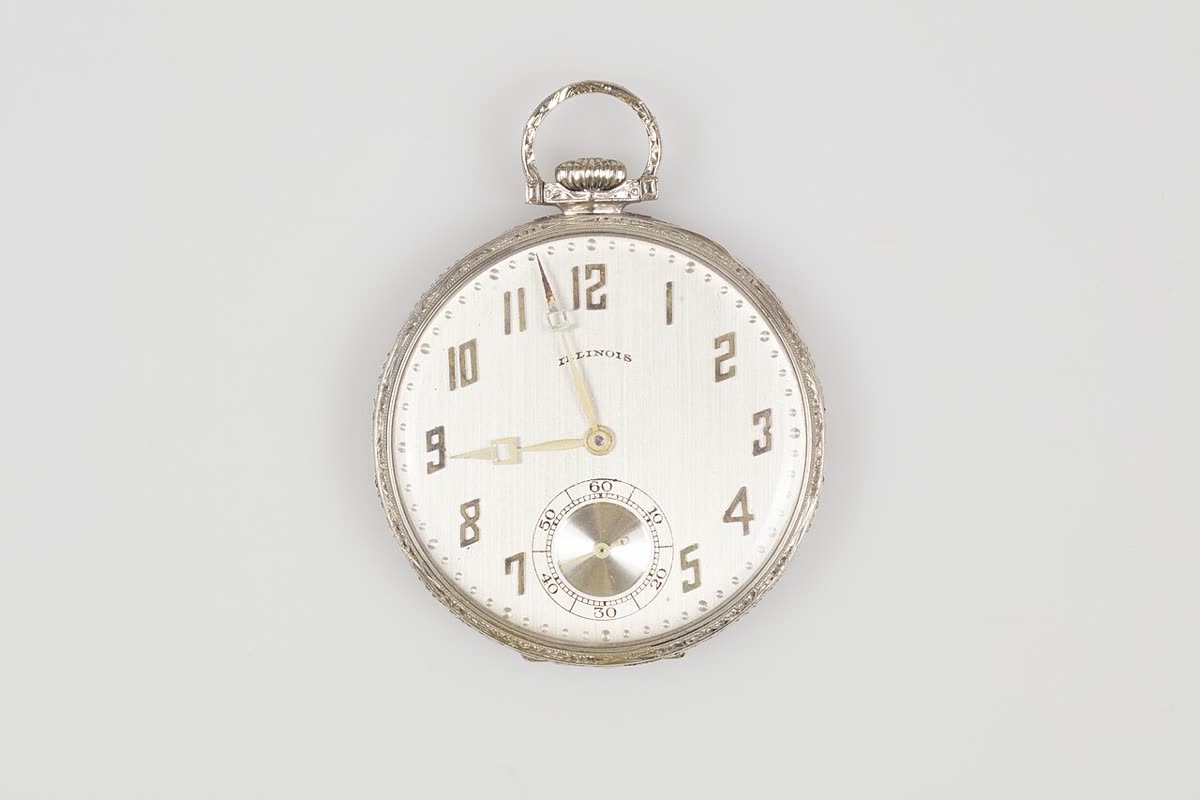
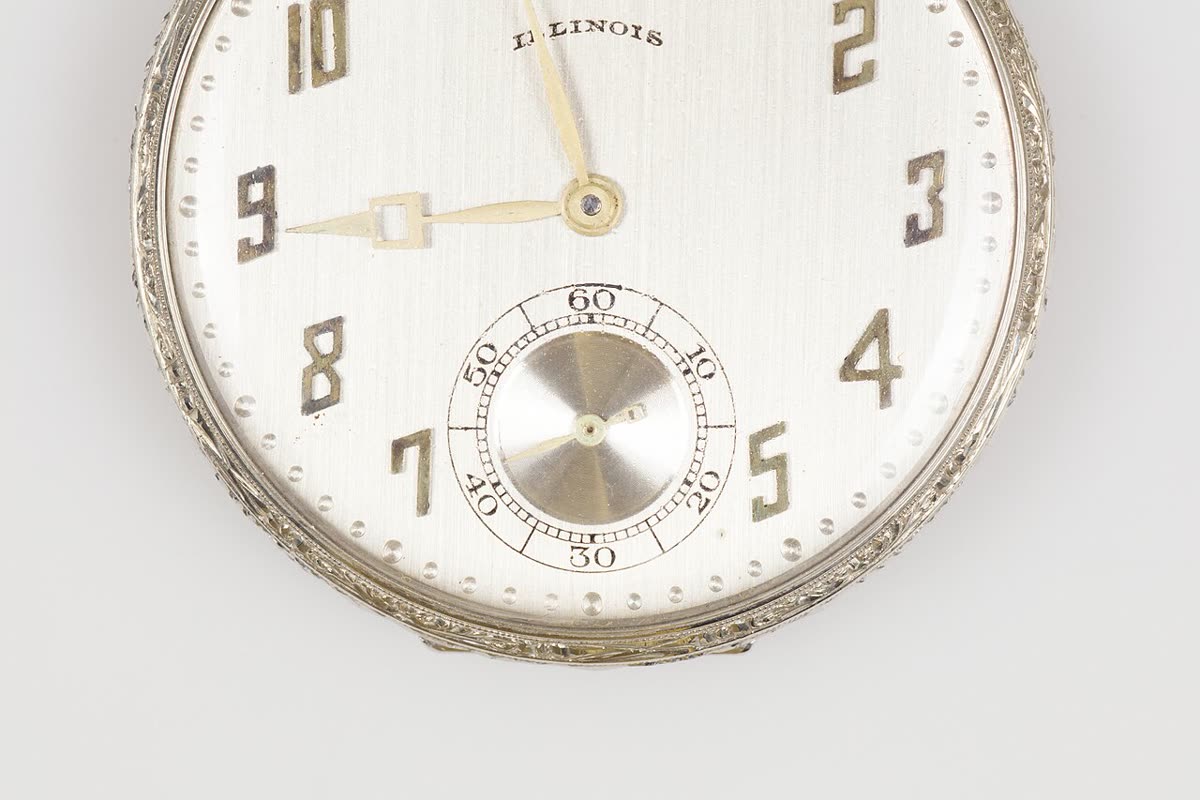
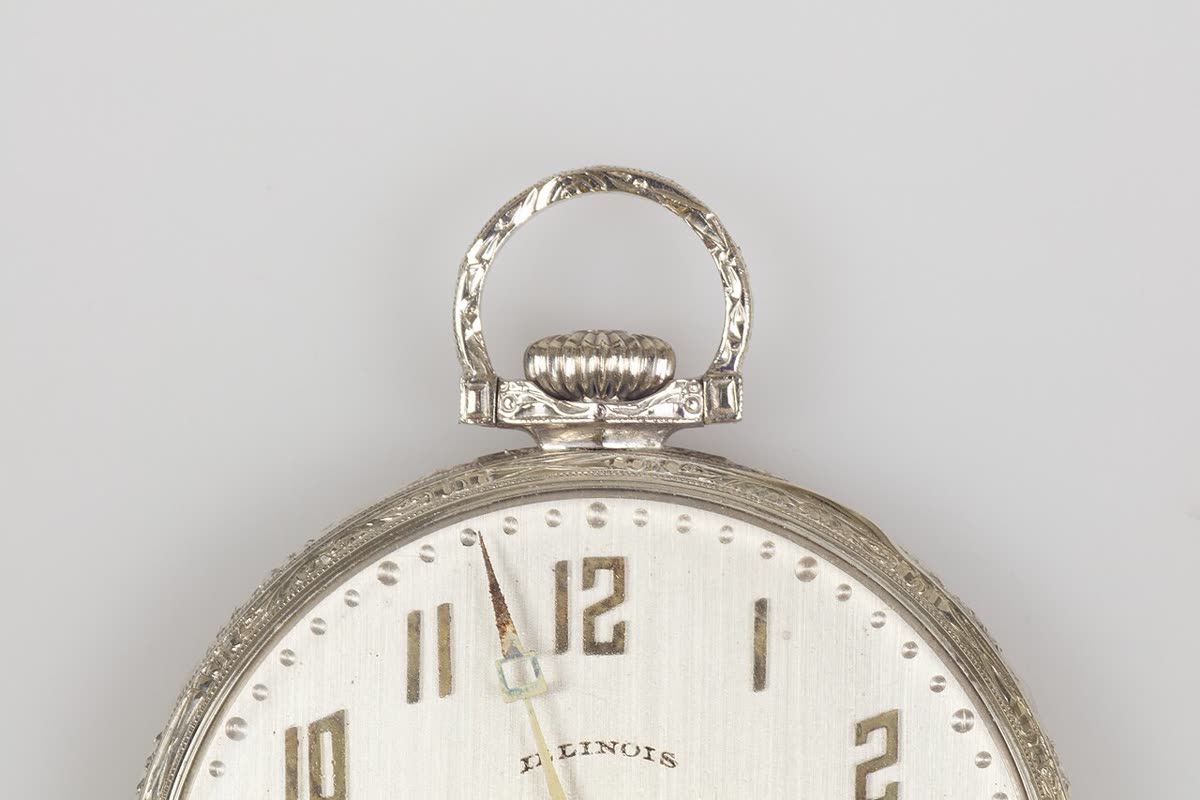
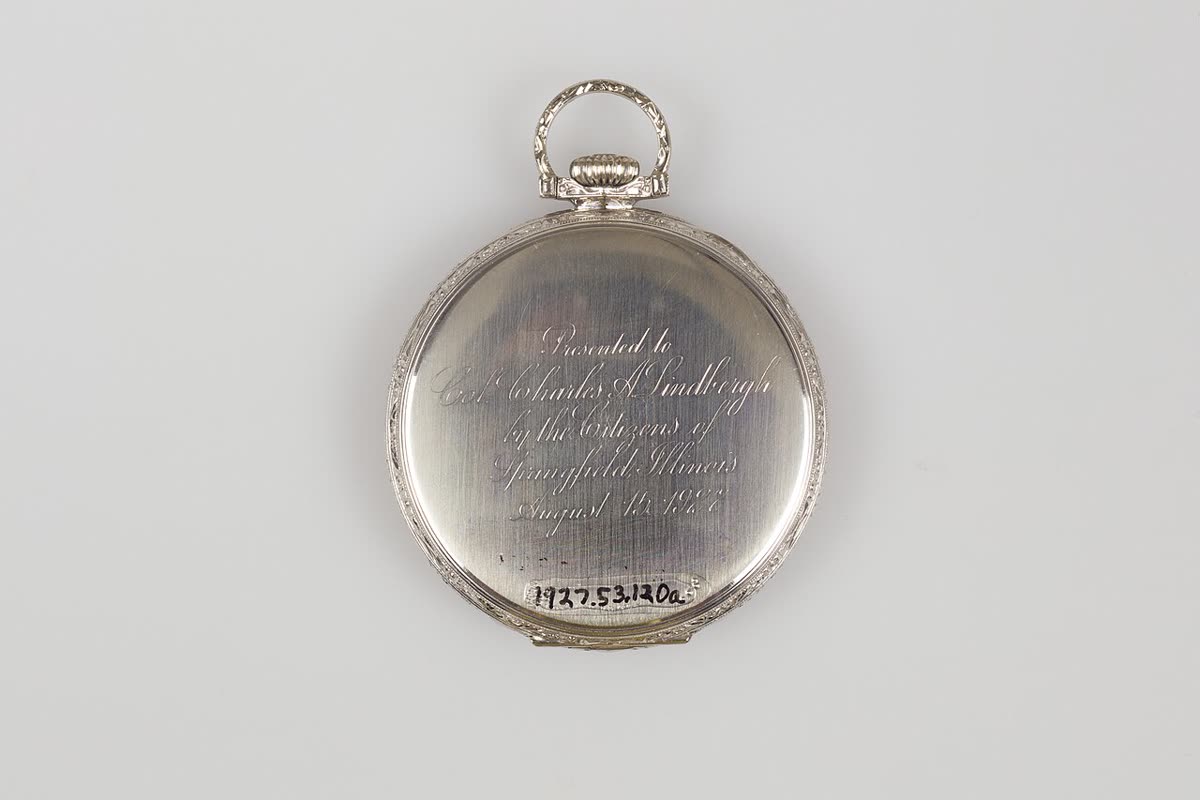
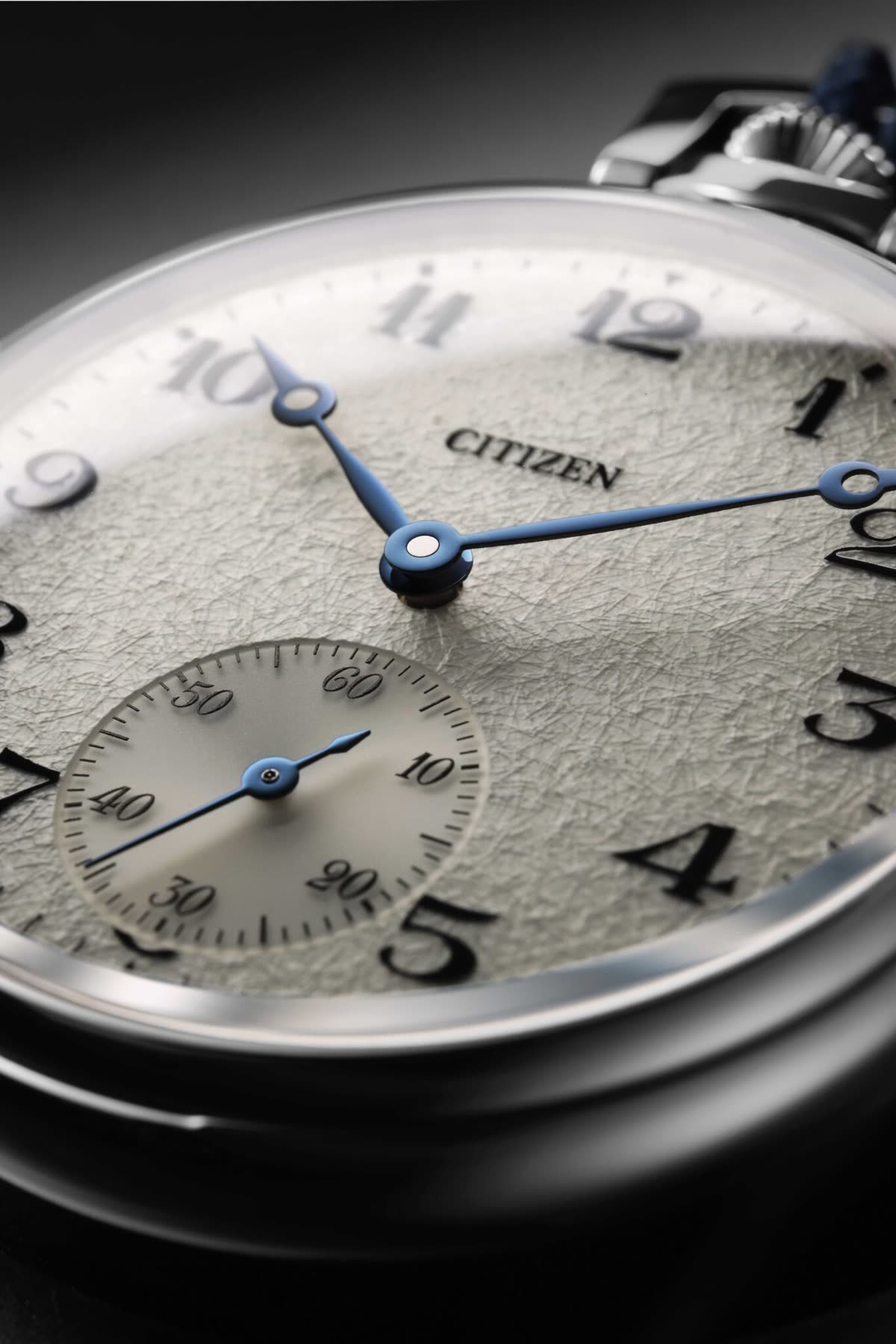
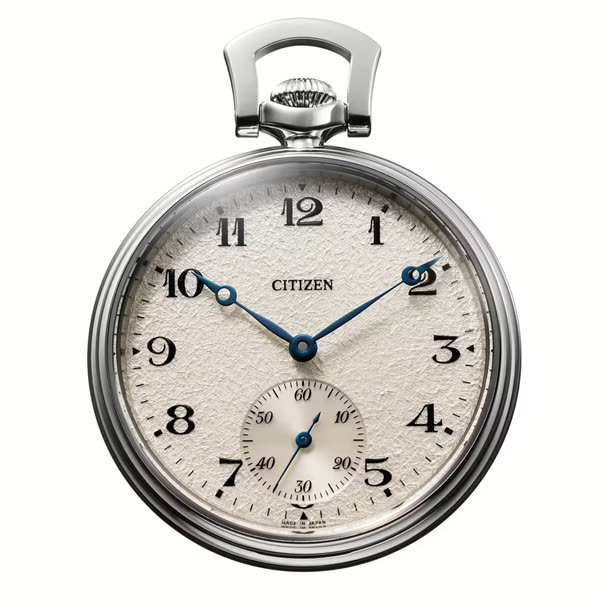
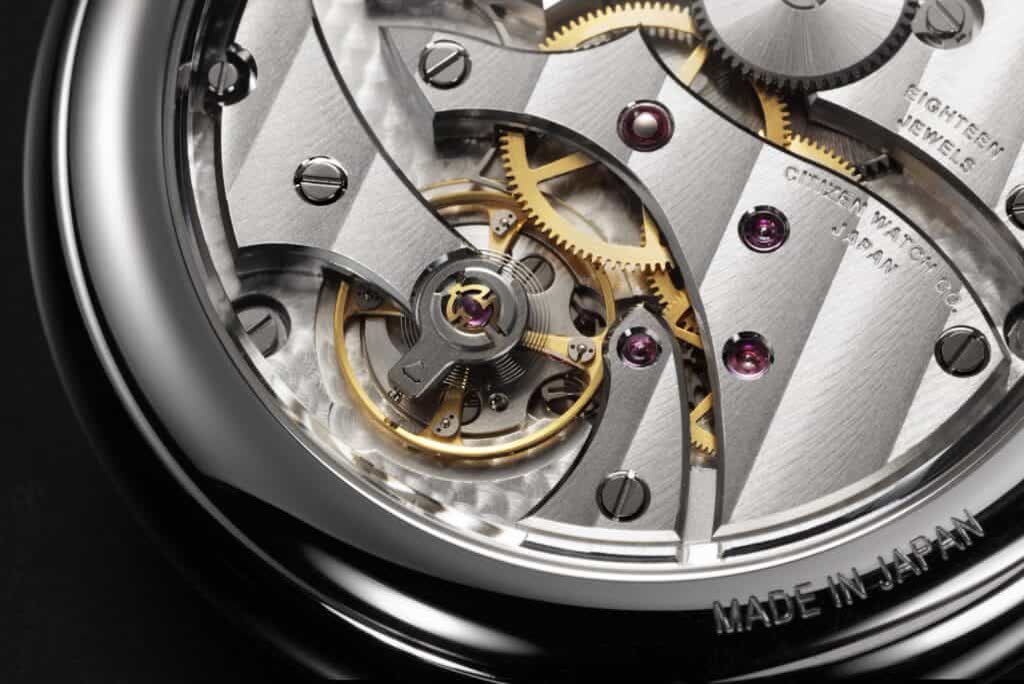
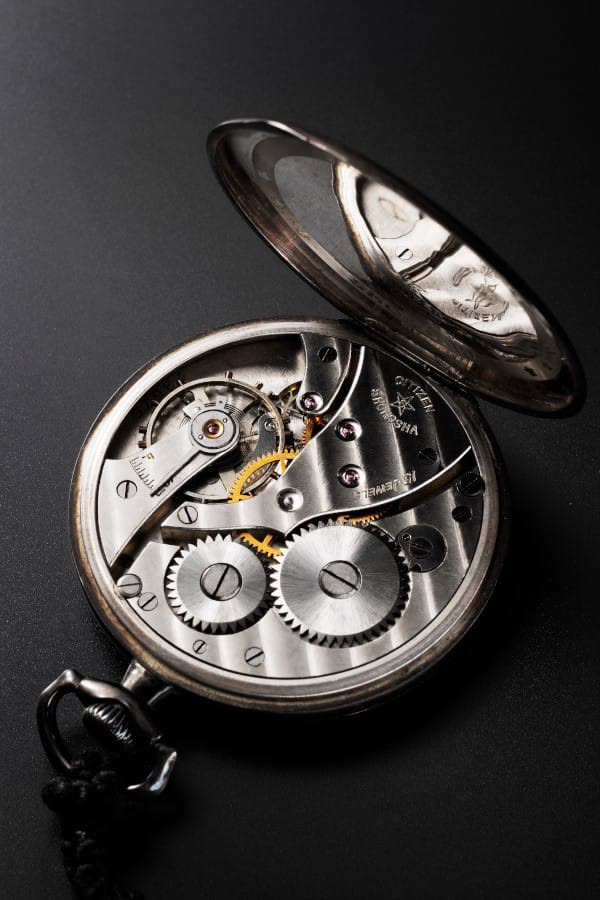
No confidently matched photograph of this subject has been found yet. These photographs show a closely related record, and are not examples of the type described on this page.
Sources & references
- Eco-Drive, Wikipedia (English), retrieved 2026-11-02 (text CC BY-SA 4.0)
- Solar-powered watch, Wikipedia (English), retrieved 2026-11-02 (text CC BY-SA 4.0)
- Eco-Drive | CITIZEN Technologies, Citizen, retrieved 2026-11-02 (paraphrased; text © the publisher)
- 40 years of Eco-Drive, Citizen, retrieved 2026-11-02 (paraphrased; text © the publisher)
- Crystron Solar Cell, Citizen Design, retrieved 2026-11-02 (paraphrased; text © the publisher)
- Citizen, Eco-Drive technology page; 40 years of Eco-Drive (2016); Crystron Solar Cell design archive
- Wikipedia, Eco-Drive; Solar-powered watch (revisions cited below)
Where sources disagree, the disagreement is stated rather than resolved silently.