
Austria / Germany · Pallweber's mechanism patented and licensed from 1883–1884
Jumping Hour (Digital Disc) Display Mechanism
Partially verifiedAn early and commercially notable digital-display mechanical mechanism, later revisited by 20th-century manufacturers as a design and complication statement rather than a mainstream display method.
Instead of hour and minute hands, a jumping-hour mechanism displays the hour through a numbered disc (or occasionally hinged plates) that advances instantaneously once per hour, viewed through an aperture, often paired with a conventional minute hand or a similar jumping-minute disc.
Pallweber's system was licensed to several manufacturers, including for a time IWC, which produced Pallweber-system pocket watches under licence in the 1880s before the fashion for digital display faded until later 20th-century revivals.
Background
The jumping-hour mechanism was devised by Austrian engineer Josef Pallweber, who aimed to replace conventional hands with a digital display. This system utilized rotating discs visible through windows in an enamel dial to indicate the hours and minutes. While the hour and minute indicators functioned through these digital apertures, the second hand remained conventional in its display.
Pallweber granted various licenses for his invention, leading to commercial production by companies such as the Cortébert Watch Co. and the International Watch Company (IWC). These digital-display pocket watches achieved significant success, helping to establish the IWC brand, although popularity eventually waned.
Written from the encyclopedia entries listed under Sources; each statement was checked against the cited text. Passages from sources in other languages are given in English translation.
How it works
- The mechanism functions by displaying time through two specific windows in the dial face.
Later history
- Pallweber secured an earlier German patent for a version utilizing digital cards.
- By the 1920s, the jump-hour principle was adapted for use in wristwatches.
How to verify this yourself
Pallweber's original German-language patent filings should be sought in the historical German Empire patent record (Kaiserliches Patentamt) under his name and the 1883–1884 filing window; IWC's own published company history documents the licensing arrangement.
Manufacturers known to have used it
- IWC (licensed Pallweber production, 1880s)
- later 20th- and 21st-century manufacturers producing jumping-hour and jumping-digital complications
Photographs
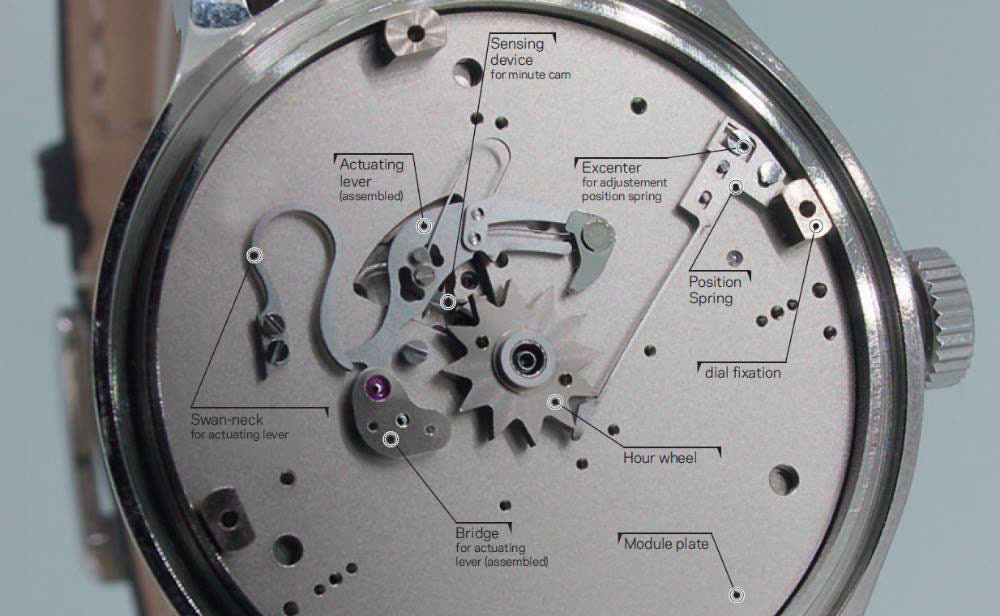
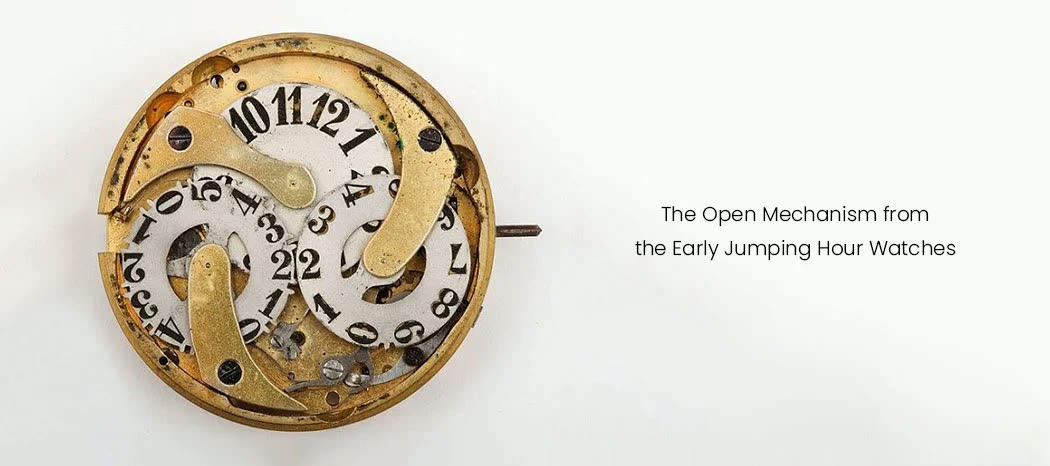
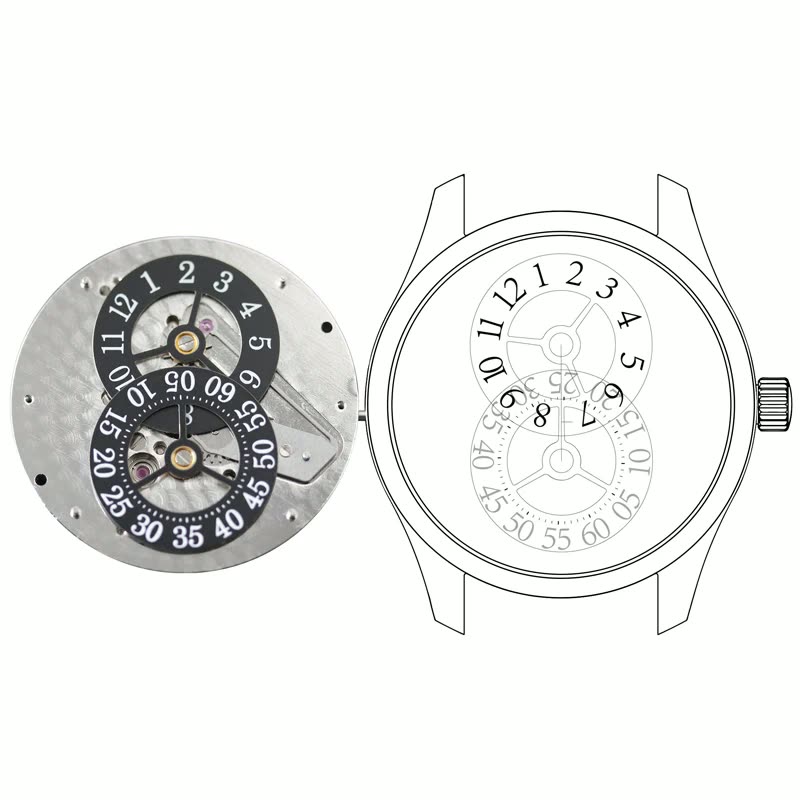
Photographs are illustrative examples of the type, not necessarily the exact object described. Verify details against the source file page.
Sources & references
- Josef Pallweber, Wikipedia (German), retrieved 2026-10-28 (text CC BY-SA 4.0)
- Cortébert (watch manufacturer), Wikipedia (English), retrieved 2026-10-28 (text CC BY-SA 4.0)
- Digital clock, Wikipedia (English), retrieved 2026-10-28 (text CC BY-SA 4.0)
- IWC, published company history of the Pallweber pocket watch
- NAWCC Bulletin, articles on jumping-hour and digital-display mechanisms
Where sources disagree, the disagreement is stated rather than resolved silently.