
Switzerland · Swiss patents granted 15 May 1949 and 31 December 1951; the balance entered production use from 1952
Gyromax Adjustable-Inertia Balance
Partially verifiedThe Gyromax became a hallmark of Patek Philippe's precision regulating organs and directly influenced later adjustable-inertia balance designs used across the industry, including Rolex's own Microstella system.
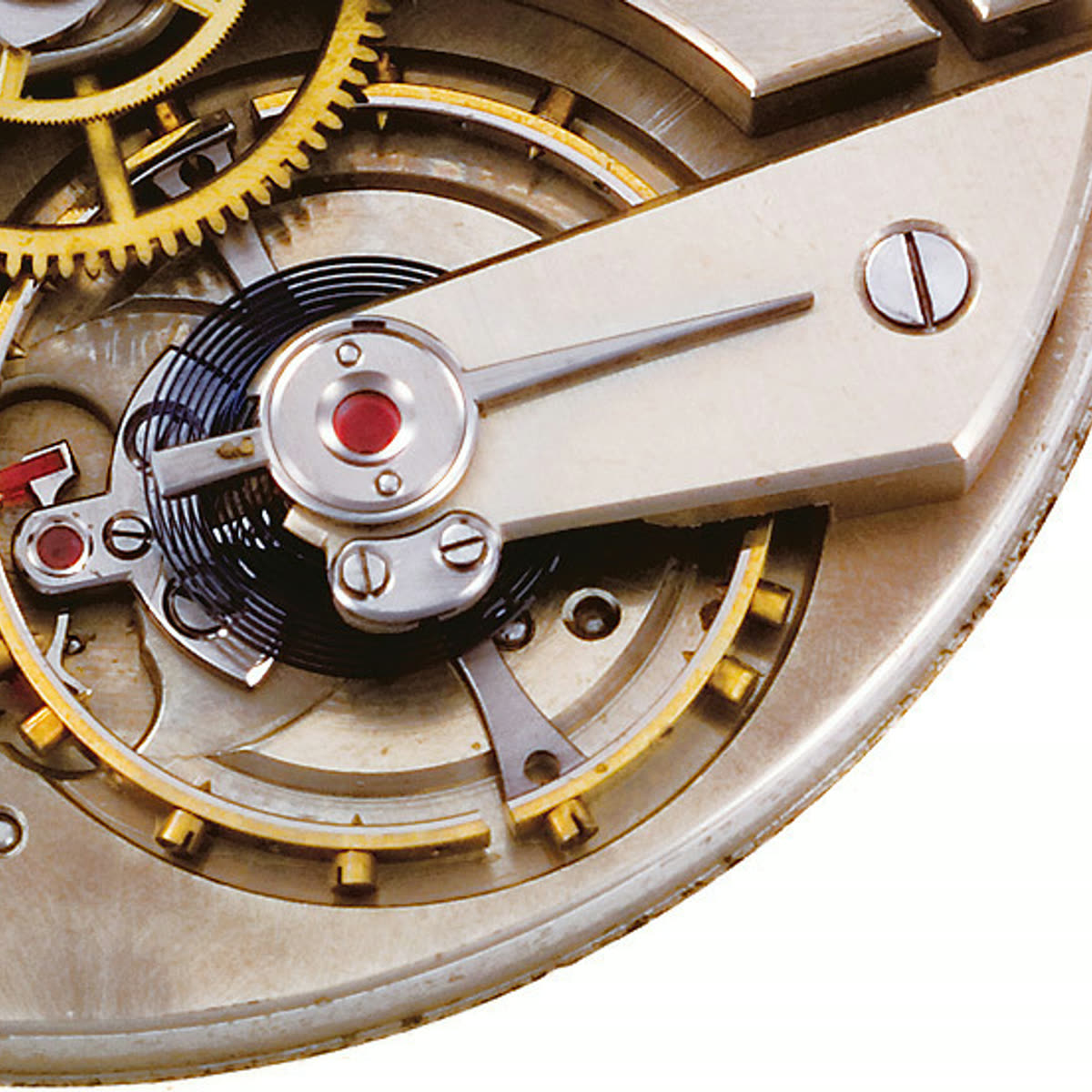
The Gyromax balance replaces the traditional timing screws projecting from the rim of a balance wheel with small turnable eccentric weights (collets) recessed into the rim itself, allowing both poise and rate adjustment without external projecting screws.
Because the balance carries no separate regulator acting on the balance spring, it is a free-sprung design, avoiding the small timing inconsistencies that a moving regulator index can introduce.
Background
The Gyromax balance wheel, developed by Patek Philippe, serves as a proprietary system for adjusting the inertia of a wristwatch balance. The system addresses the limitations of traditional balance wheels that rely on weight adjustment screws projecting from the exterior of the rim. By removing projecting screws, the design allows for an increased balance diameter and a larger moment of inertia while reducing air resistance.
The mechanism functions through the use of six to eight turnable weights, or collets, located in recesses around the top of the balance wheel rim. Each collet features a cutout that creates an uneven weight distribution, allowing the watchmaker to alter the wheel's rotation speed by rotating these weights. Because the Gyromax acts as a free-sprung balance, it eliminates the need for a traditional regulator on the balance spring, using the collets to manage both poise and rate.
Written from the encyclopedia entries listed under Sources; each statement was checked against the cited text.
Later history
- Patek Philippe secured Swiss patents for the invention on May 15, 1949, and December 31, 1951.
- The balance wheel officially entered production use in Patek Philippe watches in 1952.
How to verify this yourself
Confirm the two cited Swiss grant dates (1949 and 1951) directly against the Swiss Federal Institute of Intellectual Property's historical patent register under Patek Philippe's name before citing a specific patent number, since secondary sources vary in how precisely they specify each filing.
Manufacturers known to have used it
- Patek Philippe
Related photographs
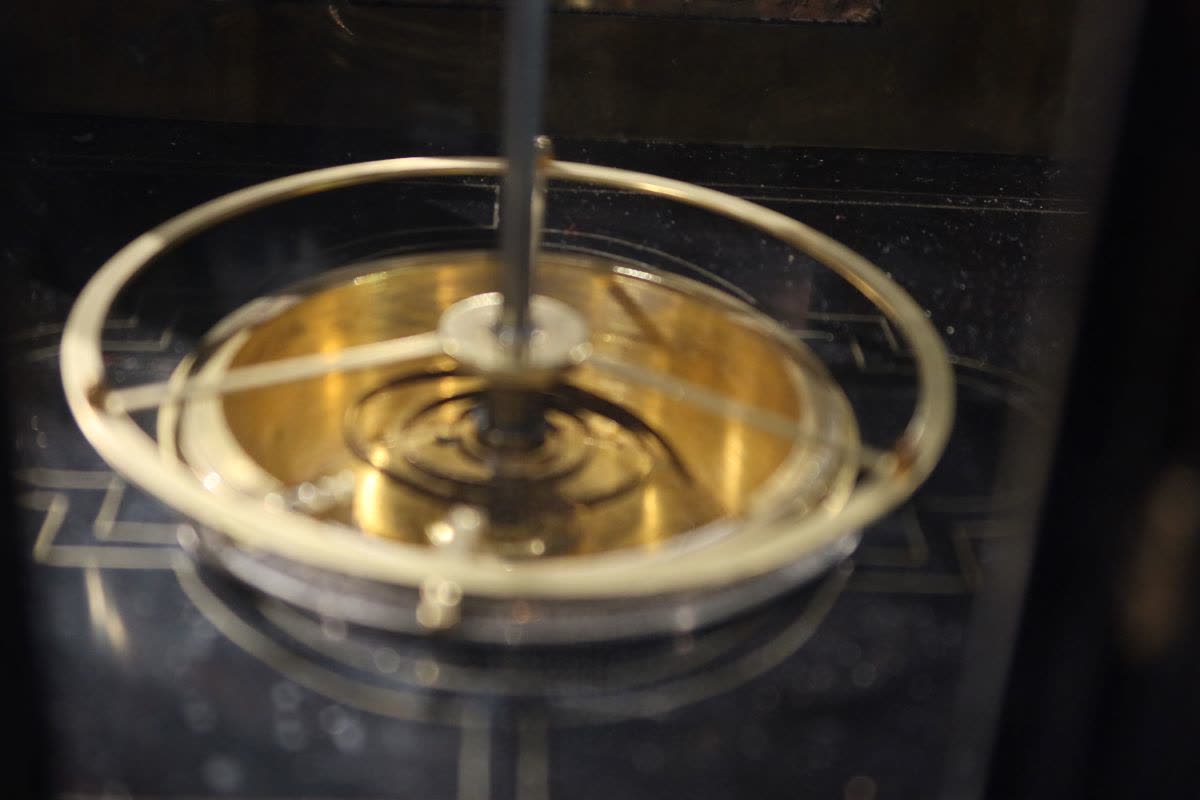
No confidently matched photograph of this subject has been found yet. These photographs show a closely related record, and are not examples of the type described on this page.
Sources & references
- Gyromax, Wikipedia (English), retrieved 2026-10-28 (text CC BY-SA 4.0)
- Patek Philippe, published technical history of the Gyromax balance
- Perez, C., 'A Perfect Circle', TimeZone (2003), historical survey of adjustable-inertia balance design
Where sources disagree, the disagreement is stated rather than resolved silently.