
Museum · Beijing, China
Palace Museum (Forbidden City) Clock Gallery
Imperial collection of European and Chinese clocks.
Institution photographs
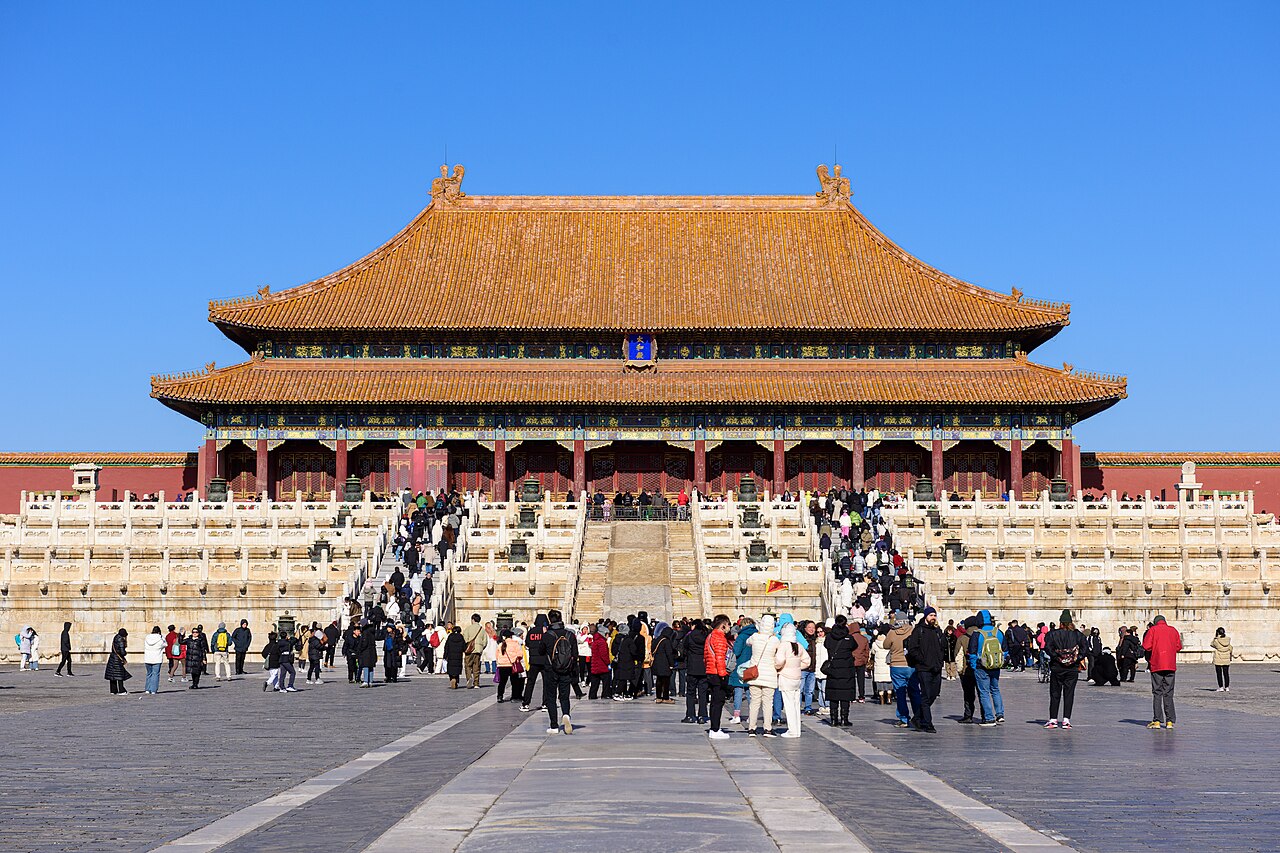
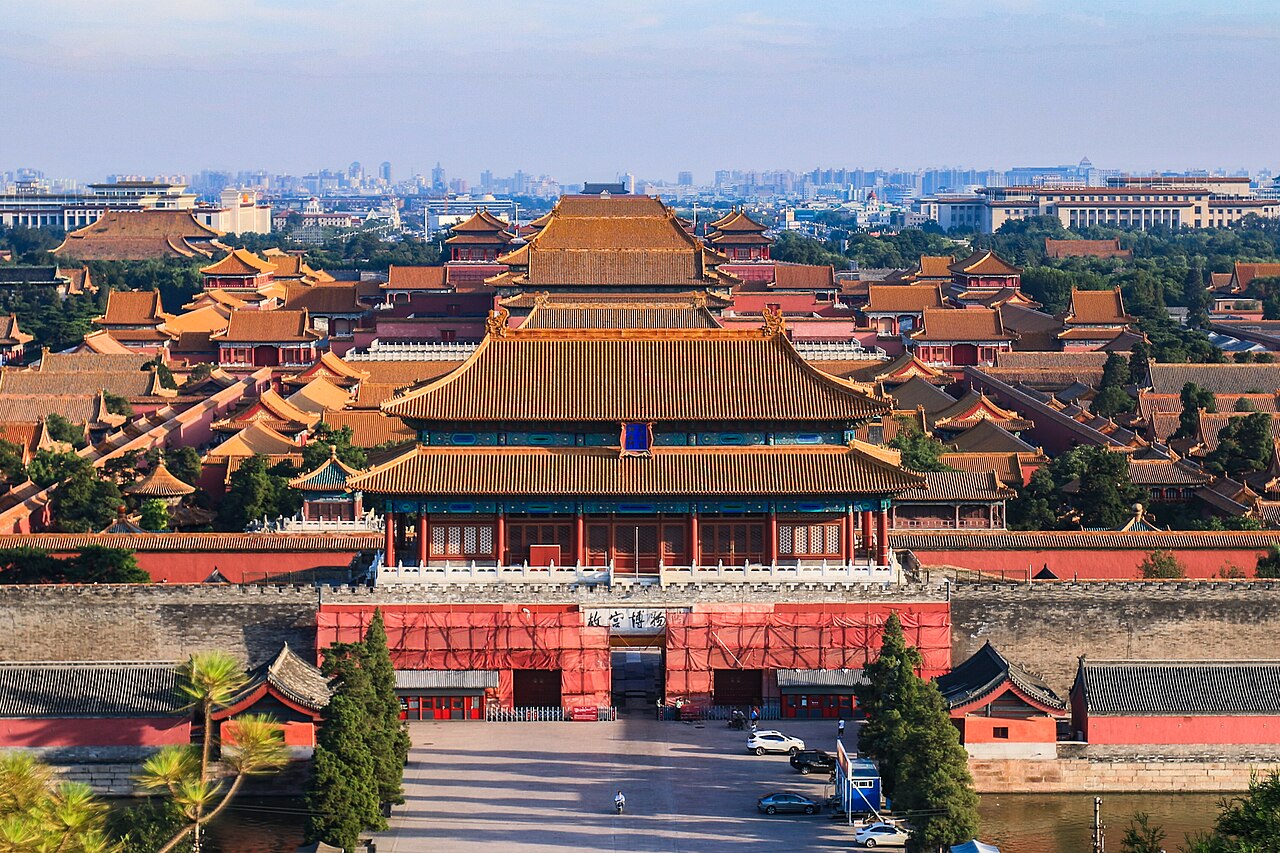
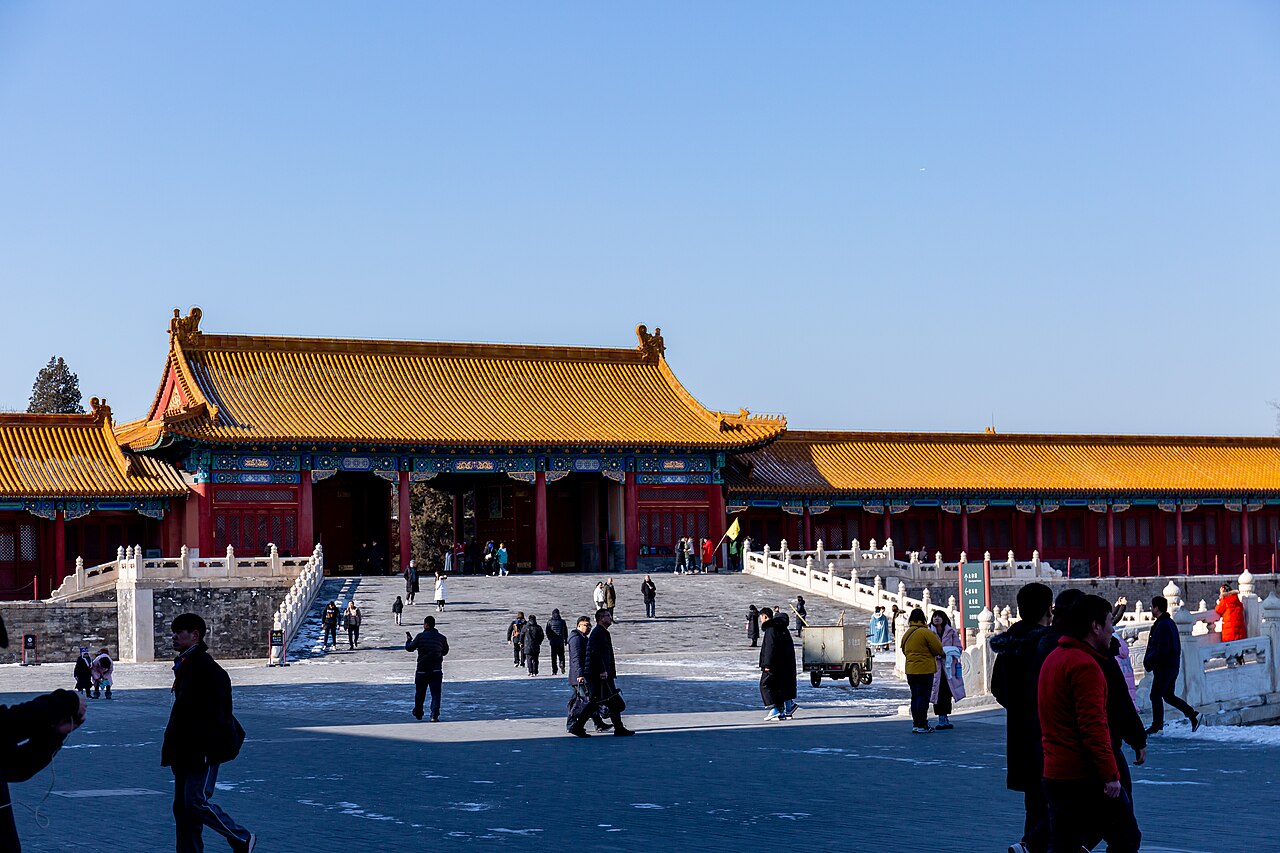
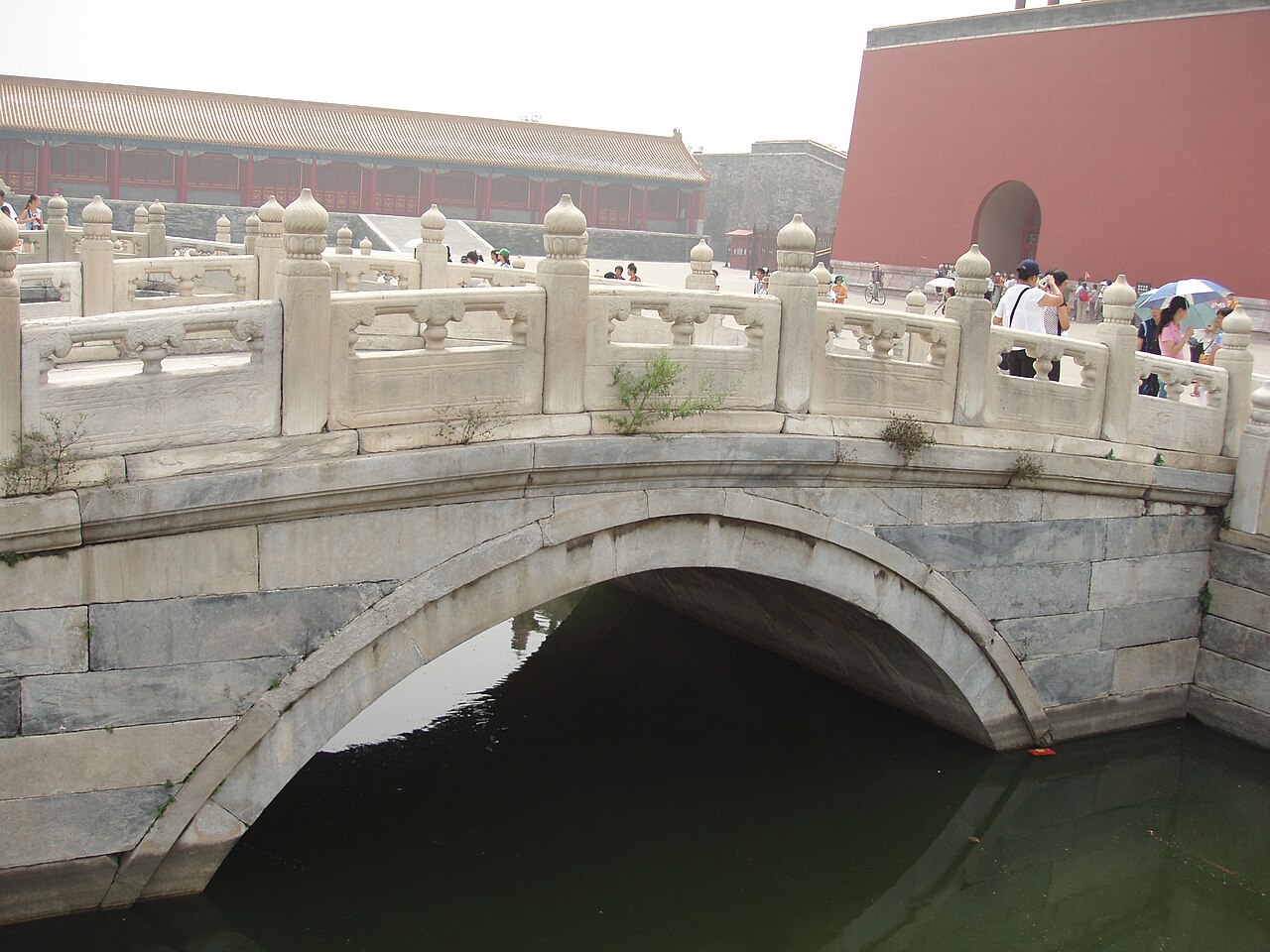
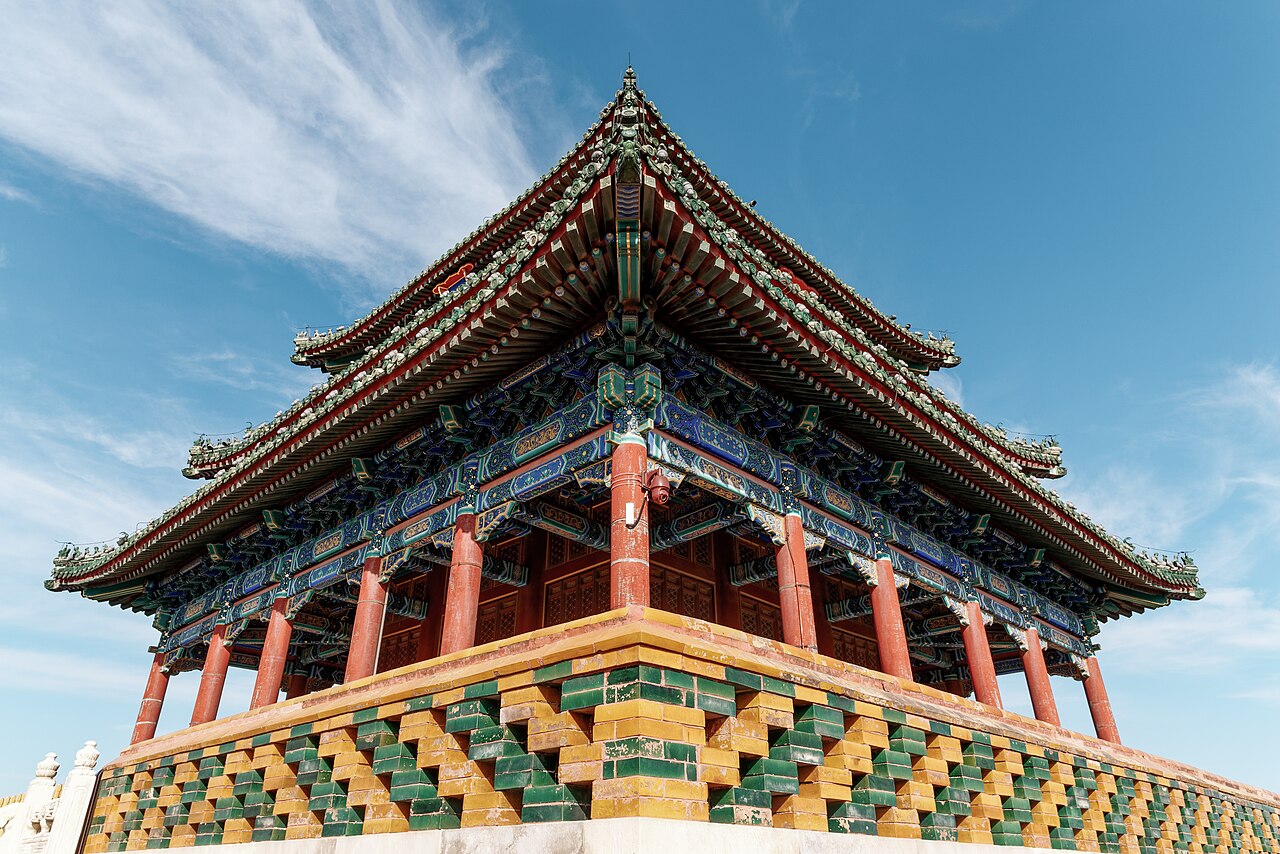
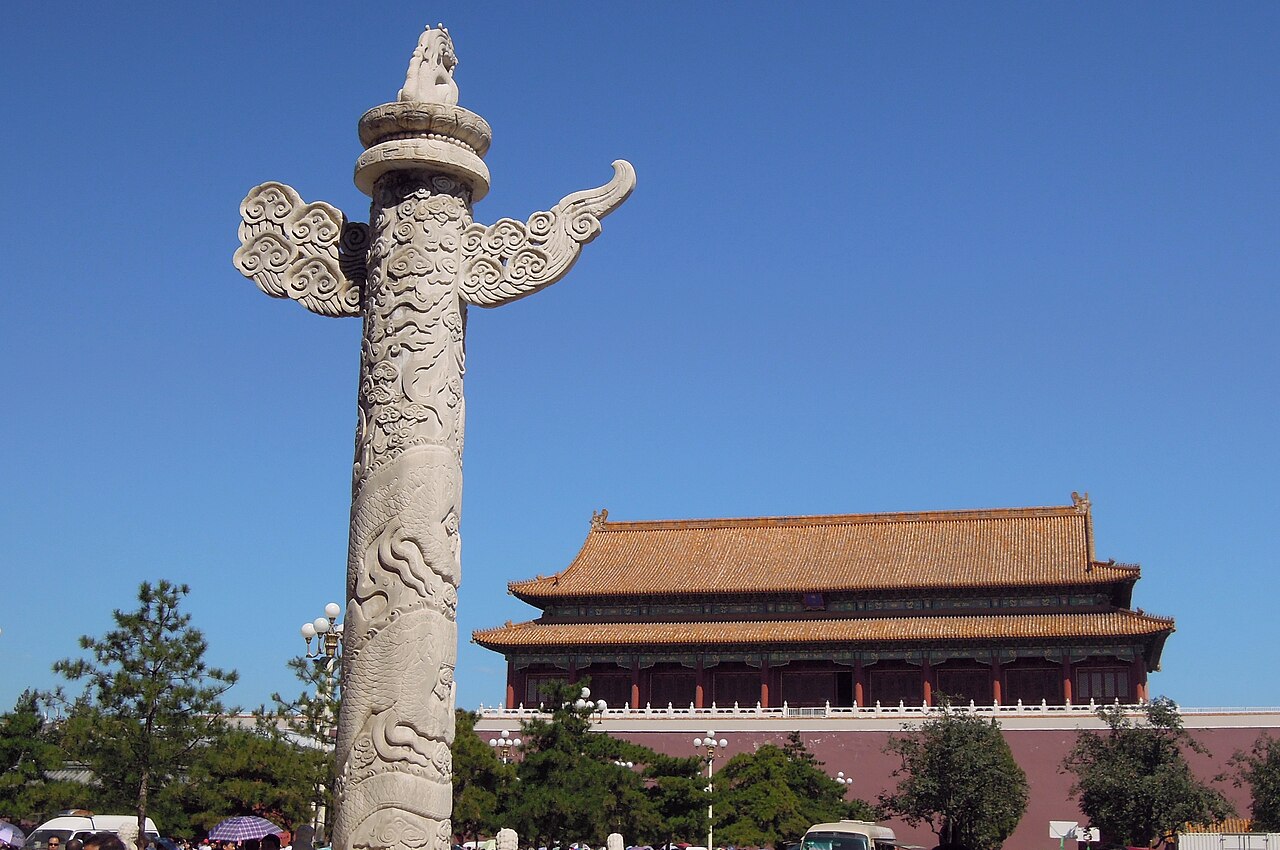
The caption identifies the institution shown; follow the source record for attribution and context.
Overview
The Gallery of Clocks of the Palace Museum in Beijing opened in its current form on 17 January 2019 in the buildings south of the Hall for Ancestral Worship (Fengxian dian). The museum states that it shows 82 timepieces, 21 made in China and 61 overseas, 20 of them not previously displayed.
Its six sections cover the Qing imperial workshops, Guangzhou, England, France, Switzerland and other countries. The museum explains that most European clocks were bought from foreign merchants by the Guangdong customs superintendent and sent to the court, that Guangzhou and Suzhou workshops also supplied fine clocks, and that a clock-making office inside the palace made clocks for court use.
The museum describes Guangzhou clocks as shaped as pavilions, towers, gourds or flower pots, with enamelled copper cases and automata such as turning flowers, moving figures and imitation water; Suzhou clocks have large dials and astronomical and seasonal indications. Most clocks from the Qing court collection survive and form an important category of the museum's holdings.
Collection focus
- Qing imperial-workshop clocks
- Guangzhou enamelled automaton clocks
- Suzhou clocks with large dials
- English clocks made for the Chinese market
Using it for research
- Record the workshop of origin (imperial, Guangzhou, Suzhou or foreign) separately.
- Describe automaton functions separately from timekeeping and striking.
- Use the Palace Museum's own collection records for object numbers.
Before you visit
- The gallery is within the Palace Museum and has a separate small admission charge according to the museum's Chinese page; check the museum's booking system before visiting.