
Museum · Jerez de la Frontera, Spain
Museo del Reloj
Spanish collection of European clocks and watches; consult current opening arrangements before visiting.
Institution photographs
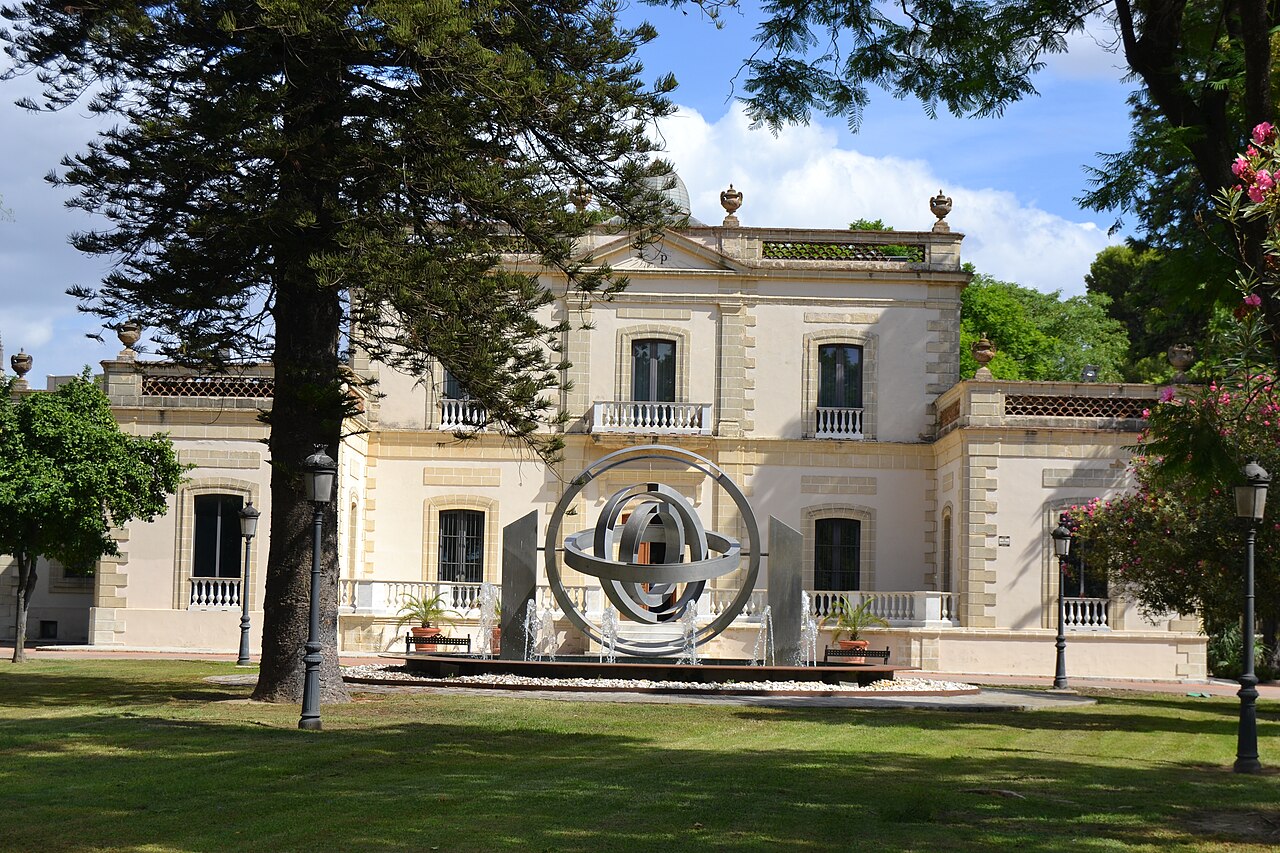
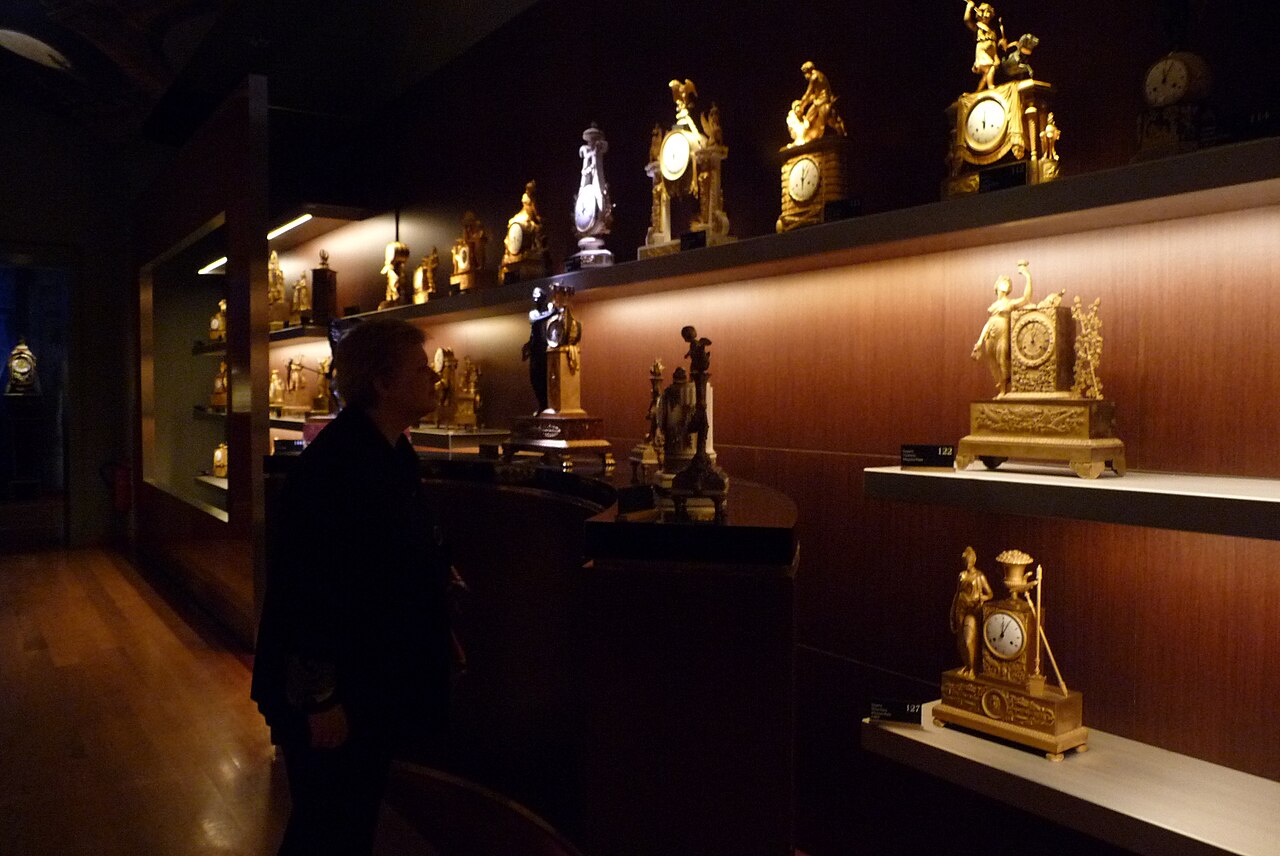
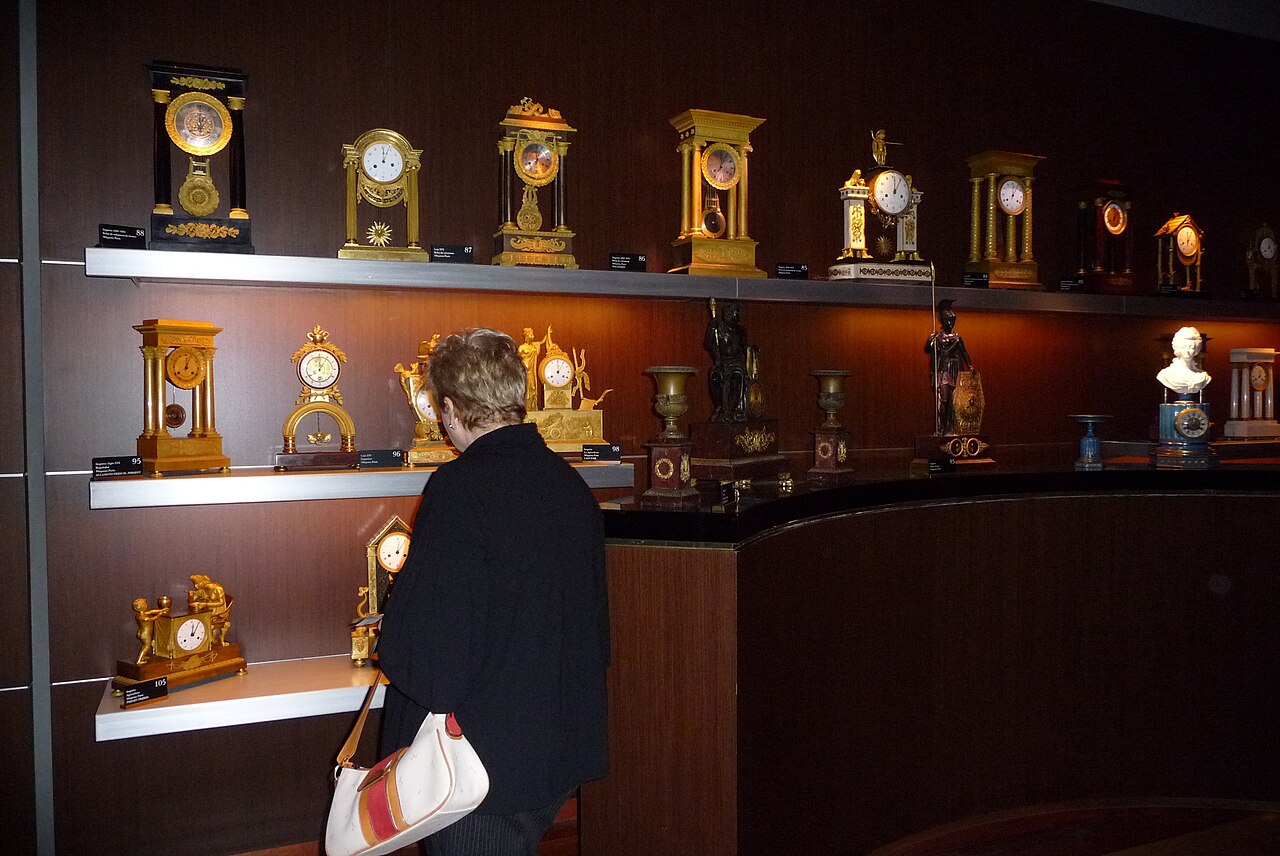
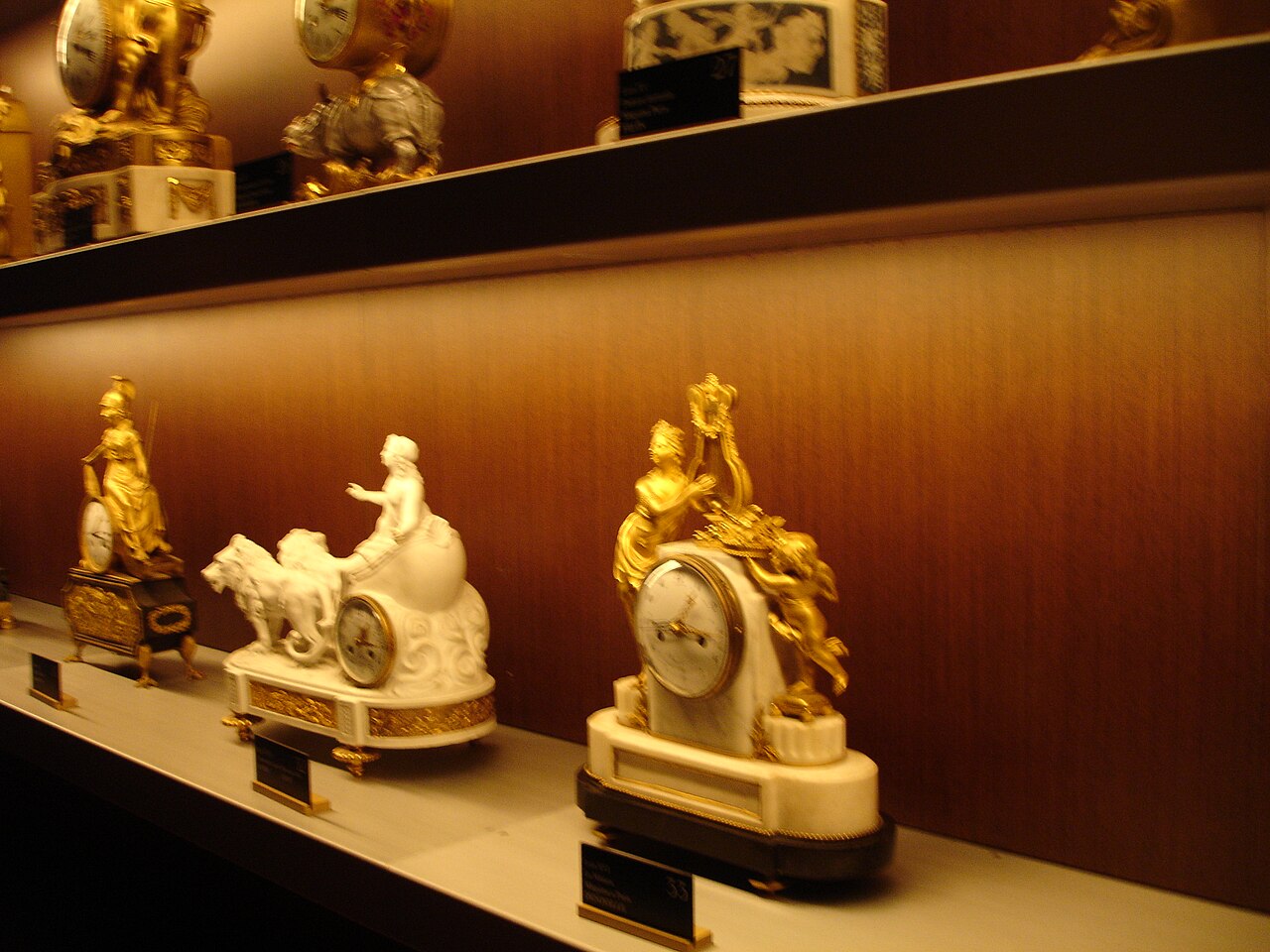
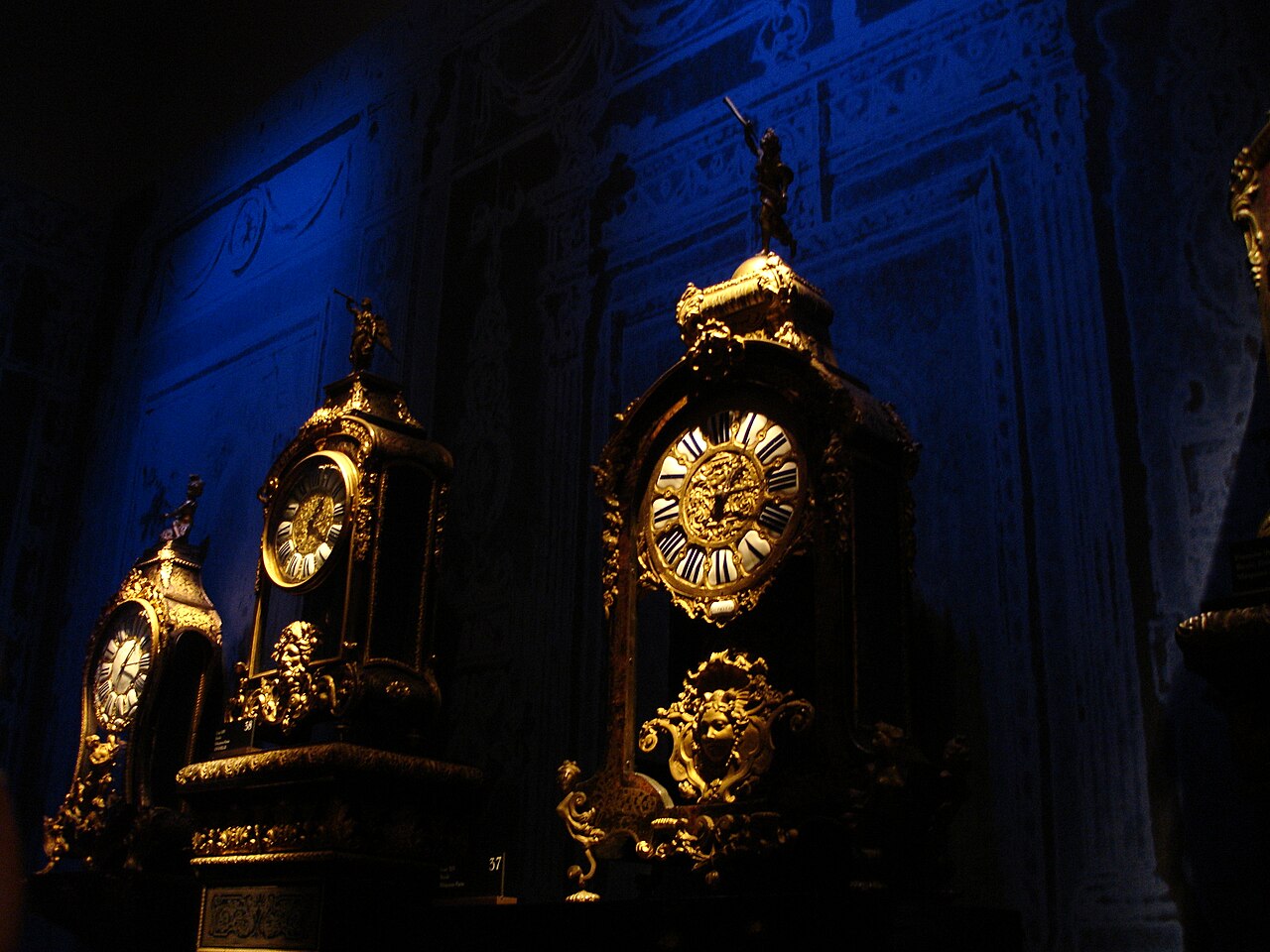
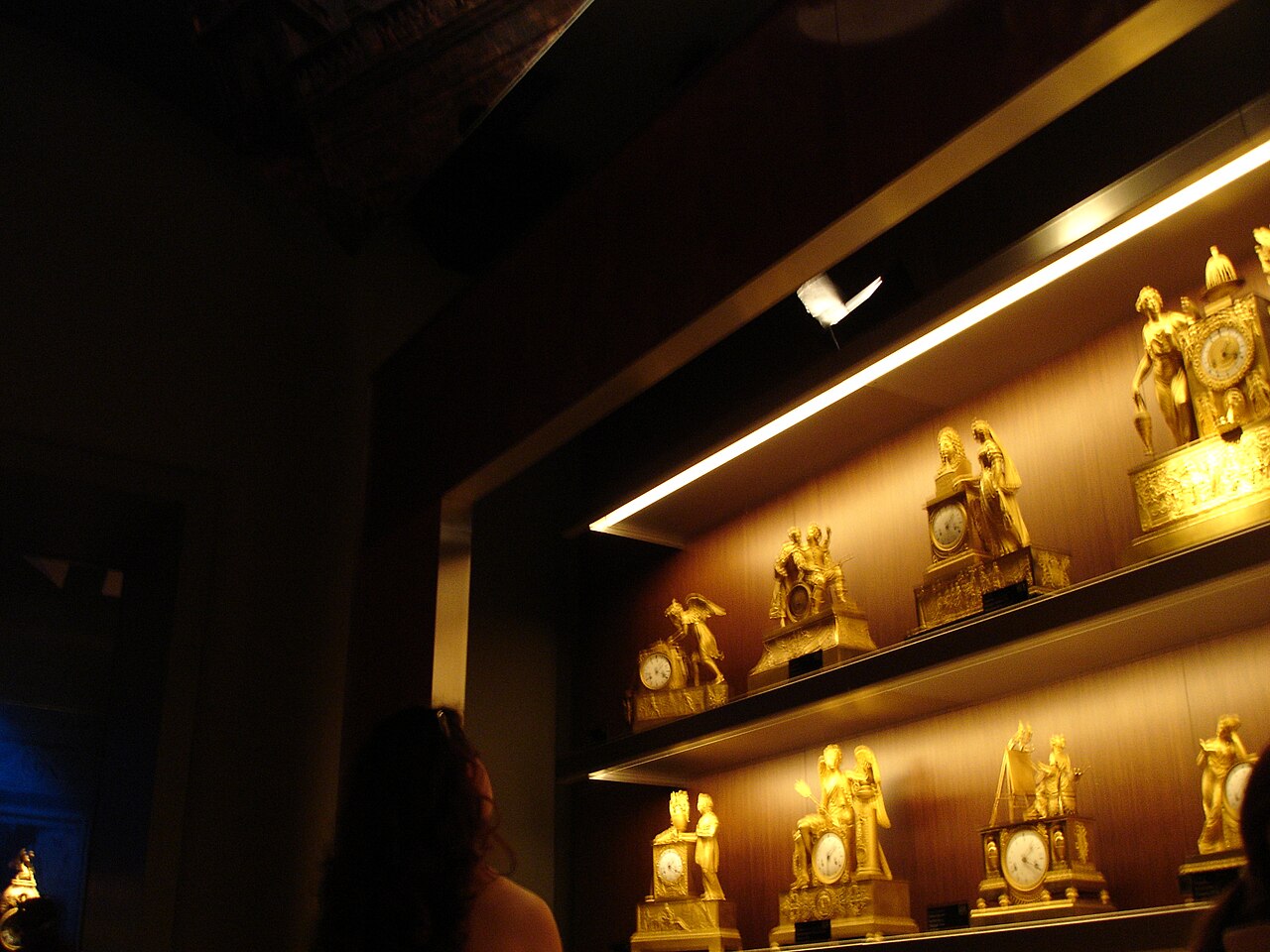
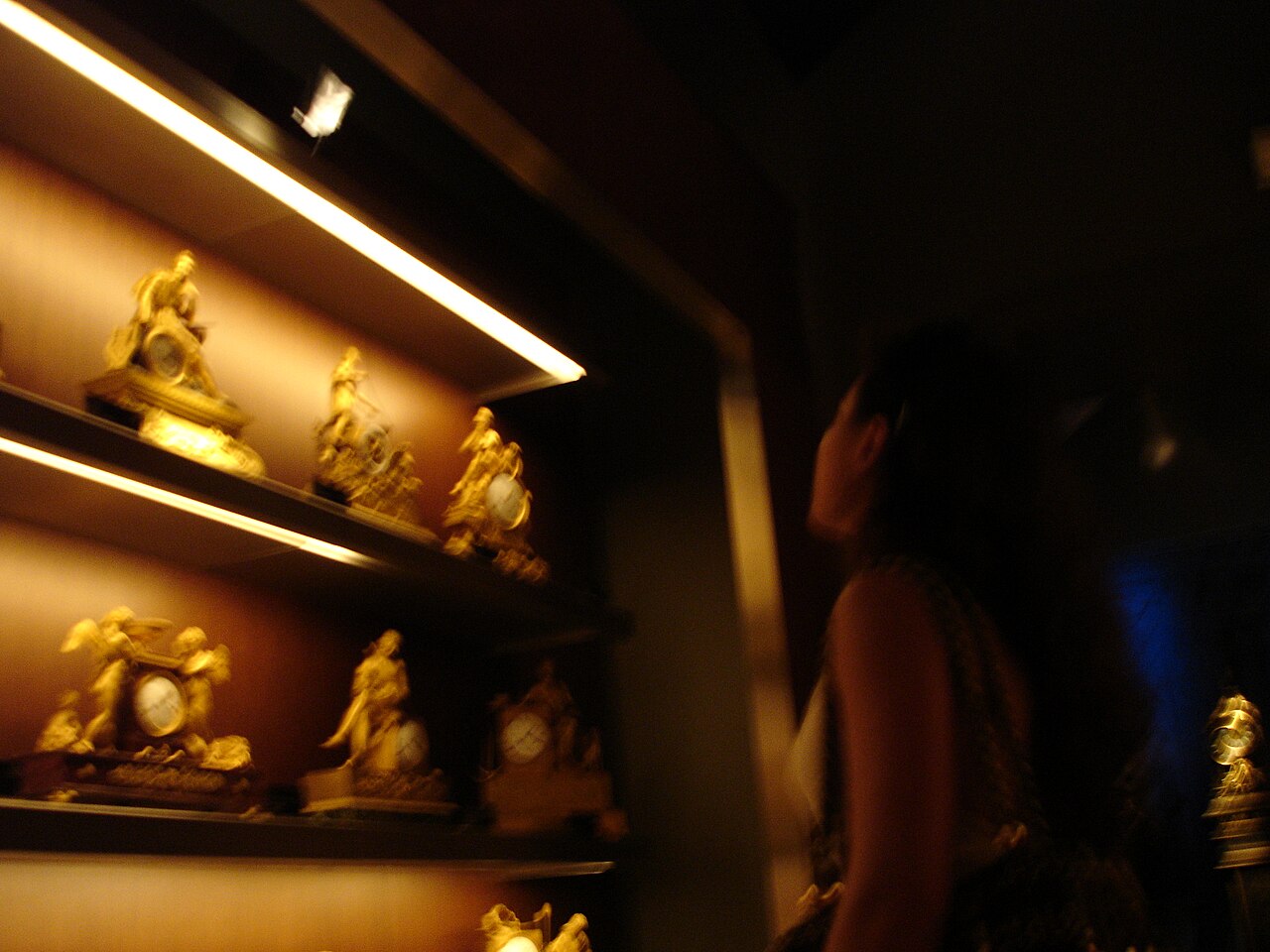
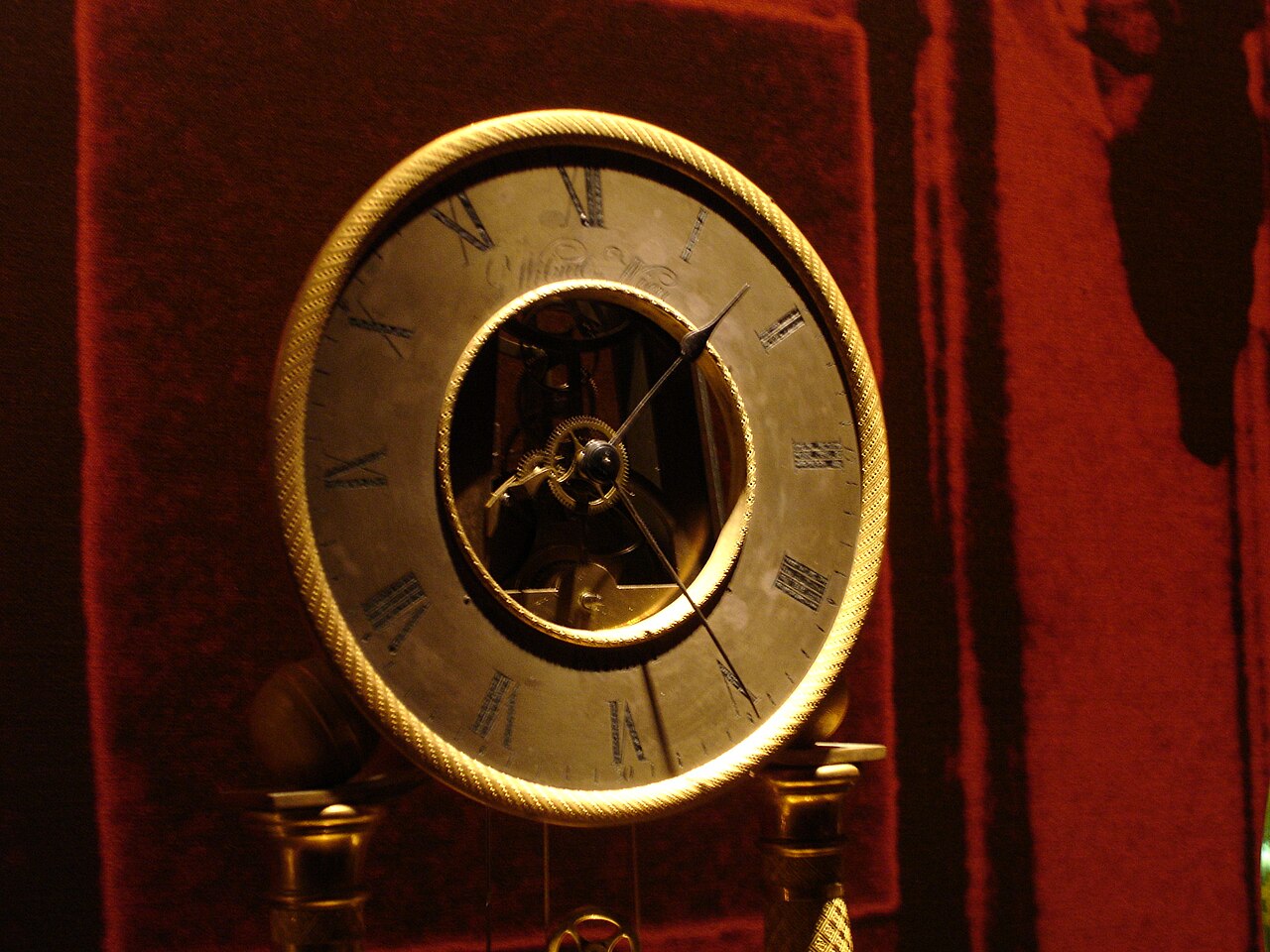
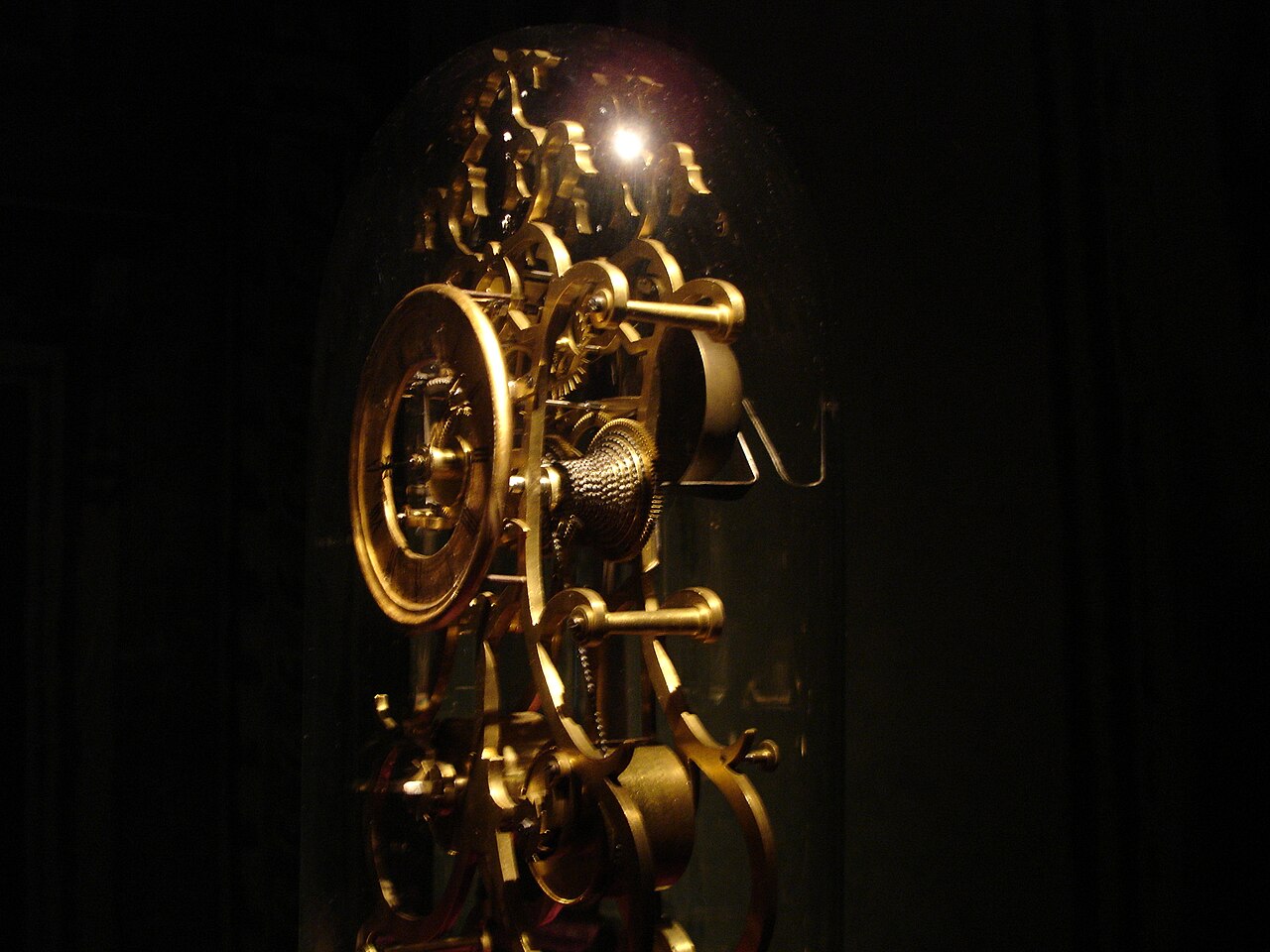
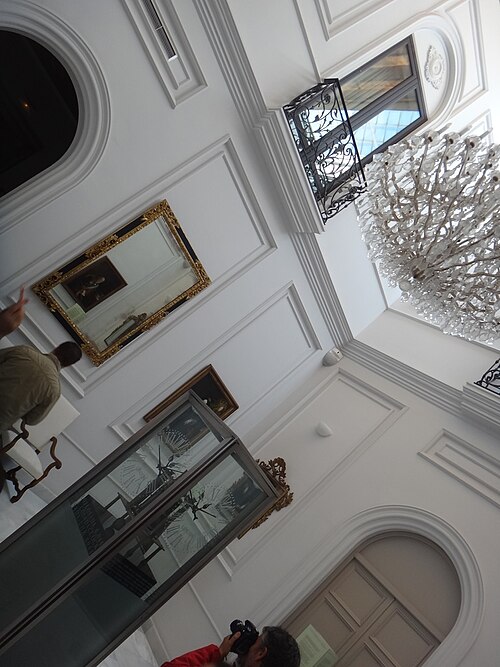
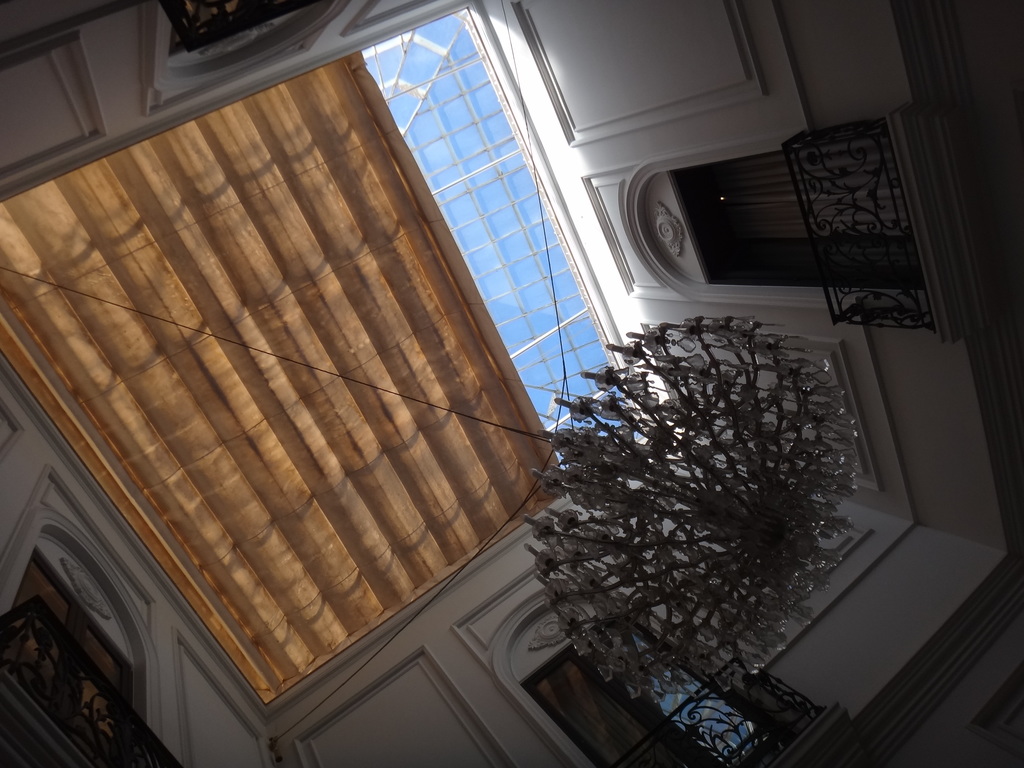
The caption identifies the institution shown; follow the source record for attribution and context.
Overview
The Palacio del Tiempo in Jerez de la Frontera, part of the Museos de la Atalaya, is described by its operator as the only museum in Spain open to the public that is devoted entirely to historic clocks. It is housed in a neoclassical-Victorian palace of 1850.
The museum states that 287 clocks are on permanent display, from the seventeenth to the nineteenth century, mostly French and English with examples from Austria, Switzerland and Italy. Makers named by the museum include Berthoud, Leroy, Frodsham, Lepaute, Lépine, Raingo Frères, Losada, Bennett and Robin. The city tourism office states that all are in working order; that is a published claim, not a promise about any one clock on a given day.
The museum's own guide picks out a mantel clock whose Italian case of around 1670 is the oldest case in the collection, later fitted with an English movement by Charles Frodsham. Case and movement therefore have different dates and makers. It also records a four-faced bronze public clock of 1867, commissioned by the city council for a lamp post in the Plaza del Arenal.
Collection focus
- 287 French, English and other clocks of the seventeenth to nineteenth centuries
- Works signed by Berthoud, Leroy, Frodsham, Lepaute and Losada
- Geneva pocket watches and an Austrian carriage clock
Key pieces
- Mantel clock with Italian case of c. 1670 and Frodsham movement
- The museum's guide says the case is the oldest in the collection and holds a later precision movement by Charles Frodsham. Museum reference
- Four-faced public clock, 1867 (inventory 6044)
- A polished bronze clock commissioned by Jerez city council for a cast-iron lamp post in the Plaza del Arenal. Museum reference
Collection highlights are not a guarantee of current display; confirm with the institution before travelling.
Using it for research
- Record case and movement separately: the museum's own example combines a seventeenth-century case with a nineteenth-century movement.
- Cite inventory numbers from the museum's guide where given.
- Keep this museum distinct from the Museo del Reloj Grassy in Madrid.
Before you visit
- The museum is at Calle Cervantes 3, Jerez de la Frontera, within the Atalaya gardens. Check the official site for opening times and tickets.
- The complex also has wine and silver exhibitions; confirm which areas a ticket includes.