
Museum · Saint-Nicolas-d'Aliermont, France
Musée de l'Horlogerie de Saint-Nicolas-d'Aliermont
Museum of the Normandy clock industry.
Institution photographs
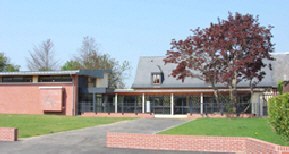
The caption identifies the institution shown; follow the source record for attribution and context.
Overview
The Musée de l'horlogerie in Saint-Nicolas-d'Aliermont, Normandy, tells the story of the town's clockmaking from the early eighteenth century to today. The museum traces the tradition to the arrival in 1725 of the clockmaker Charles-Antoine Croutte. Local longcase clocks known as 'les élégantes' made the craftsmen's reputation, and later the town moved through several specialities and firms.
The museum's collection covers domestic and scientific clockmaking, series production and unique pieces, large objects and moving models, and the lives and work of the clockmakers and factory workers. Its visit route and temporary exhibition present around 400 objects, with a clockmakers' workshop. The town's precision-mechanics tradition continues today mainly in microtechnology rather than clockmaking.
Collection focus
- Saint-Nicolas longcase clocks ('les élégantes')
- Domestic and scientific clocks, series and unique pieces
- Workers' and firms' history in the Aliermont
- Clockmakers' workshop
Using it for research
- Use the museum's online collections page for object-level information.
- Record whether a clock is a series product or a unique piece, as the museum distinguishes them.
Before you visit
- The museum says its visits are adapted for families, groups, schools and disabled visitors; check its visit-planning page for current times.
- The temporary exhibition changes; confirm what is on show.