
Museum · Dresden, Germany
Mathematisch-Physikalischer Salon
Historic royal collection of scientific instruments, clocks and automata.
Institution photographs

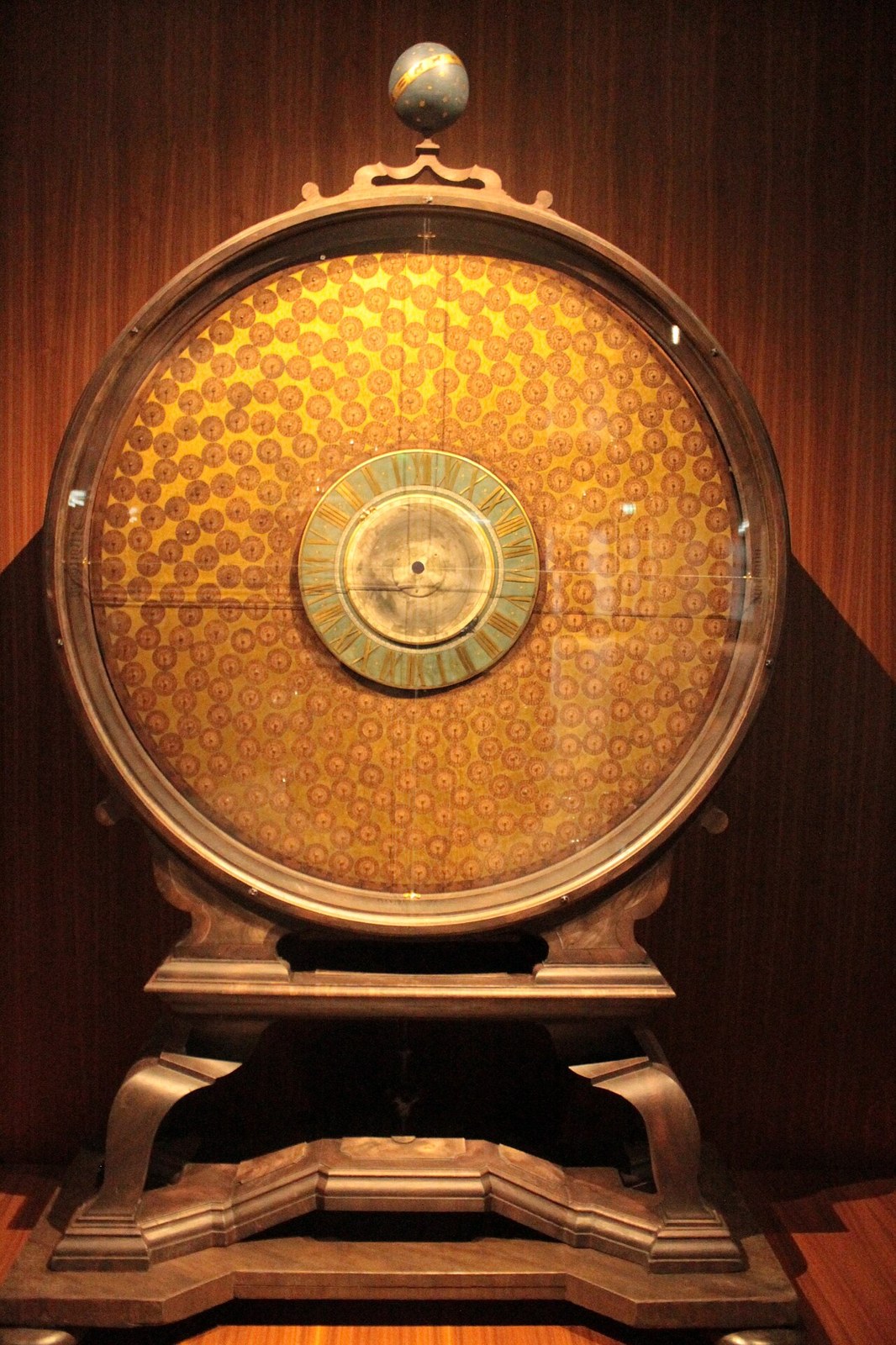
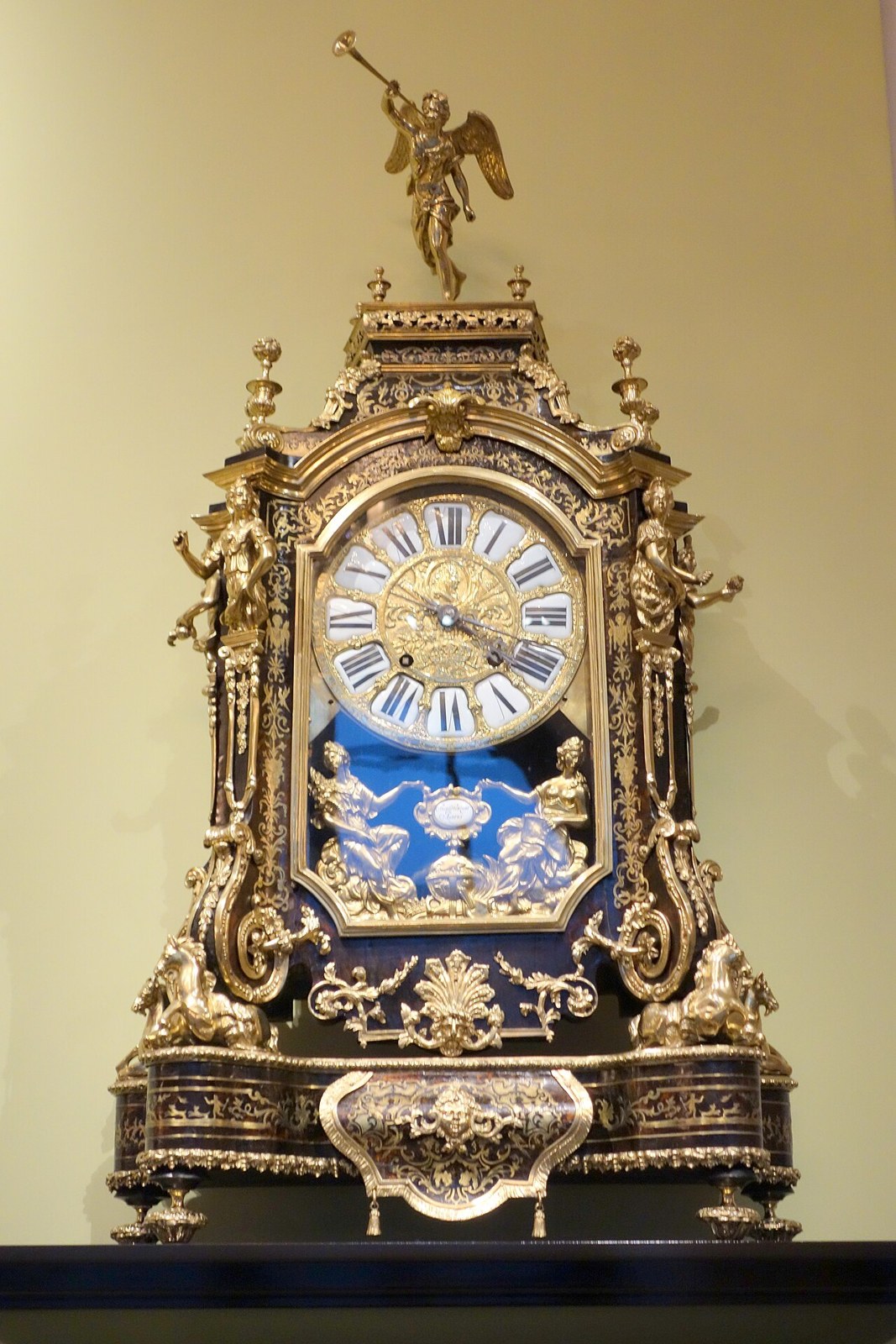
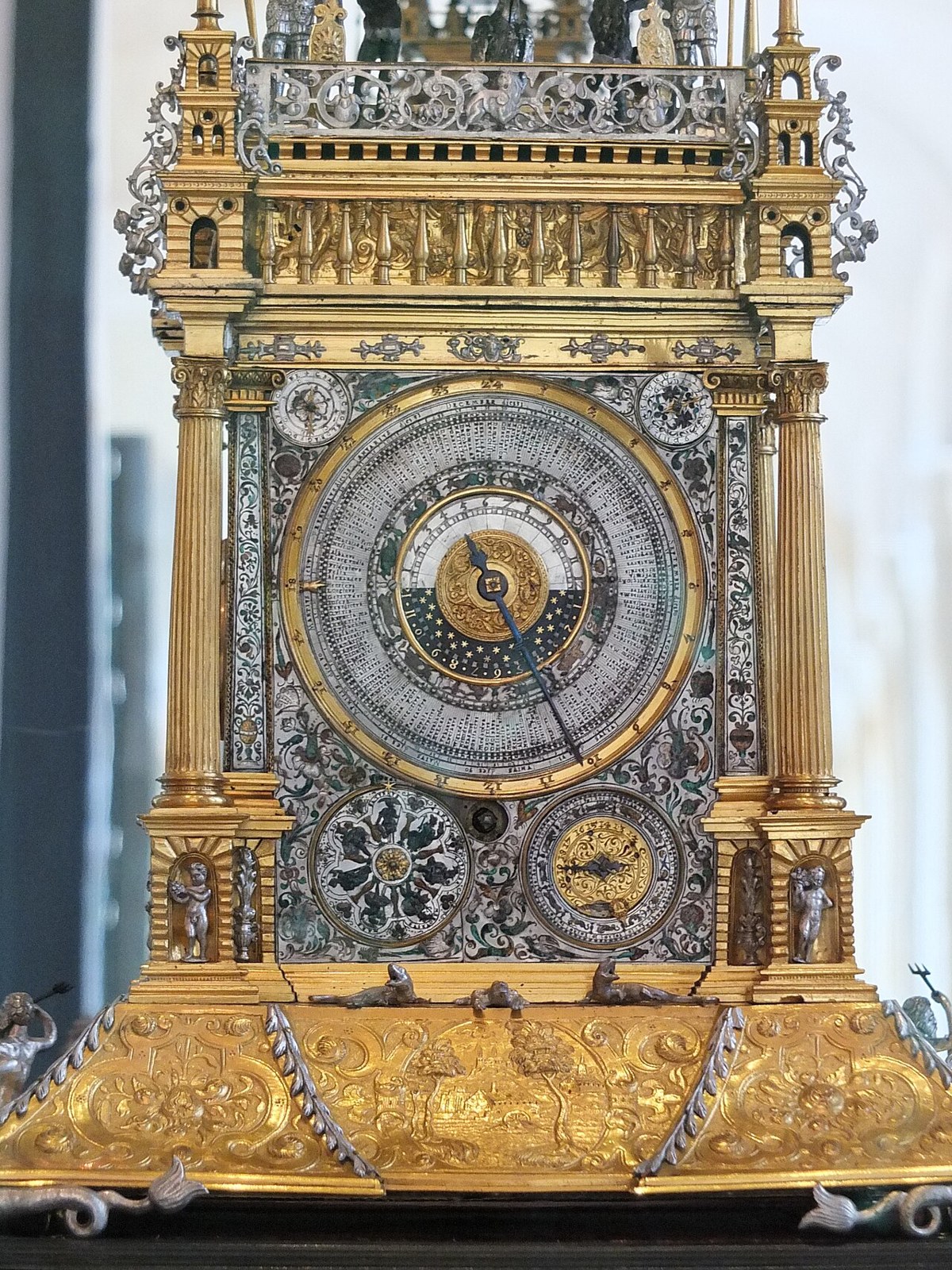
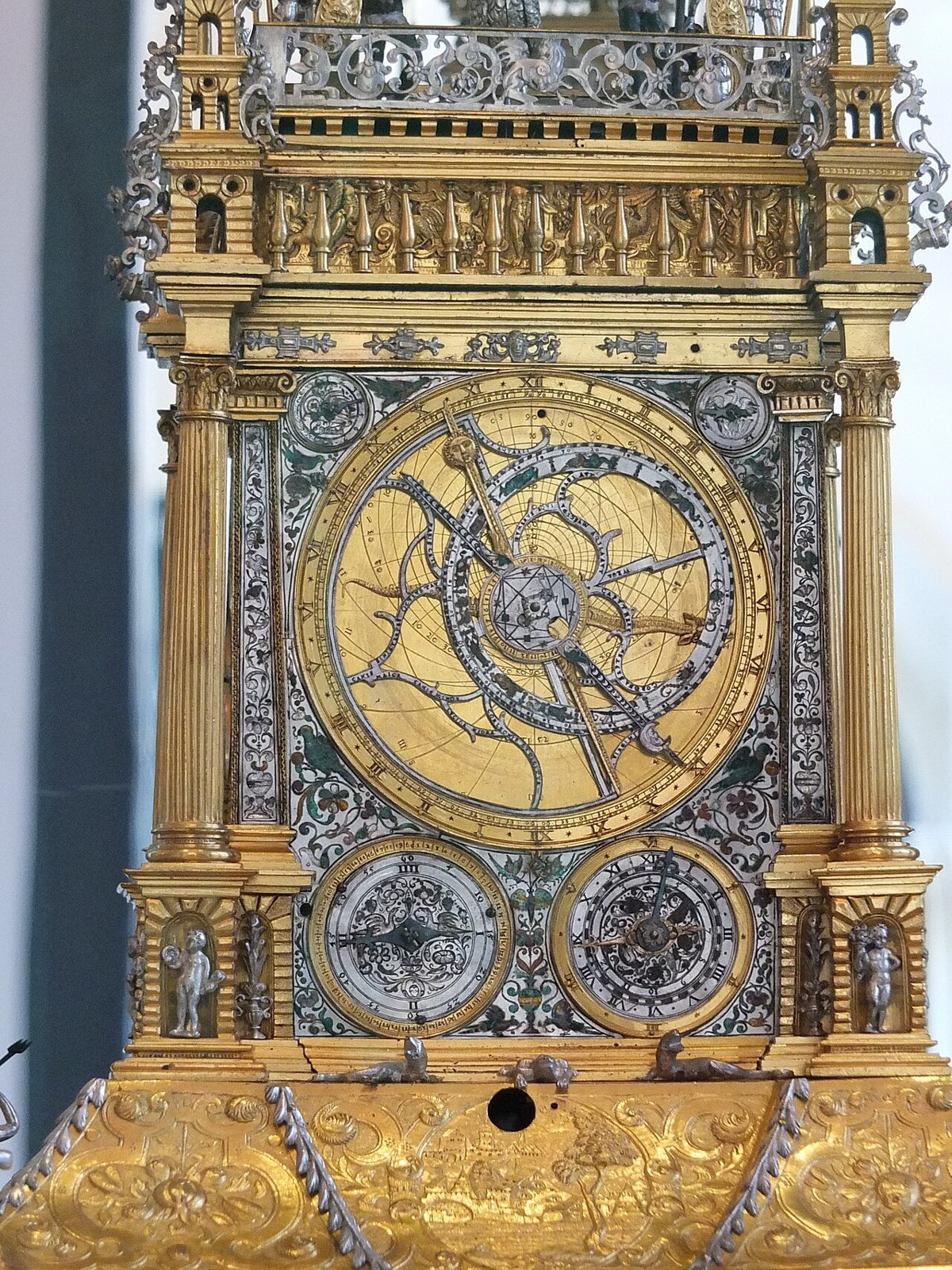
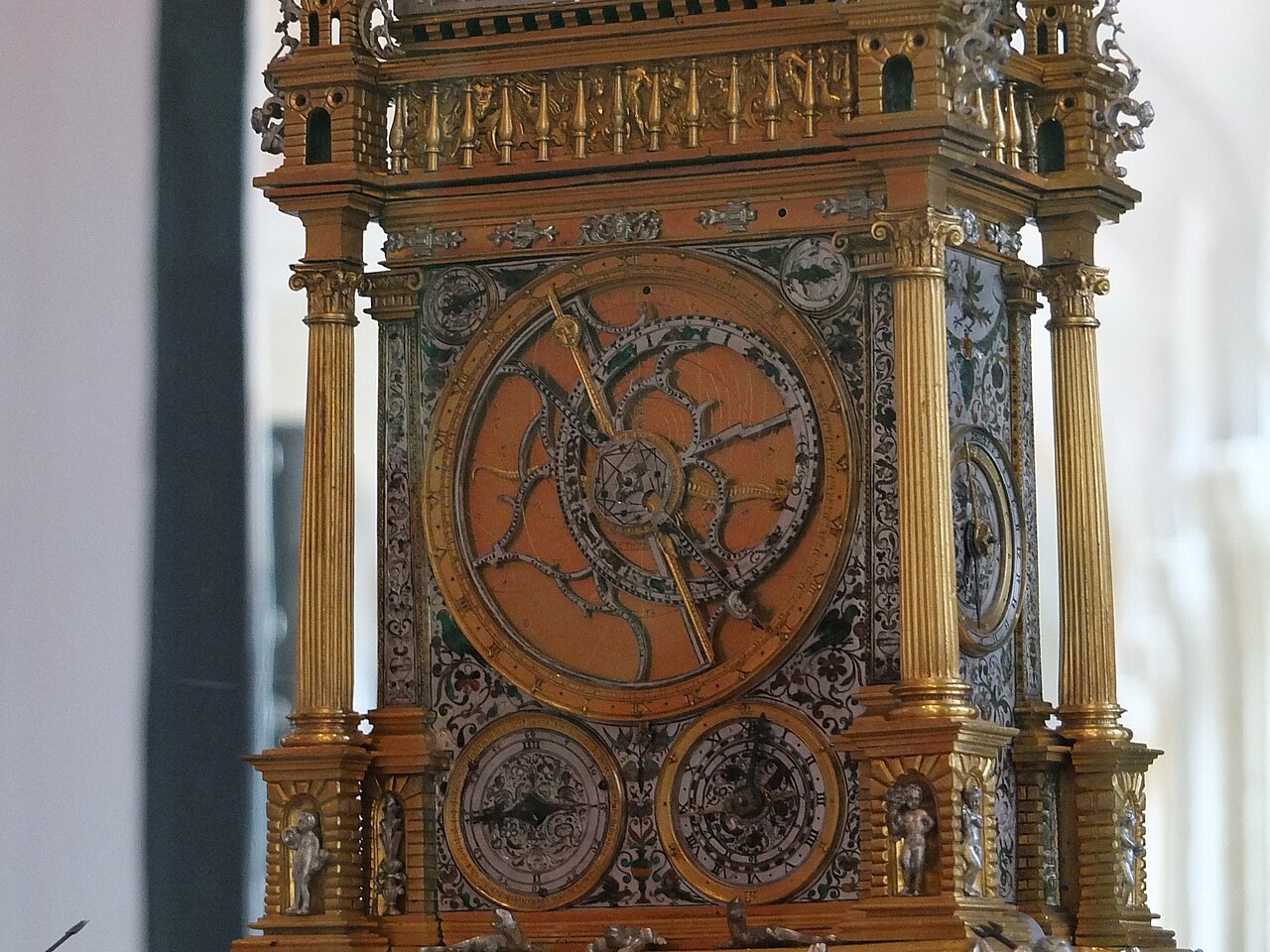
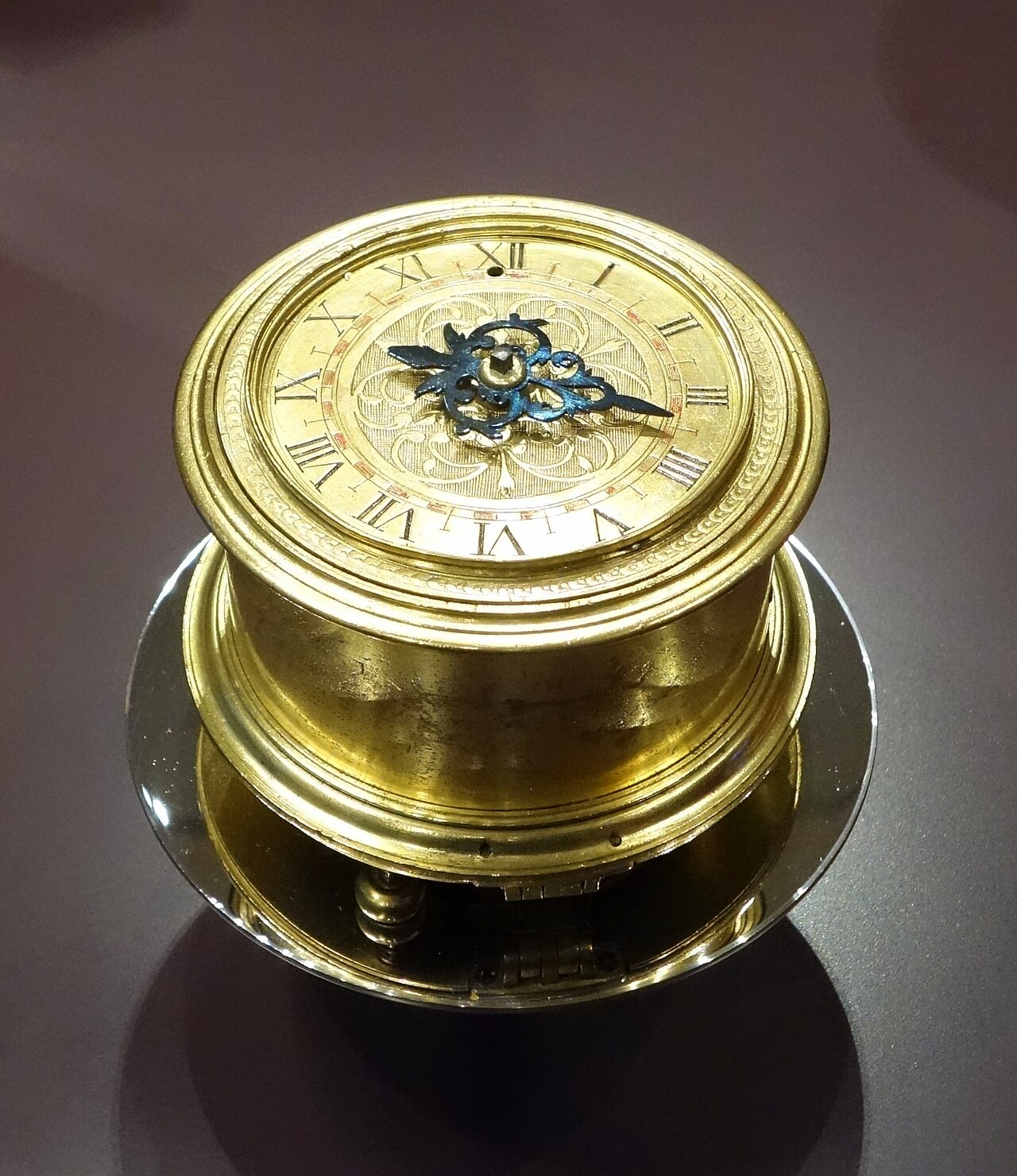
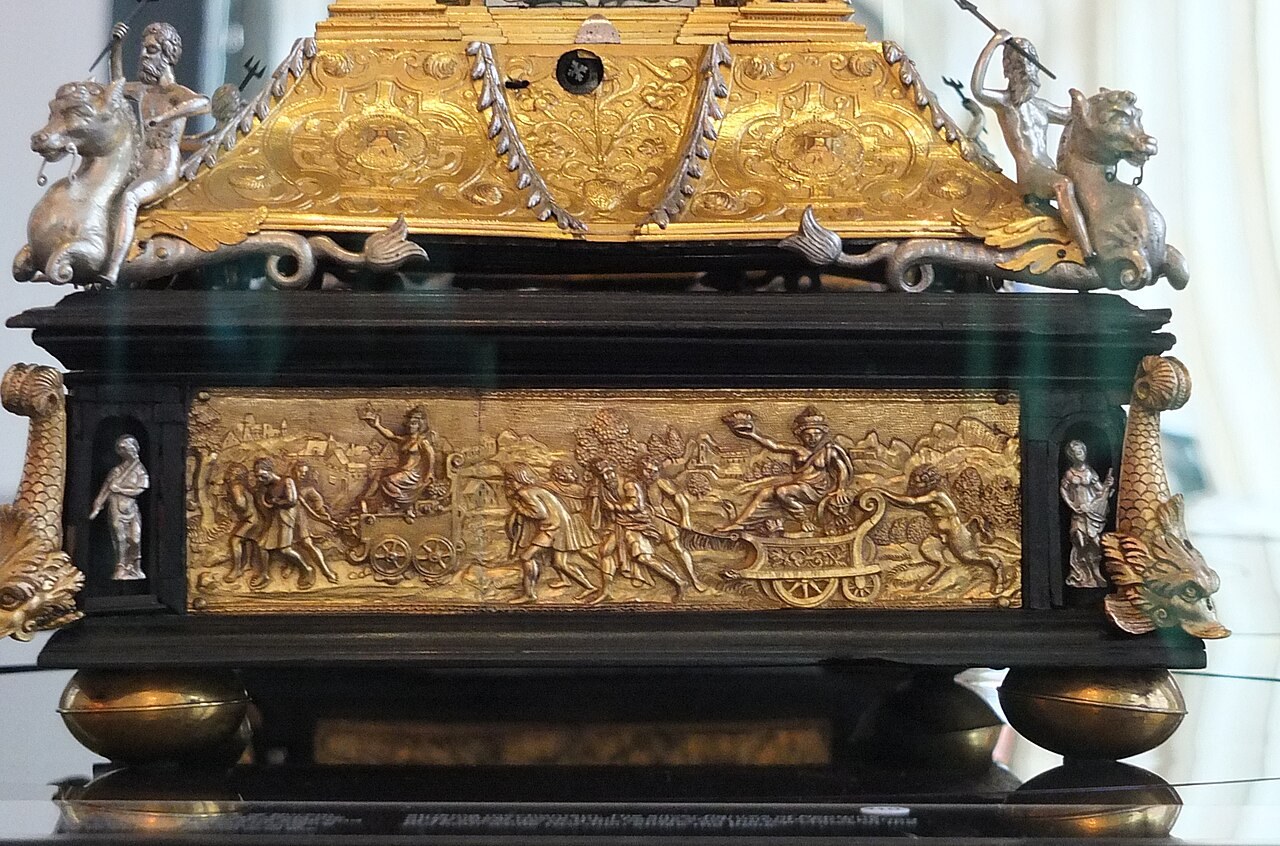
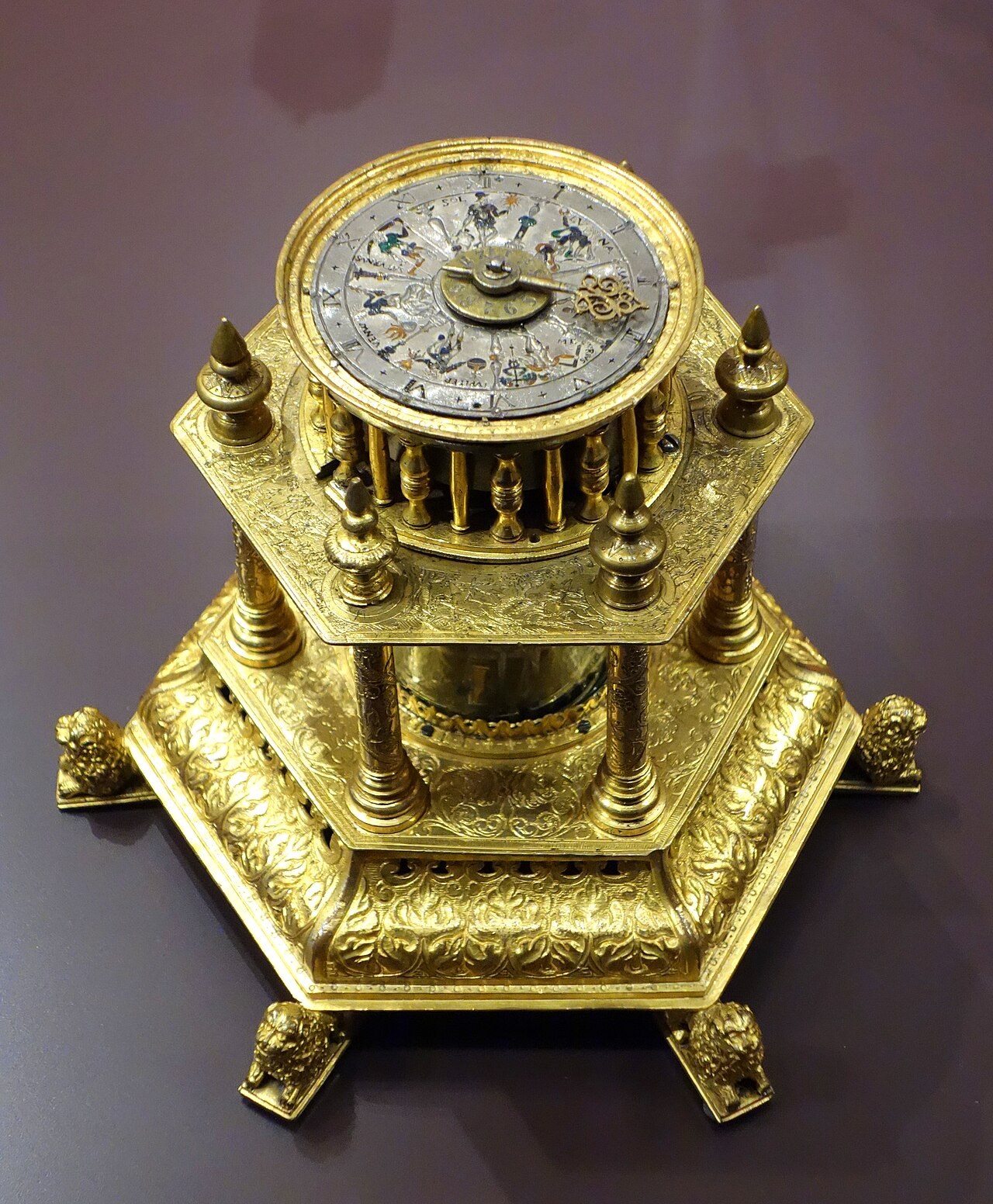
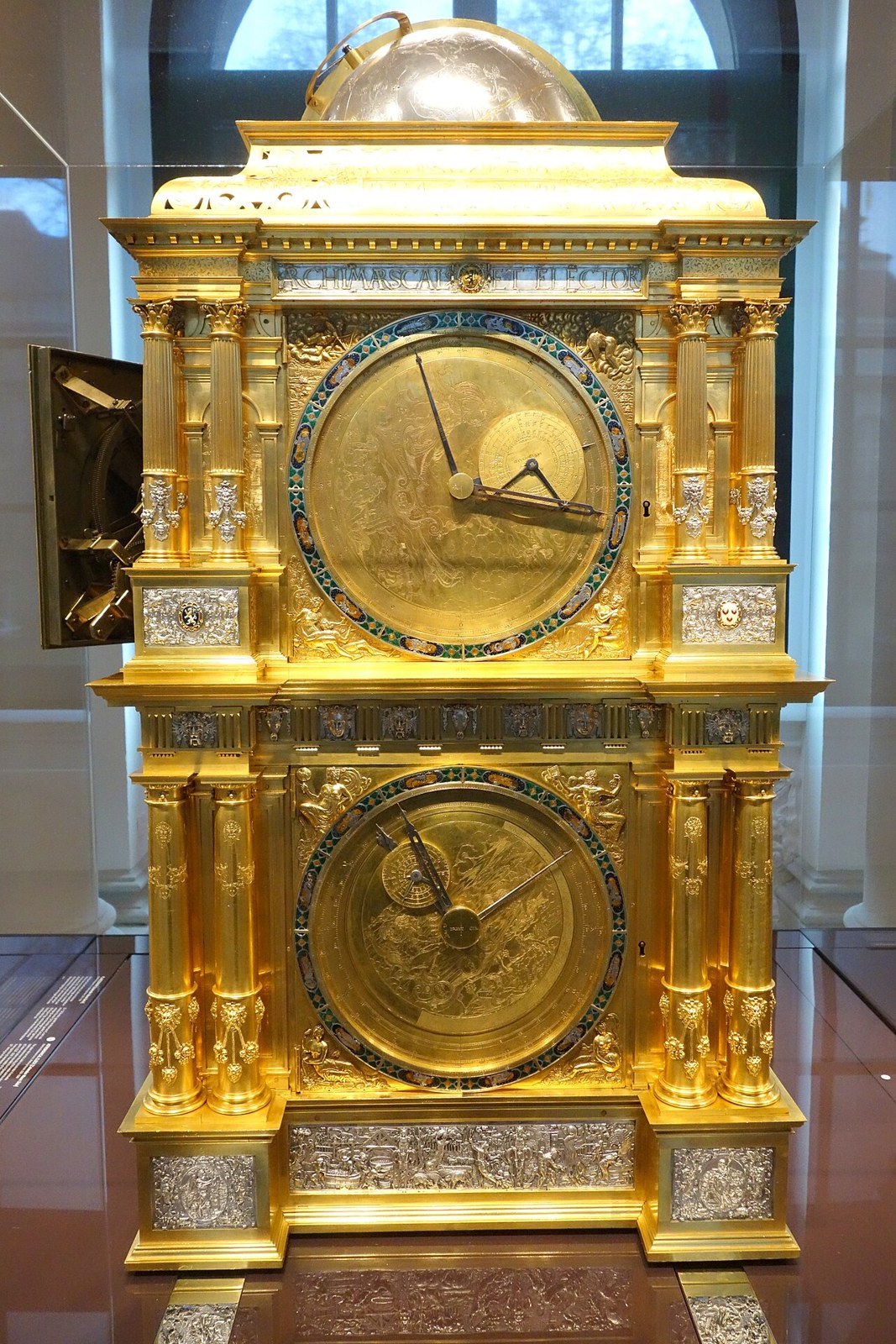
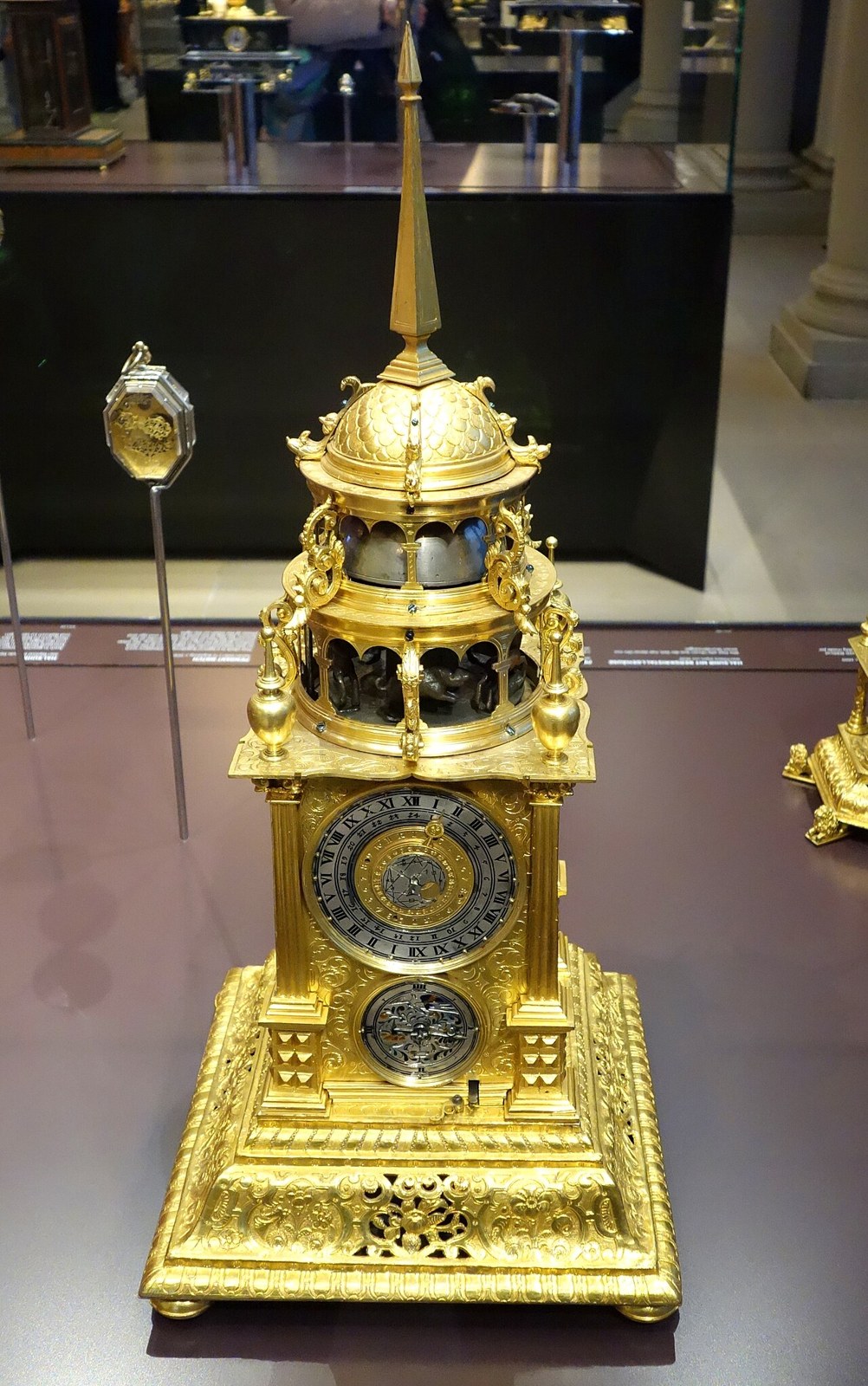
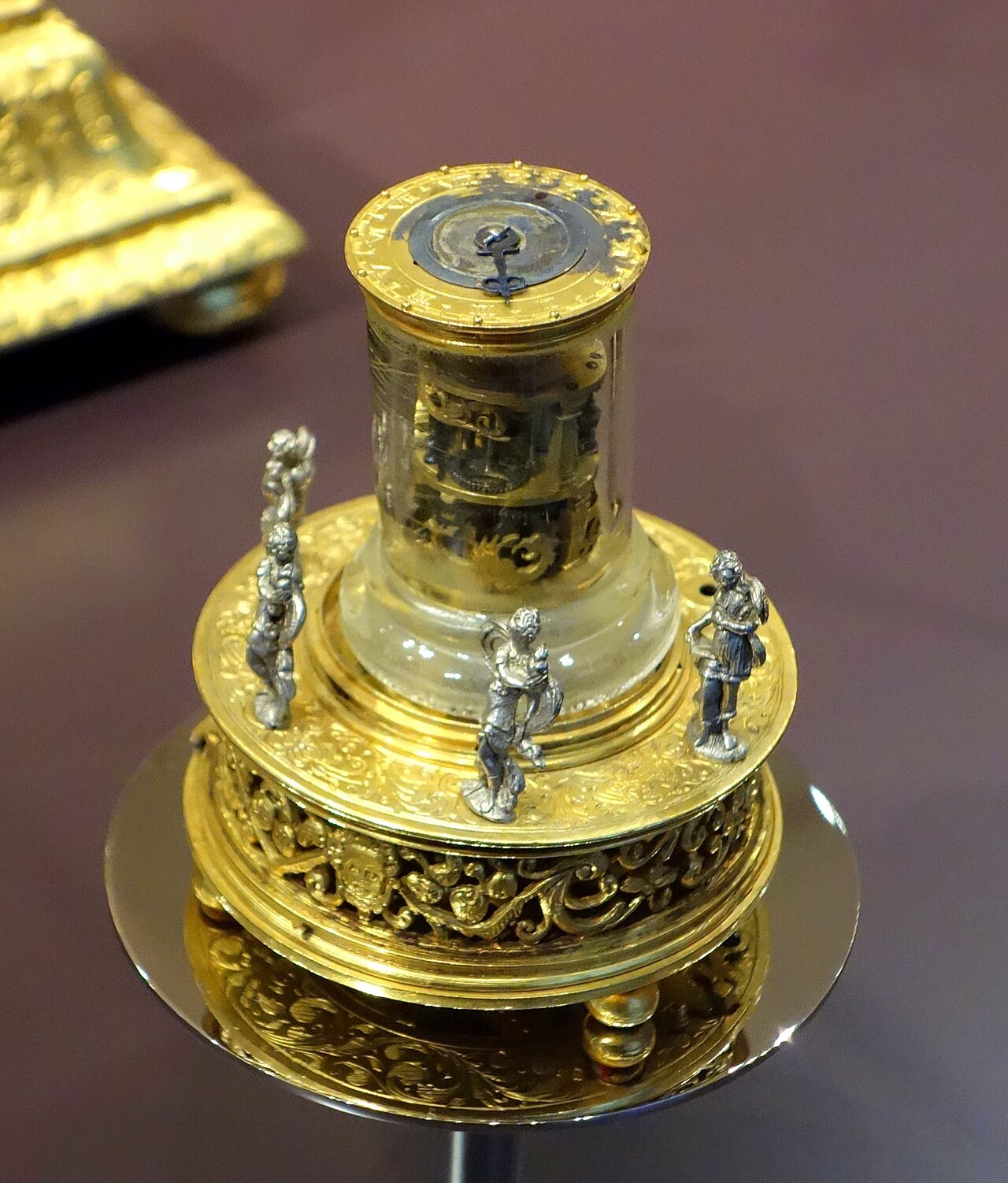
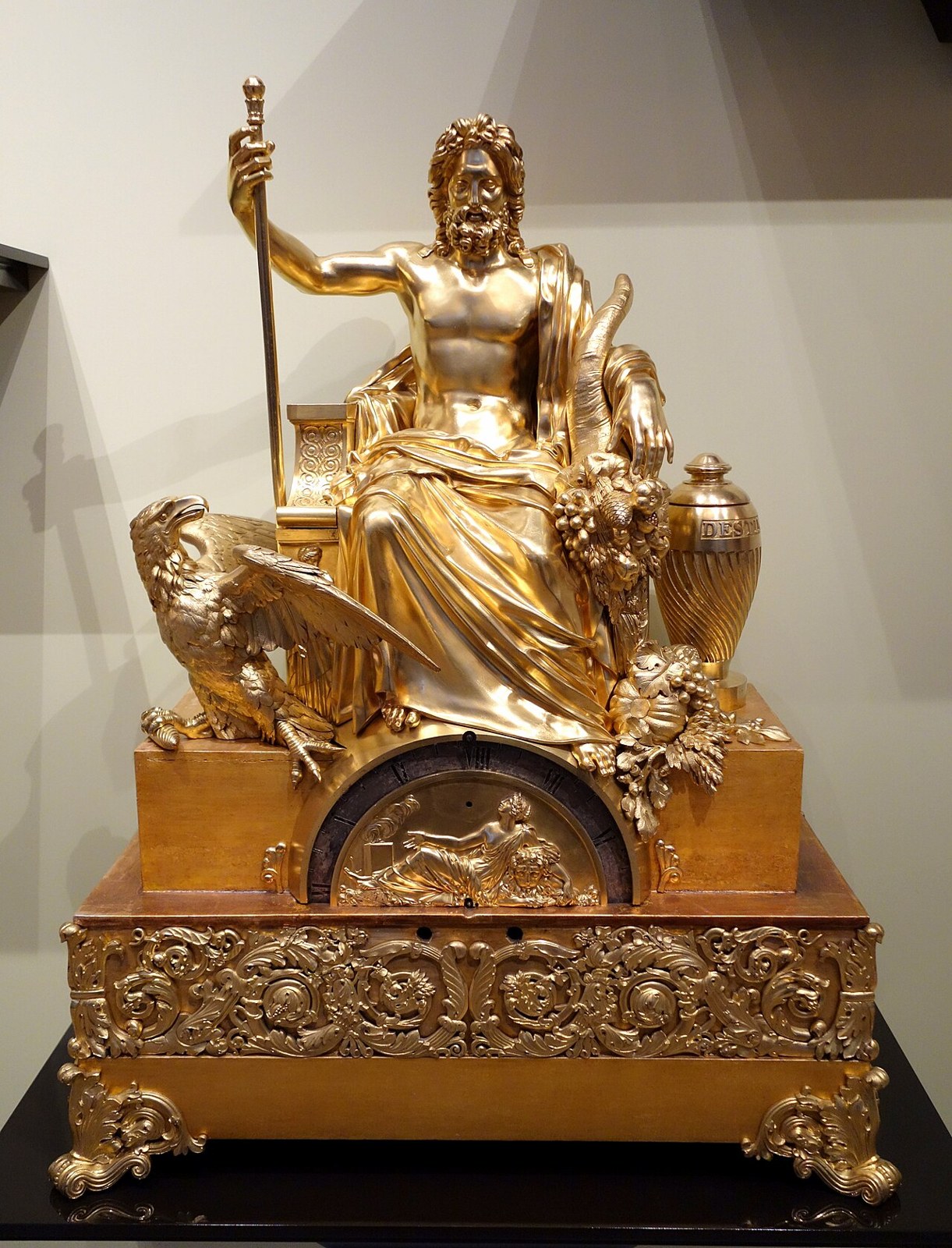
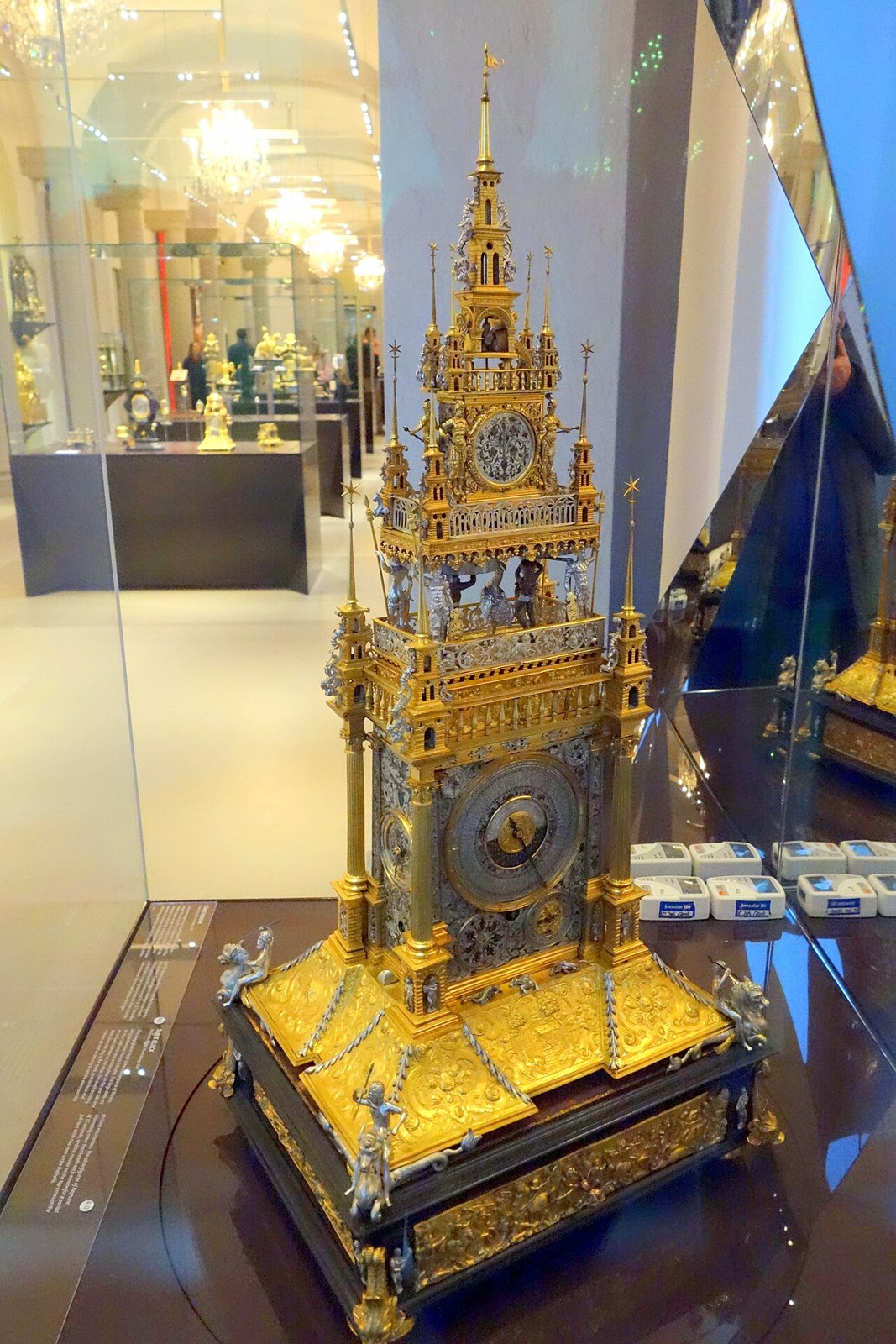
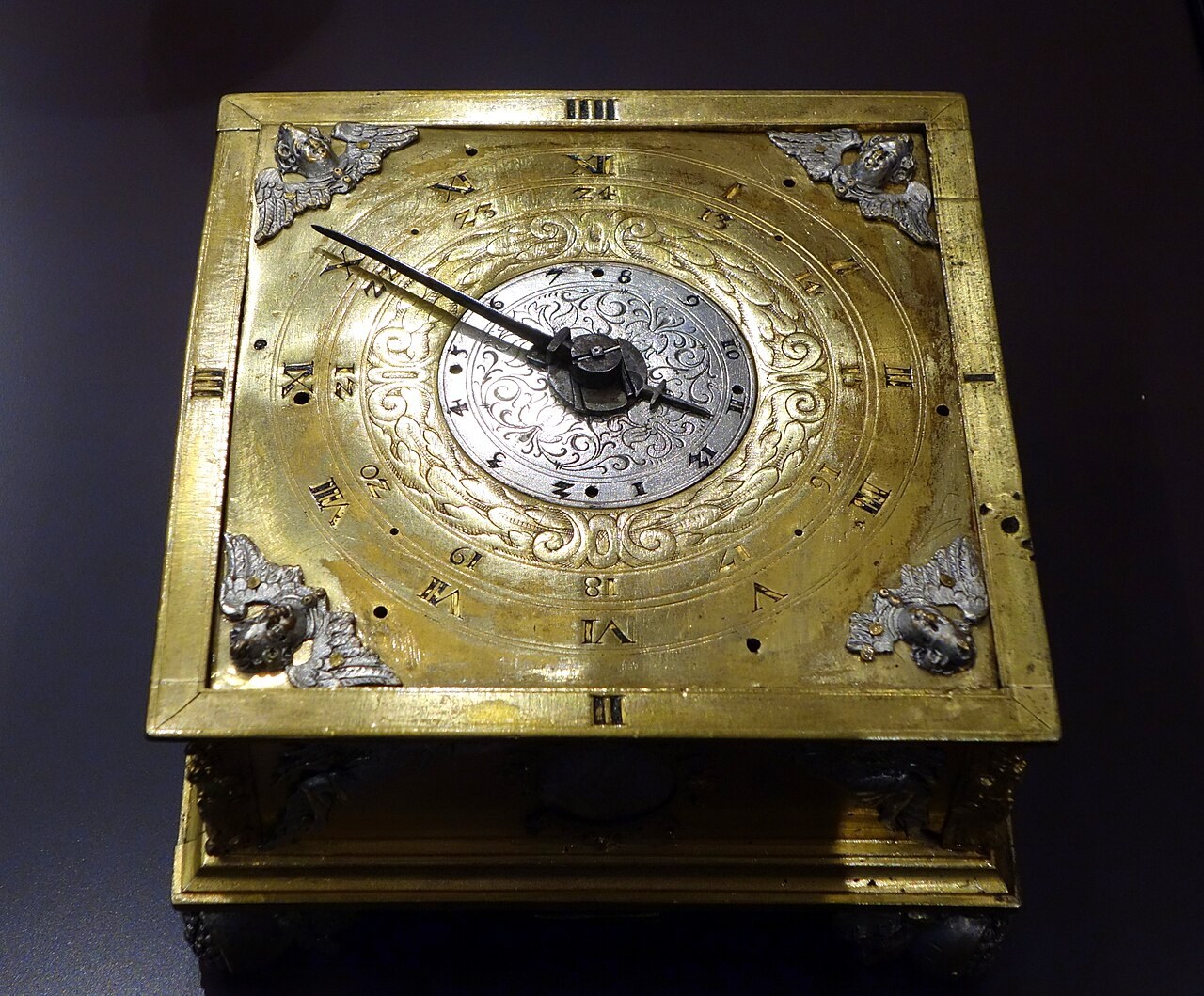
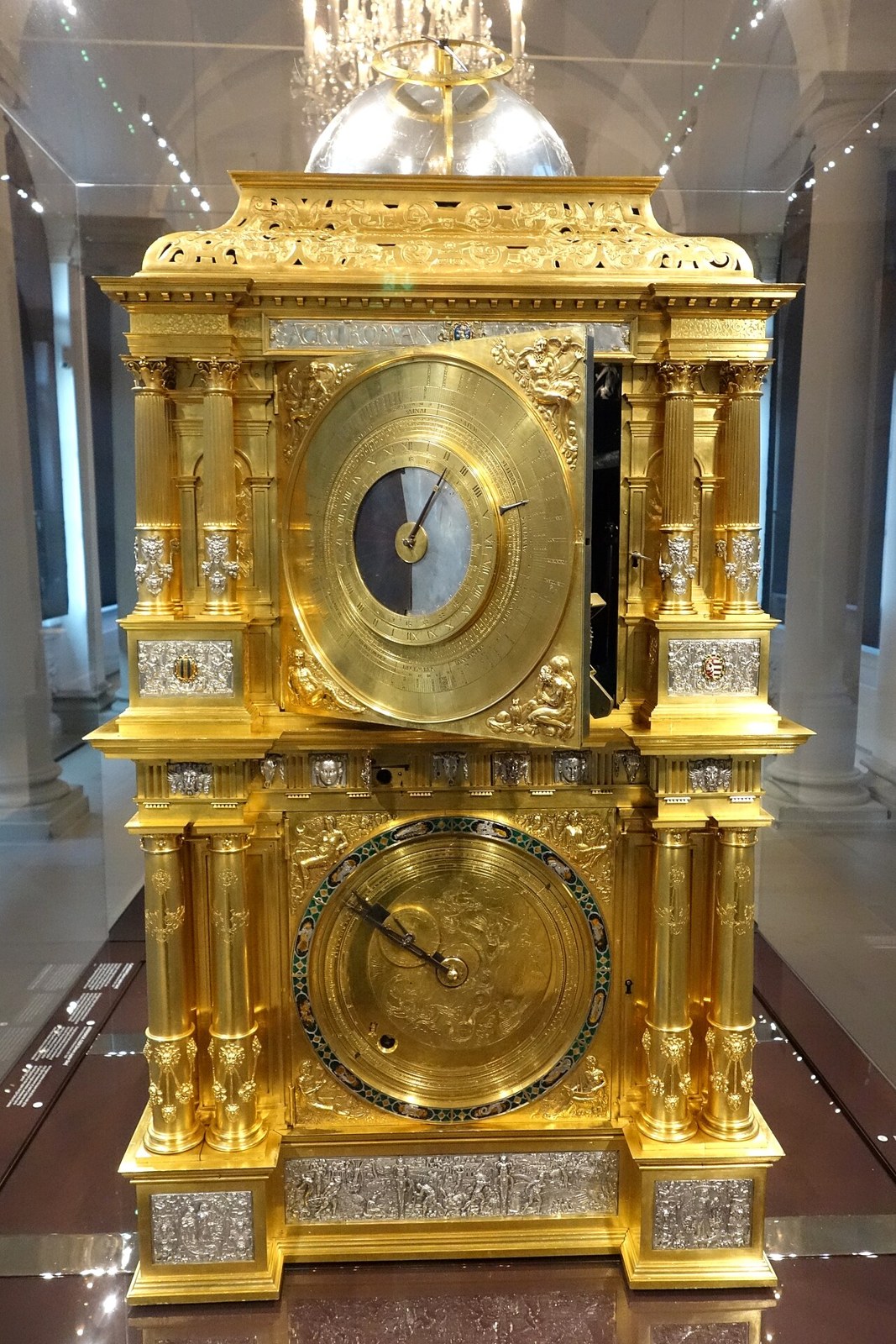
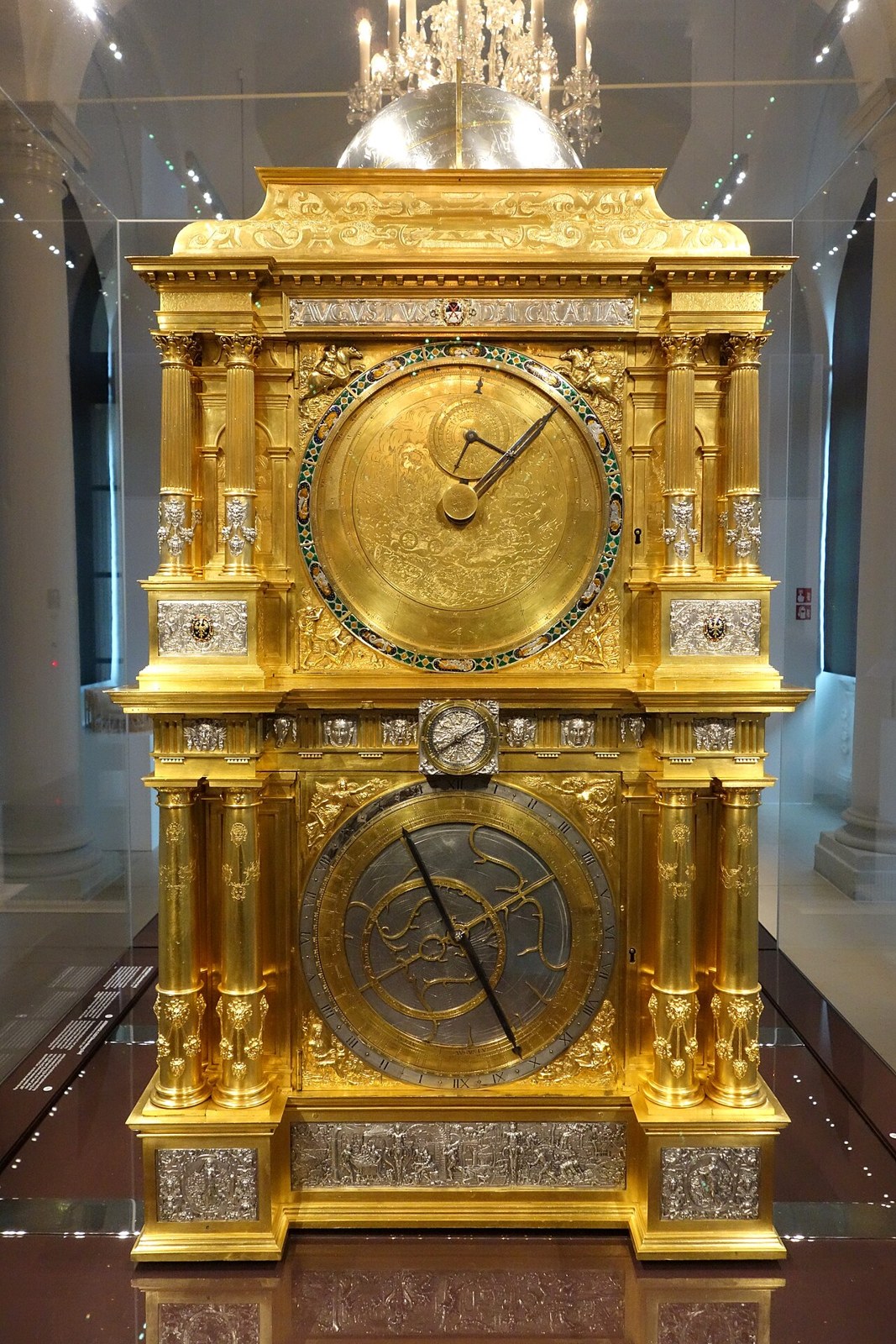
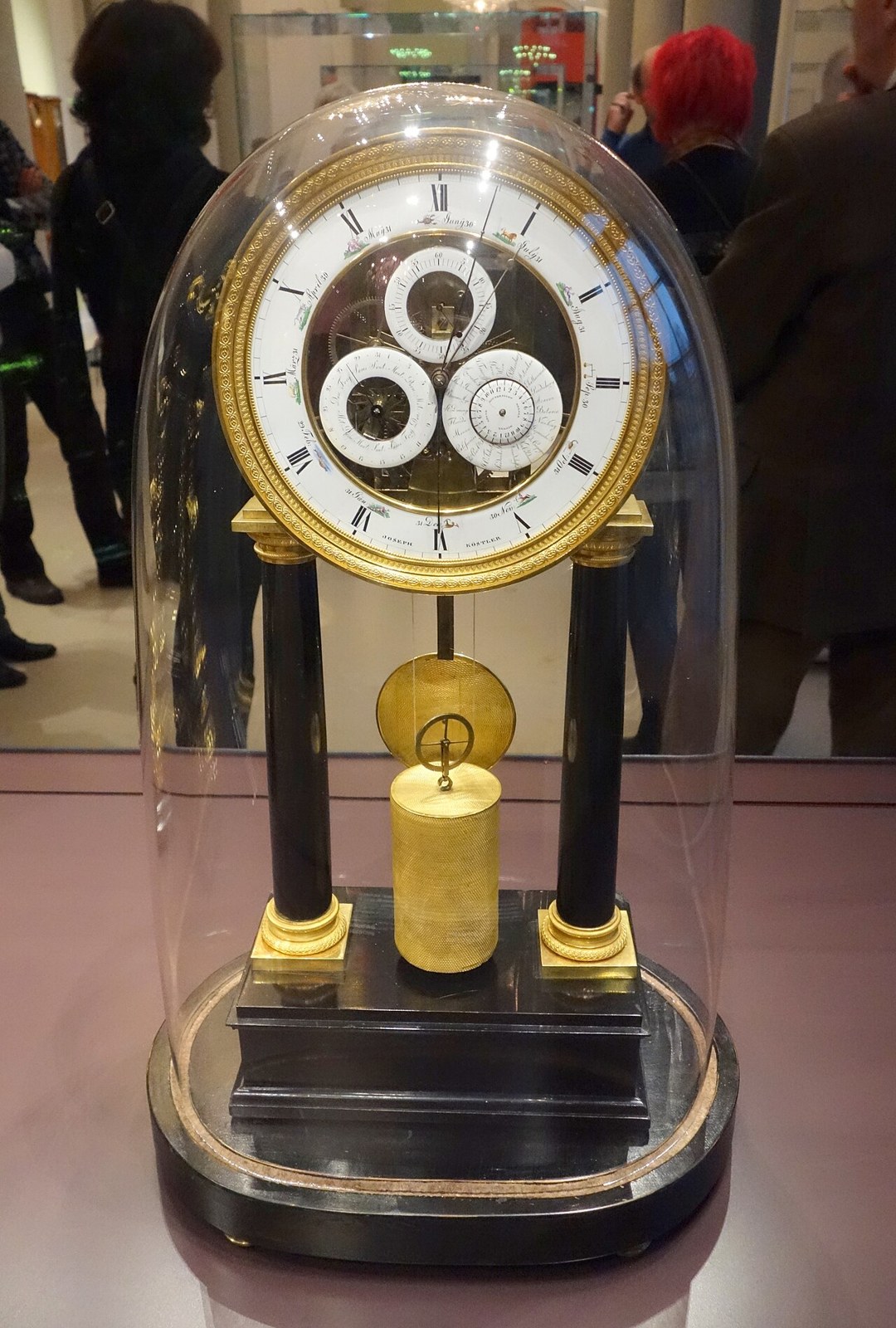
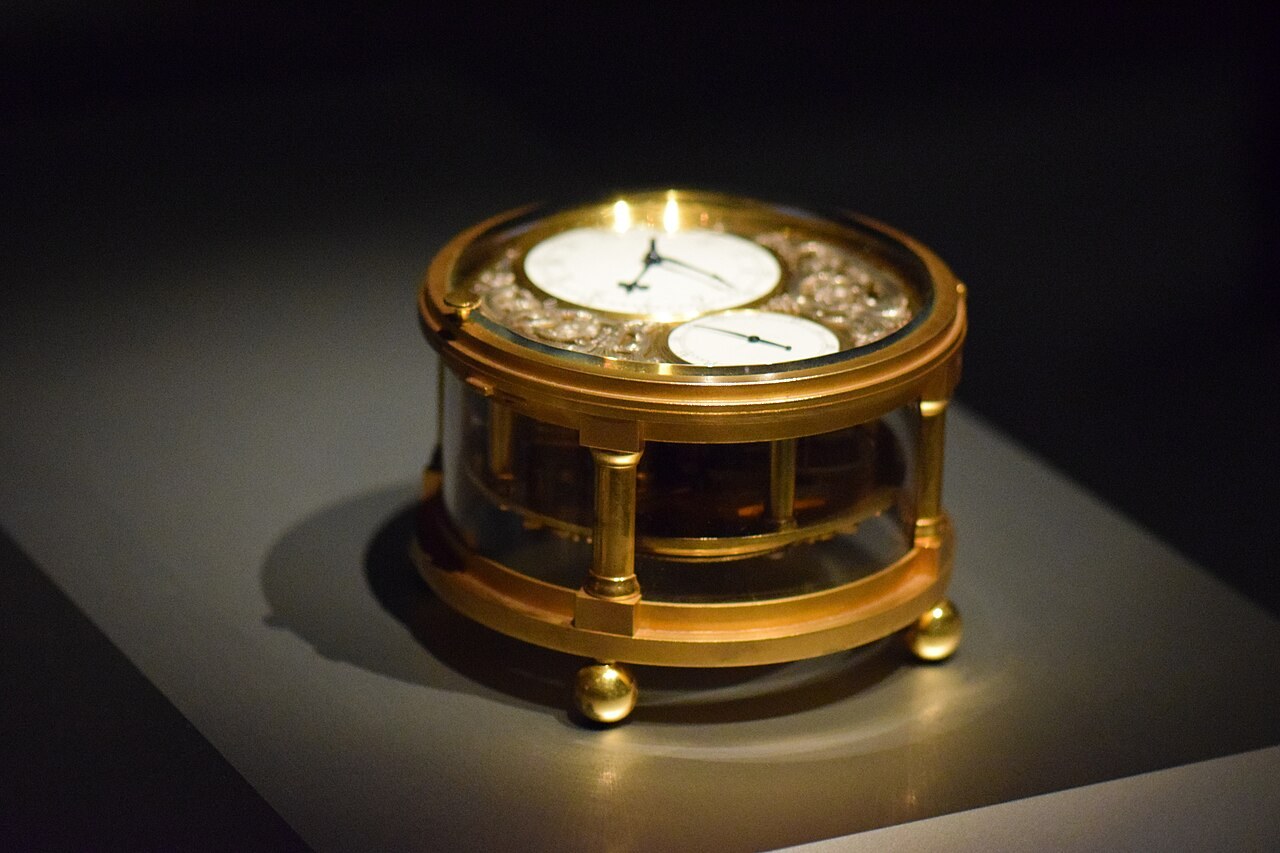
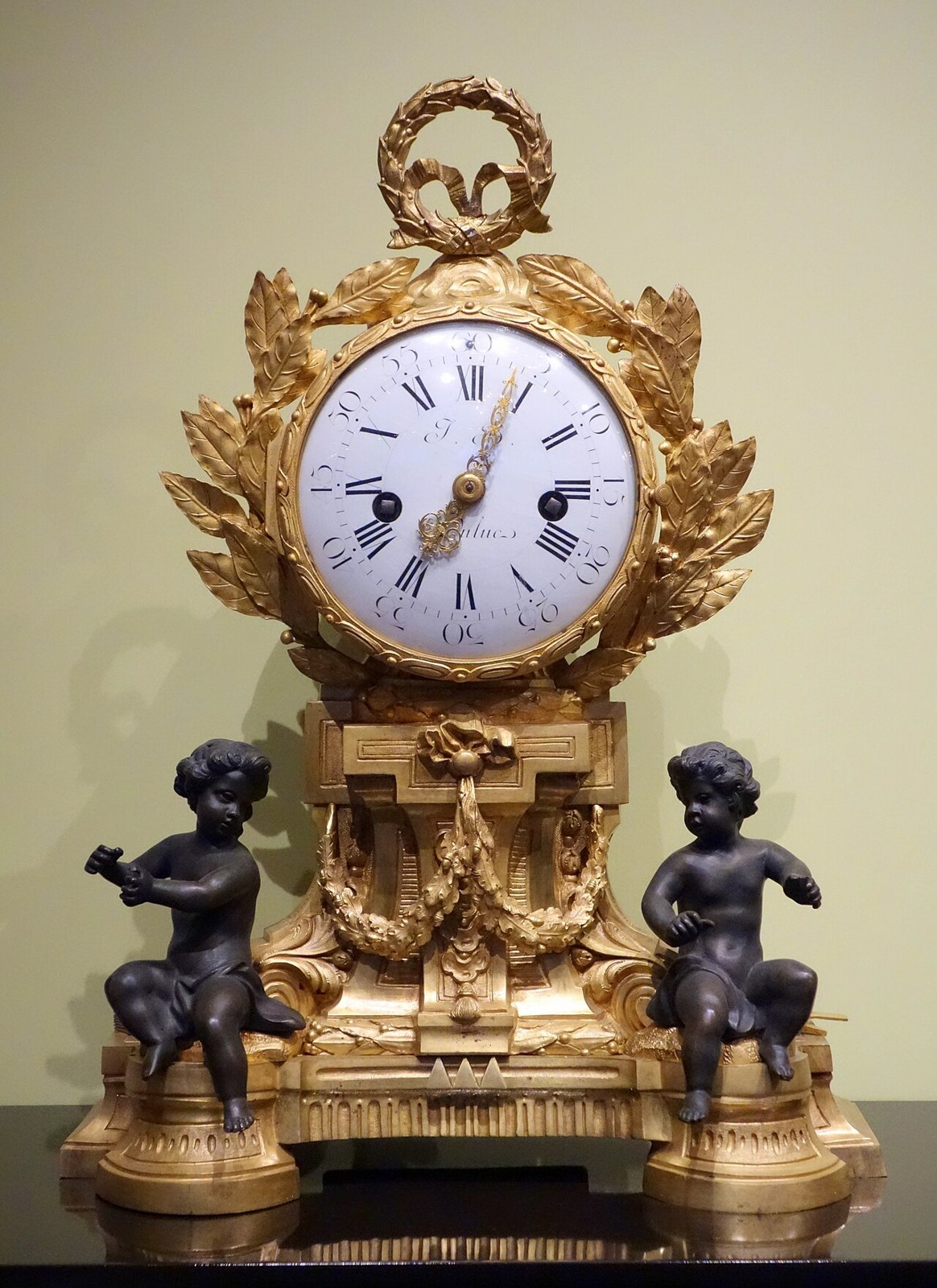
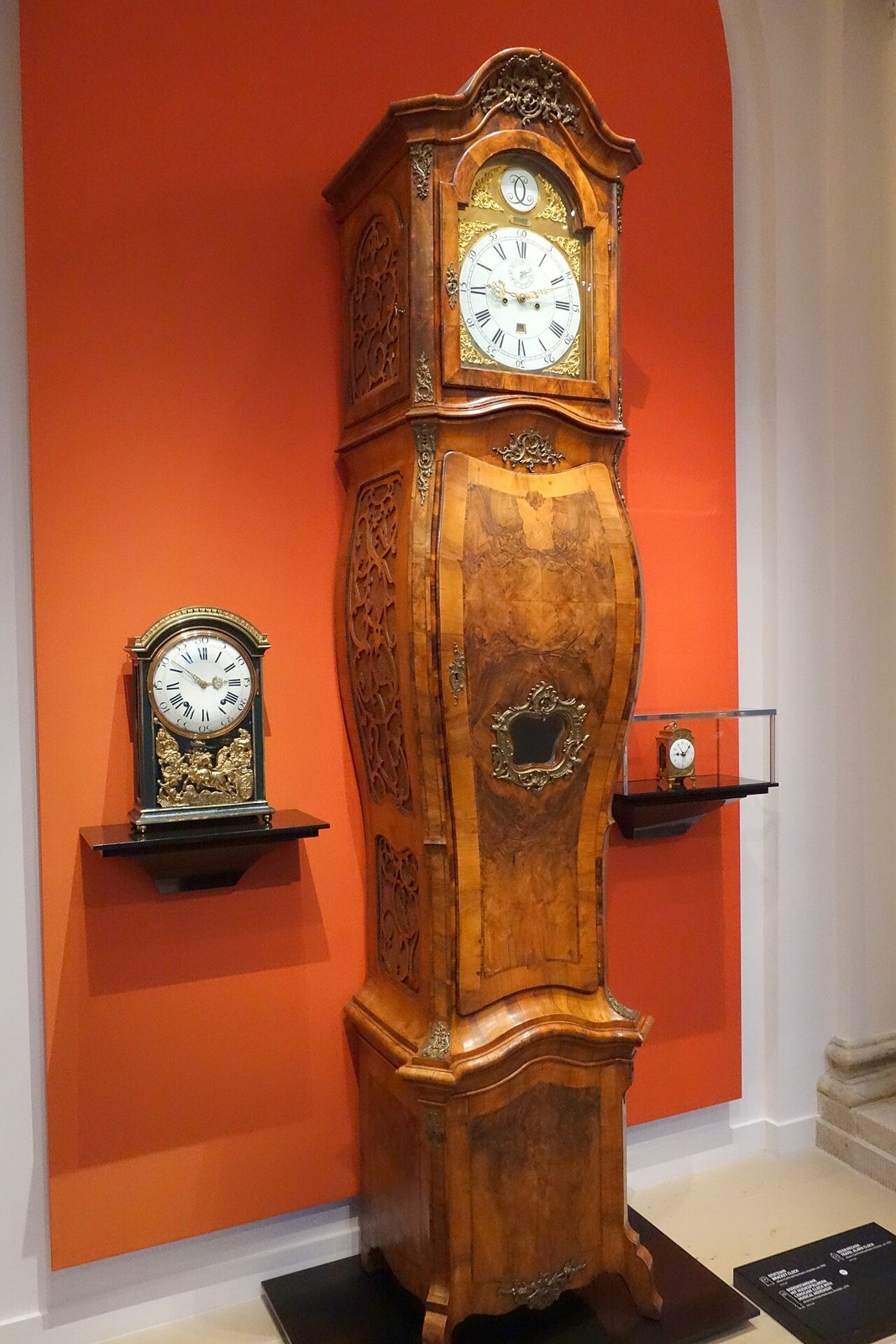
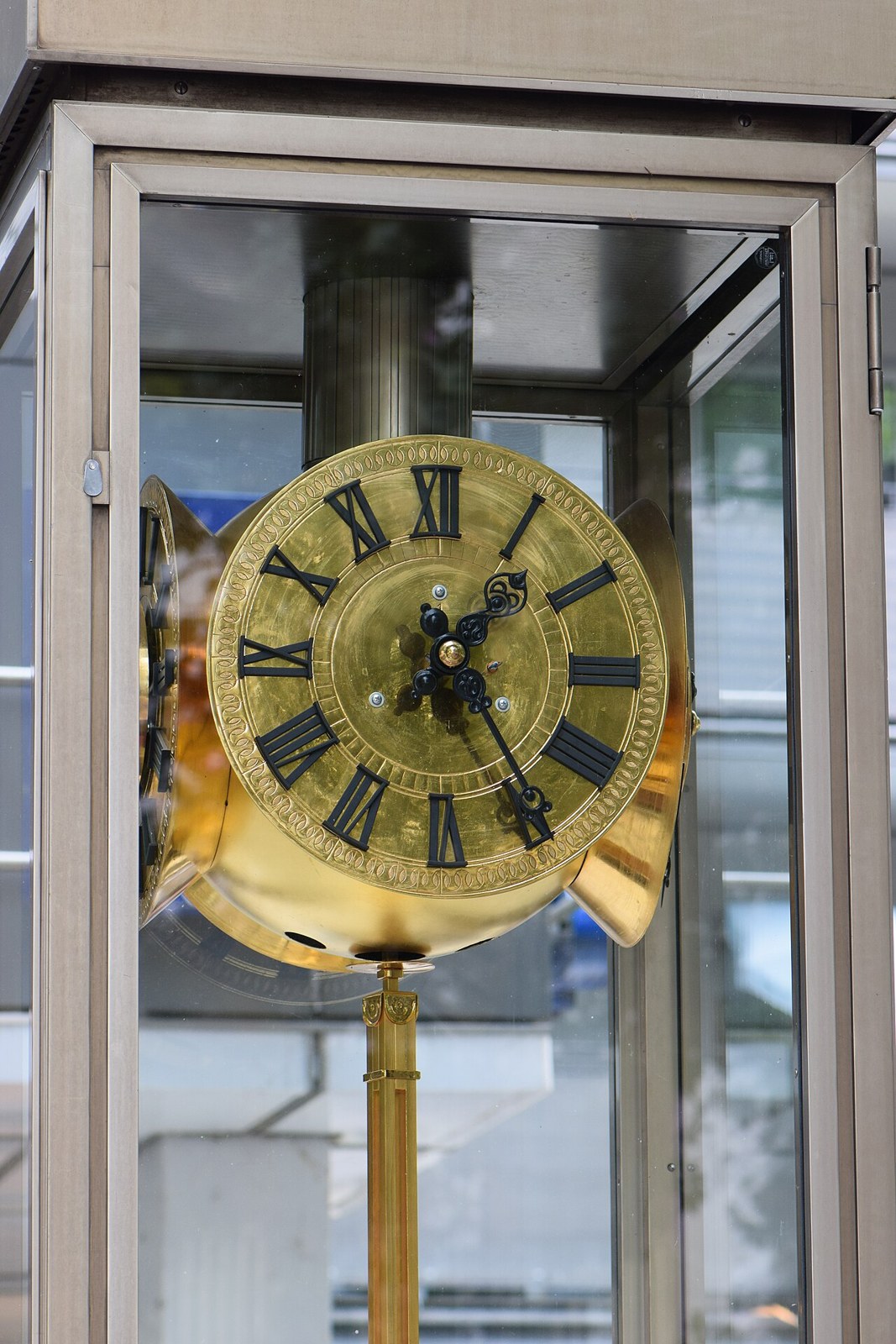
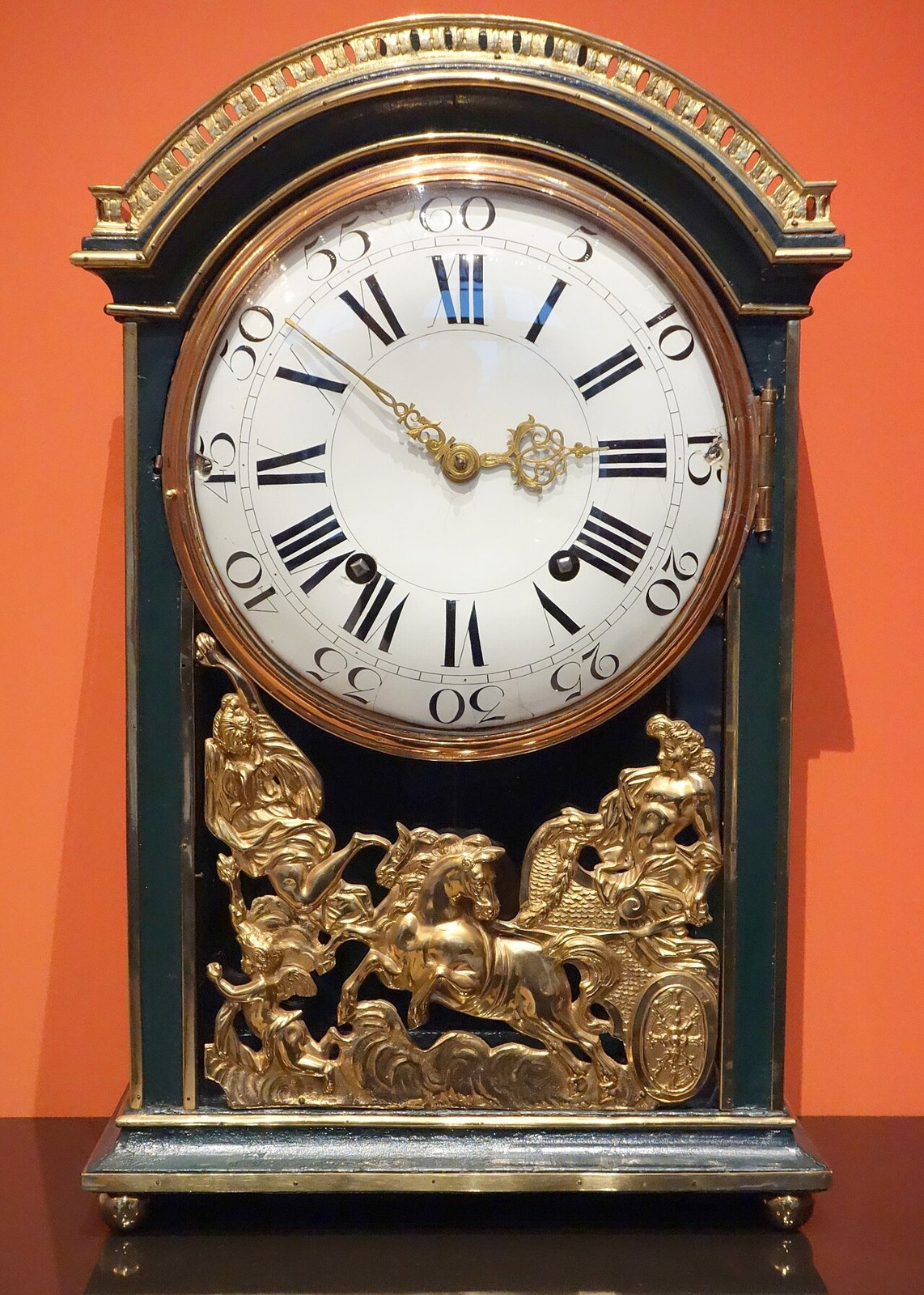
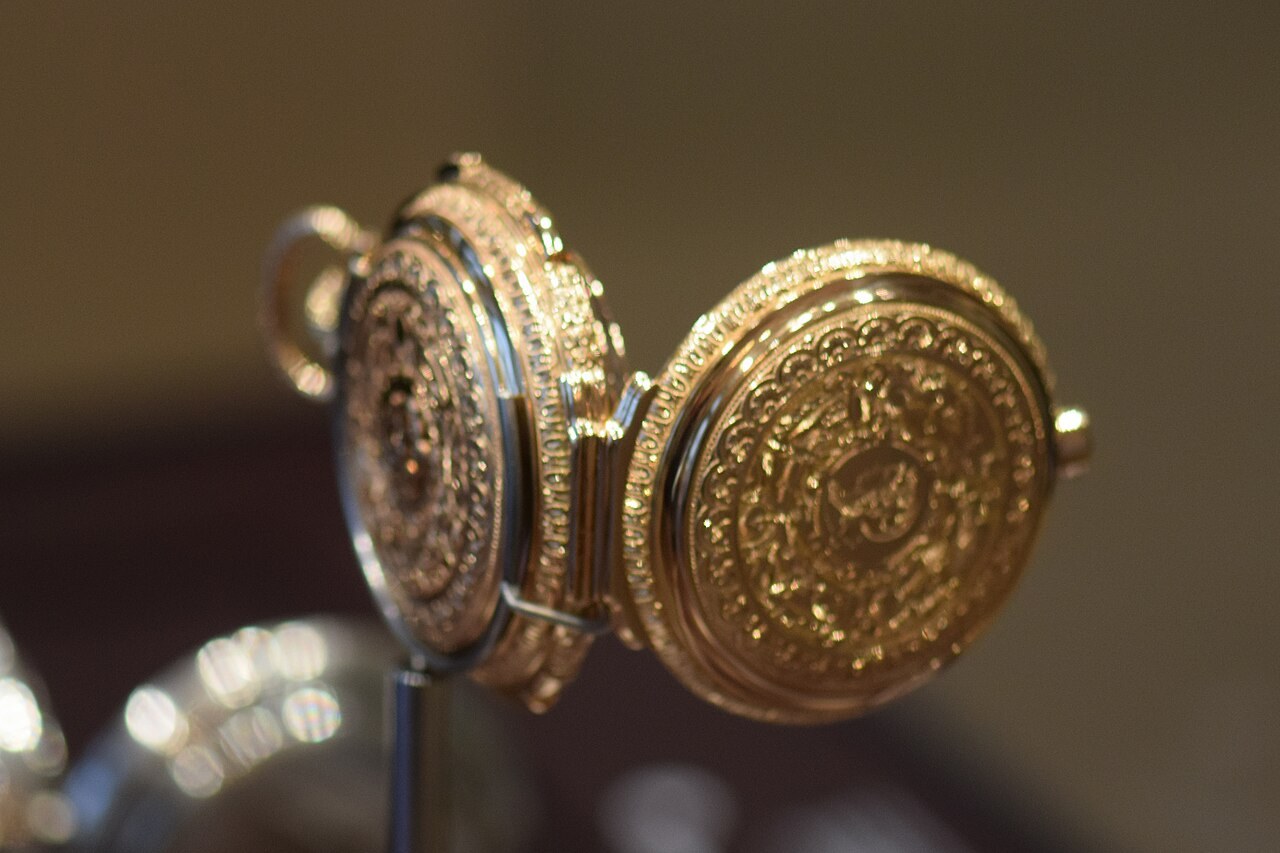
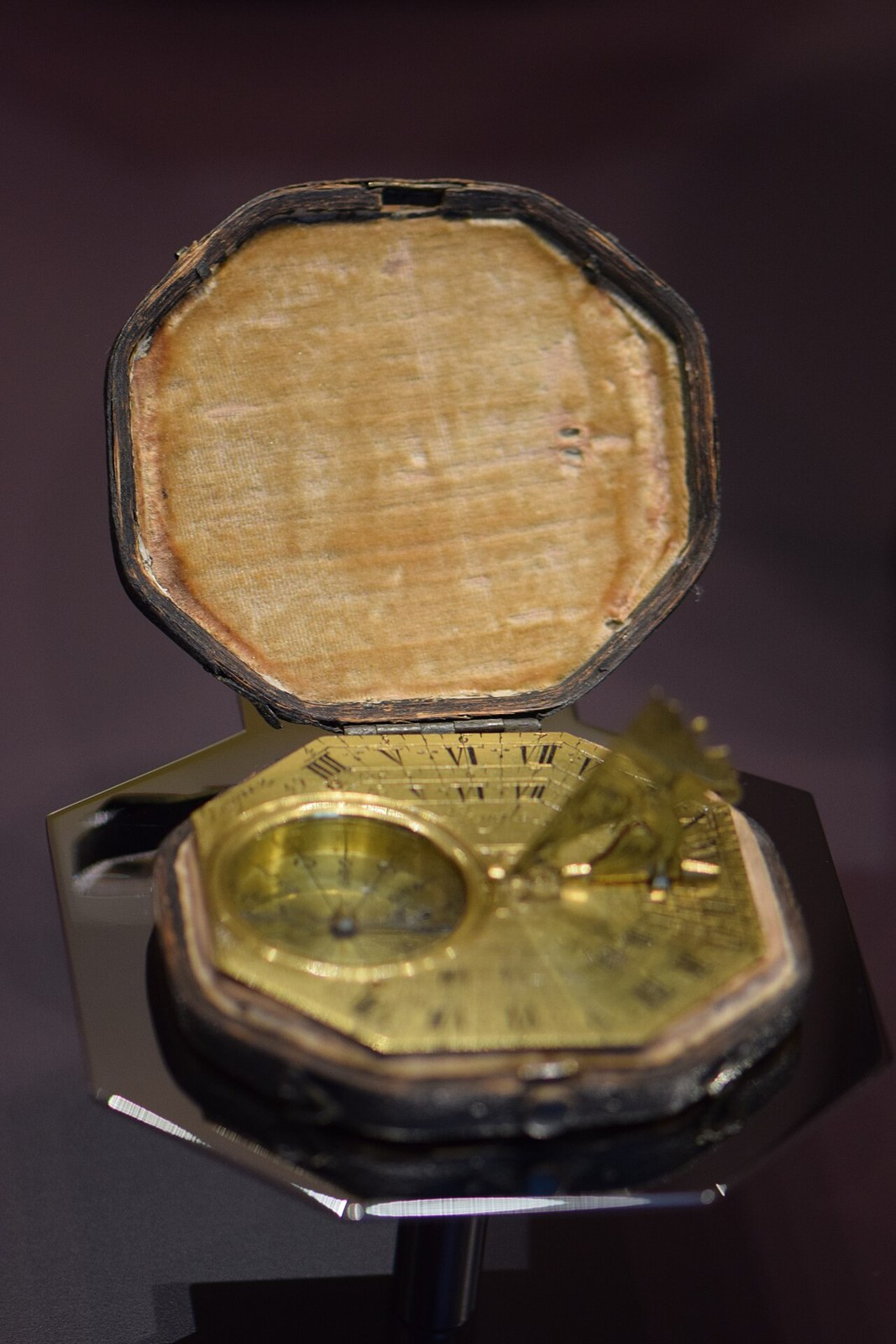
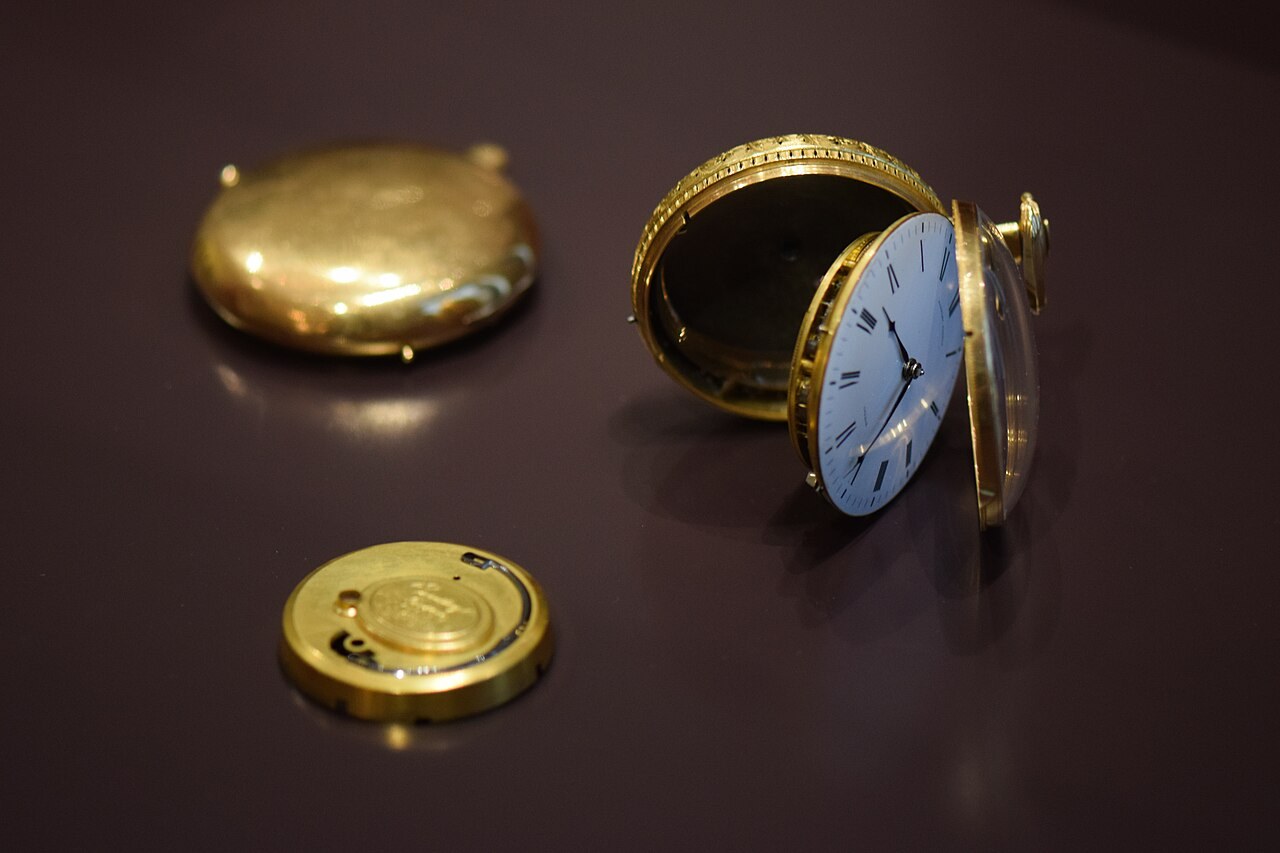
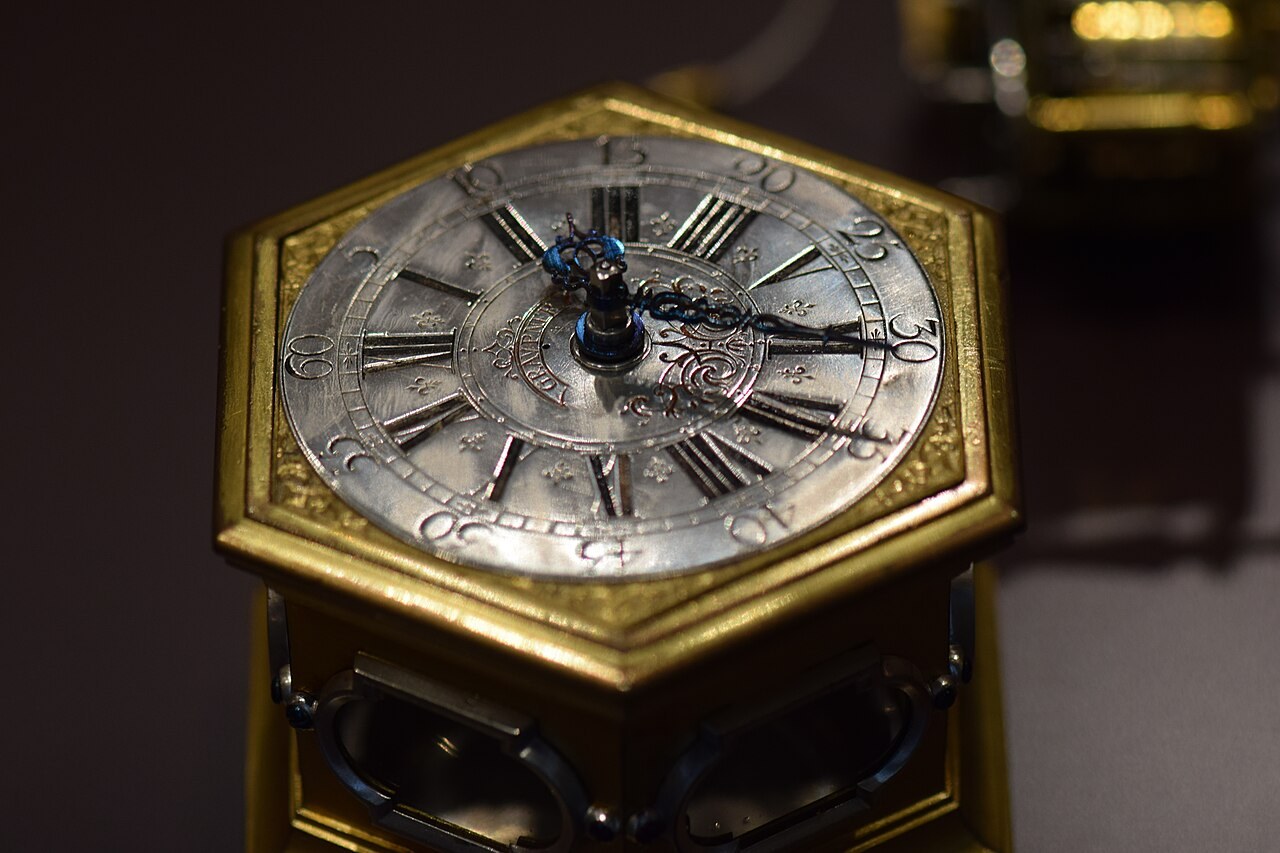
The caption identifies the institution shown; follow the source record for attribution and context.
Overview
The Mathematisch-Physikalischer Salon, part of the Staatliche Kunstsammlungen Dresden and housed in the Zwinger, presents scientific instruments collected by the Saxon court. The museum compares the telescopes, pocket watches and celestial models gathered under Augustus the Strong to the advanced technology of their time. Clocks and watches are therefore shown alongside globes, calculating machines and astronomical instruments.
Its 2015 exhibition Einfach – Vollkommen, for the 200th birthday of Ferdinand Adolph Lange, used around 80 exhibits to trace Saxon precision watchmaking. It presented the amateur Johann Heinrich Seyffert and the master watchmaker Johann Christian Friedrich Gutkaes as pioneers whose work preceded Lange's founding of pocket-watch manufacture. That exhibition is over, but it shows the museum's role in the history of Glashütte watchmaking.
The Salon im Salon learning area offers demonstrations of historic experiments, an open part of the museum store and animations of the insides of selected exhibits. It is a recognised school laboratory.
Collection focus
- Saxon court scientific instruments and timepieces
- Pocket watches, clocks and celestial models
- Saxon precision watchmaking from Seyffert and Gutkaes to Lange
- Open study store and learning area
Using it for research
- Keep the Salon distinct from the Glashütte watch museum; they hold different collections.
- Treat the 2015 Lange exhibition as past; confirm whether an object is currently shown.
- Use SKD online collection records for object numbers where available.
Before you visit
- Check the official site for notices: the museum announced a closure of its Globe Hall for exhibition works from 12 to 15 October 2026.
- Bookings for learning-area sessions can note wheelchair users or visual impairments in advance.