
Museum · Copenhagen, Denmark
Jens Olsen's World Clock
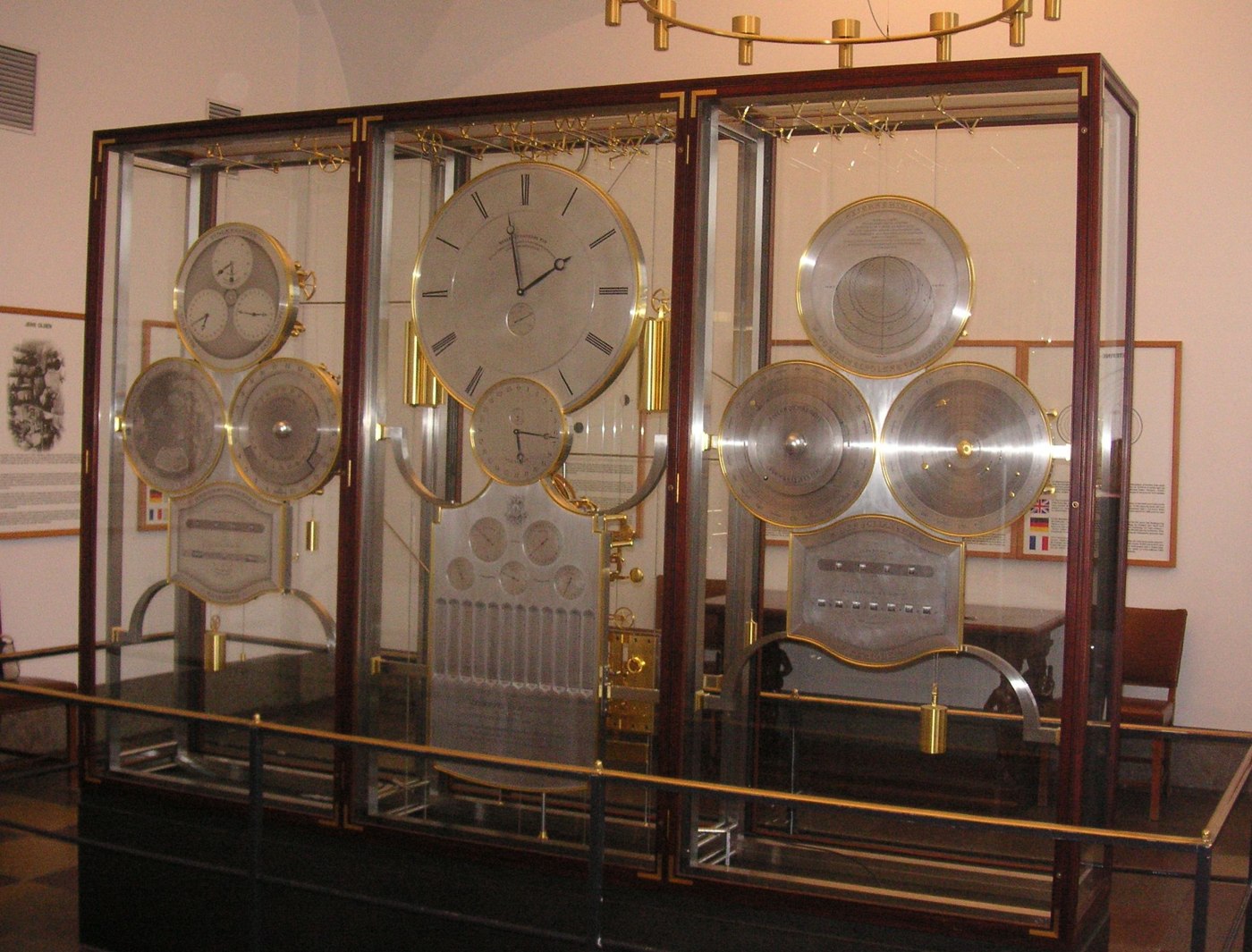
Astronomical clock in Copenhagen City Hall.
Institution photographs

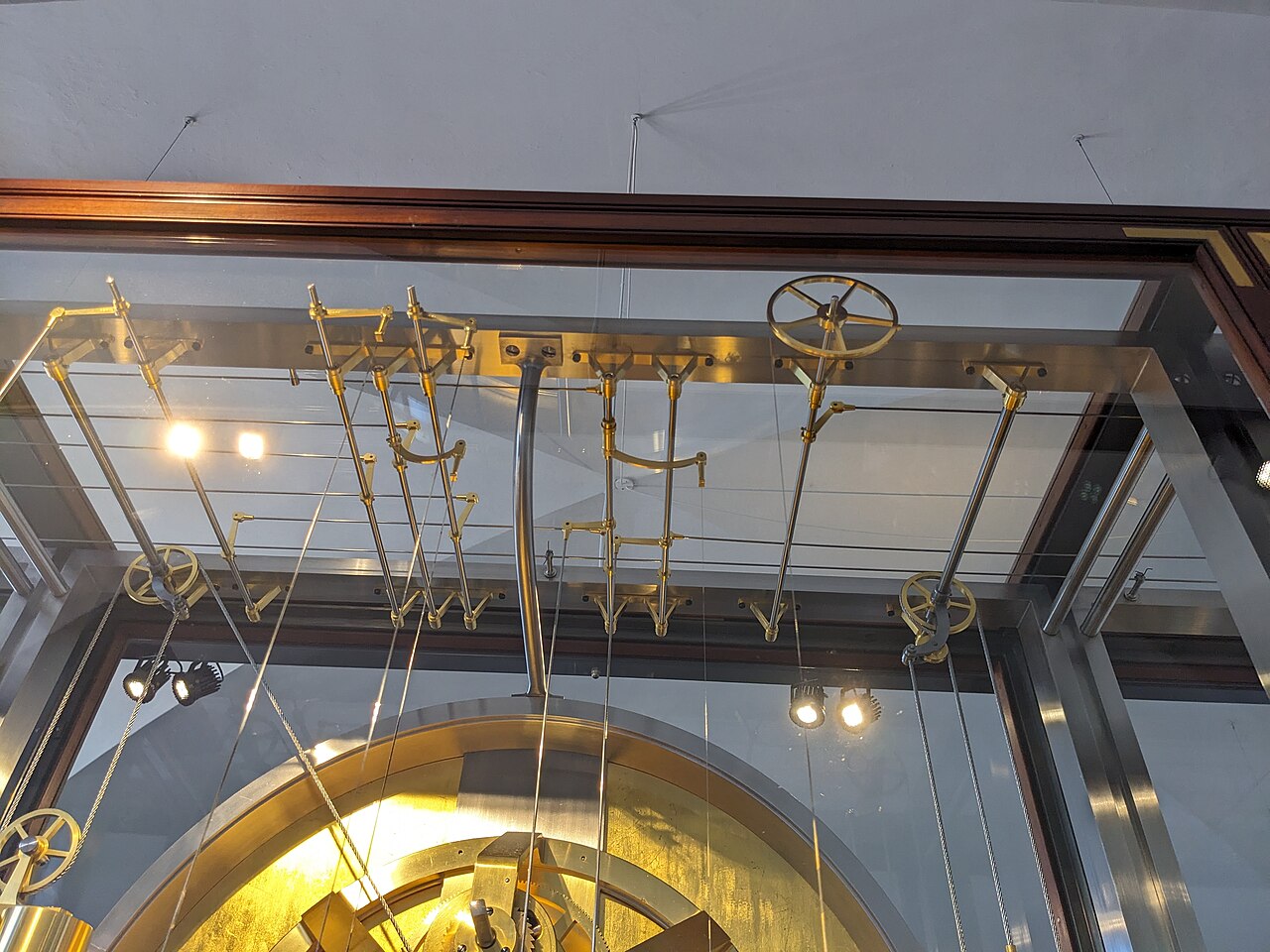
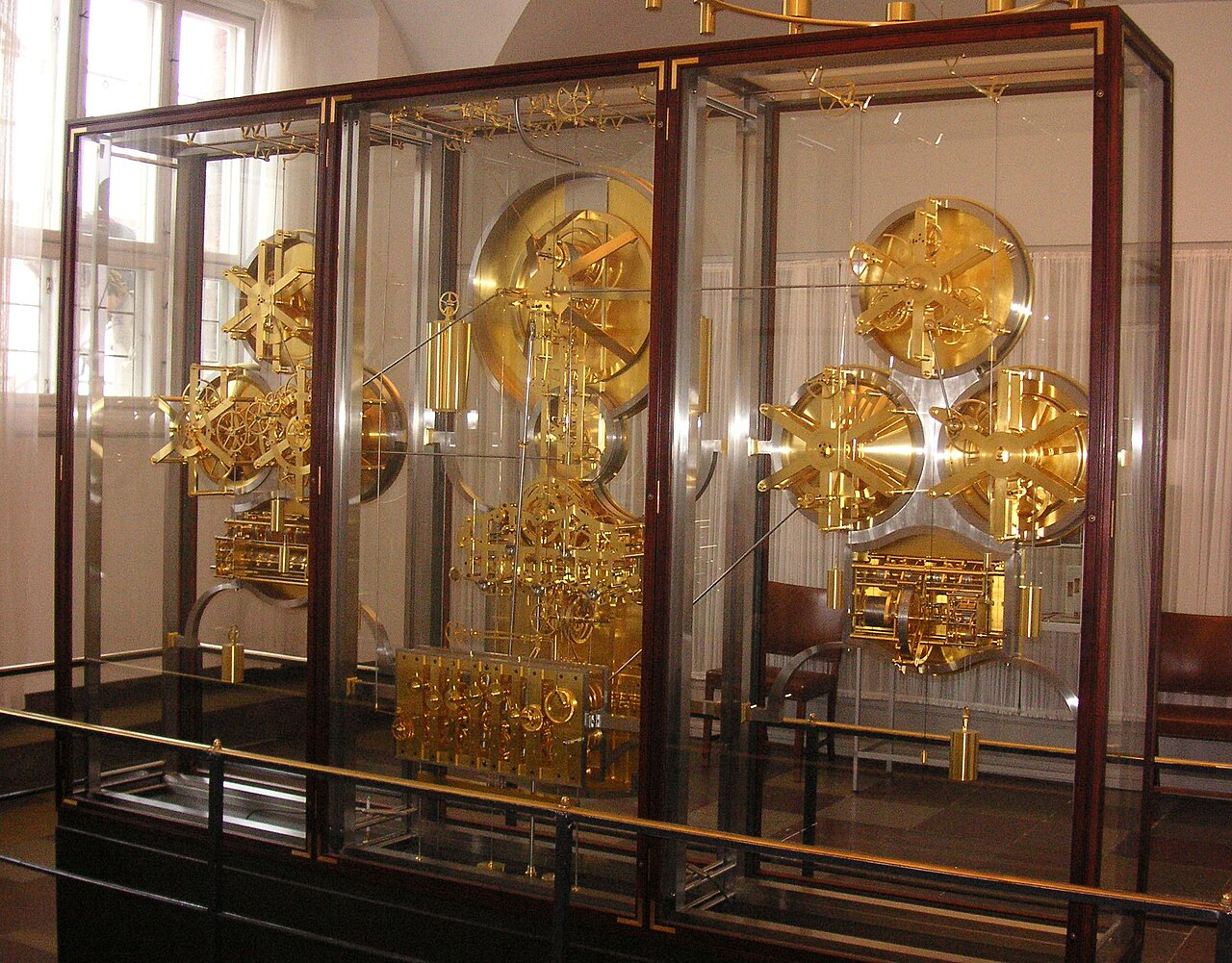
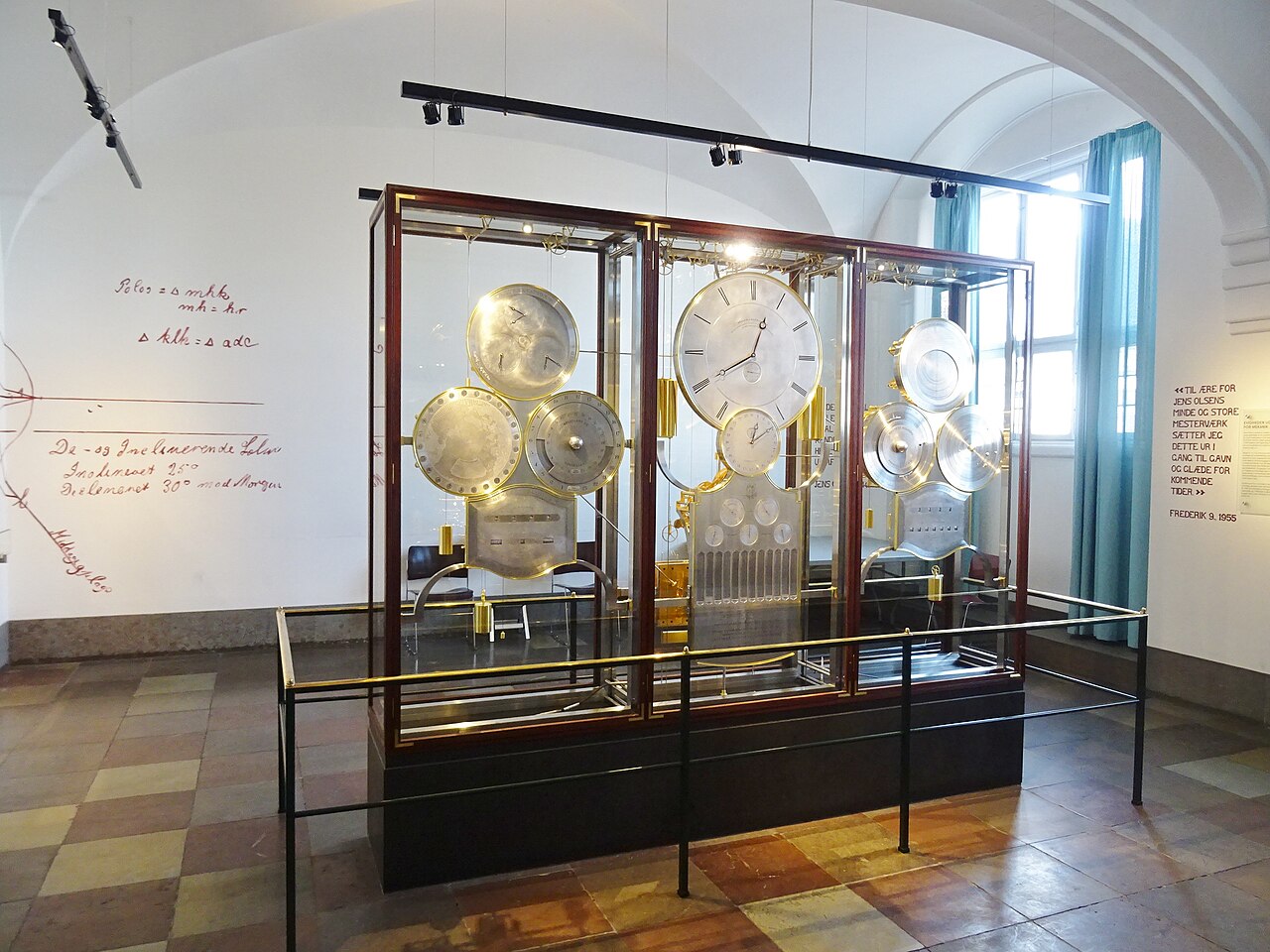
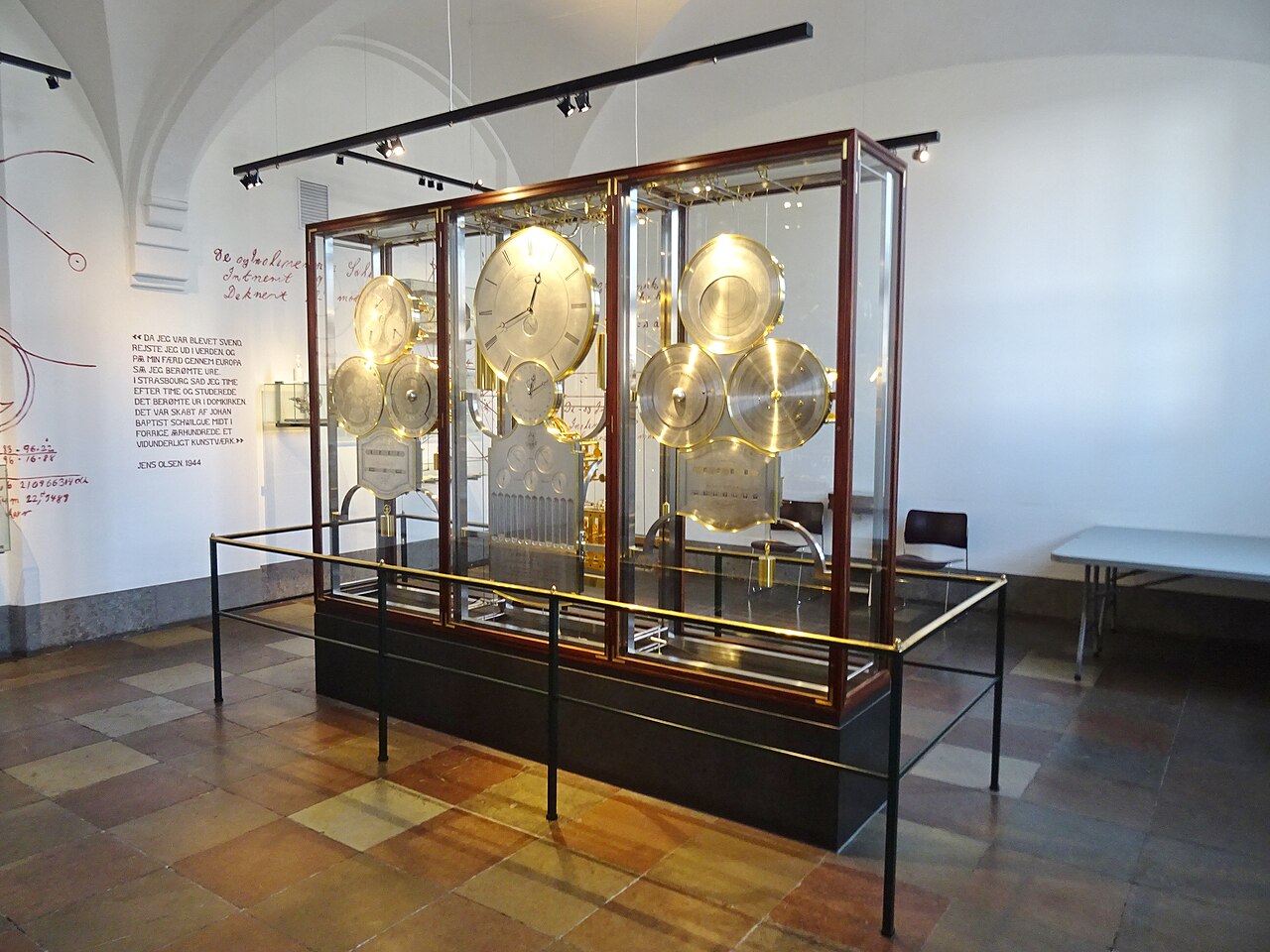
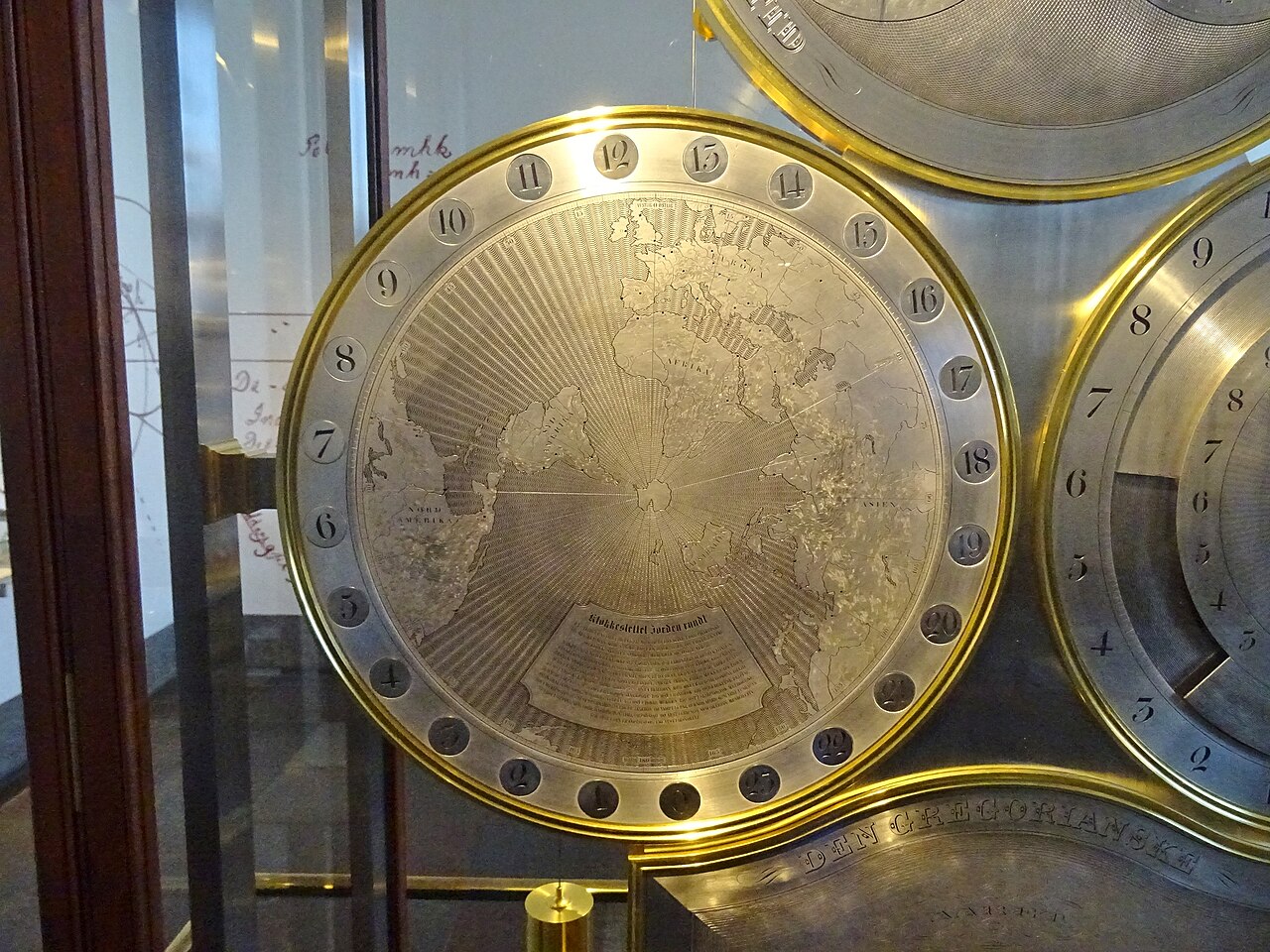
The caption identifies the institution shown; follow the source record for attribution and context.
Overview
Jens Olsen's World Clock stands to the right of the main entrance of Copenhagen City Hall. It was created by the clockmaker Jens Olsen (1872–1945) and, according to the City of Copenhagen, was started by King Frederik IX on 15 December 1955. It is a single astronomical clock rather than a museum collection.
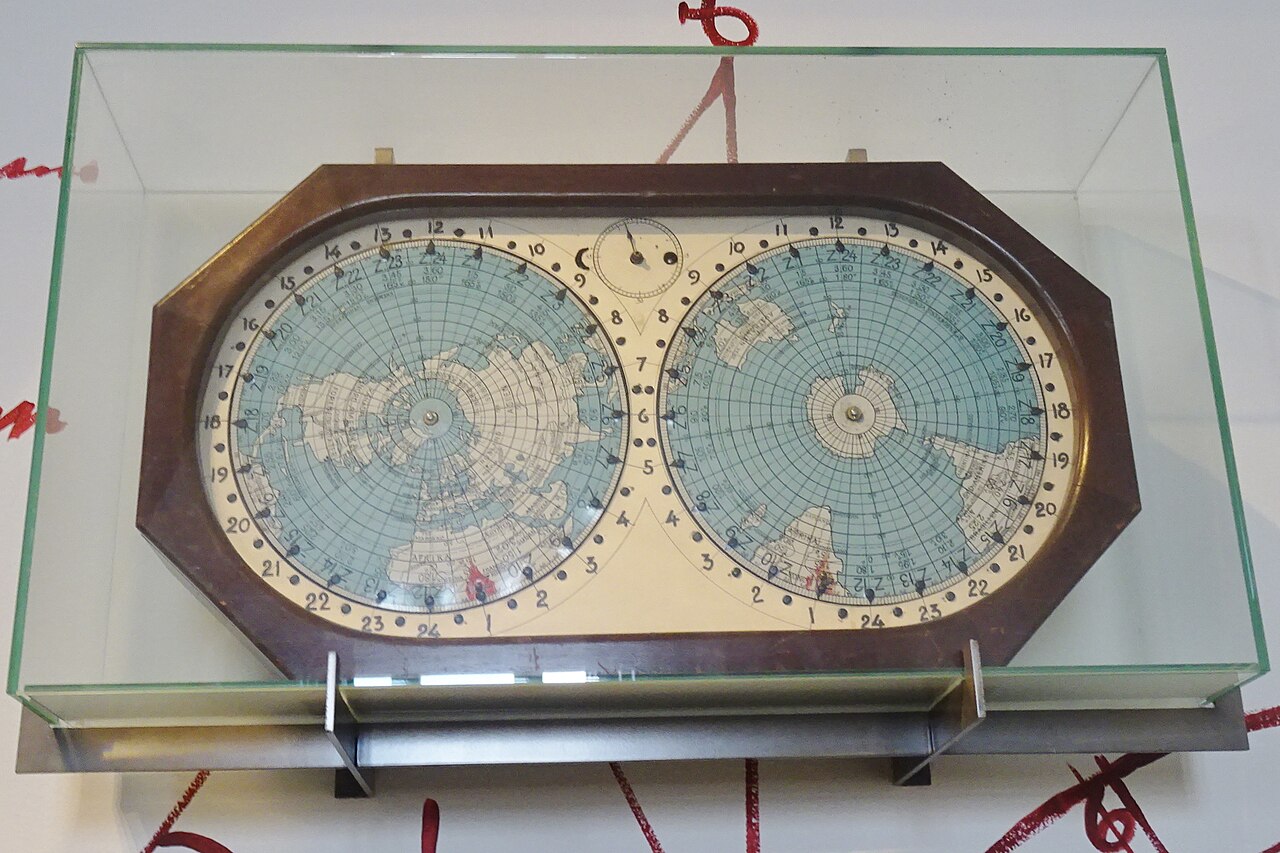
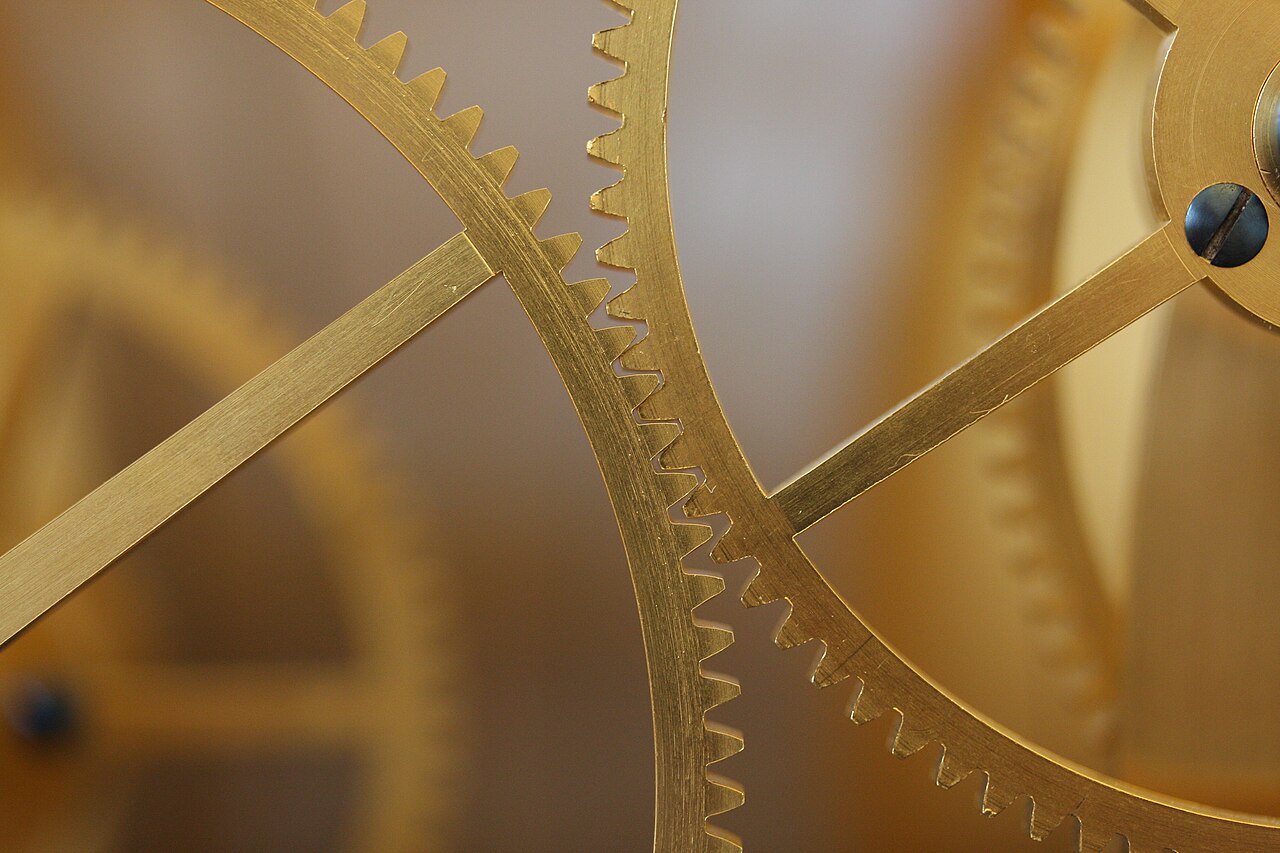
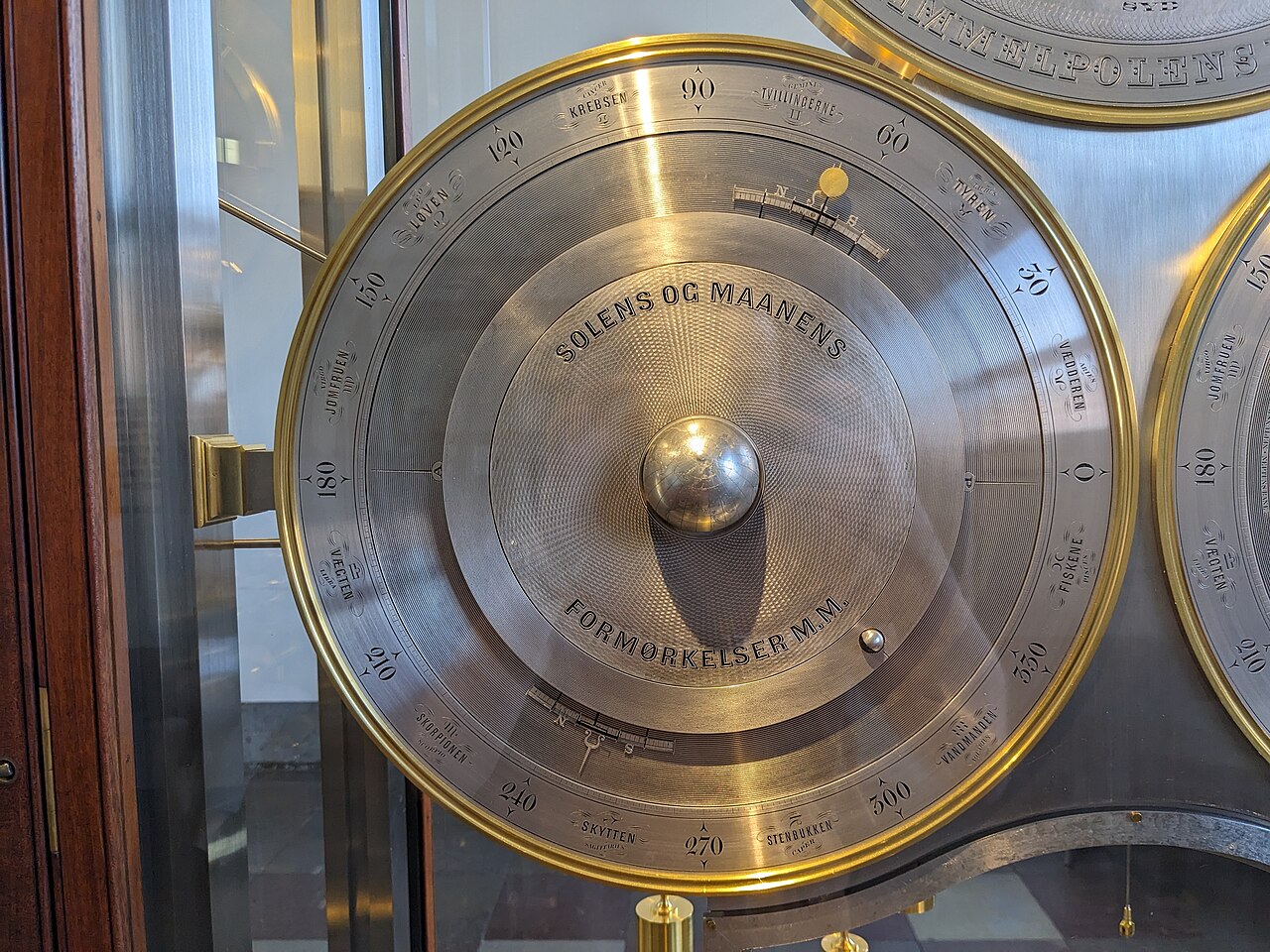
The city states that the clock shows the time, the sky above the City Hall and the time in other parts of the world, that it is wound once a week, and that each New Year at midnight it spends six minutes calculating the coming year's holidays and full moons. The city also describes its gears as gilded and its metal dials as rhodium-plated.
The city's page gives the number of parts as 14,448, while other published accounts give 15,448. The city also calls it the world's most precise mechanical clock; that is the owner's claim, made without a stated comparison, and should be cited as such.
Collection focus
- Astronomical and world-time indications
- Annual mechanical calculation of holidays and full moons
- Very slowly rotating gearing
Key pieces
- Jens Olsen's World Clock (started 1955)
- Astronomical clock in Copenhagen City Hall; the City of Copenhagen describes its displays, weekly winding and New Year calculation. Museum reference
Collection highlights are not a guarantee of current display; confirm with the institution before travelling.
Using it for research
- Note that published part counts differ (14,448 on the city's page; 15,448 elsewhere).
- Cite precision and 'slowest gear' claims as the city's statements.
Before you visit
- The clock is inside Copenhagen City Hall; check the city's page for current access to the building.