
Movement record · Switzerland
Jaeger-LeCoultre Calibre 101
Partially verifiedExtremely small rectangular manual calibre
Technical specifications
- Diameter
- Very small rectangular form; dimensions quoted vary by source
- Height
- 3.4mm (per cited source)
- Jewels
- Varies by generation
- Frequency
- 21,600 vph (3 Hz) in later generations
- Power reserve
- Approx. 30 hours
- Winding
- Manual, stem wind
- Setting
- Pendant set
- Escapement
- Swiss lever
- Balance
- Very small balance
- Complications
- Hours and minutes only
Identification features
- Exceptionally small rectangular movement, normally identified by documentation rather than by sight
- Linear layout with very small parts
- Rectangular shape; weighs about a gram
- Rear winding and setting in many fittings
- The movement is defined by its extreme dimensions of 14mm in length, 4.8mm in width, and 3.4mm in thickness.
- It incorporates signature design elements like two main plates and a split-level concept.
Known variants
- Successive generations with revised construction
- Gold and platinum-cased jewellery versions
Servicing notes
Cleaning, lubrication, mainspring and pivot work belong with a qualified watchmaker working from calibre-specific documentation. Conserve original parts: replacing a worn component with a modern substitute changes the object, and refinishing plates or dials destroys evidence.
General guidance only. Antique movements should be serviced by a qualified watchmaker.
Historical significance
Jaeger-LeCoultre's tiny rectangular manual-wind movement, introduced in 1929; still one of the smallest mechanical movements made, used in jewellery watches.
Introduced by Jaeger-LeCoultre in 1929, the Calibre 101 is a manually wound movement measuring about 14 mm by 4.8 mm by 3.4 mm. Fratello and Watchbase describe it as the smallest mechanical watch movement ever produced. It was historically integrated into high-end jewellery watches by brands including Cartier, as well as being worn by Queen Elizabeth II at her 1953 coronation. The calibre remains in production and continues to be refined by the manufacturer.
The added history summarises the open references listed under Sources; each statement was checked against the cited passage.
Photographs
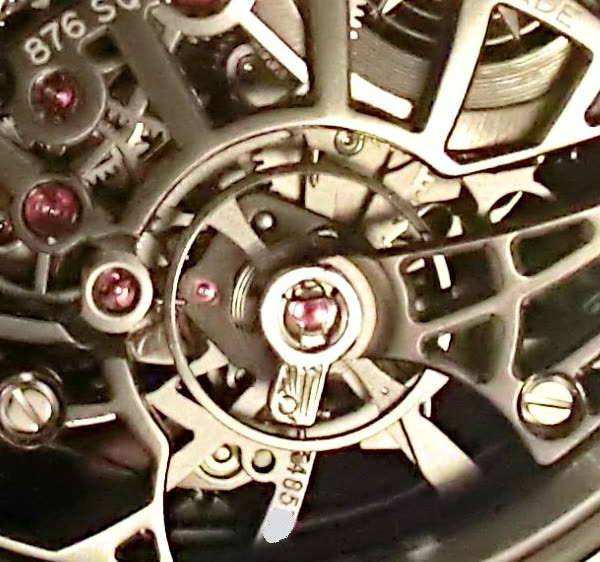
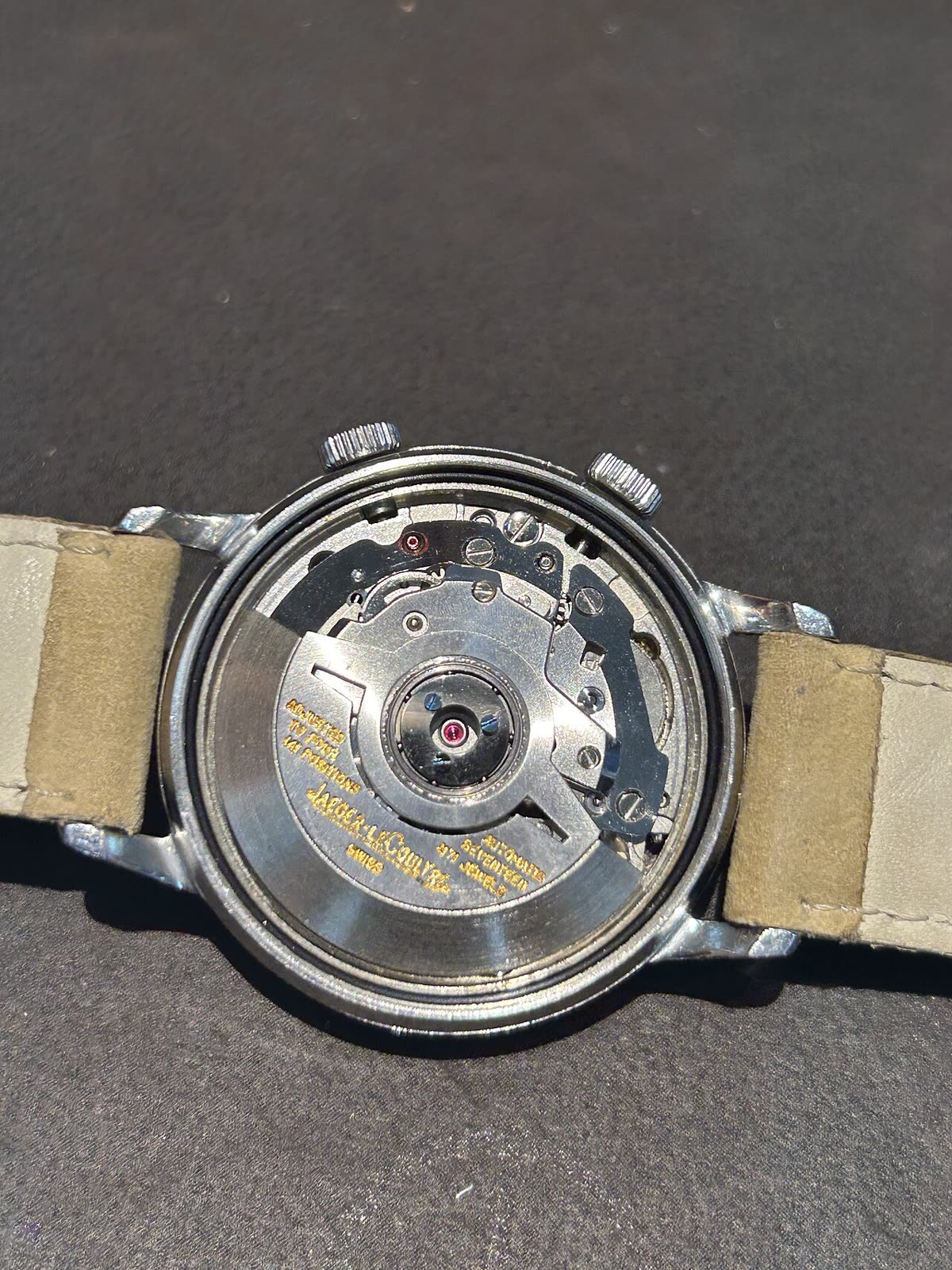
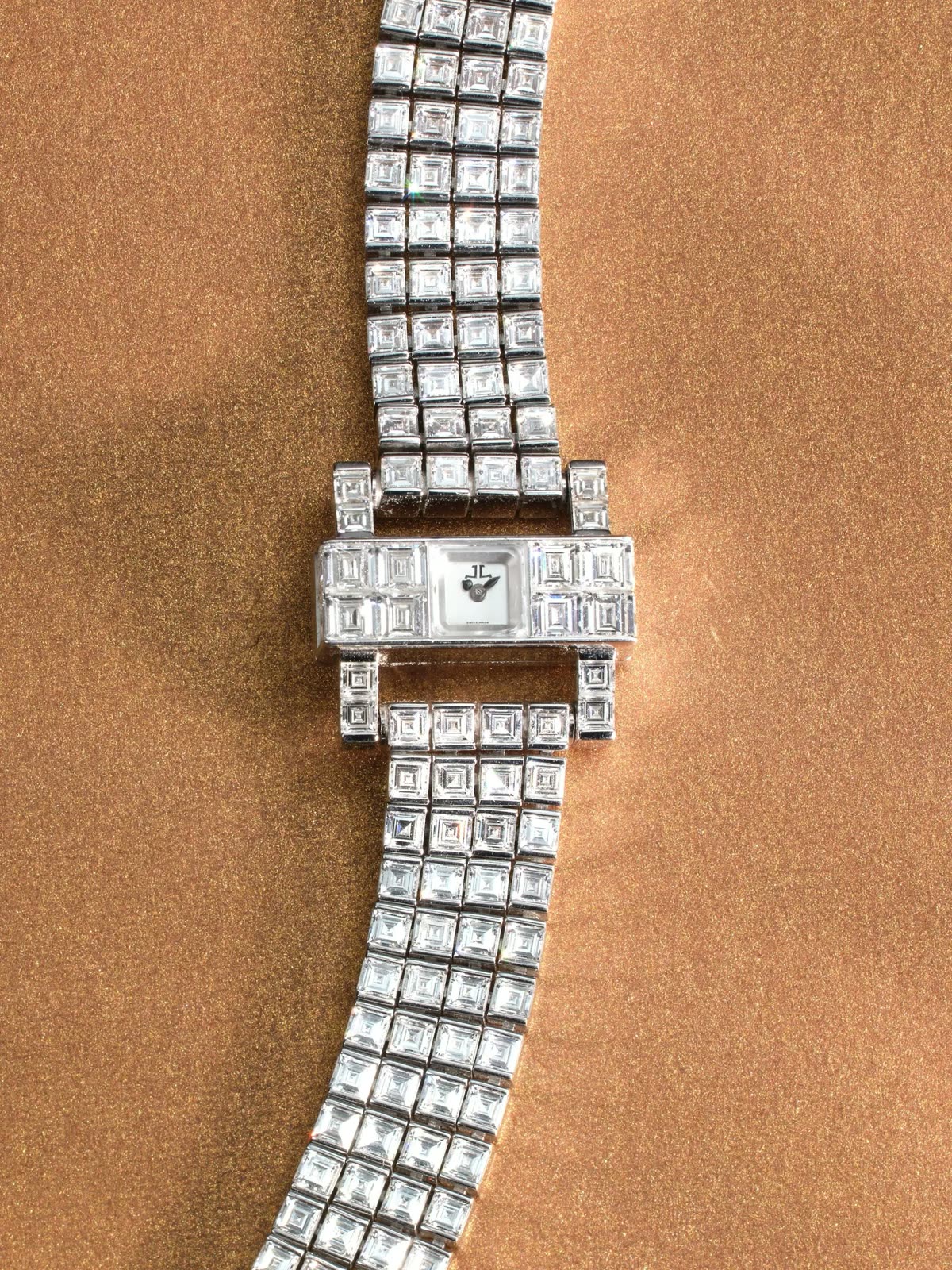
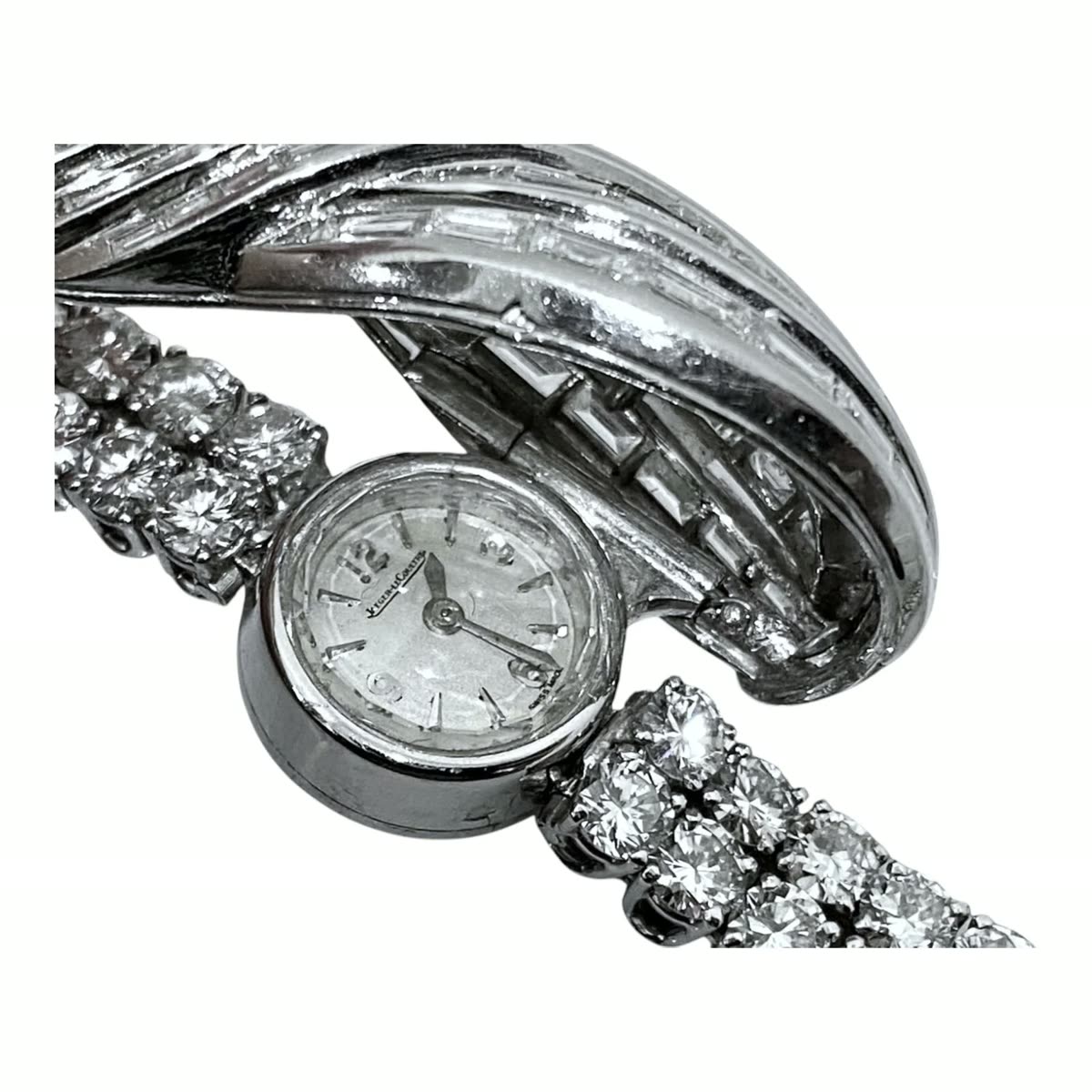
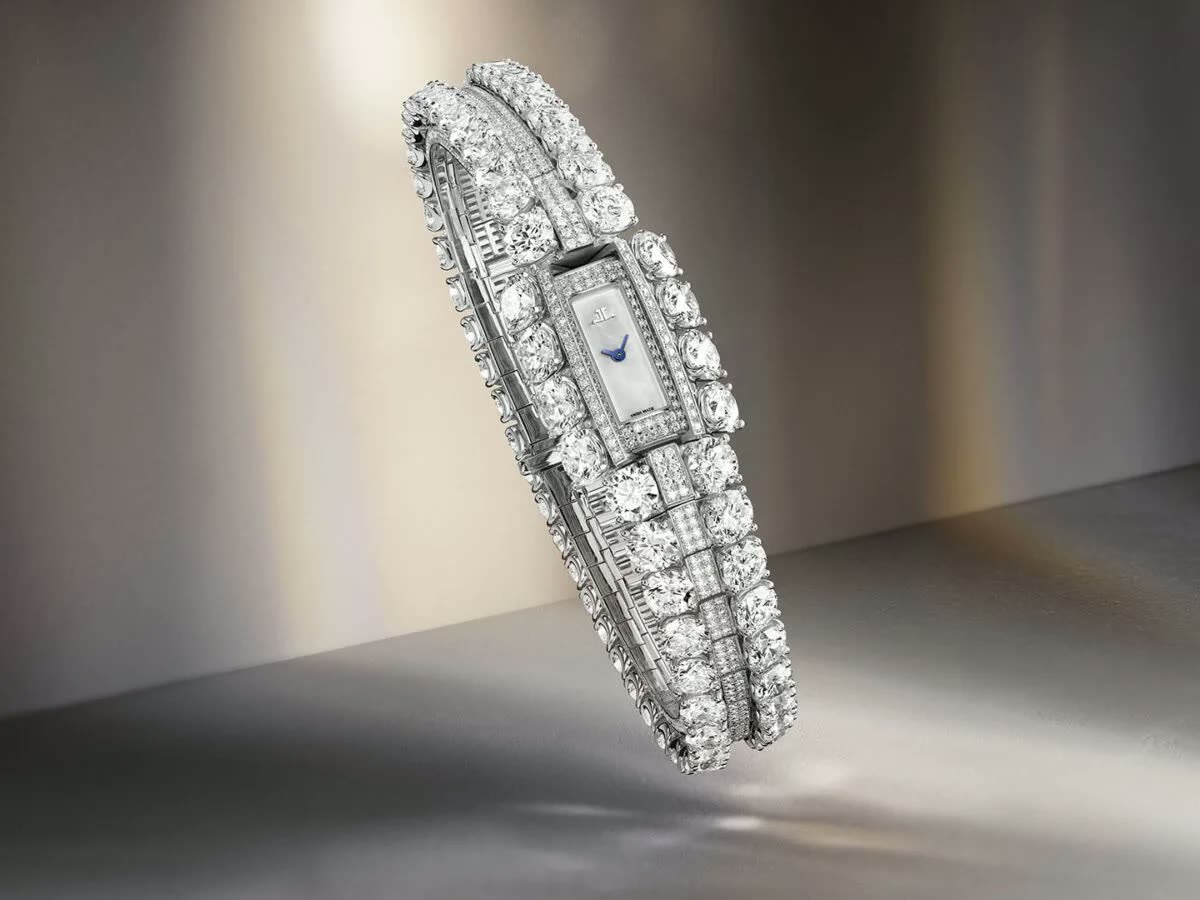
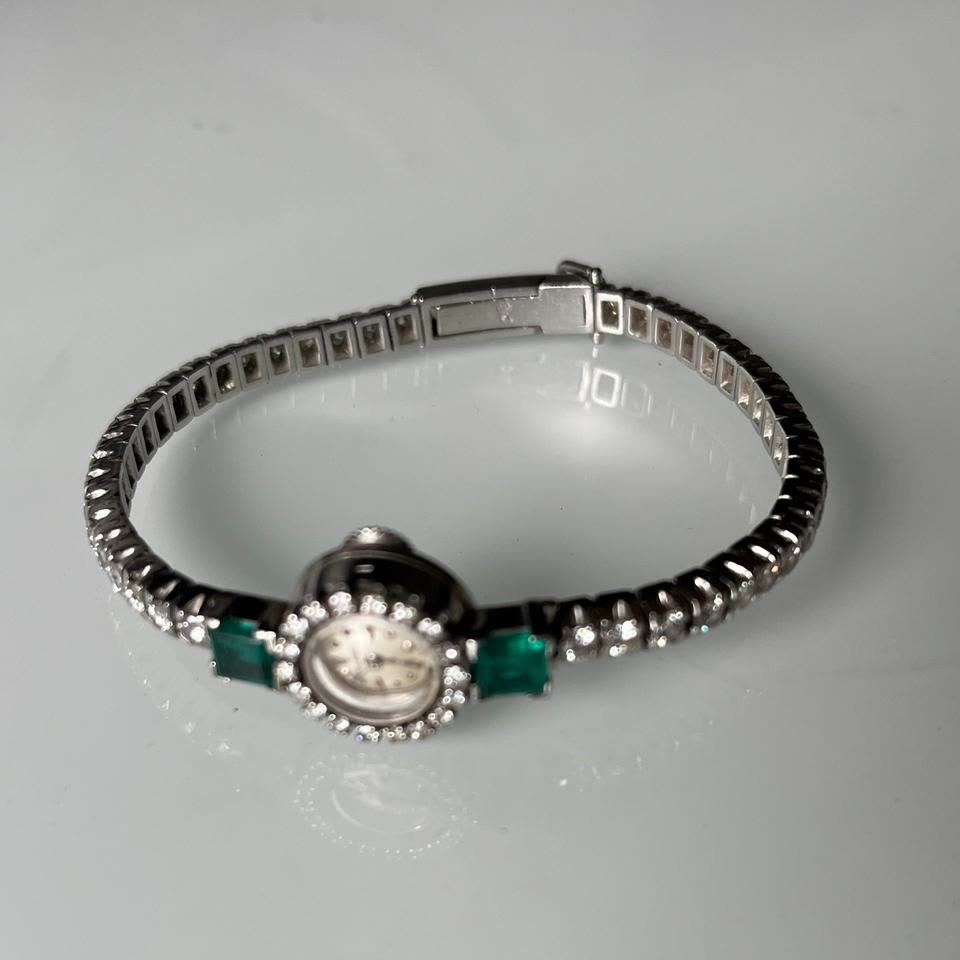
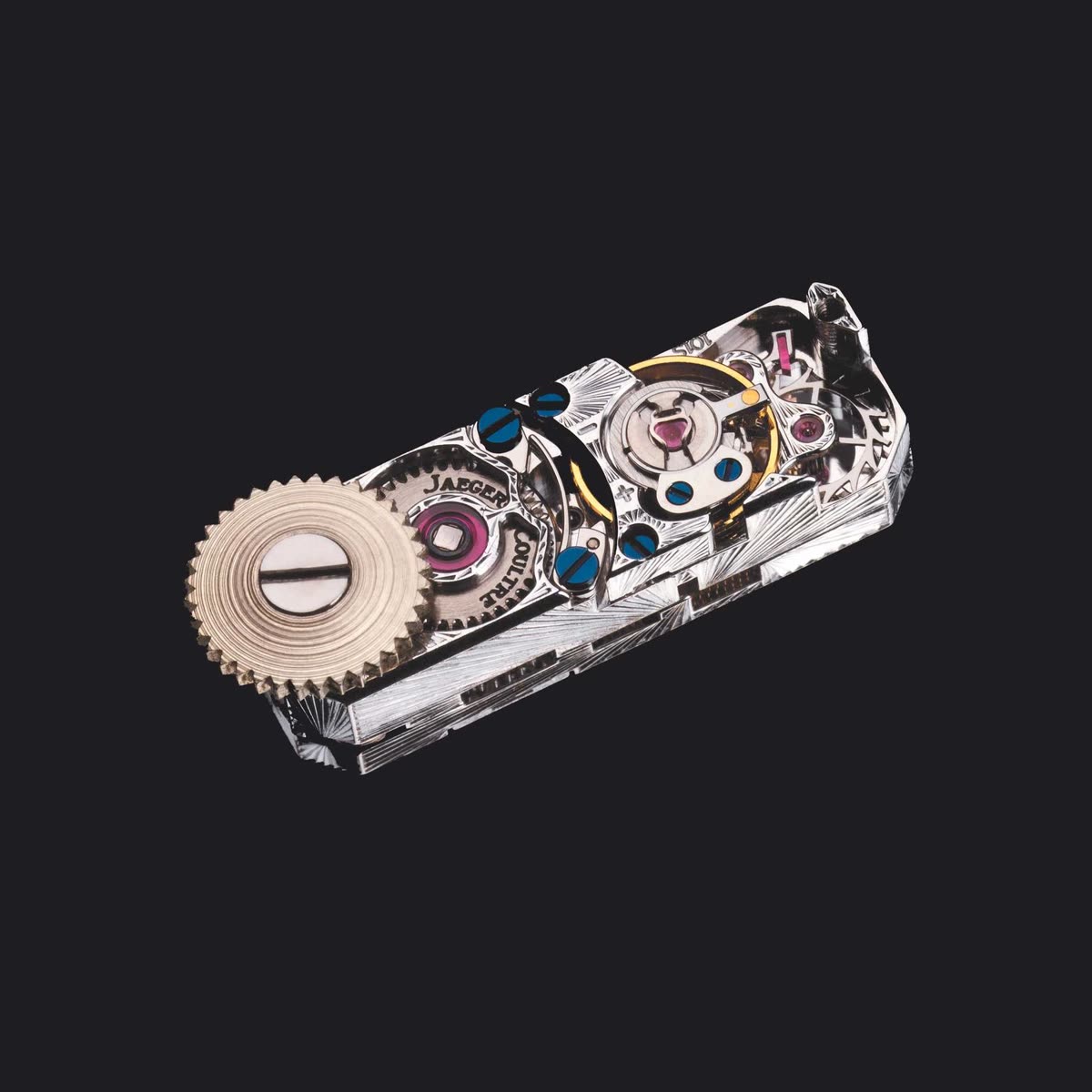
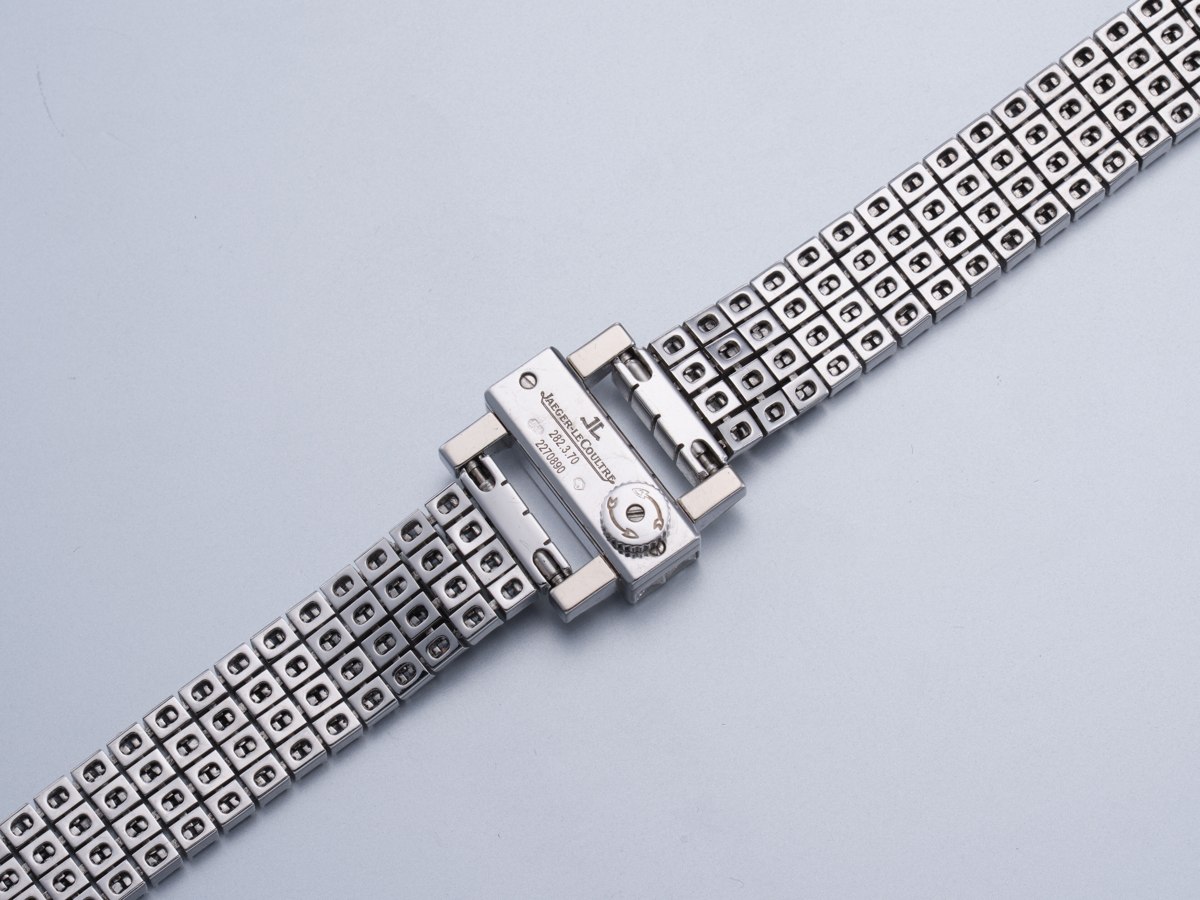
Photographs are illustrative examples of the type, not necessarily the exact object described. Verify details against the source file page.
Sources & references
- Jaeger-LeCoultre Caliber 101: The Smallest Watch Movement Ever, fratellowatches.com, retrieved 2026-11-04 (paraphrased; text © the publisher)
- Jaeger-LeCoultre caliber 101, watchbase.com, retrieved 2026-11-04 (paraphrased; text © the publisher)
- Jaeger-LeCoultre Calibre 101 - The World's Smallest Movement, blackbird-watchmanual.com, retrieved 2026-11-04 (paraphrased; text © the publisher)
- Calibre 101: The World's Smallest Mechanical Watch Movement, the-cartiers.com, retrieved 2026-11-04 (paraphrased; text © the publisher)
- de Carle, D., Watch and Clock Encyclopedia
- Period trade material catalogues and calibre reference compilations (edition-dependent)
- Published manufacturer technical documentation where available
Where sources disagree, the disagreement is stated rather than resolved silently.