
Brooklyn, New York, United States
Self Winding Clock Company
Partially verifiedElectrically wound synchronised clocks
History
Supplied clocks to railways and Western Union time services.
The Self Winding Clock Company was established in 1886 in Brooklyn, New York, with Chester Henry Pond and Charles Pratt serving as founders. Early production relied on movements sourced from the Seth Thomas Clock Company and E. Howard & Co., but by 1892, the company began manufacturing its own clock movements. The business maintained a significant partnership with Western Union starting in 1889, where SWCC provided synchronized clocks for telegraph-based time services. Operations continued until the company moved to 75 Varick Street in New York during the 1950s, eventually ceasing activities around 1970 following the end of its Western Union partnership.
The extended history summarises the open references listed under Sources; each statement was checked against the cited passage. Confirm key dates in period documents before relying on them.
Timeline
Self Winding Clock Company's recorded dates, dated events from this profile and its sources, and dated pieces and sales from the object catalogue. Dates are as each record gives them.
1886 · Career
Founded (Brooklyn, New York)
1886 · Career
The Self Winding Clock Company was established in 1886 in Brooklyn, New York, with Chester Henry Pond and Charles Pratt serving as founders.
1886 · Career
A correction device was patented in 1886 to synchronize clock hands using an electric current triggered by telegraph time signals.
1889 · Career
The business maintained a significant partnership with Western Union starting in 1889, where SWCC provided synchronized clocks for telegraph-based time services.
1892 · Career
Howard & Co., but by 1892, the company began manufacturing its own clock movements.
c. 1970 · Career
Ceased trading under this name
1970 · Career
Operations continued until the company moved to 75 Varick Street in New York during the 1950s, eventually ceasing activities around 1970 following the end of its Western Union partnership.
1970 · Career
The Self Winding Clock Company ceased its clock manufacturing operations around 1970.
Current watchmaking & later fate
- The Self Winding Clock Company ceased its clock manufacturing operations around 1970.
As stated in the references listed under Sources, retrieved 2026-10-27. Ownership and collections change; check the maker's own announcements for the latest position.
Major innovations
- The company developed a patented mechanism that automatically rewinds the main spring every hour using an electric motor.
- A correction device was patented in 1886 to synchronize clock hands using an electric current triggered by telegraph time signals.
- The Vibrator or F movement replaced rotary motors with a vibrating up and down motion to rewind the mainspring.
Known markings
- Clock movements manufactured by the company after 1892 were stamped with the Self Winding Clock Co. name.
Serial numbers
This archive holds no verified serial-number table for this maker. Do not date a piece from its serial number alone; use case hallmarks, movement design and documented comparison examples.
Collecting significance
Originality of dial, hands, case and movement is the main consideration. Check that the movement belongs to the case and that the dial has not been refinished.
Identification and dating notes
- Movements stamped with Seth Thomas or E. Howard markings identify the earliest production periods before the company manufactured its own works.
- Because the company frequently exchanged rather than repaired movements, identifying a clock by its original movement serial number is often unreliable.
In the object catalogue
2 catalogued objects are recorded under Self Winding Clock Company. Attributions are as given by each source and are not independent authentication.
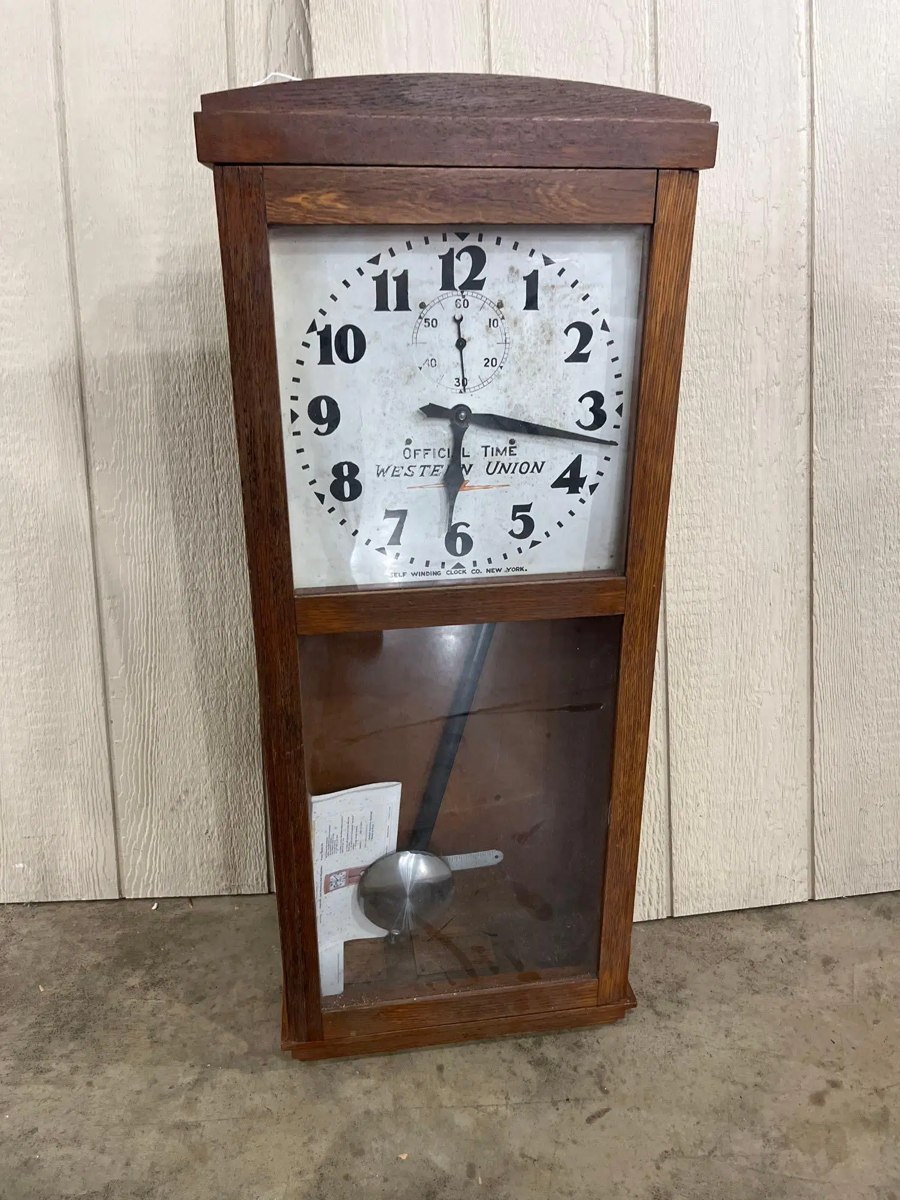
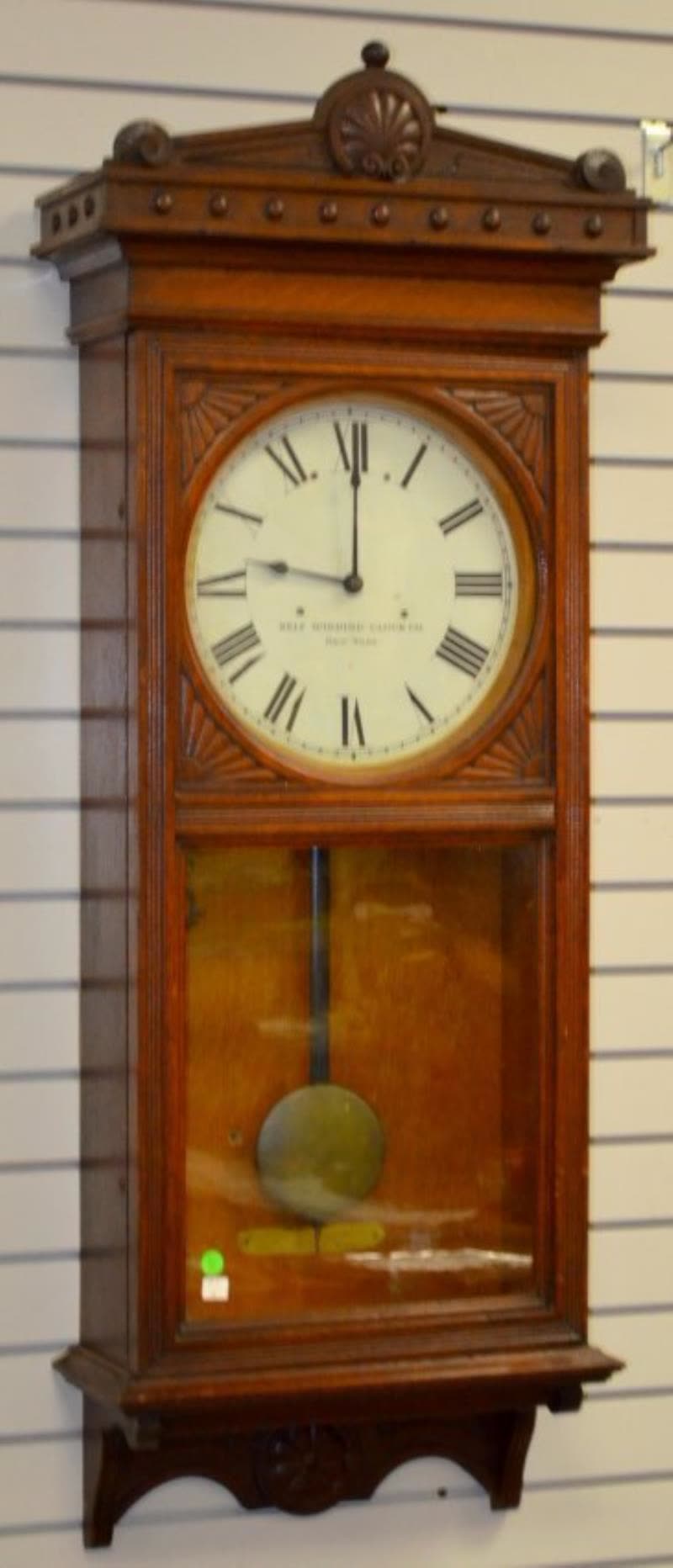
- Self Winding Clock Company oak wall clockWall clock · 1st quarter-20th century
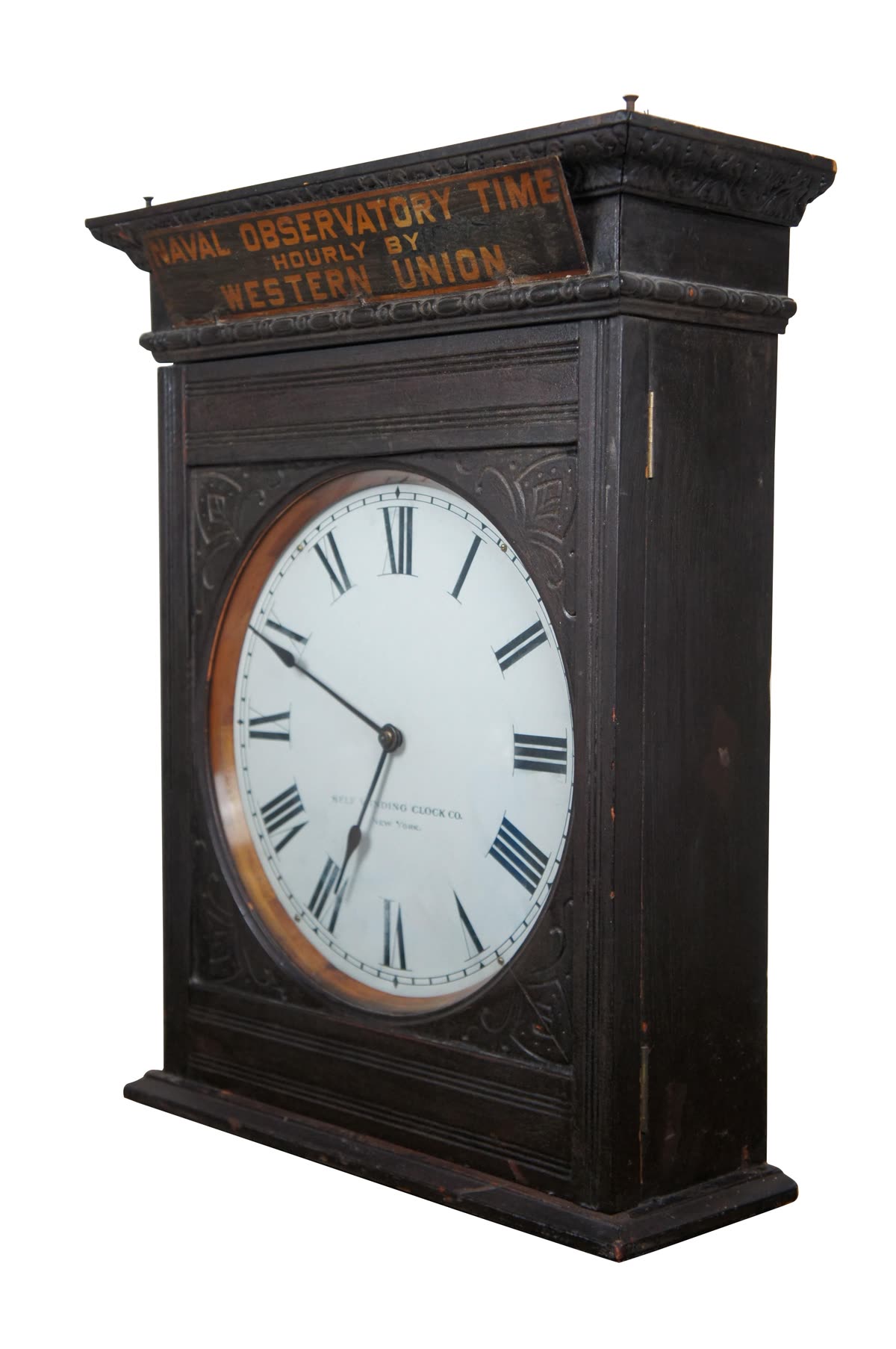
- Western Union Oak Wall Regulator ClockRegulator
Provenance
Where the 2 catalogued pieces by Self Winding Clock Company were recorded, with the collectors, owners and sales their records name.
Provenance map
Each piece is linked to the museum, auction house or dealer whose record it comes from, and to any other house or collection its own provenance names. Select a name to see its pieces.
Auction houses · 2 pieces
Atlee Raber Auctions
Auction house · 1 piece
Western Union Oak Wall Regulator ClockRegulator · Record source
Atlee Raber Auctions: lot 0414
Auction history
| House | Sale & lot | Object |
|---|---|---|
| Garth's Auctioneers & Appraisers | lot 104 | Self Winding Clock Company oak wall clock |
| Atlee Raber Auctions | lot 0414 | Western Union Oak Wall Regulator Clock |
Each line is copied from the object's source record and is not independently verified. Holders are as recorded when the piece was catalogued: museum objects may not be on display, and sold lots have since changed hands.
Photographs
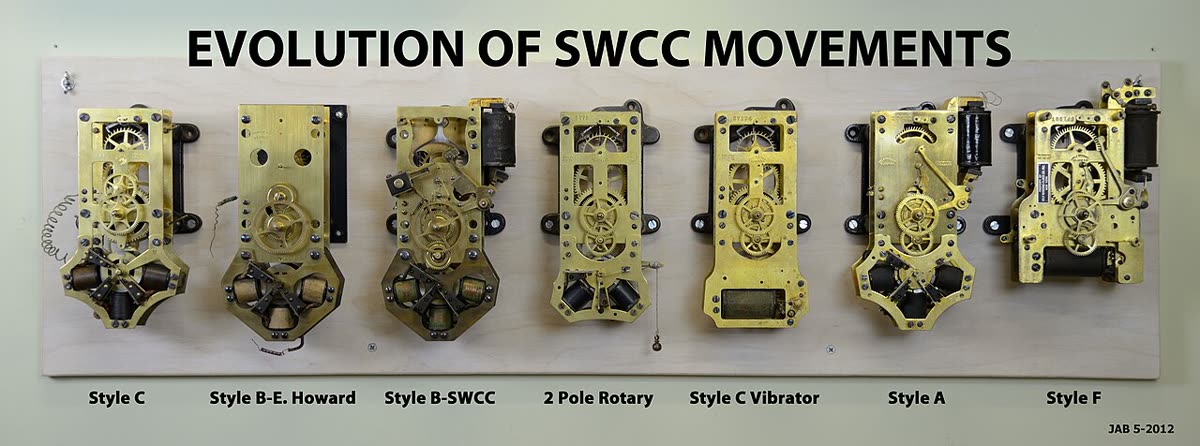
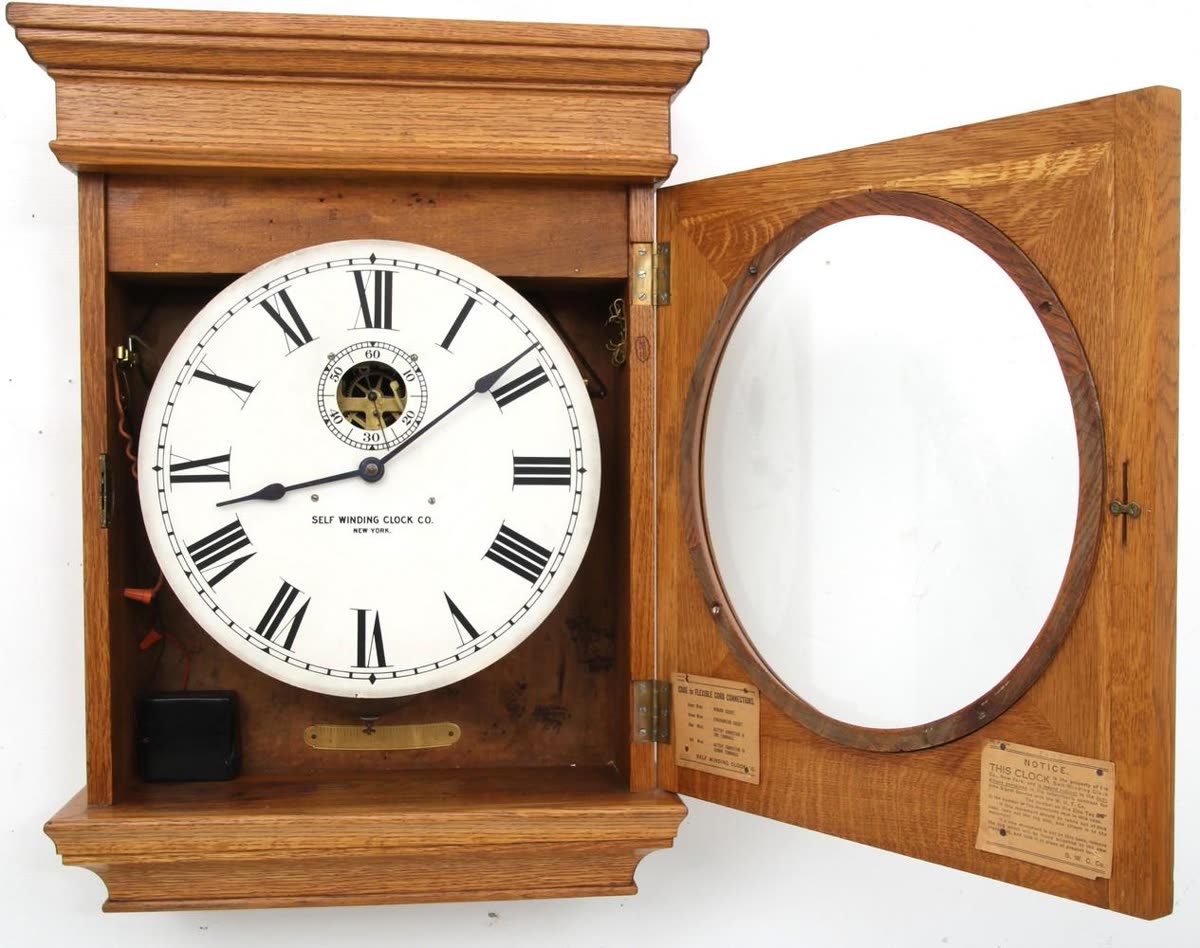
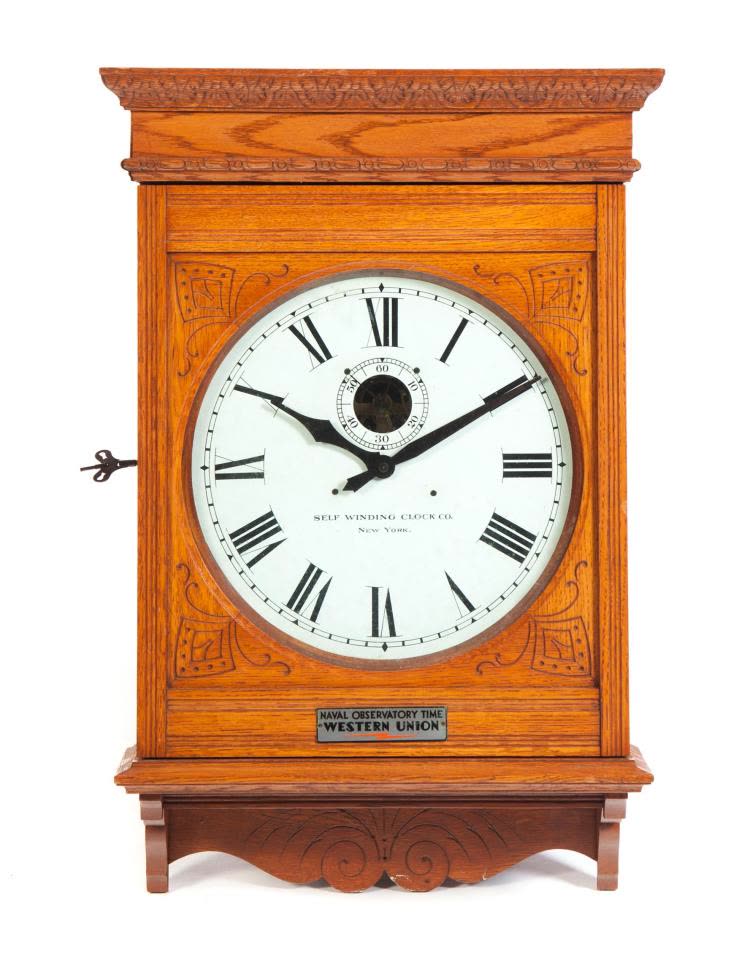
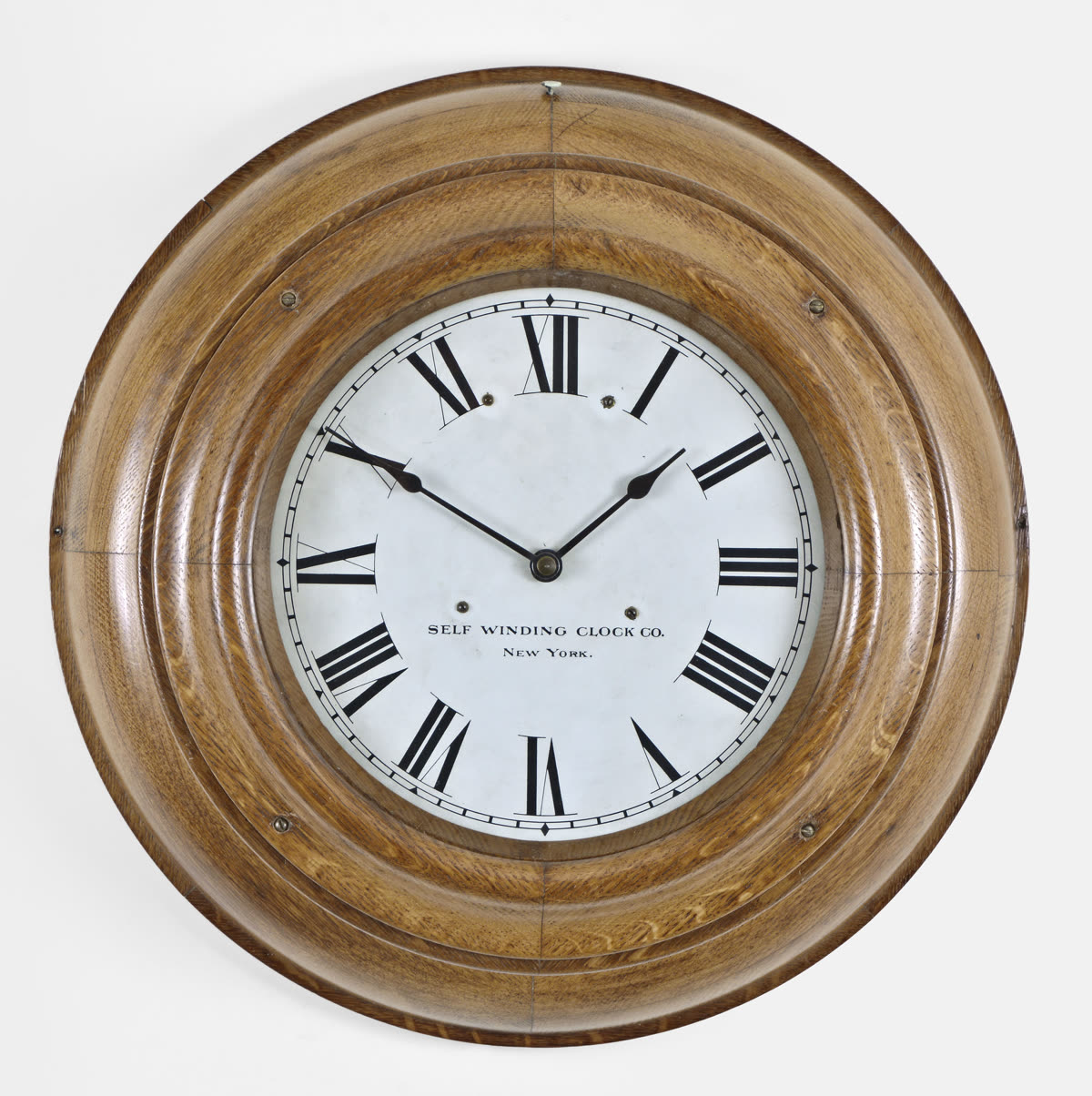
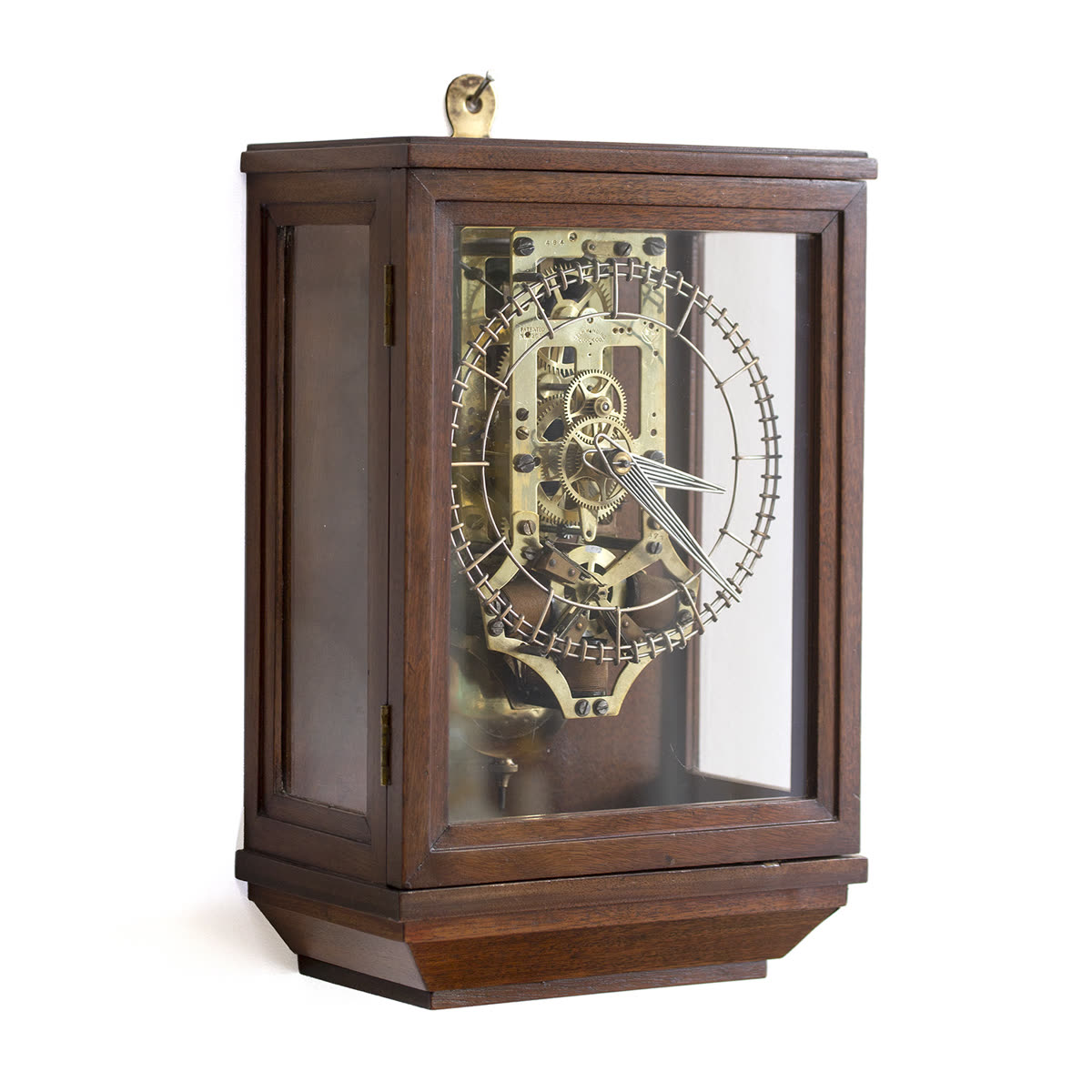
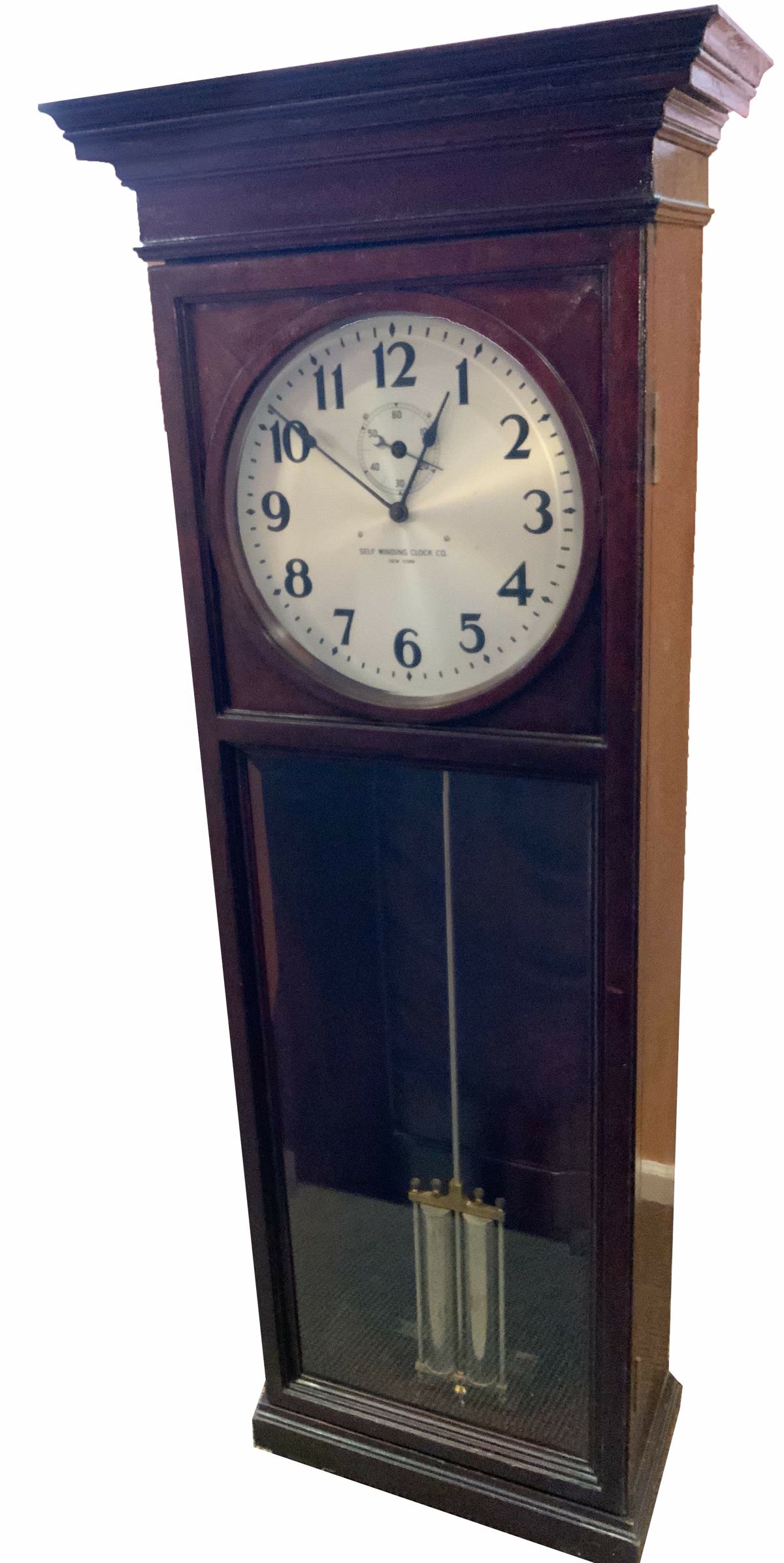
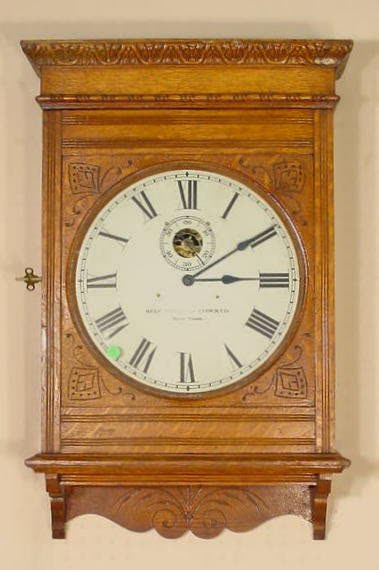
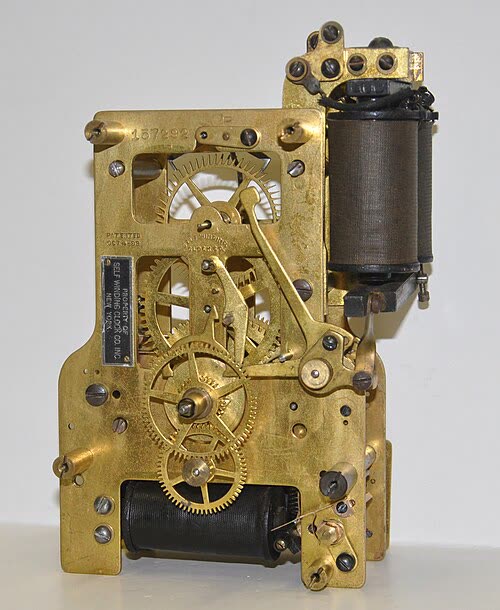
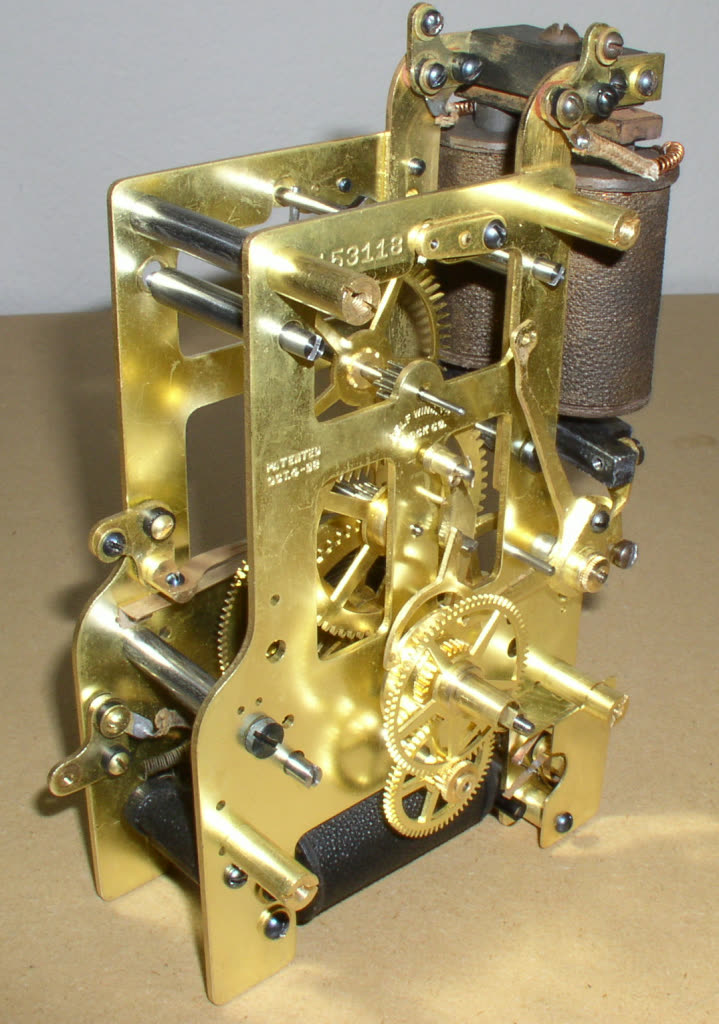
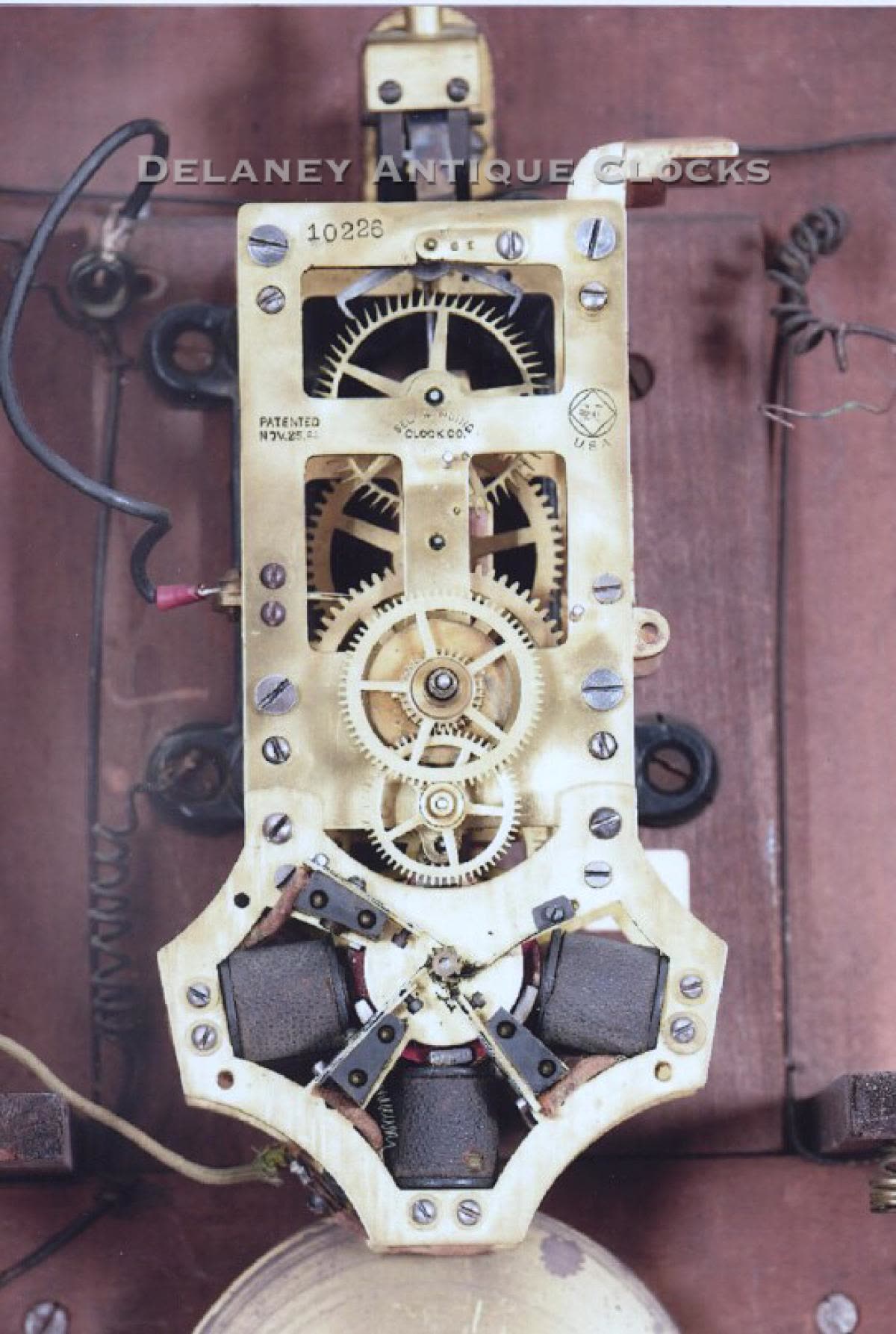
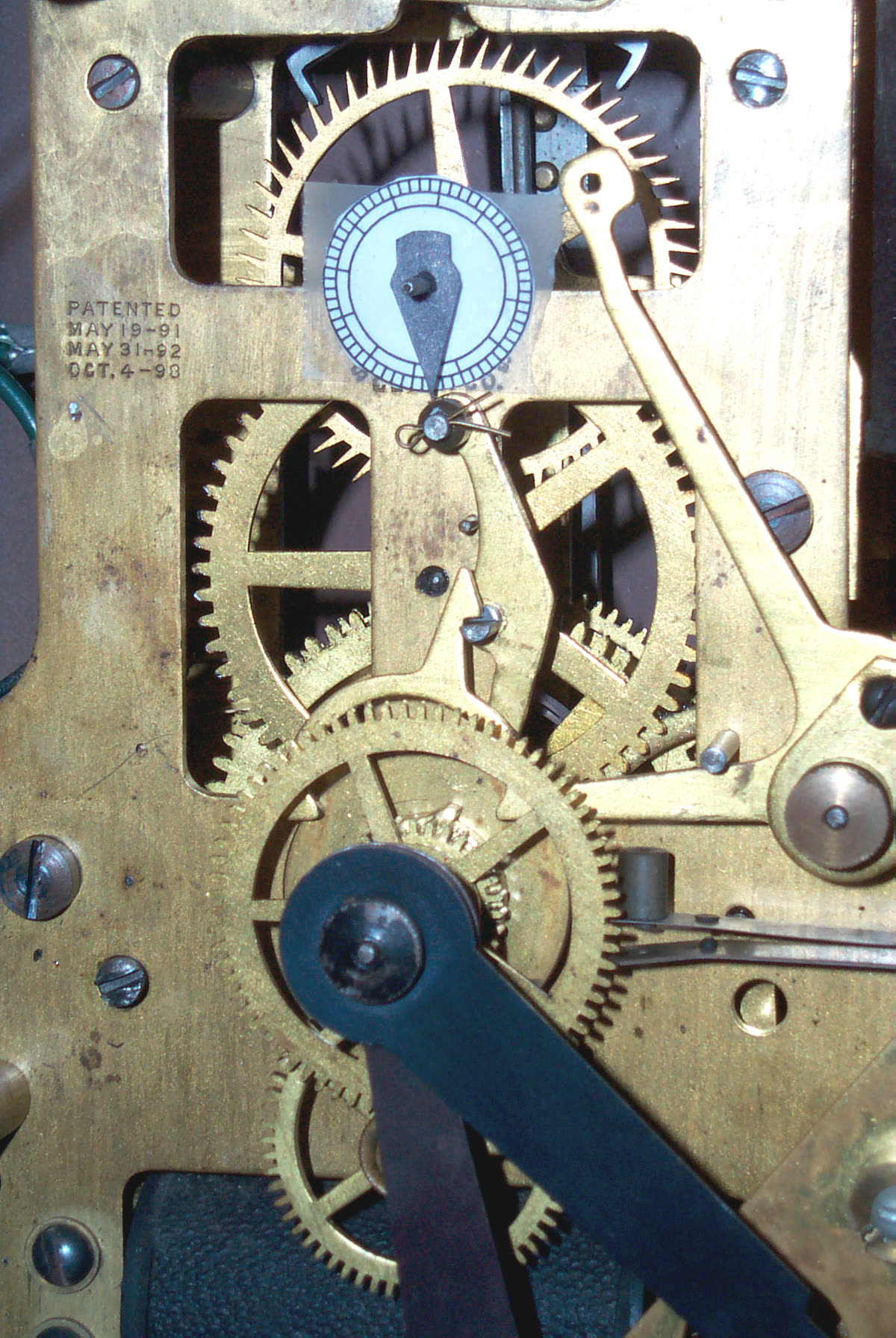
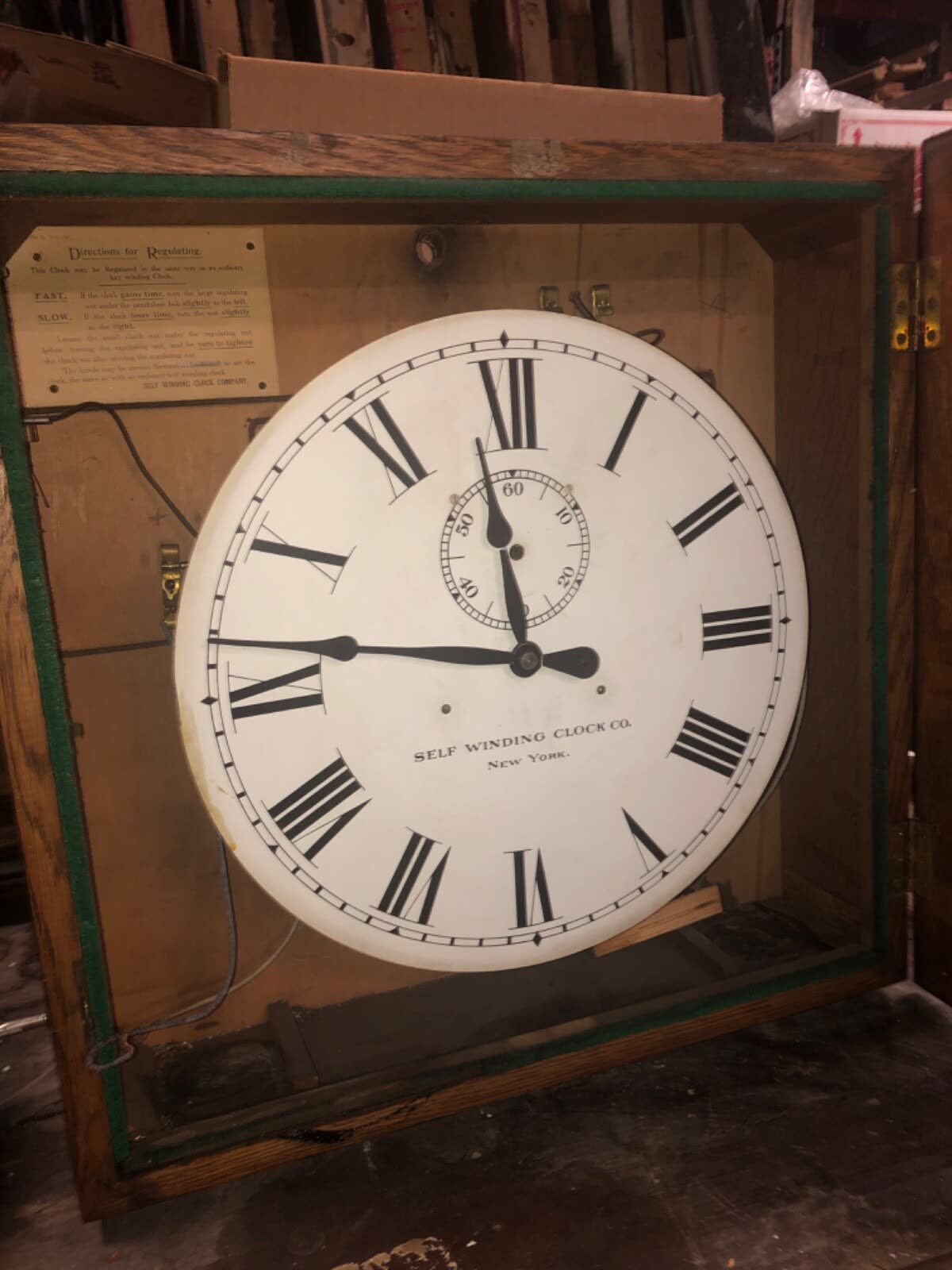
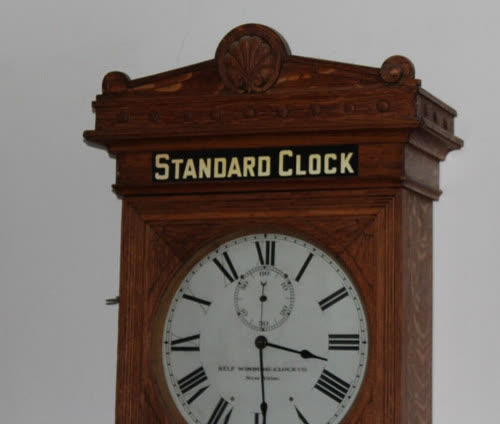
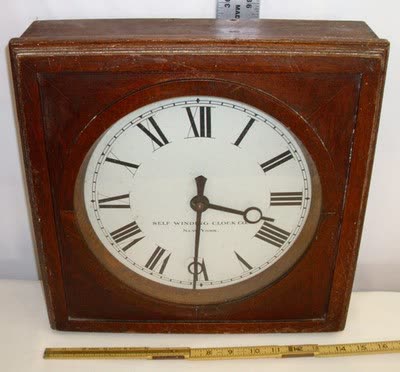
Photographs are illustrative examples of the type, not necessarily the exact object described. Verify details against the source file page.
Sources & references
- Self Winding Clock Company, Wikipedia (English), retrieved 2026-10-27 (text CC BY-SA 4.0)
- Seth Thomas Clock Company, Wikipedia (English), retrieved 2026-10-27 (text CC BY-SA 4.0)
- Self Winding Clock Company, Watch-Wiki, retrieved 2026-10-27
- Brian Loomes, Watchmakers and Clockmakers of the World
- Mikrolisk trademark and maker index
Where sources disagree, the disagreement is stated rather than resolved silently.