
Blois, France
Robert-Houdin
Partially verifiedMystery clocks and automata
History
Known for mystery clocks and conjuring automata.
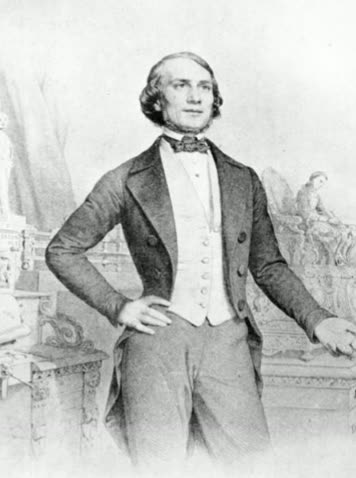
Born in Blois, Jean-Eugène Robert began his career as an apprentice watchmaker before settling in Paris, where he married Josèphe-Cécile-Eglantine Houdin and hyphenated his name to Robert-Houdin. In 1845, he opened the Théâtre Robert-Houdin in the Palais-Royal, a venue dedicated to stage illusions and his own mechanical inventions. The theatre later relocated to the Boulevard des Italiens and was eventually managed by his former pupil Hamilton and later by the illusionist Georges Méliès. The venue was demolished in 1924 to allow for the extension of the Boulevard Haussmann after closing its doors the previous year.
The extended history summarises the open references listed under Sources; each statement was checked against the cited passage. Confirm key dates in period documents before relying on them.
Timeline
Robert-Houdin's recorded dates, dated events from this profile and its sources, and dated pieces and sales from the object catalogue. Dates are as each record gives them.
1836 · Catalogued piece
Louis-Philippe Ormolu 'L'Escamoteur Chinois' Automaton Clock
1837 · Career
In 1837, he filed his first patent for a 'réveil briquet' alarm clock that ignites a candle.
1845 · Career
In 1845, he opened the Théâtre Robert-Houdin in the Palais-Royal, a venue dedicated to stage illusions and his own mechanical inventions.
1924 · Career
The venue was demolished in 1924 to allow for the extension of the Boulevard Haussmann after closing its doors the previous year.
Current watchmaking & later fate
Recorded as ceased: 19th century. Later use of the name by another firm, if any, is not covered here.
Key models
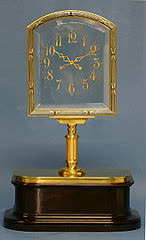
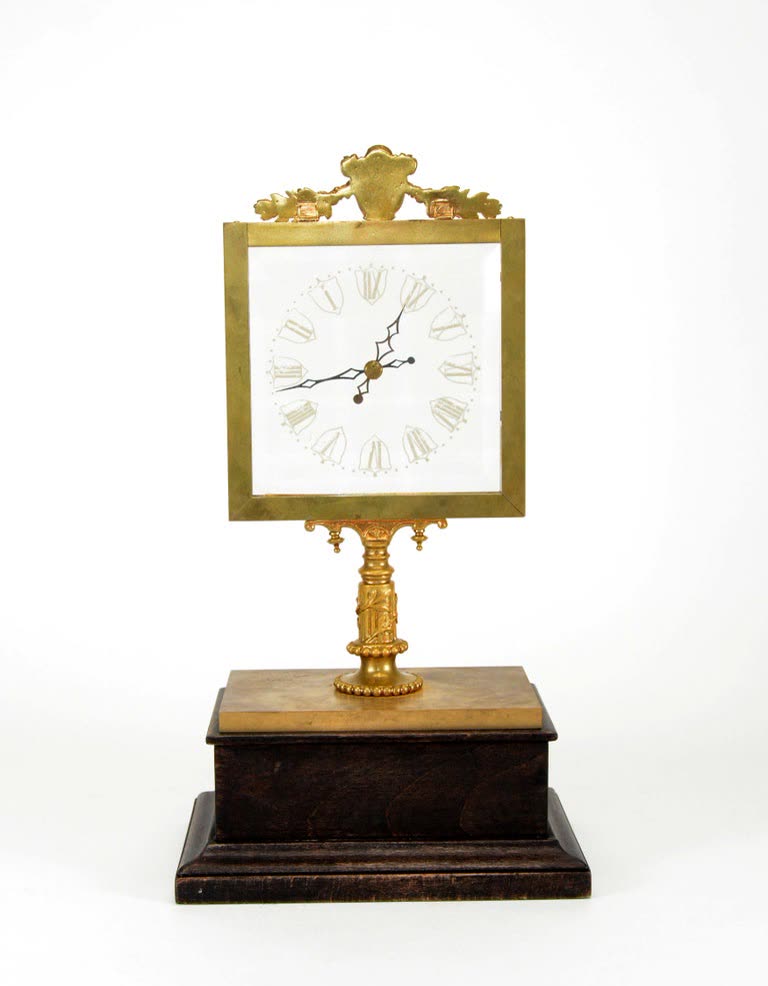
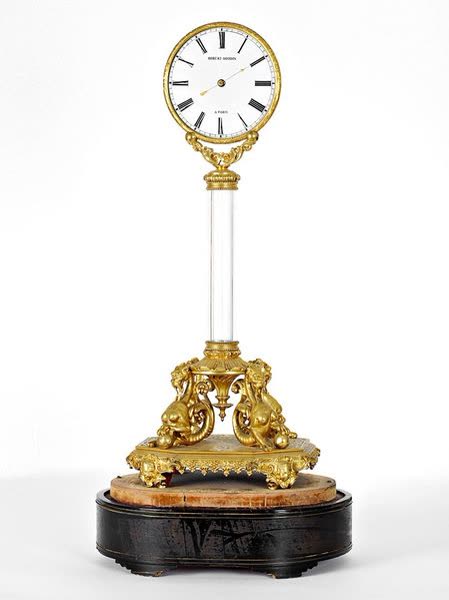
- Mystery clock
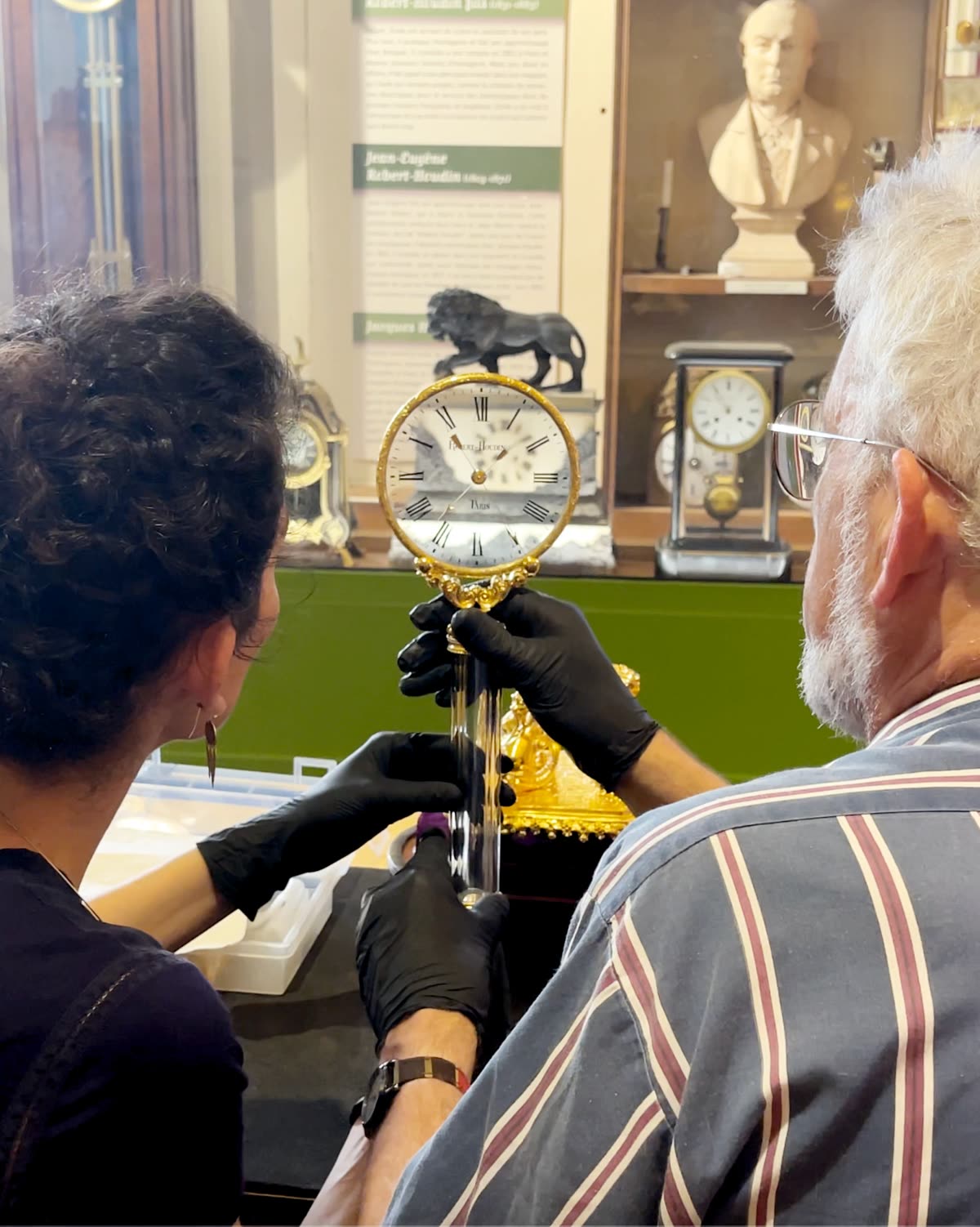
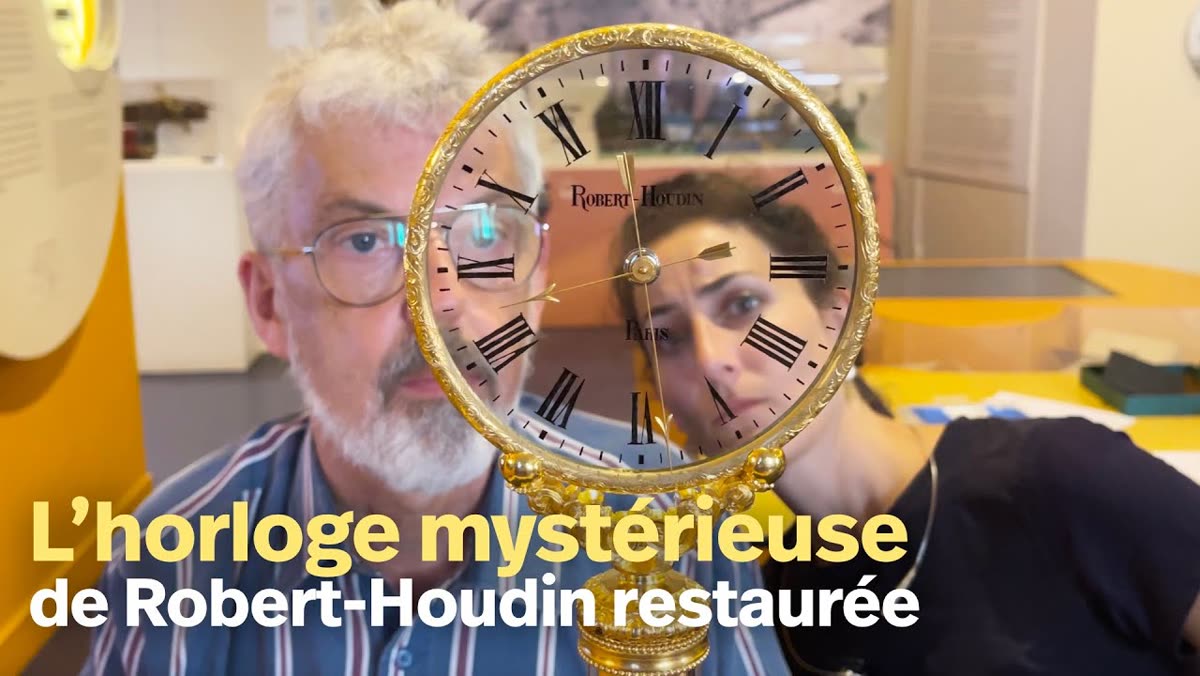
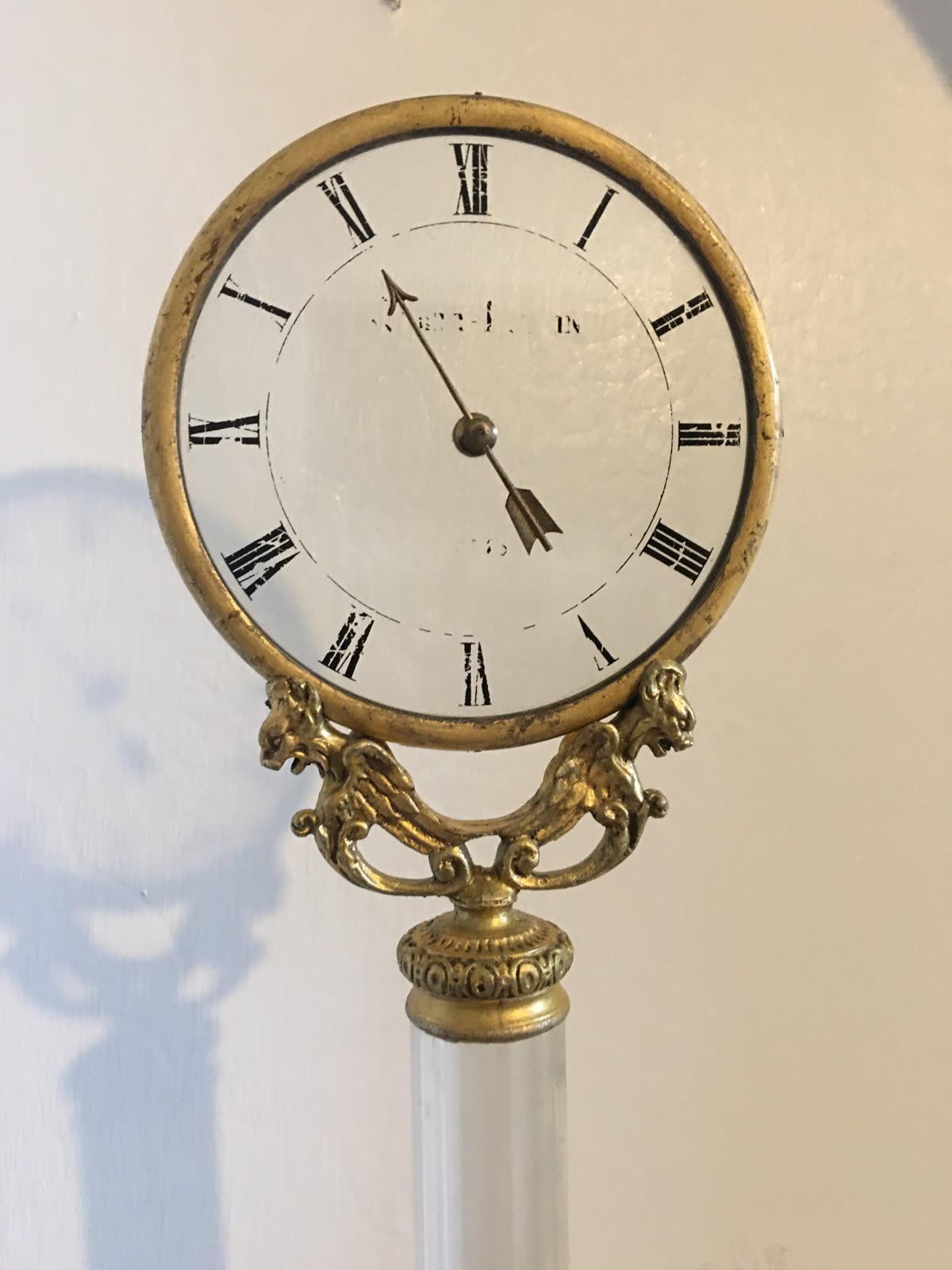
- Robert-Houdin was widely credited with inventing the mystery clock, which featured an ingenious mechanism that made it appear as though the hands were driven by nothing.
- Writing and drawing figure
- This highly acclaimed automaton, which featured a figure capable of writing and drawing, was displayed before King Louis Philippe I and sold to P. T. Barnum.
Major innovations
- Robert-Houdin created mystery clocks that feature a seemingly invisible mechanism to drive the hands.
- In 1837, he filed his first patent for a 'réveil briquet' alarm clock that ignites a candle.
Known markings
- 'Robert-Houdin'
- The trade name Robert-Houdin was used on his clocks and theatre signage.
Serial numbers
This archive holds no verified serial-number table for this maker. Do not date a piece from its serial number alone; use case hallmarks, movement construction, trade directories and documented comparison examples.
Collecting significance
Originality of dial, hands, case and movement is the main consideration. Confirm that the movement belongs to the case and that the dial has not been refinished, and record what is verified separately from what is inferred.
Identification and dating notes
- Clocks produced from 1837 onwards often featured mystery movements, with later models evolving from circular to square or rectangular dials.
In the object catalogue
1 catalogued object is recorded under Robert-Houdin. Attributions are as given by each source and are not independent authentication.
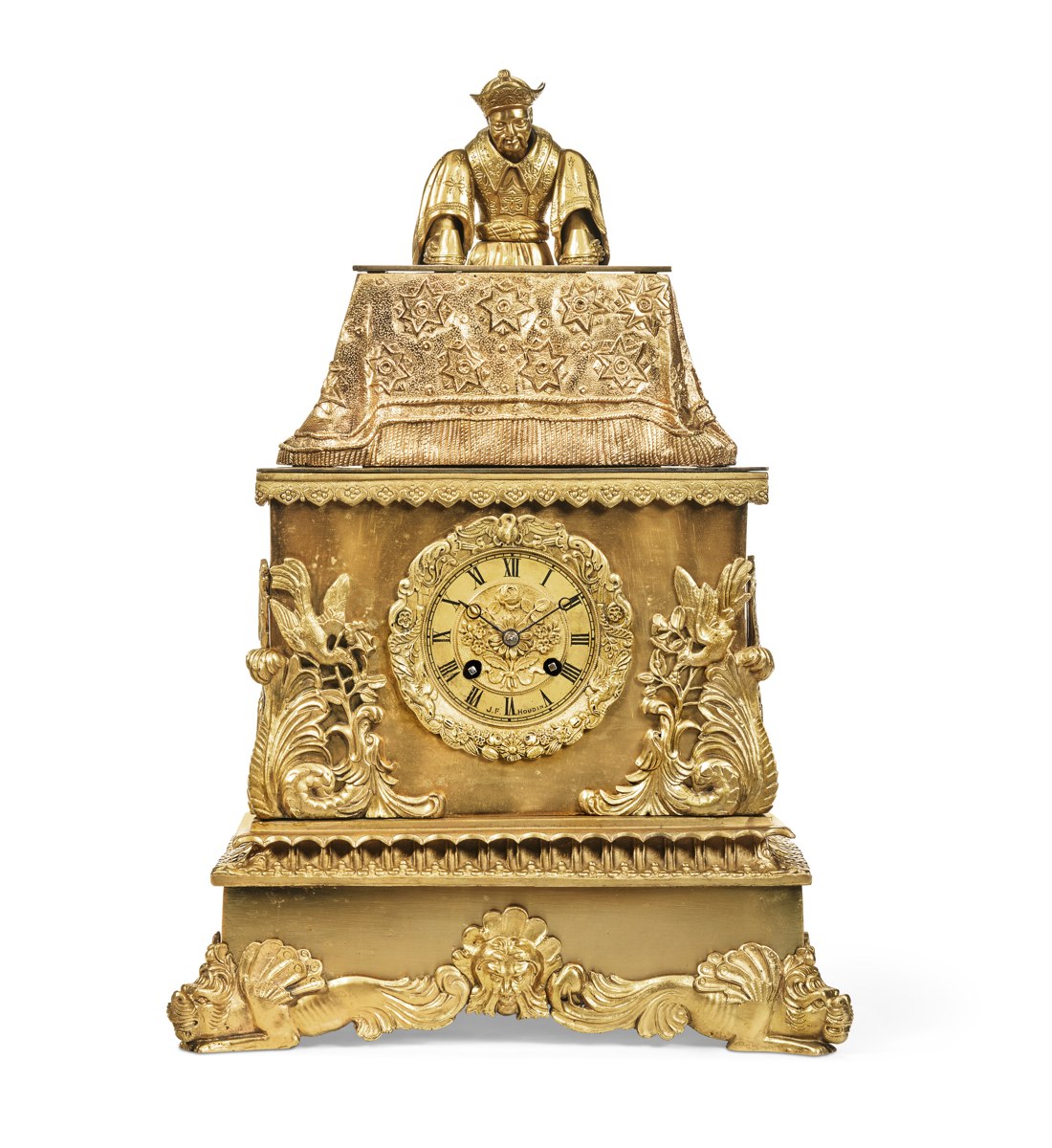
- Louis-Philippe Ormolu 'L'Escamoteur Chinois' Automaton ClockNovelty & automaton clock · 1836
Provenance
Where the 1 catalogued piece by Robert-Houdin was recorded, with the collectors, owners and sales their records name.
Provenance map
Each piece is linked to the museum, auction house or dealer whose record it comes from, and to any other house or collection its own provenance names. Select a name to see its pieces.
Auction houses · 1 piece
Christie's
Auction house · 1 piece · Directory entry
Louis-Philippe Ormolu 'L'Escamoteur Chinois' Automaton ClockNovelty & automaton clock · 1836 · Record source
Christie's: lot 335
Auction history
| House | Sale & lot | Object |
|---|---|---|
| Christie's | lot 335 | Louis-Philippe Ormolu 'L'Escamoteur Chinois' Automaton Clock |
Each line is copied from the object's source record and is not independently verified. Holders are as recorded when the piece was catalogued: museum objects may not be on display, and sold lots have since changed hands.
Photographs
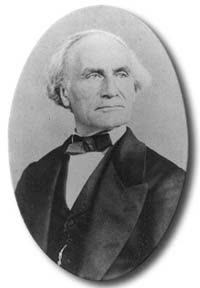
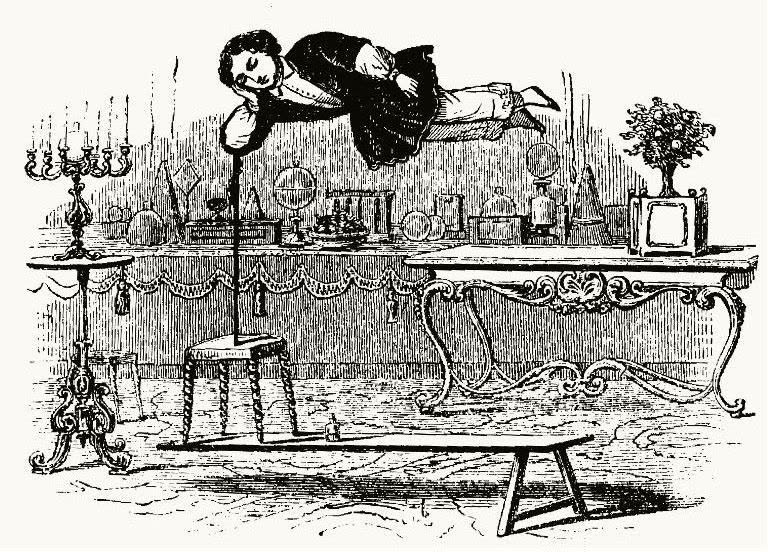
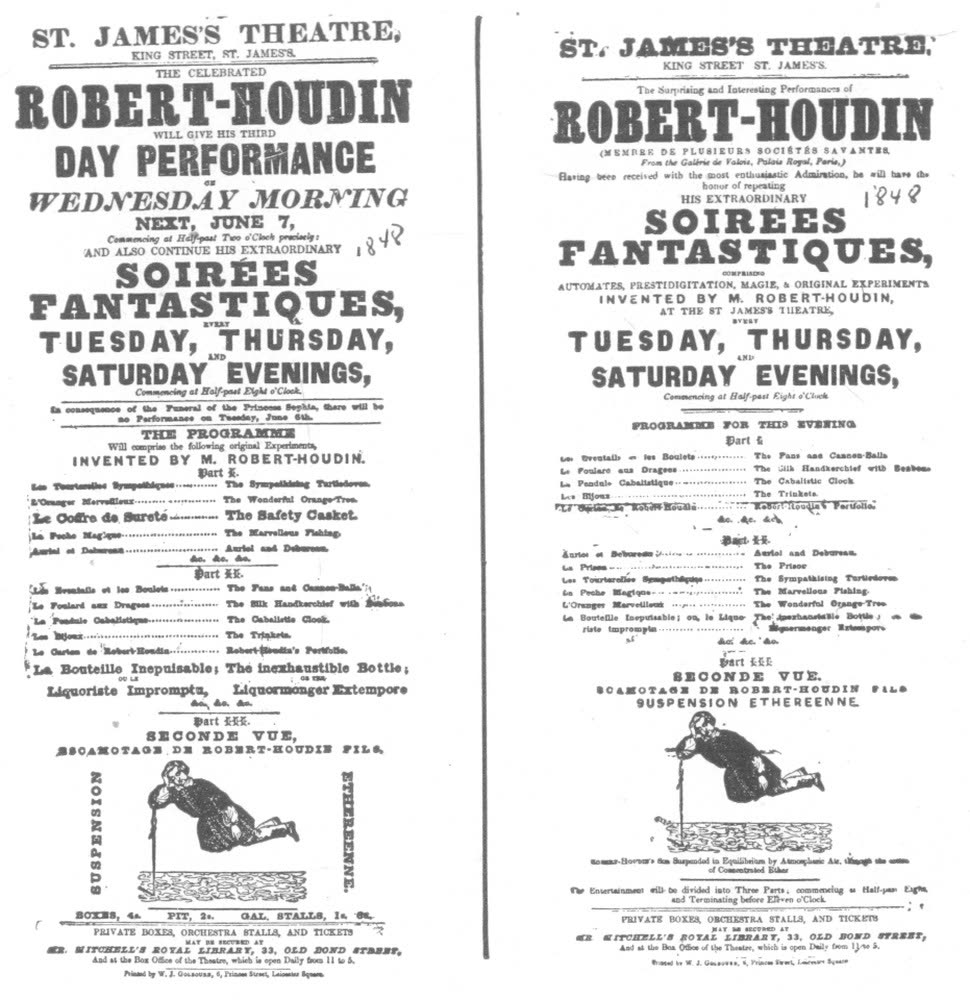
Photographs are illustrative examples of the type, not necessarily the exact object described. Verify details against the source file page.
Sources & references
- Jean-Eugène Robert-Houdin, Wikipedia (English), retrieved 2026-10-27 (text CC BY-SA 4.0)
- Théâtre Robert-Houdin, Wikipedia (English), retrieved 2026-10-27 (text CC BY-SA 4.0)
- Robert-Houdin, Jean Eugène/de, Watch-Wiki, retrieved 2026-10-27
- Robert-Houdin, Jean Eugène/nl, Watch-Wiki, retrieved 2026-10-27
- Jean-Eugène Robert-Houdin, Wikipedia (French), retrieved 2026-10-27 (text CC BY-SA 4.0)
- Brian Loomes, Watchmakers and Clockmakers of the World
- Mikrolisk trademark and maker index
- Published trade directories and period material catalogues
Where sources disagree, the disagreement is stated rather than resolved silently.