
London, Britain
Robert Hooke
Partially verifiedScientific instruments
History
Key in the development of balance spring theory.
Robert Hooke was born in 1635 and became a prominent physicist and natural philosopher in London. Throughout his career, he focused on mechanical improvements for clocks and researched the development of portable timepieces. Hooke passed away in 1703, leaving behind significant, though sometimes contested, contributions to horological theory and precision instrumentation.
The extended history summarises the open references listed under Sources; each statement was checked against the cited passage. Confirm key dates in period documents before relying on them.
Timeline
Robert Hooke's recorded dates, dated events from this profile and its sources, and dated pieces and sales from the object catalogue. Dates are as each record gives them.
1635 · Career
Robert Hooke was born in 1635 and became a prominent physicist and natural philosopher in London.
1658 · Career
Hooke was the first to use a balance spring to regulate portable watches in 1658.
1660s · Career
Founded (London)
1703 · Career
Hooke passed away in 1703, leaving behind significant, though sometimes contested, contributions to horological theory and precision instrumentation.
Major innovations
- Hooke was the first to use a balance spring to regulate portable watches in 1658.
- He invented the spirit level, a dividing engine, and a gear-cutting machine for clockmakers.
- Hooke established the law of elasticity which describes the relationship between tension and force.
Serial numbers
This archive holds no verified serial-number table for this maker. Do not date a piece from its serial number alone; use case hallmarks, movement construction, trade directories and documented comparison examples.
Collecting significance
Originality of dial, hands, case and movement is the main consideration. Confirm that the movement belongs to the case and that the dial has not been refinished, and record what is verified separately from what is inferred.
Identification and dating notes
- His 1679 treatise on elastic bodies and the balance spring provides technical context for his horological work.
Photographs
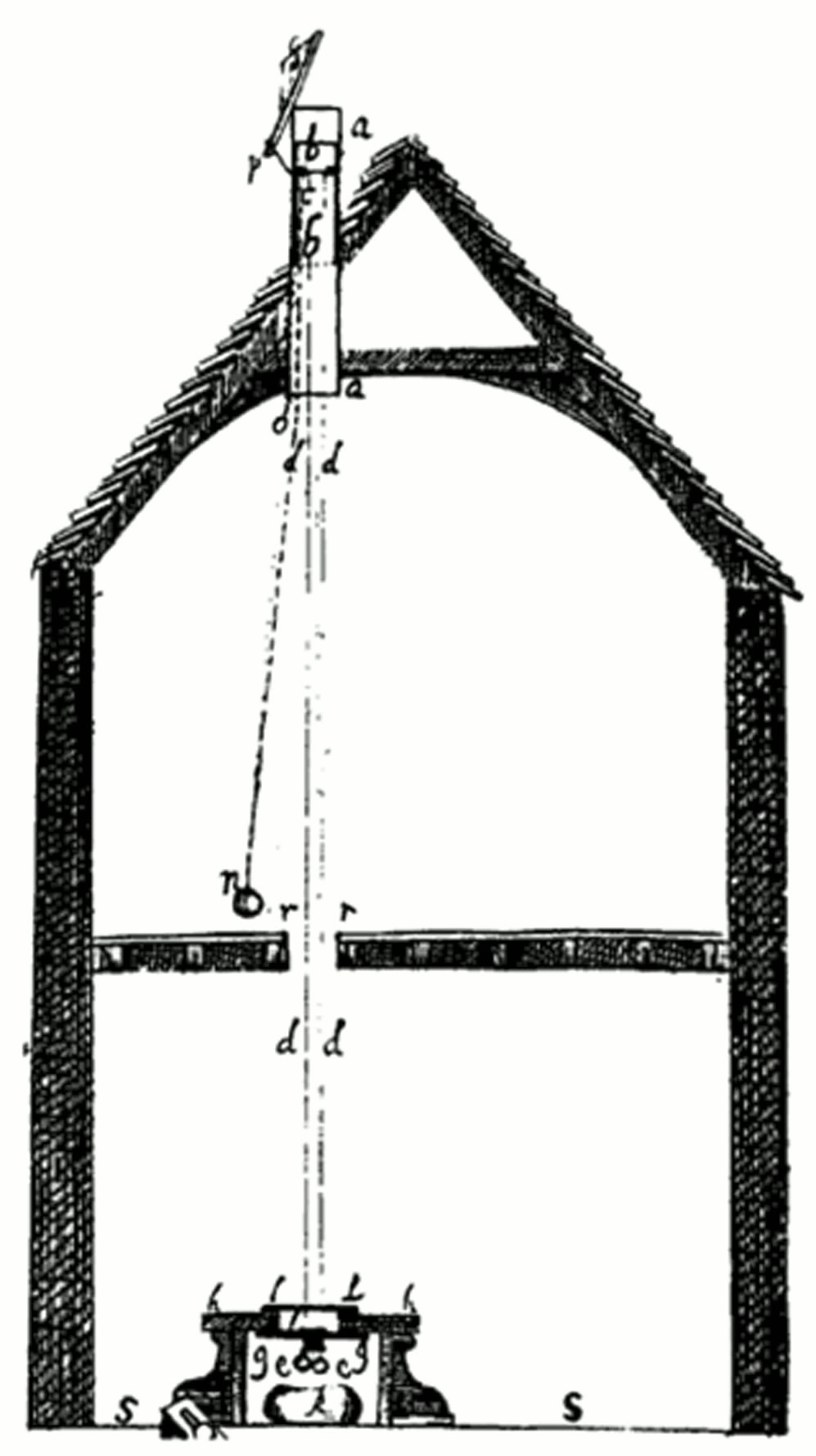
Photographs are illustrative examples of the type, not necessarily the exact object described. Verify details against the source file page.
Sources & references
- Hooke, Robert, Watch-Wiki, retrieved 2026-10-27
- Brian Loomes, Watchmakers and Clockmakers of the World
- Mikrolisk trademark and maker index
- Published trade directories and period material catalogues
Where sources disagree, the disagreement is stated rather than resolved silently.