
Moscow, Russia
Poljot (First Moscow Watch Factory)
Partially verifiedWatches and chronographs
History
Founded with machinery bought from American factories.
Founded in 1930 under orders from Joseph Stalin, the First Moscow Watch Factory utilized machinery and designs purchased from the American Dueber-Hampden Watch Company. Following an evacuation to Zlatoust during the war in 1941, the factory returned to Moscow in 1943 and officially adopted the First Moscow Watch Factory name. The brand Poljot, meaning flight, was introduced in 1964 and became a staple of the Soviet watch industry, producing timepieces worn by cosmonauts like Yuri Gagarin. In the late 2000s, the company was acquired by businessman Sergeï Pugachev, while former employees established a new firm named Volmax to continue production.
The extended history summarises the open references listed under Sources; each statement was checked against the cited passage. Confirm key dates in period documents before relying on them.
Timeline
Poljot (First Moscow Watch Factory)'s recorded dates, dated events from this profile and its sources, and dated pieces and sales from the object catalogue. Dates are as each record gives them.
1930 · Career
Founded (Moscow)
1930 · Career
Founded in 1930 under orders from Joseph Stalin, the First Moscow Watch Factory utilized machinery and designs purchased from the American Dueber-Hampden Watch Company.
Circa 1940 · Catalogued piece
1941 · Career
Following an evacuation to Zlatoust during the war in 1941, the factory returned to Moscow in 1943 and officially adopted the First Moscow Watch Factory name.
1945 · Career
The factory produced the calibre 3417 by completing and utilizing parts obtained from dismantled Urofa/Ufag facilities in 1945.
1959 · Career
The 3017 movement was introduced in 1959 as a Russian clone of a Venus column wheel chronograph.
1964 · Career
The brand Poljot, meaning flight, was introduced in 1964 and became a staple of the Soviet watch industry, producing timepieces worn by cosmonauts like Yuri Gagarin.
1979 · Career
In 1979, the factory acquired Valjoux equipment to produce the 3133 coulisse cam-lever chronograph movement.
c. 2000s · Career
Ceased trading under this name
2000 · Career
In the late 2000s, the company was acquired by businessman Sergeï Pugachev, while former employees established a new firm named Volmax to continue production.
Current watchmaking & later fate
- Following the company's closure, the physical remnants were purchased by former employees to form a new company called Volmax.
As stated in the references listed under Sources, retrieved 2026-10-27. Ownership and collections change; check the maker's own announcements for the latest position.
Key models
- Sturmanskie
- The Sturmanskie watch, which means navigator's, was worn by Yuri Gagarin during his first flight into space in 1961.
- Strela
- The Strela chronograph, which means arrow, was famously worn by cosmonaut Alexei Leonov during his first space walk in 1965.
- 3017
- Introduced in 1959, the 3017 was a Russian column wheel chronograph movement modeled after the Venus 70/150/152.
- 3133
- In 1979, the factory acquired the production line for the 3133, a coulisse cam-lever chronograph movement, from Valjoux.
Major innovations
- The 3017 movement was introduced in 1959 as a Russian clone of a Venus column wheel chronograph.
- In 1979, the factory acquired Valjoux equipment to produce the 3133 coulisse cam-lever chronograph movement.
- The factory produced the calibre 3417 by completing and utilizing parts obtained from dismantled Urofa/Ufag facilities in 1945.
Known markings
- 'Полёт'
- 'Poljot'
- The brand name Poljot, meaning flight, was used for wristwatches produced by the factory.
- The trade name Strela, meaning arrow, was used for chronographs.
Serial numbers
This archive holds no verified serial-number table for this maker. Do not date a piece from its serial number alone; use case hallmarks, movement design and documented comparison examples.
Collecting significance
Originality of dial, hands, case and movement is the main consideration. Check that the movement belongs to the case and that the dial has not been refinished.
Identification and dating notes
- Very early products from the factory are identified by movements stamped with the Dueber-Hampden name.
In the object catalogue
2 catalogued objects are recorded under Poljot (First Moscow Watch Factory). Attributions are as given by each source and are not independent authentication.
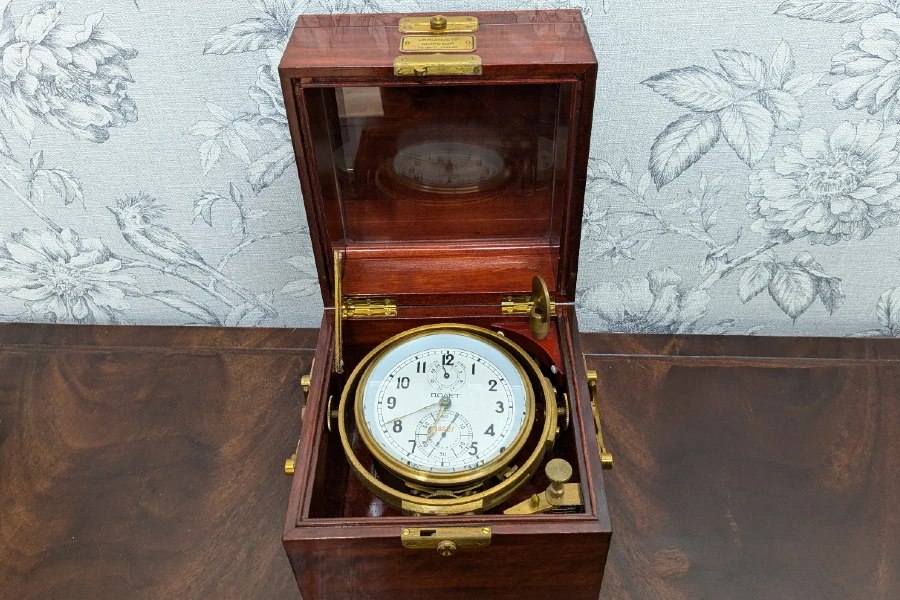
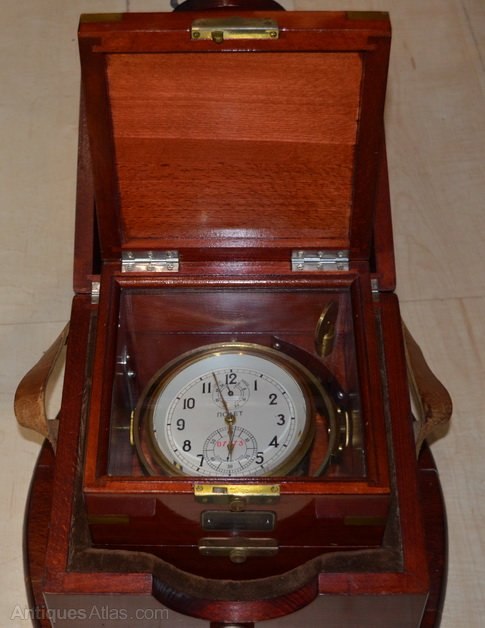
- Russian marine chronometerTwo-day marine chronometer · circa end of WWII
- Russian Marine ChronometerTwo-day marine chronometer · Circa 1940
Provenance
Where the 2 catalogued pieces by Poljot (First Moscow Watch Factory) were recorded, with the collectors, owners and sales their records name.
Provenance map
Each piece is linked to the museum, auction house or dealer whose record it comes from, and to any other house or collection its own provenance names. Select a name to see its pieces.
Dealers & other listings · 2 pieces
Antiques Atlas
Dealer · 1 piece
Russian Marine ChronometerTwo-day marine chronometer · Circa 1940 · Record source
The record names no sale, lot or earlier owner.
Each line is copied from the object's source record and is not independently verified. Holders are as recorded when the piece was catalogued: museum objects may not be on display, and sold lots have since changed hands.
Photographs
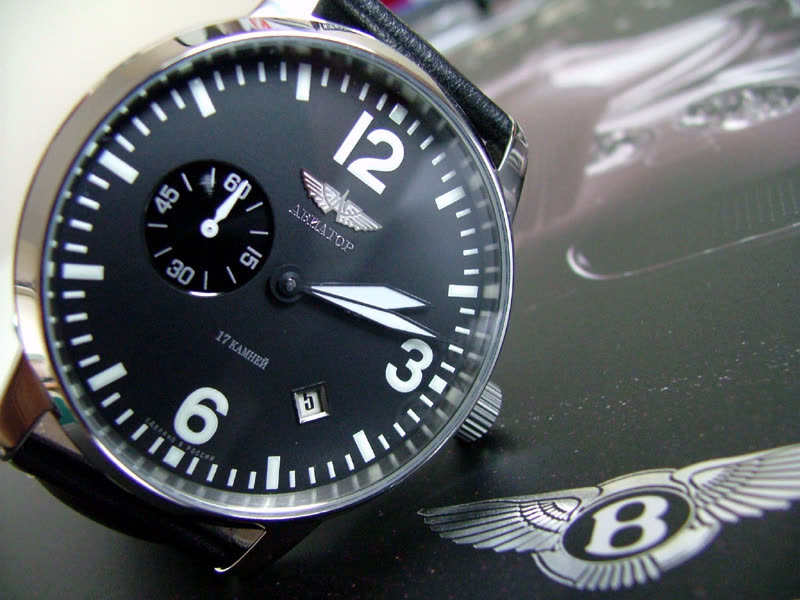
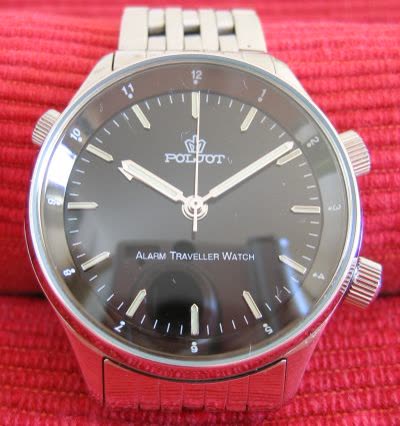
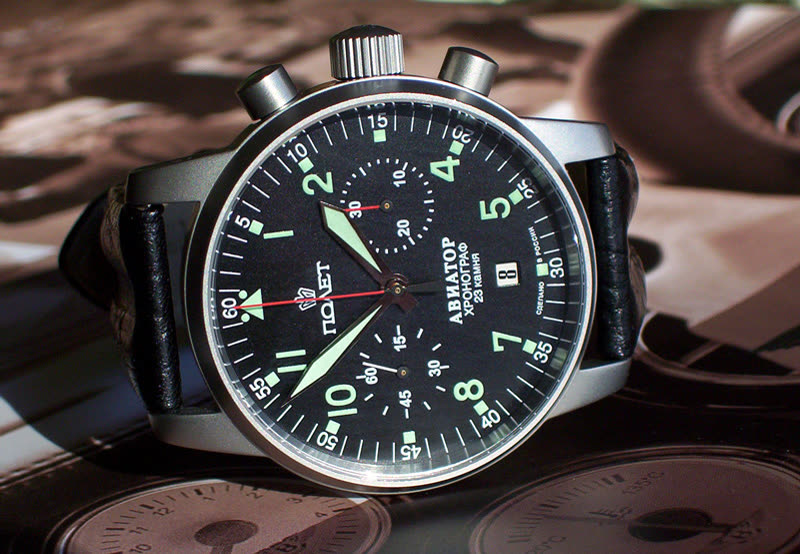
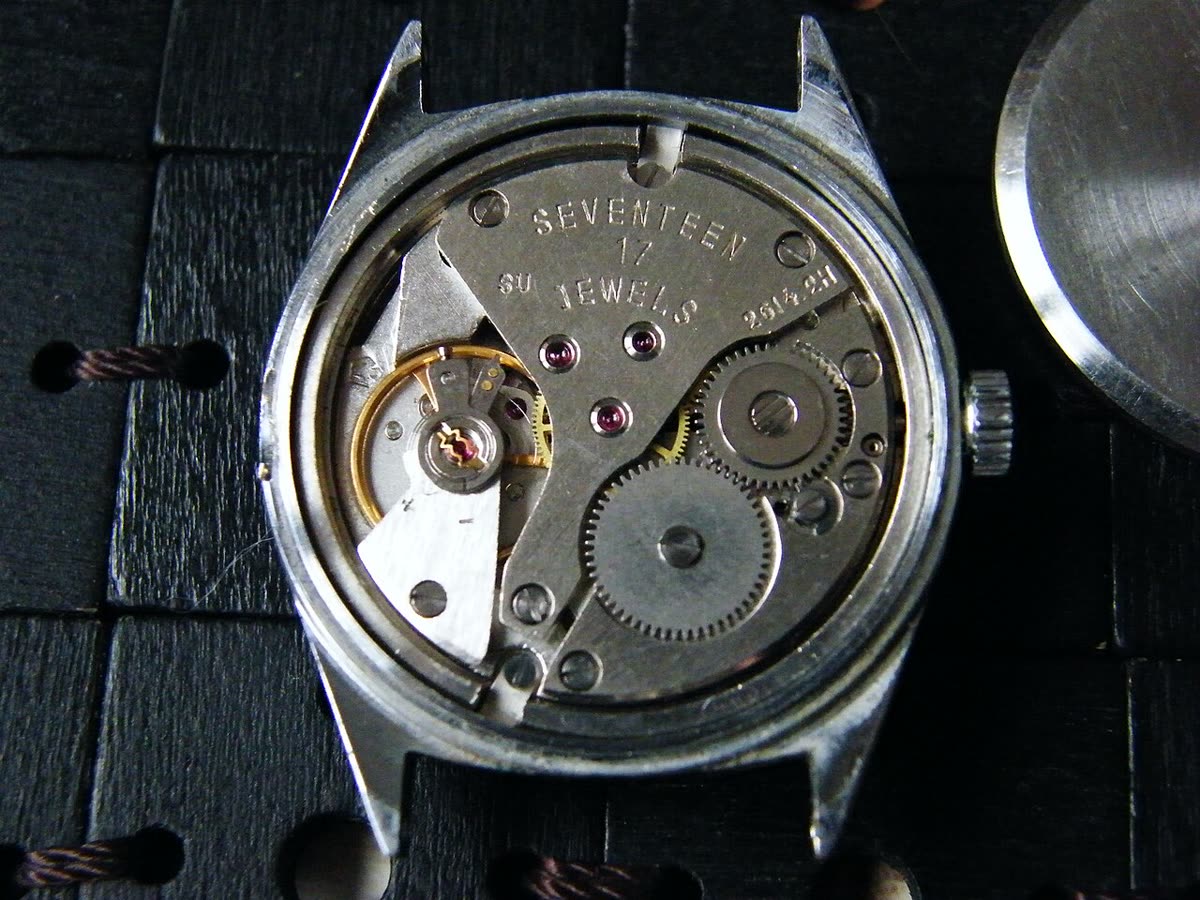
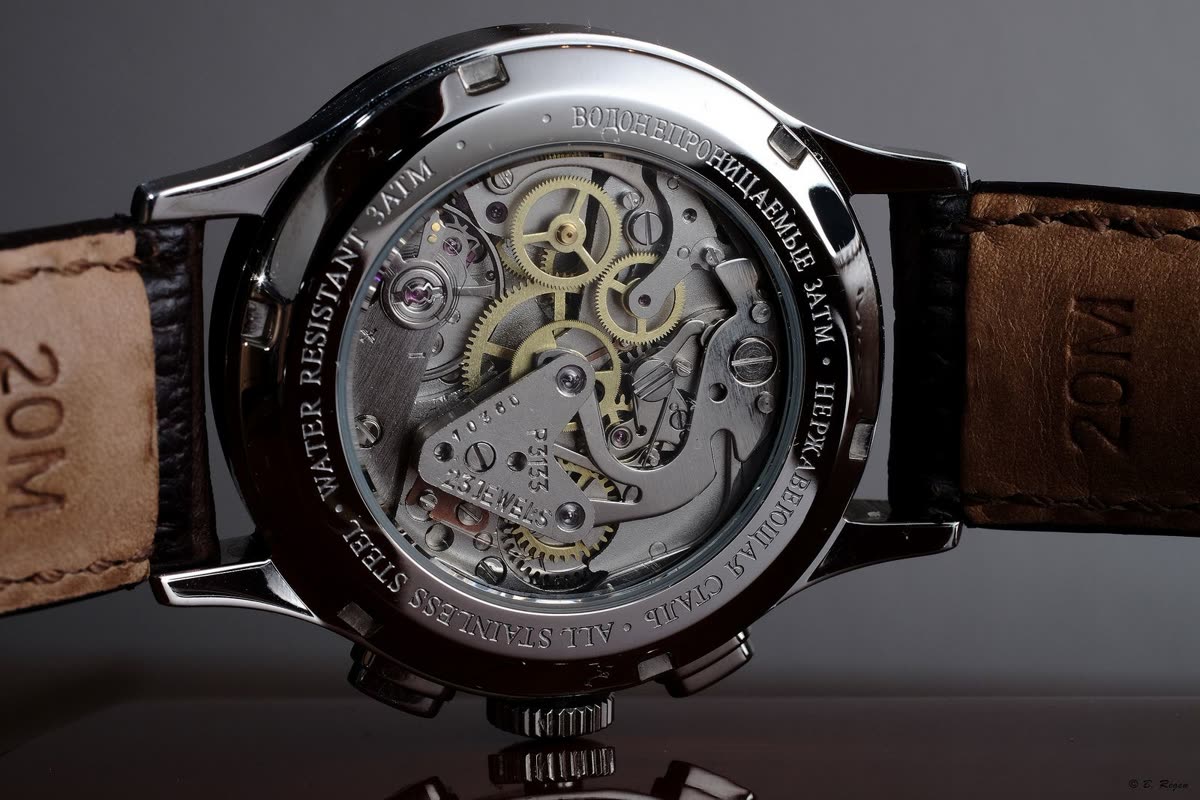
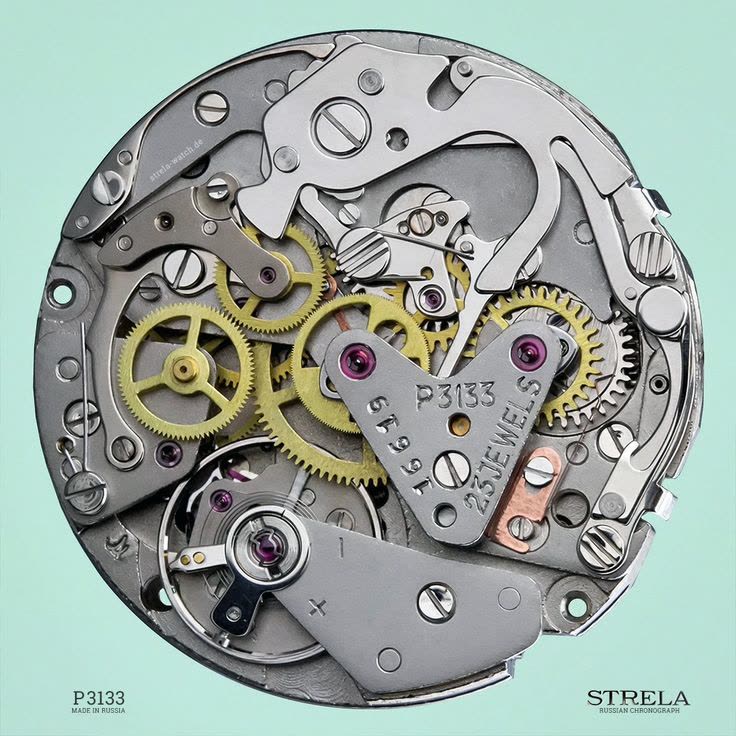
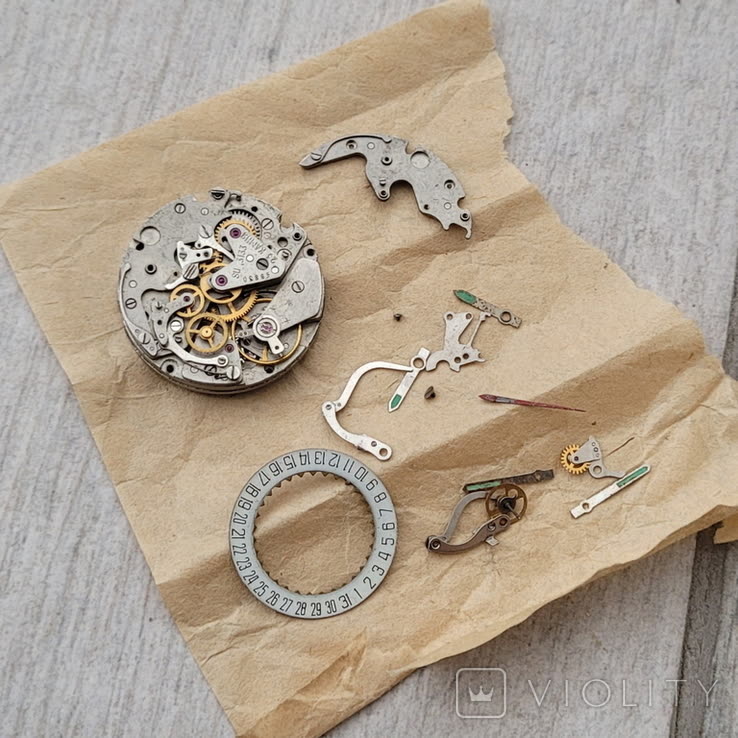
Photographs are illustrative examples of the type, not necessarily the exact object described. Verify details against the source file page.
Sources & references
- Poljot, Wikipedia (English), retrieved 2026-10-27 (text CC BY-SA 4.0)
- Poljot Strela, Wikipedia (English), retrieved 2026-10-27 (text CC BY-SA 4.0)
- Poljot Herrenarmbanduhr mit Poljot 3417, Watch-Wiki, retrieved 2026-10-27
- Brian Loomes, Watchmakers and Clockmakers of the World
- Mikrolisk trademark and maker index
Where sources disagree, the disagreement is stated rather than resolved silently.